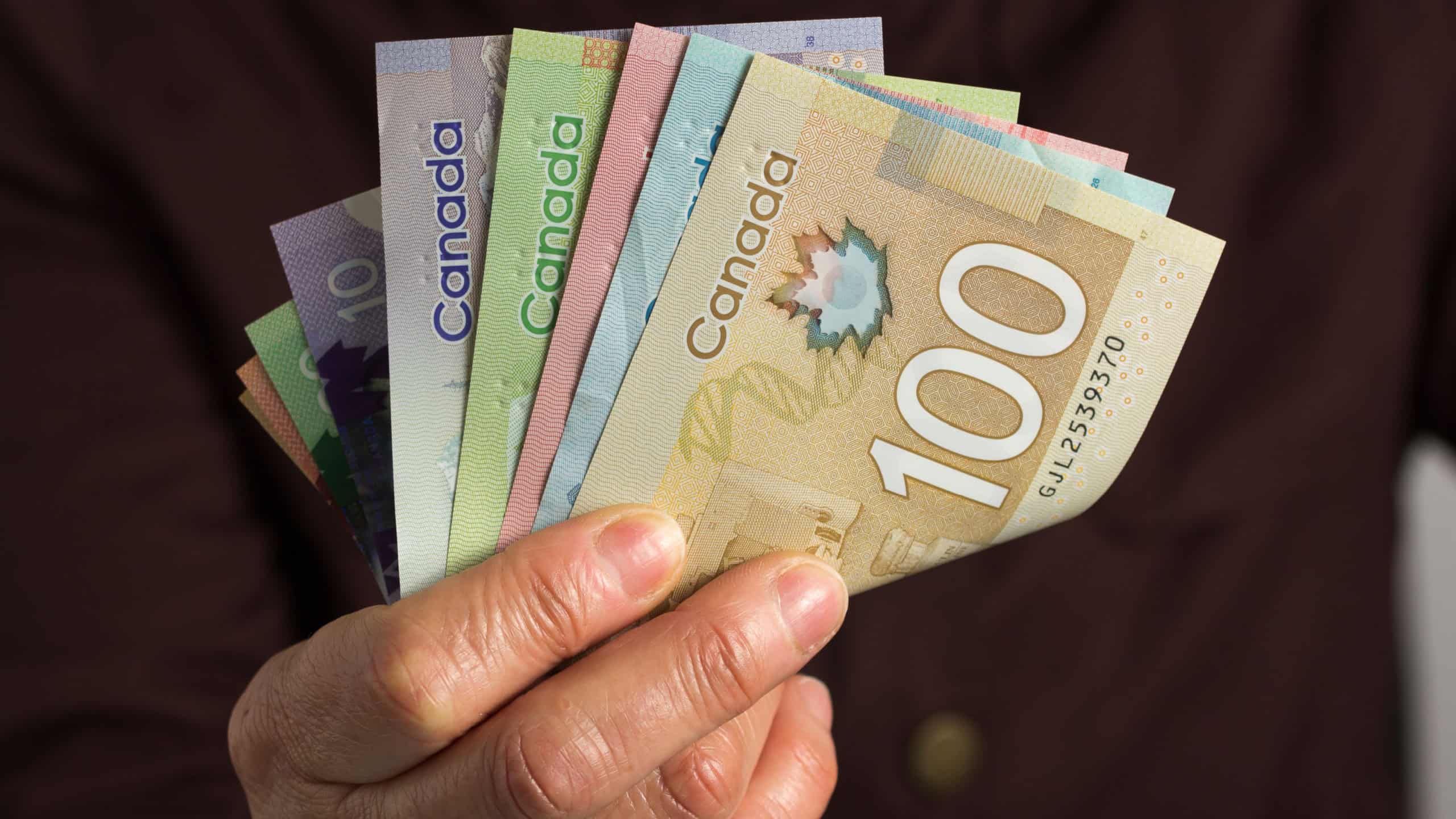
Rising housing prices, crushing taxes, and consumer inflation have created a situation where even earning what you consider a good salary is not enough to live a comfortable middle-class lifestyle in Canada.
Housing
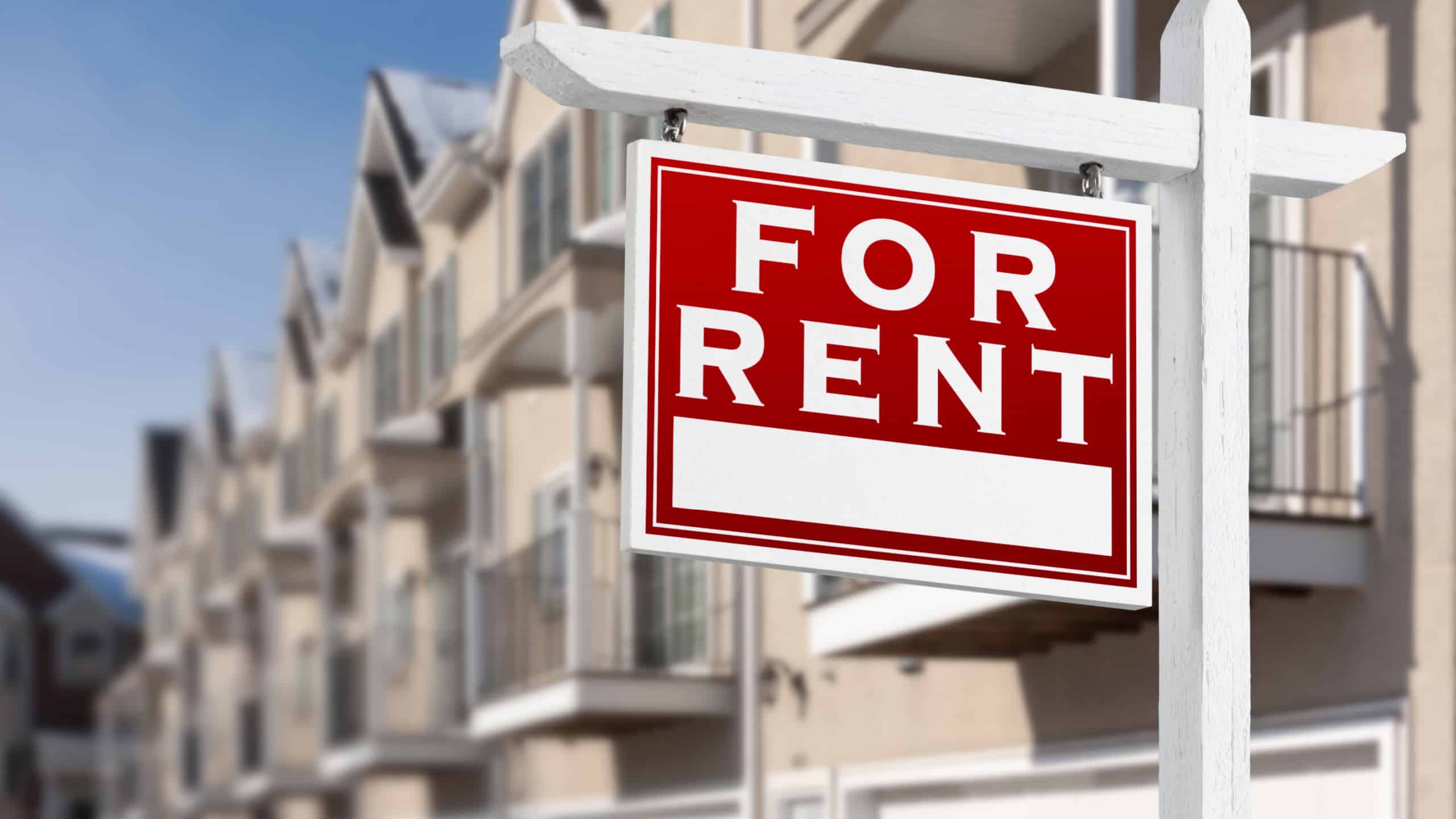
Whether you’re paying rent for a one-bedroom apartment or carrying a mortgage on your house, housing costs have dramatically fallen out of sync with local income everywhere across the country.
People living in Toronto and Vancouver are used to seeing more than 40% or even half of their net income disappear each month into housing payments. And now, smaller satellite cities are catching up.
Taxes

High federal/provincial taxes, along with typical sales taxes (HST/GST) can eat away at a six-figure salary before it even enters your bank account. Once you move up into higher tax brackets, most of your raises will go right to the government.
Throw in covert carbon taxes, property taxes and astronomical provincial insurance premiums and what you once thought was a decent salary looks a lot slimmer.
Groceries

Extreme market consolidation and lack of competition in Canada’s grocery sector have contributed to persistently high food prices, impacting household budgets across the country.
Grocery bills for essential proteins, fresh produce, and dairy are hundreds of dollars more per month than they were just a few years ago.
Utilities

The minimum price of JUST existing in Canada is an inflated monthly gouge that no consumer can escape.
From heating houses through cold winters, skyrocketing electricity prices, car insurance premiums and some of the highest cellular and internet bills across the developed world, Canadians pay top dollar for necessities.
Before an employee can spend money on wants or leisure, stagnant, monthly bills drain their paycheck.
Children

Skyrocketing costs associated with raising children, like daycare, pre-school and after-school programs, hockey and dance lessons, club teams, summer camp, etc., have turned family life into a luxury.
Families earning comfortable incomes are stretched 100% when trying to provide their kids with a “balanced” childhood filled with hockey, ballet, or summer camp.
Debt

Canadians have been using credit cards and high-interest cards in desperation just to live an average life these last couple of years of rampant inflation. Now that interest rates have remained high, the payments towards that debt have become massive.
Instead of being a temporary fix, these cards have become millstones around Canadians’ necks. Large portions of a normal monthly income now go towards interest payments automatically.
Transport

Intense suburban sprawl has forced countless Canadians into lengthy commutes every day. Transportation has quickly become an enormous and unpredictable budget line.
Owning a dependable vehicle means coping with inflated car prices, high finance rates, parking fees, and wildly unpredictable gas prices at the pump. For those who choose not to drive, yearly public transit fares have risen consistently as well.
Savings

The pressure to save enough on your own for an increasingly expensive retirement and try to maintain an adequate emergency fund has left even high earners feeling guilty, stretched, and broke.
As public optimism fades about the security of public pensions and health care, professionals feel pressured to lock away huge percentages of their incomes into RRSPs/TFSAs.
Lifestyle

Discreet lifestyle inflation happens because of societal pressure that many of us don’t even notice. Seeing everyone posting about their lavish dinners and exotic vacations on social media normalizes this kind of spending.
It’s frighteningly easy for a small pay raise at work to disappear into dining out a little more often, a weekend vacation, or new appliances/living space to match your professional network.
Sources: Please see here for a complete listing of all sources that were consulted in the preparation of this article.