Whether borne from risky kitchen experiments or utter structural failures, some of Canada’s biggest food and beverage industry successes were born from innocent accidents that turned into huge multibillion-dollar industries.
Peanut butter
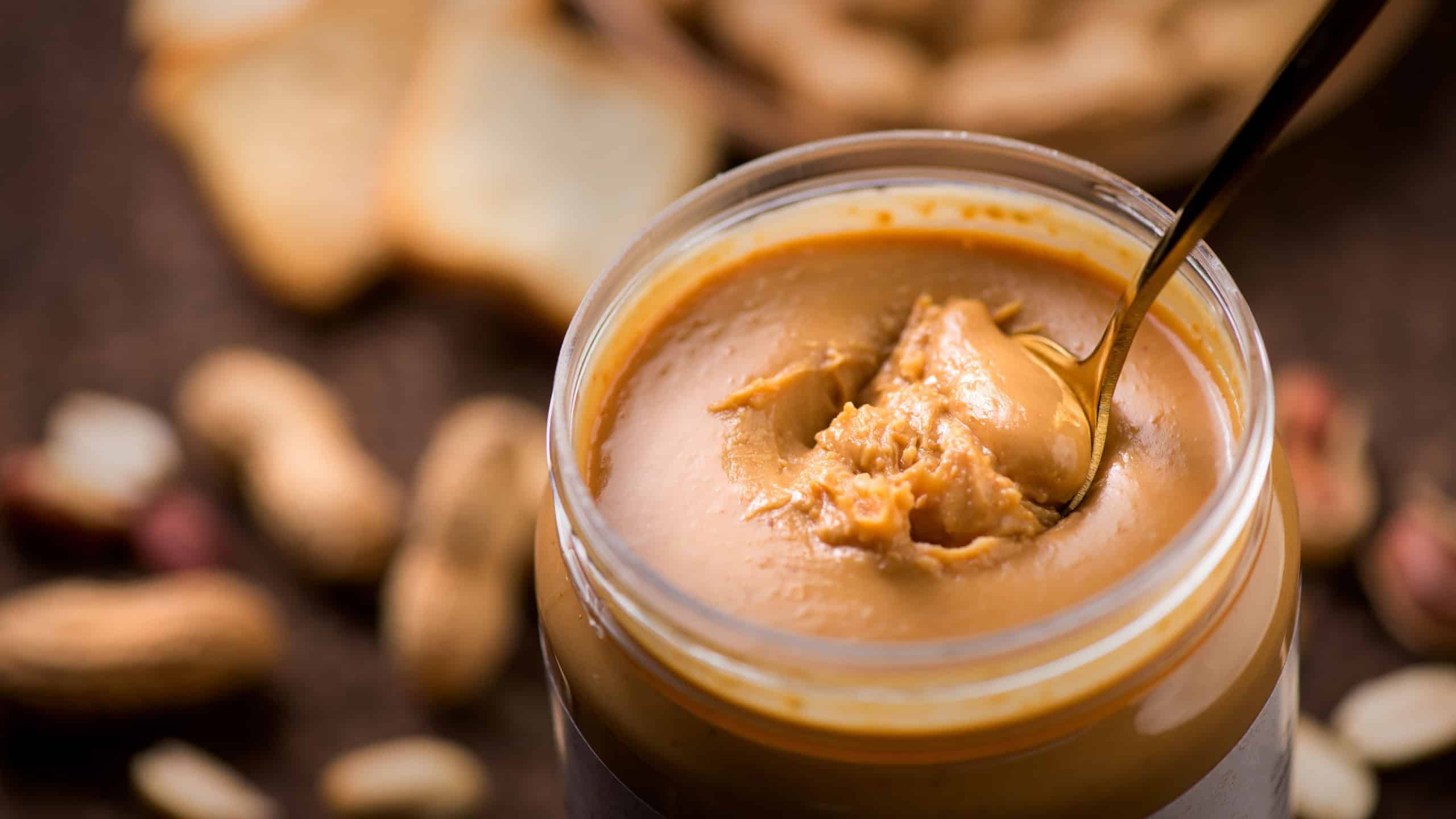
Montreal pharmacist and chemist Marcellus Gilmore Edson filed the patent for peanut butter in 1884.
The patent, which described a process of milling roasted peanuts between two heated surfaces until the peanuts released their oils and became a paste, wasn’t intended to bring about one of the most dominant supermarket staples in history.
He was simply looking for an alternative source of protein for patients who had difficulty chewing solid food.
Canada Dry Ginger Ale
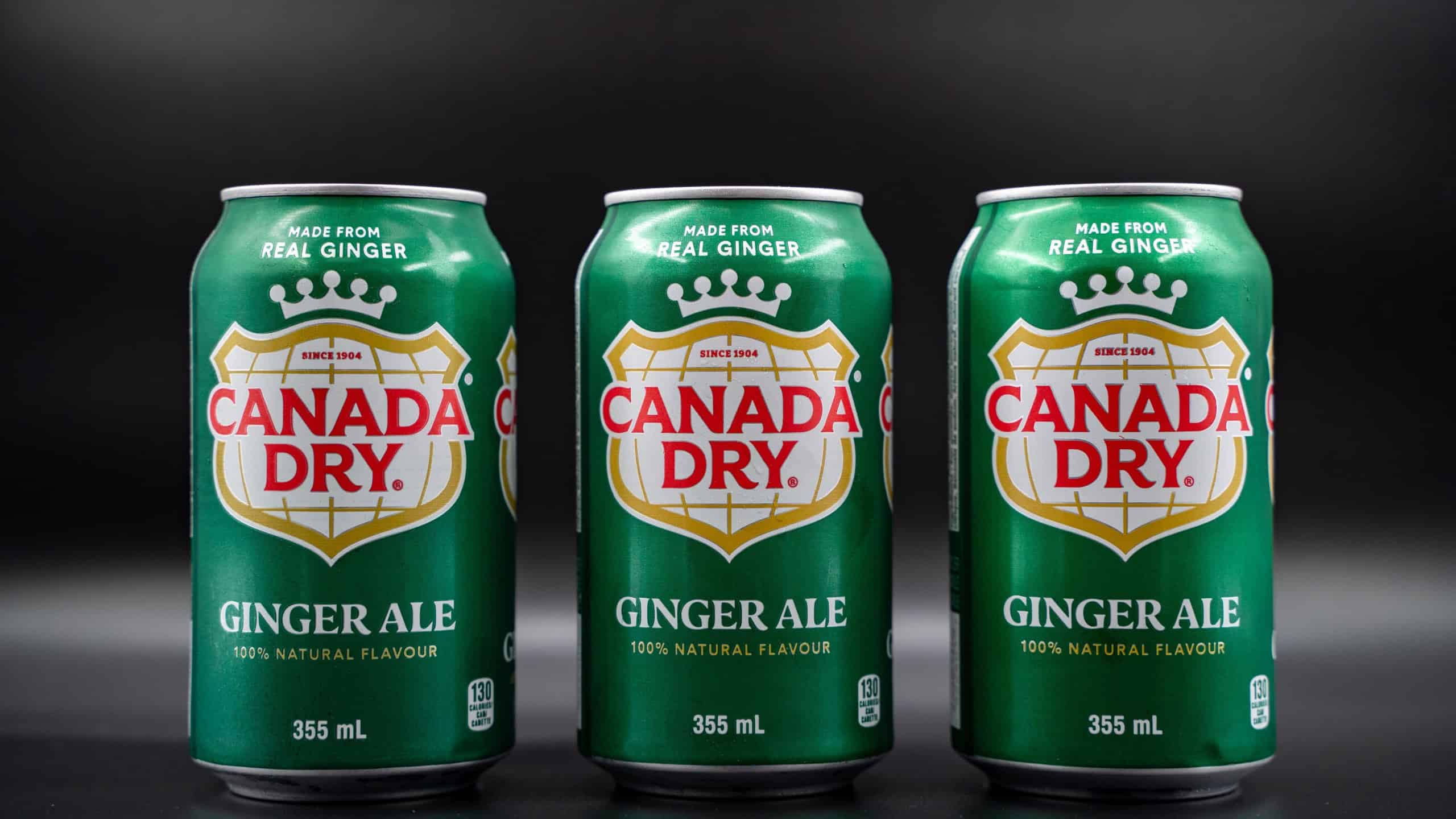
Torontonian pharmacist John J. McLaughlin experimented with many ginger beer recipes for years, trying to create a lighter, crispier version of the thick, sweet dark ginger beers being imported from Ireland.
In 1904, he hit upon the mix that would be used in his large-scale “Pale Dry Ginger Ale.” During prohibition, ginger ale became a favorite on the market because the crisp, dry flavor was especially adept at disguising the harsh taste of bootleg liquor and the brand became wildly successful worldwide.
The Caesar Cocktail
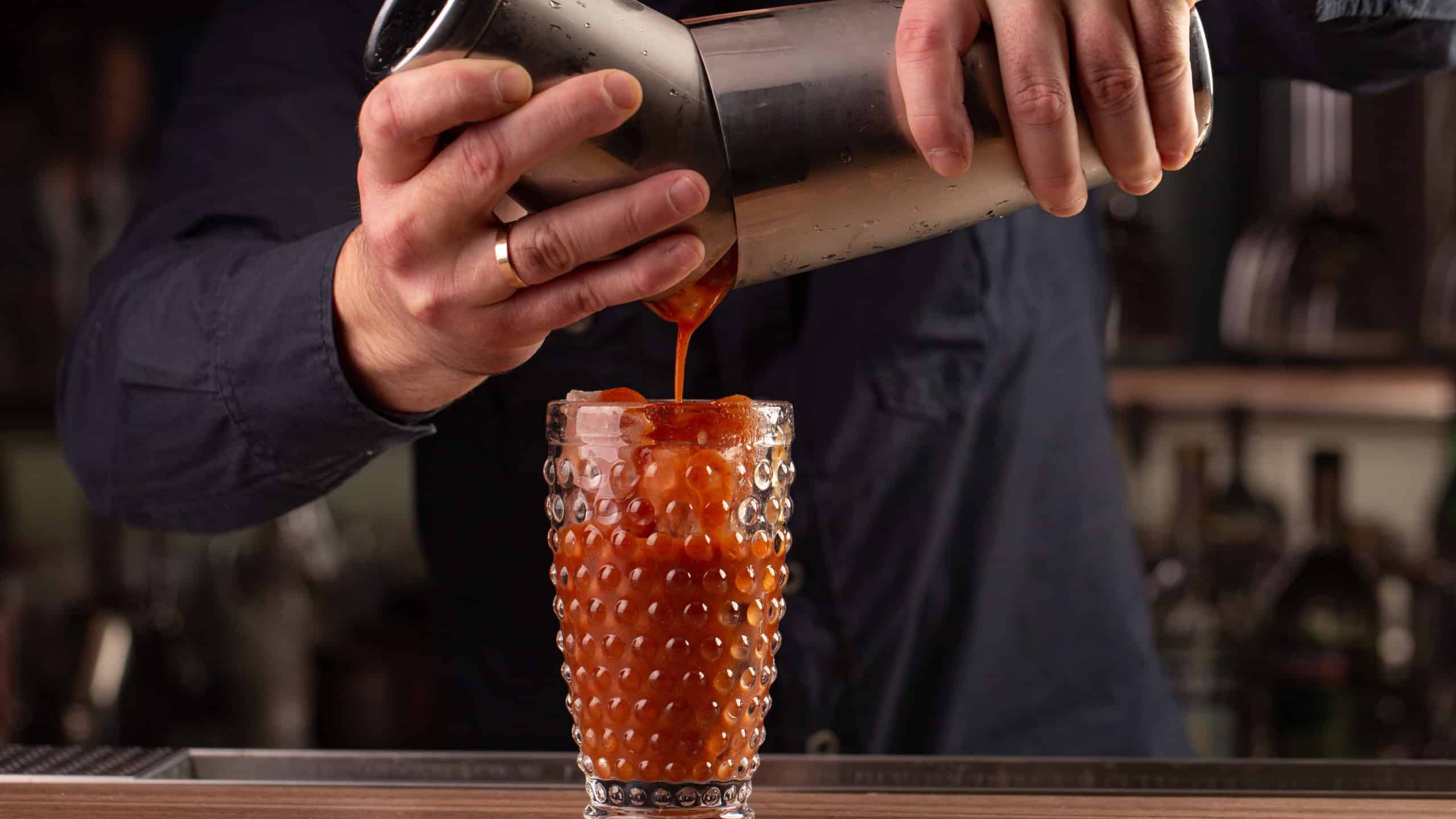
When asked to invent a signature beverage for the opening of a new Italian eatery in 1969, Calgary restaurant manager Walter Chell found inspiration in a plate of pasta alle vongole (otherwise known as spaghetti with clams).
After mashing up some clams and mixing their juices with tomato juice, vodka and a pinch of savoury spices, his quirky liquid concoction became Canada’s instant national cocktail; leading to a multibillion-dollar continental industry of pre-mixed bottled drinks, canned cocktails and endless restaurant menu options.
Poutine
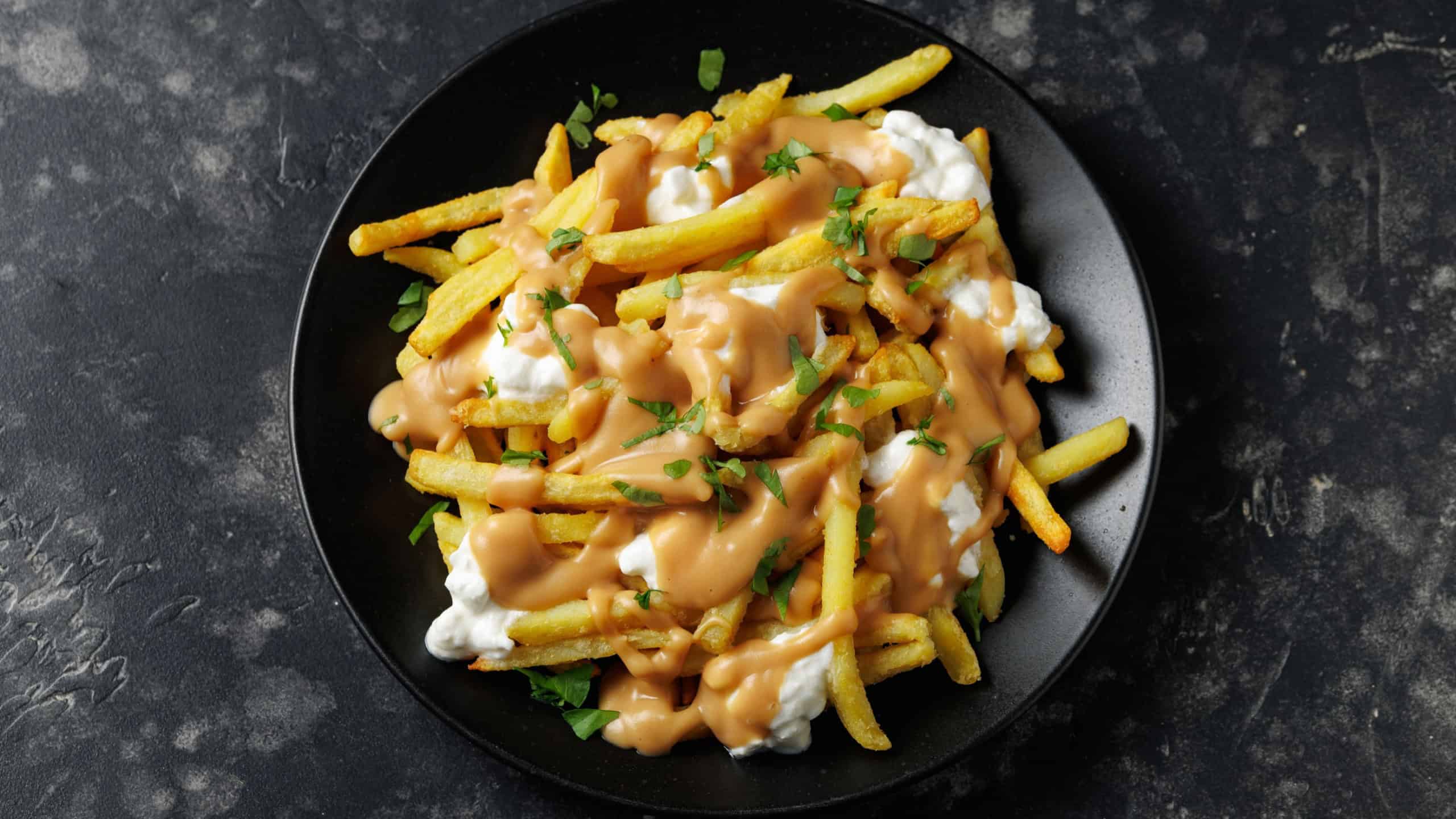
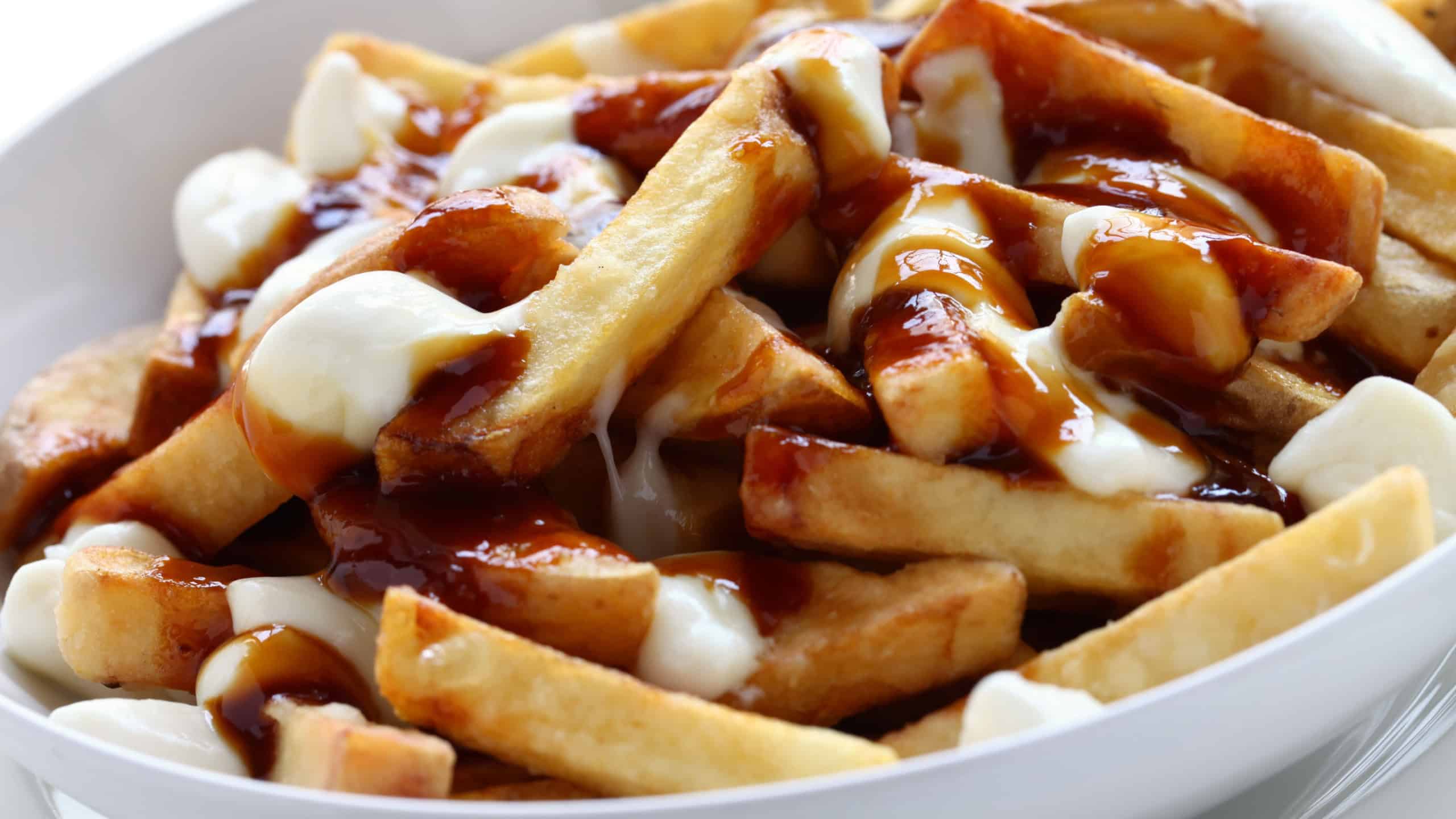
Two or three rural Québecois towns are fighting over who originated this Québécois classic back in the late 1950s. However, the most popular tale involves Fernand Lachance, a restaurateur from Warwick who, in 1957, was asked by one of his regulars to dump cheese curds into his order of French fries carried in a newspaper bag.
Lachance is said to have replied that it would make “a damn mess” (une maudite poutine). Gravy was eventually added to keep everything warm, turning one messy dish into a worldwide fast-food phenomenon.
Hawaiian Pizza
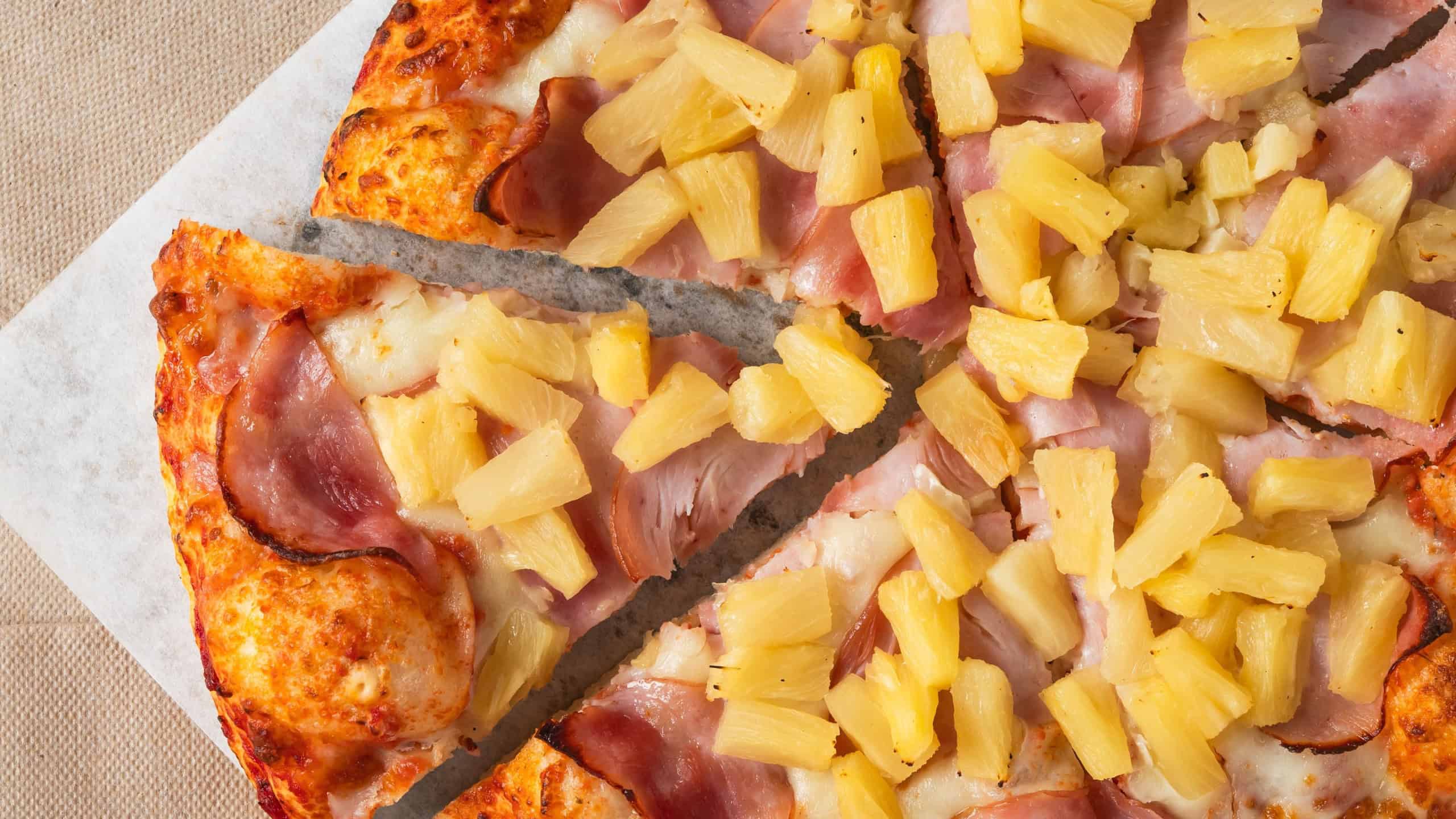
In 1962, Greek immigrant Sam Panopoulos was playing around with non-traditional pizza toppings at his Satellite Diner.
Inspired by how popular sweet and savory combos were in westernized Chinese dishes, he opened a can of Hawaiian-brand pineapple and tossed the rings on a regular ham pizza to see what would happen. It became an instant fan favorite and a multi-million dollar menu item at pizza chains worldwide.
Ketchup Chips
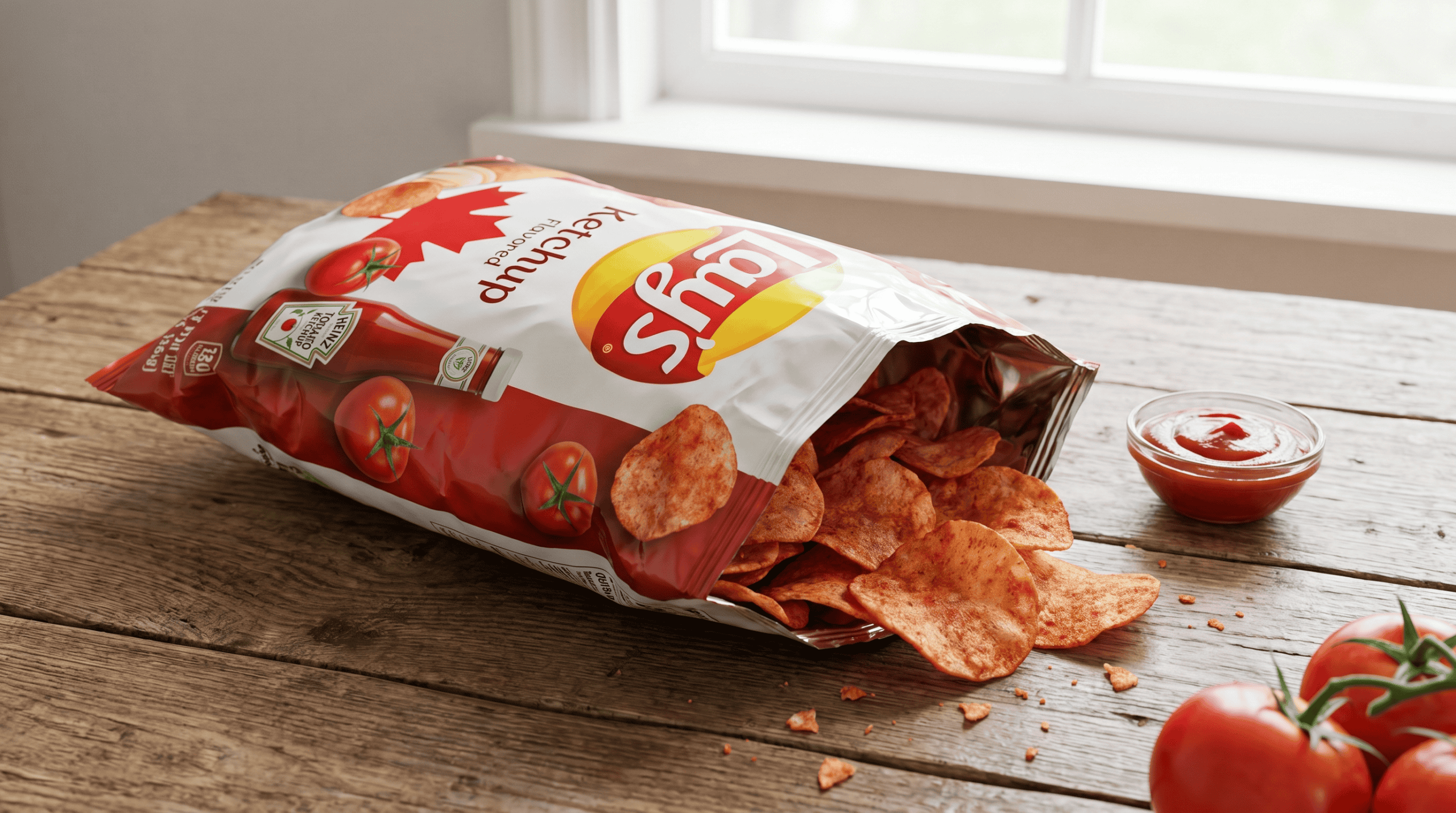
In the 1970s, Canadian snack food scientists were experimenting with spicy, extreme flavor powders to go with their regular line of chips.
Trying to duplicate the sweet, sour, salty flavor of regular tomato ketchup, they accidentally created a powder so red it completely glazed the chip. Intended to be a one-time novelty batch, the chip took off with an extremely devoted following, becoming a titan of the Canadian snack world.
Ginger Beef
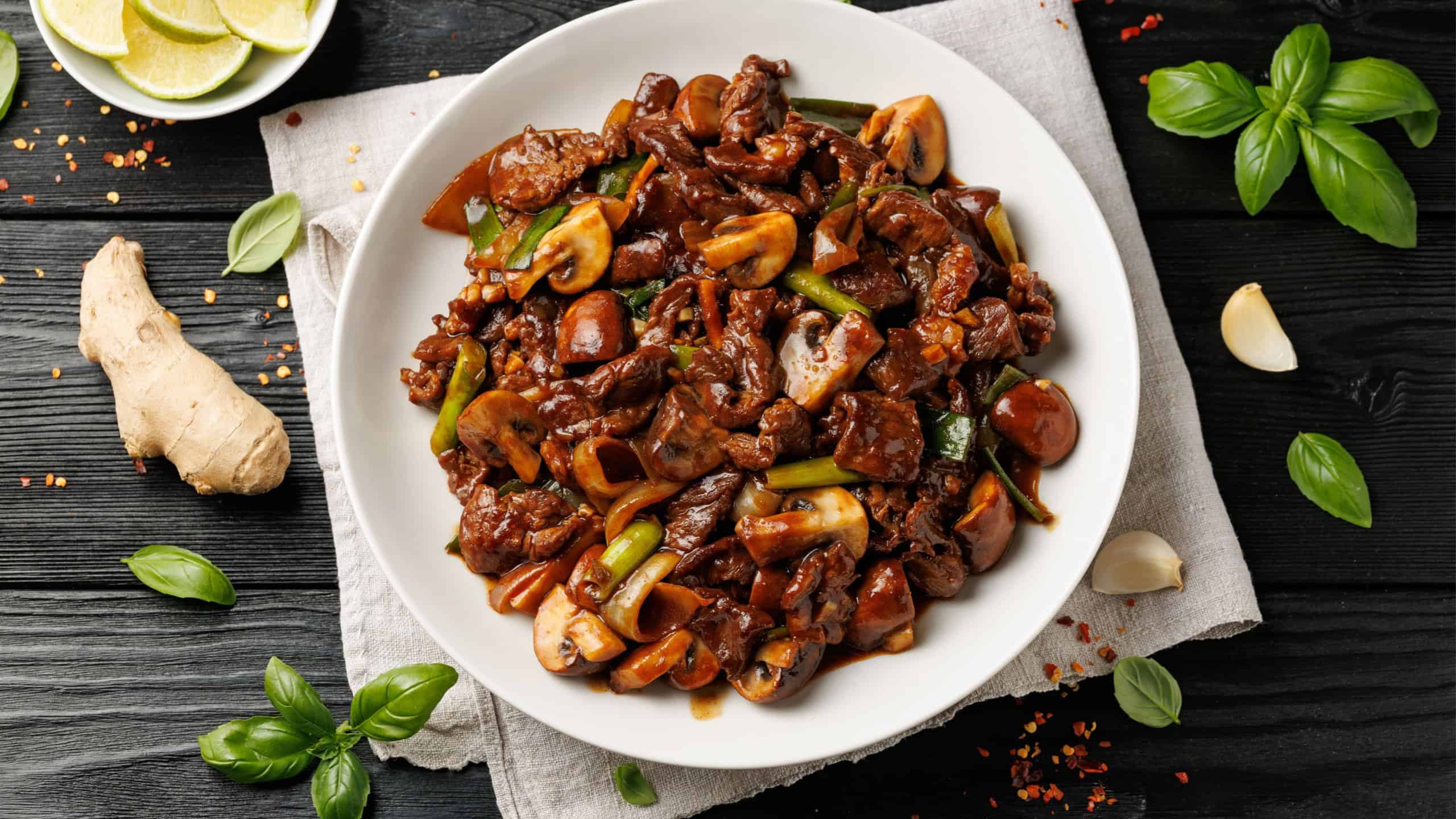
When working at Calgary’s Silver Inn restaurant in the 1970s, Chinese immigrant chef George Wong struggled to sell traditional northern Chinese food to locals.
After noticing that people seemed to enjoy eating crispy, sweet foods, he took inexpensive, locally sourced Alberta beef cuts, fried them in batter, and covered them in a sweet, sticky ginger sauce.
The creative last-minute substitute ended up saving his failing business and inspired thousands of Chinese-Canadian restaurants across Canada.
Butter Tarts
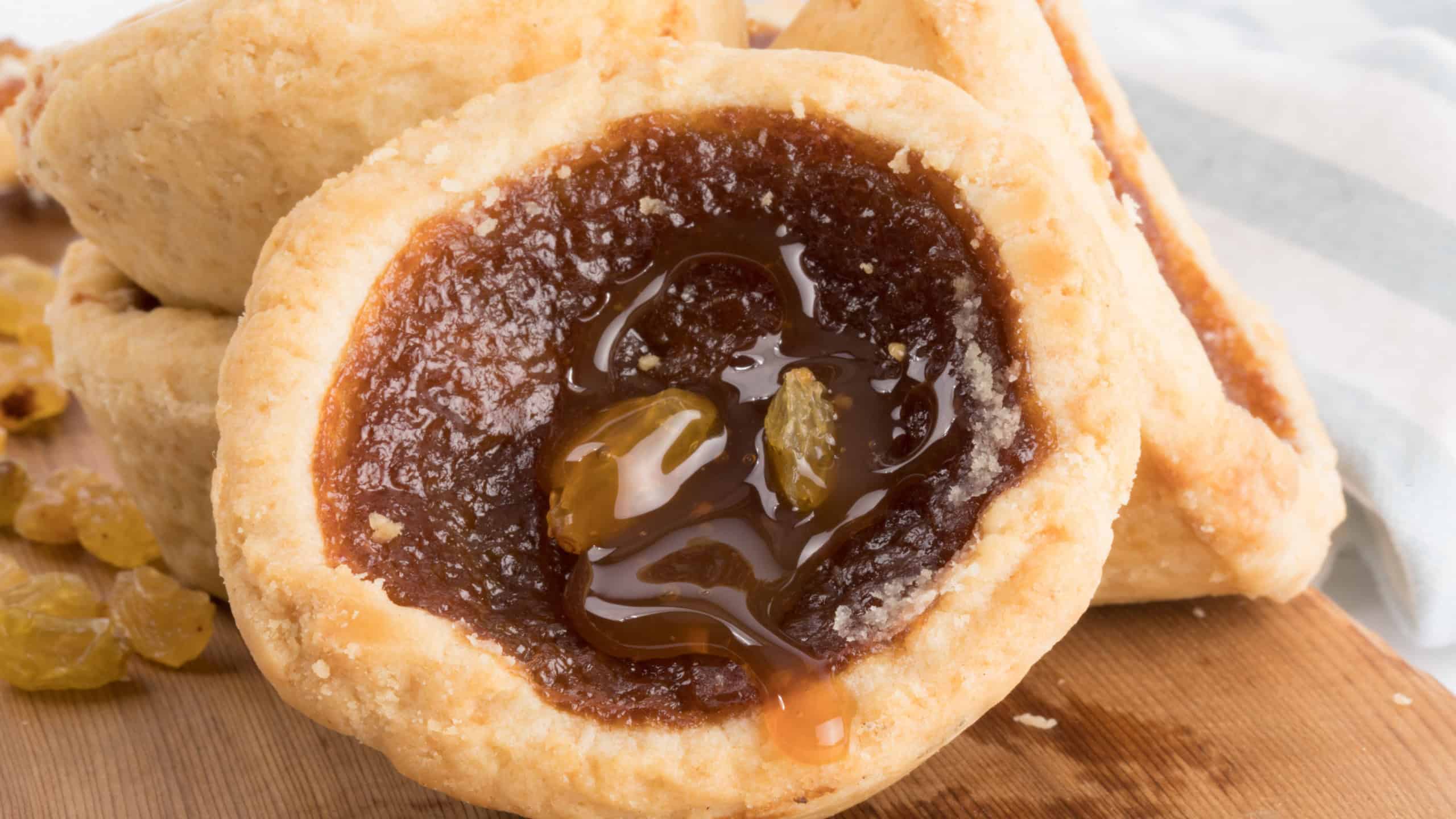
Originating in rural Ontario in the late 1800s and early 1900s, the creation of butter tarts was a result of simple kitchen convenience.
Pioneer women often found themselves lacking ingredients for regular pie fillings and were instead limited to using what ingredients they could find in their pantries.
Mixing butter, sugar, syrup, and eggs and pouring the mixture into spare dough shells created a delicious dessert that later became a billion-dollar product line in grocery stores throughout Canada.
Puffed wheat
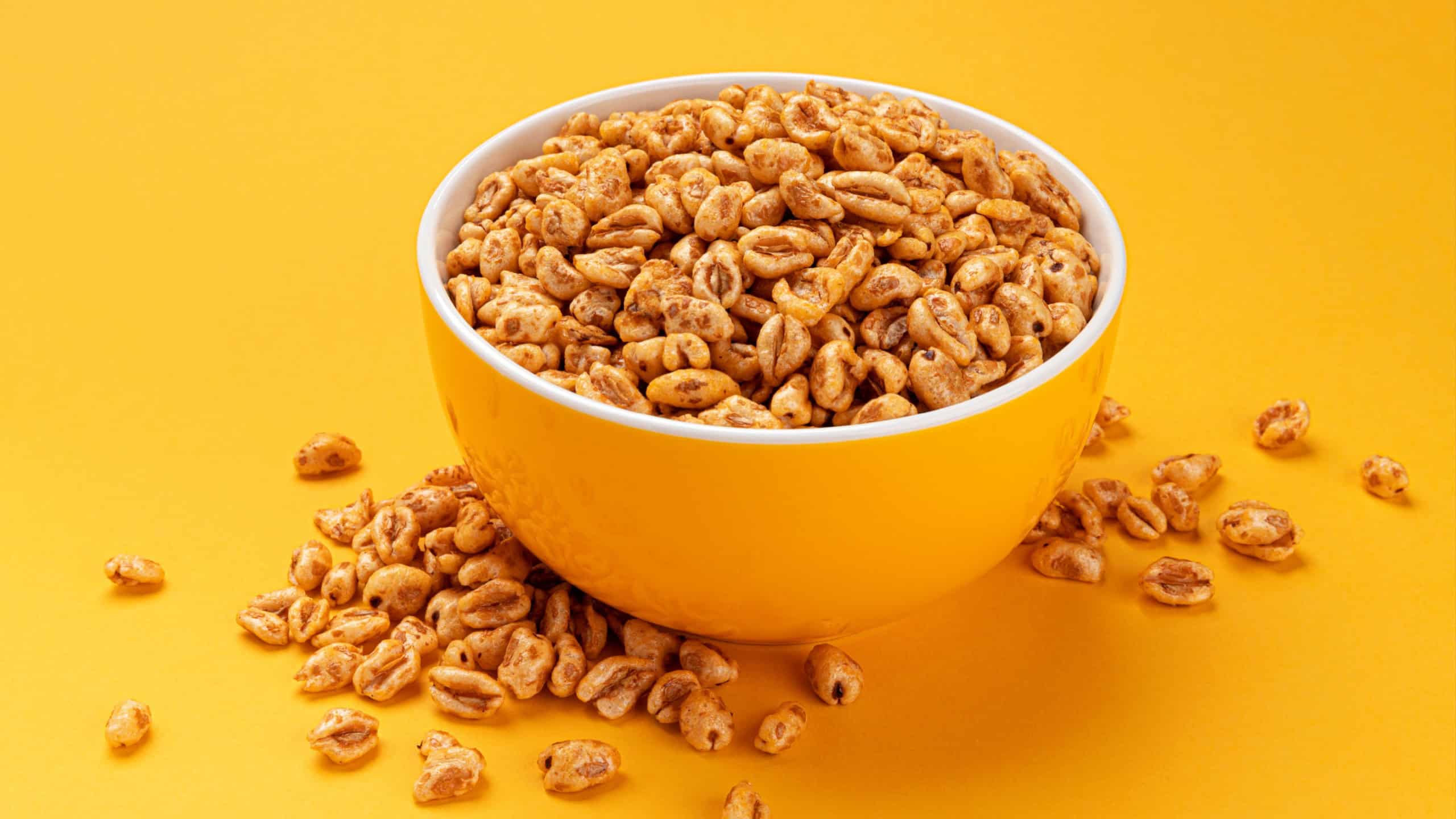
In the early 20th century, a Winnipeg food scientist was working with high-pressure steam cylinders looking for an efficient way to sterilize raw kernels of wheat. During one high-temperature run, a pressure valve got stuck. With nowhere to escape, the moisture was trapped inside the grains much longer than intended.
When the cylinder was forcefully opened, the rapid decrease in atmospheric pressure caused the super-heated kernels to explosively puff into light, crispy, hollow shells. After realizing that this structural implosion had accidentally produced a tasty and crunchy texture, the formula was soon commercialized and the multi-billion-dollar puffed cereal industry was born.
Sources: Please see here for a complete listing of all sources that were consulted in the preparation of this article.