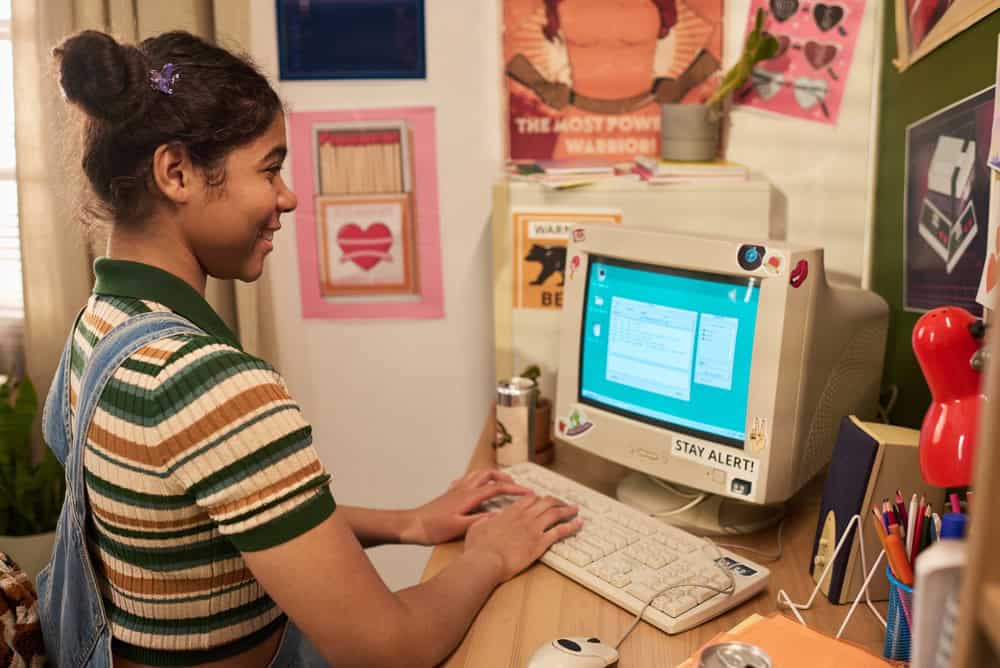
Many things that students took for granted in the 1990s have been replaced by modern technology.
Chalkboards and chalk dust
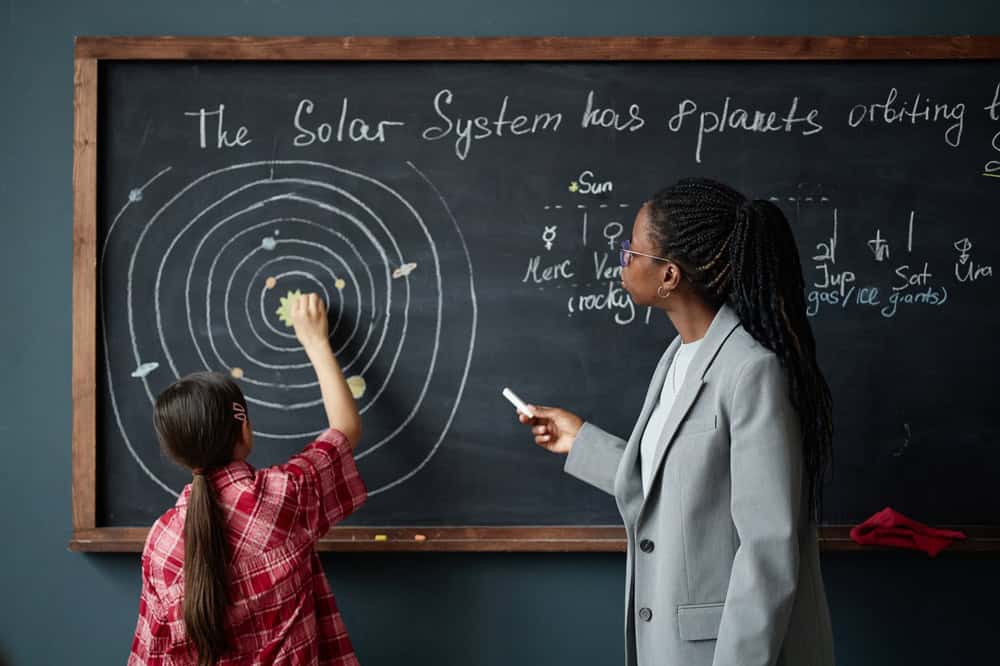
Some 30 years back, you could count on finding a big blackboard in practically every classroom, used and erased over and over during the lesson. Students often took turns to wipe the board clean and haul the dusters outdoors to shake the chalk loose.
Whiteboards, smart boards and overhead projectors have largely replaced the traditional blackboard, so chalk-stained hands are now rare.
Overhead projectors
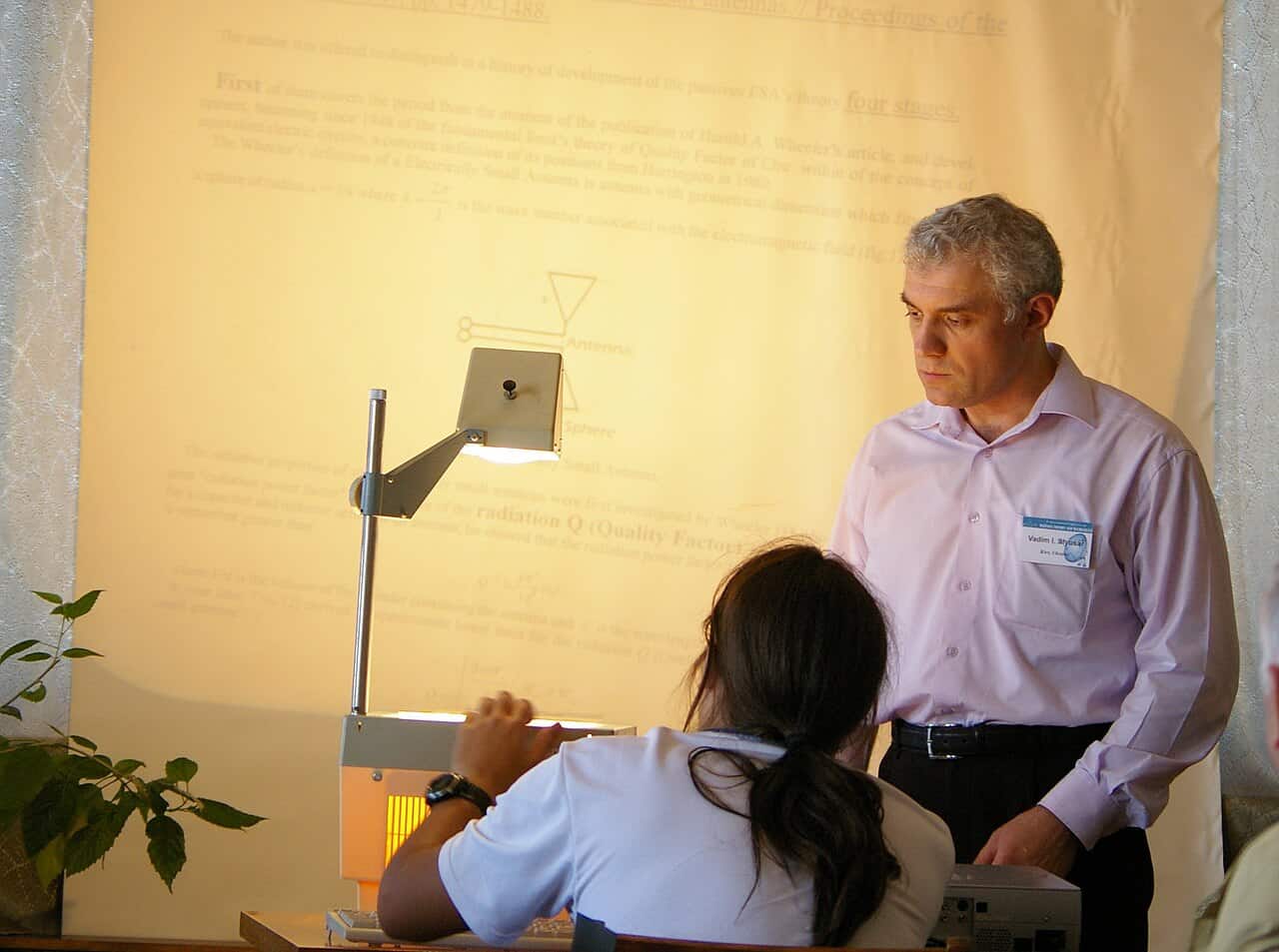
Before smart boards, teachers would write on an overhead transparency to show to the class. These were thin, clear plastic slides, and the class could follow along as the teacher added content.
A teacher might also cover some of the slide with a sheet of paper, and then remove it to disclose further points. The large overhead projector units have mostly fallen out of favour in classrooms to make way for computer-based projectors.
Card catalogues
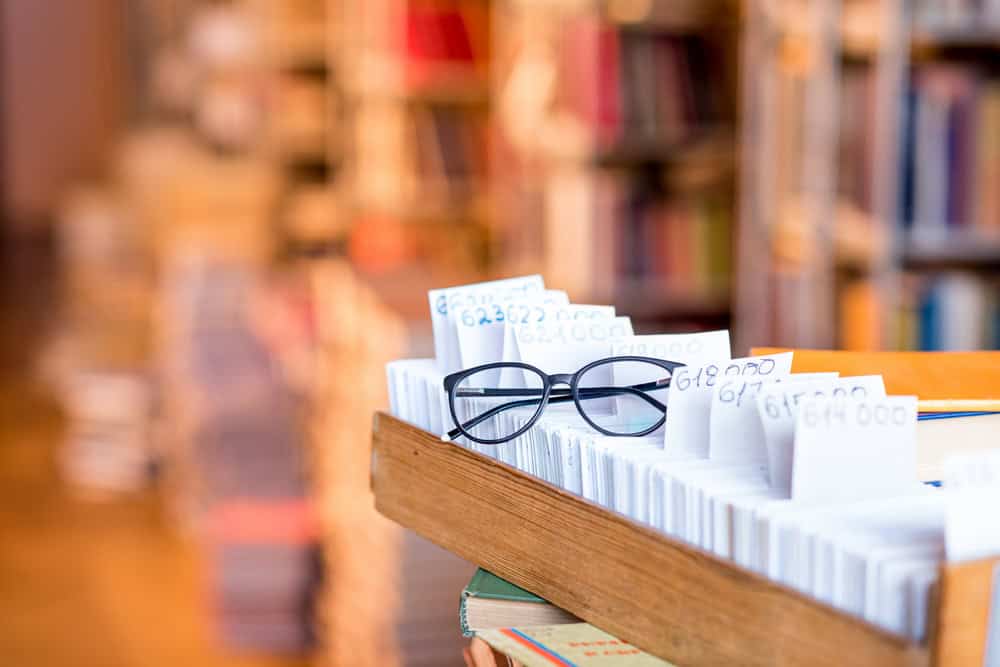
In the past, if you wanted to find a particular book at your local school, you would need to go to the library and rummage through a series of low wooden cabinets containing index cards. The index card gave details of each book, such as who wrote it and which section it was stored under.
Children learned to work their way through the library catalogue in order to find the book they were after. Once computers came along, those cabinets were no longer necessary.
Classroom television trolleys
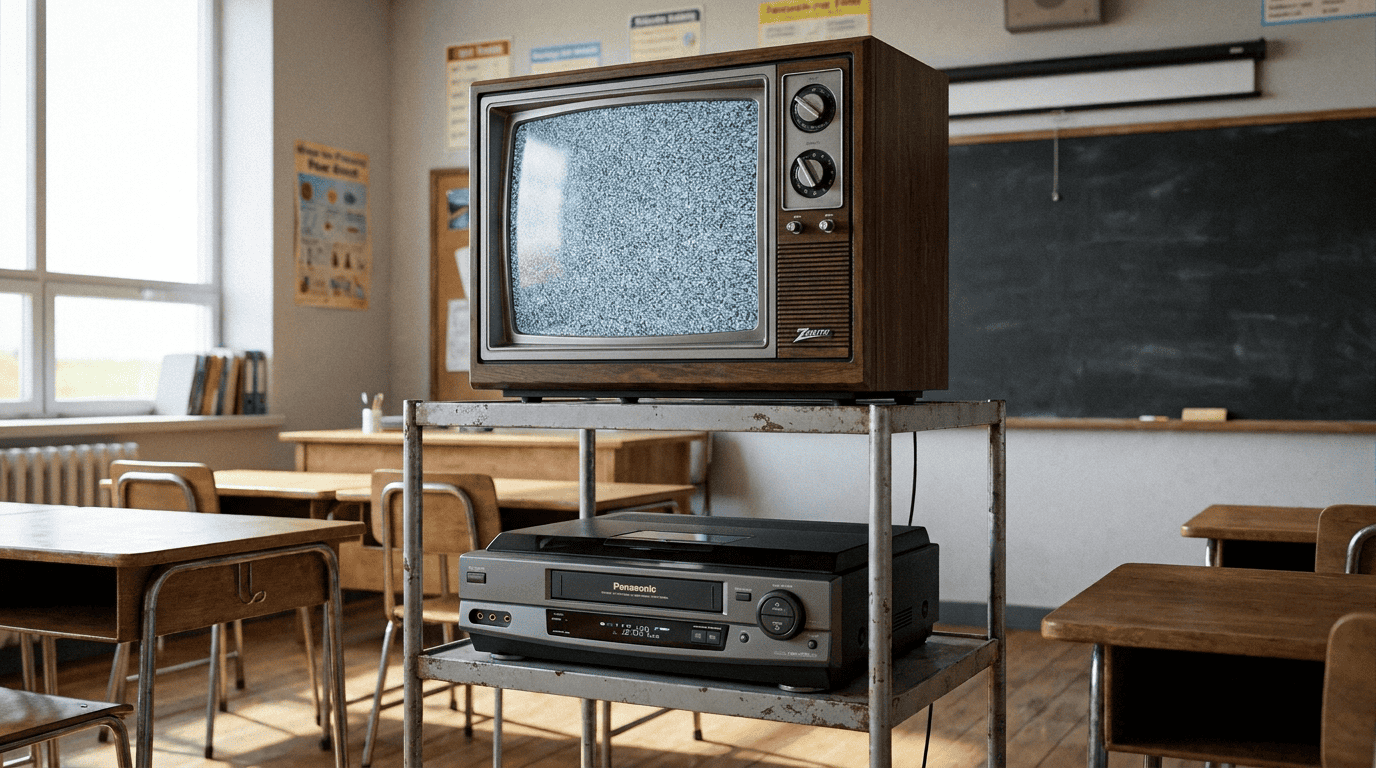
Few things thrilled the pupils quite like their teacher pushing a television trolley into the classroom. Typically this involved a big screen mounted on a heavy trolley, with a VCR tucked below.
Watching an educational video often meant taking a break from the usual classroom routine. Sometimes teachers would spend several minutes just setting up the TV and finding the right spot on the tape. These days, clips can just be projected onto interactive whiteboards.
Filmstrip projectors
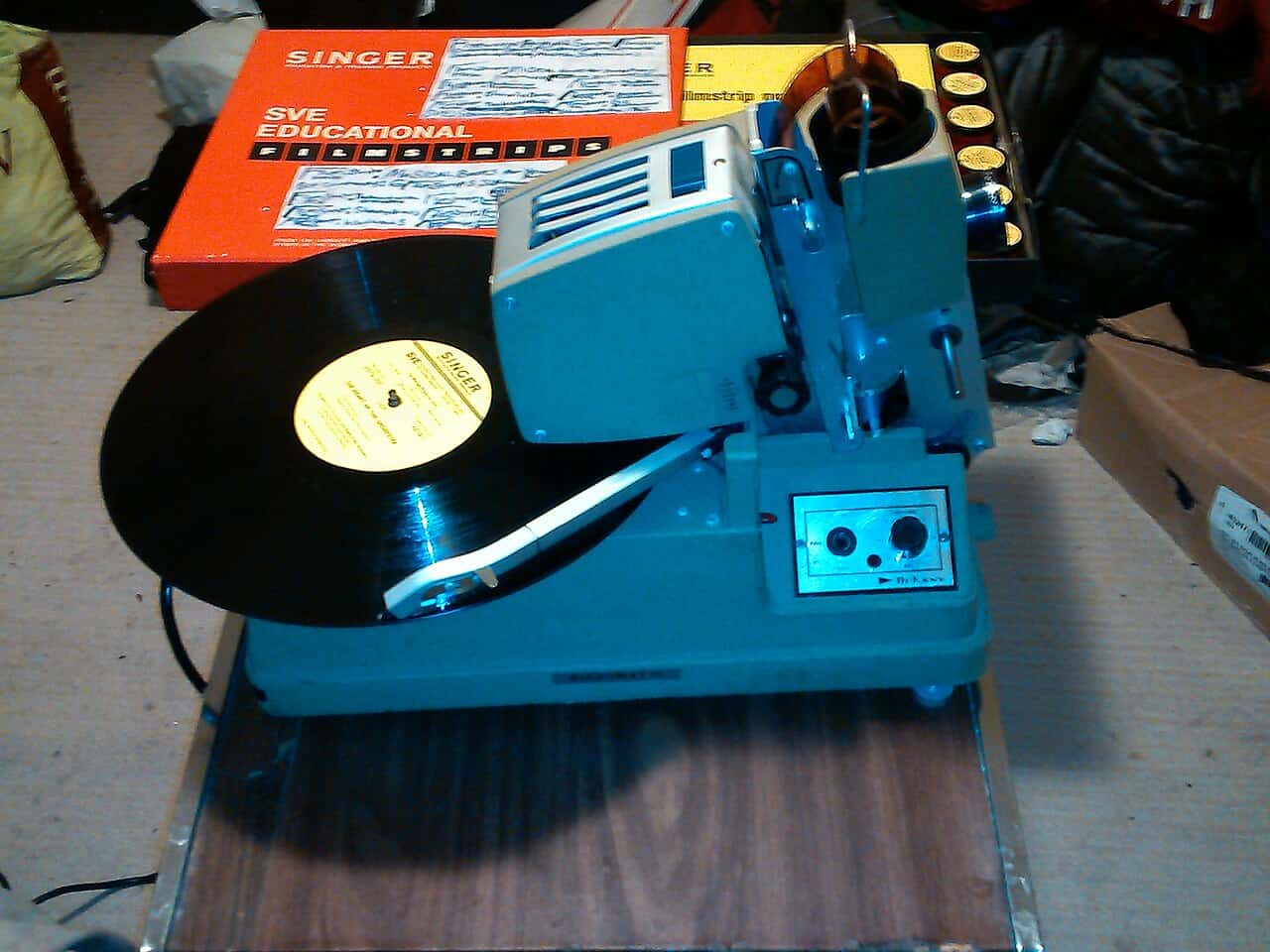
Filmstrips were used in some classrooms in the 1990s, especially when older educational materials were available. Teachers showed a series of images while students listened to a recording or explanation that accompanied them. Sometimes, there was a beep sound to indicate when the teacher should change slides. They were not always easy to use, especially if the film got jammed.
Floppy disks
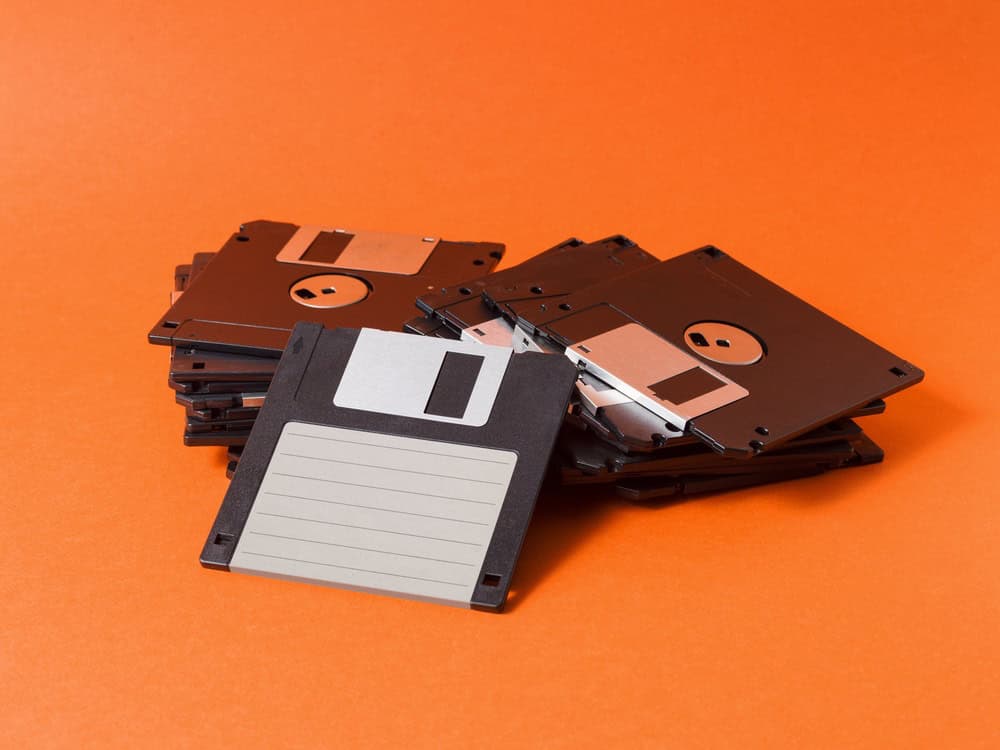
In the 90s, many students used floppy disks to store the files they created during IT lessons. Although these tiny, pale blue disks could only hold a relatively small amount of information, this was all that was required for most home and school work.
Of course, if a student lost their floppy disc (and didn’t have a spare), they’d be in trouble. Some schools maintained large cupboards of named floppy discs for classroom use.
Pencil sharpeners on walls
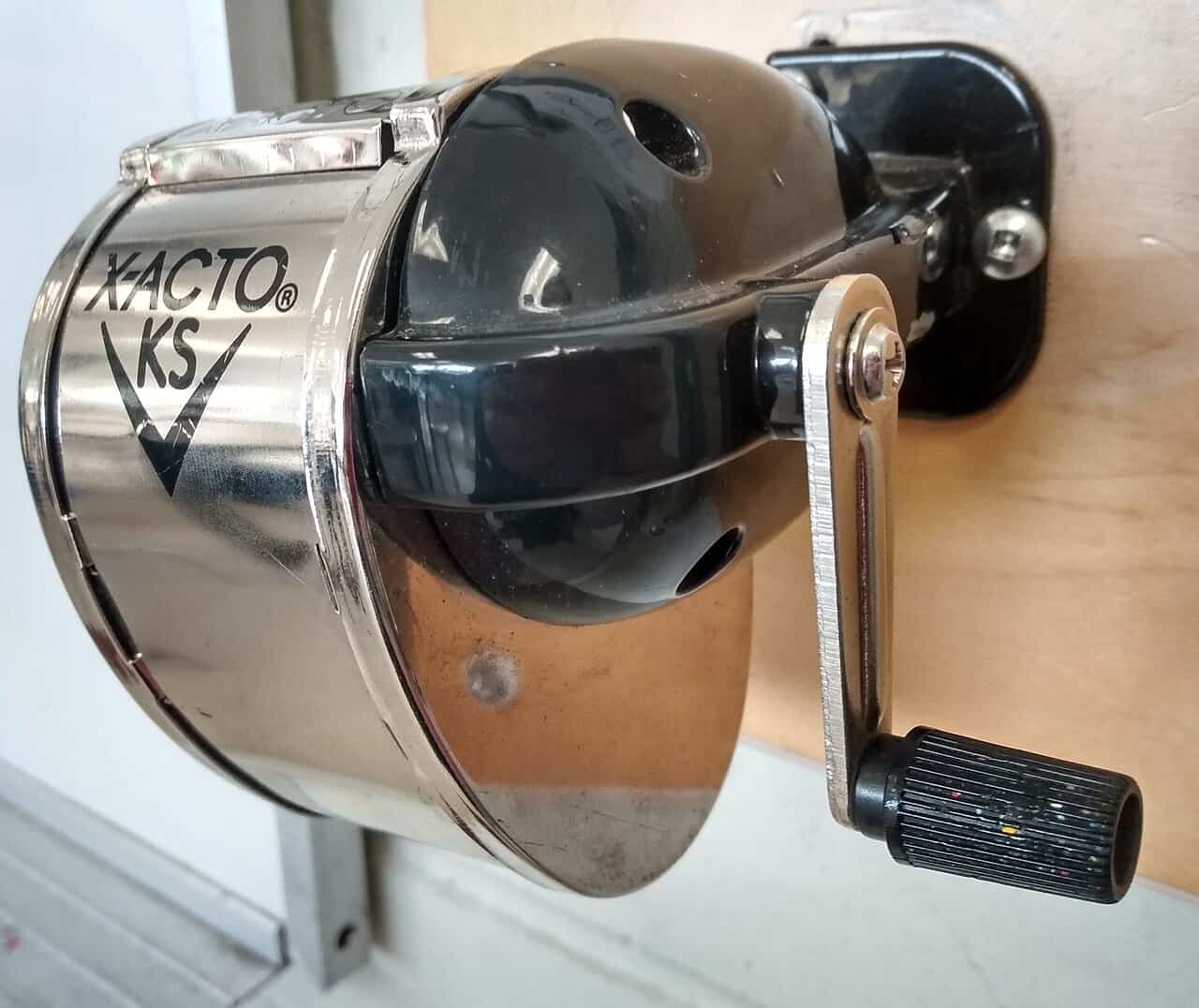
In many classrooms, there would be a large metal pencil sharpener fixed to the wall close to the teacher’s table. Students would put their pencils in and rotate the crank as required. It was common to see a line of pupils queuing up for this before starting a class. At some point, the box full of shavings would need emptying.
Handwritten report cards
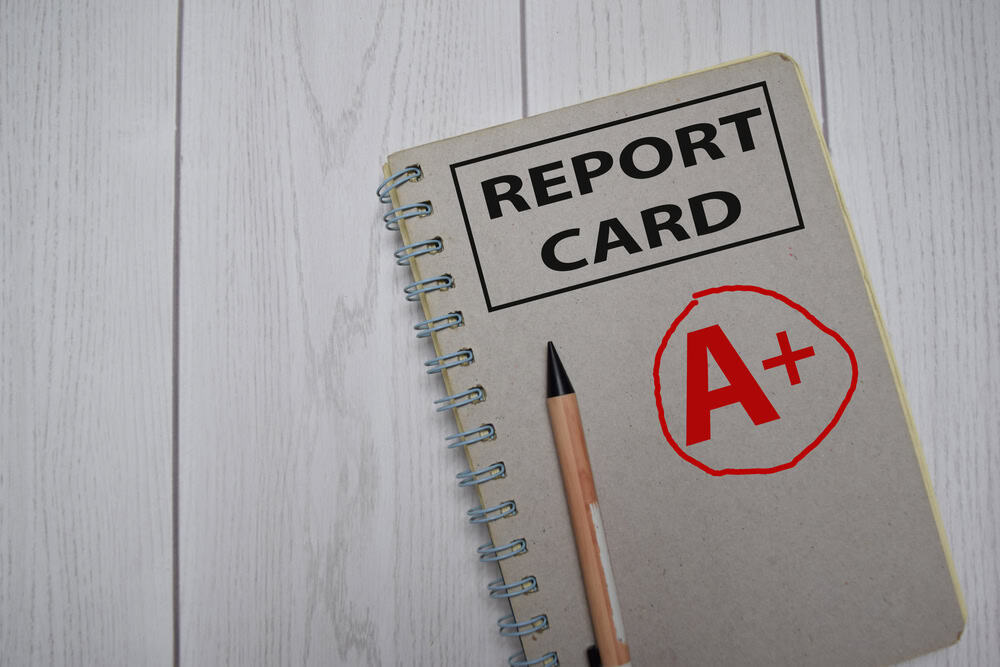
In the past, teachers would sit down and manually complete each student’s report card, entering their marks and written feedback. The parent was required to sign the report card before returning it to the school. Students sometimes tried to delay showing it to their parents if they hadn’t received particularly good grades.
Many schools now offer an electronic system for this purpose, allowing parents to log on and see their children’s results.
Attendance registers
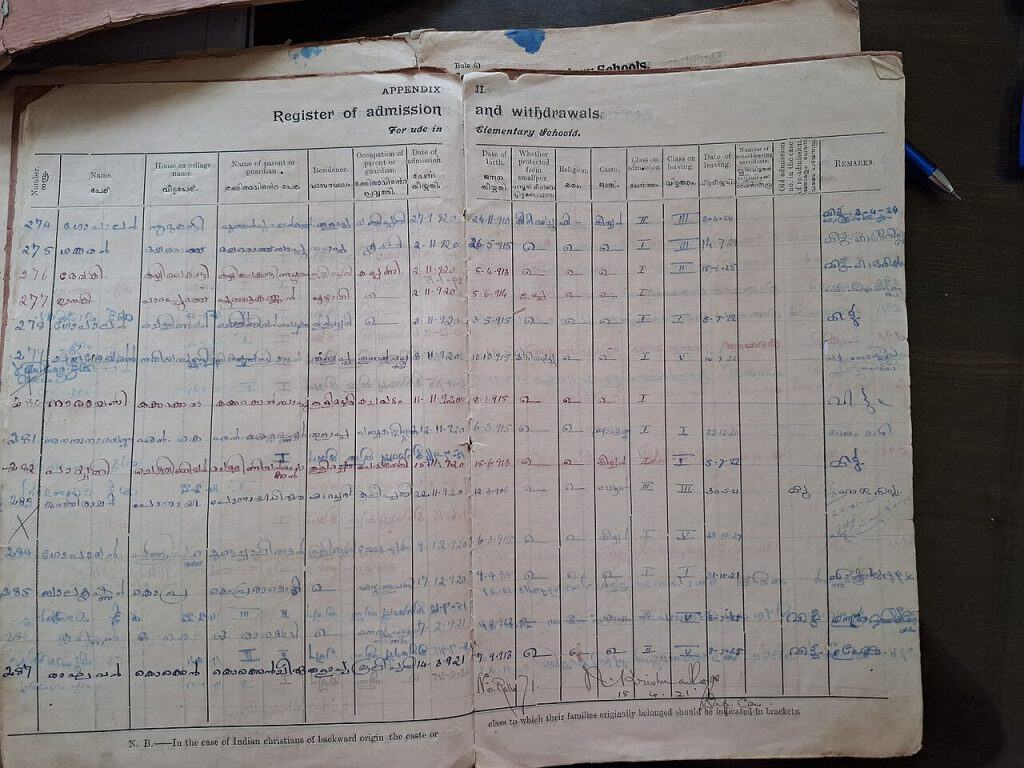
In the past, teachers would start the lesson with a big class register. Names would be called off and any missing or late pupils noted down, typically with some form of notation.
The register was a formal document which the teacher would need to keep up-to-date. On occasion, they would need to change previous notes if a pupil turned up late.
Typewriter classrooms
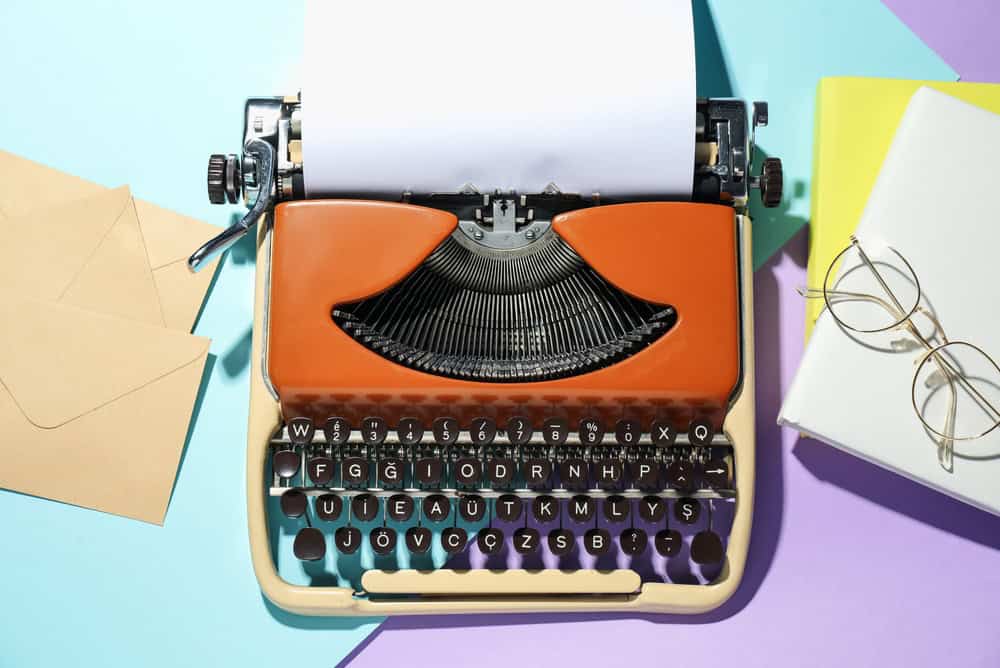
Before PC keyboards became commonplace, most high schools taught typing on manual or electric typewriters. Students were expected to master touch typing, meaning they kept their eyes off the keyboard, and then take a test measuring their words per minute and mistakes. Making a mistake usually meant reaching for white-out or redoing part of your work.
Encyclopaedia sets
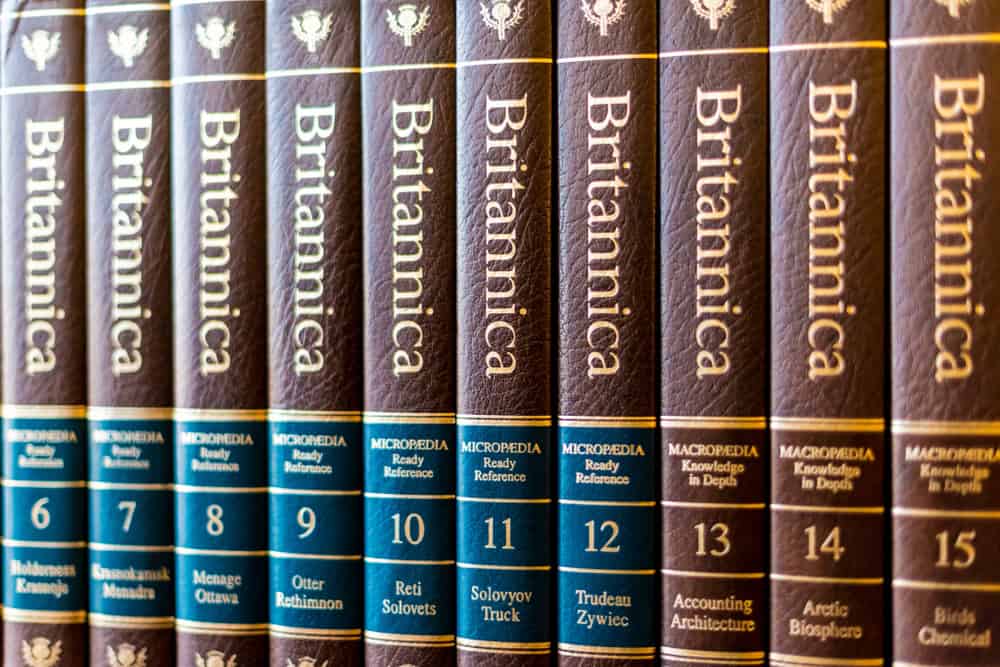
At some point in the past, school libraries would have whole shelving units filled with multi-volume encyclopedias. They would be consulted when looking up an event in history, or to gather data for a science project. This required finding the appropriate volume(s) and then leafing through to locate the desired fact(s). Of course, facts would sometimes become obsolete well before the library bought the next set of volumes.
Mimeographed worksheets
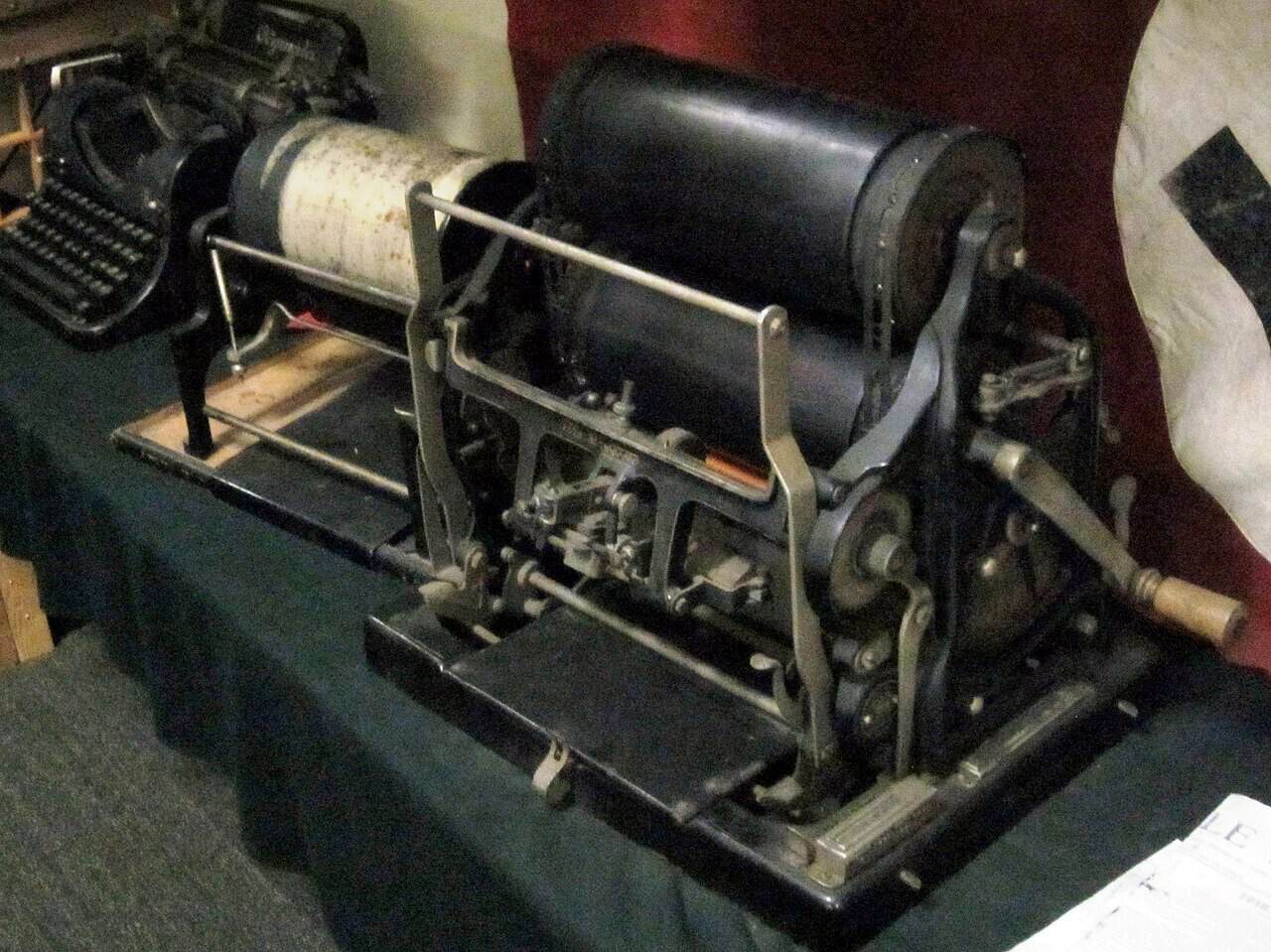
Before modern photocopiers, schools would use various duplication machines to generate copies of their work. Many of these left a characteristic purple hue on the copied pages, which would slowly fade over time. The copies distributed to pupils typically carried a strong chemical odour. Teachers had to prepare a master copy before making enough sheets for the entire class.
Pull-down classroom maps
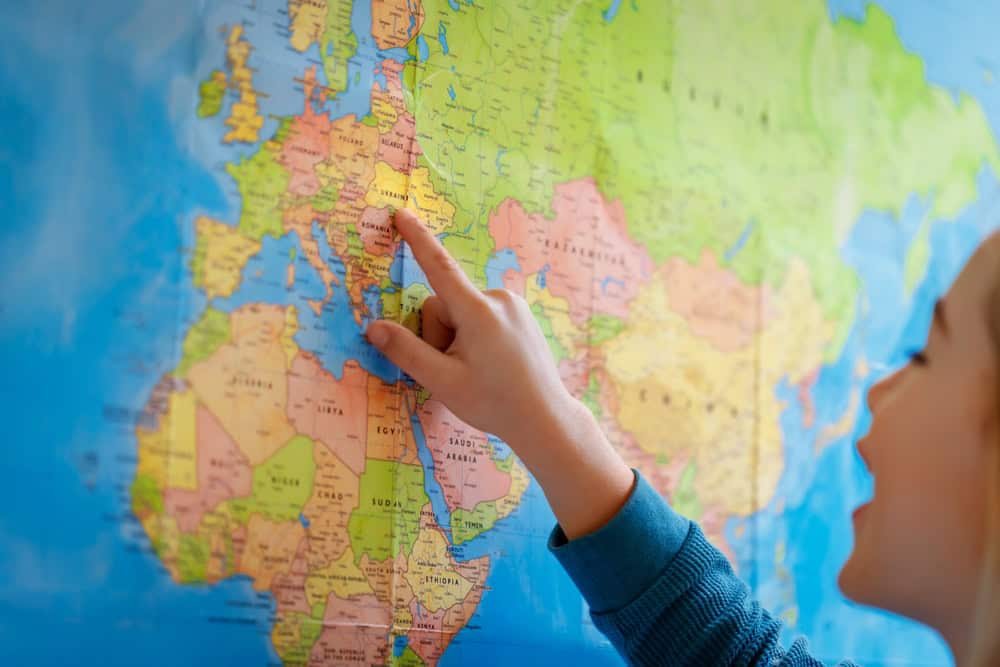
In many geography classrooms, there were large wall-mounted maps which could be lowered from the top of the blackboard. This was used to show where a particular country was, or to illustrate various events. Sometimes the map continued to be used for a long time, even though the world’s boundaries had changed.
Classroom cassette players
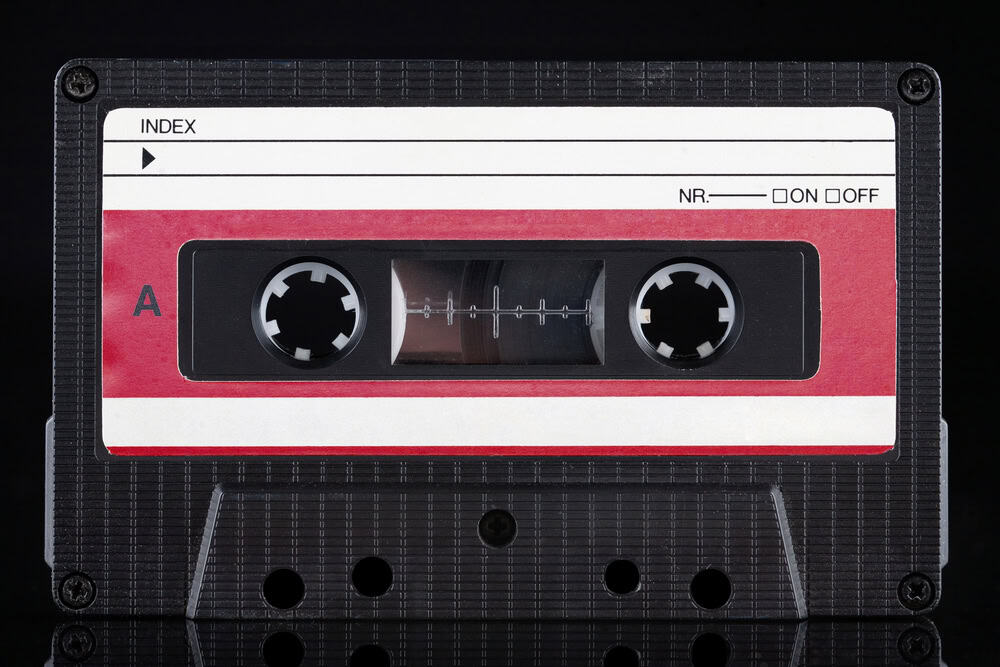
In lots of schools, cassette players were used for everything from foreign language practice to playing back a story. Children would huddle around a tape machine or wear headphones when working on a task. If the class wanted to re-listen to some part of a recording, the teacher would need to wind the cassette back several times. A faulty cassette could ruin the whole lesson.
Darkrooms for photography classes
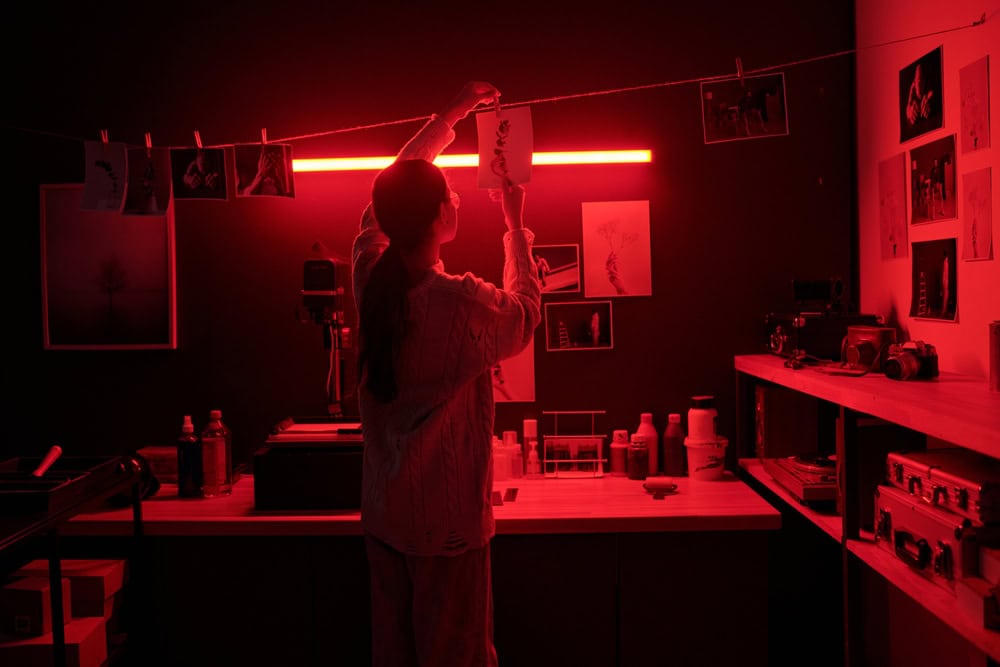
When a school offered photography, students could generally count on a darkroom being there to develop their film. Using dim lighting, students would soak the photographic paper in various solutions until the image appeared. It took a lot of time, and one slip that ruined the film meant starting over.
Printed library checkout cards
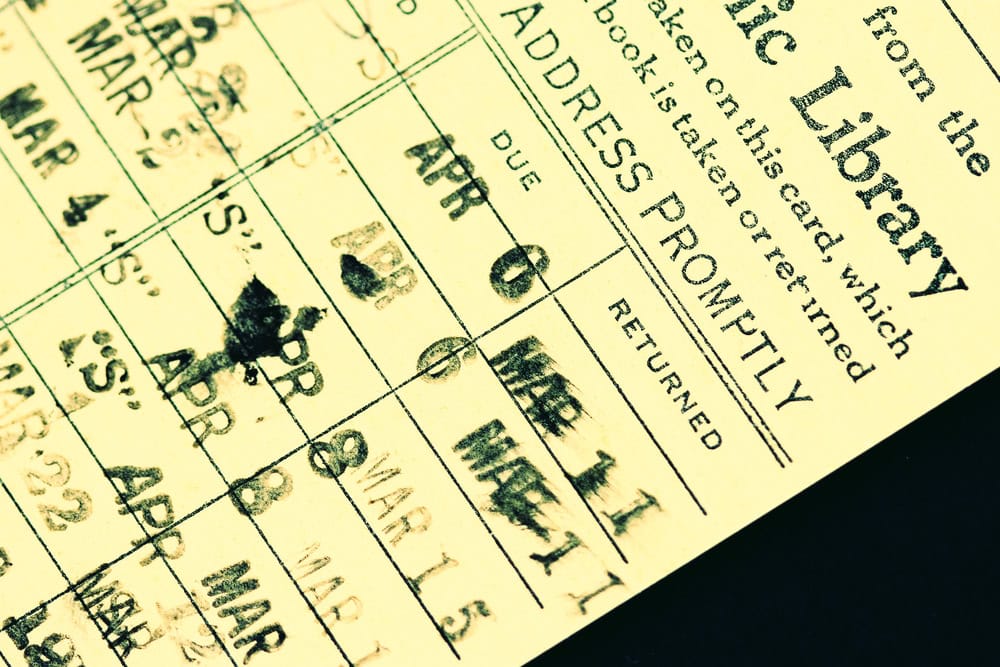
In many school libraries, there would be a thin cardboard wallet attached to the rear of each book with a corresponding borrower’s card. The librarian would write the child’s information on the card and stamp it with the expected date of return. There was something rather intriguing about seeing who borrowed the book before you on those old cards. Librarians had to organize these records manually to keep track of overdue books.
Like our content? Be sure to follow us.
11 school lunch items from the ’50s that are definitely not allowed today

Before strict school nutrition standards, cafeteria trays were filled with meals that might shock today’s health-conscious parents.
11 school lunch items from the ’50s that are definitely not allowed today