
In your 80s, staying happy and healthy means letting go of these 15 habits that quietly do more harm than good.
Ignoring pain

If you woke up with a twinge in your back in your 40s, you might have ignored it and pushed through your day. But pain that you’d previously written off can be signaling a bigger problem in your 80s.
Don’t dismiss chronic joint pain, fatigue, or dizzy spells as just part of getting older. Tell your doctor about these changes as they happen so you can work to prevent bigger problems down the line.
Overestimating balance

Just because you don’t feel any less nimble than you did ten years ago doesn’t mean subtle changes in your eyesight, inner ear function and muscle strength aren’t throwing off your balance.
Stop risking dangerous falls from climbing on wobbly step stools, walking on slippery sidewalks and trying to navigate your way around dark rooms. Use support tools like handrails or walkers whenever you need them.
Overcommitting tasks

For years, you’ve successfully juggled household chores, family activities and social or job responsibilities. Stop feeling obligated to maintain a hectic daily to-do list that wipes you out.
Allow yourself to take it easy and only do things that you absolutely love or must do for safety reasons.
Avoiding people

While it’s natural to be less social as you get older, isolation can lead to cognitive decline and depression. Stop avoiding social invitations or lounging around the house.
Regular interaction, even if it’s a phone call or sitting outside for 20 minutes, can help keep your mind active and your spirits up.
Neglecting hydration

Your body’s sense of thirst weakens as you get older and you can easily become dehydrated. Don’t wait until you’re thirsty to take a sip of water.
Make sure you take regular breaks to hydrate. Water helps your kidneys, energizes you, and keeps your skin looking good.
Keeping clutter
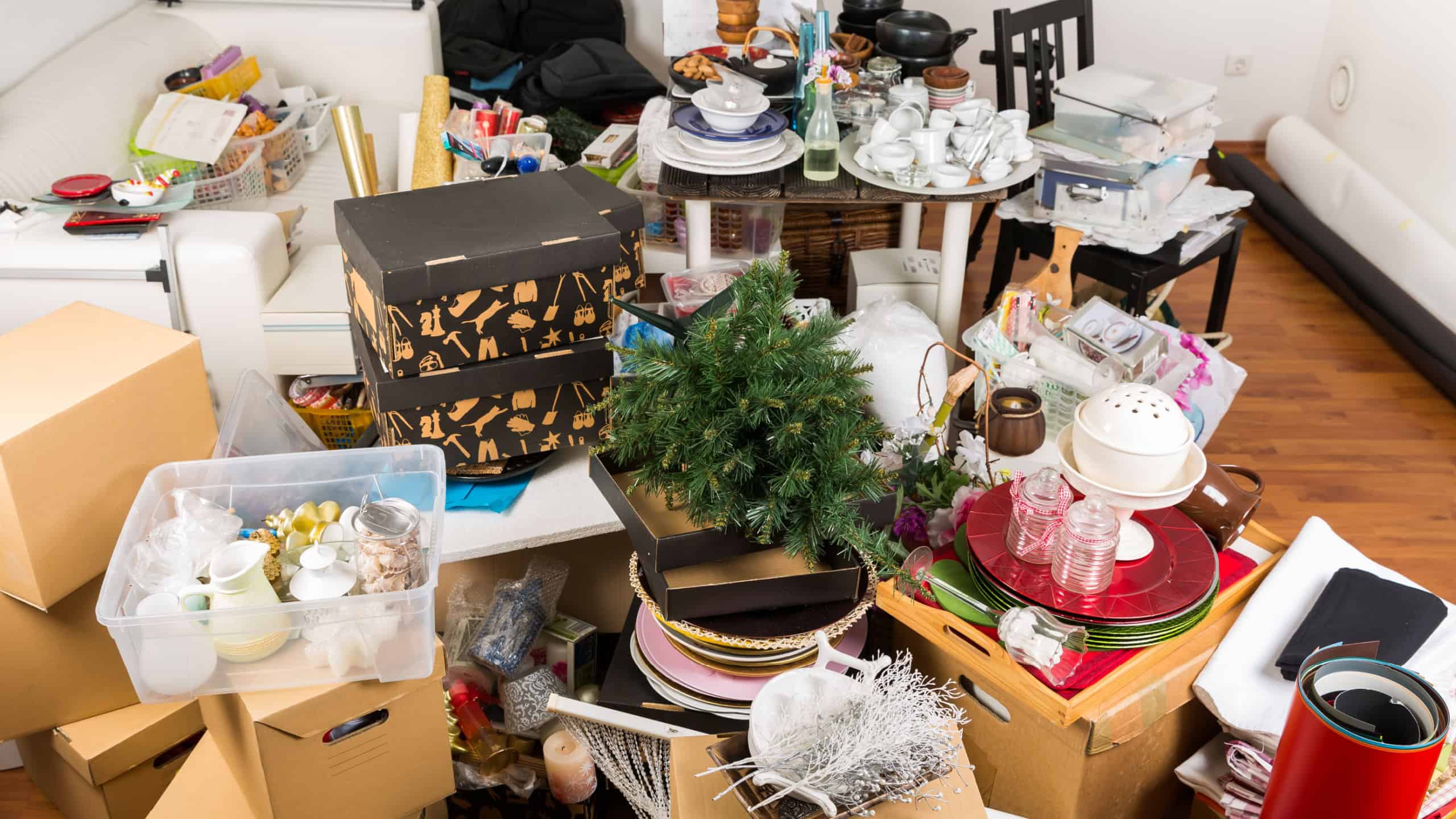
Living in a house cluttered with years of possessions increases your chance of tripping and weighing you down mentally. Stop allowing yourself to think you need to keep things around just because you’ve always had them.
Downsize or right-size your space to benefit from keeping it safer, easier to clean, and decluttered for how you live now.
Restrictive diets

You’re healthy now. Stop obsessing over weight-loss diets that will rob you of nutrients. Focus on eating adequate amounts of high-quality protein, fiber, and calcium to avoid muscle wasting (aka sarcopenia) and maintain bone density.
Forcing activity
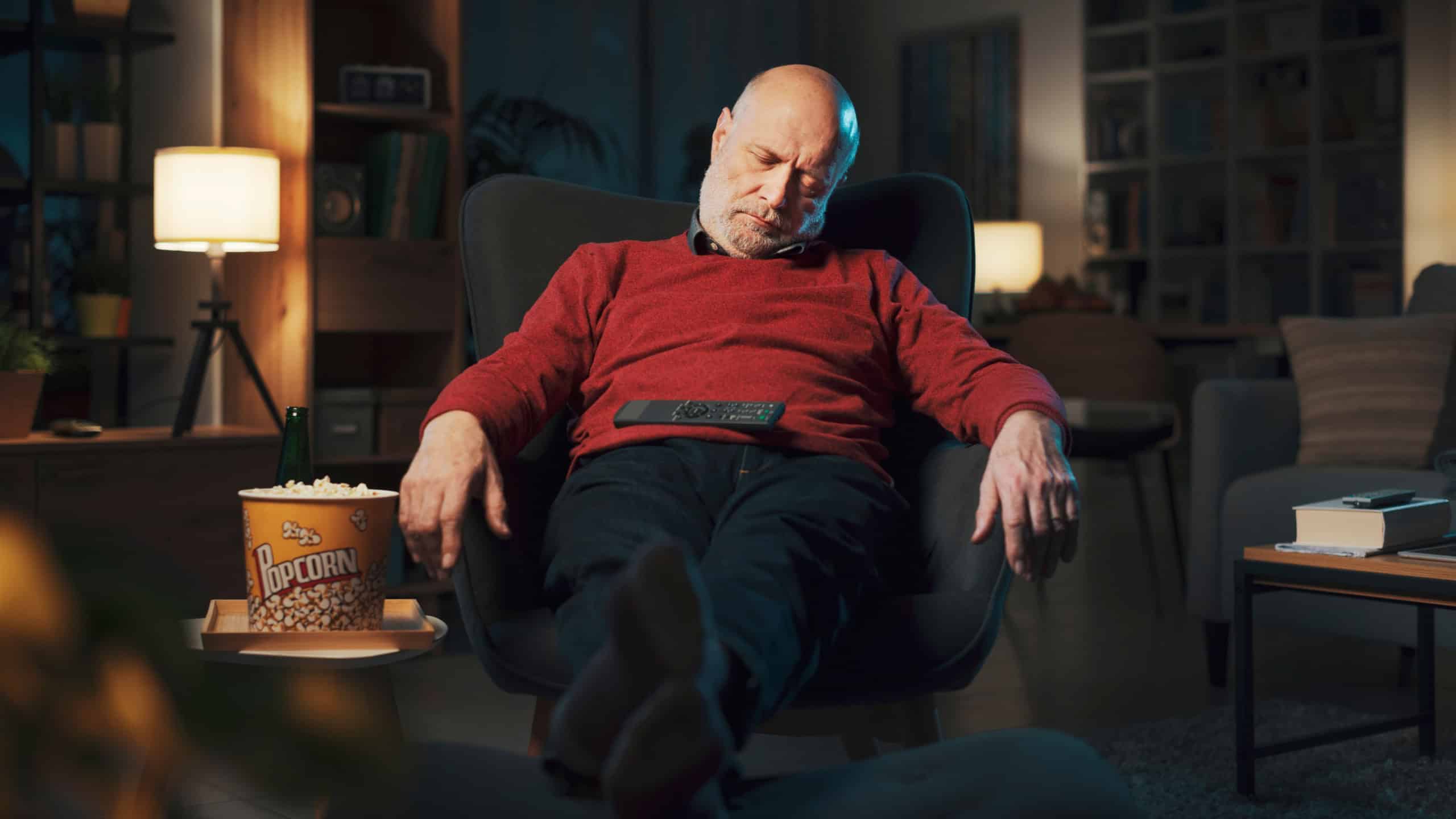
Your body won’t bounce back like it used to and your need for quality sleep will increase. Quit pushing yourself to stay active when you need rest. Listen to your body when it signals it needs sleep by taking naps or scheduling downtime in the afternoon.
Resisting tech
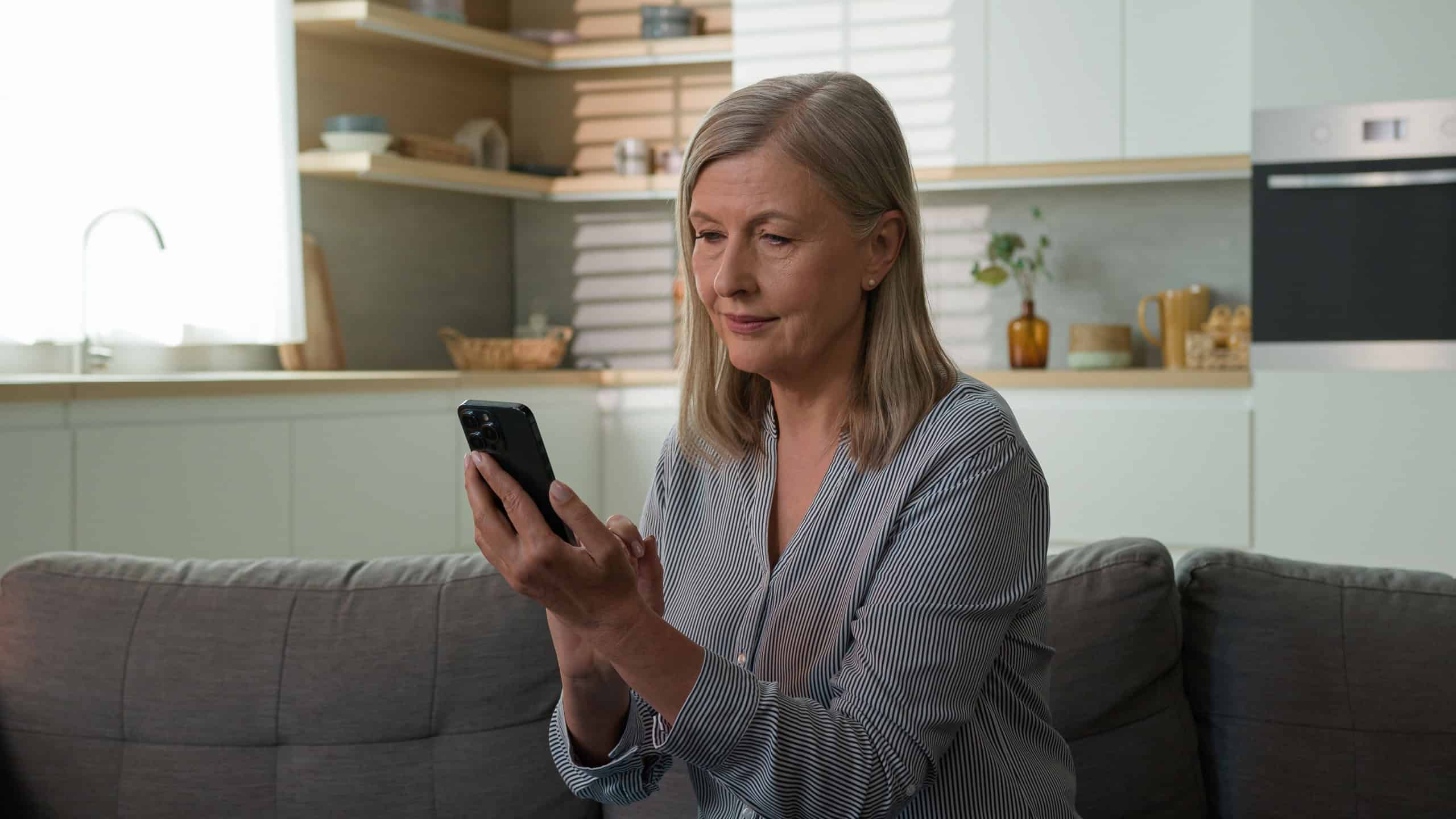
Whether it’s to stay connected with family, reach medical professionals, or even control your home, technology can be your friend. Stop thinking you are too old to learn new things.
Learn one new app or device that will make your life easier. Try a video calling app so you can see your loved ones, or a digital calendar to keep yourself organized.
Worrying expectations

You’ve lived long enough to know what you want to do. Stop caring about what others think you should be doing at your age. If you want to stay in bed and read all morning, that’s okay. If you want to switch up your routine, that’s okay too.
Ignoring feet
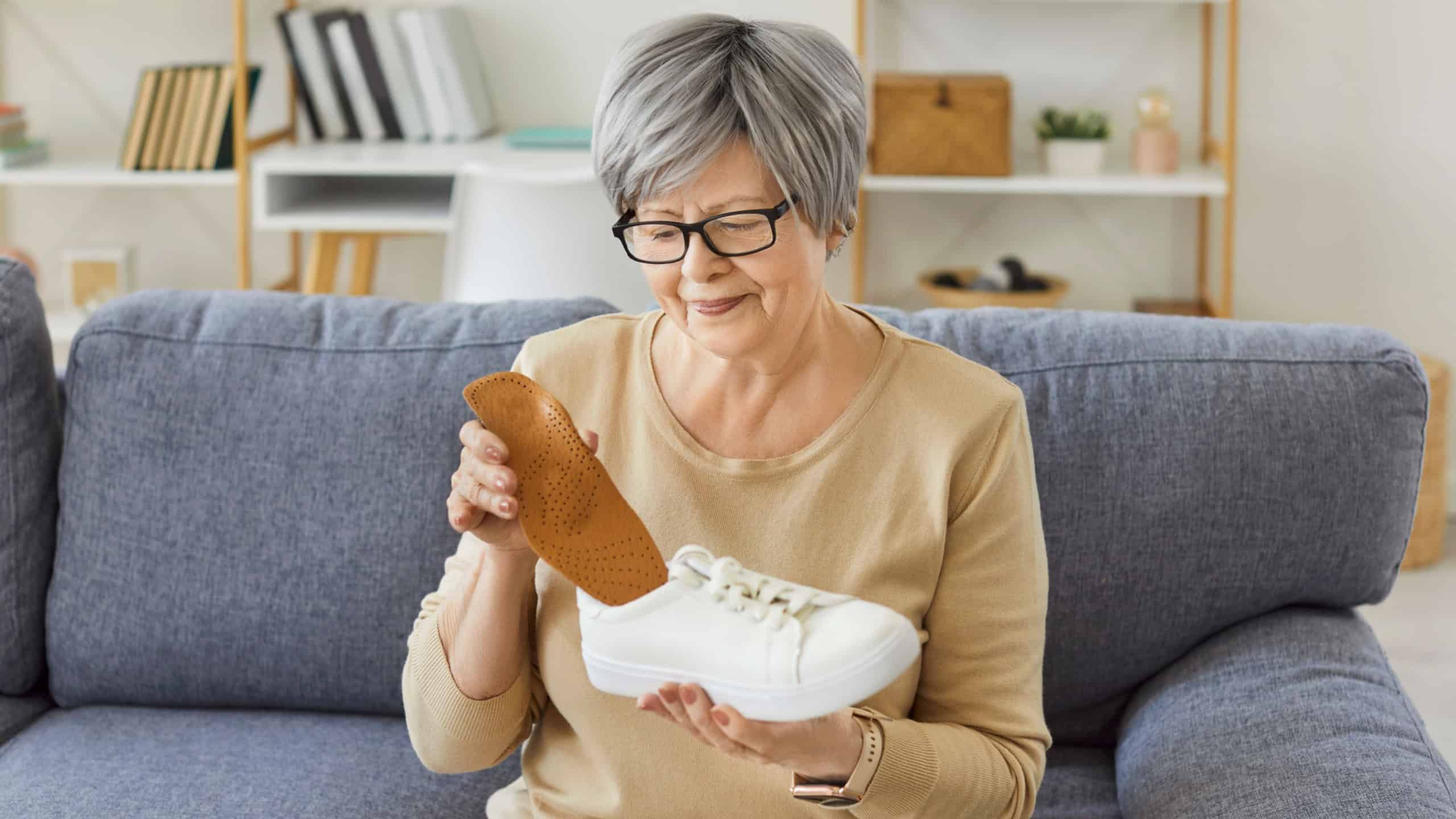
Feet take a lot of punishment throughout your life, and poor circulation and nerve damage can cause even small foot problems to become serious. Stop ignoring your foot health.
Make regular appointments with a podiatrist, wear shoes that fit well and provide support, and check your feet every day for sores.
Skipping dental
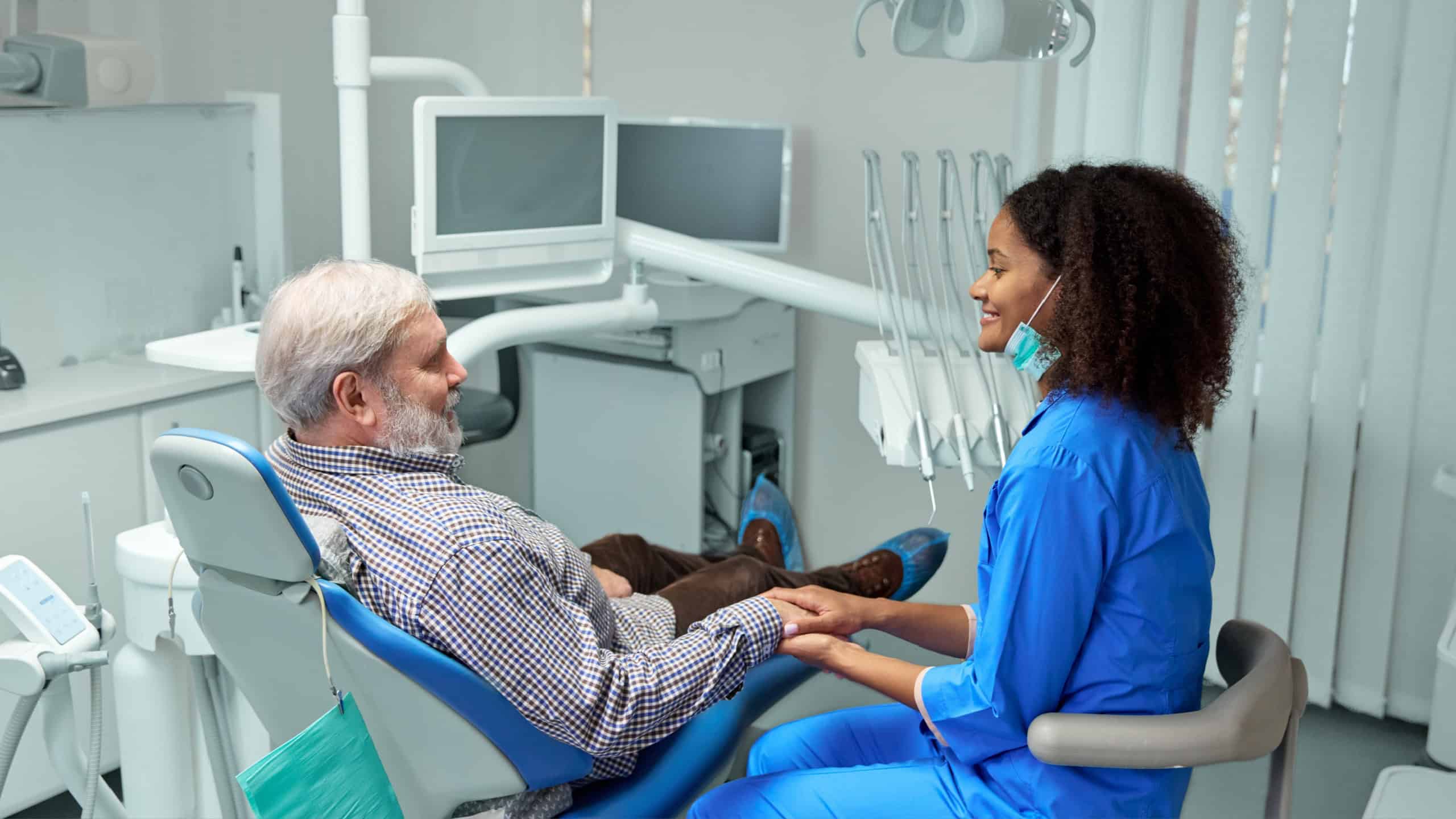
Tooth decay and gum disease can cause inflammation that affects your entire body in your golden years. Stop skipping your six-month cleaning or neglecting your flossing routine.
Brush twice a day, floss daily, and see your dentist and hygienist regularly.
Remaining sedentary

You may not be lifting heavy weights at the gym as you used to, but sitting for too long can make you lose your independence more quickly.
Stop sitting for hours on end throughout the day. Stretch from your seat a few times an hour, try tai chi, or take a daily walk to keep your joints pumping.
Managing alone

You may want to stay independent, but thinking you can do everything yourself will eventually cause you to lose your independence.
Stop doing everything yourself. Ask your family, friends, or hire someone to help with home maintenance, errands, or managing your finances so you have more energy to do what you love.
Ruminating past

Yes, it’s great to reflect on the good old days, but stressing about how you used to be able to do certain things will suck the joy out of your day.
Stop comparing your mind and body to your younger self. You have plenty to offer at this stage of life and new opportunities to experience. Embrace that now.
Sources: Please see here for a complete listing of all sources that were consulted in the preparation of this article.