
Canada may look familiar from across the border, but Americans still manage to get some surprisingly basic things about the country wrong.
Just around the corner
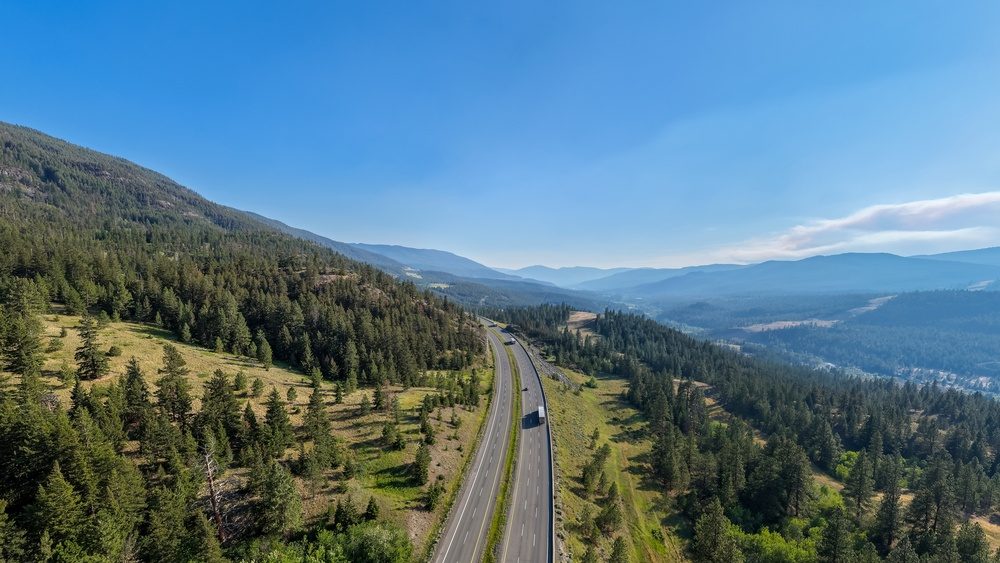
Canada’s vast size is often taken lightly. A person from Winnipeg, Calgary or Halifax may say they are Canadian and instantly be asked about Toronto or Vancouver as if they were neighbours. In fact, those cities can be thousands of kilometres away from each other. Canadians are especially entertained when tourists suggest visiting Toronto, Banff and Vancouver in one casual weekend trip.
Those colourful dollars

Canadian dollars are not American dollars with different photos on them. They are a different currency, with exchange rates that fluctuate against the U.S. dollar. Canadians, however, still run into Americans who are amazed to discover that a US$20 bill isn’t equal to a C$20 bill. Referring to Canadian currency as funny money doesn’t help matters either.
One country, one culture
Canada can be easily stereotyped as one homogeneous culture from the outside. But Newfoundland and Labrador, Quebec, the Prairies, Atlantic Canada, the North, and the West Coast can all seem extremely different from one another. Accents, cuisine, politics, history, and local customs can differ wildly. Telling Canadians that they’re all essentially the same person is a quick way to learn about Canada’s regionalism.
The October version
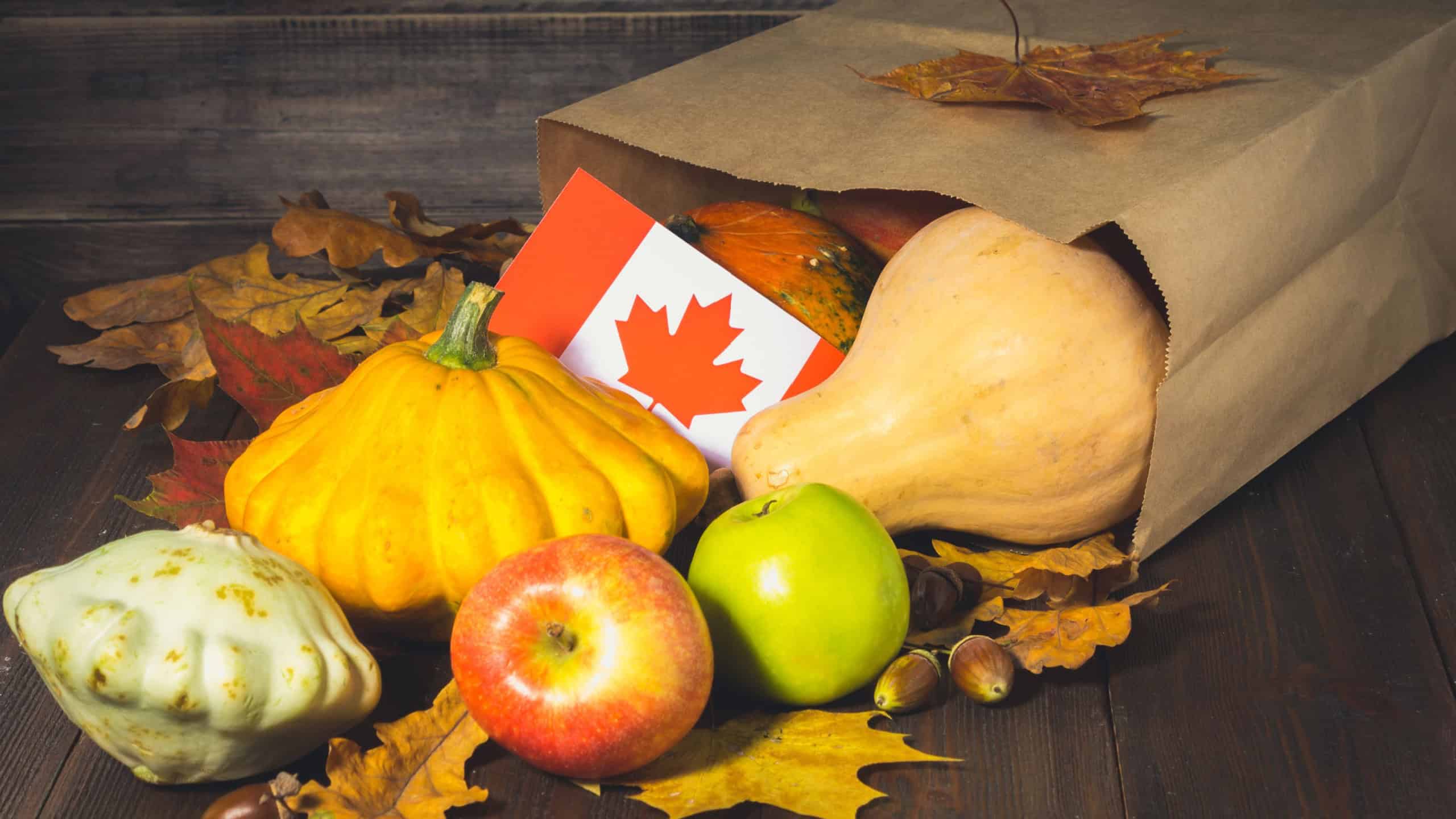
It can be easy to think that Canada just took the American holiday of Thanksgiving and changed the date to October. However, Canada’s celebration of Thanksgiving has evolved through a unique history of its own.
It’s not just a replica of America’s Thanksgiving up north. Thanksgiving in Canada takes place on the second Monday in October, and is rooted in early European fall harvest history, actually predating the American version. Canadians will likely correct anyone who refers to it as “early American Thanksgiving.”
Blame the internet

Bagged milk has become one of those discoveries Americans love to make about Canada on the internet. The issue is when people present it as something every Canadian knows about growing up.
Bagged milk is common in Ontario and some parts of eastern Canada. It’s relatively unheard of in large swaths of the West. Many Canadians have gone their whole lives buying milk in boxes or bottles.
A strangely foreign name

Ironically, the meat Americans refer to as “Canadian bacon” is usually not what Canadians are thinking of when they simply order bacon. Canadians typically refer to regular strip bacon, back bacon, and especially in Ontario, peameal bacon.
As such, the American term may sound oddly unfamiliar north of the border. Hearing what “Canadian bacon” is from someone from another country can be especially amusing.
Nobody gets a bill

In the U.S., sometimes Canada’s universal healthcare system gets envisioned as some sort of magical system where Canadians literally never pay for any medical goods or services.
While provincial and territorial plans cover hospital and physician services that are medically necessary, services such as dental care, prescription drugs, vision care, and others have been covered at varying levels historically. Taxes, of course, also fund the system. Most Canadians bristle when you call it free.
Not quite gun-free

Canada’s firearms laws are significantly stricter than those in the United States. However, private ownership of firearms in Canada is not a foreign concept. Canadians legally own guns for hunting, sport shooting, and other lawful purposes within a more tightly controlled system.
Arguments by some Americans get distilled down to “America has guns; Canada doesn’t.” If you’ve spent any time around hunters or rural Canadians, you know it’s ridiculously simplistic.
That convenient label
Canada’s universal health care system and bigger social safety net have occasionally prompted Americans to throw around the “socialist” label for the whole country.
Canada is a market economy full of private businesses, private property, and financial markets. Canadians even argue fiercely about taxes, spending, and the role of government. Simplifying it down to one political bumper sticker annoys Canadians across the political spectrum.
The grass isn’t always greener
The myth that all ambitious Canadians aspire to move to the United States can get tiresome. Many Canadians do head south for work, relationships, or climate, just as many Americans come to Canada. However, many Canadians are content to stay right where they are. Just because Canada is neighbors with America doesn’t mean all Canadians all itching for an invitation.
More than peacekeeping
Canada’s military is far smaller than its neighbour’s, creating a perception that it has next to no military history or capacity whatsoever. That ignores Canadian participation in WWI, WWII, Korea, Afghanistan, NATO, peacekeeping, and many other missions.
Canadians have their military history and traditions too. When people make jokes about America giving Canada their entire defence budget, they can come across as a little insulting.
Three days too early
Americans visiting around the first week of July sometimes mix up Canada Day and Independence Day, or think of them as variants on the same holiday.
Canada Day is July 1st, and celebrates the birth of Confederation in Canada in 1867. Canada gained full independence from Britain incrementally, not in one revolutionary leap like the United States. The fireworks are the same, but the story behind them isn’t.
An ocean apart
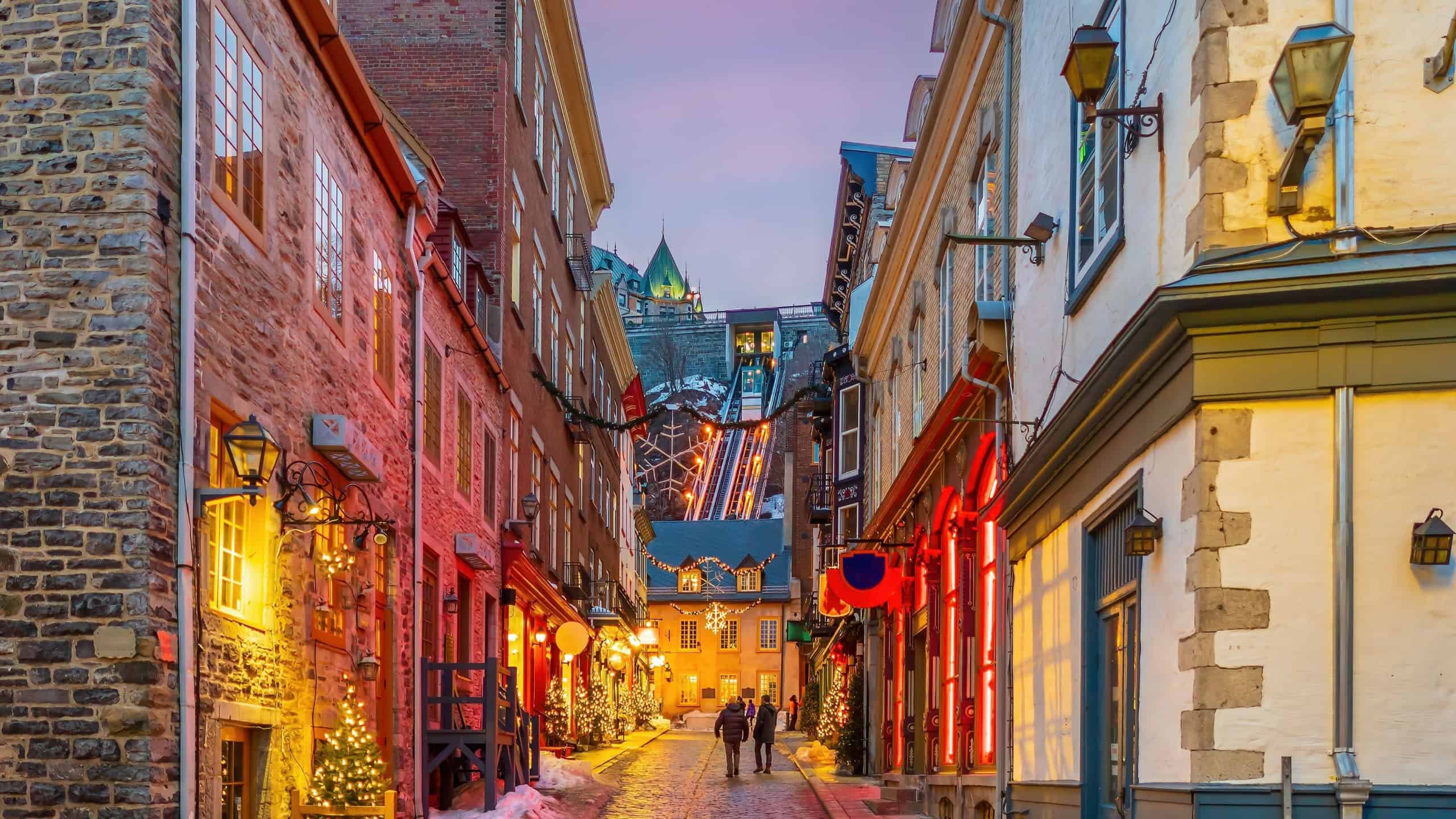
The French language, cafes, and historic architecture can lure outsiders into referring to Quebec as a small slice of France in North America. Quebec does have strong French ties; however, years of independent development fostered a unique Québécois culture, vocabulary, accent, cuisine, and sense of self. It can even surprise visitors from France. Claiming Quebec is “basically France” annoys Québécois and French citizens alike for different reasons.
Different rules upstairs
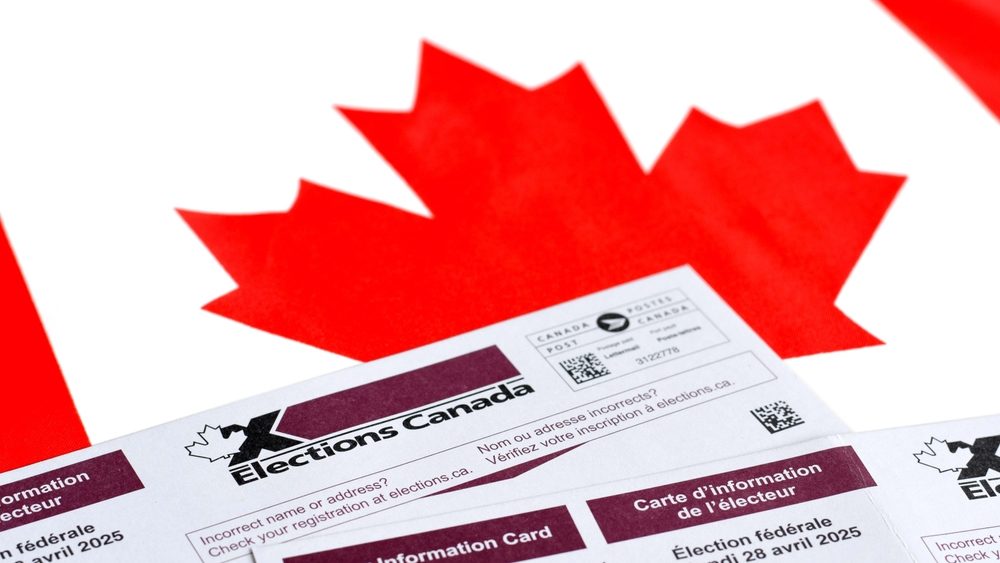
Americans can tend to view Canadian elections as if they were voting for president in the United States. Canadians do not vote directly for a prime minister in a general presidential election. Canadians vote for their local member of Parliament, and the party system then forms a government following the parliamentary system.
The Canadian Senate and cabinet differ, as does the relationship between the executive and legislature. Explaining Canadian political institutions using American political jargon can often cause more misunderstandings than comprehension.
The quickest way to annoy a Canadian
“You’re basically American anyway.” This phrase may well be the stereotype most likely to make Canadians take offense. Sure, the two nations share a border, language, television shows, trade, and myriad cultural aspects, but that doesn’t mean Canada isn’t its own country, with its own history, institutions, political culture, and identity. Canadians can be perfectly proud of how similar Canada and the U.S. are without wishing to lose their sovereignty.
Like our content? Be sure to follow us.