
Canada is known for being polite and snowy, but it also fixed some insanely large problems before anyone else.
Pacemakers

Canadian engineer John Hopps invented the first cardiac pacemaker in 1950. Hopps was actually researching ways to use radio frequency to heat up body tissue when he realized a heart stopped by cold could be restarted using radio frequency heating.
Doctors were then able to keep patients alive while conducting complicated surgery. Before then, a stopped heart was usually considered fatal.
Snowmobiles

Joseph-Armand Bombardier invented the snowmobile in 1937. Bombardier originally designed it with seven seats so it could transport visiting professionals like doctors and priests.
It moved easily through deep snow so nobody living in remote communities would ever be cut off from the outside world during the harsh winter again.
Alkaline batteries
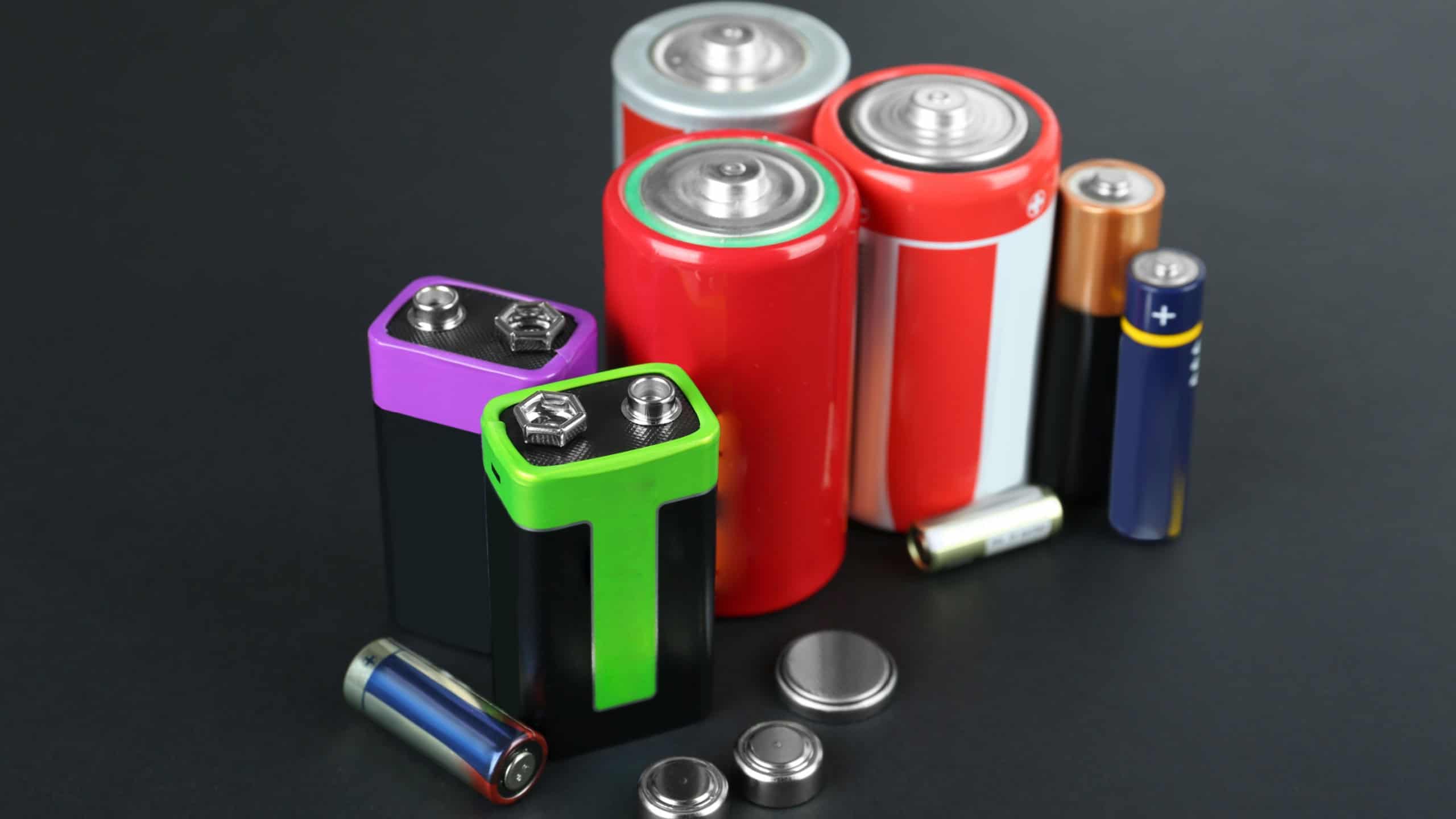
Fed up with leaky batteries with a short life span, Eveready employee Lewis Urry patented the alkaline battery in the 1950s. Instead of using zinc-carbon batteries, the alkaline battery offered users a much longer-lasting energy source that didn’t leak.
The alkaline battery ushered in the era of portable electronics in the late 20th century.
Cartons

British Columbia newspaper editor Joseph Coyle came up with the idea of milk cartons when a farmer and hotel owner got into an argument over who was responsible for broken eggs.
His simple yet effective solution was the egg carton, which was a molded paper container. It keeps food from moving around during transportation and is still used industry-wide today.
Slip Proof Screws
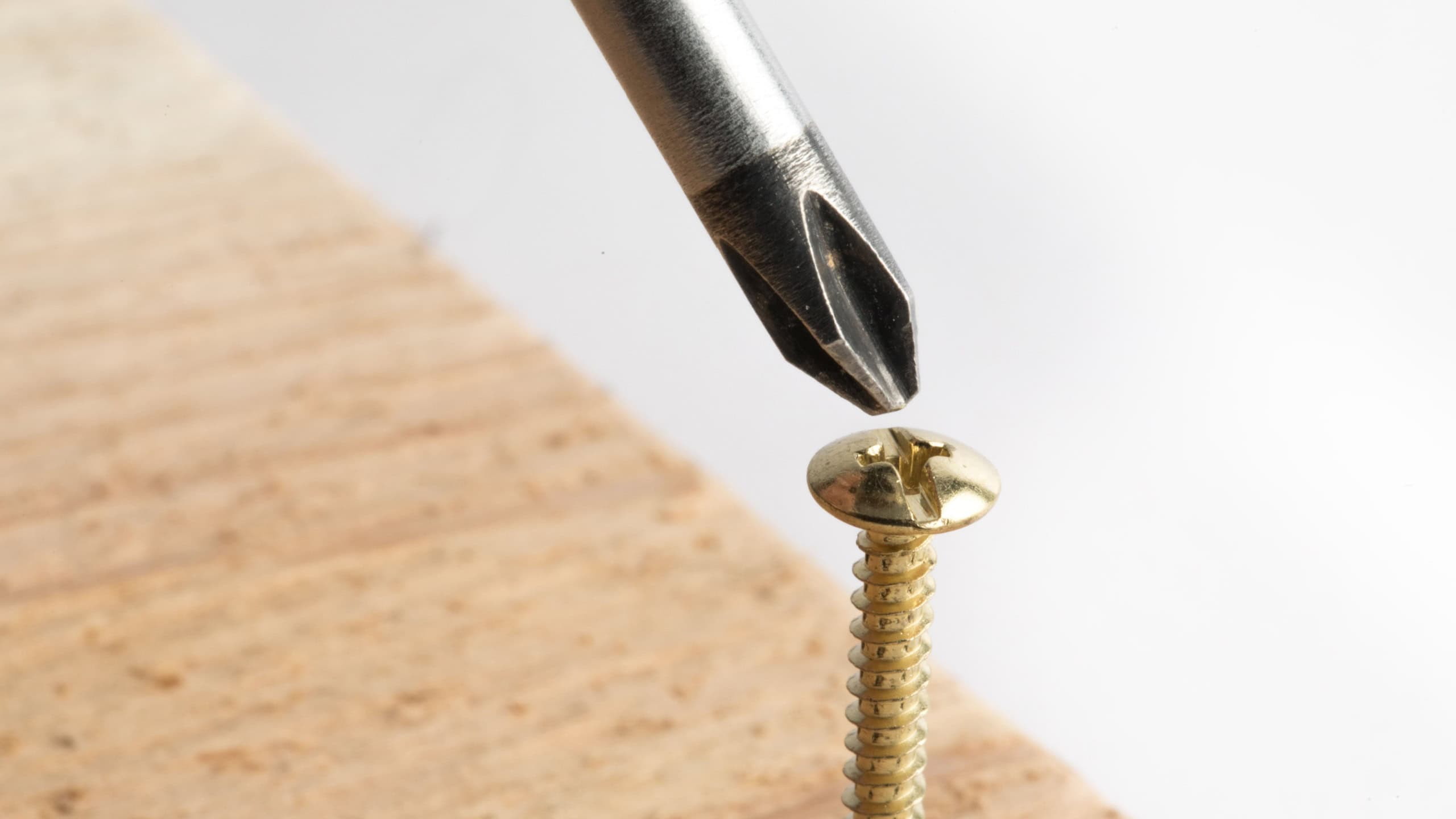
What if your screwdriver slips out of the screw while you’re turning it? Not only is your project delayed, but the screw’s head can now strip out, making it impossible to remove.
In 1908, P.L. Robertson patented the Robertson head screw, which solved that problem. The square-socket drive keeps the screw centered on your screwdriver, allowing you to torque faster than ever.
Paint roller
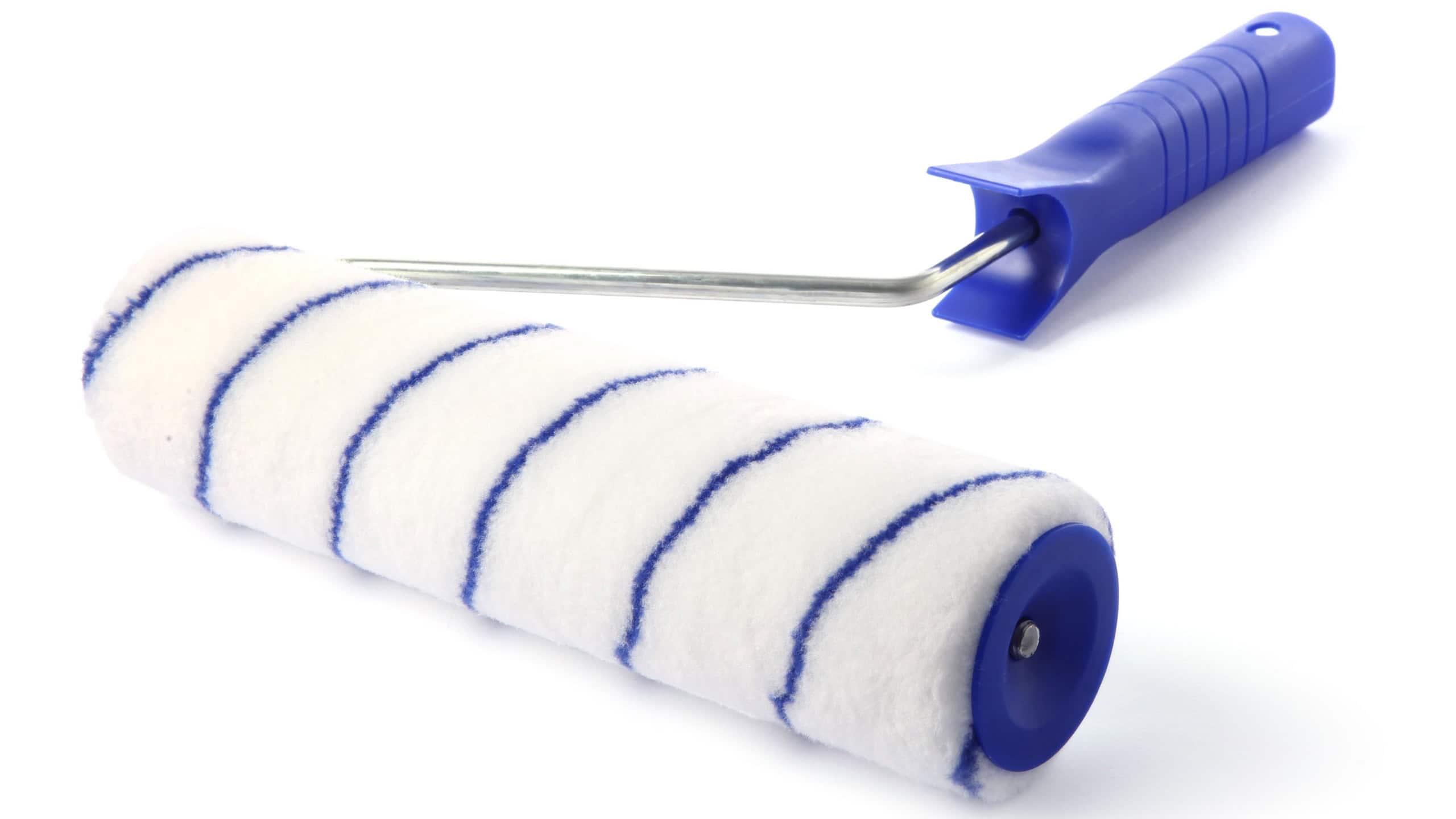
Painting big walls before 1940 was laborious, slow and required precision brushes. Norman Breakey changed all that when he created rollers to apply paint to large surfaces.
They may seem a simple invention, but they helped speed up the construction and home renovation industry.
Sonar
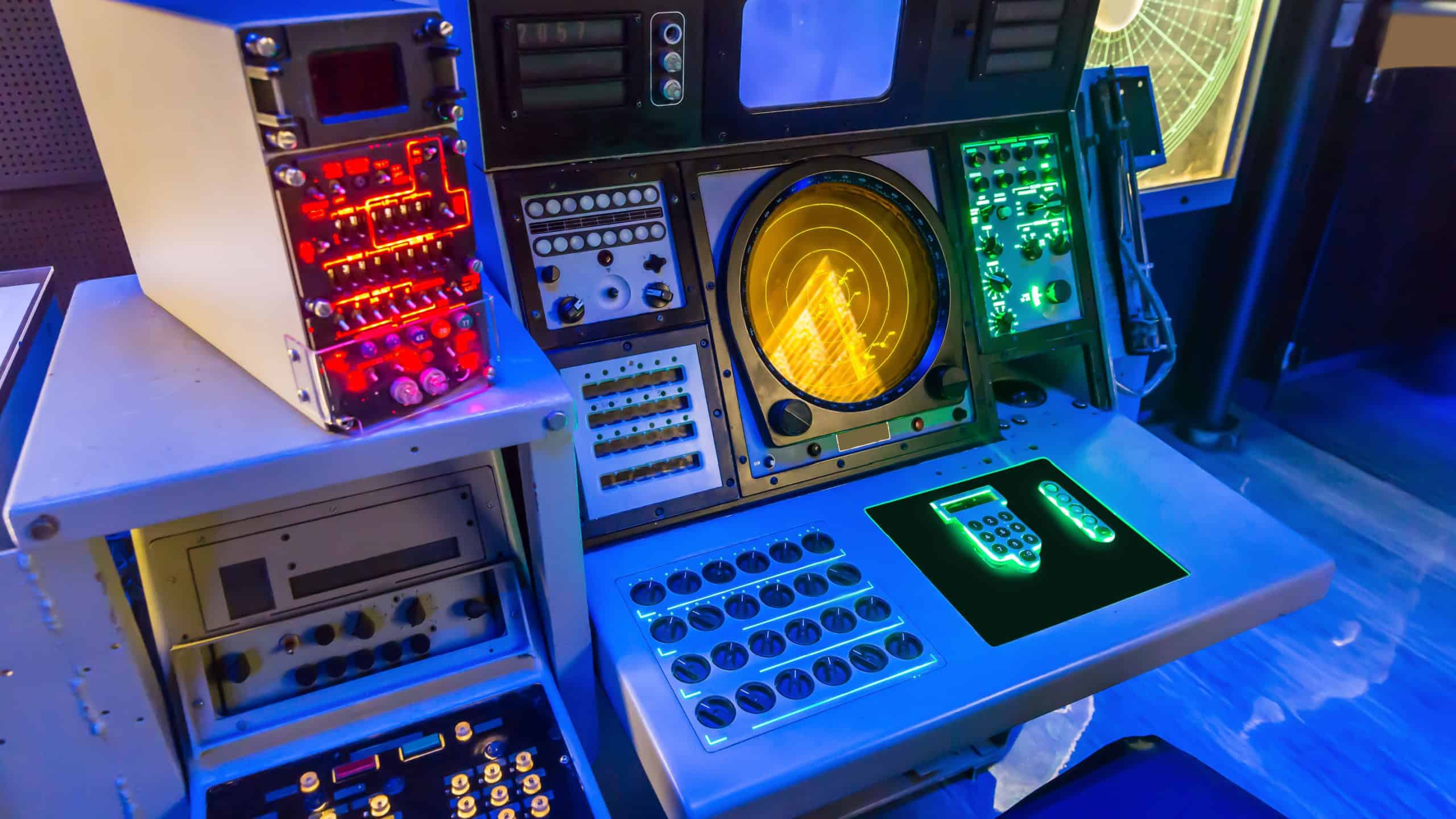
Robert William Boyle collaborated on developing sonar with others in 1915, during World War I. It was challenging during WWI to detect submarines and other hazards lurking deep underwater and sonar solved this, using sound waves to detect objects underwater.
Sonar technology is still used today for navigation, mapping the ocean floor, and defending the oceans.
Search

When the internet started expanding rapidly in the early 1990s, one problem faced was organizing and locating data. Alan Emtage developed Archie, the first internet search engine ever, in 1990 while studying at McGill University. Its purpose was to index and search for FTP files located on anonymous sites.
Caulking
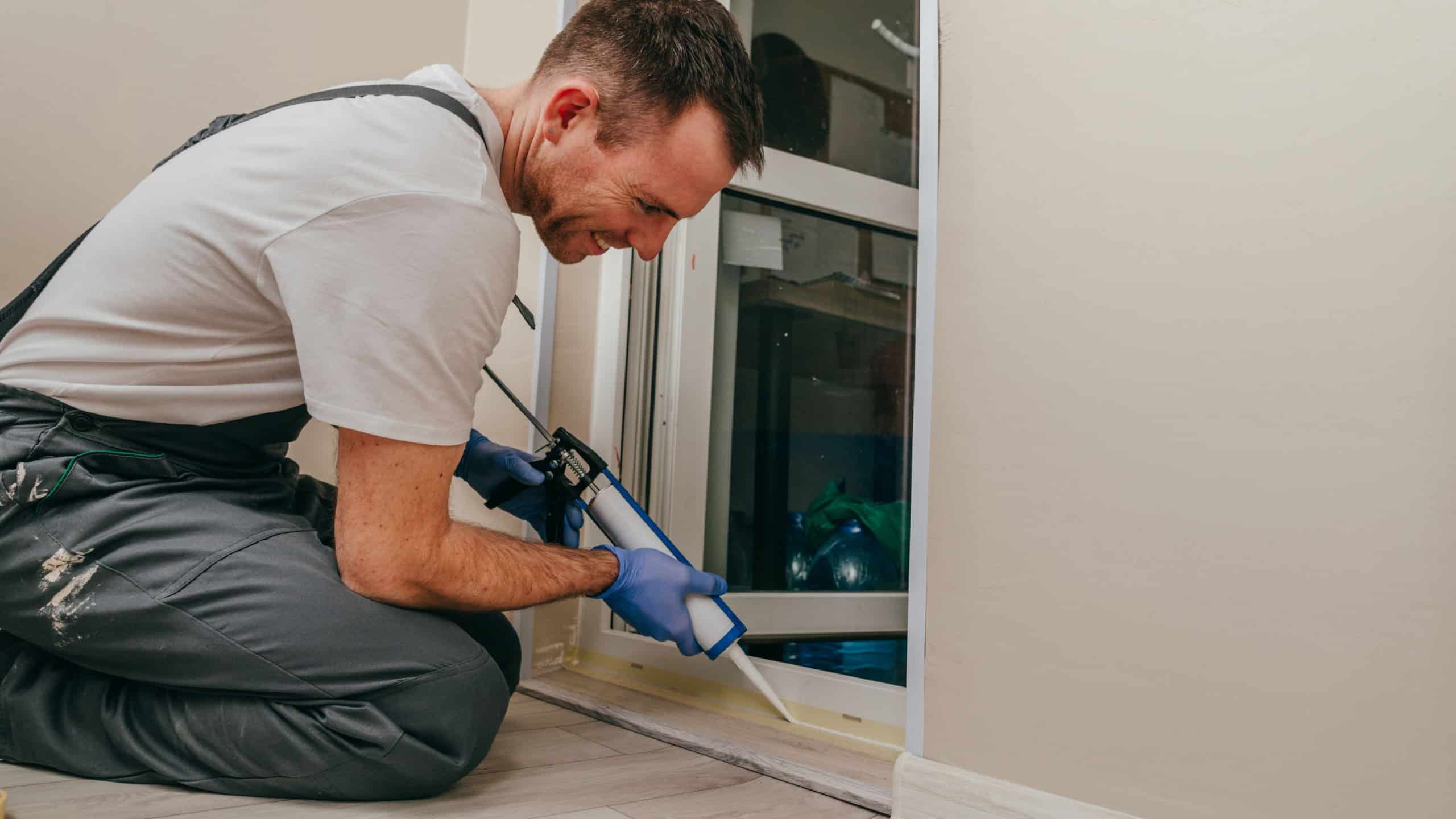
Leaks were a huge maintenance problem in early 1900s buildings and ships. Canadians perfected the use of modern caulking compounds by inventing synthetic sealants that didn’t crack with extreme temperature changes.
This led to people being able to weatherproof homes in the north, cutting energy use drastically.
Canola

Canadian scientists at the University of Manitoba were tasked with de-bittering rapeseed in the 1970s. Rapeseed was bitter due to natural plant compounds.
By cross-breeding, they developed Canola (Canadian Oil, Low Acid), which is neutral in flavor and contains healthy fats. Today it’s one of the most popular cooking oils used worldwide.
Garbage bags
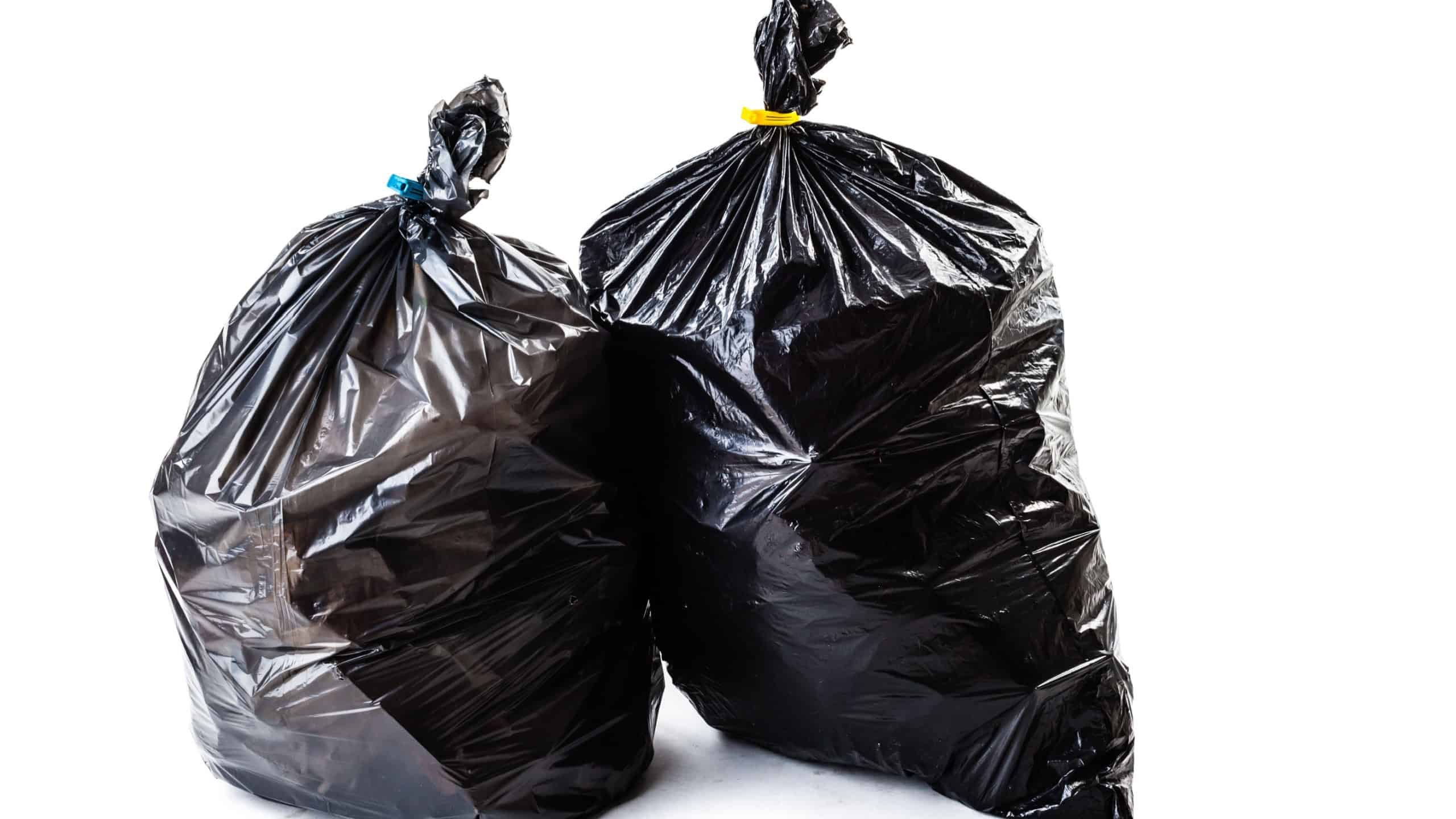
Canadian inventor Harry Wasylyk was working in his Winnipeg kitchen when he invented the first garbage bag in 1950. He was tired of the messy and inefficient methods of garbage collection.
Made from polyethylene, his garbage bag was waterproof, durable, and lightweight. Waste disposal became sanitary overnight, revolutionizing cleanliness worldwide.
Electron microscope
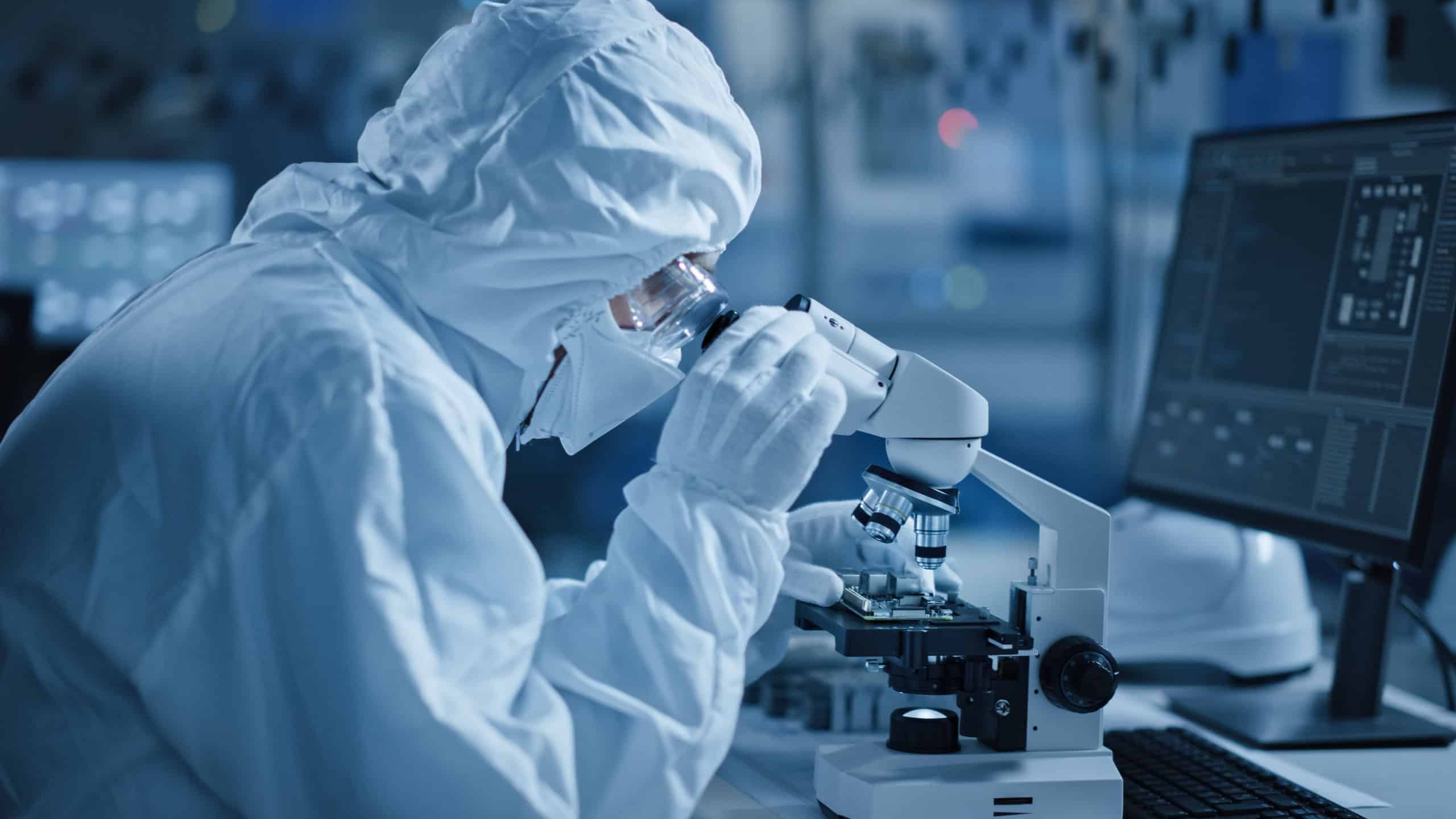
Graduate students at the University of Toronto, James Hillier and Albert Prebus, created the first working electron microscope in North America in 1938. Electron microscopes use beams of focused electrons in place of light to produce images with magnifications greater than 5,000x.
This invention led to high-resolution microscopy, developing technology necessary to advance the fields of virology and nanotechnology.
Kerosene

Canadian geologist Abraham Gesner made people’s homes brighter in 1846 by figuring out how to distill a cheap, safe lighting fuel from coal and bitumen. The clean-burning liquid he named kerosene shone brighter than the whale oil it replaced and lit the world for generations.
Sources: Please see here for a complete listing of all sources that were consulted in the preparation of this article.