
Our habits during childhood continue to affect us into adulthood; they shape our bodies, our behaviour, our daily lives.
Reading or looking down in dim light

You age your eyes faster when reading in dim light and when holding books, newspapers, magazines, and computer screens closer to your eyes as a child. The more you strain your eyes up close when they are developing, the more nearsighted you will become.
Being highly nearsighted in adulthood is more than an inconvenience of needing to wear thick glasses. The risk of developing retinal detachment, glaucoma, and macular degeneration later in life is much greater.
Thumb-sucking

Thumb sucking is common among infants and toddlers. It’s actually a reflex that naturally helps babies soothe themselves. If the habit persists after age four or five, however, it can permanently change the structure of your teeth and face. Long-term thumb sucking misaligns permanent teeth, thrusts your upper jaw forward (resulting in an overbite) and flattens the roof of the mouth.
Excessive screen time

Kids who stare at smartphones, tablets or televisions for hours on end condition their young brains to anticipate constant quick-hit dopamine rushes.
As adults, their attention spans are shorter thanks to early childhood dopamine overstimulation causing difficulty focusing on tasks that require deep, slow thinking.
It also creates digital addicts whose adult brains instinctively revert to mindless scrolling whenever they’re bored, stressed, or have some downtime.
Engaging in or experiencing bullying

Whether you were bullied or the bully in childhood, both of these experiences alter how your brain responds to others and stress. If you were bullied as a child, you may struggle as an adult with healthy levels of cortisol, anxiety, constantly scanning your environment for threats, and trusting others in your personal life and work life.
If you bullied others as a child, you may approach conflicts aggressively and have difficulty experiencing empathy. They are at greater risk for engaging in antisocial behavior as adults and tend to have unstable relationships.
Nail-biting

Nail biting usually develops as a nervous habit in childhood due to stress, sensory overload, or boredom. It’s an unconscious oral fixation that carries over into adulthood for many people.
Nail biting for years damages your nail beds and nearby cuticles. This causes lasting deformities in your nails and repetitive skin infections. Biting also creates microfractures in your front teeth, wears down your enamel, and constantly pushes bacteria from your hands into your mouth.
Mouth breathing
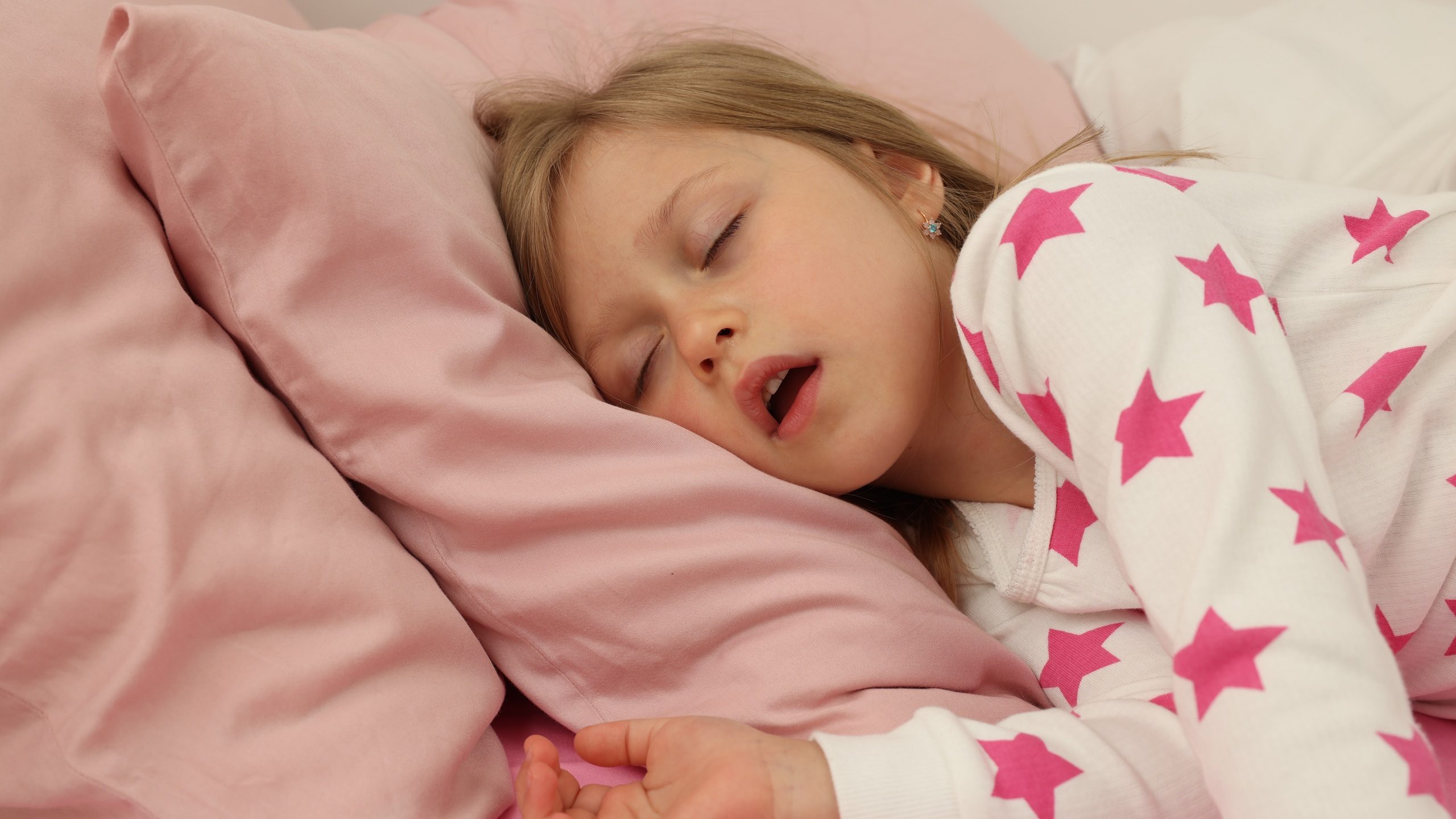
Breathing through the mouth as a child, usually due to enlarged tonsils, chronic allergies or a crooked septum, can dramatically affect the growth of the face and future respiratory issues. Chronic mouth breathing leads to altered development of the jaw and eventually a narrow face, recessed chin, crowded teeth, etc.
Chronic sleep apnea, heavy snoring, dry mouth, and poor oxygenation during sleep are much more likely in adults who breathe through their mouths.
Slouching and poor posture

Slouching over desks, backpacks, and mobile devices trains kids’ growing muscles and bones to lean forward. As they age, hunching forward causes the chest muscles to tighten and lengthen, weakens the muscles in the upper back, and changes the curvature of the spine.
Later in life, adults experience neck pain, stiff lower backs, headaches, and shallow breathing from a compressed chest cavity.
Unpredictable mealtimes

Kids who don’t eat on a schedule (whether due to chaotic mornings or rushing out the door) literally train their bodies to not pay attention to hunger signals.
Meal-skipping adults have unpredictable blood sugar levels, sluggish metabolisms and little awareness of appetite.
Neglecting oral hygiene

Neglecting brushing and flossing as a child does more than lead to baby teeth cavities; it establishes oral microbiome changes and lifelong chronic inflammation. Years of inadequate plaque removal cause irreversible gum recession and bone loss around permanent teeth as adults.
Because periodontitis causes systemic inflammation, lifelong neglect of proper oral hygiene habits is closely linked to heart disease risk, adult-onset diabetes complications, and early tooth loss as adults.
Sleeping with the TV or noise on

Kids learn to sleep with white noise when falling asleep to something external like a television, tablet, or white noise machine programs their brain. As adults, they become incapable of falling asleep in complete silence or darkness.
Screens suppress the natural production of melatonin from the brain due to consistent exposure to light and inconsistent levels of audio, causing incomplete/restless REM cycles and fatigue during the day.
Hair twirling or pulling

Hair twirling or pulling (trichotillomania) can start out of self-soothing when reading or falling asleep as a young child because it feels nice on the fingertips. It eventually becomes hardwired into the nervous system after years of repetition.
So when someone is stressed as an adult, they automatically twist their hair. Aggressive hair twirling causes split ends, breakage and traction alopecia at the areas of the scalp where the hair is constantly being pulled.
Eating too quickly
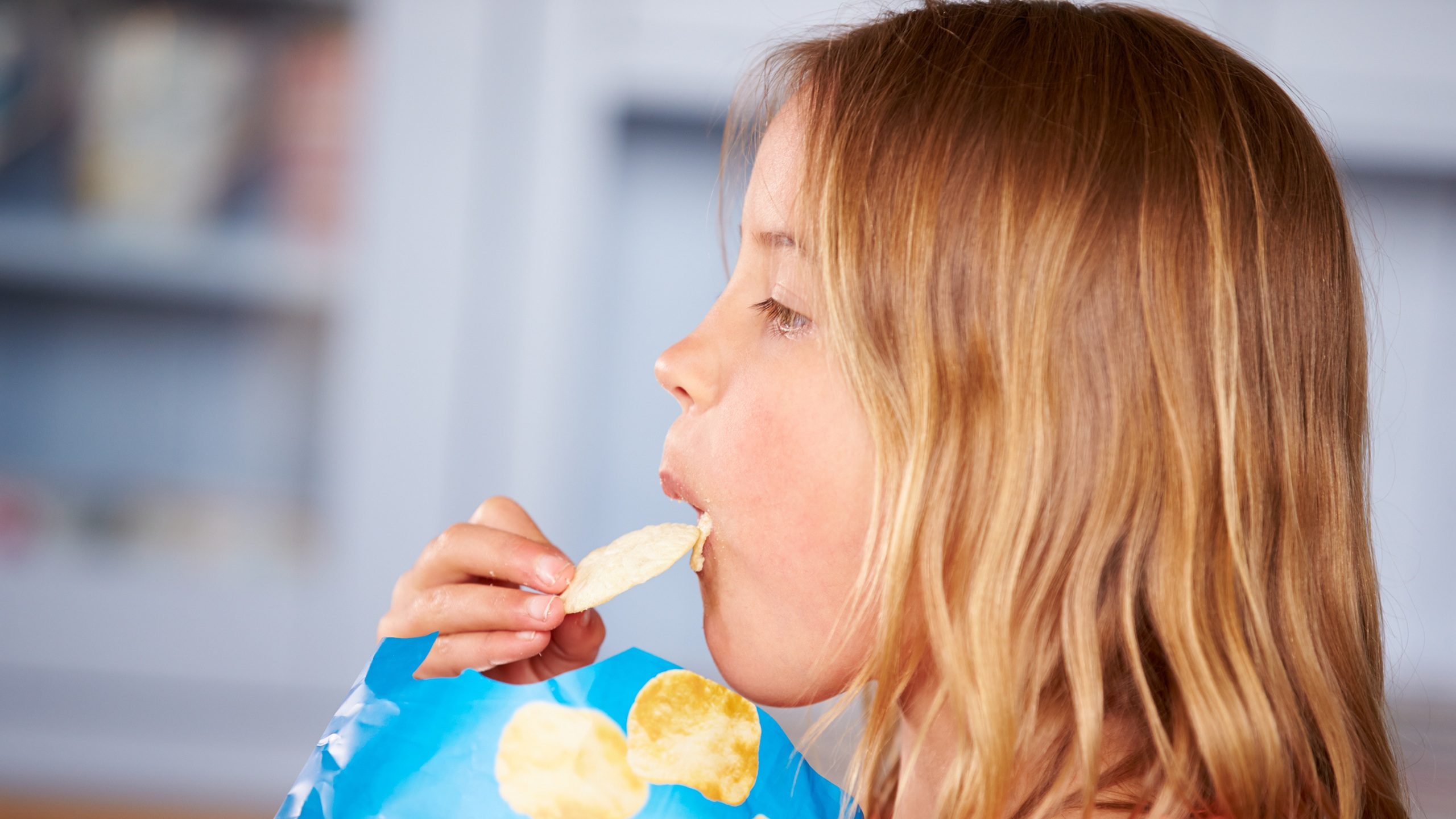
Kids who grow up eating meals where they feel rushed, pressured by sibling rivalry at the table, or constrained by strict time limits learn to swallow their food without chewing.
When you eat too fast as an adult, your stomach doesn’t have time to signal to your brain that it’s full. People who eat too quickly are much more likely to suffer from lifelong heartburn, indigestion, overeating, and weight problems.
Grinding teeth

Teeth grinding or jaw clenching typically occurs from childhood as a subconscious physical response to stress, teeth that don’t fit together properly, or sleep problems. Grinding at night into adulthood causes years of hard grinding to erode enamel, chip away at fillings, and wear down the biting surfaces of teeth.
Sources: Please see here for a complete listing of all sources that were consulted in the preparation of this article.
Like our content? Be sure to follow us.