
Canada has some traditions that are so unique, many Americans wish they could call them their own.
Early summer

Canada’s official start to summer is on the long weekend called May Two-Four in mid-May. Americans don’t start opening pools or firing up barbecues until late May for Memorial Day.
But in Canada, you’ll likely find someone heading to their cottages or camping a week or two earlier.
Boxing day

While Americans have major sales on the day after Thanksgiving, Canadians have Boxing Day on December 26th. Not only do stores offer huge discounts, but it’s also a day of rest.
Canadians use the day as another opportunity to relax before starting the work week again after the holidays.
Gun control

Gun ownership in Canada is viewed as a privilege that requires responsibility. Canadians must take a gun safety course and submit to an in-depth background check of their history and mental health in order to own a firearm.
Additionally, the government restricts ownership of certain weapons it deems too powerful for hunting or sports usage. As a result, there are far fewer incidents of gun violence and gun-related accidents in Canada than there are in the United States.
Snack variety

Walk down any snack aisle, and you’ll find chips flavoured with “Ketchup” or “All-Dressed”(a zesty blend of BBQ, salt, vinegar, and onion).
Canadians eat these chips nationwide, and the flavour-packed punch these snacks deliver is something most American snack food brands have been afraid to try.
Politeness

Saying sorry all the time is another famous Canadian social etiquette. Canadians aren’t afraid to apologize when someone may or may not have bumped into them in a hallway.
Canadians don’t always mean they are at fault, either. Saying sorry is a way of showing respect and letting someone get past you quickly. It may even help the public around you relax and befriend strangers.
Removing shoes

The universal rule in Canada is to remove your shoes as soon as you enter someone’s home. Since Canada can be very snowy and muddy, it’s good to leave your shoes at the door so you don’t track dirt and snow on the floor.
You will always find either a huge pile of shoes or a shoe rack by every doorway in Canada.
Skating to work

When winter arrives in Ottawa, many Canadians can ice skate to work. Every winter, the Rideau Canal freezes into a giant river of ice. It becomes a 7.8-kilometre-long skating rink where commuters strap on their skates and commute to work or school.
There are even rest stations set up along the ice where you can buy yourself a hot chocolate or snack to warm up.
Polite queuing

At a bus stop or coffee shop, Canadians will naturally line up waiting for their turn.
Everyone agrees that first-come, first-served is fair. It allows thousands of strangers to crowd into stadiums or concerts without getting unruly.
Parental leave

When Canadian families have a newborn child, they are allowed up to a year to bond with that child off of work through the national insurance program. Some parents even take longer than that off.
This allows mothers and fathers to spend quality time with their kids and learn all about taking care of a baby while not having to stress about work or losing money.
Dairy management

Canada operates what they call a supply management system for dairy. Basically, what this means is that the government regulates how much milk, cheese, eggs, etc., are allowed to be produced.
By controlling how much farmers can produce, they prevent inflation on prices and always have enough to go around.
October thanksgiving
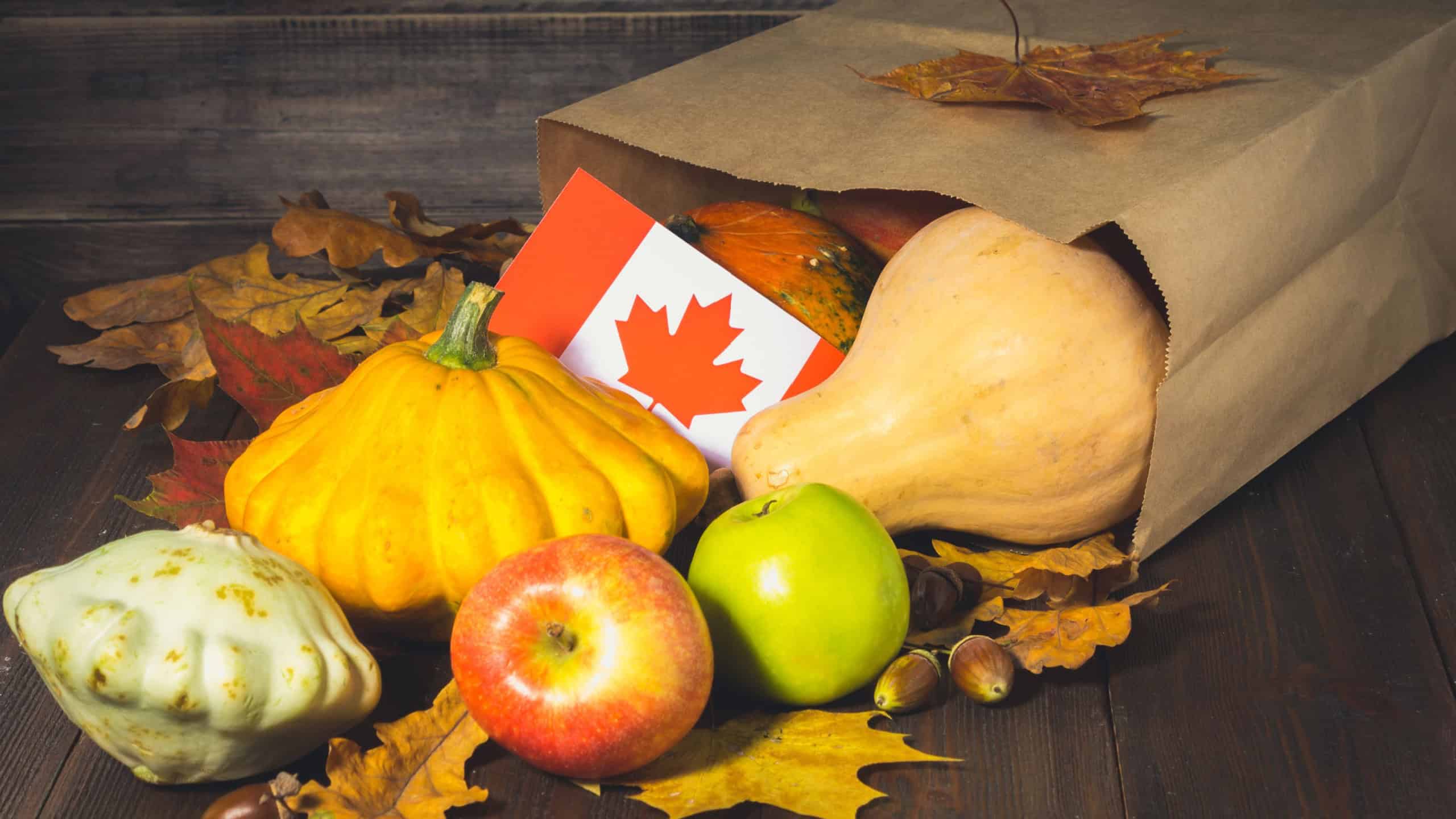
Canadian Thanksgiving is celebrated on the second Monday of October. Since it gets colder farther north, harvest times come quicker in Canada than in the United States.
Canadians get to enjoy their feast with autumn leaves still on the trees and mild weather. Plus, an October holiday leaves Canada with a long weekend just before winter kicks into full gear.
Winter festivals

Winter isn’t the season to stay inside in Canada. Canadians host massive festivals to celebrate everything snowy.
Winter festivals like Quebec’s Winter Carnival or Ottawa’s Winterlude draw thousands of visitors every year to see massive ice slides, skate on frozen canals, and attend concerts.
Plastic money

Canadian money is made out of a polymer, which is essentially a flexible plastic. Not only does this make the bills nearly impossible to rip, but they’re waterproof, too.
If your money accidentally goes in the wash, Canadian bills won’t tear by rubbing against your clothes. Canadian dollar bills are color-coded by value, so you’ll easily be able to distinguish a five from a twenty.
Sources: Please see here for a complete listing of all sources that were consulted in the preparation of this article.