
Living in Canada wasn’t especially remarkable when I was growing up, but talking about my Canadian childhood with American friends makes some mundane Canadian memories sound pretty special.
Halloween had a second purpose
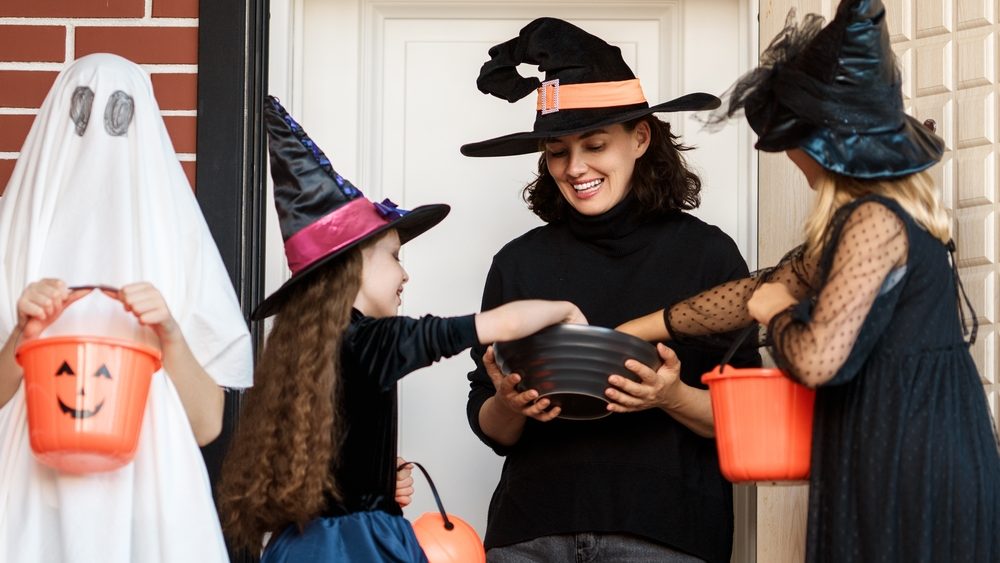
It wasn’t just Halloween candy we asked for at the door. For generations, Canadian children also rang doorbells carrying UNICEF boxes filled with coins to help children in need around the world.
Asking for donations became such a normal part of Canadian Halloween that many children didn’t realize how strange the tradition was. But UNICEF Canada discontinued their door-to-door box collection program in 2006.
The chocolate that came with a toy
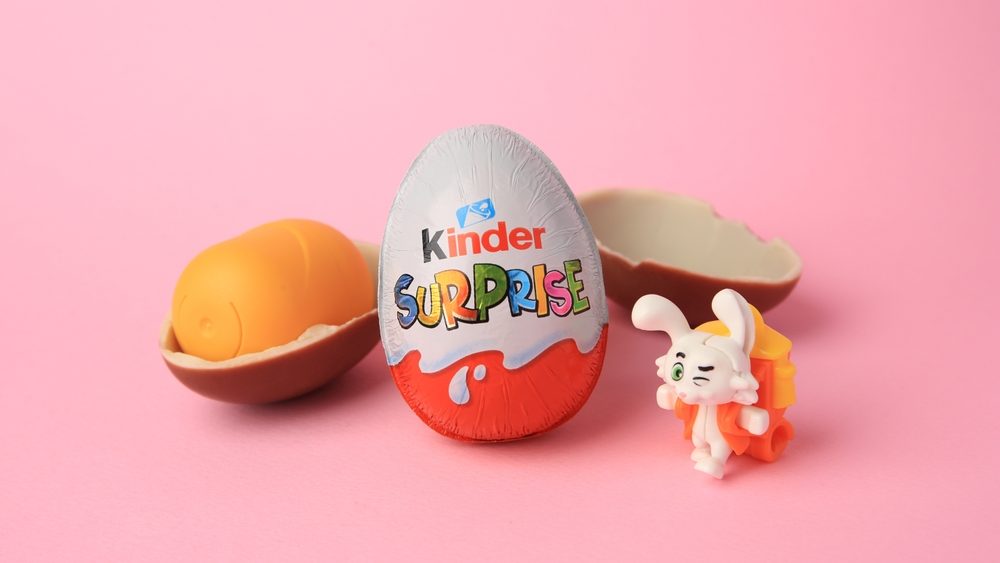
When Canadian kids opened a Kinder Surprise, they got two gifts: chocolate and whatever little toy came sealed inside that plastic capsule. The original Kinder Surprise was illegal to import into the United States because U.S. law typically forbids candy with non-food objects inside.
Canada never knew such childhood tragedy. Gathering up the small toys and attempting to build them using impossibly small directions were part of the fun.
Our unique snacks
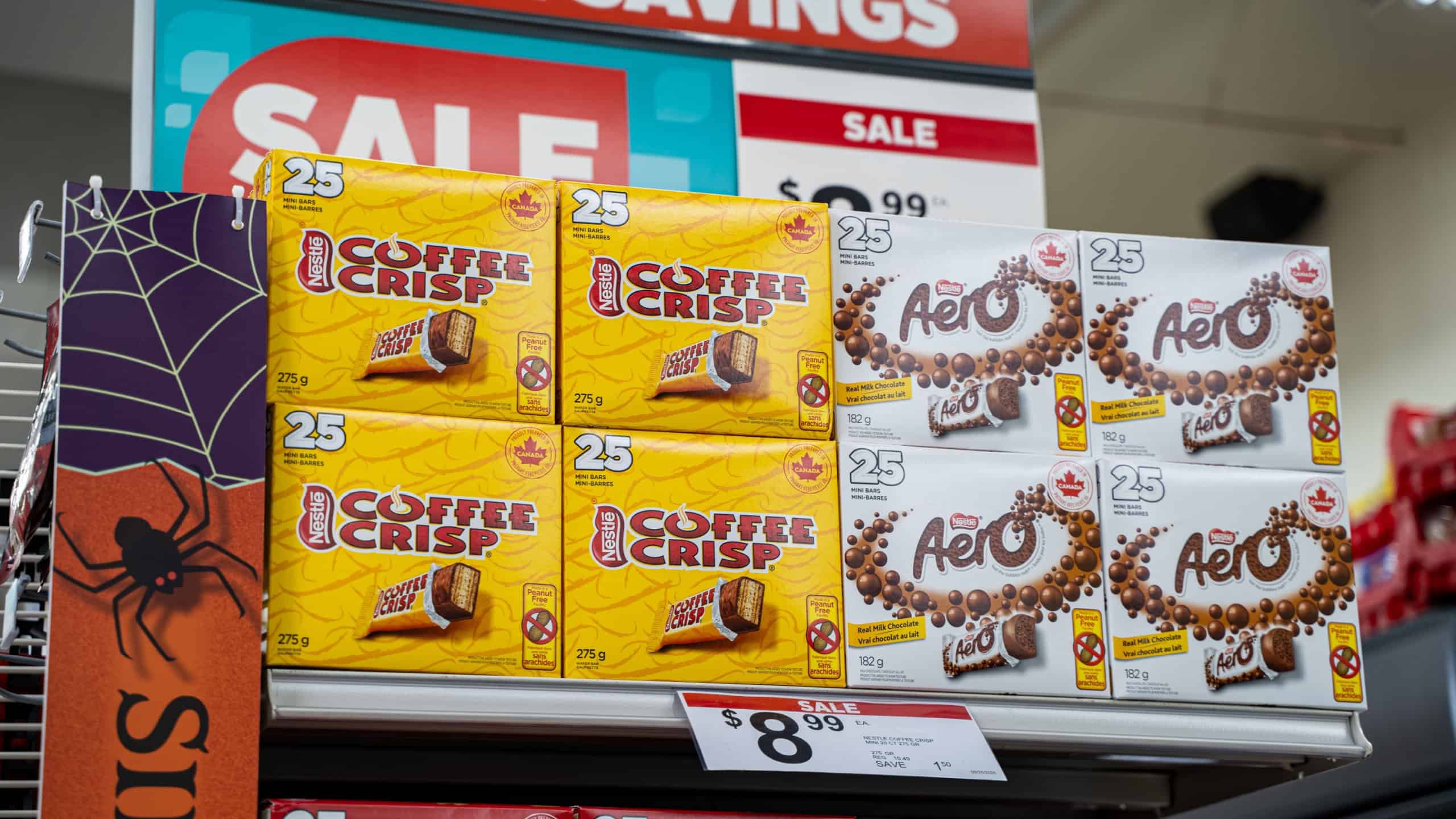
Canadian childhoods included plenty of treats American friends had either grown up without or saw much less frequently. Coffee Crisp, Hickory Sticks, ketchup chips, All-Dressed chips, and Canadian Smarties could appear in lunch boxes, convenience stores, and Halloween hauls.
Even familiar brand names could mean something completely different: Canadian Smarties are chocolate-covered candy, not the tablet candy Americans refer to as Smarties.
There’s just something satisfying about watching an American friend try a Coffee Crisp as an adult and having an everyday childhood snack feel exotic.
Pocket money actually jingled

We grew up speaking casually about loonies and toonies like they were sensible terms for currency. The $1 loonie came into circulation in 1987, and the $2 toonie followed in 1996. Birthday money, allowances, and the coins you received from the corner store could surprisingly add up and weigh down your pockets.
Kids south of the border were much more used to dealing with the $1 bill. As kids, we didn’t realize having coins valued at one and two dollars and giving them silly names we loved dearly was so Canadian.
History arrived between commercials

Heritage Minutes perhaps made national history memorable for many Canadians in ways they hadn’t expected. Bits of Canadian history were dramatized in these minute-long films, and ran frequently on television.
Kids who wouldn’t willingly watch hours of a history channel found themselves knowing entire scenes and lines of dialogue just by having seen the same Minute so many times. Terry Fox, the Halifax Explosion, and countless other Canadian stories became part of the country’s collective memory.
The milk needed scissors

Raised in Ontario, bagged milk never seemed odd to me. You put one of the smaller bags into a reusable pitcher, cut a corner off with scissors, and pour directly onto your cereal.
It was so commonplace that I never realized kids in other places didn’t drink it that way. Bag milk is fairly commonplace in Ontario, but not everywhere in Canada, particularly odd to Americans.
The rink was part of growing up
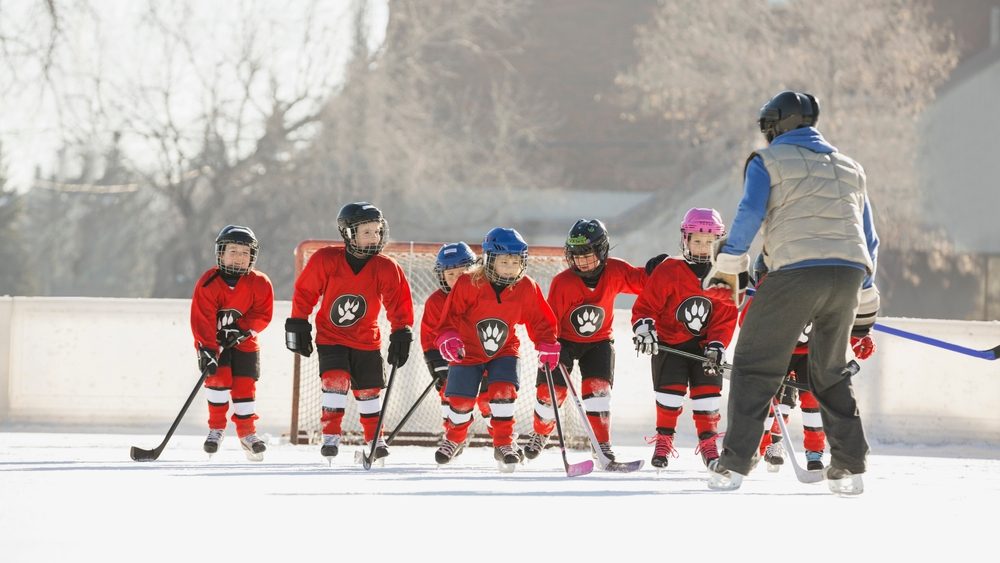
For many Canadian kids growing up, their local arena wasn’t just somewhere they’d go to see professionals play hockey games. It’s where their brothers and sisters went to practice, where their friends gathered, and their parents watched from chilly stands with cups of coffee way too early in the morning.
Kids who didn’t play hockey regularly still grew up around skating lessons, school skating trips, or trips to outdoor neighbourhood rinks.
We had shows they never knew

Canadian children watched lots of American TV, but we also had our own entire library of shows. Generations of Canadians grew up watching Mr Dressup, The Big Comfy Couch, Fred Penner’s Place, The Raccoons and Degrassi.
What’s funny is years later when you quote something or mention something that you thought every kid knew, and your American friend has no clue what you are talking about.
The language oddity
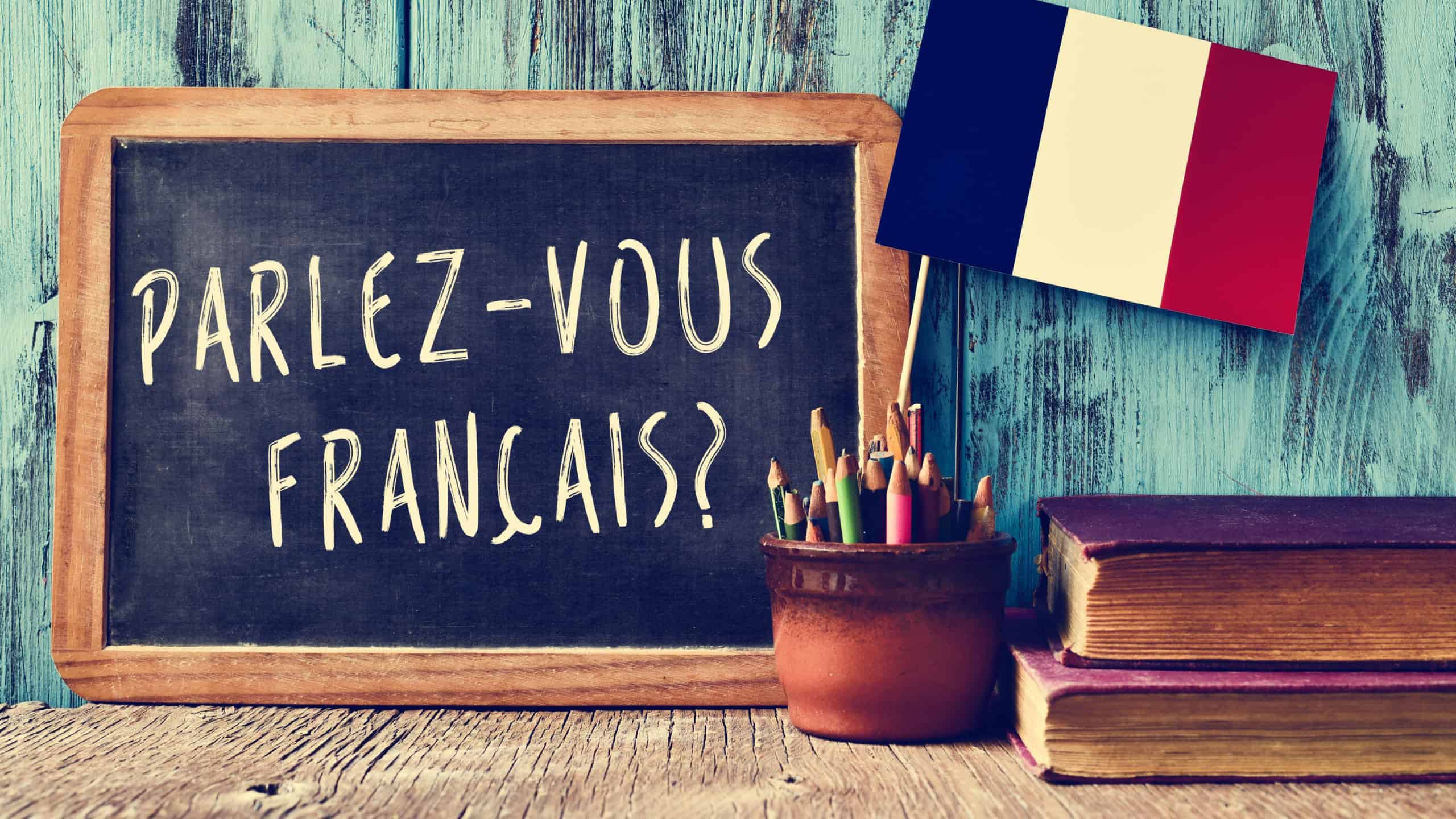
Lots of Canadian kids learned French in school, and others went to French immersion programs where they would spend a big chunk of the school day being taught French.
Of course, not every Canadian child became bilingual. But having French integrated into the public schooling system gave many Canadian children consistent exposure to another language at a young age.
Canadian spelling

Canadian children were taught to spell colour, favourite, centre and neighbour but were bombarded with color, favorite, center and neighbor in American books and television and, later on, computers.
Canadian English was a mix of British and American English that created small gaps that children learn to straddle intuitively, without much conscious thought. Occasionally, it could cause the unsettling feeling of looking at two spellings that were both completely familiar to you and wondering which one your teacher would prefer.
Like our content? Be sure to follow us.