
The wide twenty-year spread within the baby boomer generation meant that younger boomers had no idea about popular songs that permeated their older siblings’ childhoods.
“Itsy Bitsy Teenie Weenie Yellow Polkadot Bikini” – Brian Hyland (1960)

When older boomers think of this song, they think of it as the quintessential summer song of 1960 that single-handedly made bikinis acceptable attire at North American beaches. By the mid-1970s, when younger boomers were buying music, bubblegum songs like this sounded incredibly outdated compared to harder rock and disco songs.
“Theme from A Summer Place” – Percy Faith (1960)

This symphonic instrumental classic features lush strings and reigned atop the charts for nine weeks. This record was the love theme for older boomer adolescents.
The younger generation boomer kids came of age in a time when easy listening and big-band instrumentals had been erased from the pop music charts. As a result, this gorgeous song would be foreign to them.
“Chances Are” – Johnny Mathis (1957)
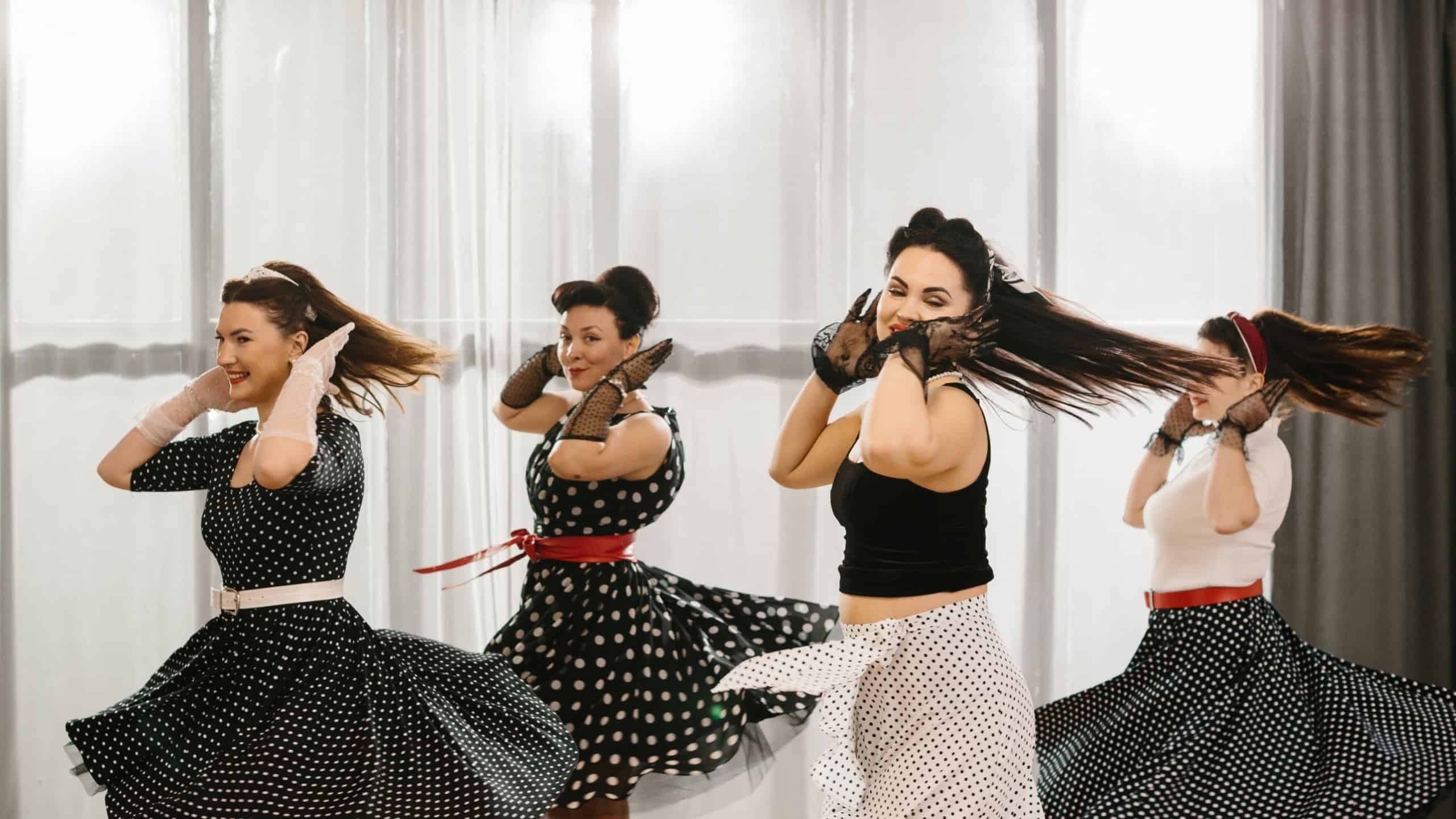
The ultimate slow-dance ballad of the late 1950s, it fueled the romantic memories of the earliest generation of baby boomers, making their way through junior high.
Its’ pre-Beatles, clean-cut crooner innocence was blissfully lost to younger boomers by the time they hit adolescence in the cynical post-Watergate 1970s.
“Mr. Blue” – The Fleetwoods (1959)

This softly melancholy song, which used smooth blended vocal harmonies, was popular on the radio right before the 1960s began.
This style of music was quickly overtaken by harder-edged, instrumentally based rock music groups. Older boomers loved this song, but younger boomers have never heard it.
“Alley Oop” – The Hollywood Argyles (1960)
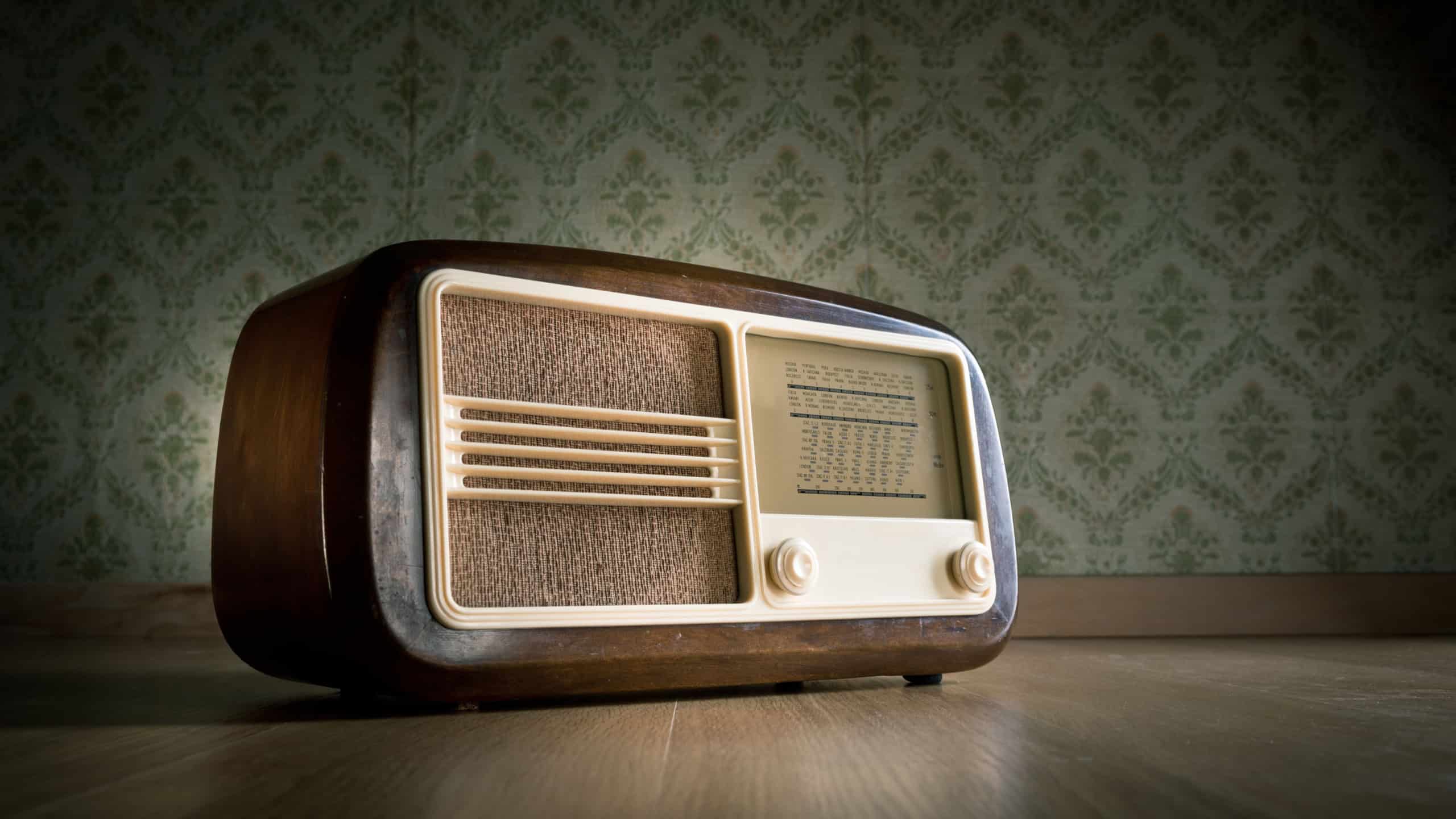
Written about a popular daily newspaper comic strip featuring a caveman time traveler, this goofy, spoken-word novelty song was a huge number one hit that most older boomers remember singing along to as children.
Pop culture novelty songs don’t typically stand the test of time, so younger boomers never got exposed to this fad.
“Come Softly to Me” – The Fleetwoods (1959)

Appearing with a unique plodding “dooby-doo” vocal beat, no acoustic instruments on the track recording, this song was pure older boomer gold.
For younger boomers who grew up on the bass-heavy yet electronic-infused sounds of the late-70s, this stripped-down form of vocal pop feels ancient.
“Poetry in Motion” – Johnny Tillotson (1960)
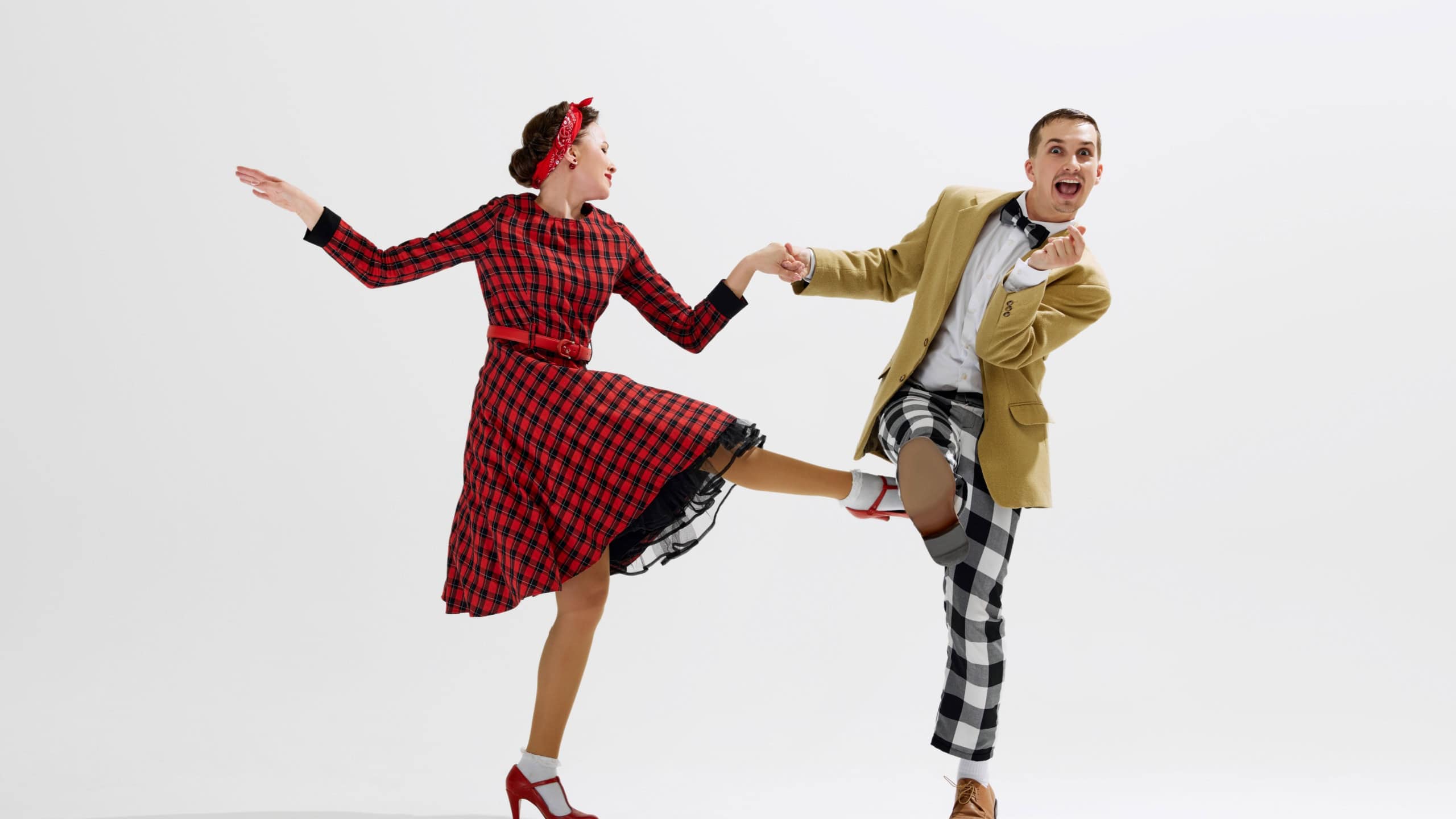
An innocent pop song about watching girls going by, this was an upper-tier radio hit that upper-middle-class boomers danced to at the high school hop.
It belongs to the era of the squeaky-clean teen idols, forgotten after psychedelia took over music, so it disappeared entirely from younger boomer playlists.
“The Ballad of Davy Crockett” – Bill Hayes (1955)
This old folk song created a nationwide craze among the first wave of baby boomers. This song caused millions of children to go out and purchase coonskin caps for themselves.
This was a playground fad during the mid-1950s; the younger boomers missed out on both the song and fad since they weren’t born yet.
“Little Star” – The Elegants (1958)
This doo- wop song that borrowed the tune of the nursery rhyme “Twinkle, Twinkle, Little Star” was an enormous late summer hit for older boomers.
Since doo-wop disappeared quickly from radio replay lists in the 1960s, this style of vocal harmony would have been completely unfamiliar to the younger half of the generation.
“Mack the Knife” – Bobby Darin (1959)

Younger boomers may know this jazzy tune from commercials or movies, but older boomers recall it as an enormous event that dominated the radio for months.
It’s a snapshot of mid-century big-band pop music, which would soon be obliterated by new rock and roll.
Sources: Please see here for a complete listing of all sources that were consulted in the preparation of this article.