
Americans and Canadians talk about money practically all the time. However, many of the risks that are a natural part of American life barely register north of the border, no matter how many people grew up with these things. Lots of Canadians think that these financial risks are far too dangerous to even consider.
In some cases, taking these risks isn’t an option for them due to Canadian law. Here are ten financial risks that Americans take that Canadians simply don’t. Which of these do you think is the most dangerous?
Buying a house with 3% to 3.5% down
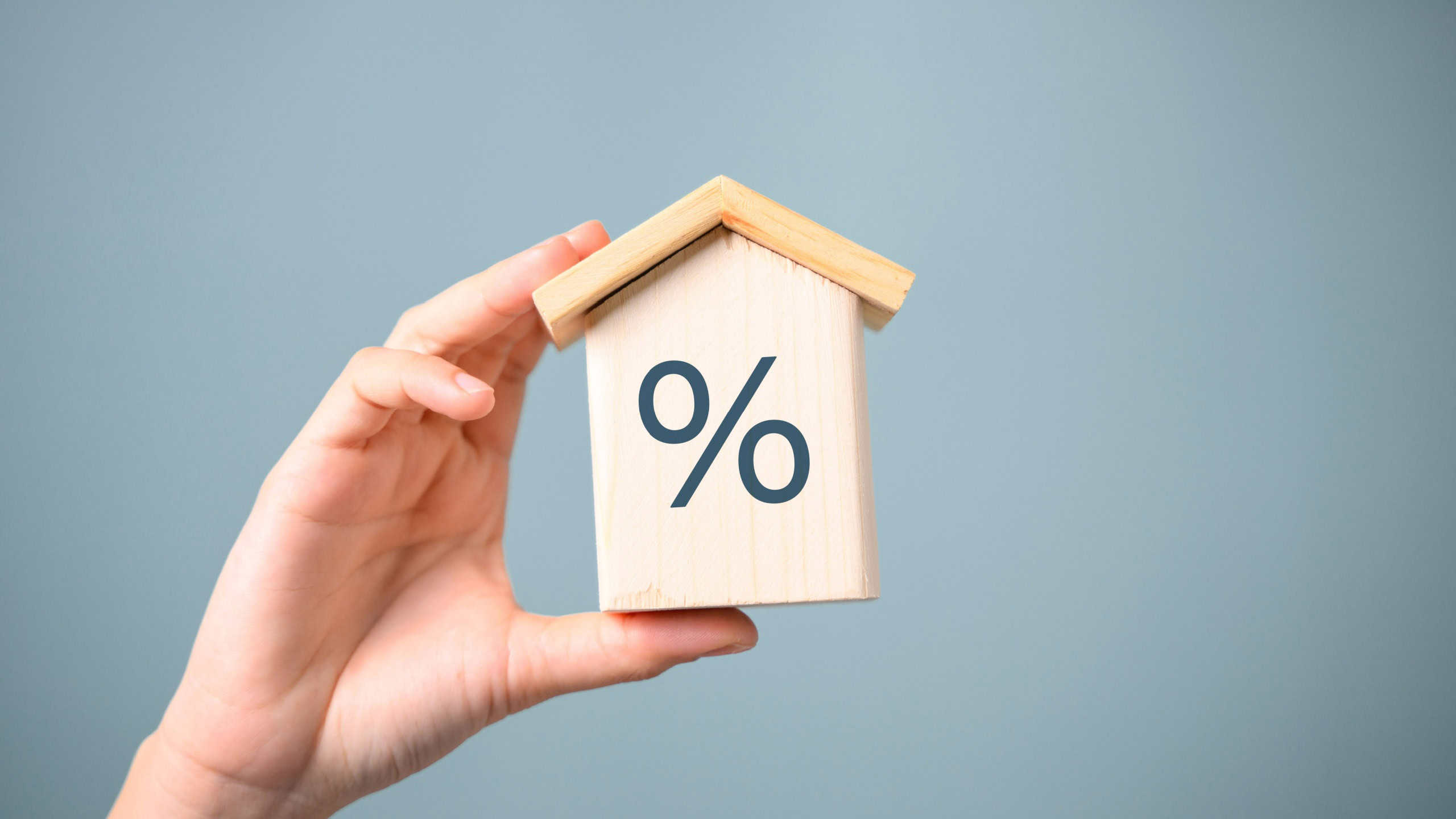
Quite a few American buyers enter the housing market and put very little cash up front. It’s due to the fact that FHA mortgages allow for down payments as low as 3.5%, with some conventional loans going down to 3%. But that’s a huge risk.
Should prices fall, many Americans are left with very little margin to fall back on. It’s not a problem that exists in Canada. Over here, buyers require at least 5% down and must qualify for a mortgage stress test before applying.
Borrowing directly from a 401(k)

There are some American workers who choose to borrow against their retirement savings, including 401(ks). Employer-sponsored plans like these often allow loans of up to $50,000 or half the vested balance, and if a worker loses their job, they’ll have to repay quite quickly.
But Canadian RRSPs don’t allow for such a practice. There are no open-ended loans, aside from limited programs like the Home Buyers’ Plan, so Canadians manage to avoid these risks entirely.
Pulling cash out with a cash-out refinance

Another dangerous move that some Americans try is by refinancing their mortgage and taking cash out of it at the same time. Doing so allows them to turn their home equity into money that they can spend.
While Canadians can refinance or get a home equity line of credit (HELOC) as well, federal guidelines north of the border limit how much equity people can borrow; maximum 80% for refinancing and typically 65% for HELOCs. This limits the risk of default.
Americans can often borrow up to a much higher percentage.
Using “contract for deed” home deals

That’s not all for homes. It’s possible in America for you to purchase a home through a “contract for deed,” meaning that you pay the seller directly and leave the title with them. You only get ownership of the property once the seller receives the final payment.
However, that comes with all kinds of risks, since you’ve essentially wasted your money if you’re not able to make that final payment. Canadians don’t really have to deal with these risks. Traditional mortgages are a huge part of residential purchases, and there are very few Canadians who have to rely on “contract for deed” arrangements.
Going without health insurance for a stretch

Sadly, it’s a fact that a few Americans will knowingly spend months or even years without health insurance. It’s particularly common when they’re between jobs. In 2023, there were approximately 25 million uninsured Americans under age 65, all of whom ran the risk of a huge bill, should they suffer health issues.
That’d never happen in Canada. Taxes cover hospital & physician care for residents, meaning that the potential for a huge healthcare bill doesn’t really exist for nearly all Canadians.
Health insurance with high deductibles

Another health-related financial risk that Americans suffer from is in terms of high-deductible health plans. These are a fairly common choice in America. It doesn’t matter that the deductibles might stretch into the thousands, as a few Americans would rather trade lower monthly premiums for large out-of-pocket expenses.
It’s a huge risk that Canadians, thankfully, don’t have to go through. Basic medical care doesn’t involve any deductibles connected to personal insurance choices.
Treating tax liens like an investment product

You won’t find many Canadians having to worry about their tax liens in the same way that Americans do. In the United States, unpaid property taxes can lead to tax lien certificate sales, which involve investors paying the tax bill & earning interest on homeowners redeeming it.
That’s not how things work in Canada. The majority of Canadian municipalities handle any tax arrears through direct tax recovery, rather than a lien market.
Financing everyday life through paycheck-advance apps

It’s pretty common to use a paycheck-advance app in the United States. Around 5% of Americans regularly use them. These apps allow workers to get their earned wages early, often in exchange for tips or fees, but these can be dangerous.
A few of these apps are growing in popularity in Canada. But unlike in America, they’re nowhere near as common, and certainly not a normal part of how people manage short-term gaps in cash.
Holding high balances on variable-rate credit cards

Around 50% of both Canadians and Americans leave a balance on their credit card, and that’s a problem. Having a high balance can change your interest rates. Unfortunately, many American cards float with the prime rate, meaning that the cost could rise, despite not making any new purchases.
2025 data also shows that the average American credit card debt ranges from $6600 to $8000, while the corresponding number for Canadians is around $4400.
Treating housing as a short-term trade

You might be surprised to know how many Americans buy a home with the idea of resale in mind. ATTOM research found that the average tenure of homes after purchase was around 8.55 years before selling, even outside of areas with hot housing markets.
Yet longer ownership is more typical in Canada. This is mostly due to factors like transfer taxes & lending rules, as well as more borrowing pressures. Perhaps that’s a good thing, since treating housing as a short-term trade could cause you to waste your money.
Sources: Please see here for a complete listing of all sources that were consulted in the preparation of this article.
Like our content? Be sure to follow us.