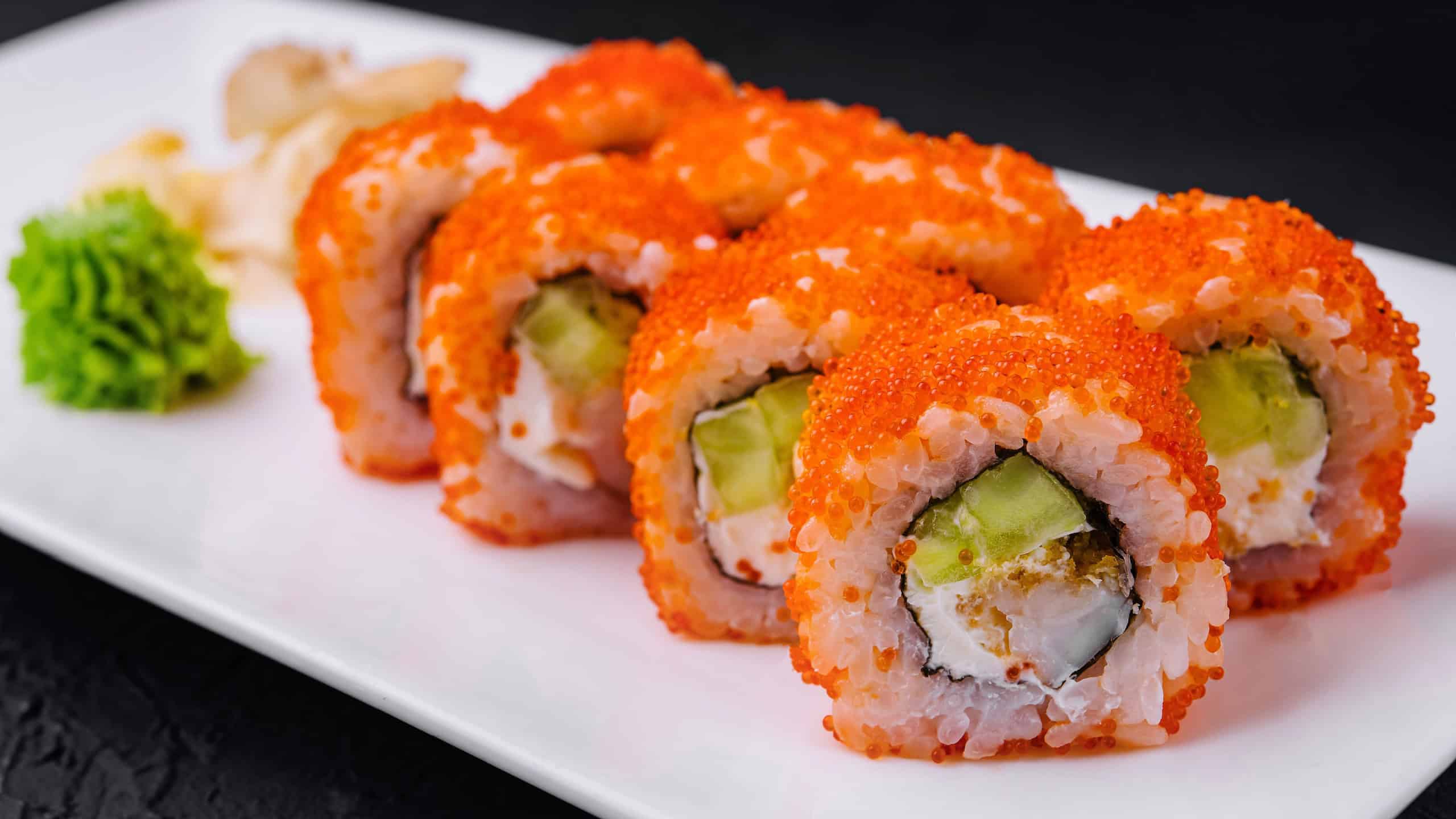
Canada quietly introduced some of the greatest foods in history, and most people probably have no clue they came from Canada.
Canola oil

Created by Canadians scientists in the 1970s through conventional plant-breeding methods, this kitchen staple we all know and love was bred specifically to eliminate harmful substances from regular rapeseed.
Canola is, in fact, a fitting acronym for Canadian oil, low acid. Now it ranks as one of the most prevalent heart-healthy cooking oils available worldwide.
Instant mash
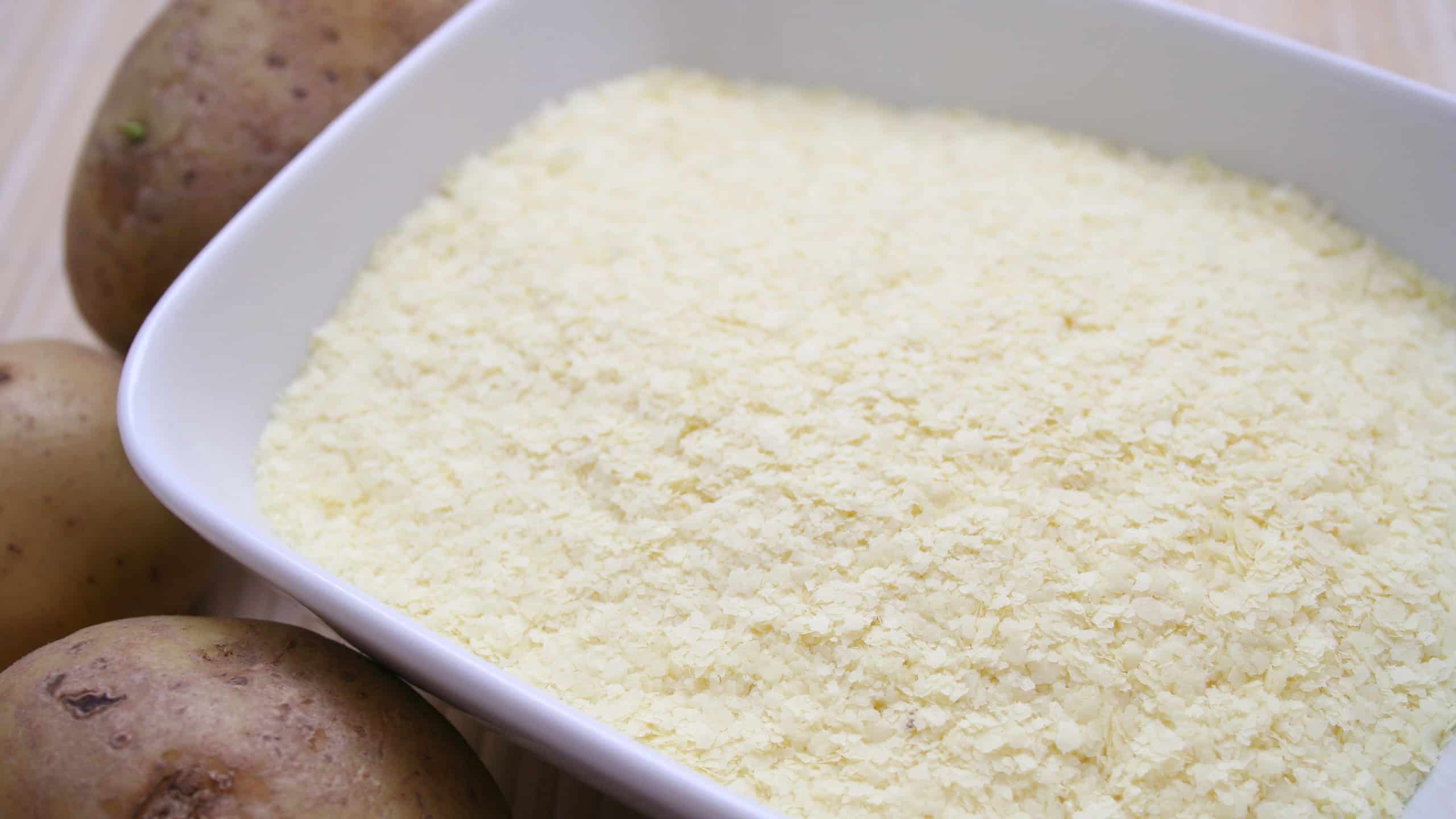
Instant mashed potatoes were invented in 1962 by an employee of the Canadian Department of Agriculture in Ottawa. He developed a process for drum-drying cooked potatoes until they were a light, crisp, shelf-stable flake.
With this discovery, the need for peeling and boiling potatoes for industrialized food preparation was over. Instant potatoes have had a major impact on military meals, disaster preparedness, and fast-food restaurants around the world. They make it possible for eateries to create instant, flawless starches within minutes.
Ginger ale
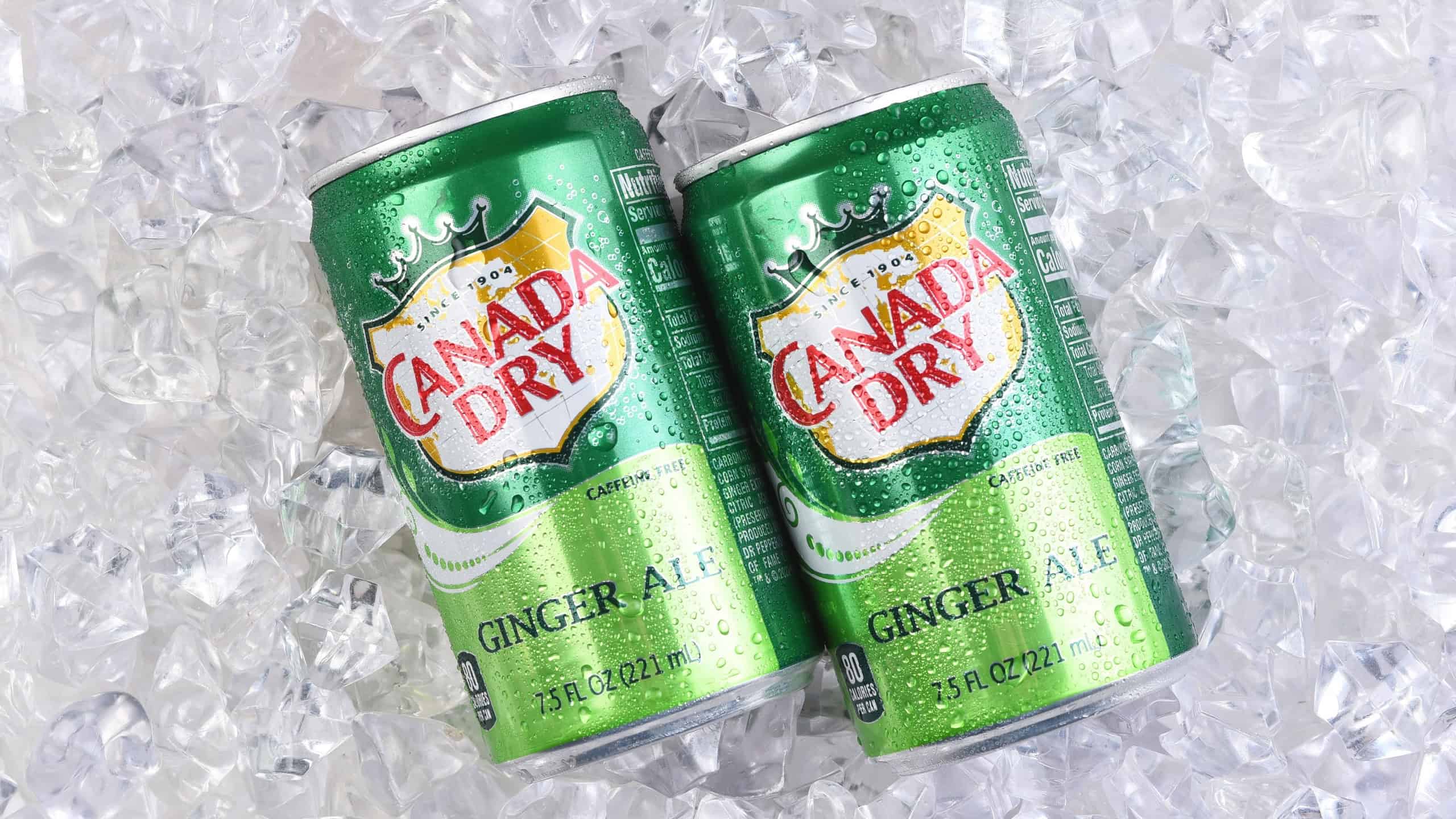
Few people know that before becoming the go-to remedy for gastrointestinal distress on long-distance flights, ginger ale was invented in Toronto in 1904.
John J. McLaughlin, a chemist, adjusted the color of the darker, heavy, molasses-laden Irish ginger beers of the time to mimic the pale hue of French champagnes. The new light, fizzy mixer was an instant success and changed the way mixed drinks and sodas would be made forever.
Ginger beef
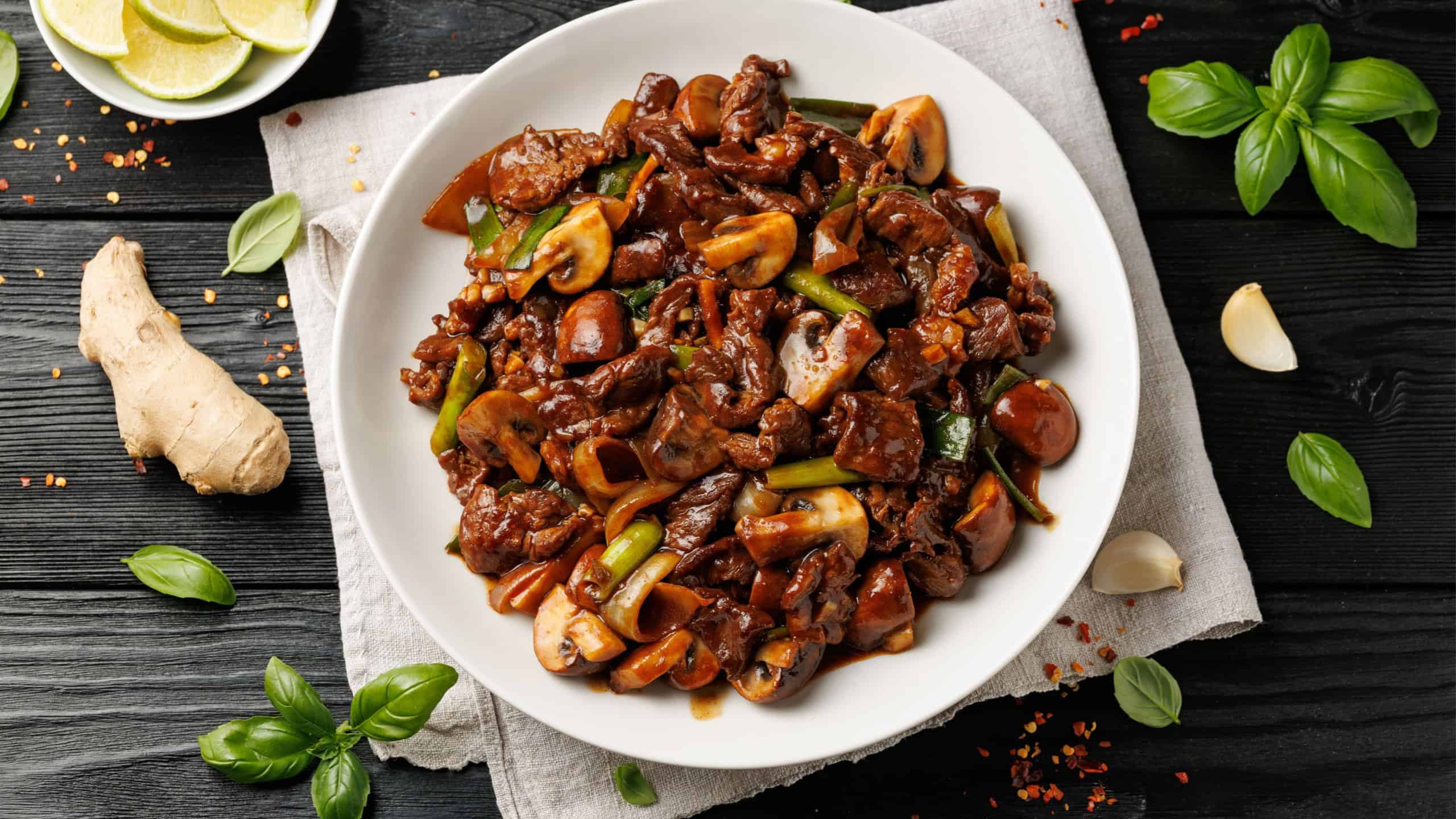
This classic example of Westernized Chinese takeaway cuisine was created in Calgary, Alberta, in the mid-1970s by chef George Wong at the Silver Inn Restaurant. Attempting to cater to the local clientele’s appreciation for classic Alberta beef flavour, Wong coated deep-fried strips of shredded beef in a sweet, spicy, and heavily ginger-flavoured sauce.
Combining Cantonese-style cooking with local Canadian flavours helped change the North American takeout industry forever.
Poutine
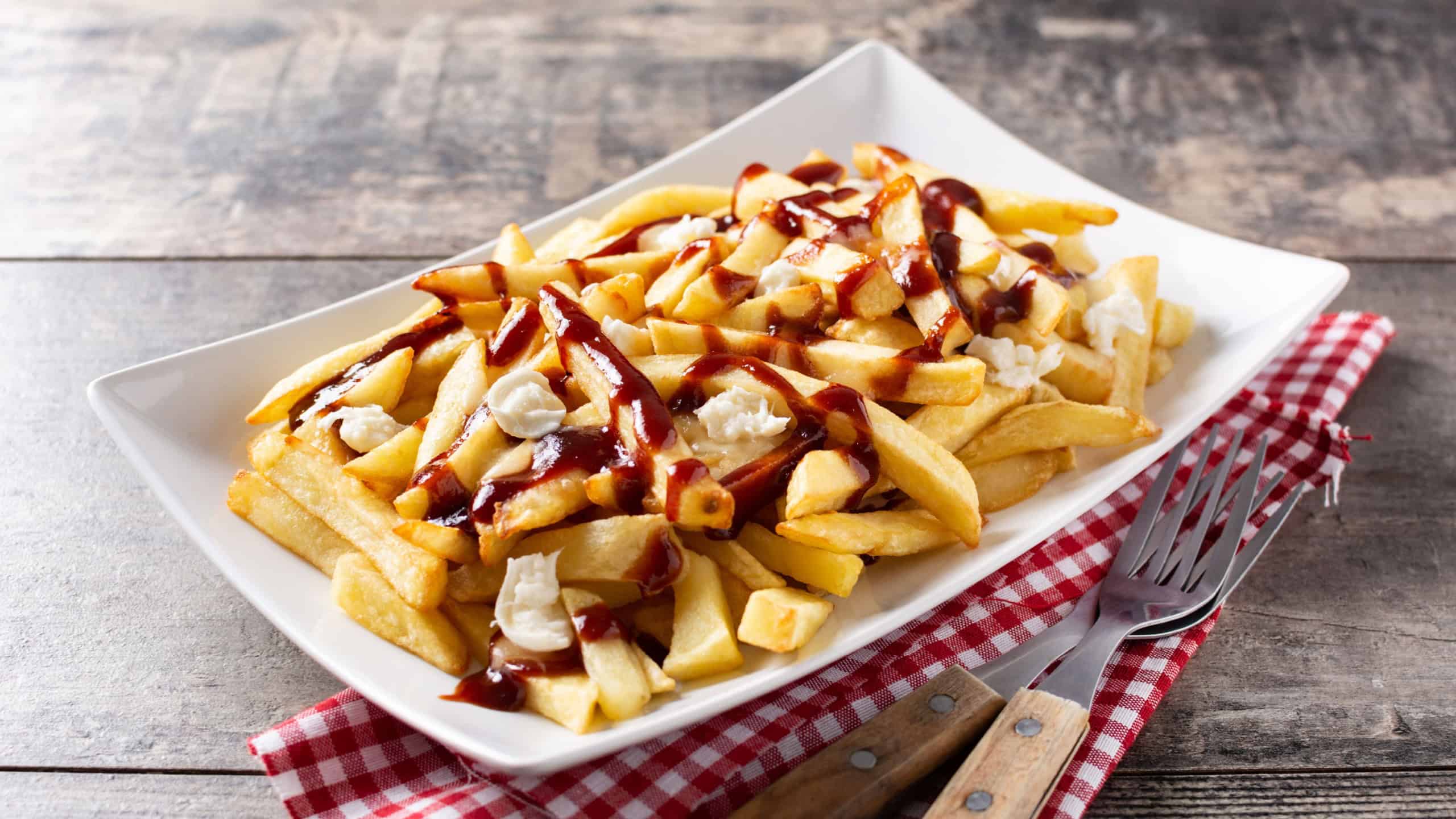
Originating in dairy farmer towns of rural Quebec in the late 1950s, this combination of crispy fries, squeaky cheese curds, and rich brown gravy was once scoffed at as a greasy, quirky local oddity. Years later, the decadent dish transcended its humble beginnings to achieve worldwide status. You can find it on menus across the world in fancy restaurants and fast-food joints from London to Tokyo
McIntosh apples
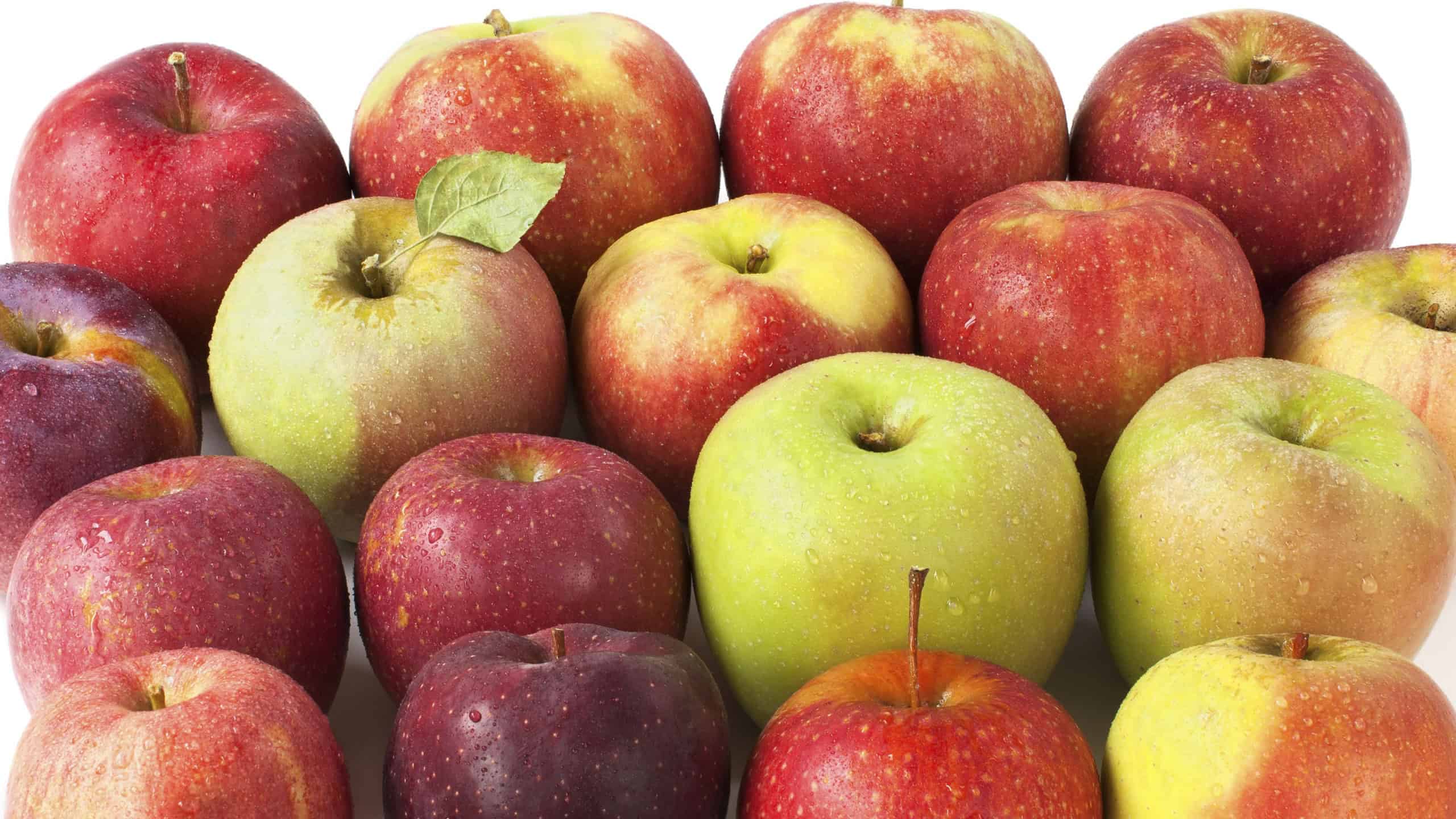
Discovered as a wild seedling in an orchard in Ontario in 1811, this crunchy, tart apple immediately became one of the most widely cultivated apple varieties in North America and Europe.
Due to its hardiness and high juice content, it revolutionized the economy of fruit production around the world. This apple was so influential to world culture that an Apple Computer employee named the entire Macintosh computer brand after it.
Peanut butter
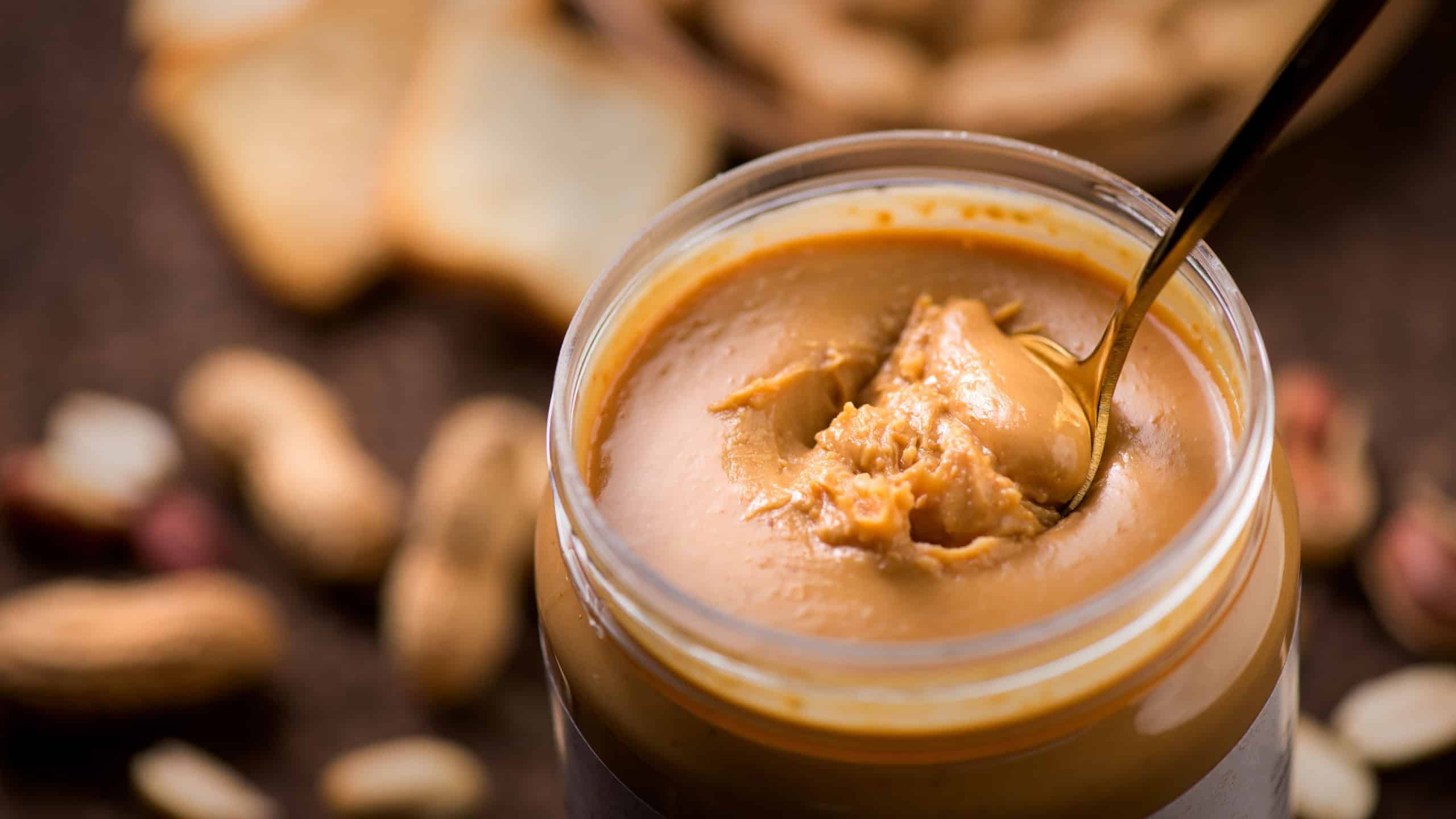
Contrary to popular belief, Americans were not the first inventors of peanut butter. The patent for mechanically processing peanut paste was actually granted to Montreal pharmacist Marcellus Edson in 1884.
He created the milled, heated peanut paste to serve as a soft, concentrated protein substitute for seniors who were unable to chew solid food. Edson’s Canadian patent became the basic structural template from which the international billion-dollar nut butter industry was formed.
California roll
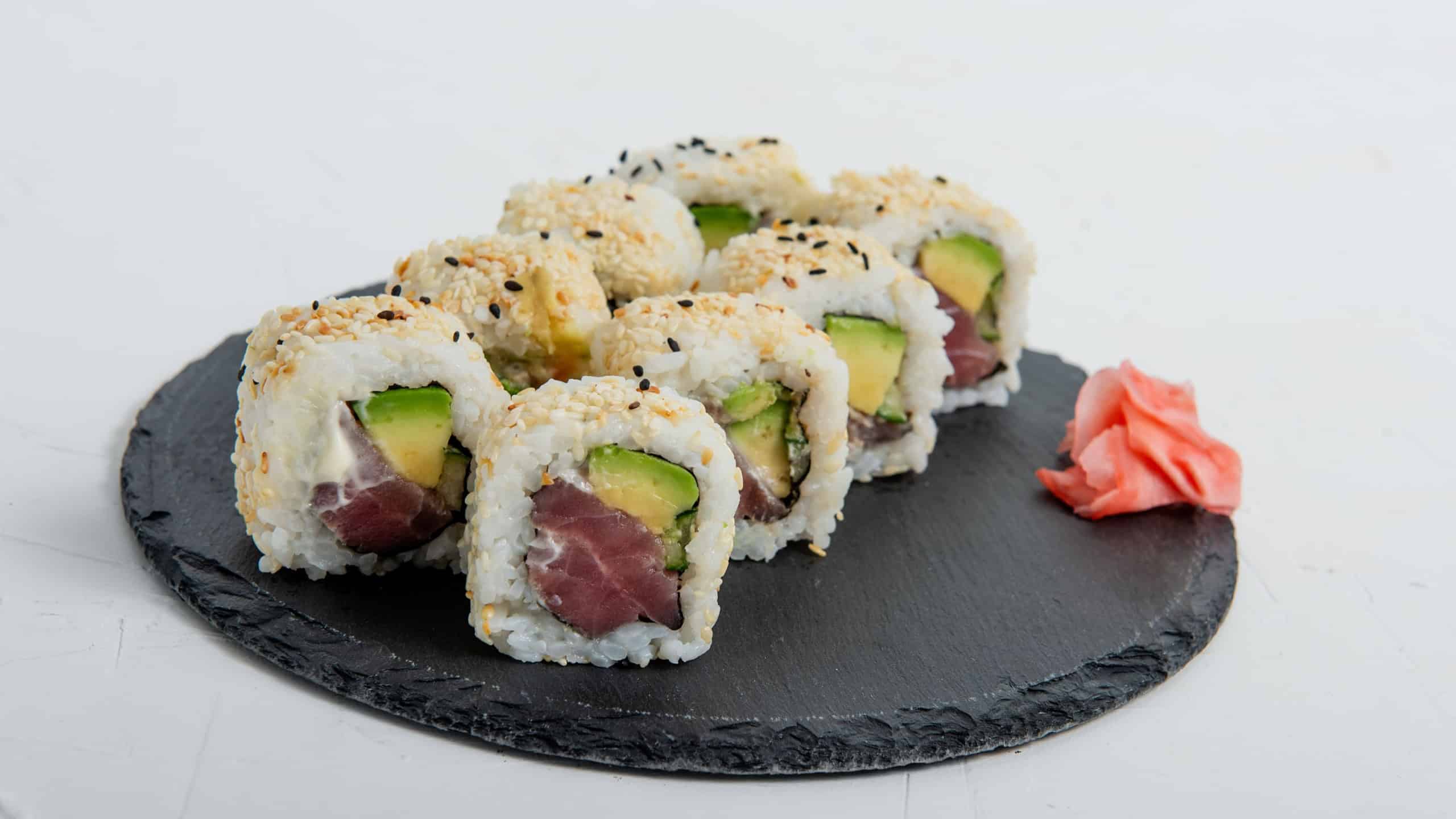
Ironically enough, this uniquely Western creation was invented right here in Vancouver in the early 70s by Hidekazu Tojo.
Chef Tojo realized North Americans were terrified of eating raw fish and seeing the seaweed wrap, so he wrapped the sushi with the rice on the outside and replaced raw fish with cooked crab and avocado. That one simple act of cultural hybridization became the gateway to sushi of the Western world.
Yukon gold
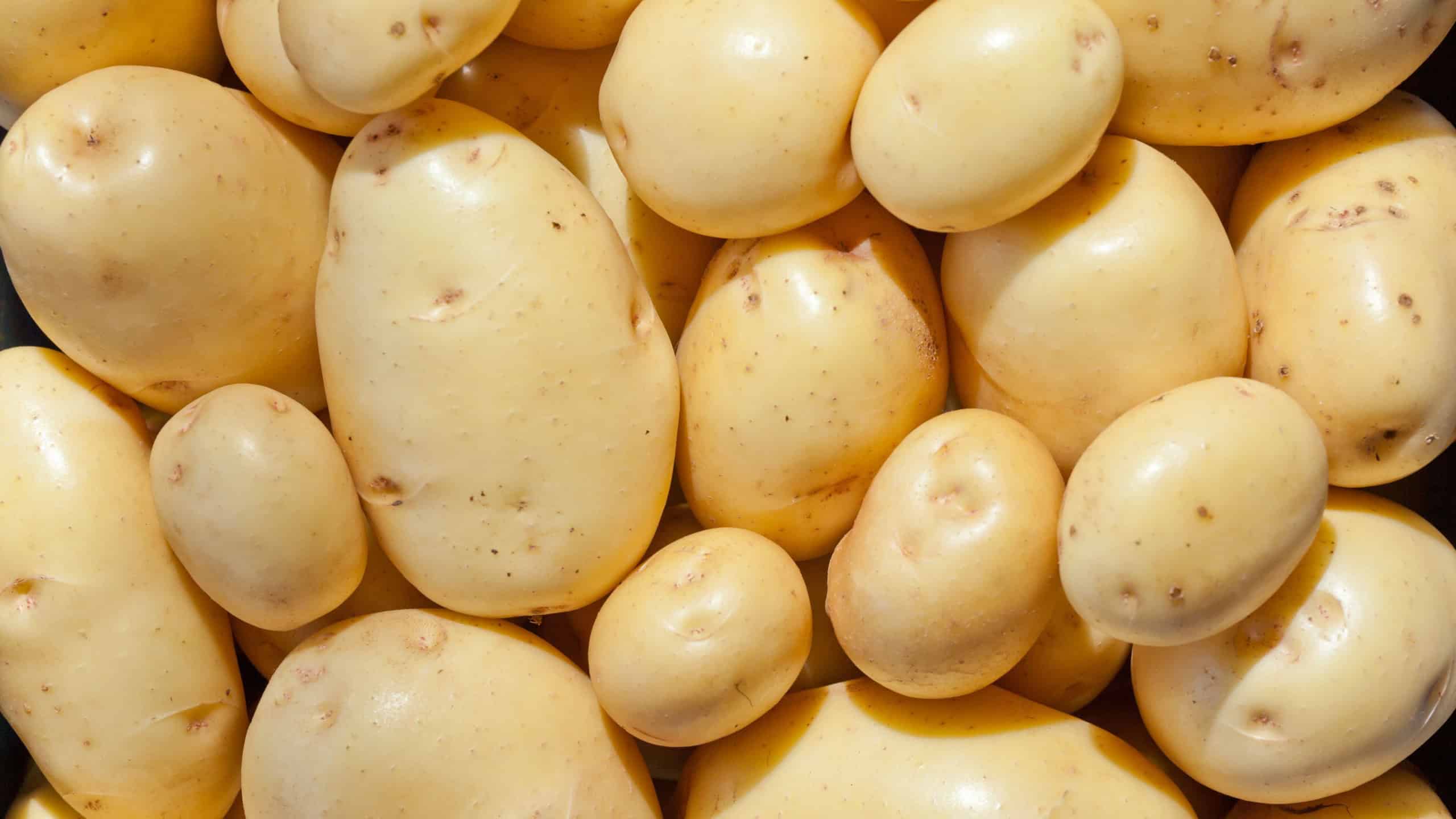
Originating out of the University of Guelph research facilities in 1966, this potato was carefully engineered through cross-breeding to have a naturally buttery taste, yellow flesh, and an extremely adaptable starch content.
It revolutionized an international produce industry that had been monopolized by white, starchy baking potatoes for centuries. It is still considered by many to be the benchmark potato for chefs around the world who need a potato that won’t fall apart when mashed, roasted, or boiled.
Hawaiian pizza
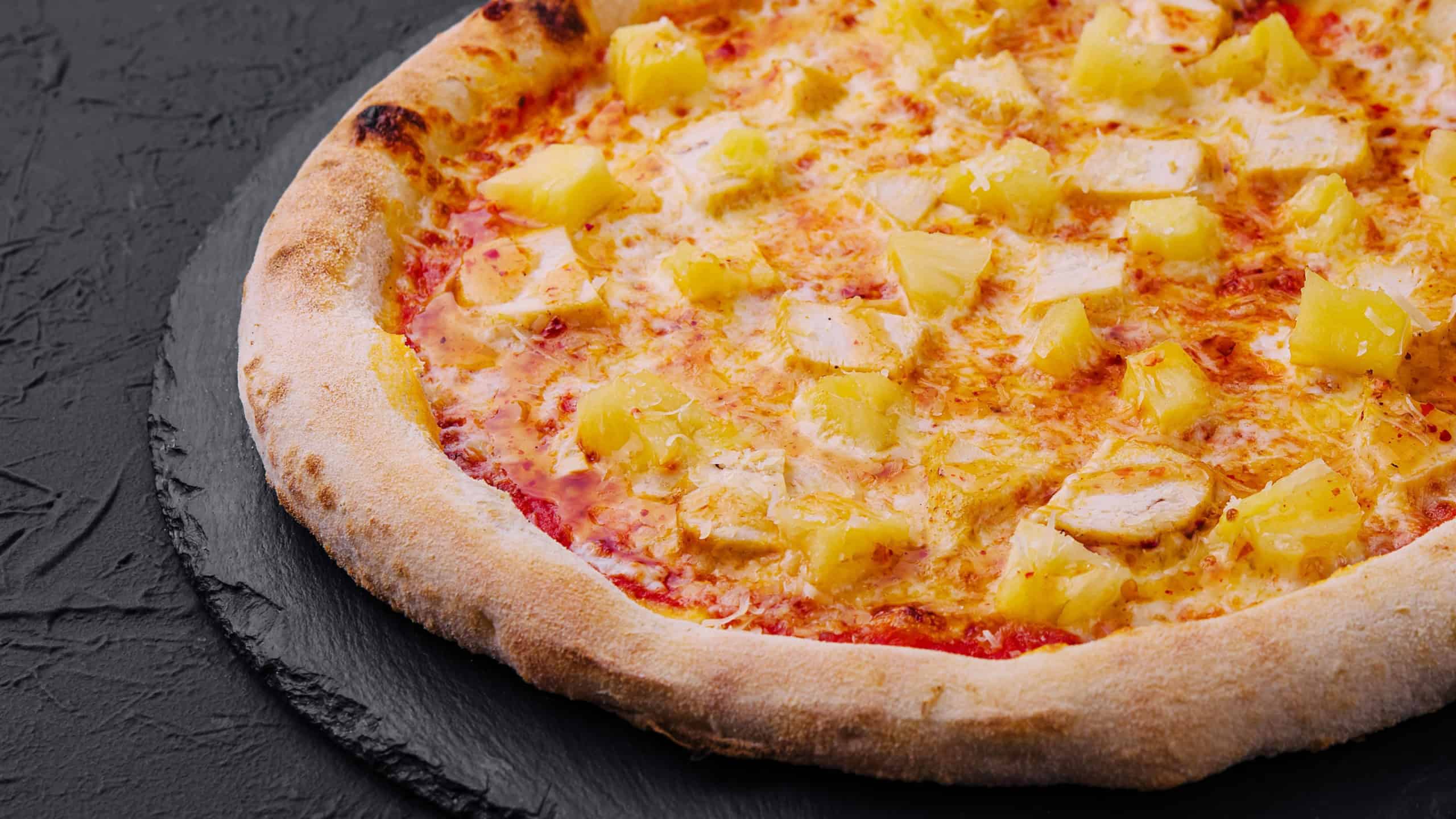
Contrary to what its name and widespread association with a US island state may lead you to believe, this controversial pizza topping meld was first created in Chatham, Ontario, back in 1962. Sam Panopoulos, a Greek Canadian owner of a local diner, simply threw some canned pineapple and sliced ham on a cheese pizza to see how the two flavours would play off of each other.
The result took the pizza world by storm, splitting the fandoms of pizza lovers everywhere while cementing its place on menus for delivery restaurants around the world.
Sources: Please see here for a complete listing of all sources that were consulted in the preparation of this article.
Like our content? Be sure to follow us.