
A great brewery can transform a town into a tourist destination, and these Canadian favorites have done just that.
Alexander Keith’s Brewery
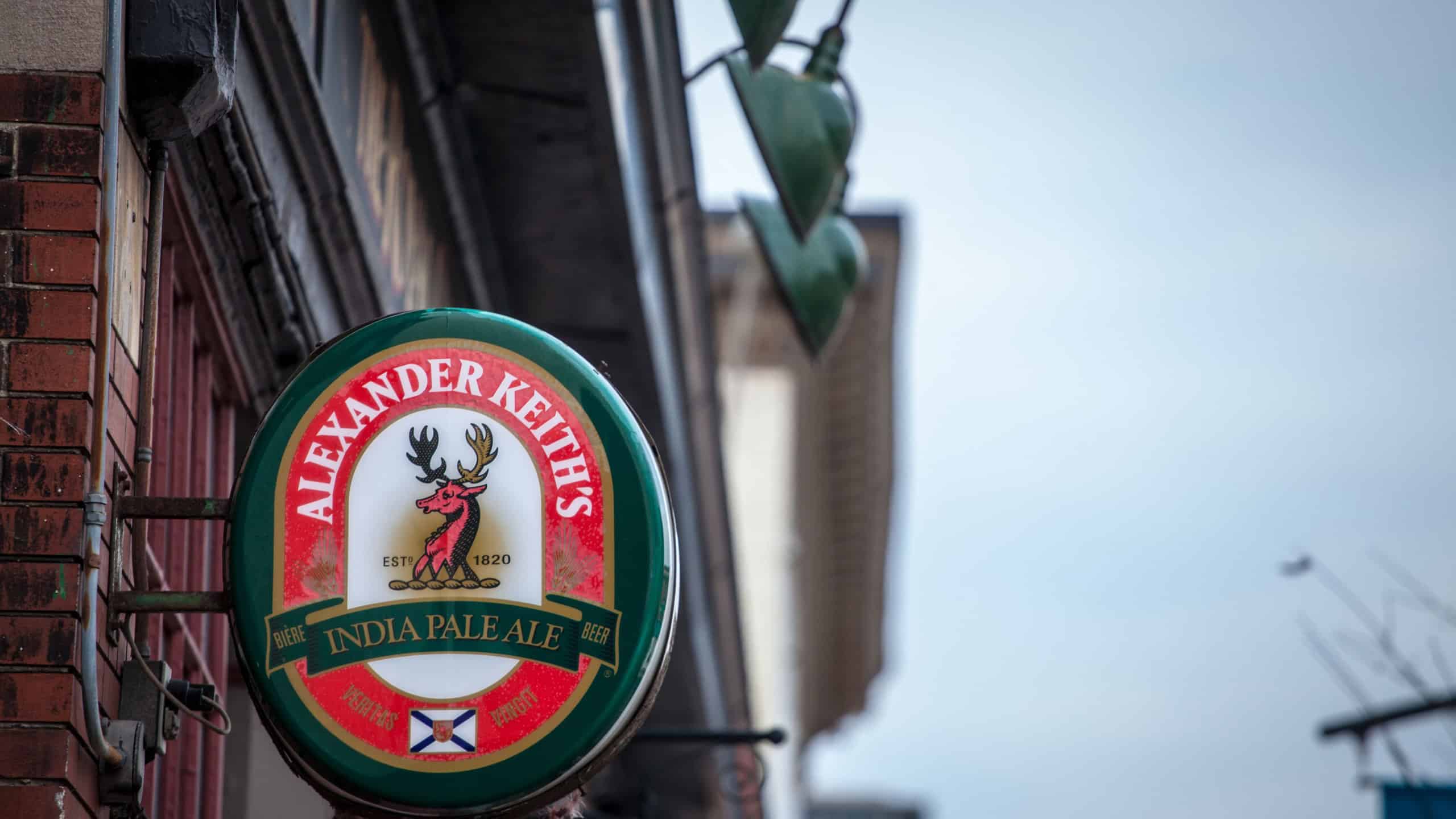
Established in 1820, Alexander Keith’s has been one of North America’s oldest continually operating breweries and a giant East Coast cultural institution. Nestled behind a gorgeous historic ironstone building in downtown Halifax, this legendary brewery has been serving Maritime tradition to its passionate local fanbase for two hundred years.
Though now owned by a multinational company that handles large-scale production, the original brewery itself is a major tourist hotspot, hosting live folk music and demonstrating small-batch brewing.
Cowbell Brewing

Located in a small rural village called Blyth, Ontario, Cowbell turned a sleepy farming community into a destination. This gigantic state-of-the-art brewery is North America’s first structurally carbon-neutral brewery.
It also houses a huge restaurant, a music venue, and fully accessible grounds. This destination estate attracts hundreds of thousands of visitors annually, breathing new life into the town’s historic downtown.
Tofino Brewing

Nestled along the rocky shores of western Vancouver Island, this brewery embodies the easy-going, nature-loving vibes of Tofino, BC. Established in 2011, it began as a locals’ hang where surfers could snatch up a pint of Kelp Stout or Hoops IPA after a day in the water.
With a heavy commitment to sustainability and using local ingredients, it has helped cement Tofino as a destination for foodies on Canada’s West Coast.
Big Rock Brewery

In the mid-1980s, when a Calgary lawyer grew frustrated with the limited selection of quality beer available, he traded his ideas of retirement for starting Alberta’s craft beer movement all on his own.
Named after a massive glacial rock found on the surrounding prairie, Big Rock set out to use the province’s award-winning locally sourced barley and pristine mountain water to deliver a genuine alternative to bland commercial lagers.
Dildo Brewing

Located directly on the picturesque shores of Trinity Bay, this brewery plays off the offbeat and hard-to-forget name of its hometown: Dildo Brewery, Newfoundland.
Fun aside, the brewery is now a huge economic driver for the rural town. Lots of road trip travelers visit and enjoy eating local seafood on their ocean deck. This success has transformed the town’s hospitality industry from a sleepy fishing village to a busy summer destination.
Unibroue

Established in 1991, Unibroue revolutionized brewing in Canada by bringing the concept of authentic, Belgian-style bottle-conditioned ales to North America. Situated in rural Chambly, they skipped run-of-the-mill lagers entirely, focusing on brewing bold, flavourful beers like internationally celebrated La Fin du Monde.
Supported by over 450 awards from around the world and distinctive bottle-label artwork inspired by the folklore of Quebec, they have proved that a Canadian craft brewery can stand toe-to-toe with the great heritage breweries of Europe.
À La Fût

Operating out of a gorgeously restored historic bank building, this co-op microbrewery has made the rodeo-focused town of Saint-Tite, Quebec, into an international pilgrimage site for beer nerds.
They brew heavy-duty, barrel-aged wild sours and classic Belgian-style ales brewed with locally sourced organic grains. Their killer bottle collection proves that a rural little village in Mauricie could hold its own against centuries-old brewing giants in Europe.
Sleeman Breweries

The Sleeman family had been brewing in Guelph since 1851. The family business notoriously went bankrupt in 1933 when they were caught bootlegging beer across the border to Al Capone during Prohibition.
The government banned the family from brewing for 50 years. However, in 1988, a great-great-grandson rediscovered the original handwritten recipe book and rebuilt the company. Bottled uniquely in clear bottles, they rapidly expanded from a local secret sensation to a huge national leader of the Ontario brewing legacy.
Tatamagouche Brewing

Located in the rural village of Tatamagouche on Nova Scotia’s North Shore, this family-run operation poured passion and innovation directly into the community.
Repurposing a renovated town library into a production space, they specialize in farmhouse-inspired organic, clean lagers and cellar-aged wild ales. The taproom has become an instant community hub, giving visitors traveling the Northumberland Strait highway a reason to stop.
Steam Whistle Brewing
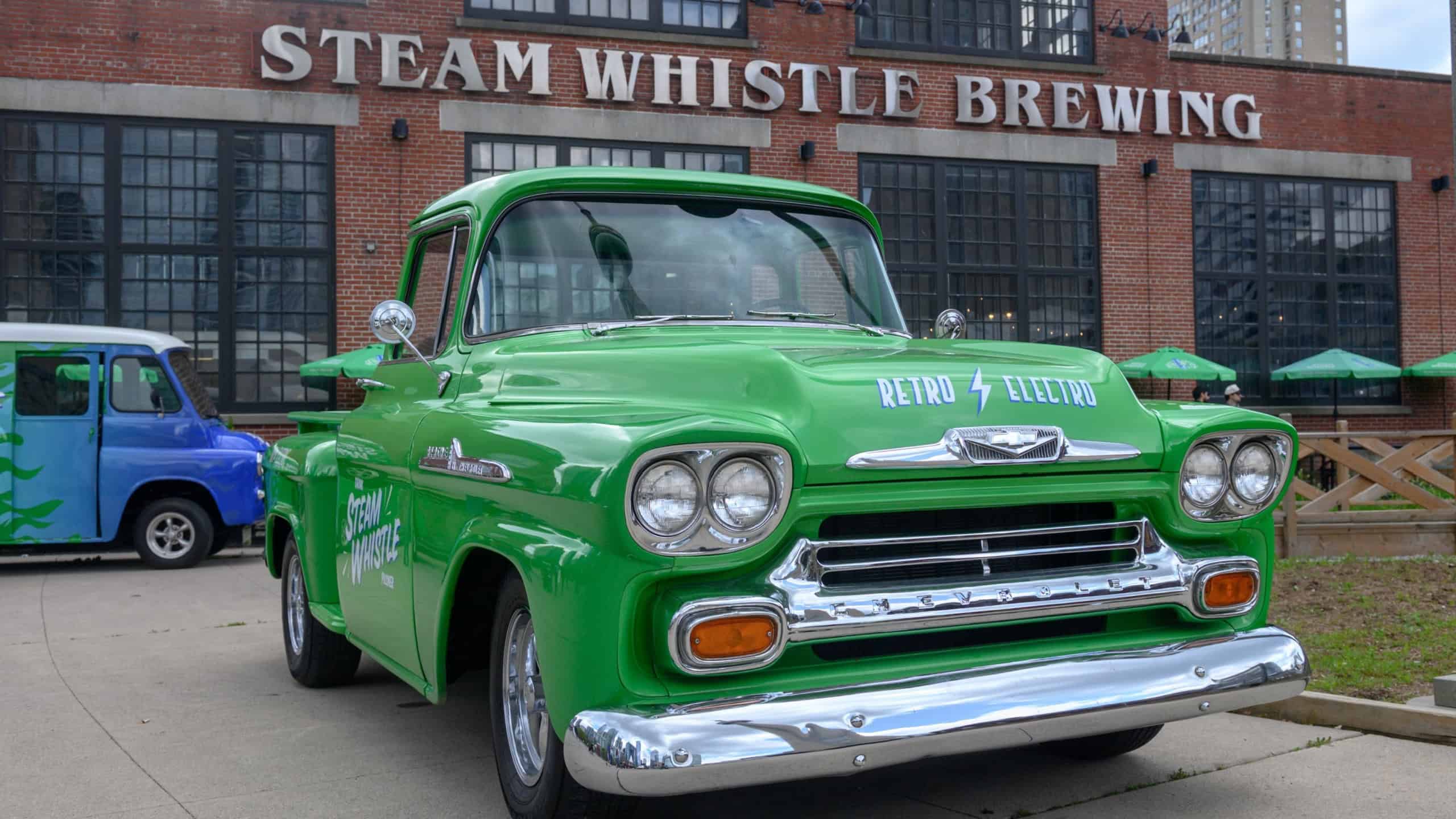
Steam Whistle is a Toronto brewpub located inside a restored 1929 locomotive repair facility right under Canada’s CN Tower. Established by three former brewery workers who lost their jobs, the company grew into a giant by perfecting one thing: its signature Czech-style pilsner made with four all-natural ingredients.
Now with their fleet of retro-green delivery trucks and an actual steam whistle that toots every day when brewery employees head home, they’ve transformed an empty rail yard into a world-renowned urban hangout.
Sources: Please see here for a complete listing of all sources that were consulted in the preparation of this article.
Like our content? Be sure to follow us.