
Fall is one of those seasons that sort of takes over in Canada. One minute you’re still grabbing iced coffees, and then the next, the maples turn red & the pumpkins are stacked outside the grocery store. But what is it that makes us Canadians love fall so much? Let’s find out what’s going on.
Featured Image Credit: Shutterstock.
Key takeaways

Here’s what you’ll find out:
- How those reds & golds show up in Canadian forests
- Why farm fields & orchards are at their busiest from September to mid-October
- Why shorter days make stargazing & aurora watching easier
- Which animals head out this time of year
The colour show is real

Drive almost anywhere in southern Québec, Ontario, or the Maritimes in October & you’ll see why the maple leaf ended up on the flag. Sugar maples stretch across those areas. They’re the trees that go from plain green to scarlet or orange, sometimes even purple, once the nights get cool.
You can see the yellow tones in the leaves all summer. However, the reds are made fresh in the fall & this mix is why the forests look painted, rather than just faded. One of the reasons Canadians love fall so much is all thanks to this huge variety of colours.
Harvest season hits its stride

The Fraser Valley in B.C. is packed with flooded cranberry fields around late September. You’ll see plenty of growers corralling the floating berries into huge red rafts at this time. Over in Ontario & Québec, pumpkins & squash fill up the farm stands. They’re clipping wine grapes off the vines by hand or machine in October.
Even Canada’s trade numbers show this, as pumpkin exports spike right around this season. Once Halloween rolls in, most of that work is wrapped up, so it makes sense that we love this season so much.
Fewer buzzing pests

You’ve probably noticed that a fall hike feels quieter. And it’s not just because of the leaves crunching underfoot. Mosquitoes tend to disappear once the nights dip close to freezing, and ragweed, the pollen that makes plenty of people sneeze in September, dies off after the first real frost.
This means that you can usually leave the bug spray at home in mid-October & breathe a bit easier on the trail. Honestly, it’s a lot easier to enjoy nature this way.
Earlier sunsets make night sky plans easy

Interestingly, fall evenings come with a trade-off. While the days shorten a lot faster, that means you don’t have to stay up past midnight to spot the stars, and you can usually see the Milky Way on the first Sunday in November. You might even be able to spot a meteor shower not long after supper.
Parks Canada also runs Canada’s Dark-Sky Preserves. As you might expect, they make the most of it, as whole parks dim the lights so you can see more sky. You can’t do that as easily during the other seasons.
Plus, Canada’s geography means that the high-colour trees aren’t hidden away in remote corners. No, they line the highways where people already live. That’s why drives through the Laurentians & Algonquin have become fall traditions. You don’t need a long trip to catch the view. Here, whole regions are covered in the very trees that turn the brightest shades each October.
Northern lights are more frequent around the fall equinox
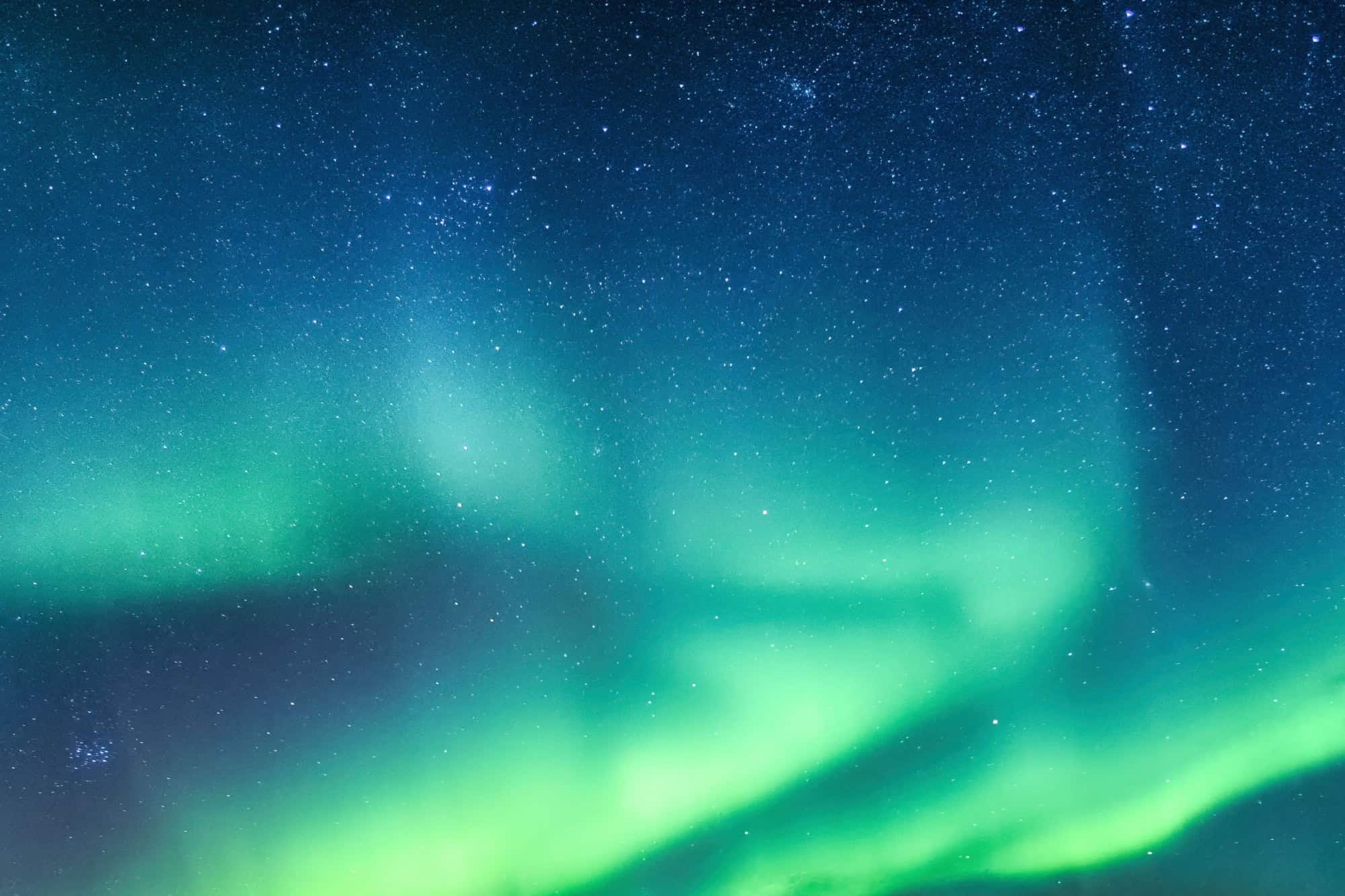
Canada sits under the auroral oval. Essentially, this is a fancy way of saying the northern lights pass overhead often. They’re possible all year, but fall, especially around the September equinox, brings an increase in activity. That’s why people in Yukon, the Prairies, & northern Ontario keep an eye on the forecast once nights start cooling down.
It’s a simple trick. You’ll need clear sky and no city glow, as well as lots of patience.
There’s also the weather change in the fall that many Canadians like. Average highs drift from the 20s °C in early September down to single digits by November in most cities. Such a steady drop means the air feels cleaner & the bugs fade out. The trails also aren’t as crowded as in summer. Whether you’re biking or just out for a walk, the timing feels right.
Wildlife on the move is easy to spot

Even in big cities, fall brings wildlife on the go. Canada geese fly over suburbs & farm fields, staging before heading south as the ponds start icing up. Those farther north might even catch caribou on their seasonal routes. Parks & wetlands across the country become pit stops, so spotting flocks is part of the regular migration cycle.
The fall calendar is full of marked dates

Two important dates are part of the Canadian fall calendar. September 30 is the National Day for Truth & Reconciliation, and it’s recognized across the country. A couple of weeks later, on the second Monday in October, it’s Thanksgiving. Both days land right in the heart of fall & both anchor the season in their own way. One is for reflection, the other is for gathering.
Either way, it’s clear that Canada has a special relationship with fall. And we love it for that.
Sources: Please see here for a complete listing of all sources that were consulted in the preparation of this article.
Like our content? Be sure to follow us on MSN.