
The latest numbers coming out of the U.S. aren’t great. They show that prices have been rising by roughly 3% year-over-year, and groceries & services are running slightly higher than that.
Canadians took around 39 million trips to the USA in 2024. But recent figures show that we’re visiting less. What do these rising prices mean for Canadians going across the border to shop? Let’s find out.
U.S. inflation in late 2025
The Consumer Price Index (CPI) shows the average changes over time for the prices customers pay for a standard basket of goods. The most recent figures for America’s CPI are from September 2025.
They show that overall CPI has been increasing by roughly 3.0% each year, with an increase of 0.3% from the previous month. Core inflation isn’t doing much better. It’s around 3.0%. November’s figures have not yet been released, but from September’s numbers, it’s not good news.
Where U.S. prices are rising fastest

Not all prices rose the same way in the United States. Groceries increased by 2.7%, while the cost of proteins & drinks jumped by over 5%. Restaurant costs went up by 3.7% & even the cost of used vehicles went up by approximately 5.1%.
The only positive news was for gasoline prices. They dropped slightly by roughly 0.5% year-over-year, although the figures in September were higher than previous ones.
The Canadian dollar vs. the U.S. dollar in 2024–25
The effect on exchange rates between the U.S. dollar & Canadian dollar has been quite noticeable. The Bank of Canada claims that the dollar hovered between $0.69 to $0.73 USD between 2024 and 2025.
Figures from mid-December 2025 put conversion rates at around $0.72 USD, or approximately 1 USD for 1.377 CAD. These numbers come after trade uncertainty throughout 2024 & 2025.
Tariffs, trade rules, and price pressures
U.S. tariffs added quite a few cost pressures. These affected Canada’s growth projections and caused the dollar to fall even lower. Such shifts came as a direct result of higher production costs and the pricing of imported U.S. goods.
Inflation in Canada remained at approximately 2% during the fall of 2025, even as the economy adjusted to cope with trade conditions.
How often Canadians are still going south
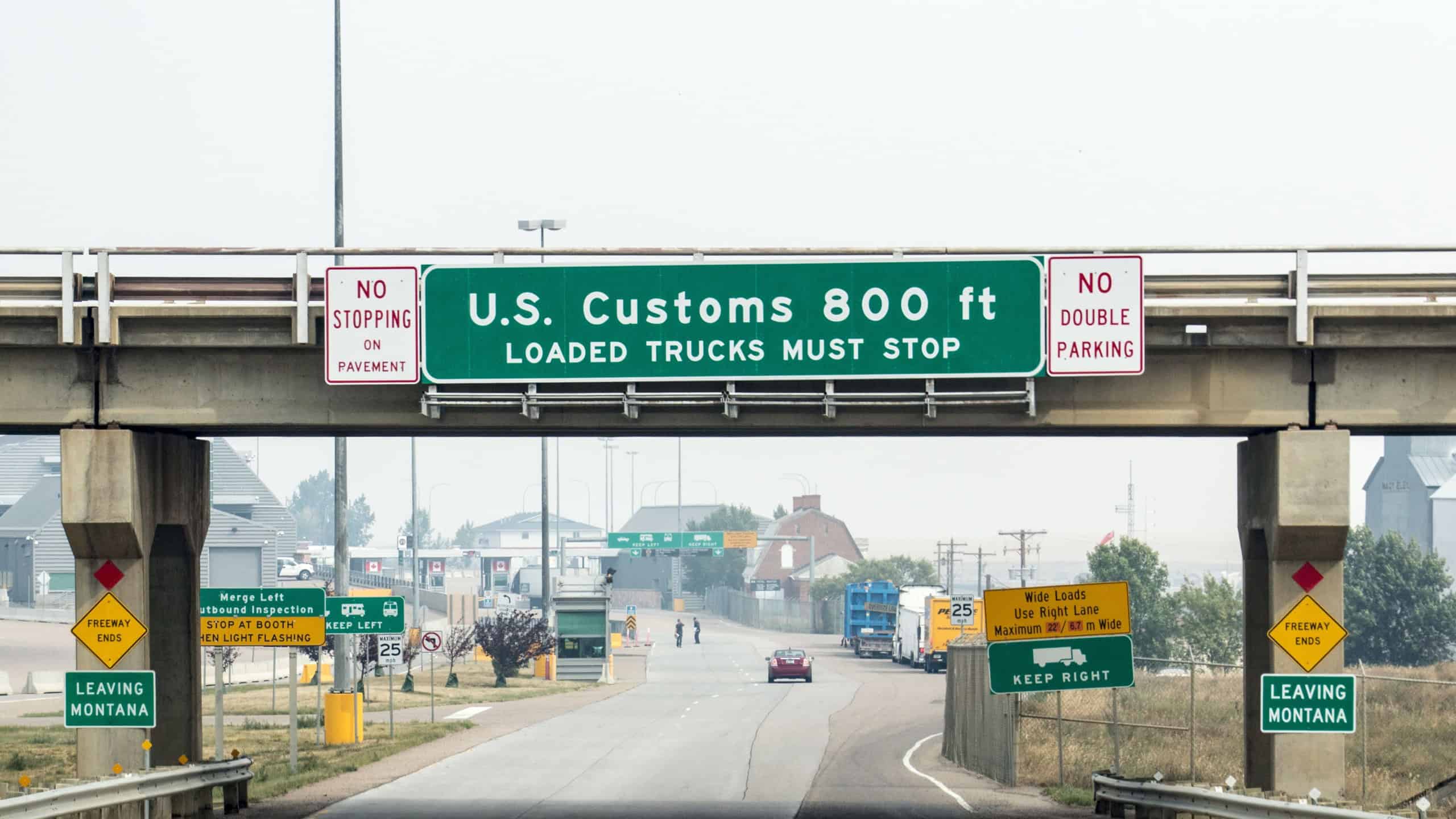
Canadians were quite busy in 2024. They took around 39 million trips to the United States, although travel during 2025 looks different. Crossings by car in June fell by around 32.3% & August figures fell by 29.7%.
September’s figures were even worse at 33.8%. It seems that Canadians are less interested in shopping across the border recently.
Changing expectations around “deal hunting”

The recent increase in prices, especially with restaurant meals & consumer goods, is changing how Canadians think about shopping down south. Many of them assumed that going south meant that they could get cheaper goods.
But now they’re facing price tags that don’t really match the effort of going down south to grab a few deals. The idea of automatically saving when making the trip doesn’t hold up anymore.
Reduced incentive for stock-up trips

There’s also the fact that any big seasonal hauls don’t seem worthwhile anymore. Many Canadian families used to fill their car with snacks & clothes, as well as household items. But not anymore.
They’re wondering whether the cost of going south for shopping actually makes sense. It doesn’t seem that way, once you factor in tax & gas, along with the exchange rate.
How sensitive are Canadians to price changes?

Economists have also studied how sensitive Canadians are to relative price changes. A 1% rise in the real exchange rate is apparently enough to reduce Canadian trips by roughly 1.6%. It also causes overnight car trips to fall by 1.8% on average.
It essentially means that higher American prices go hand-in-hand with fewer Canadian border crossings.
Extra focus on promotions instead of everyday pricing

That’s not to say that Canadians aren’t going over at all. But quite a few of them are waiting for specific sales instead of relying on standard shelf prices being lower. They’re checking for promotions on inflation-heavy categories before making it over.
These include products like groceries & meals. Such prices can sometimes matter more than the trip itself, and many Canadians are timing their crossings around these price windows.
Growing interest in Canadian alternatives
Rising U.S. costs have encouraged Canadians to focus on what local stores can offer before going south. The smallest of price differences back home are far more attractive than making the journey across the border for discounts that aren’t great.
It’s not replacing cross-border shopping. But it sure is more appealing than going all the way south.
Sources: Please see here for a complete listing of all sources that were consulted in the preparation of this article.