
It doesn’t seem that complicated to move to Canada from America. After all, the countries share a border and a language, as well as plenty of brands. Flights are short, and the cities seem to be quite familiar to most Americans.
However, beyond the paperwork and winter coats, there are quite a few challenges with moving to Canada that most Americans don’t recognize at first. Even simple things like the shape of a house seem different up north.
Here are ten things that Americans experience when relocating to Canada that they may not have noticed before. Which of these do you think would be the hardest to adjust to?
Houses feel narrower

Americans notice once they’ve stepped into a home in a city like Toronto that the houses are structured rather differently. Many traditional urban lots are around 20 to 25 feet wide, according to city planning documents, and they have depths of around 100 to 120 feet.
That’s quite a bit different from many suburban lot patterns in American cities. They’re unfamiliar with narrow frontage, and they tend to be thrown off by how entire streets look because of these regulations.
TFSA confusion for Americans

Getting a Tax-Free Savings Account (TFSA) sounds relatively easy when you first get to Canada, especially since growth and withdrawals inside a TFSA aren’t taxed. But the real issue comes from the IRS for Americans.
They might still treat a TFSA as a foreign financial account that Americans need to report, and they may still have to pay taxes on investment gains within it.
It all depends on thresholds and forms, including Form 8938.
Investment account restrictions

One thing that a lot of Americans don’t expect is the reaction that they might get from Canadian brokerages. FATCA reporting rules between Canada and the U.S. force banks to collect and report certain account information.
It’s not something many Americans are aware of when they come to Canada. Sadly, the extra amount of compliance means that some institutions will limit what they offer to Americans, and they may sometimes apply additional restrictions as well.
Higher sticker shock at the grocery store

Food prices did more than increase in Canada. According to Statistics Canada, grocery inflation has been increasing in Canada, with data from 2025 showing continued pressures across the country. But that’s not all.
The Competition Bureau has found that the grocery sector in Canada is concentrated among a few large chains, meaning that the mega-discount formats that Americans are used to don’t really exist here. The wide availability of brands common in America also isn’t present.
Permanent resident doesn’t mean permanent
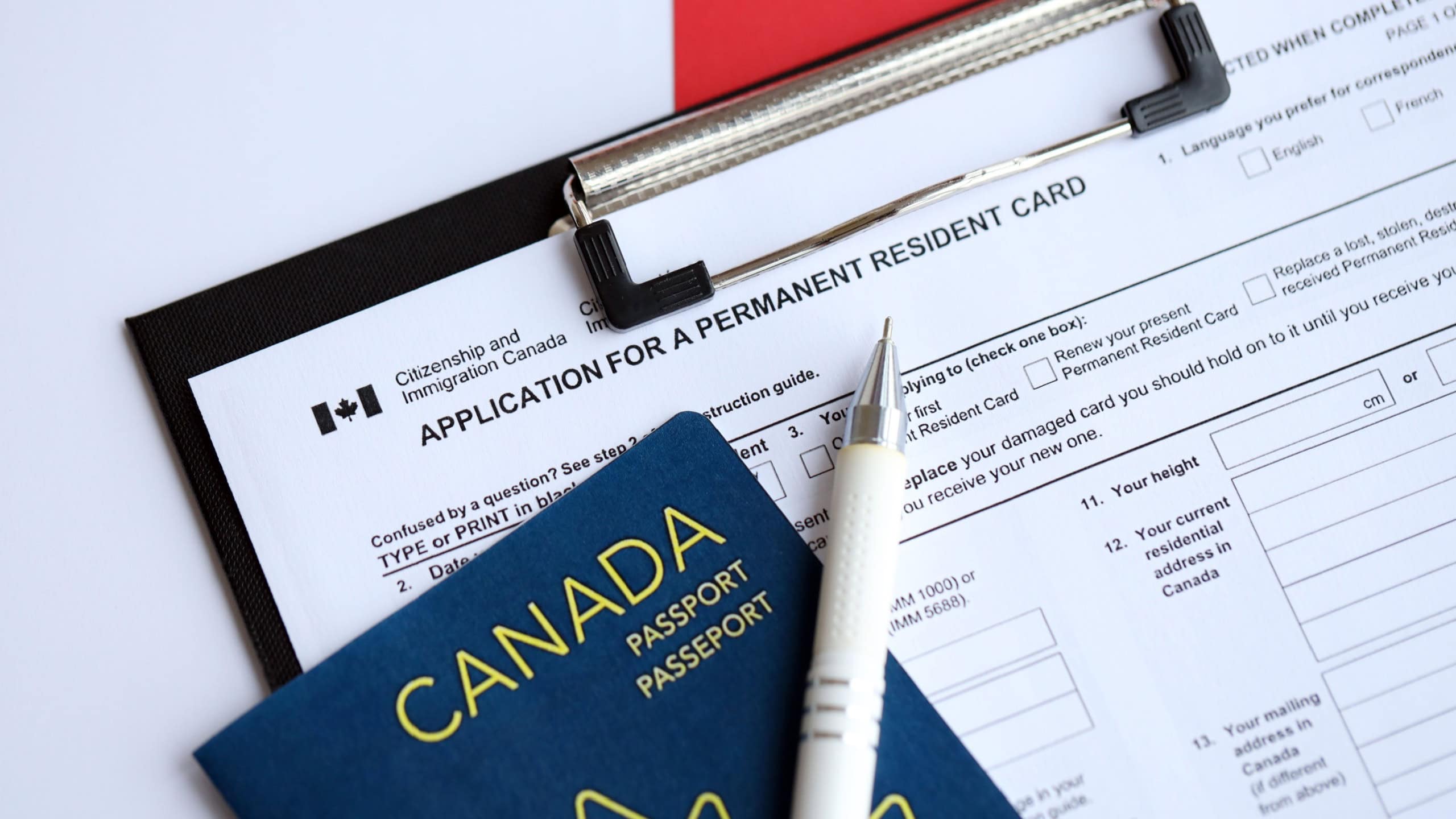
The idea of being a permanent resident in Canada is also different from that in America, and that can be quite a shock to people moving north. You need to be physically present in Canada for at least 730 days within a five-year period to maintain such a status.
Anyone who spends too much time outside of the country can have their status reviewed, meaning that while it might be permanent in name, it’s not exactly permanent in nature. There are ongoing residency obligations Americans need to follow.
Smaller cultural spotlight

Major tours might talk about visiting North America. However, many Americans who move to Canada soon find out that such a label means dozens of U.S. cities but only a couple in Canada, with Toronto and Montreal being the major Canadian stops.
Large-scale concerts and entertainment events tend to cluster in a few major markets across the continent. It can feel like a rather noticeable difference for anyone who’s used to a broader idea of venues.
Banking feels relationship-based

Six large national banks dominate the banking system in Canada, and these groups hold the majority of banking assets across the country. That’s quite important. It means that practically all products and branch setups are standardized across the nation, and the same goes for policies.
Many Americans are used to dealing with thousands of regional banks, so such a structure can be quite a surprise to them. They’re not dealing with something so centralized and uniform.
Subtle social distance

Building friendships can take quite a bit of time in Canada, and it’s something that Statistics Canada’s General Social Survey has noted. Apparently, integration patterns can vary quite a bit in the years after an immigrant arrives in Canada, and that affects Americans as well.
Cross-group friendships tend to develop gradually in Canada, rather than coming immediately in places like the United States. That’s not to say that our relationships are closed. Rather, they’re slower to form compared to America.
You can’t build credit fast

Simply having a credit history in the United States isn’t enough because Canadian credit bureaus will build their files on Canadian history instead. As a result, a lot of newcomers begin with lower limits because they’re trying to establish a sense of local history.
A lack of Canadian records can mean that approvals are a little more conservative at first. It’s not something that every American is used to, and it greatly affects how they’re able to scale up credit access.
The deemed disposition

Anyone who becomes a non-resident for tax purposes will likely have to deal with the deemed disposition rule, and not a lot of Americans realize that. It essentially means that certain assets may be treated as though they were sold before they leave their previous country. These items are technically sold at fair market value at the immediate price of leaving.
As such, Americans may have to deal with capital gains calculations that they’re not aware of, regardless of the fact that no sale actually occurred. But it’s something that people changing residency should be aware of.
Sources: Please see here for a complete listing of all sources that were consulted in the preparation of this article.
Hidden costs most Canadians don’t think about until they move to the U.S.

That first U.S. bill feels different for a Canadian. Sure, the total’s fine, then there’s a fee you didn’t know existed. Find out where the extras hide.
Hidden costs most Canadians don’t think about until they move to the U.S.