Most of us have at least one superstition we follow without thinking. We might knock a table & avoid going under a ladder for good luck, and each of these superstitions has a rather interesting history behind it.
Let’s find out about the hidden stories behind popular superstitions. Which of these superstitions do you believe in the most?
Knocking on wood
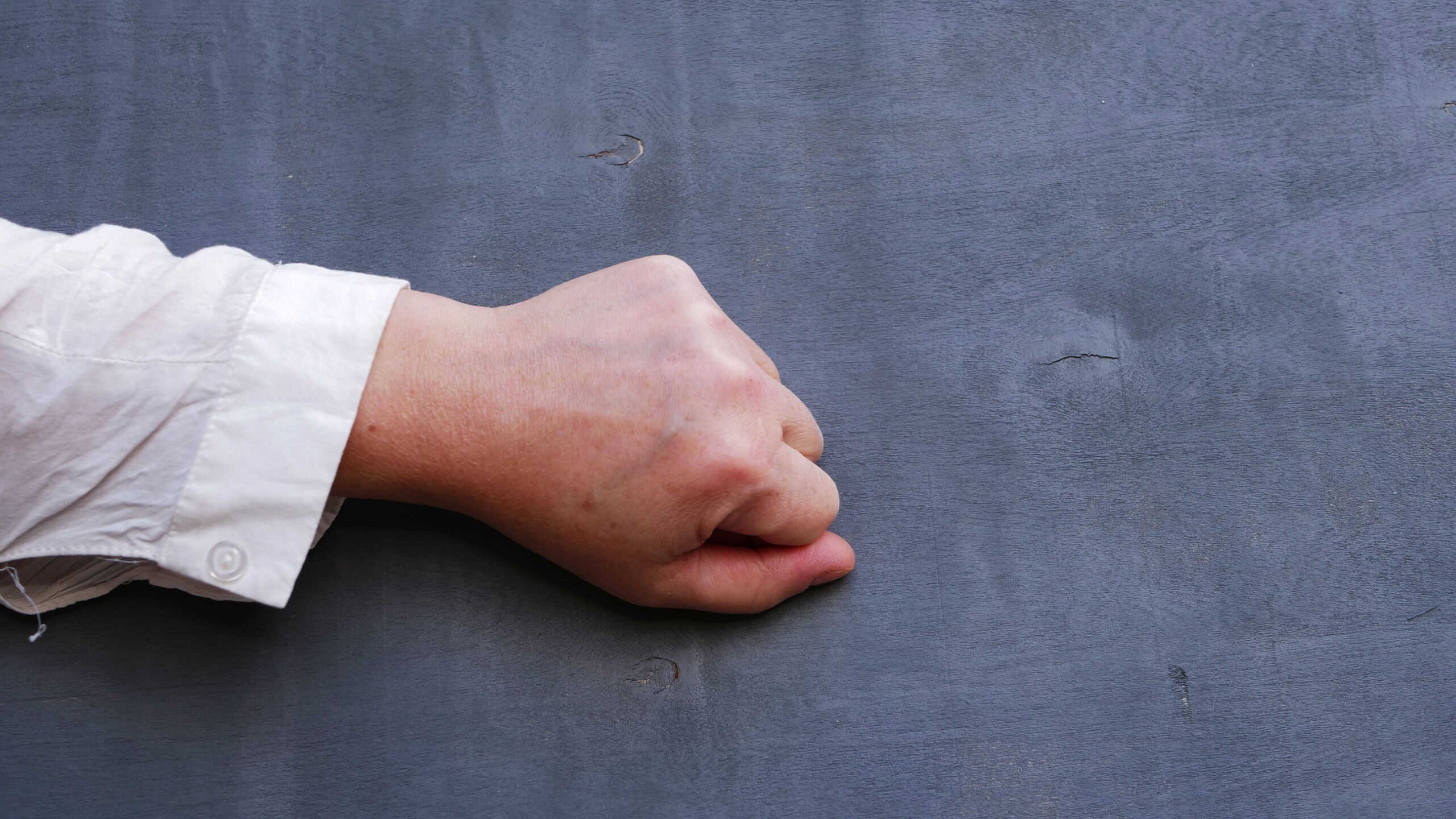
The tradition of knocking on wood is something that actually began in Europe, where older European civilizations would treat certain trees as places where spirits & gods might be listening.
They touched the wood to keep their secrets, and such behaviour later evolved into children’s games like “Tiggy Touchwood.” Wood was a place of safety during this game.
Walking under a ladder
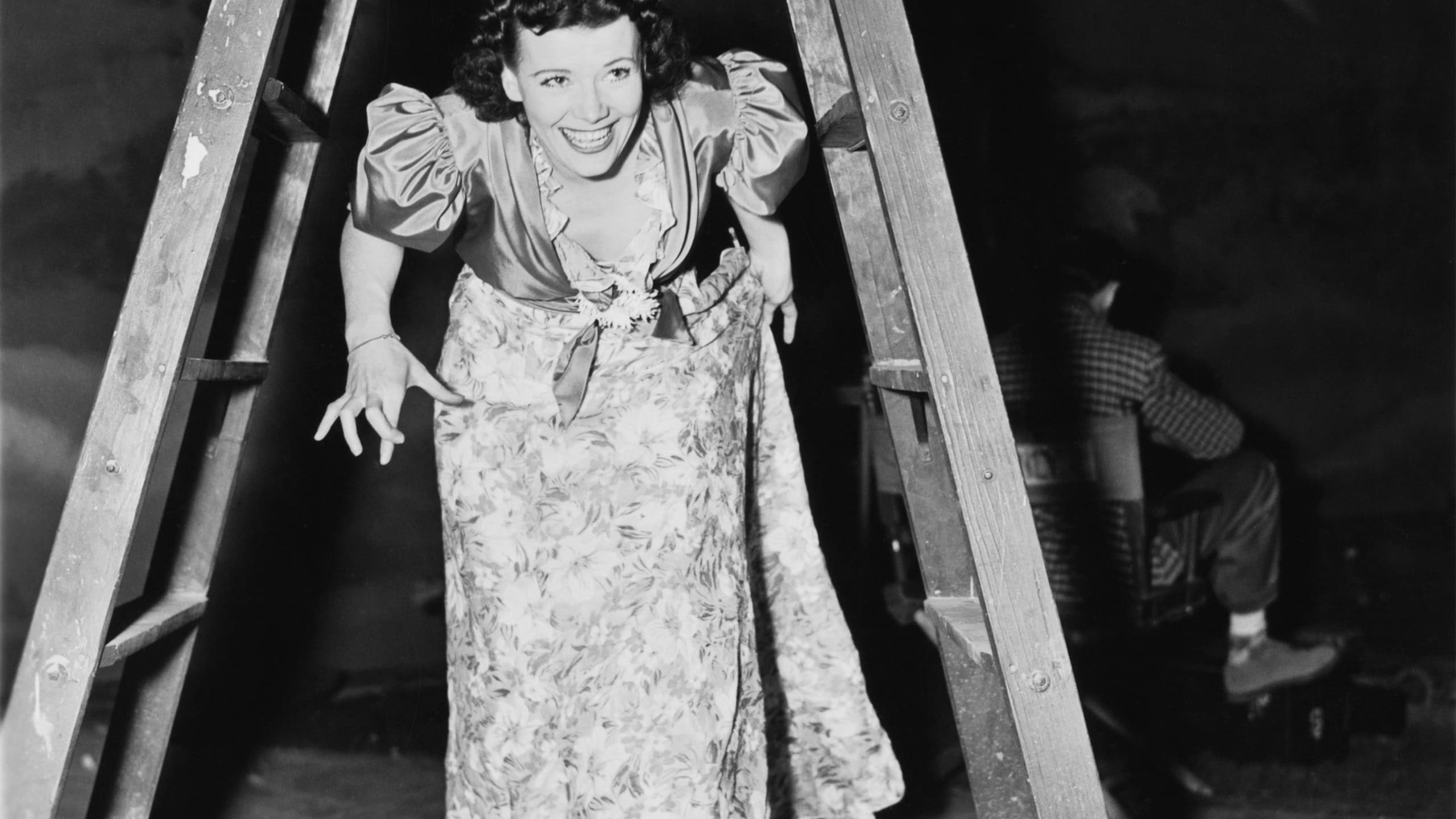
It’s not entirely clear where the superstition about walking under a ladder came from, although some researchers believe it may have come from ancient Egypt.
People back then used to have a lot of respect for triangular shapes, like those you see when a ladder’s against a wall. Ladders near Egyptian work sites could be dangerous, so it’s possible that it led to the superstition.
Breaking a mirror and “seven years’ bad luck”
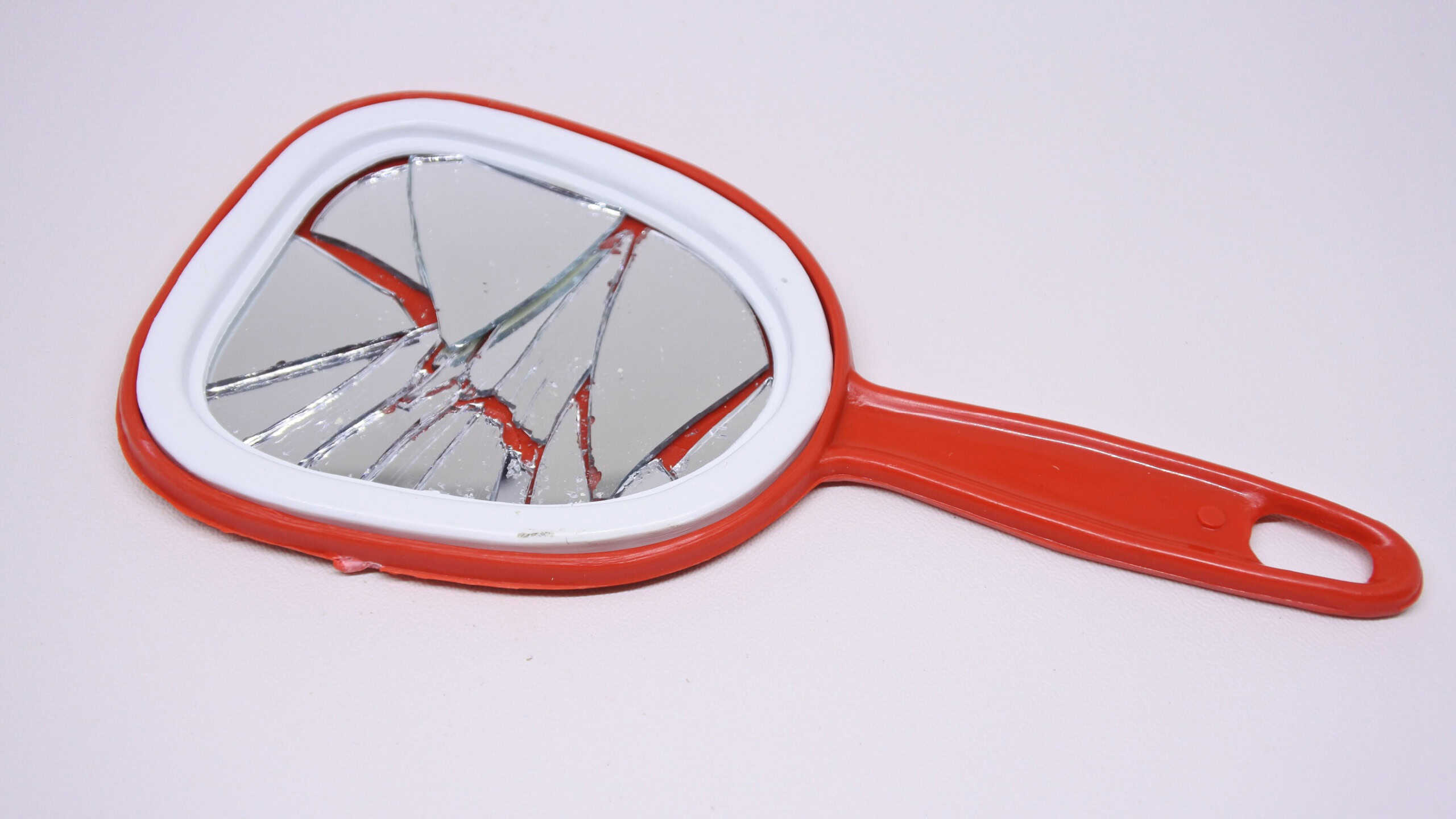
Ancient Mediterranean cultures used to see reflections as being closely connected to a person’s soul, meaning that breaking a mirror would hurt your soul & break the glass.
As for the seven-year part of breaking a mirror? The Romans believed that renewal cycles happened every seven years, so it’s likely that the idea of bad luck came from that.
Spilling salt and tossing it over your shoulder

Salt was a sign of friendship during Roman times, and that meant that anyone who knocked it over would bring bad luck on themselves.
Early Europeans also thought that it would bring up conflict, so people began throwing spilled salt over their left shoulder in order to annoy any lurking spirits. Many people still follow the tradition to this day.
Horseshoes above the door
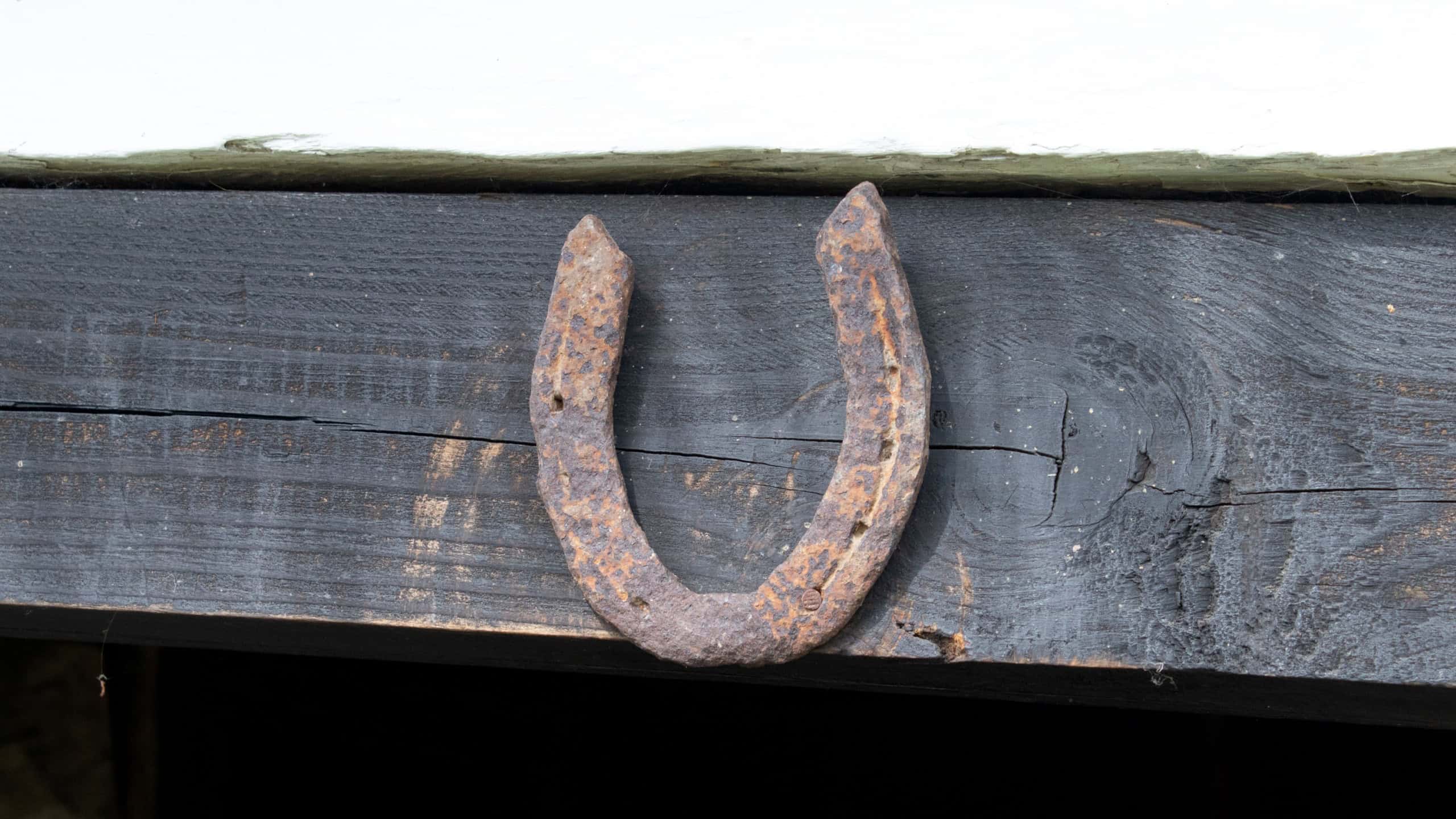
Why on earth are horseshoes lucky? It comes from stories about Saint Dunstan that said that only homes with a horseshoe over the door would be protected from the devil coming in.
There are also some Mediterranean traditions that claim the curved shape is a kind of charm against the evil eye, meaning that people would try to protect themselves however they could.
Opening an umbrella indoors

It wasn’t until the 1800s that umbrellas with metal frames became more normalized, although opening one indoors wasn’t exactly easy since a few had ribs that snapped out quickly.
Shortly after, the superstition about opening them indoors began to spread. It’s quite similar to the ancient Egyptian custom of opening parasols away from sunlight to honor the sun god.
Pulling the wishbone at dinner
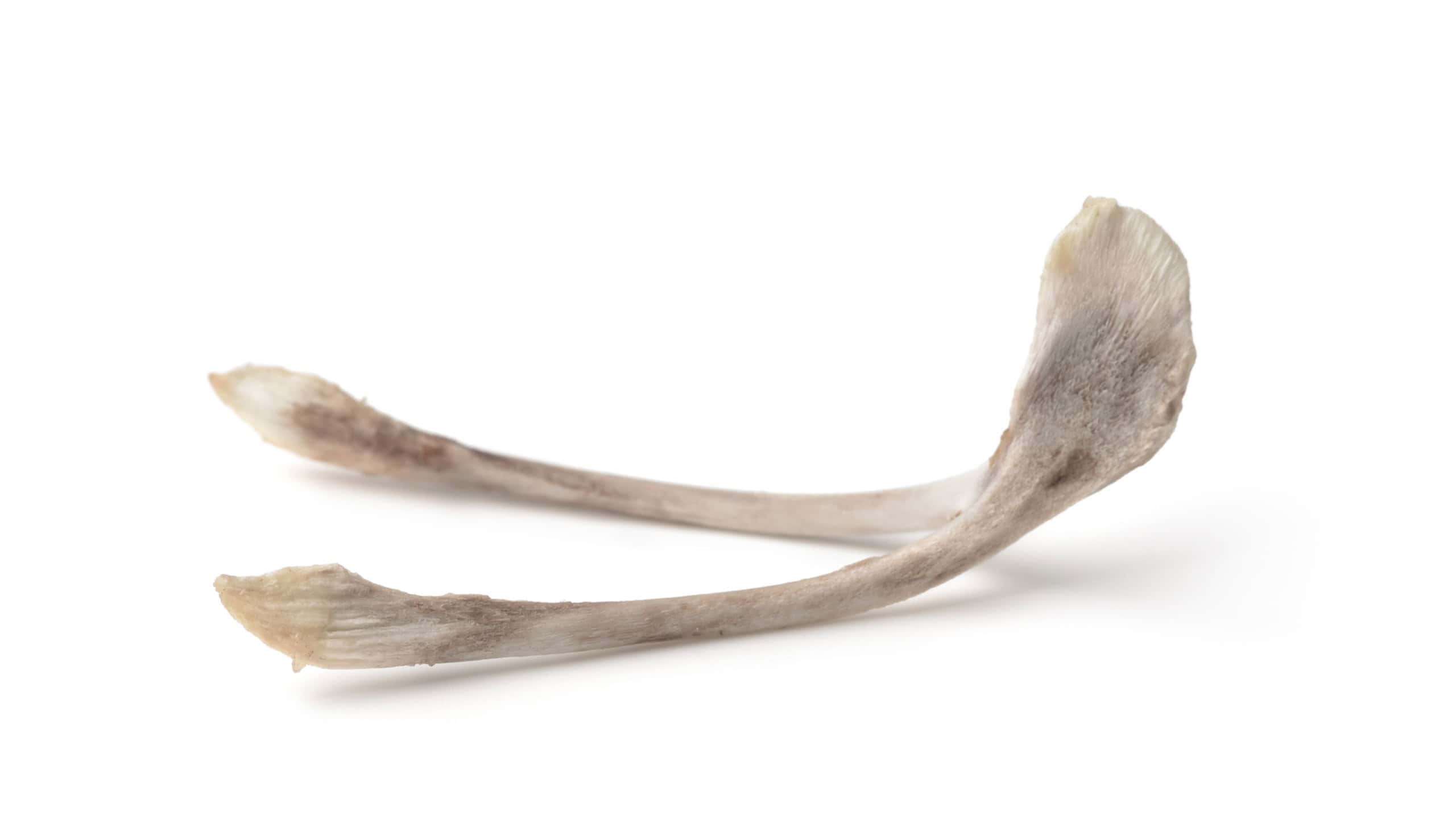
The superstition of pulling the wishbone at dinner comes from the ancient Etruscans, who believed that birds carried the messages of the gods & would touch bird bones while making their request.
The Romans liked the idea and took it to Europe. It became a superstition for many households that snapping a wishbone during meals would get your wish granted.
Carrying a four-leaf clover

It’s not hard to see where the superstition about four-leaf clovers came from, since they’re rather unusual & people treated them as a sign of good luck.
The practice seems to come from the Druids, and they used four-leaf clovers to identify harmful spirits. English herbalists took the belief from Ireland during the 1600s, leading to the tradition spreading worldwide.
Burning sage to clear bad energy

Burning sage is a superstition that came from the Lakota & Anishinaabe tribes. They had set prayers and would burn sage in specific rituals as part of their belief that the sage would help to purify & heal people, especially during important life events.
Of course, the way people burn sage today is quite different from the past, but there is a connection between the two.
Crossing fingers for luck

A few early Christian communities used to cross their fingers as a form of protection because they weren’t always allowed to openly worship, and that gesture later came to be used for wishes.
The gesture eventually became a normal part of everyday behaviour. It was no longer something reserved as an act of prayer for these oppressed people.
Sources: Please see here for a complete listing of all sources that were consulted in the preparation of this article.