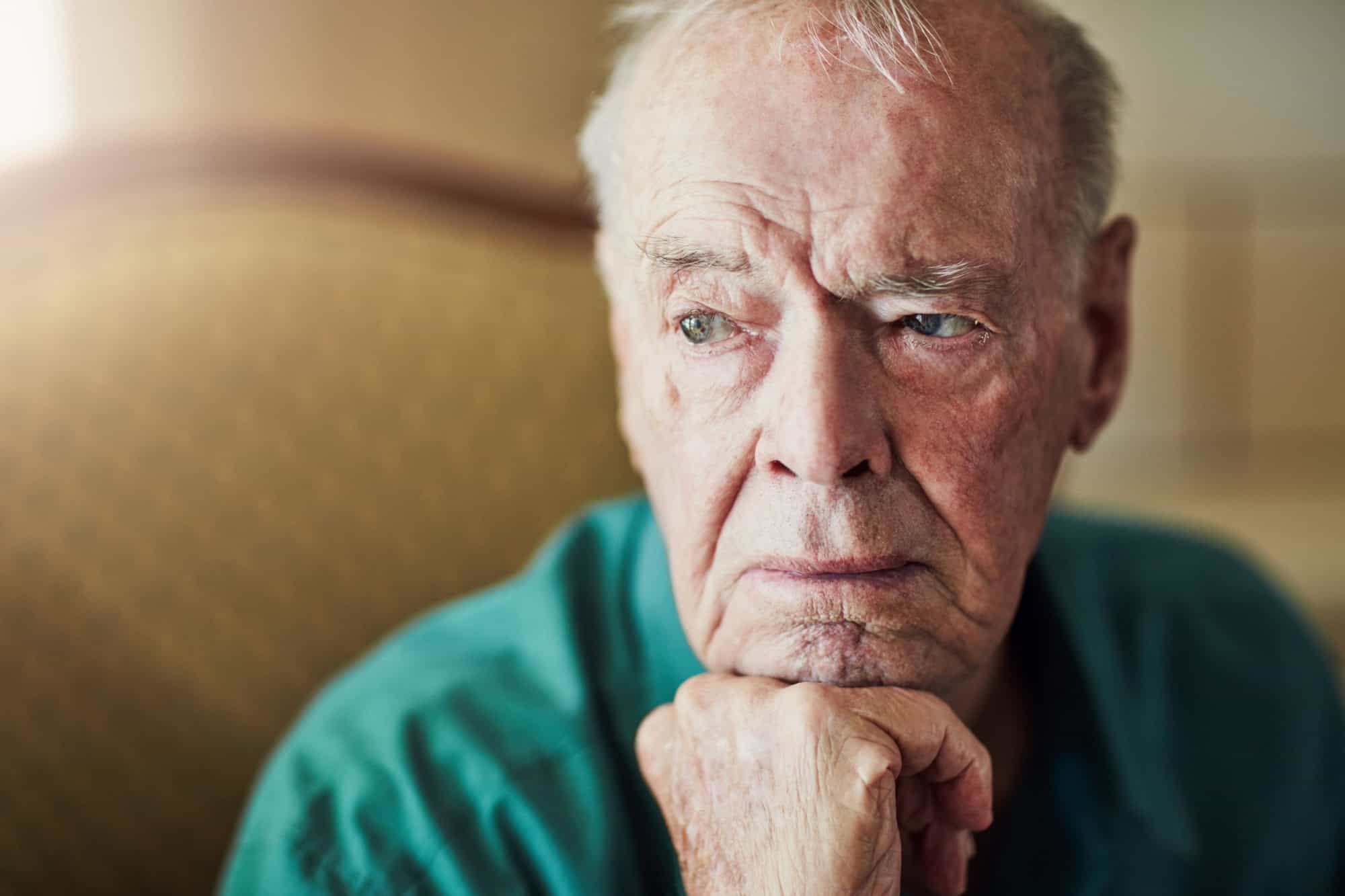
With age comes wisdom, and with wisdom comes a rare opportunity to look back on your life and realize all the regrets you didn’t vocalize along the way. We all have regrets, but what we might not know are the personal things older people are most sorry about in life.
It’s difficult to experience these kinds of regrets first-hand until you’re older. Here are ten regrets you rarely hear from older people that are backed by real life experience and research (sources at end).
Featured Image Credit: Shutterstock.
Not embracing technology sooner

As it turns out, many adults do look back with regret at not having engaged with technology earlier. In the Legacy Project, for example, with a survey, Karl Pillemer interviewed over 1,500 people aged 70 and above about the wisdom they’ve gained in life. Many of them wished that they had been more open to new experiences and learning digital tools. These skills could have kept them connected to distant family members and made information and services more accessible.
Overlooking the importance of mental health

While many older adults may concentrate on their physical well-being, some neglect their mental health. In their later years, some wish they had paid more attention to their emotional and cognitive state, as this can cause loneliness, anxiety, or depression later in life.
Studies show that early attention to mental health, through socialization, therapy, or mindfulness, can significantly enhance one’s quality of life as they age.
Not pursuing lifelong learning

Many seniors regret not having learned new skills or continued education throughout their lives. Lifelong learning can keep the mind active, improve cognitive function, and give a sense of purpose and accomplishment in later years. Educational activities or new hobbies can also help delay cognitive decline and build social connections.
Not saving more for retirement

One of the issues that many seniors worry about is financial insecurity. It can be very stressful not to be able to have as much in retirement savings as one would like. Saving more during one’s working years can help one to have more options and a better quality of life in later years.
In a recent survey from Bankrate, 22% of Americans said their biggest financial regret is not saving for retirement early enough.
Not taking better care of their teeth

As we age, our oral health often suffers and many seniors express regrets at not taking better care of their teeth and gums earlier in life. In addition to negative impacts on oral health, a lack of proper dental hygiene can lead to other health issues such as heart disease and diabetes.
Delta Dental conducted a survey which found that 72% of Americans age 50+ wish they had taken better care of their teeth when they were younger. Yet, 80% of older Americans don’t visit the dentist as often as they should today, even though they list “not brushing and flossing more” as the 3rd biggest regret about their physical health.
Not traveling more

When older adults look back at their lives, one thing they regret is not traveling as much as they could have. Seeing new places can add to life and create new memories.
In a survey of 2,000 baby boomers, one of the things that they regret the most was not traveling enough. Reasons people cited for not traveling included work commitments, having to consider child care and just being busy doing other things.
Not learning to manage stress

Experiencing chronic stress can take a toll on your health. A few seniors in a study by Richer et al. (2025) wished they had learned how to manage stress better and earlier on in life so that their quality of life would have been better.
This study investigated the effects of a stress management training (SMT) intervention among community-dwelling older adults and found out that those who received SMT reported significant improvements in problem-focused coping and overall well-being.
Not being more patient with younger generations

Relationships between different generations may be bumpy. There are different values, different communication styles, technology, or even views on life. In some cases, the elderly may realize it later and wish they had been more patient, empathetic, or understanding with younger people.
Respect and openness would have built healthier family ties, a more profound mutual understanding, and more gratifying relationships overall.
Not pursuing a passion earlier

Many older people wish they had spent more time throughout their lives engaging with activities that brought them joy. Research indicates that engaging in hobbies and activities is linked to better mental health, higher life satisfaction, and a greater sense of purpose in later life.
In a large cross-national study of older adults, Mak et al. (2023) found that older adults who engaged in hobbies reported lower depression, higher happiness, and higher self-rated health compared to non-hobbyists.
Not seeking help when needed

Whether it’s for health issues, emotional problems, or daily tasks, fear of stigma, pride, or not wanting to burden others can prevent people from reaching out for help. But this can lead to more serious consequences.
One study showed that many older adults avoid seeking mental health care even when they are experiencing depression or anxiety, which can delay help and lower quality of life (Choi et al., 2011). Understanding when and how to request support becomes a critical skill that helps maintain both independence and wellness throughout life.
Sources: Please see here for a complete listing of all sources that were consulted in the preparation of this article.
Like our content? Be sure to follow us on MSN.