There’s no shortage of people in history who thought very highly of themselves, but some of them took their sense of self-importance to the next level.
When the preacher became the message
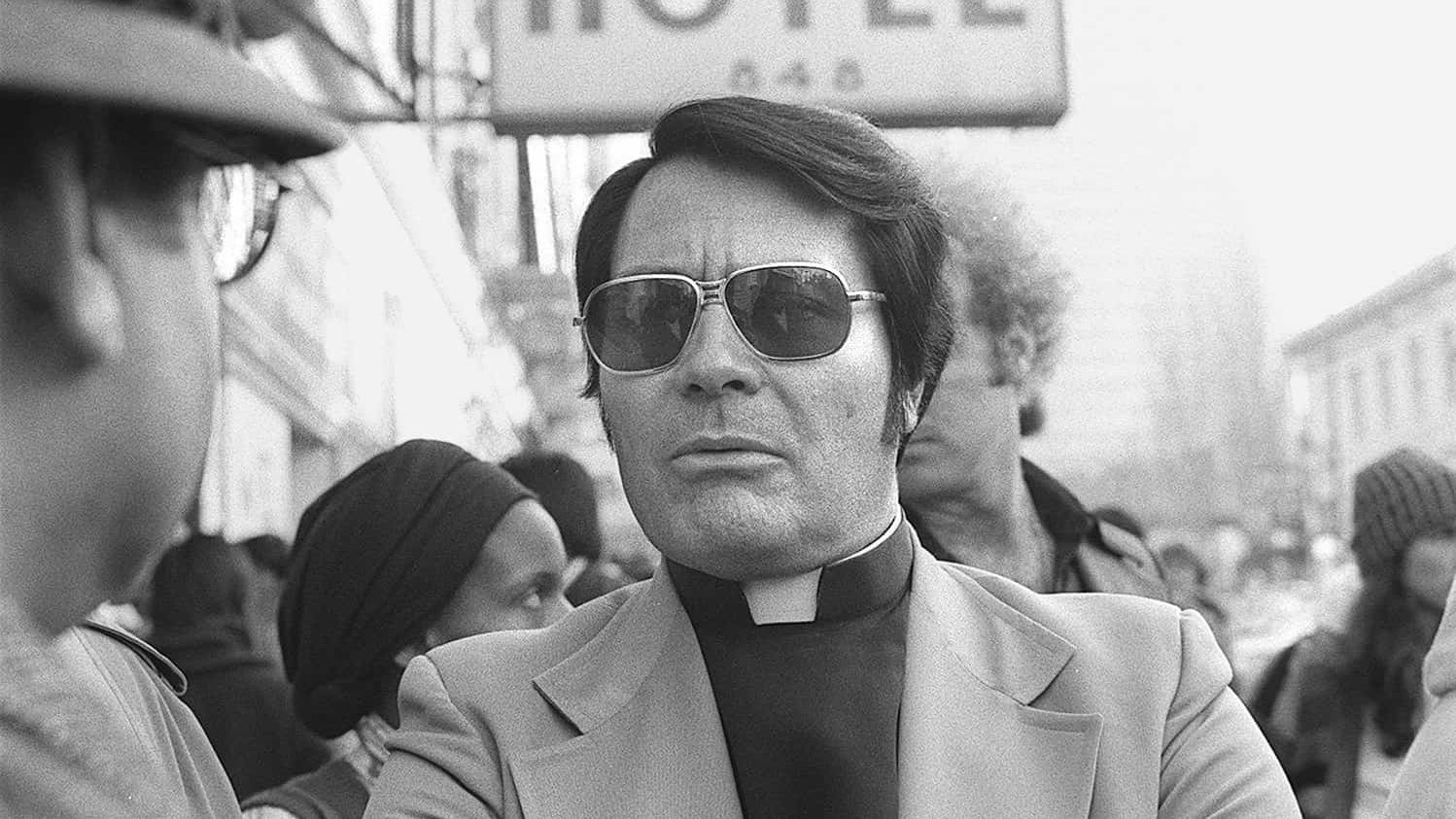
Jim Jones started the Peoples Temple in Indianapolis in the 1950s. He began by presenting himself as a preacher, but it didn’t take long for that to change. His movement soon reached California, and that was when he began talking about himself as being divine.
His followers later said that he’d behave like a father or even God to them. Jones stopped teaching about religion. No, he became a major part of what he expected his followers to believe. That’s what led to their mass suicide at Jonestown in 1978.
A face almost everywhere
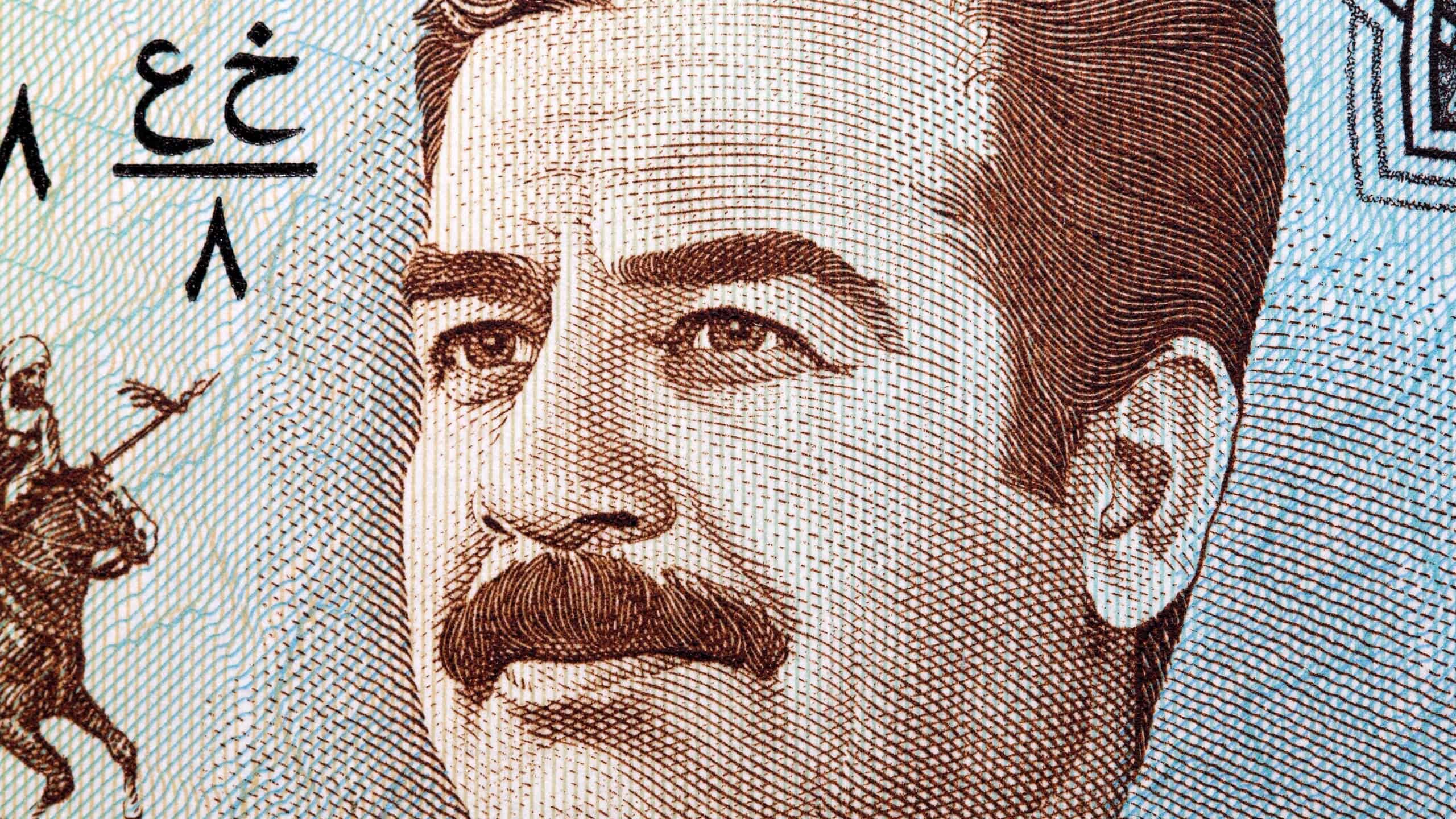
Life under Saddam Hussein in Iraq often involved seeing his face everywhere. He ordered that portraits of him appear in schools and offices, along with hotels, stores, and public streets. He had huge statues built of him, too.
There was one office in Baghdad that had four portraits of him, just so employees could see him whichever way they turned. Some of the reconstructed bricks at ancient Babylon had his name carved into them, too. You can’t get more narcissistic than that.
Building the image of Il Duce
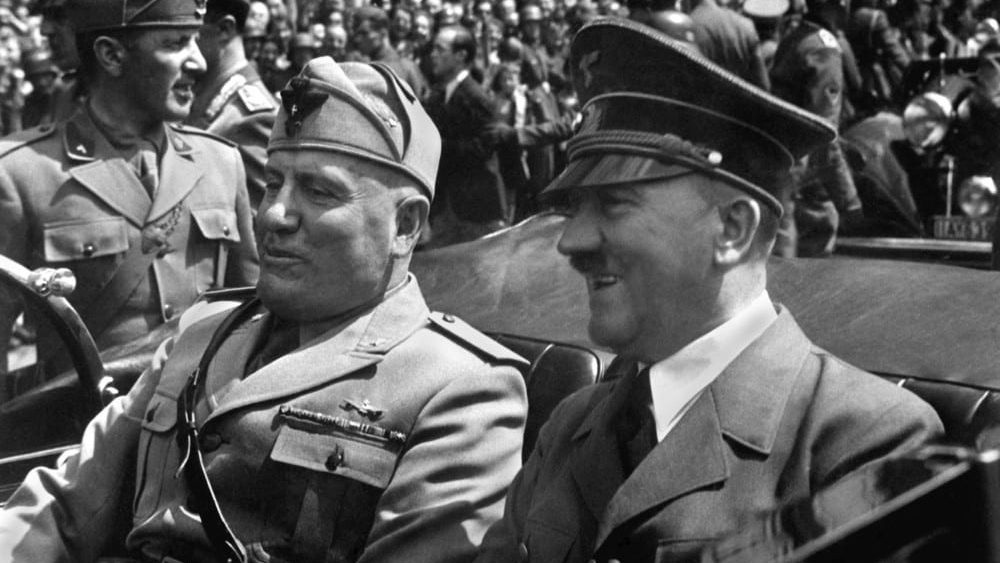
Benito Mussolini was very quick to build a special version of himself for the public. He took power in Italy in 1922, and carefully built the character of ‘Il Duce’ that showed him as an unstoppable leader.
Mussolini was supposedly strong enough to handle just about anything. Every image of him showed him looking physically strong and overpowering everyone, or everything, nearby. ‘Ordinary’ wasn’t part of his political brand.
Praise became part of daily life

It was very hard to avoid public admiration of Joseph Stalin in the Soviet Union. His portraits were everywhere, after all, and flattering paintings of him filled official culture. Schoolbooks were rewritten to give him a bigger role in revolutionary history.
He had photographs altered so that he could take all the credit, and any purged officials could simply disappear from old images. Yes, he rewrote history to support his own image. He was that narcissistic.
The man with the final answer
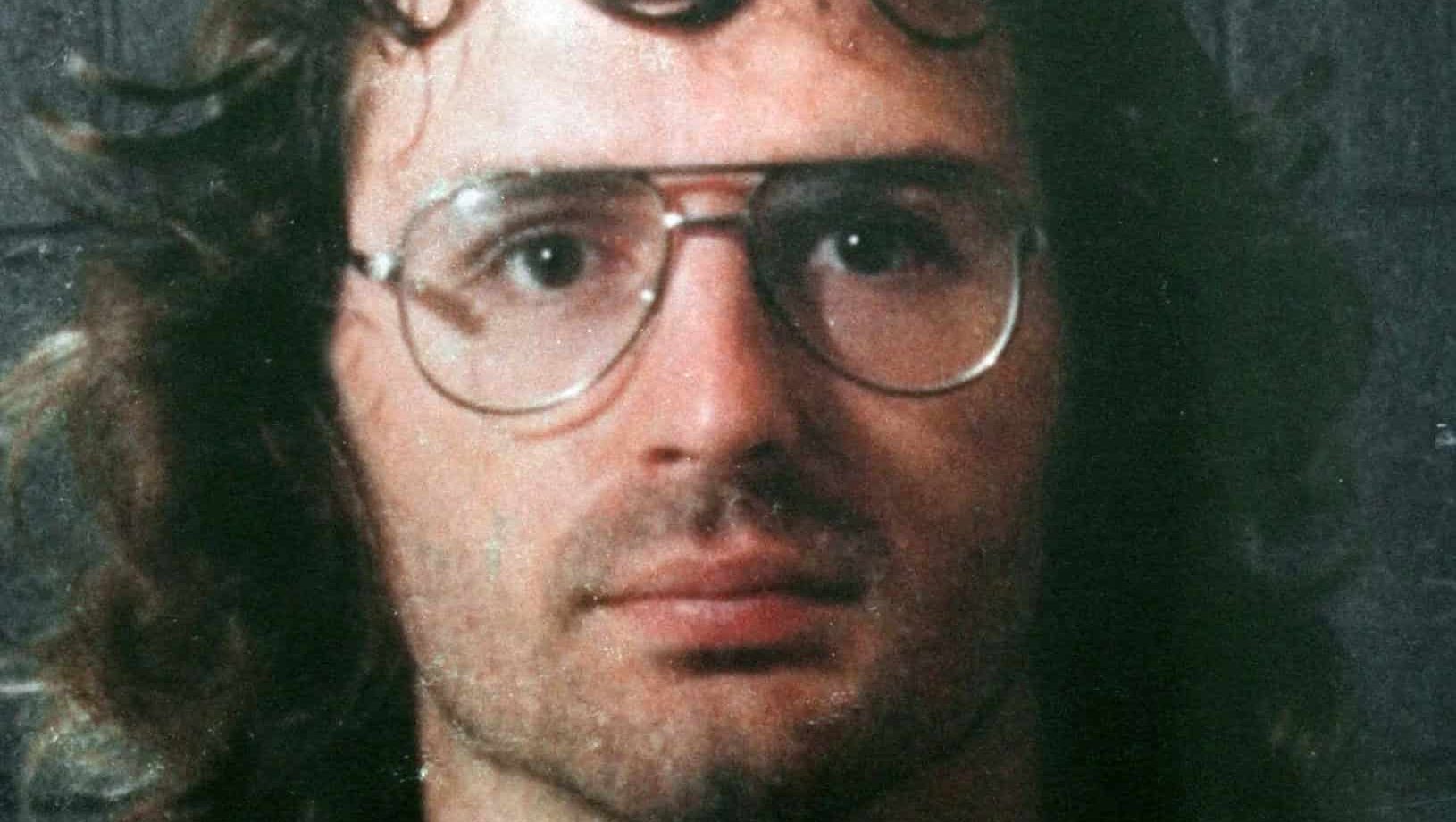
David Koresh was born as Vernon Howell in Houston in 1959. He eventually became leader of the Branch Davidians near Waco, Texas, and claimed all sorts of special abilities. He claimed he could interpret the Seven Seals in Revelation, for one.
Koresh taught followers that he had the spiritual answers that others didn’t, and it was all because he was so special, apparently. Anyone who tried leaving the cult would have to face him directly. Put it this way, he genuinely believed he was the only one who could understand scripture. That’s not exactly a humble guy.
The genius at the top

Keith Raniere was someone who liked being treated as though he were unusually intelligent. His cult, NXIVM, gave that idea plenty of room to grow. But before the group ever even became infamous, Raniere had already told people about his allegedly extremely high IQ and unusual abilities. He really thought he was smarter than most people.
Then, inside NXIVM, members called him ‘Vanguard,’ and he made his birthday the center of an annual event called Vanguard Week. Followers gathered for several days of activities, just to celebrate him.
He wanted the name remembered

The main reason Dennis Rader got caught was because of how arrogant he was. He’d gotten away for years with murder in Kansas, but staying anonymous was too much. He contacted newspapers and police anonymously. He described his crimes and created the nickname BTK, or ‘Bind, Torture, Kill,’ for himself.
Rader went quiet for years, but then, in 2004, he started communicating again. He eventually sent police a computer disk that helped identify him. Investigators later described how much he loved the publicity and the kind of powerful relationship he imagined he had with the law.
The clinicians didn’t know his name
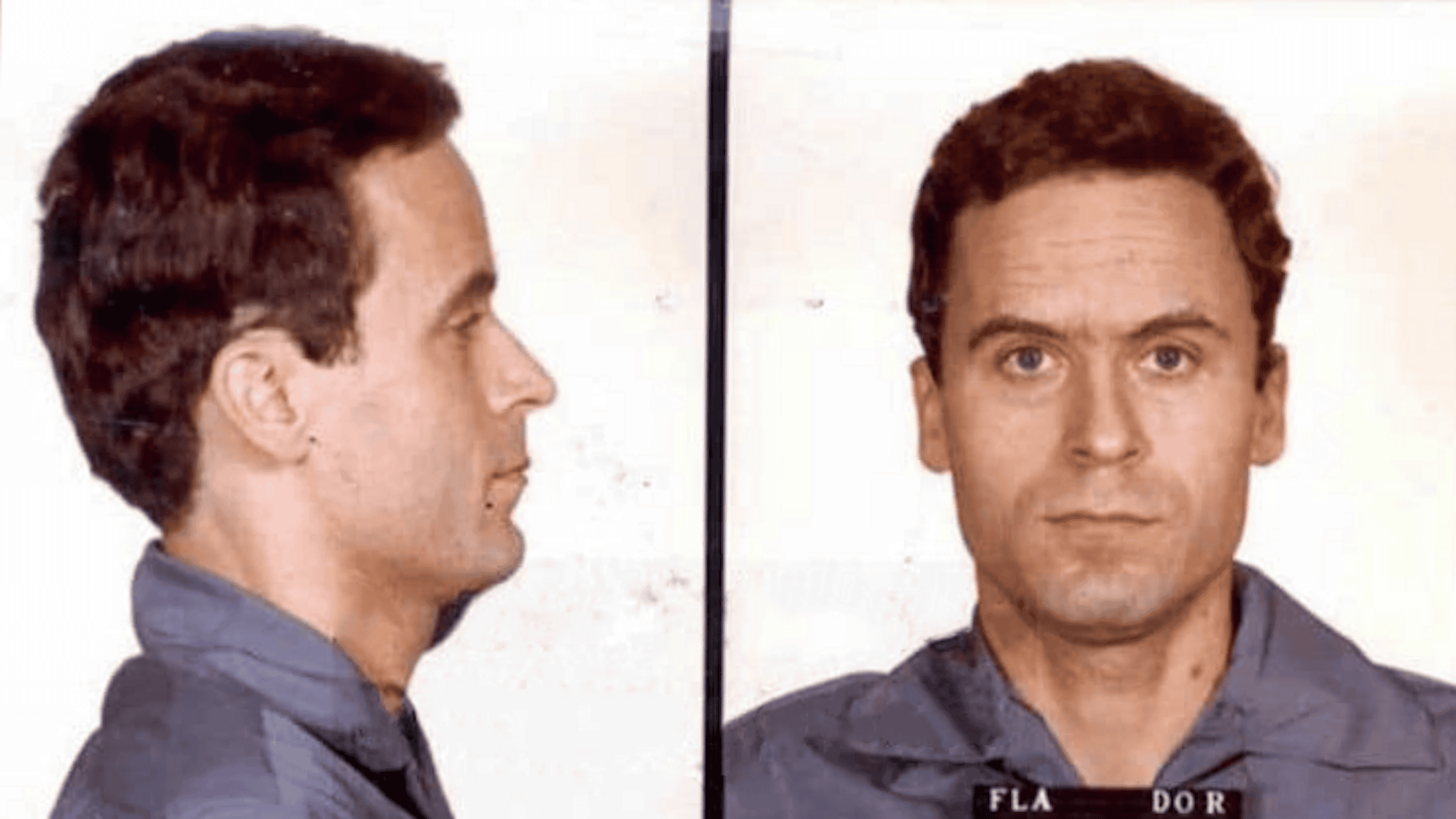
Rader wasn’t the only narcissistic criminal. Serial killer Ted Bundy had a reputation for arrogance, too, although that wasn’t only based on opinion. No, psychologists did an anonymous test on him. Around 95% of those clinicians said he met the criteria for narcissistic personality disorder. 44% considered it a particularly strong example.
You can’t exactly deny that proof. The psychologists said he showed tendencies of arrogance and manipulation, along with exploitation. He was also aggressive and lacked any modesty. Bundy was executed in Florida in 1989.
A starring role after the apocalypse
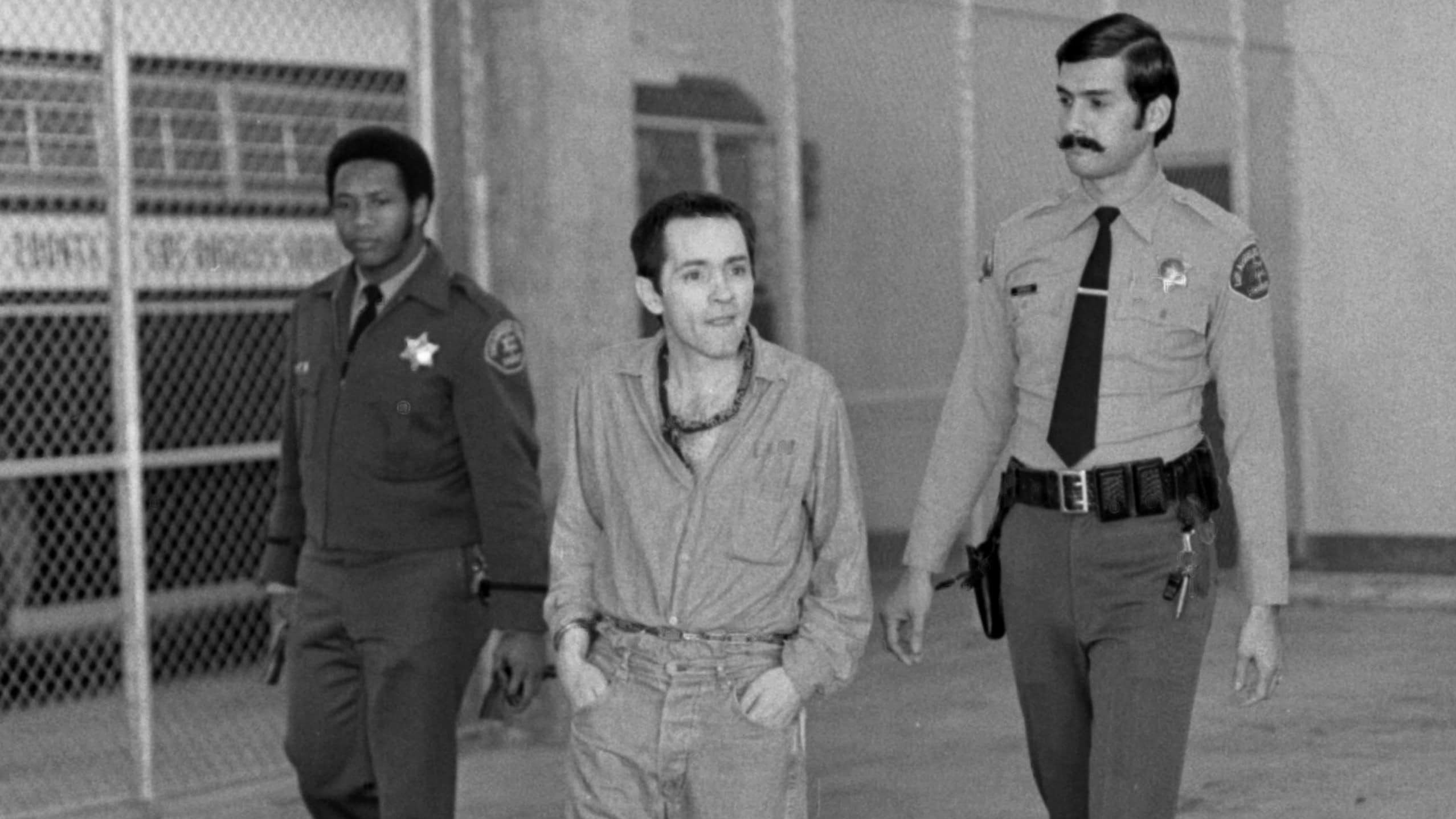
Cult leader Charles Manson told his followers that a massive racial war was approaching, and he claimed the Beatles’ White Album contained messages connected to it. Manson was conveniently the Christ-like figure of it all.
He told his followers that they should hide out while society destroyed itself, then emerge afterward and take control. It was an end-of-the-world story, yes. But it was one where he was the center of everything, because that’s exactly how he saw himself.
One man’s word carried enormous weight

Warren Jeffs became president of the Fundamentalist Church of Jesus Christ of Latter-Day Saints in 2002. His authority ran deep in his followers’ daily lives. Since he was their supreme leader, he could decide who got married and how families were arranged.
He announced in 2004 that 21 men were sinners, and he ordered them away from their homes and families. But it gets worse. Jeffs created a system where anyone disagreeing with him was disagreeing with God’s chosen prophet. He had that kind of power over people.
The lie that was supposed to keep working

Bernie Madoff might not have been a dictator, sure. But he had the confidence of one. He ran a New York investment business for years while secretly operating a Ponzi scheme. It was all built on fake trading records and false account statements.
He had a very grand sense of self, and it seems that he enjoyed tricking people. He also seemed to believe he was smarter than everyone around him. You know, standard narcissistic personality thinking.
Genius came with different rules
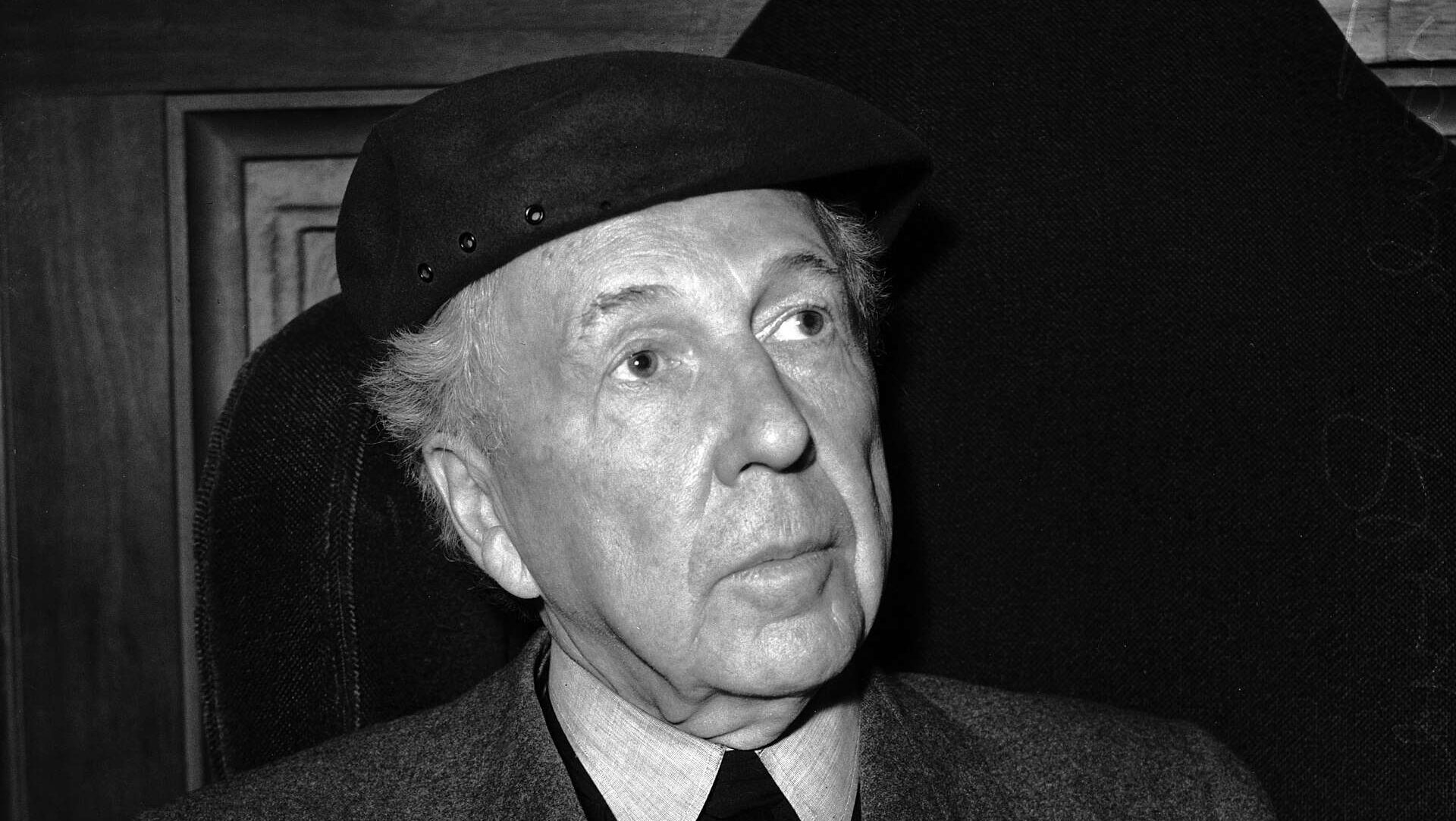
Frank Lloyd Wright knew nothing about low self-esteem. The Wisconsin-born architect created Fallingwater and the Guggenheim, so it’s no surprise that he saw himself as more than talented. He thought that his artistic greatness meant that ordinary rules couldn’t control him.
That kind of narcissism went beyond architecture. Wright left his wife Catherine and their six children in 1909 to travel through Europe with Mamah Cheney, who was married too. He also defended the idea that very creative people should have more freedom. How convenient.
He called himself a superstar

You won’t hear most CEOs placing themselves next to greats like Michael Jordan and Bruce Springsteen. Al ‘Chainsaw’ Dunlap did exactly that. He became famous during the 1990s for slashing jobs and costs at companies including Scott Paper and Sunbeam.
He soon developed a reputation for his arrogance that was as large as the cuts themselves. Yes, he considered himself a ‘superstar performer,’ and argued that people at his level deserved huge compensation. Humility wasn’t really his thing.
The general who wouldn’t stay in line
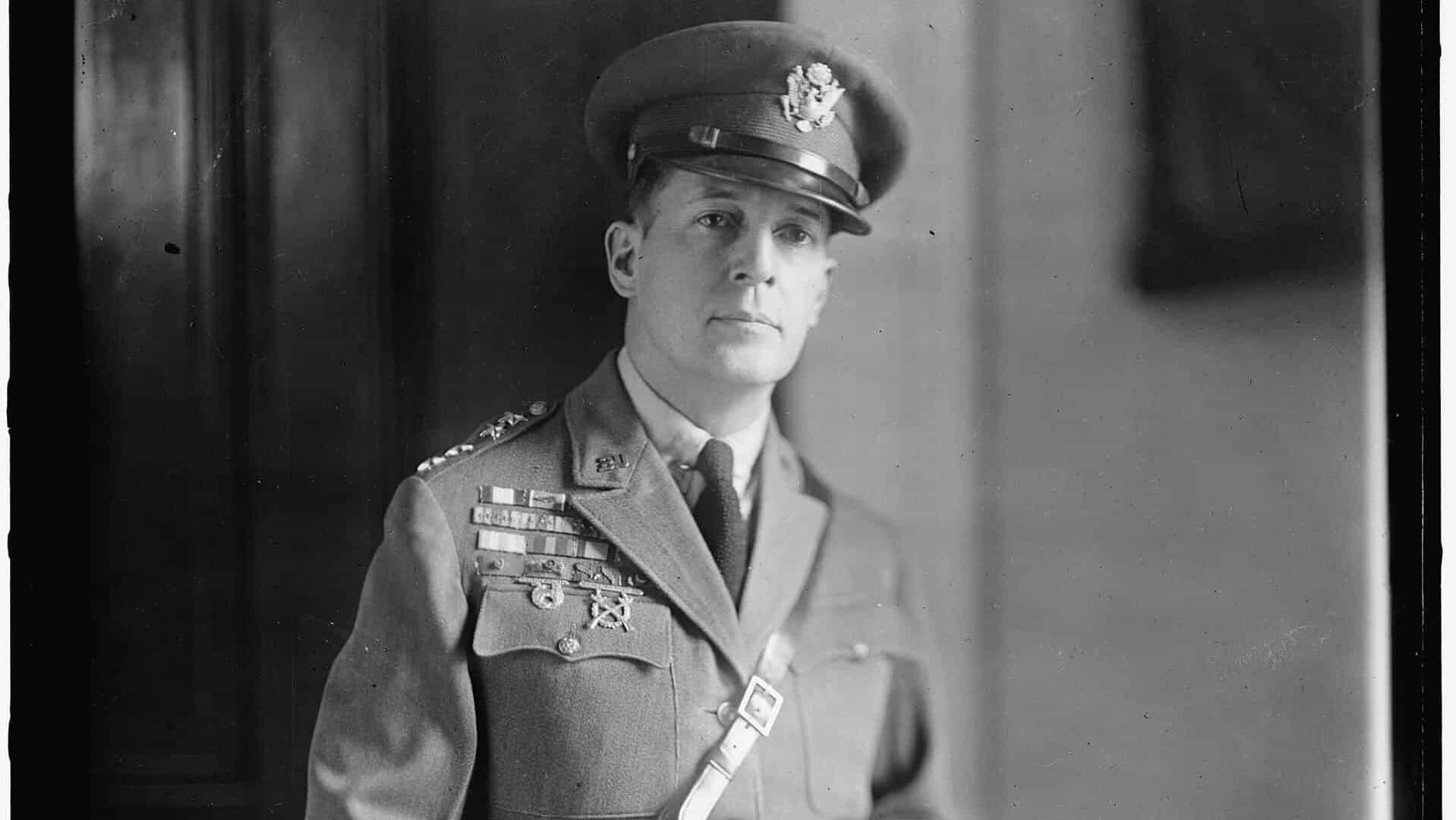
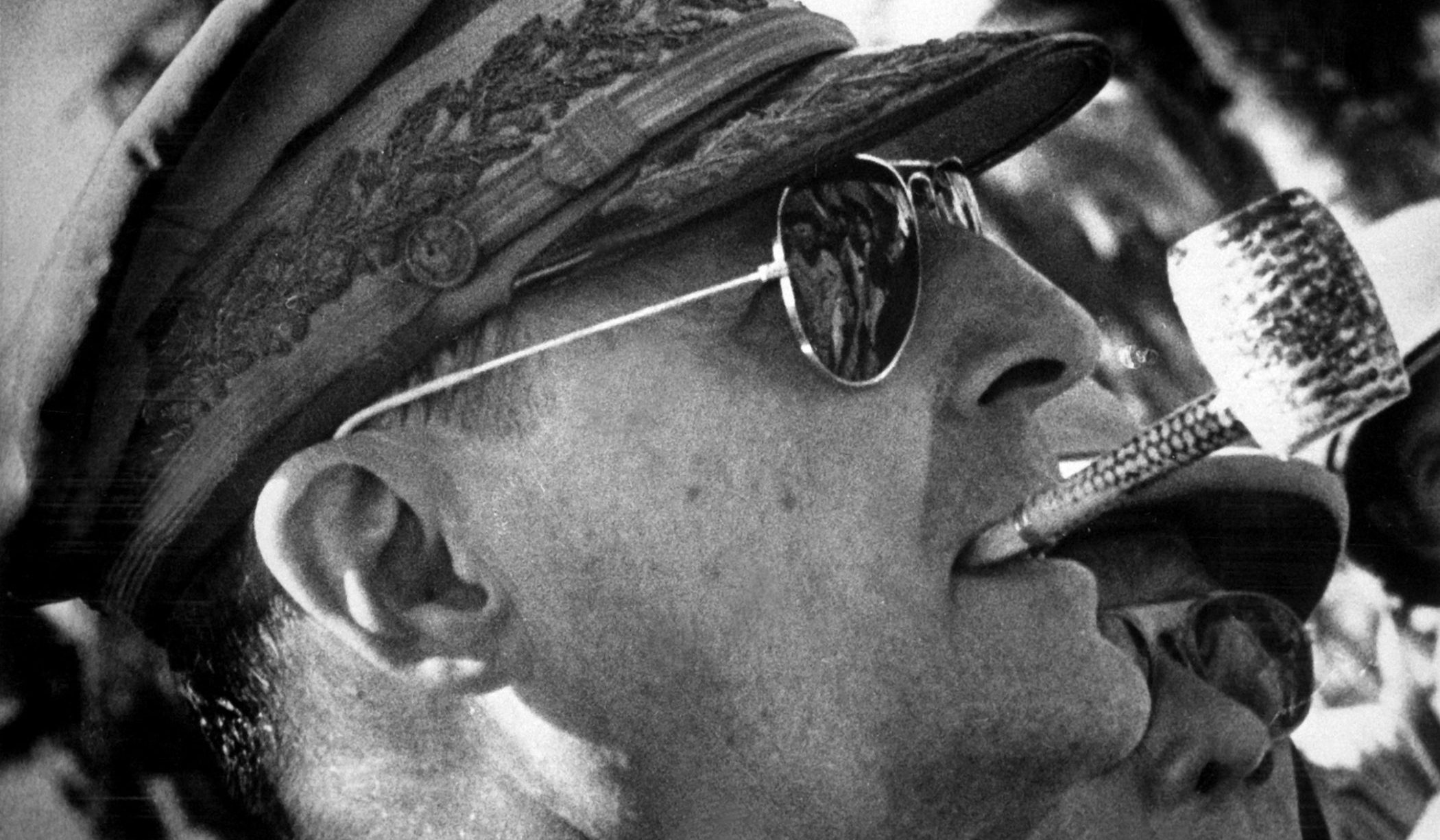
Douglas MacArthur spent many years being treated as one of America’s great military figures. He’d commanded Allied forces in the Pacific during World War II and accepted Japan’s surrender, after all. He came back home with quite an incredible reputation.
But it gave him a bit too much confidence, as he started questioning President Harry Truman during the Korean War. He tried pushing north at Inchon and openly challenged Truman’s limits. Eventually, Truman fired him because MacArthur was so sure he was right.
Sources: Please see here for a complete listing of all sources that were consulted in the preparation of this article.