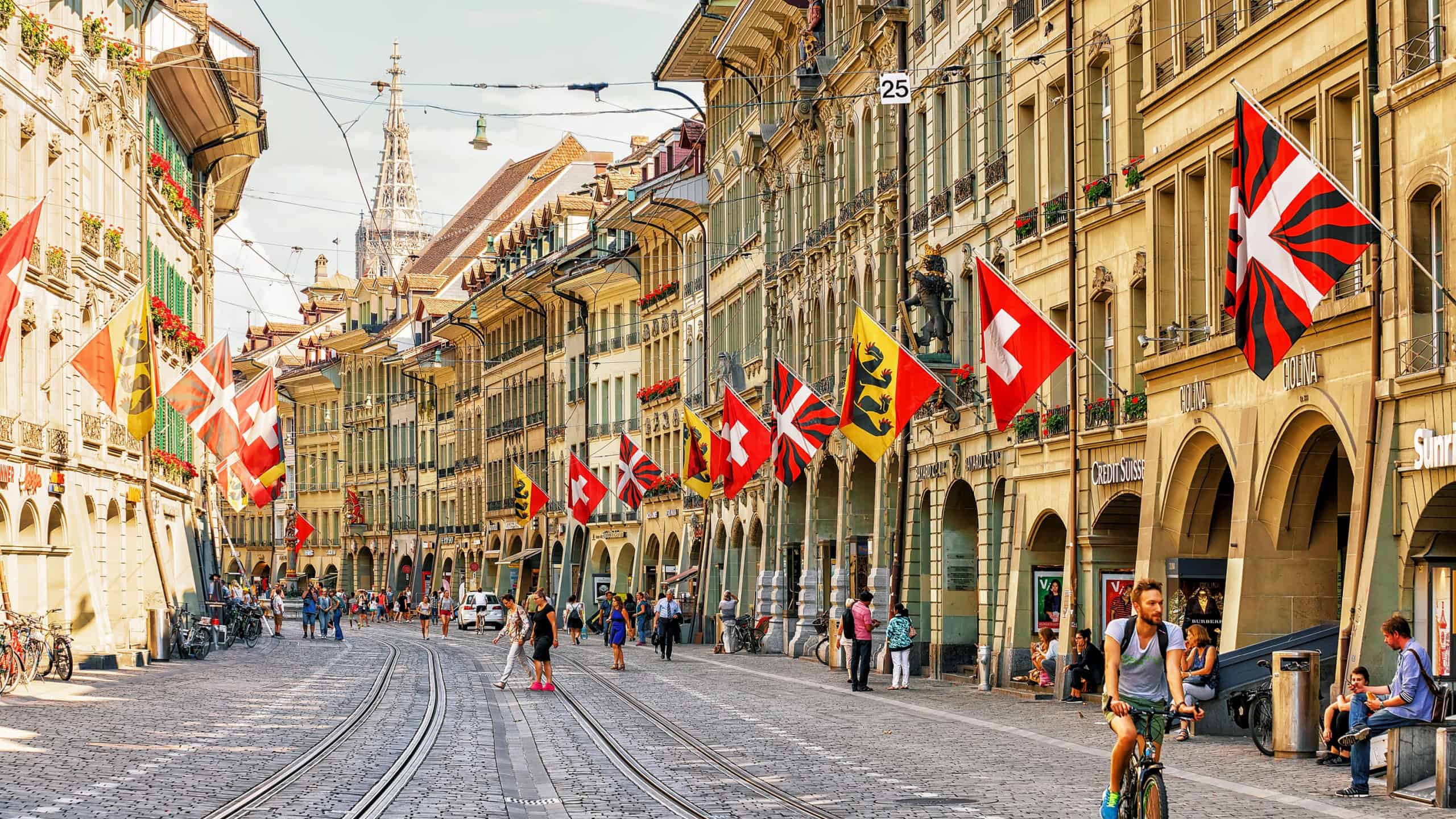
Ranking countries on everything from urban air quality to clean drinking water, the world’s Environmental Performance Index (EPI) determines who’s helping save the Earth.
Estonia
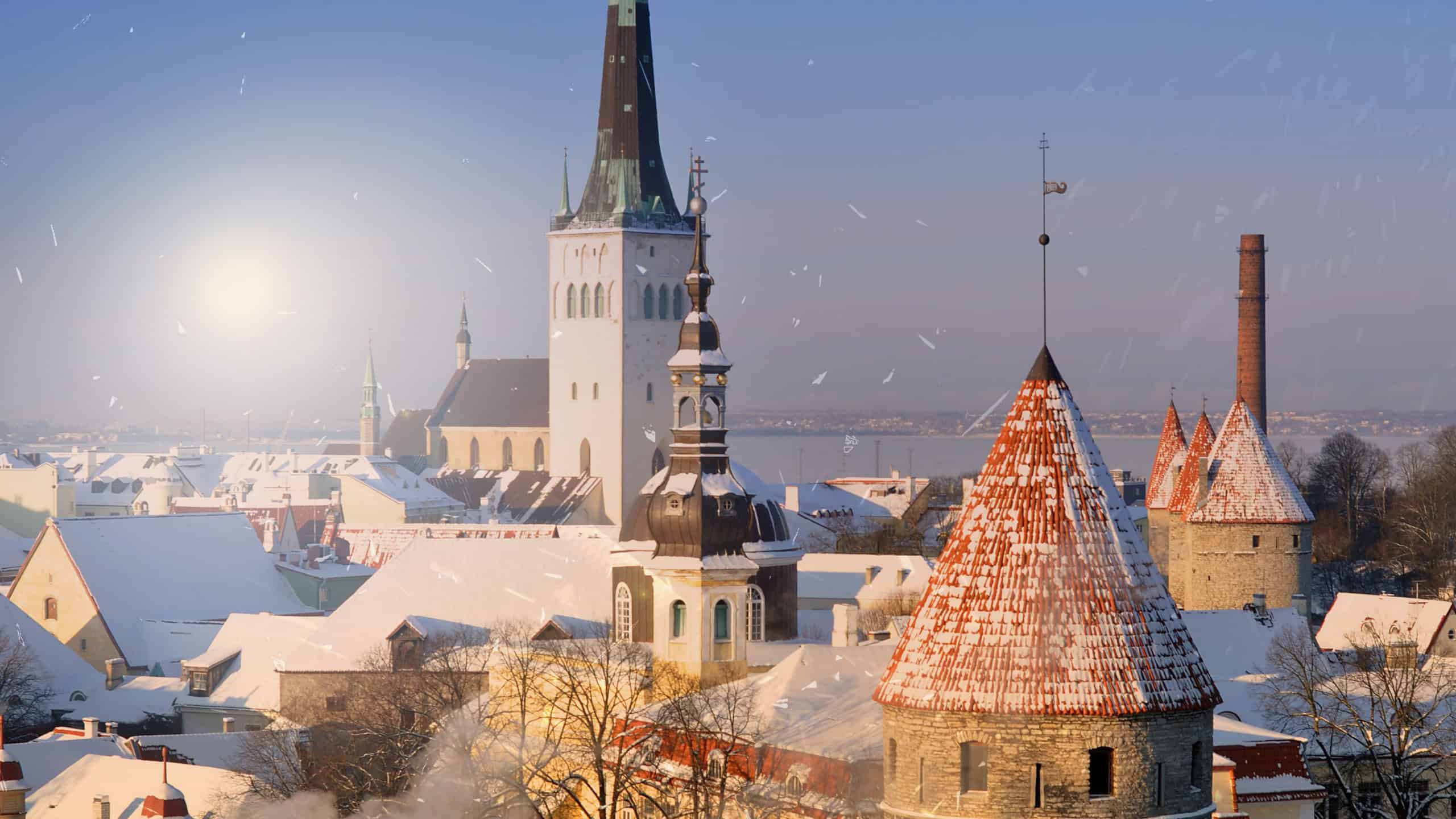
Estonia ranks number one as the world’s cleanest country. This small European country has some of the cleanest air in the world and great environmental policies in place. Half of the country is covered in forests and has rapidly moved from oil shale industries to clean, renewable energy and eco-friendly digital infrastructure. It’s one of the only countries reducing greenhouse gas emissions quickly enough to meet net-zero goals.
Luxembourg
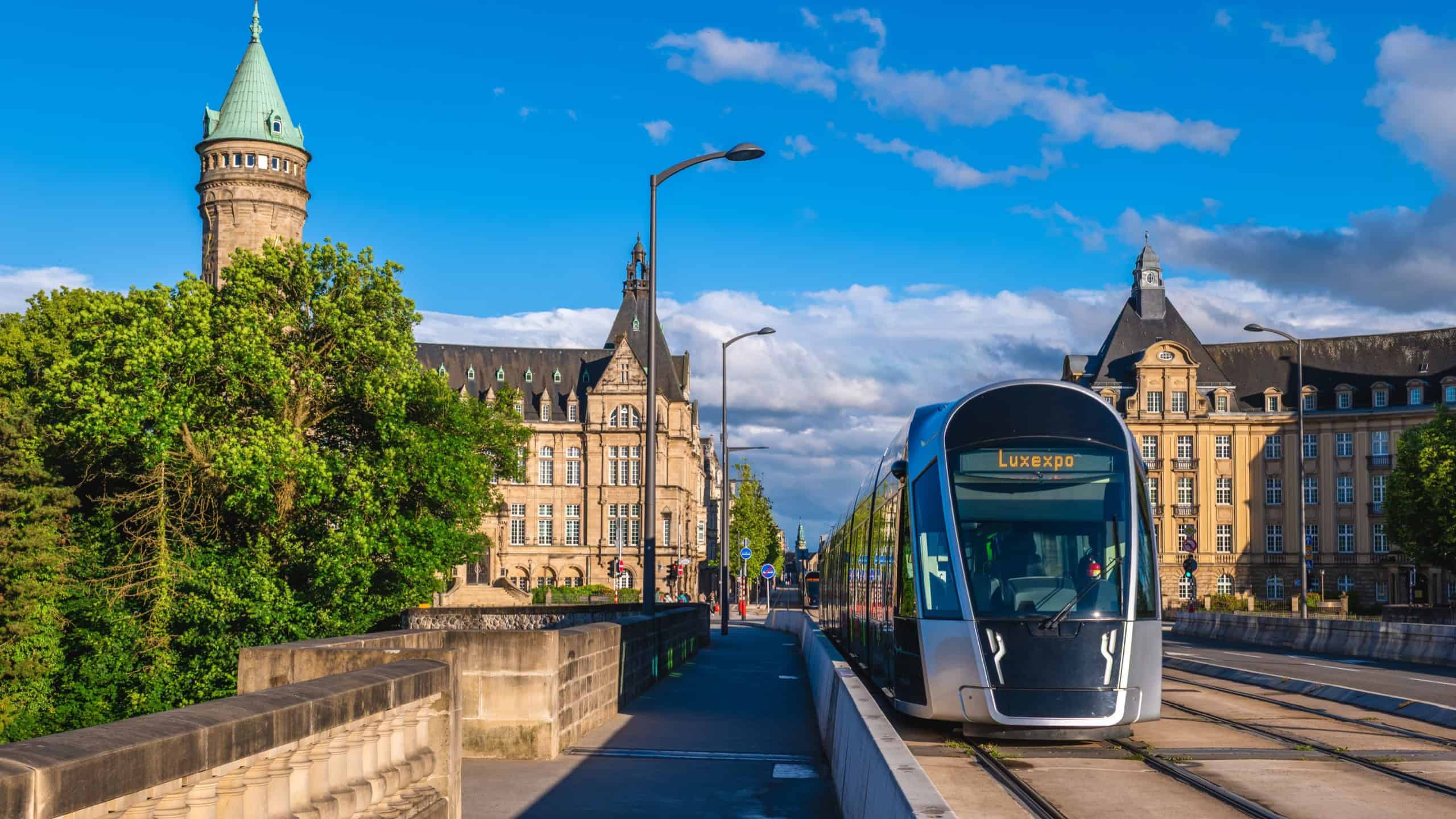
Luxembourg is a small country that shows you can still have high rankings with high population density and a major financial center. The country has perfect scores for access to drinking water and sanitation and spends €100 million per year on climate initiatives.
Luxembourg keeps its air pollution low by making all public transportation fare-free throughout the country and offering subsidies for electric vehicles.
Germany
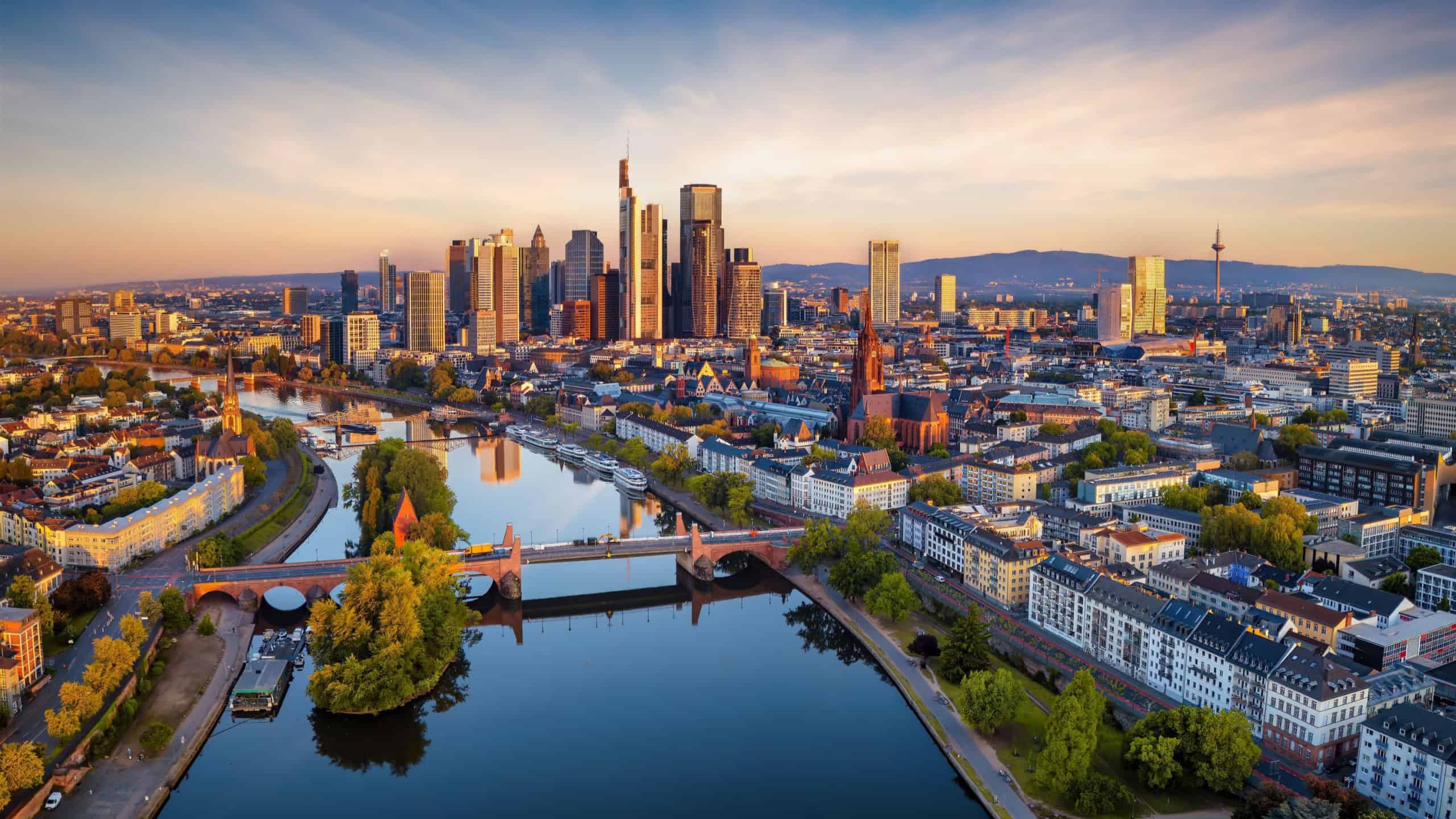
Engineering efficiency and stringent environmental laws allow Germany to have the most advanced waste management system in all of Europe.
The country recycles 67% of its municipal waste and has transformed its power grid with the Energiewende (energy transition) project, resulting in almost 50% of its electricity coming from renewable energy.
Finland
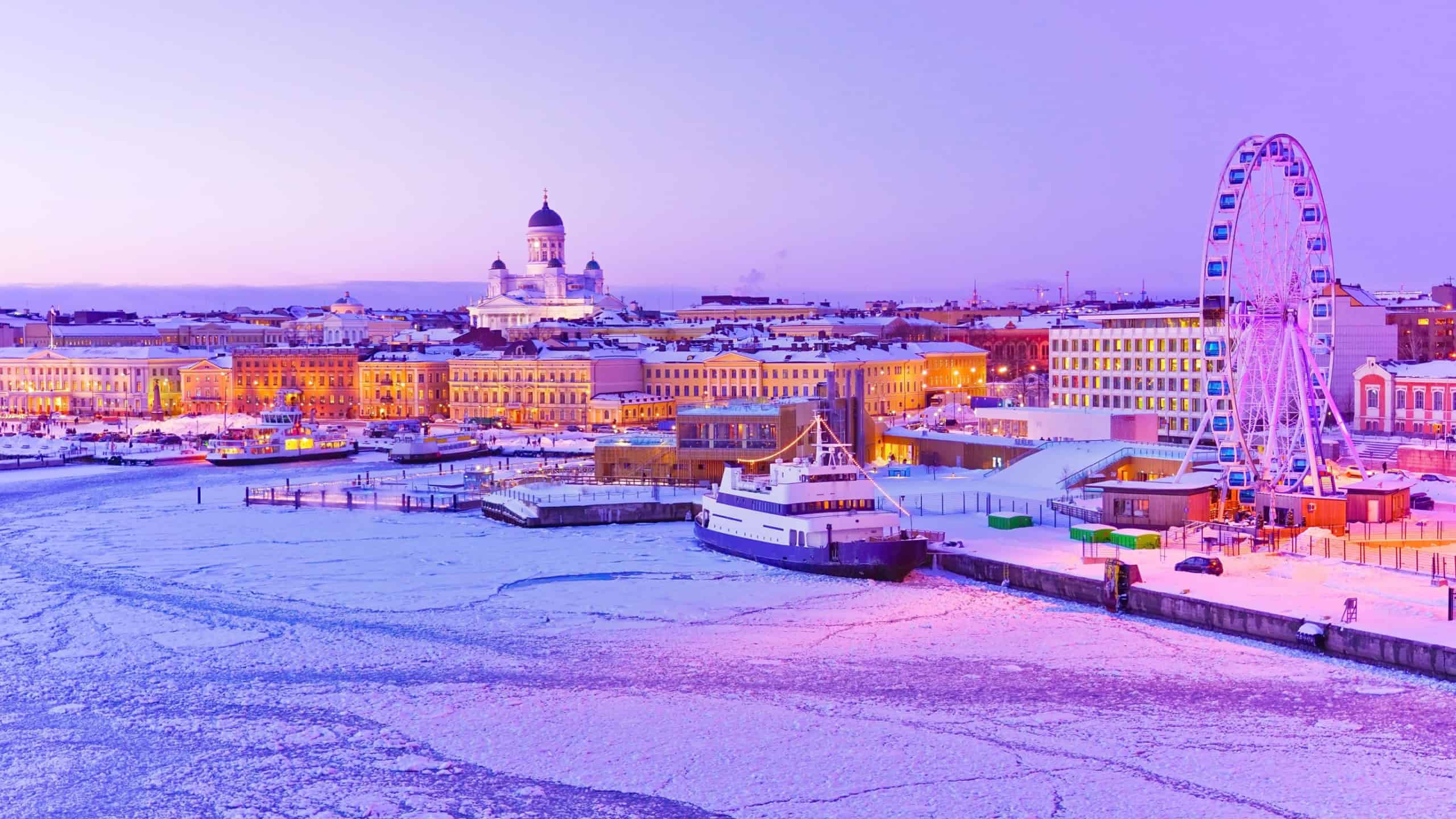
Finland isn’t called the “land of a thousand lakes” for nothing. The country has the purest freshwater supply and lowest air pollution levels on the planet.
75% of the country is covered in forests harvested sustainably for fuel, while half of Finnish buildings are heated with renewable biomass district heating systems. A national culture dedicated to protecting nature helps keep Finland’s environment nearly spotless.
United Kingdom
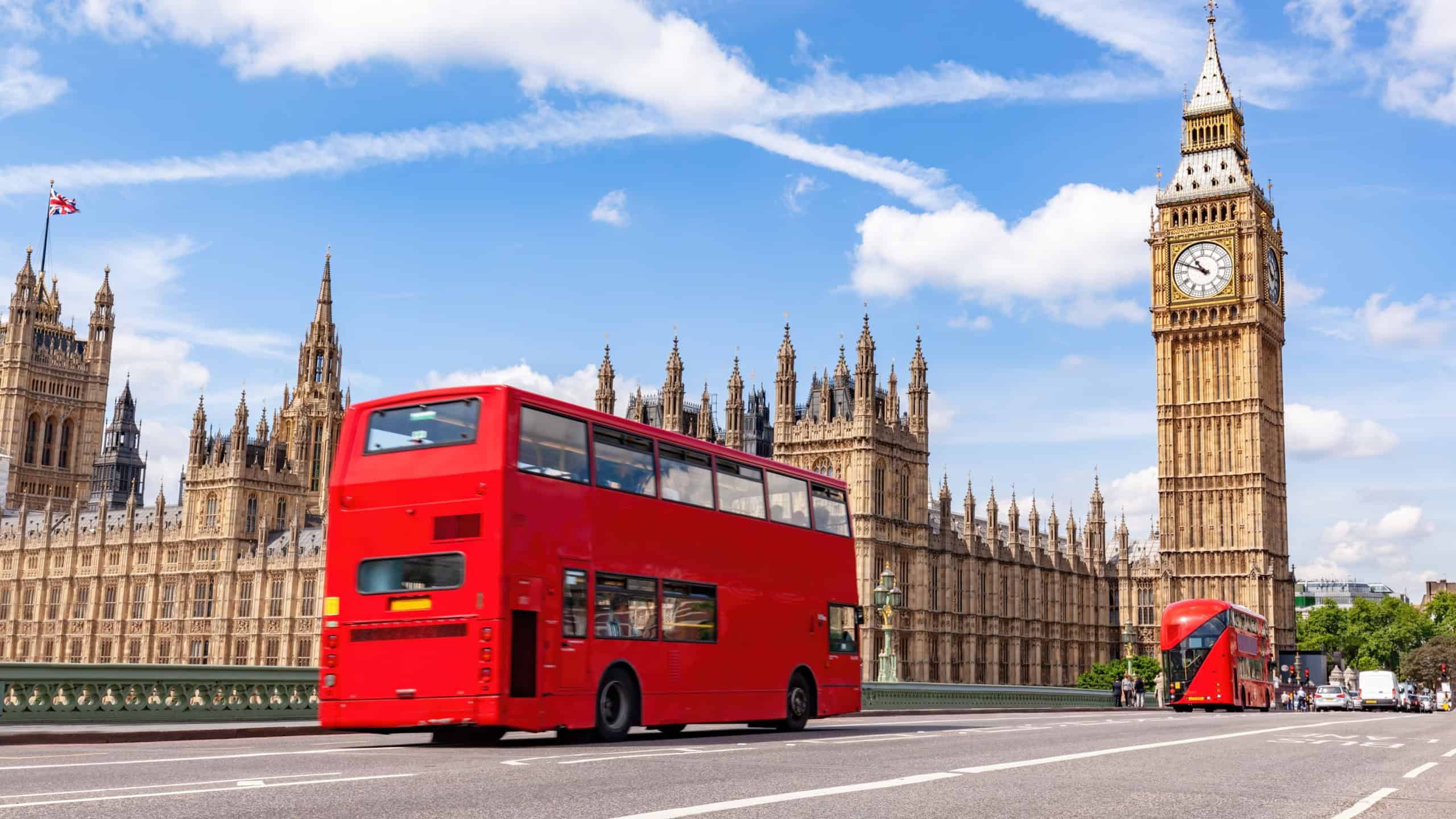
Birthplace of the Industrial Revolution, the UK has made a full-circle transition towards green energy. The country recently shut down its last coal-fired power station, instead investing billions in cleaning up its environment and erecting colossal offshore wind turbines that supply about 30% of the nation’s electricity.
Strict laws regulating air pollution in cities, including larger low-emission zones in London, have transformed the country’s skyline.
Sweden
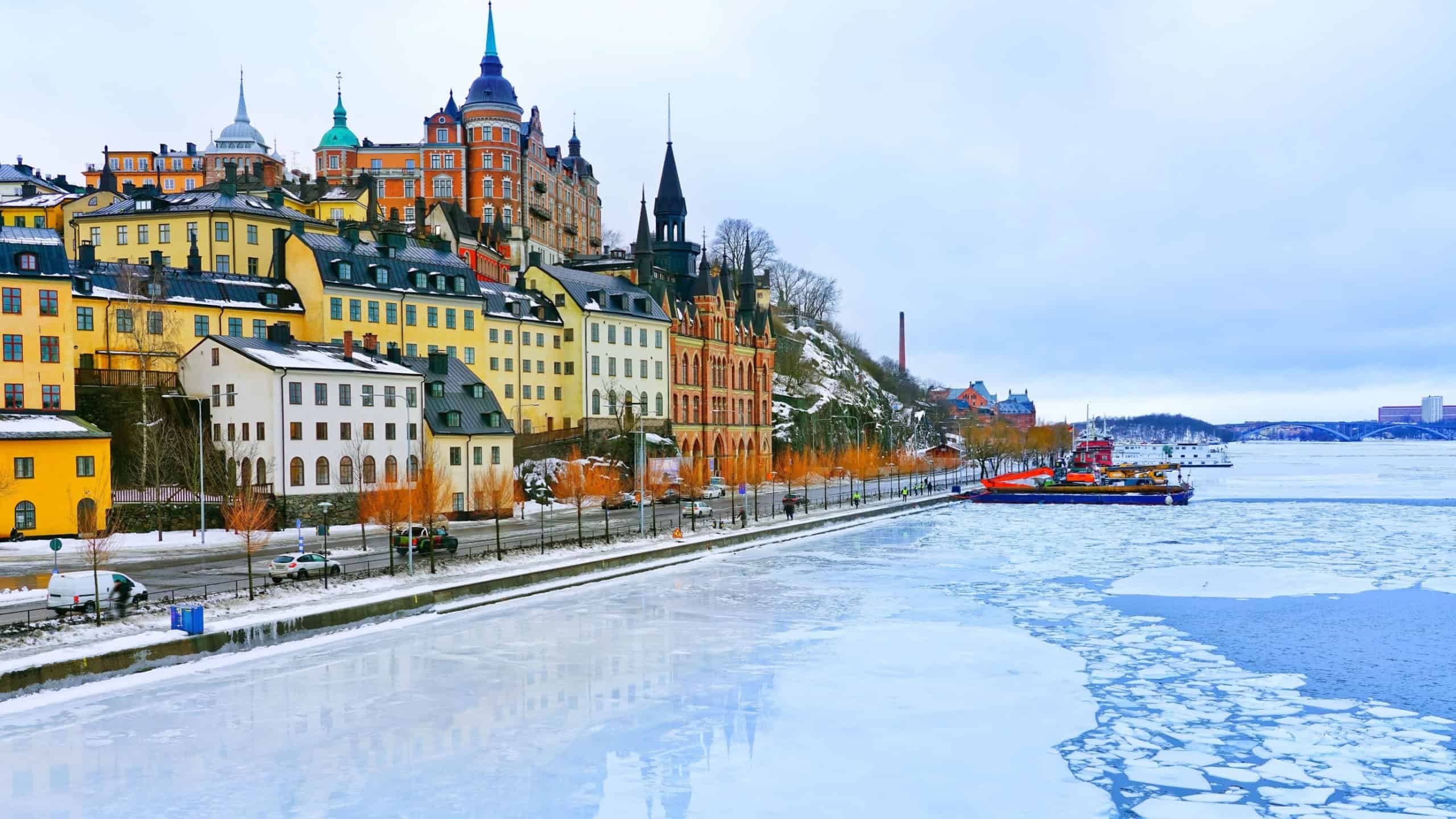
Sweden is one of the world’s leading countries when it comes to low-carbon living and circular economic models. Sweden produces incredibly low levels of landfill waste.
The minority of waste that can’t be recycled is instead transformed into heat and energy for millions of homes through an advanced waste-to-energy program. Alongside nearly perfect sanitation rankings, Sweden’s cities and countryside remain fiercely unpolluted.
Norway
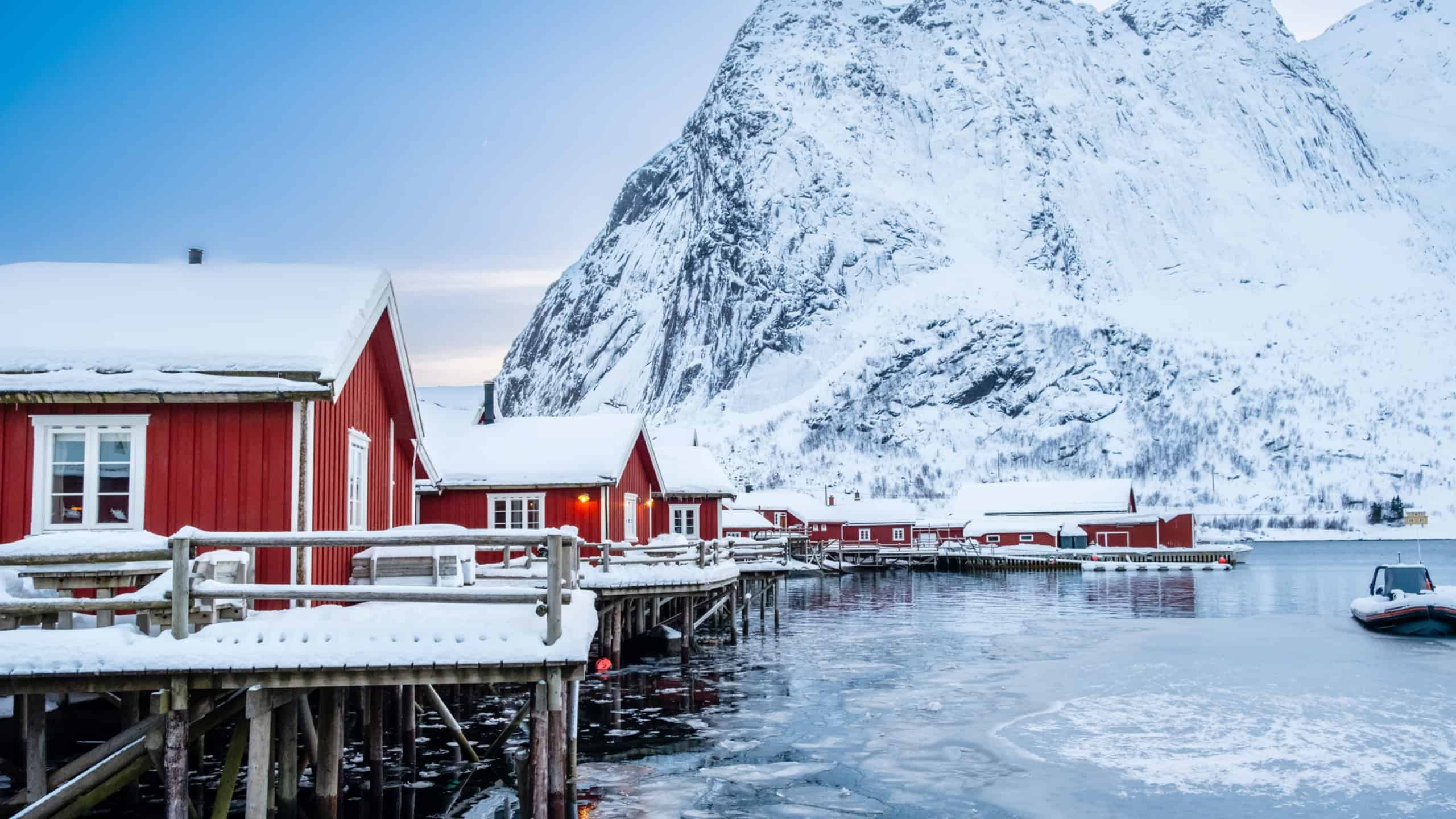
Norway safeguards its majestic fjords and mountains with rigorous environmental policies and significant green investments. With nearly all of its domestic electricity produced by clean hydropower, Norway has invested significantly in making transport emissions-free.
Austria
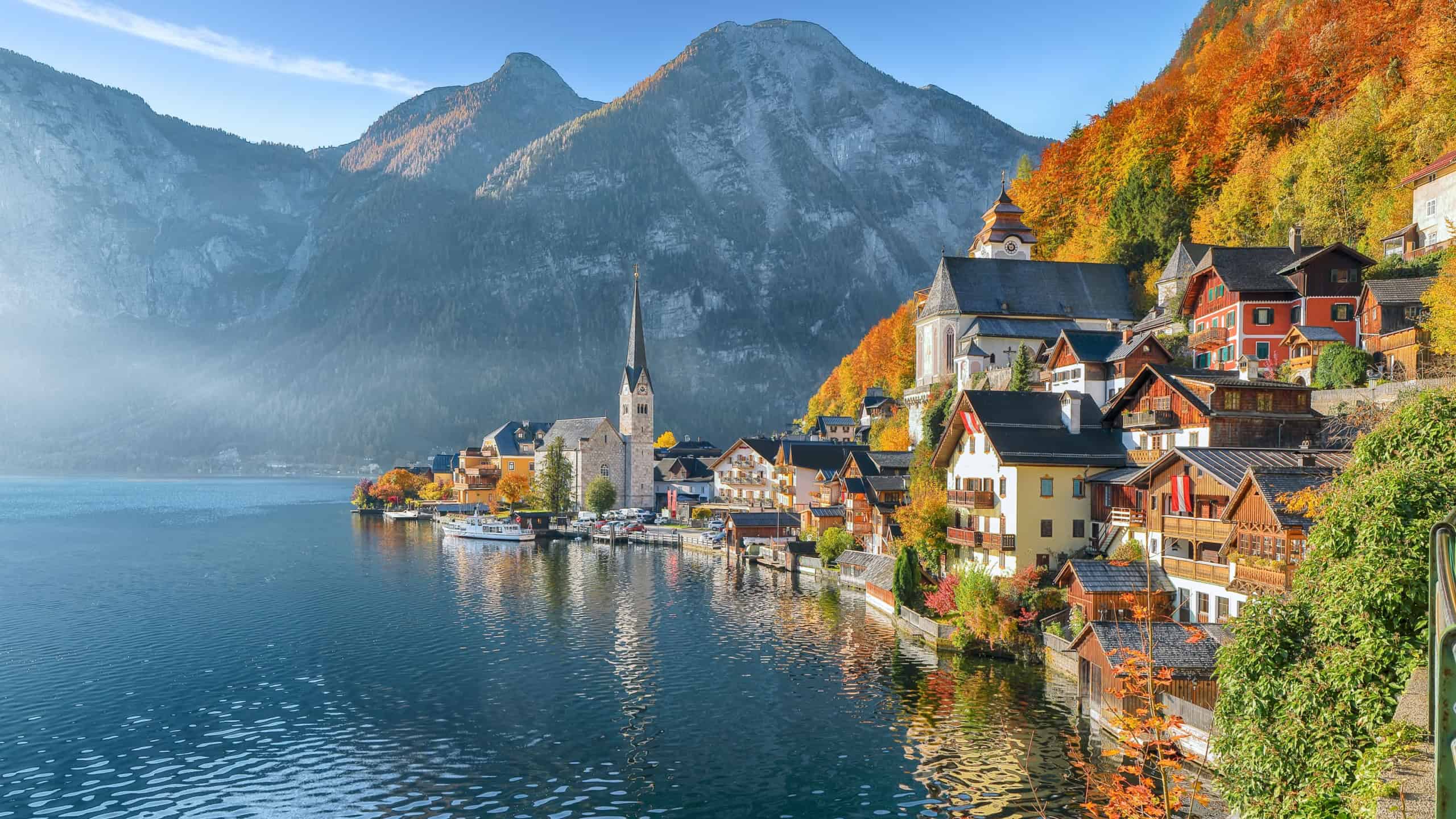
The Austrian landscape stays beautiful thanks to some of Europe’s toughest regulations on waste management and chemical use. Austria keeps pollution from littering and agriculture out of its fragile alpine ecosystems by restricting pesticide use. It works hard to preserve eco-friendly agriculture and maintain the unique landscapes found throughout the country.
Switzerland
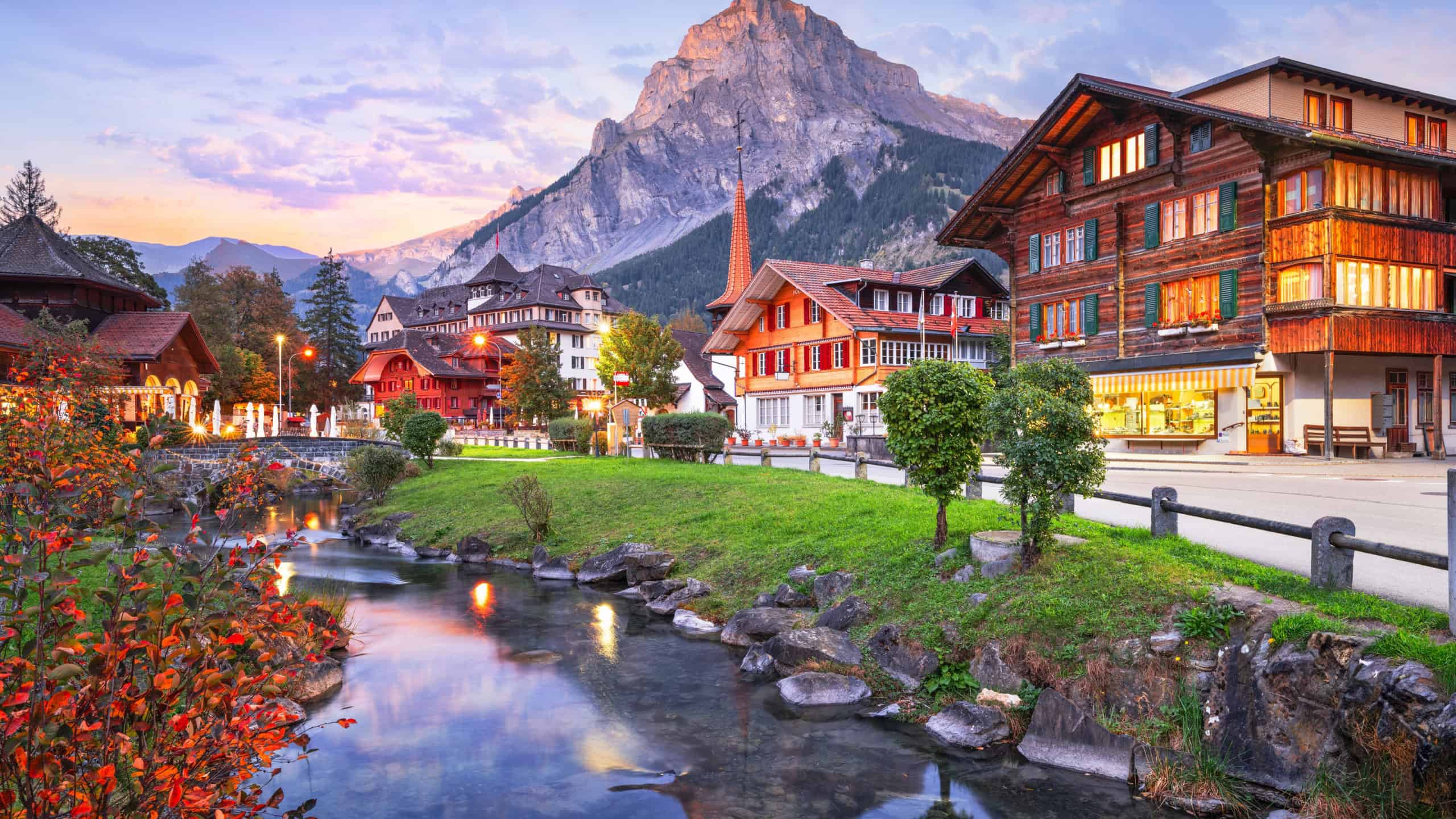
Switzerland has some of the cleanest streets and purest tap water (straight from the Alps) in the world. This is in large part due to hyper-local government mandates. Tax paid per trash bag encourages astronomically high recycling rates. Strong public transportation and stringent clean-air legislation keep pollution out of their scenic mountain valleys.
Denmark
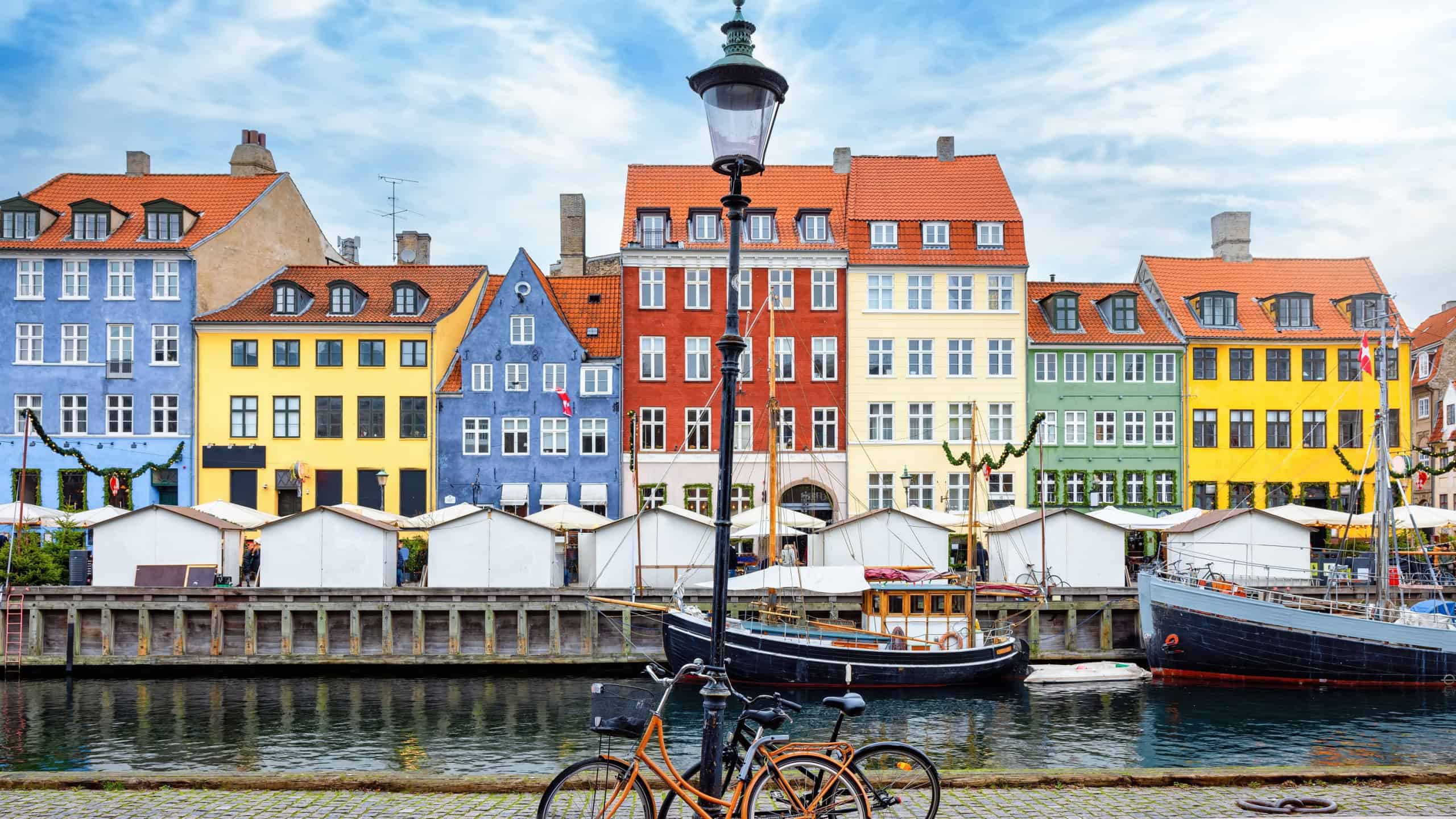
Denmark is a longtime leader in eco-friendly policy, powered by robust wind initiatives and forward-thinking carbon-cutting goals. The Danish government has passed an ambitious circular-economy action plan with the goal of recycling or reusing 65% of municipal waste. In addition, Denmark’s cities are bicycle-centric, helping to keep its bustling urban centers quiet and litter-free.
Greece
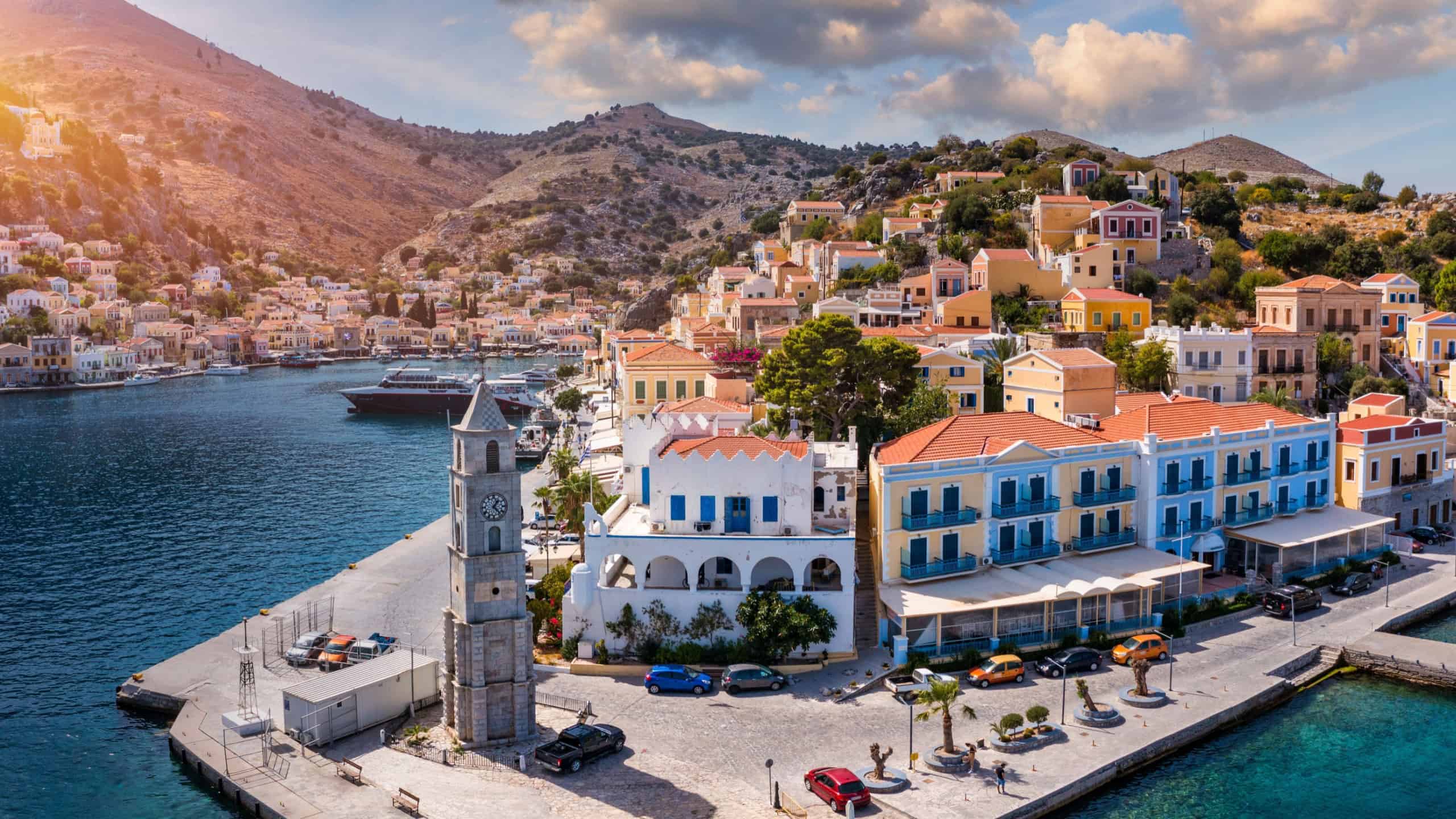
Greece has seen huge leaps and bounds in environmental performance and ocean health over the past decade. The country has dramatically cleaned up its waterfront areas, increased the amount of ocean under protection, and systematically shut down old, polluting facilities. It has seen one of the greatest increases in environmental rankings globally.
Sources: Please see here for a complete listing of all sources that were consulted in the preparation of this article.
Like our content? Be sure to follow us.