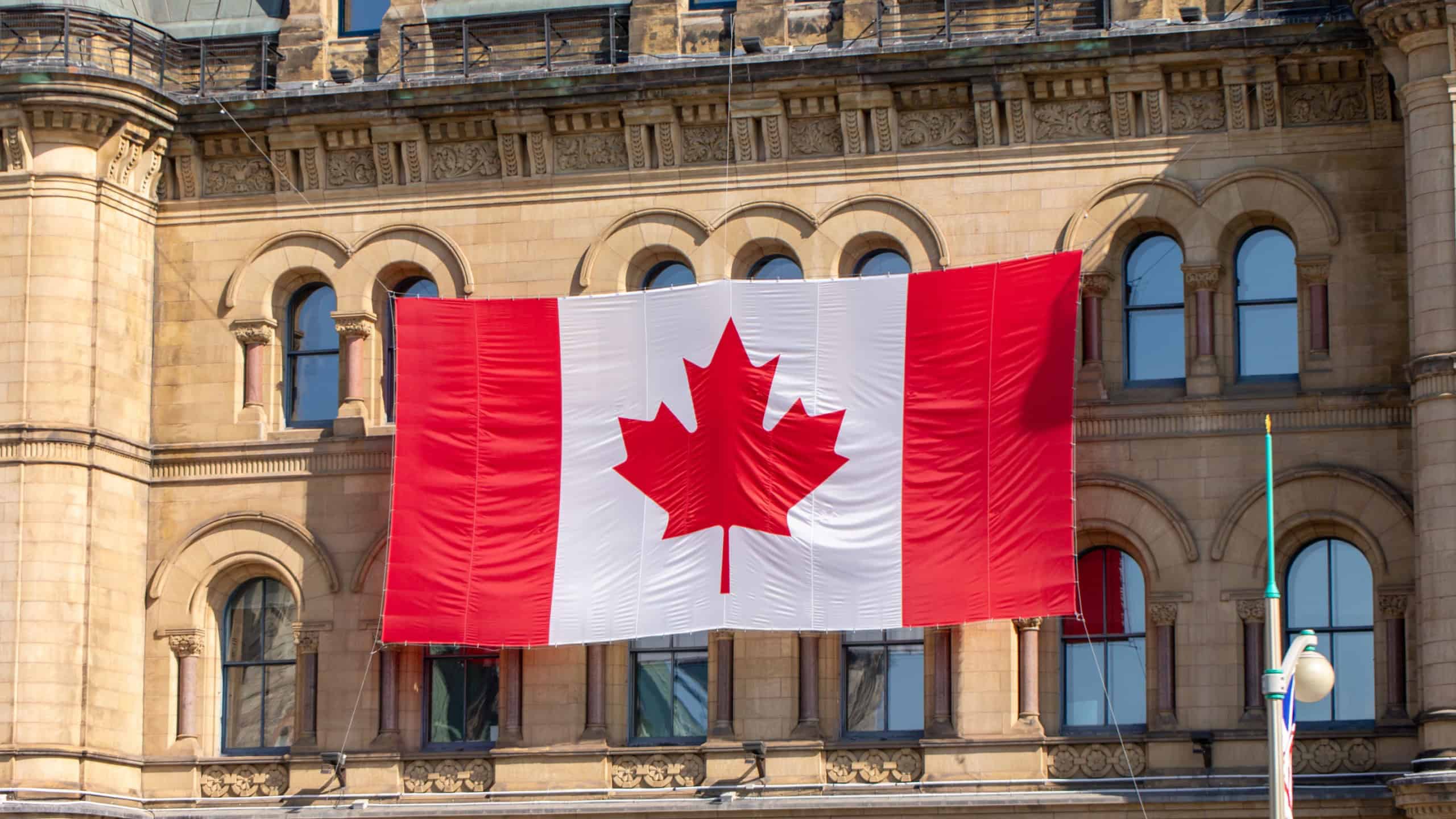
Canada may seem familiar to many people, but our country is filled with surprising history, strange records, and fascinating facts that most visitors never expect.
Name origins

The name “Canada” originated from the Indigenous St. Lawrence Iroquoian word “kanata,” meaning “village” or “settlement.”
French explorer Jacques Cartier, visiting the area in the 1500s, heard some local people use the word to refer to their own village near what is now Quebec City. Cartier eventually began to use the word “Canada” to refer to the area around the village as well. Gradually, this name spread until it became used for the whole country.
Ocean borders
Canada has the longest coastline of any country in the world: it spans over 202,080 kilometres (125,567 mi).
If you travelled Canada’s coastline from beginning to end, without stopping, it would take you approximately four years. Bordering three oceans, the Atlantic, Pacific, and Arctic, Canada has over 50,000 islands.
Freshwater superpower
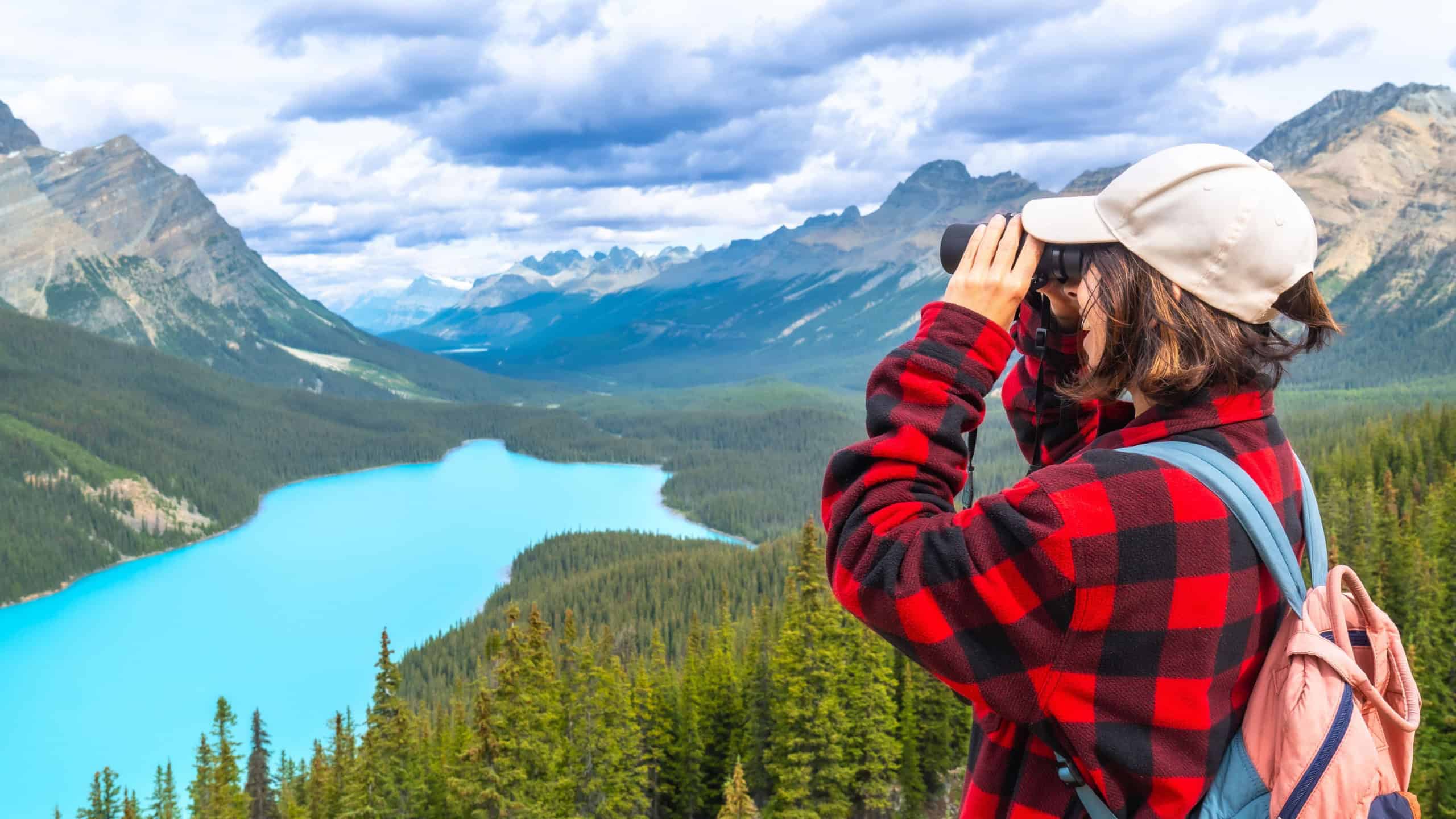
Canada clearly leads the world in freshwater supply. It has over 3 million lakes (that’s more than the rest of the world combined).
About 9 percent of Earth’s renewable freshwater resources are found in Canada, and over 60 percent of the world’s area of lakes (greater than 0.1 square kilometres) exists on Canadian soil.
Santa mail

Canada is home to possibly the most recognized postal code in the world. H0H 0H0 is Canada’s official postal code for Santa Claus.
Children from across the globe send thousands of letters to Santa via Canada Post every year. Volunteers take the time to respond to many of these letters. The postal code was chosen because it resembles “Ho Ho Ho”.
Gravity deficit
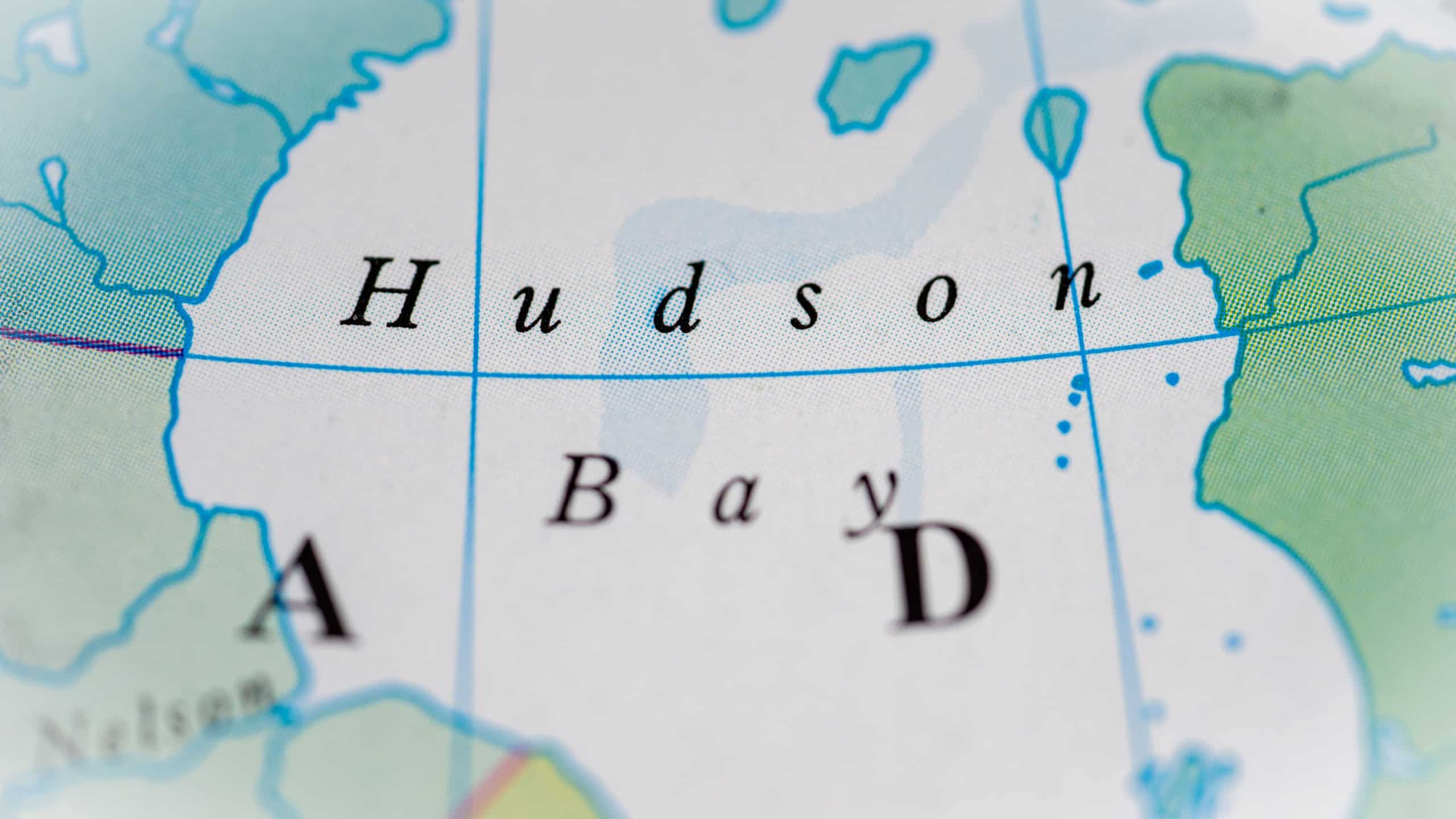
Earth’s gravitational field is weaker over Hudson Bay than average. This oddity of science has mystified researchers for years. Scientists using satellite measurements have discovered that there are two reasons for weaker gravity.
One reason is the giant hole in the Earth’s crust left behind when the Laurentide Ice Sheet pressed down on the land 20,000 years ago. The other reason is caused by mantle convection far below the surface, as cold dense material sinks toward the core.
UFO pad

The Canadian town of St. Paul, Alberta, wanted to do something unique in honor of Canada’s centennial back in 1967. They built the world’s first official UFO landing pad.
The weight-bearing concrete slab tips the scales at over 130 tons and comes complete with a plaque encouraging extra-terrestrial visitors to touch down. Apparently built in good jest, the UFO landing pad quickly became a hotspot for viral attention.
Vast size
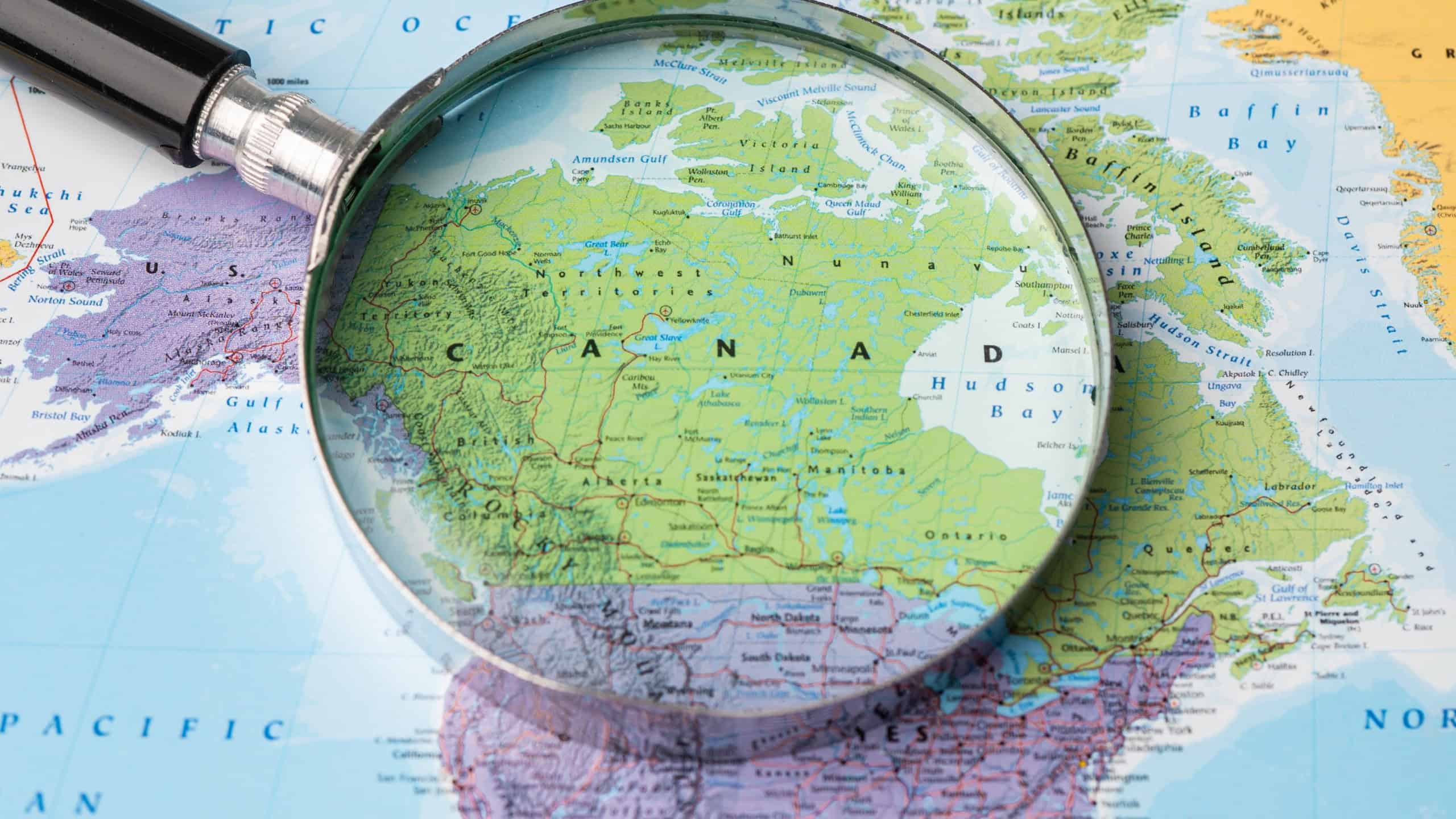
Canada is the world’s second-largest country by total area (after Russia). It extends from the Atlantic Ocean in the east to the Pacific Ocean in the west, and northward into the Arctic Ocean.
With its vast area, Canada is home to many diverse landscapes: from mountains and forests to prairie, tundra, and coastal areas. Despite Canada’s large area, much of it is sparsely populated; most Canadians live near the Canada–United States border.
Hawaiian pizza

The debate over pineapple on pizza started at a diner in Chatham, Ontario in 1962.
Sam Panopoulos, a Greek immigrant, was tending bar at The Satellite Restaurant. Hoping to spruce up his menu, Sam decided to throw some canned pineapple on top of a ham pizza one afternoon to see if anyone would order it.
After playing with the sweetness-and-savory flavor combo, Panopoulos dubbed it “Hawaiian Pizza” based on the brand of canned pineapple he happened to have that day and pizza history was made.
Snake swarms
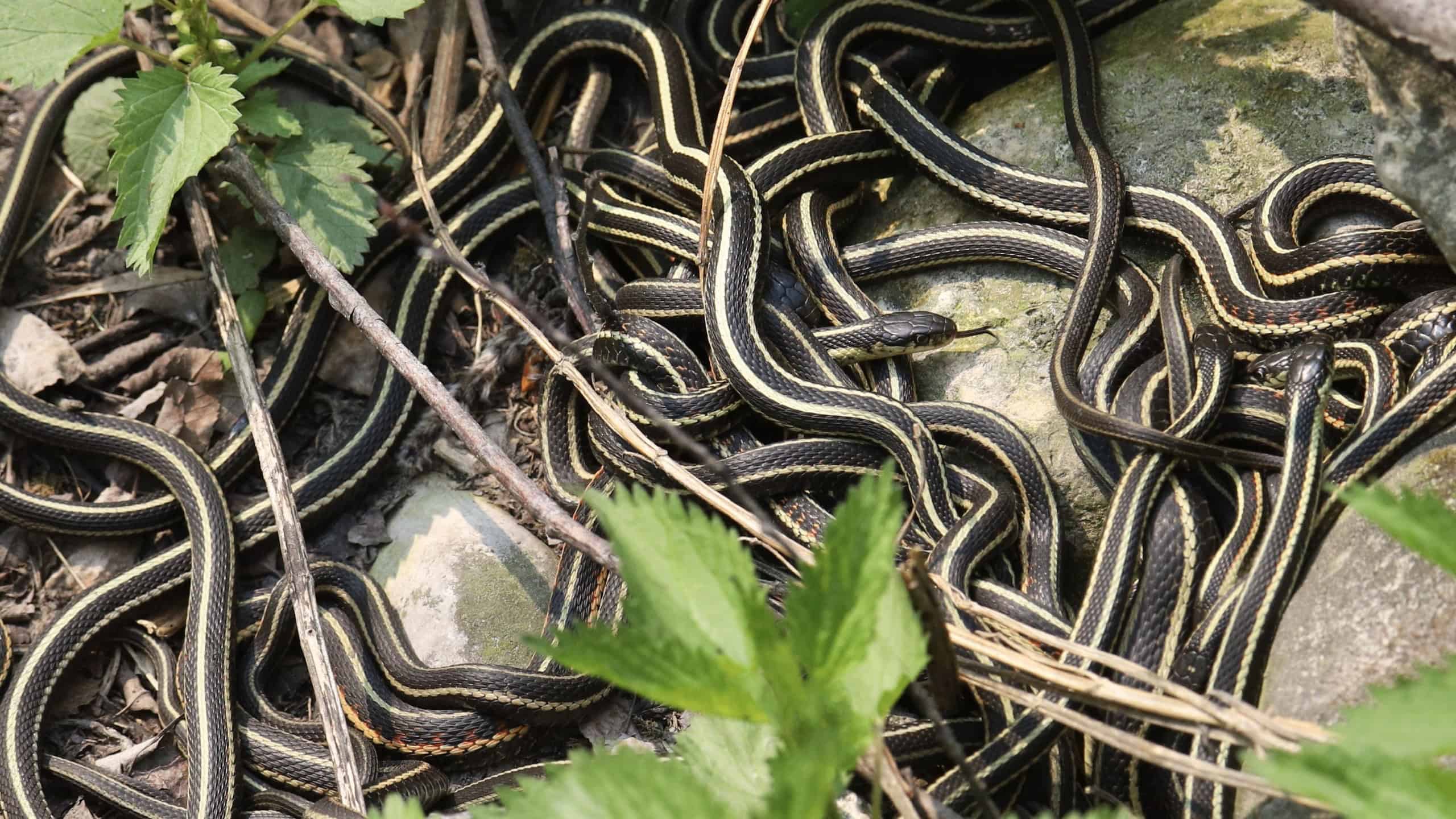
The world’s largest aggregation of snakes occurs deep in the countryside of Narcisse, Manitoba. Each spring, following the melt of the winter ground, over 70,000 red-sided garter snakes emerge from enormous underground limestone caves and converge upon one location to mate.
The density of snakes creates a surreal scene attracting thousands of scientists and tourists annually.
Polar bears
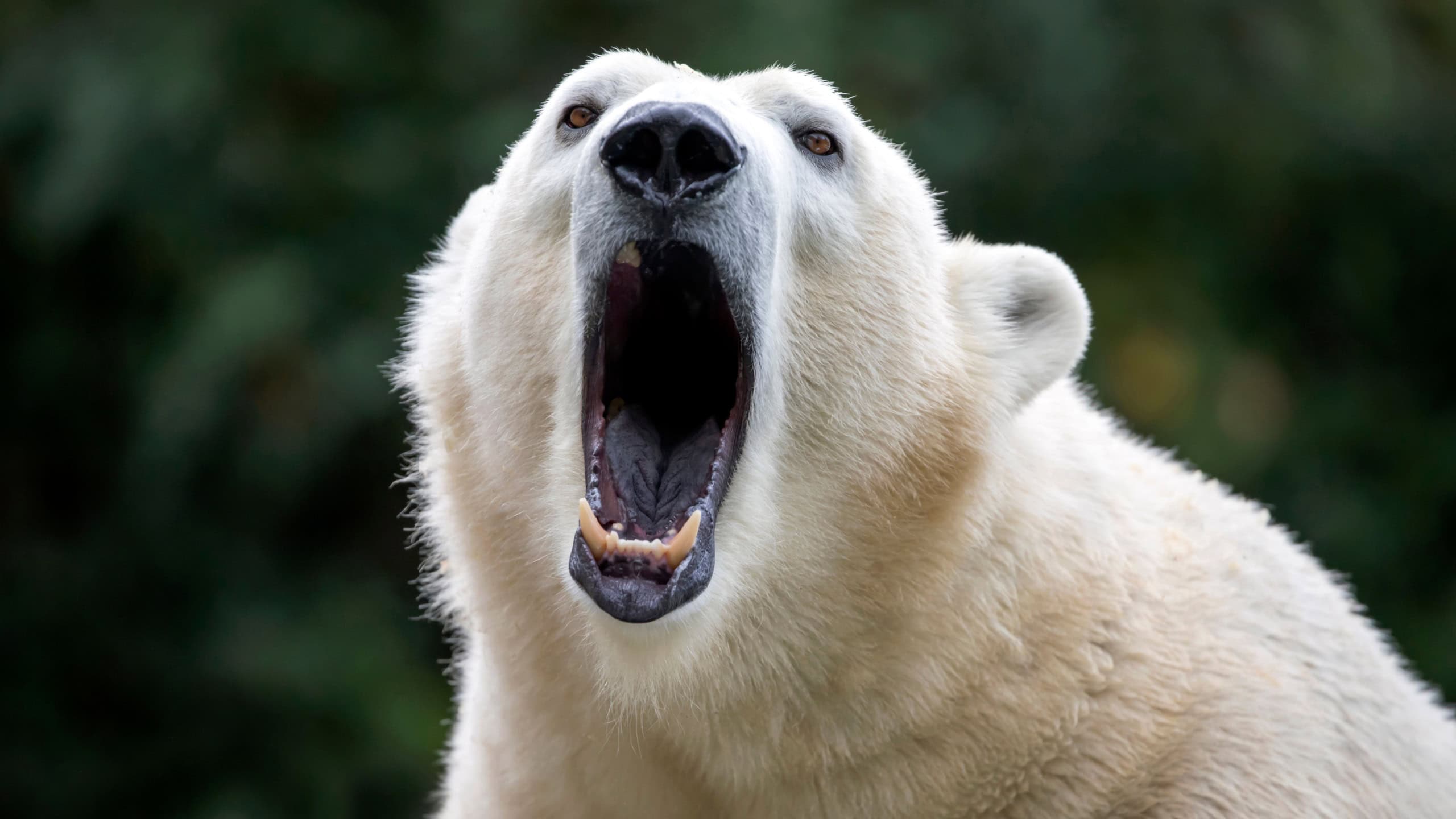
Churchill, Manitoba, has been nicknamed the polar bear capital of the world. Each fall, polar bears congregate outside of town while waiting for the Hudson Bay to freeze over.
This allows them to go back out hunting seals. Visitors from across the globe come to Churchill to view these magnificent creatures from safe distances within designated tundra vehicles.
Beaver dam
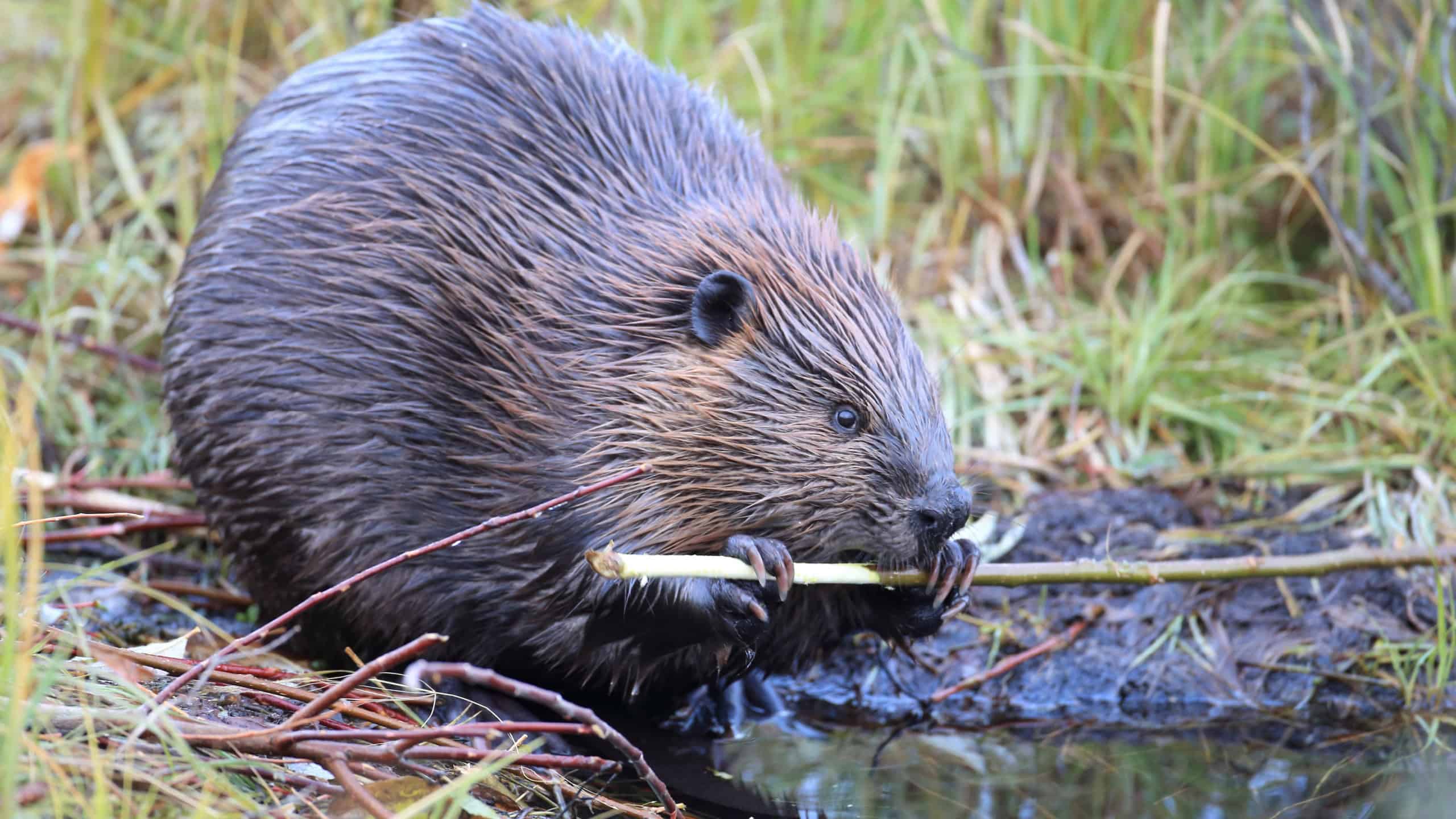
Did you know that Canada is home to the world’s largest known beaver dam? It was recently discovered in a remote region of northern Alberta.
In fact, the dam is so large that it can be seen from space. It stretches across hundreds of meters. Over the years, many generations of beavers worked to build this incredible structure.
Beaver dams create wetlands that are home to fish, birds, and countless other animals. That’s why beavers are thought to be one of Canada’s most valuable creatures when it comes to its ecosystem.
Dual sports

Although ice hockey is an important part of Canadian culture, the sport technically coexists with a Native tradition dating back centuries as one of two national sports. Hockey was declared Canada’s official winter sport by an act of Parliament in 1994.
That same year, lacrosse was officially designated Canada’s national summer sport. Lacrosse, known as the “Creator’s Game” by First Nations such as the Haudenosaunee, was played as both a medicine ritual and to settle tribal disputes for hundreds of years before being appropriated by Europeans.
Moose population
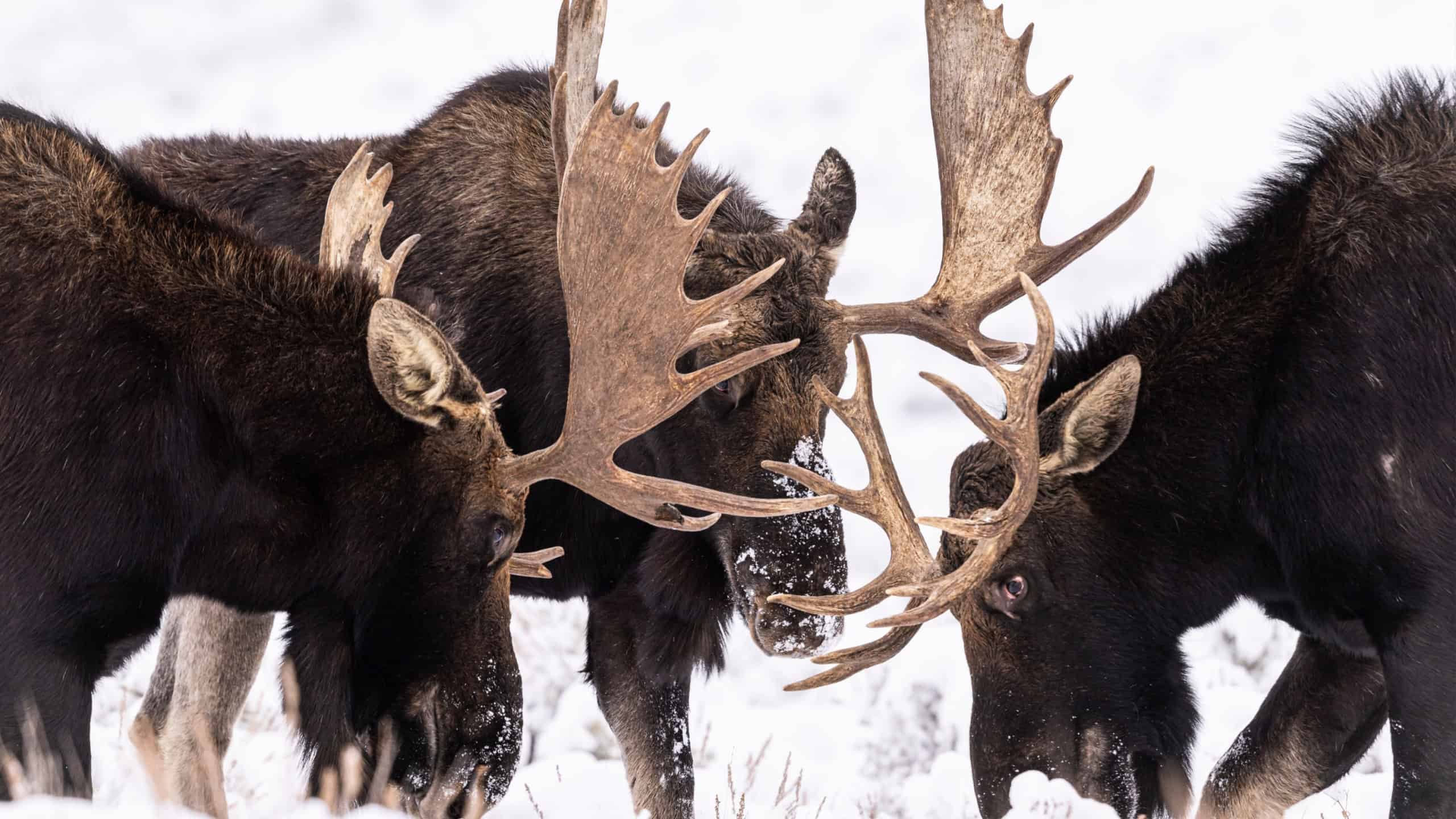
Canada has one of the largest populations of moose in the world, estimated to number between half a million and one million animals. Moose are especially common in Newfoundland and New Brunswick due to the high coverage of thick boreal forests and productive wetlands, where they thrive.
Found commonly crossing roadsides in search of salt-laden mud to lick or a new feeding area, moose have contributed to Canada having some of the widest deployment of wildlife fencing, expansive underpasses, and highway warning signage in the world.
Bay of Fundy
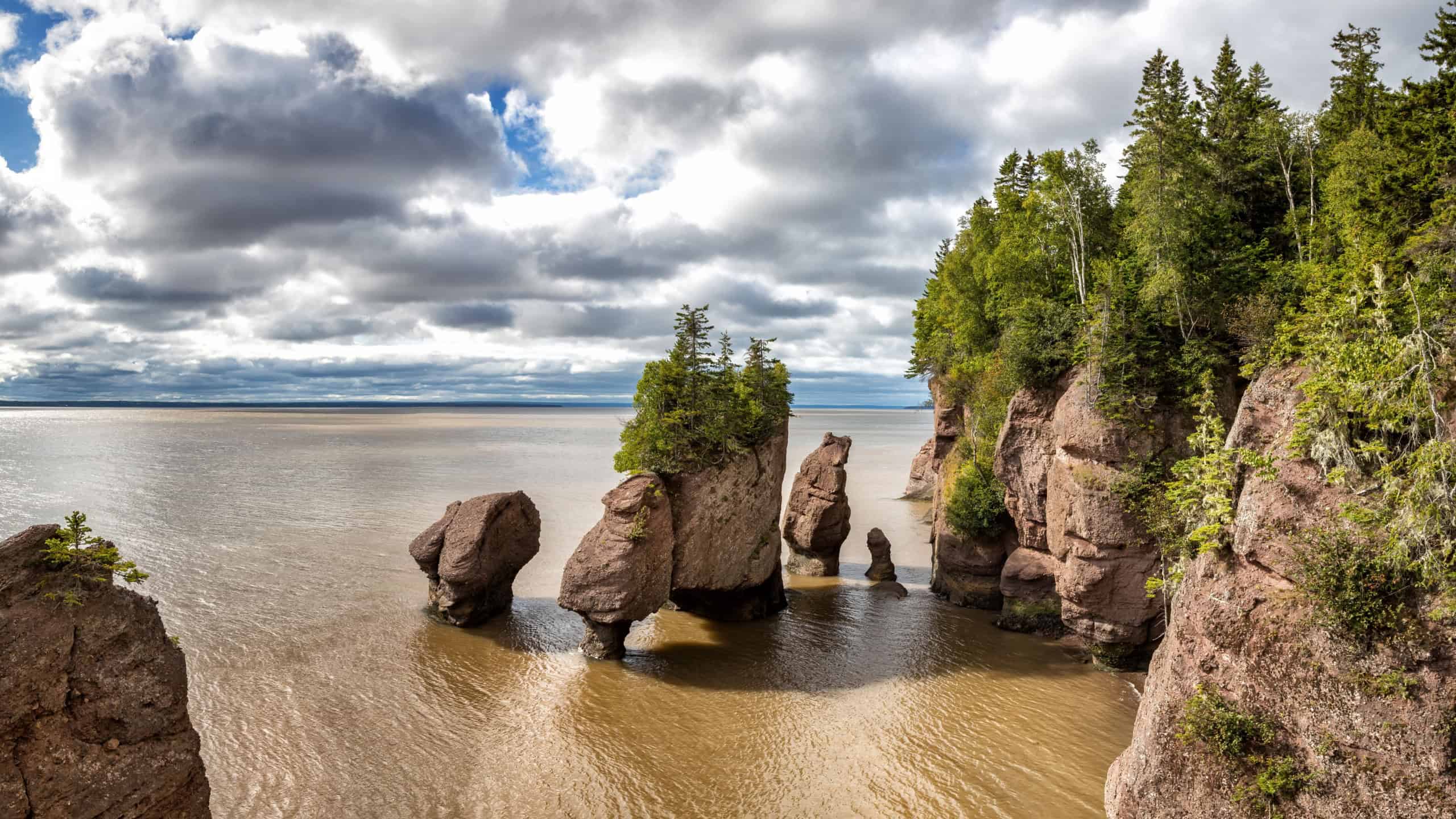
The Bay of Fundy experiences the highest tides in the world. At certain points, the variation can be greater than 15 meters between low tide and high tide. Boats that are floating at high tide may rest on the ocean floor hours later.
Flowing so powerfully, the tides shape the coastline and have carved out dynamic rock formations that draw visitors globally.
Winnie-the-Pooh

Did you know that Winnie-the-Pooh was based on a real bear from Canada? In 1914, while serving in World War I, Harry Colebourn, a soldier from Canada, purchased a black bear cub while visiting Ontario.
He named her Winnie after his hometown of Winnipeg. Colebourn left Winnie at the London Zoo while he was abroad.
Winnie became a huge hit with Zoo goers, especially young Christopher Robin Milne, whose father went on to write the Winnie-the-Pooh books inspired by his son’s fascination with the bear.