
Electric vehicles were once seen as the future for every driveway, but many Canadians are starting to feel the sting of reality.
Winter driving

The single largest concern with owning an EV in Canada is the cold weather. Temperatures below 0°C cause chemical reactions in the battery to slow down, while heavy use of the heater further drains power.
EVs can lose up to 50% of their range during Canadian winters. Someone driving 400 kilometers across Vancouver in the summer may only get 200 kilometers in January. That means going home every day becomes a stressful guessing game.
Charging availability
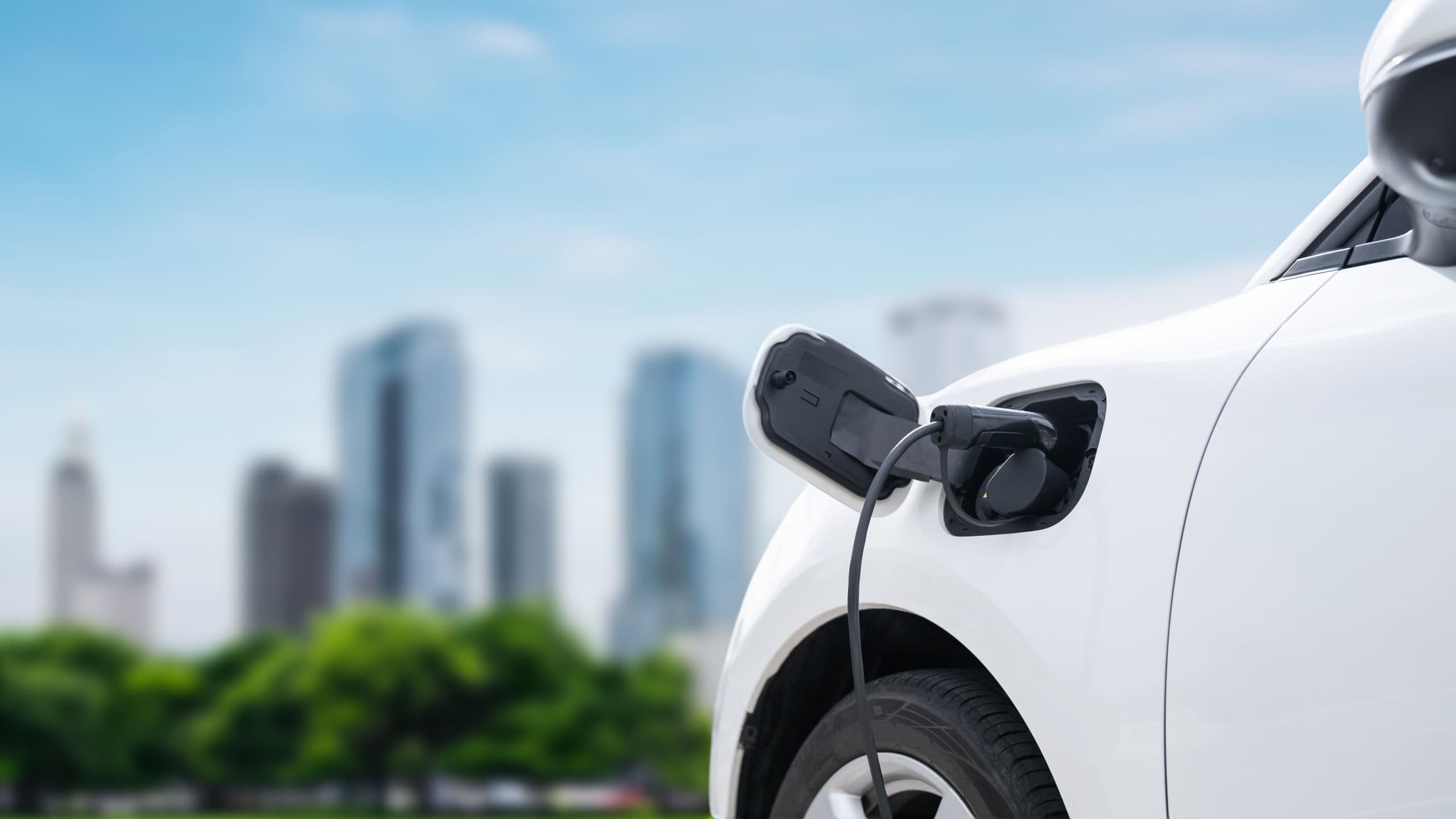
The charging infrastructure is excellent if you live in downtown Toronto or Vancouver. However, the lack of fast chargers in rural Canada is downright frustrating.
If you plan on crossing the Prairies or driving North to your cabin up Moose River, finding a fast charger that actually works is often a gamble. Too many Canadians are sick of having to plan their whole lives around charging.
High costs

Even after government incentives, electric vehicles are still way more expensive than their gas-powered counterparts. Middle-class families in Canada cannot spend an additional $15,000 to $20,000 out of pocket on a new vehicle.
With rent and groceries at an all-time high, many Canadians are realizing they will have to go 10 years or more just to break even on the cost of purchasing the vehicle vs gas savings.
Resale value
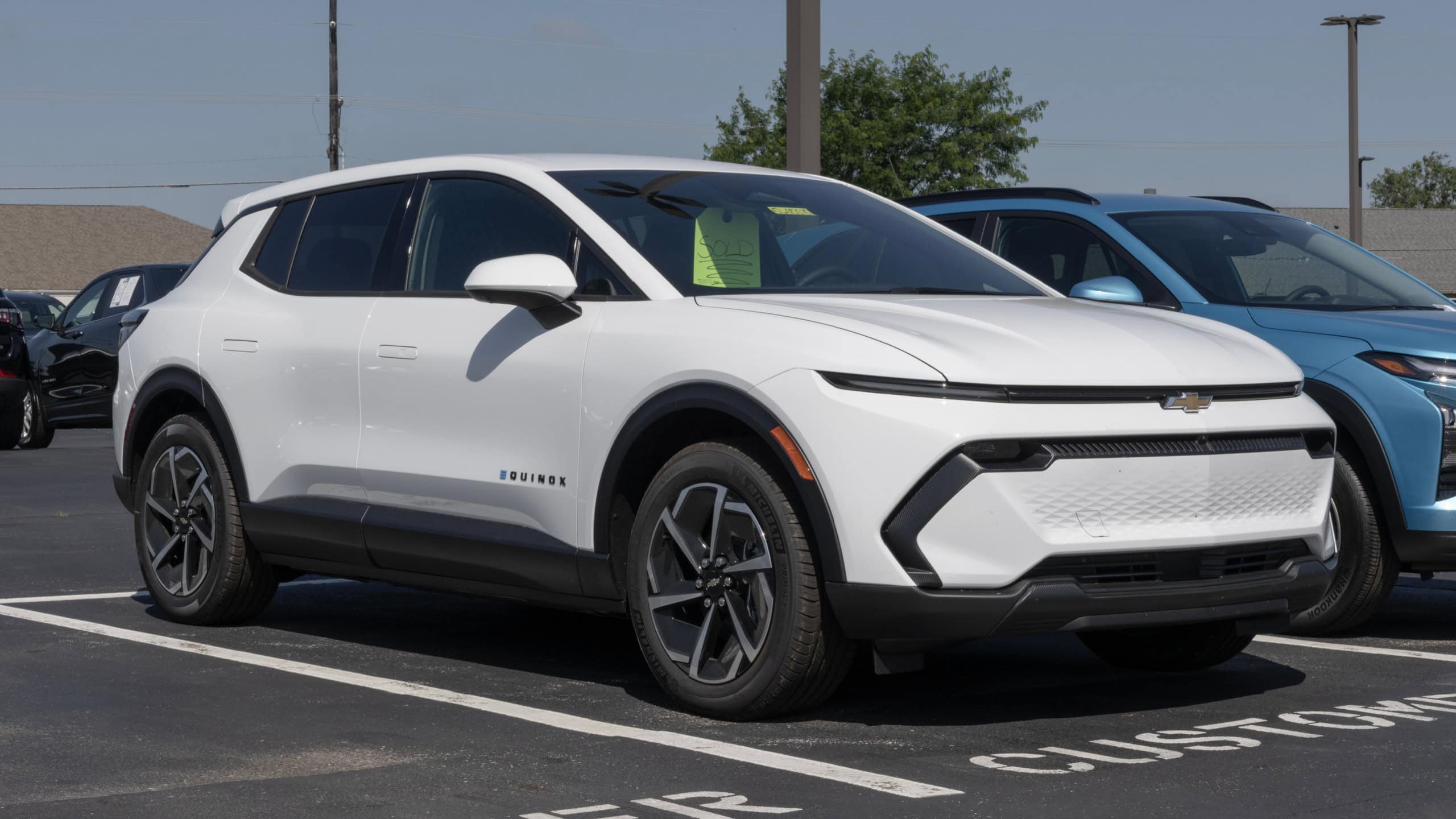
Canadians looking to buy a used EV are not having a great time either. Battery technology is advancing so quickly that last year’s EV can become obsolete as soon as the new year rolls around.
Buyers are also spooked by warranties running out and how expensive it is to replace a battery. Swapping out an EV battery can cost as much as buying a compact SUV.
Repairs
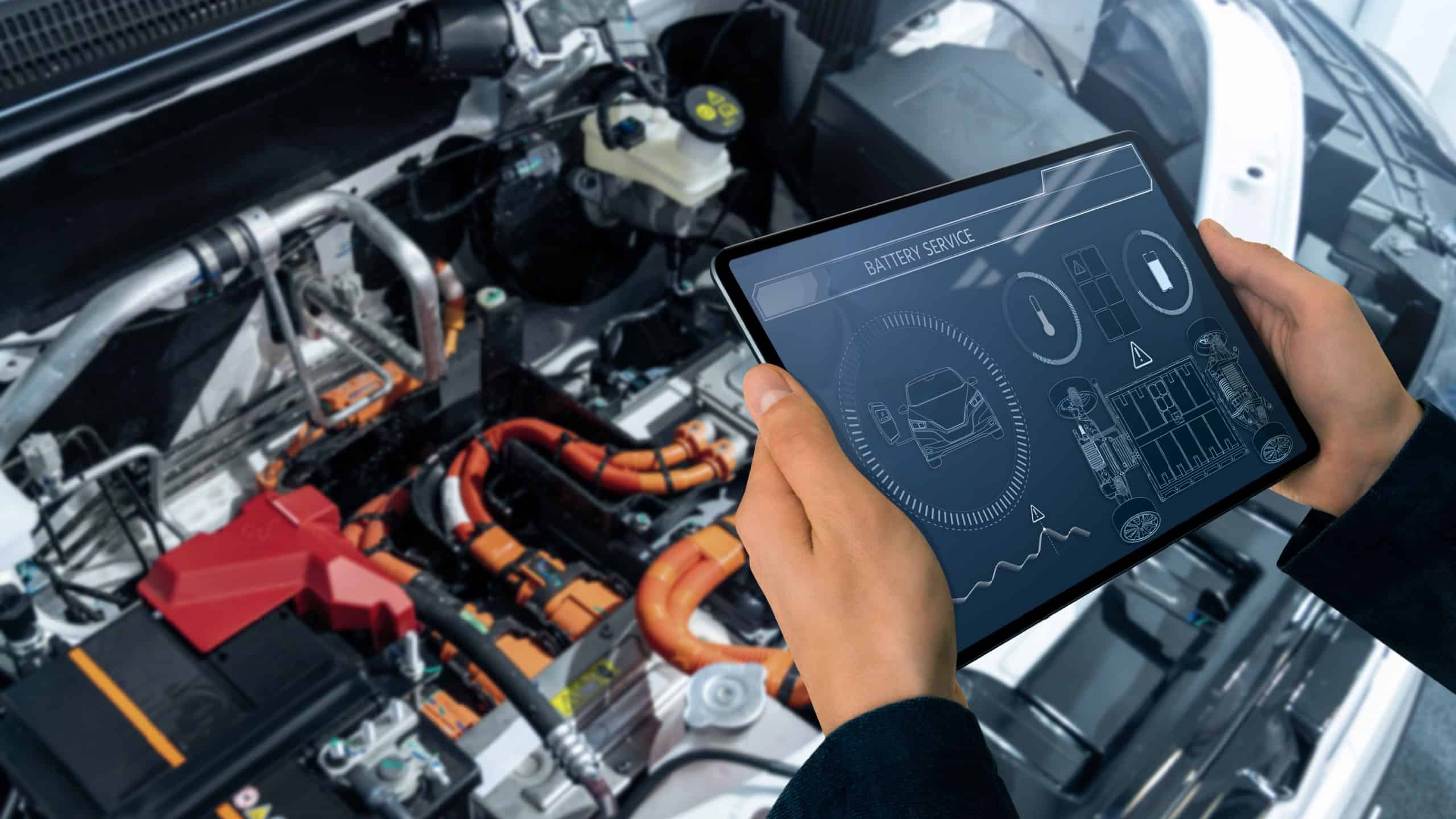
Get in a minor accident with your EV, and you’re looking at months in repairs. There simply are not enough technicians trained to fix EVs, and parts availability can be abysmal.
Canadians who need their car for work cannot afford to have it in the shop for months on end just to fix a bumper or sensor. Specialty parts that come from overseas aren’t helping anyone’s ownership experience.
Towing
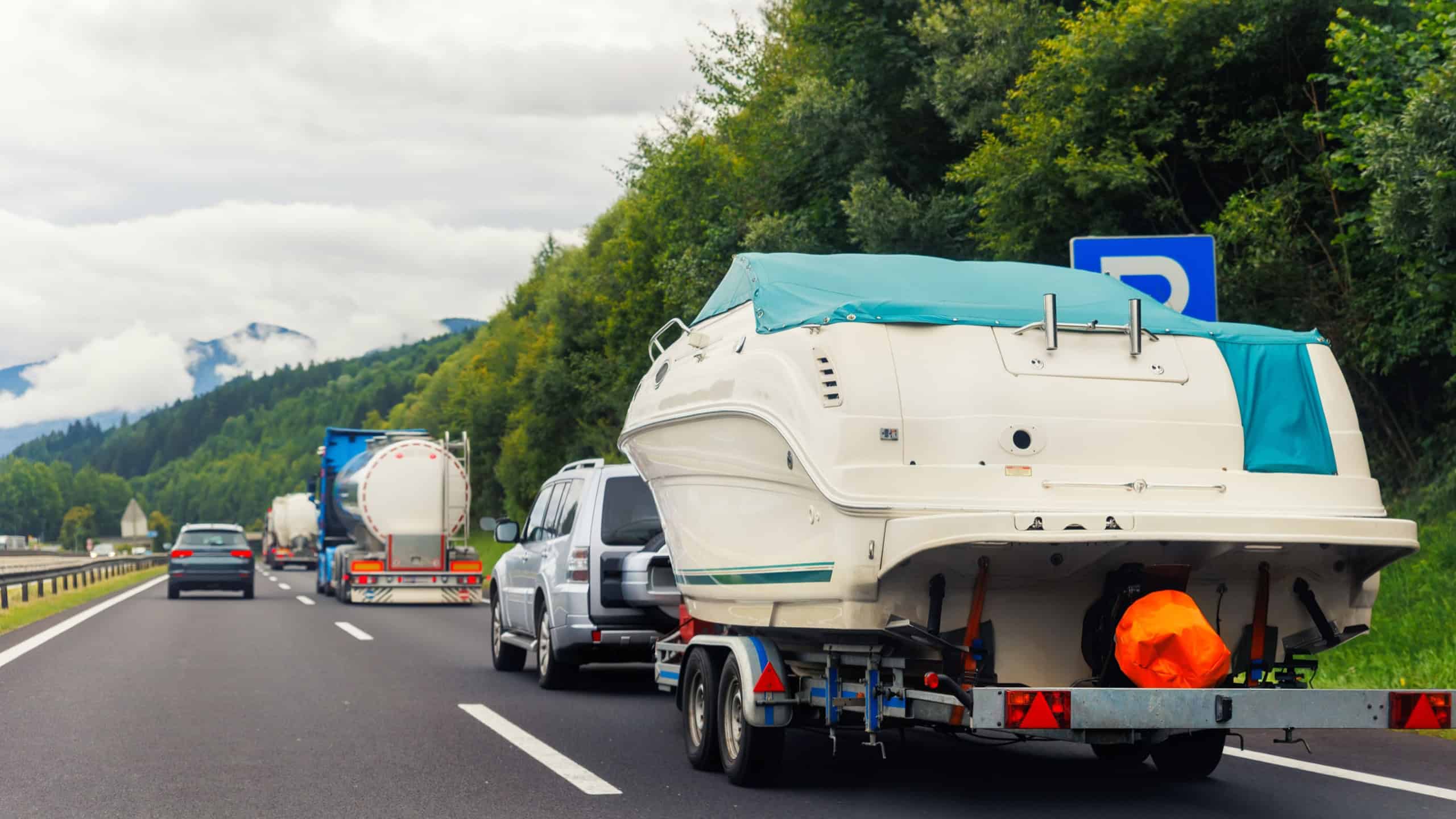
Canadian’s love to camp and go into the outdoors. A lot of EVs cannot tow your boat, camper or trailer very far. Putting a heavy load on an electric motor drastically reduces your range.
When heading to the lake for a weekend with an electric truck and you’ll be stopping every 100km to charge. Once you factor in how long it takes to charge, no one wants to be towing with an EV.
Condo parking

Most Canadians live in condos or townhouses that may or may not have a private driveway. Renting an EV charger in your condo’s parking garage can cost you thousands of dollars in installation fees and you need the board of directors’ permission to do it.
Without the ability to charge at home overnight, a lot of Canadians are finding EV ownership more hassle than it’s worth.
Reliability issues
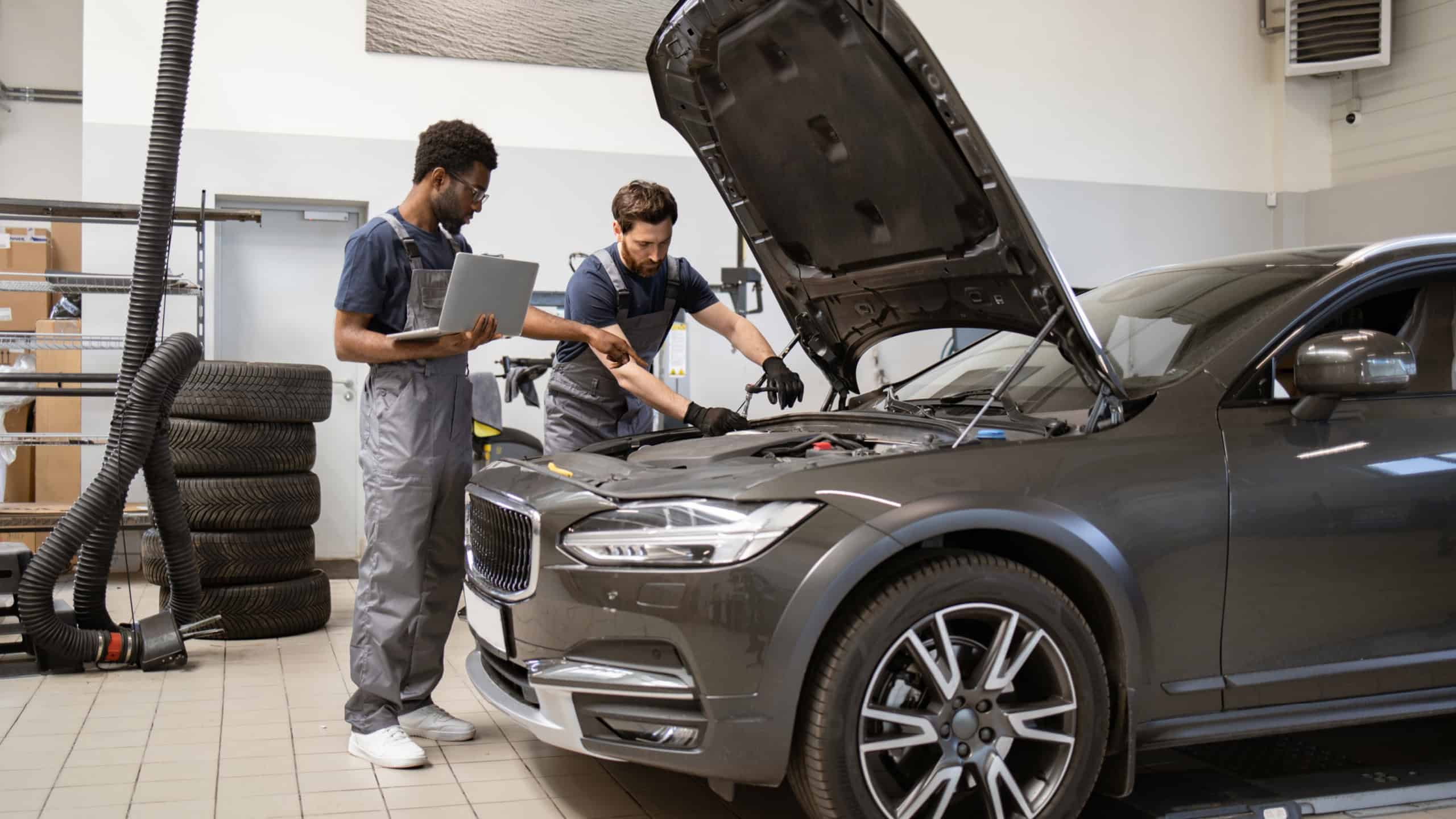
A battery of these might last ten years, but everything else in your EV is literally made up of computer screens and software. Hot and cold temperatures can actually cause these screens to freeze or glitch.
Owners are constantly having to take their cars into the dealership for bugs or wait weeks for the car company to push out over-the-air software updates.
Hidden Emissions
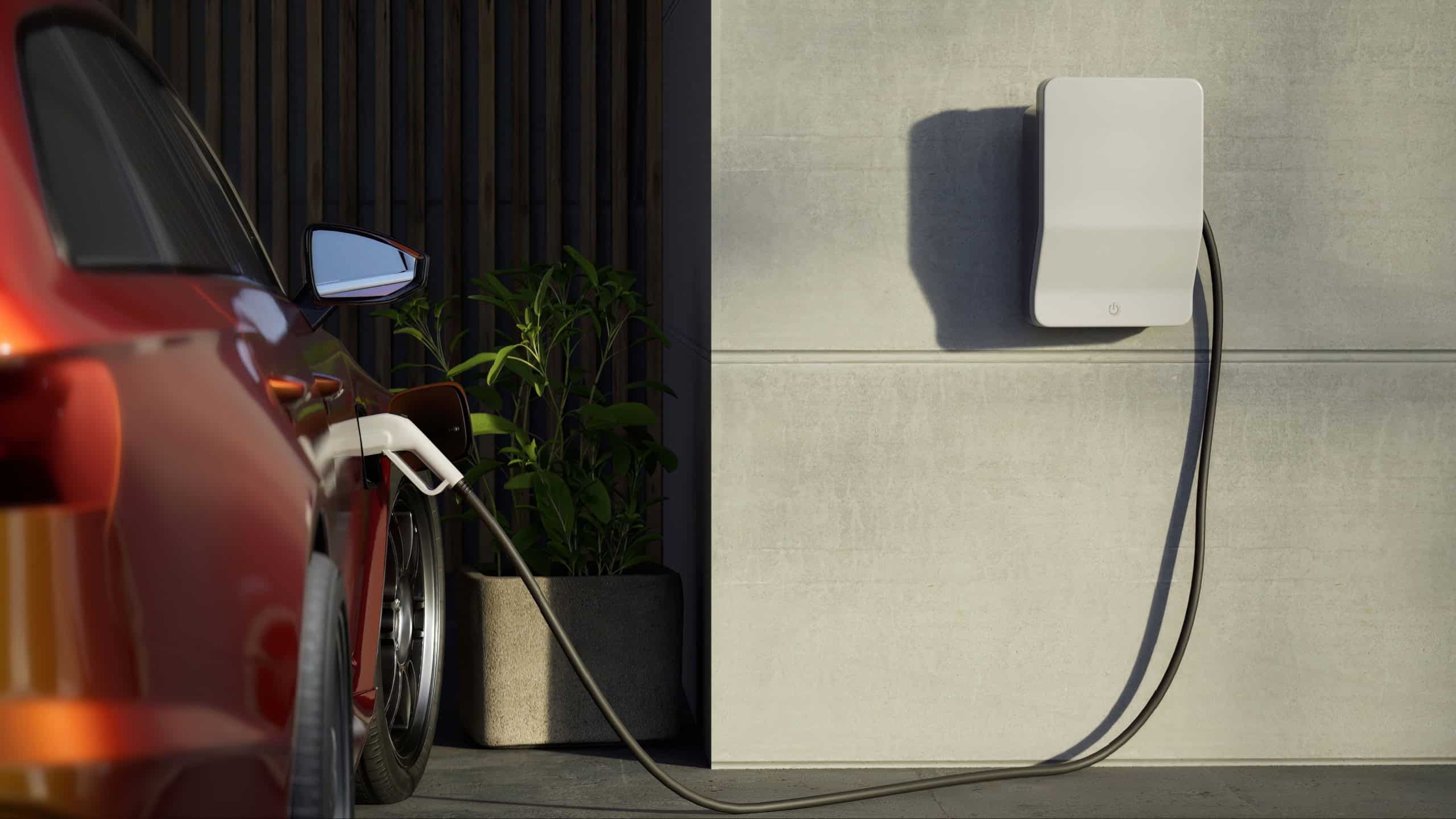
Canadians are also learning that just because a car is powered by electricity doesn’t mean it’s carbon neutral. Most provinces use coal or natural gas to generate electricity, so you’re barely making a dent in your carbon footprint by driving electric.
When you start looking into how many minerals it takes to build these giant battery packs, some owners don’t feel driving an EV is worth it.
Sources: Please see here for a complete listing of all sources that were consulted in the preparation of this article.