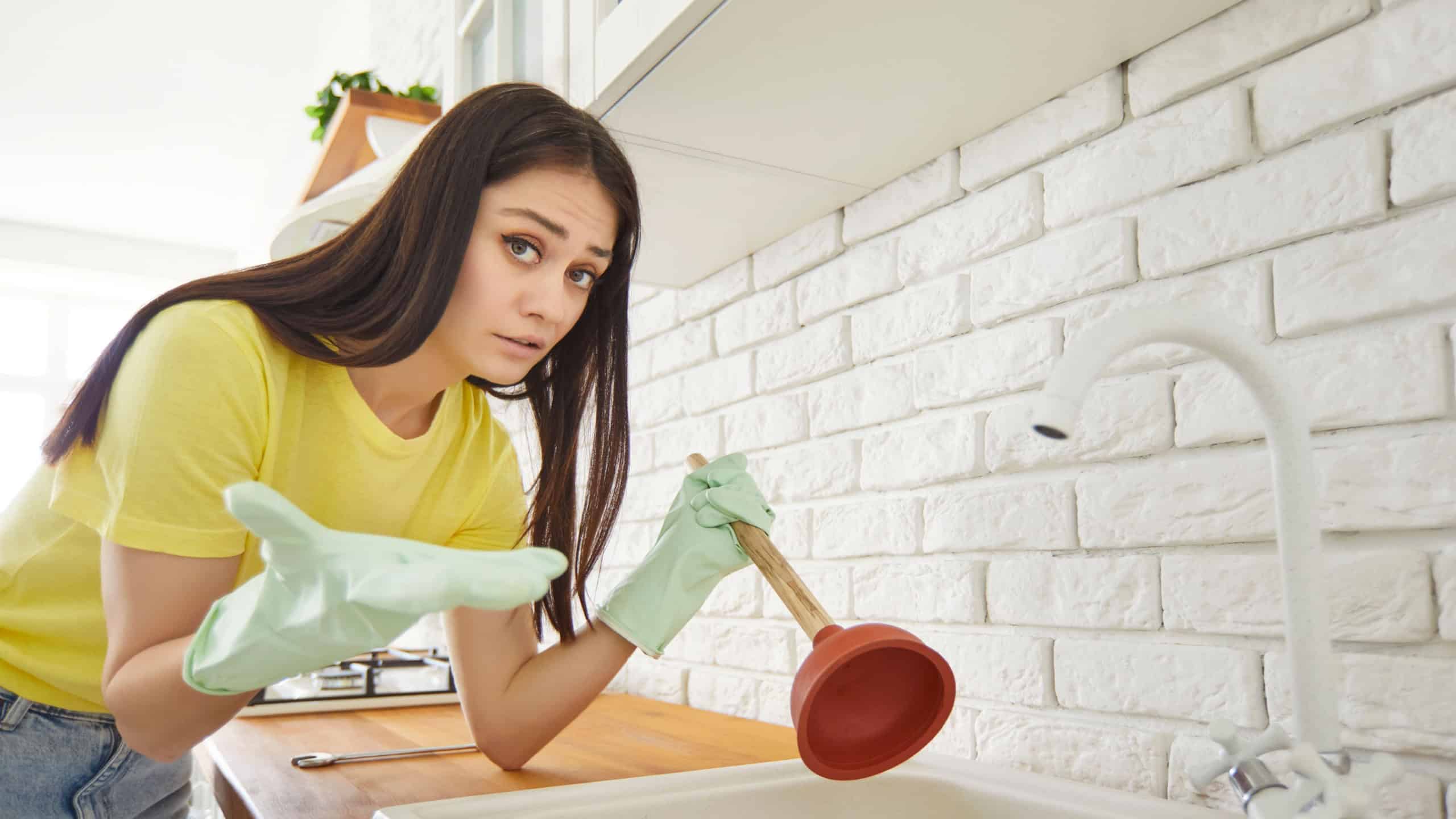
Most people assume anything that fits down the drain belongs there, but these everyday items can quietly damage your plumbing, cause costly clogs, and even harm the environment.
Cooking fats
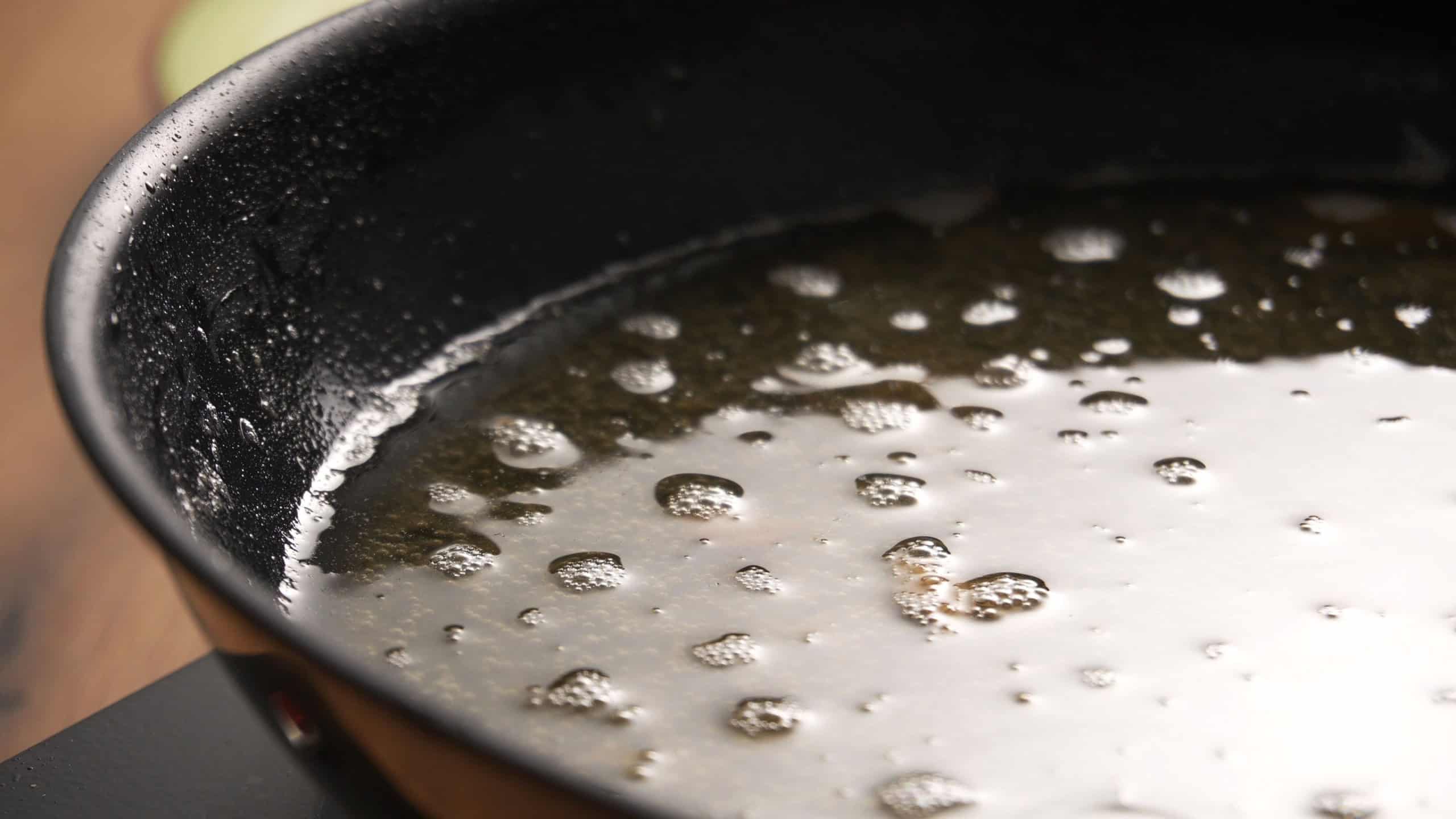
Pouring grease down your sink may seem harmless when it’s hot, but once it cools down in your underground plumbing, it solidifies and adheres to the inside of pipes.
When fats, oils, and grease (otherwise known as FOG) accumulate, they stick to other sludge and debris to create enormous conglomerates called fatbergs, which essentially suffocate entire sewer systems and lead to sewage backups.
So don’t wash grease down the drain, allow it to cool, scrape it into a disposable container, and dispose of it in the garbage.
Wipes
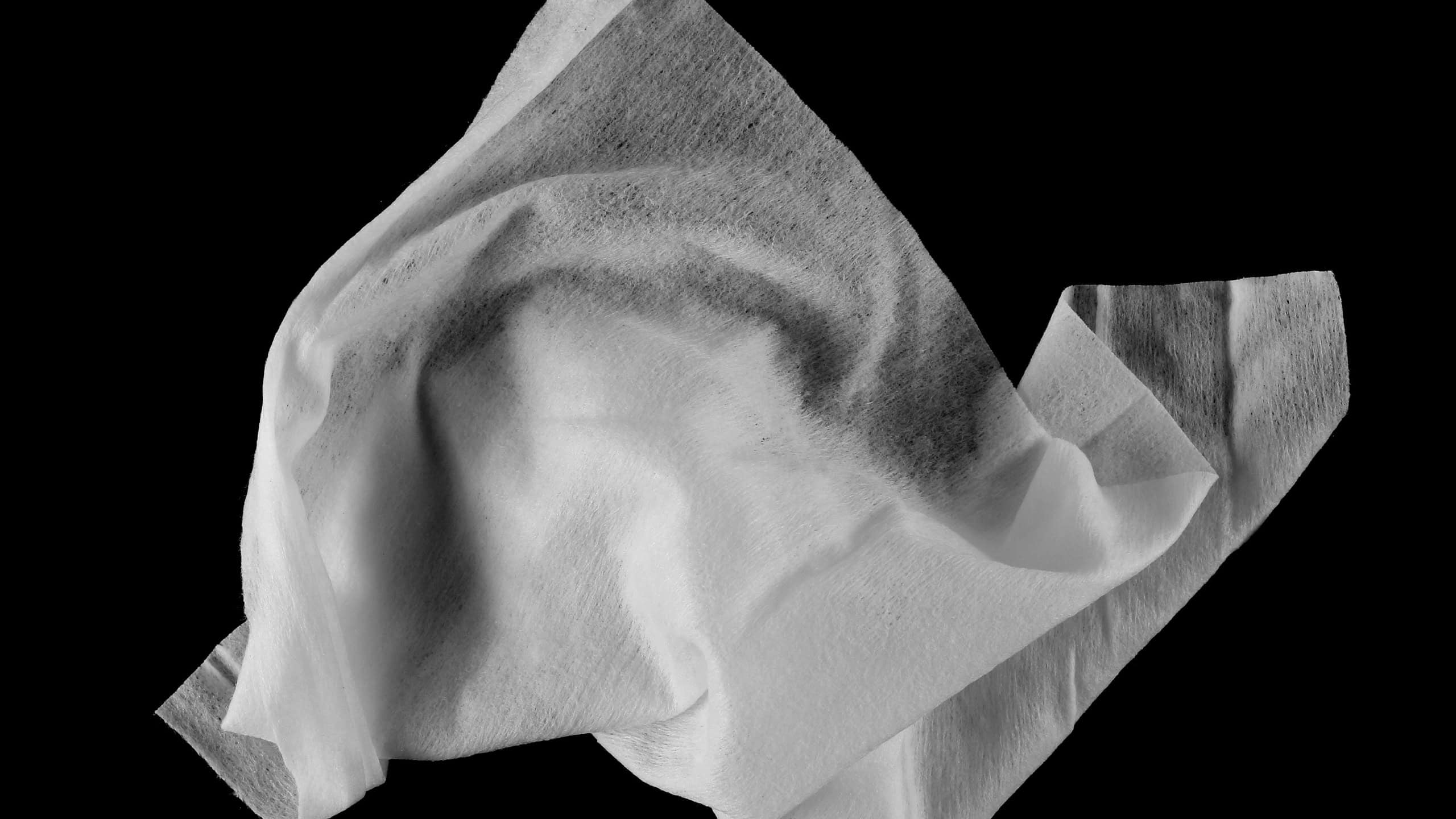
Even if the packaging says otherwise, studies conducted by municipalities have demonstrated that so-called flushable wipes do not break down like toilet paper when flushed.
Instead, they remain intact as they travel through your pipes, where they can catch on small cracks or crevices, tree roots, or even gravel and cause major clogs that need to be professionally removed. To prevent any mishaps, just toss all wet wipes, baby wipes, and cleaning rags in the trash can.
Grounds
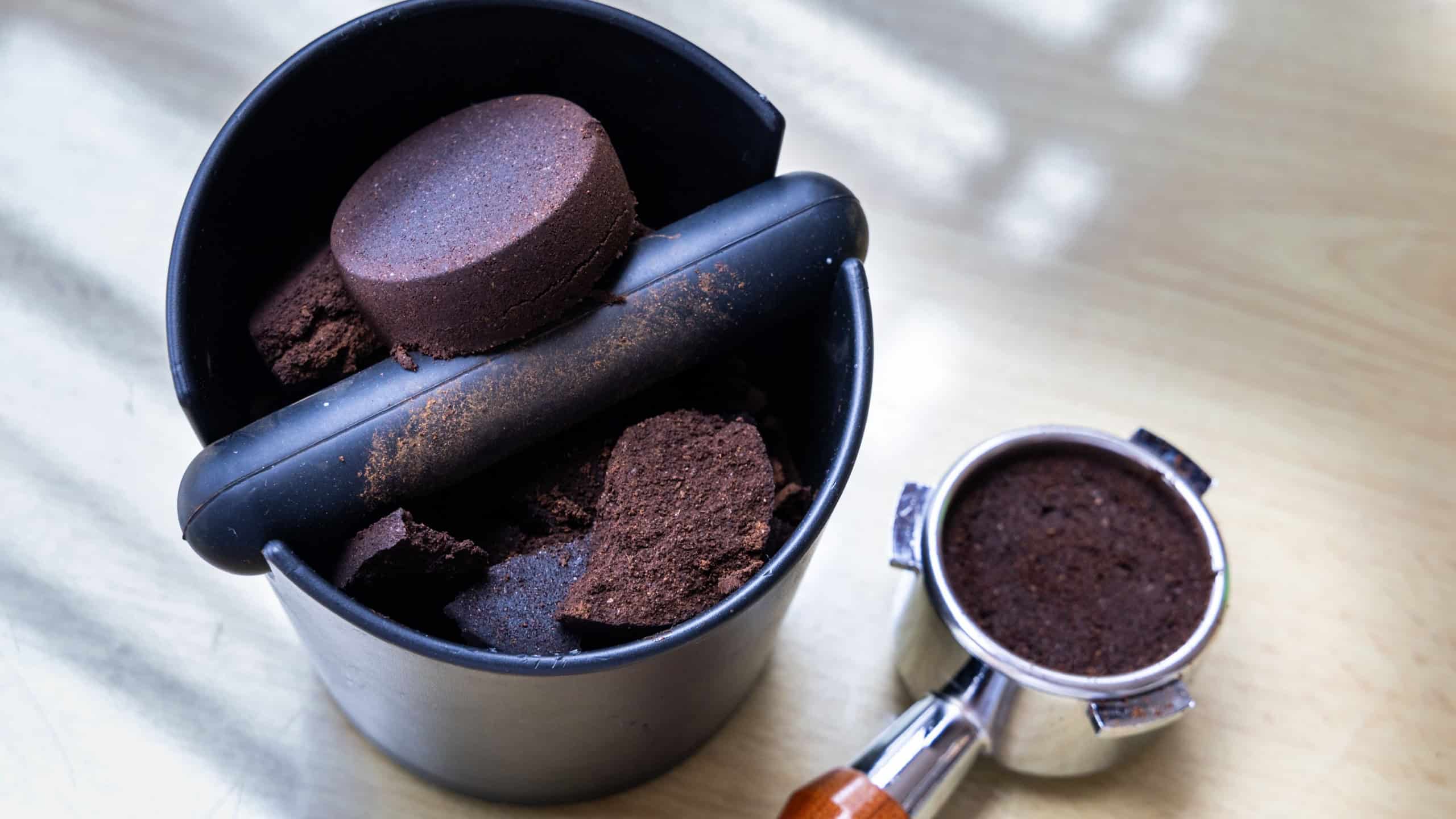
Coffee grounds may appear harmless when wet, but they do not dissolve at all in water and can cause major problems for your kitchen drain. Coffee grounds love to collect in the P-trap, which is the curved part of your pipe that sits underneath your sink, and stick to one another, similar to wet sand at the beach.
Eventually, they create a thick wall that water can no longer penetrate. The best thing to do with your coffee grounds is to save them for your compost pile or dispose of them in your green waste container.
Eggshells
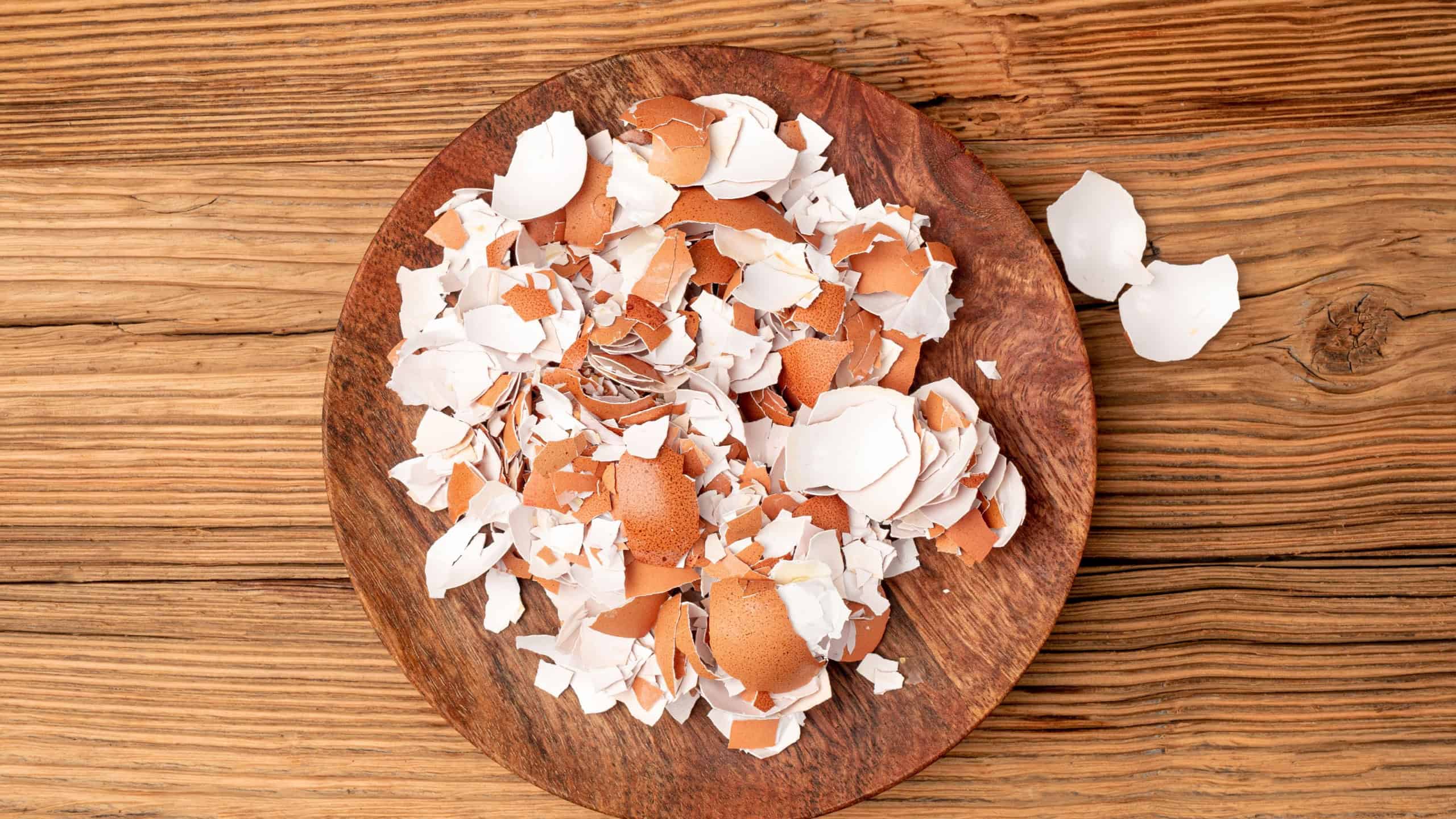
Don’t send eggshells down your disposal, even if it’s one of those high-horsepower units. When eggshells are ground up, they’re shredded into thousands of sharp little pieces that cling to the sides of your pipes like primitive glue when mixed with the other foods that are washed down your drain.
The thin, mucilaginous membrane that lines the inside of an eggshell also loves to stick to the blades of the garbage disposal or the interior of your pipes, trapping other debris as it passes by. The best place for eggshells is in the compost bucket or trash can.
Pasta or rice
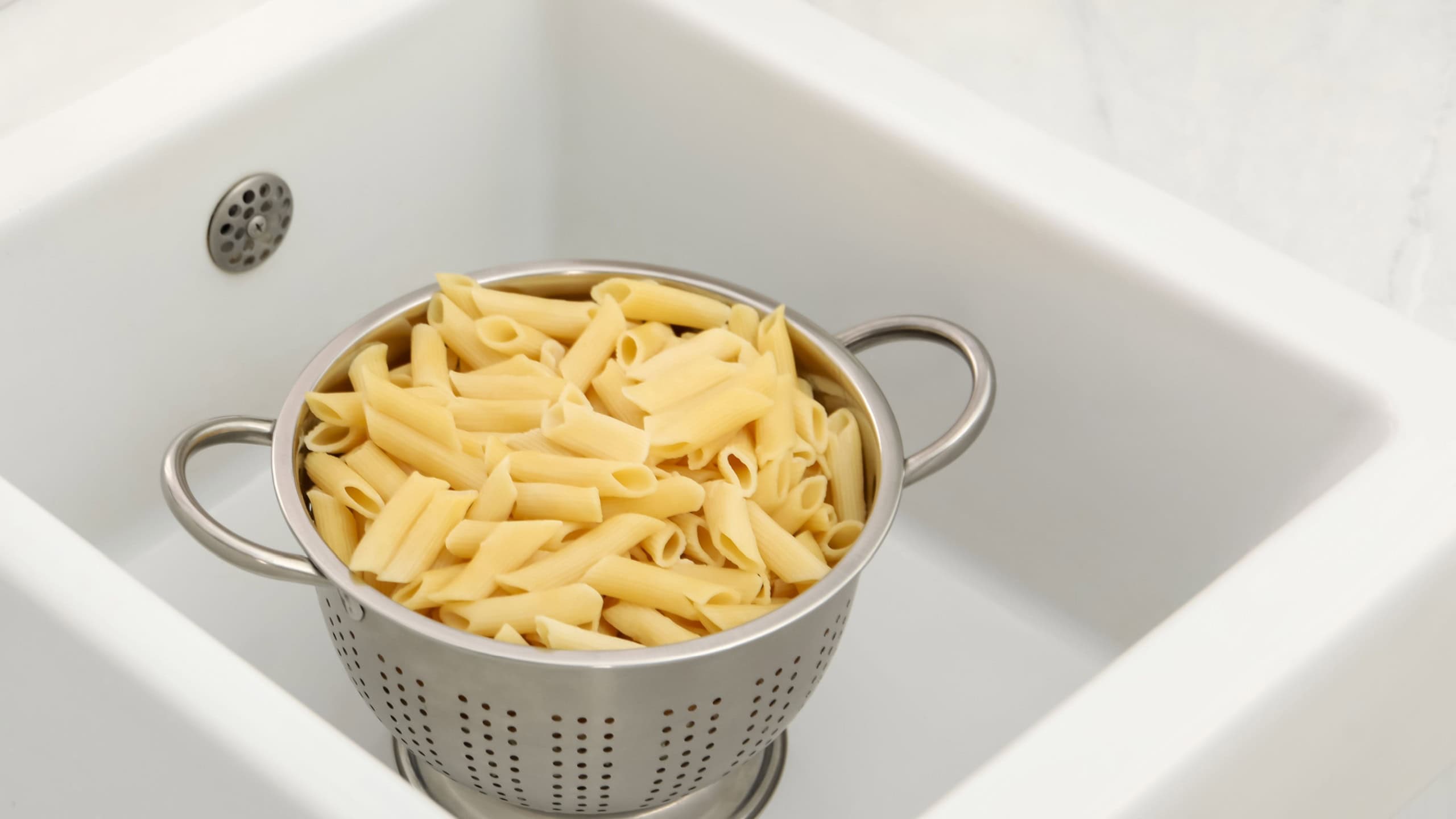
Dry pasta, rice, and flour are all designed to absorb water and get sticky. When you wash these down the drain, they expand inside your pipes, forming a gluey paste that easily traps other debris and clogs your drain.
Because these products expand so much when exposed to water, they can even cause a complete blockage over time if just a little goes down the drain.
Medication
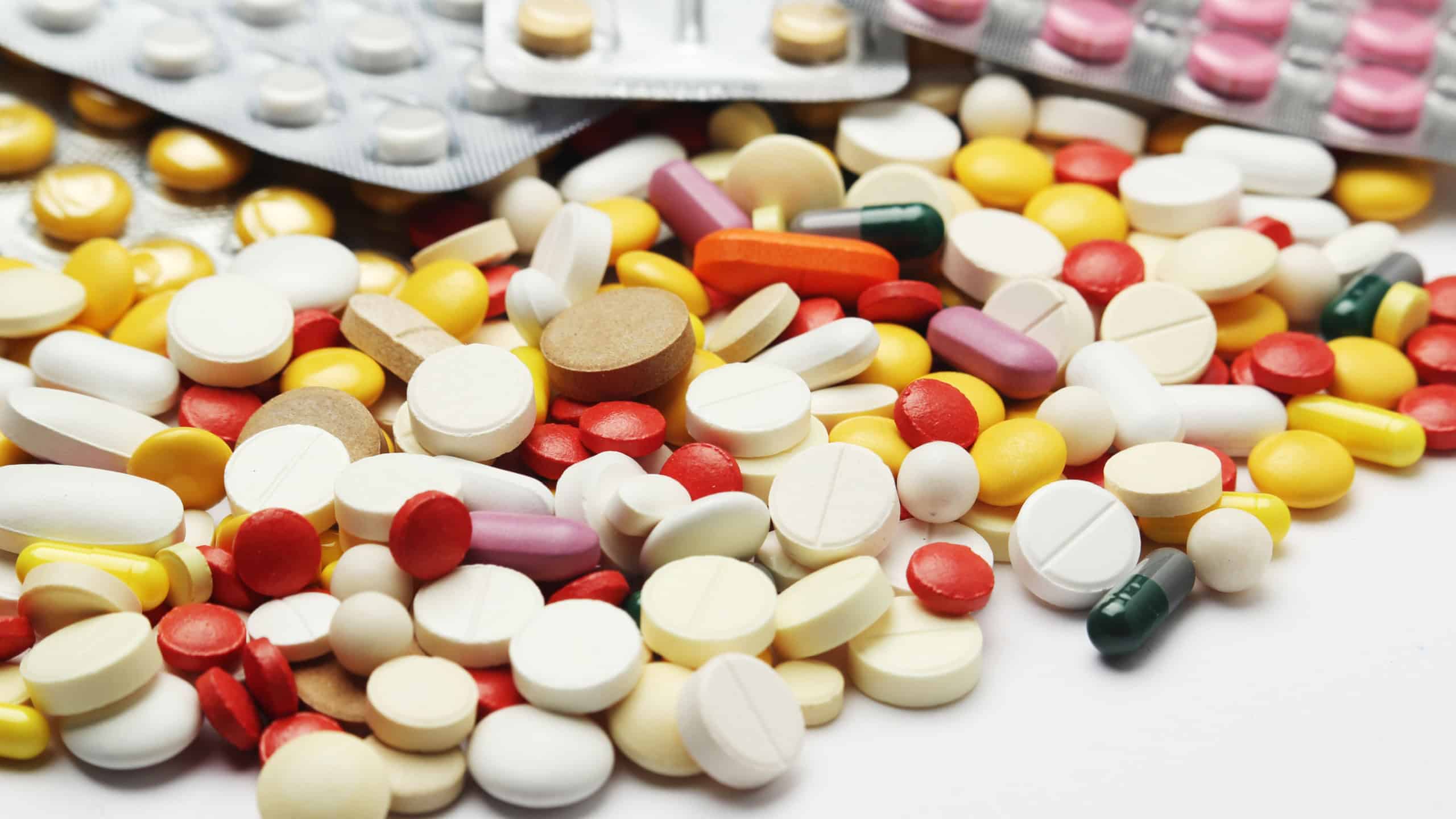
Although tablets and liquids don’t physically block pipes, dumping medication in the toilet or rinsing it down the sink presents an enormous ecological threat.
Your local wastewater treatment facility cannot process complex drugs, so pharmaceuticals wash into lakes, rivers, and groundwater, where they contaminate drinking water and marine life. Check with your local pharmacy or municipal waste management system to find a drug take-back program or drop box.
Paint
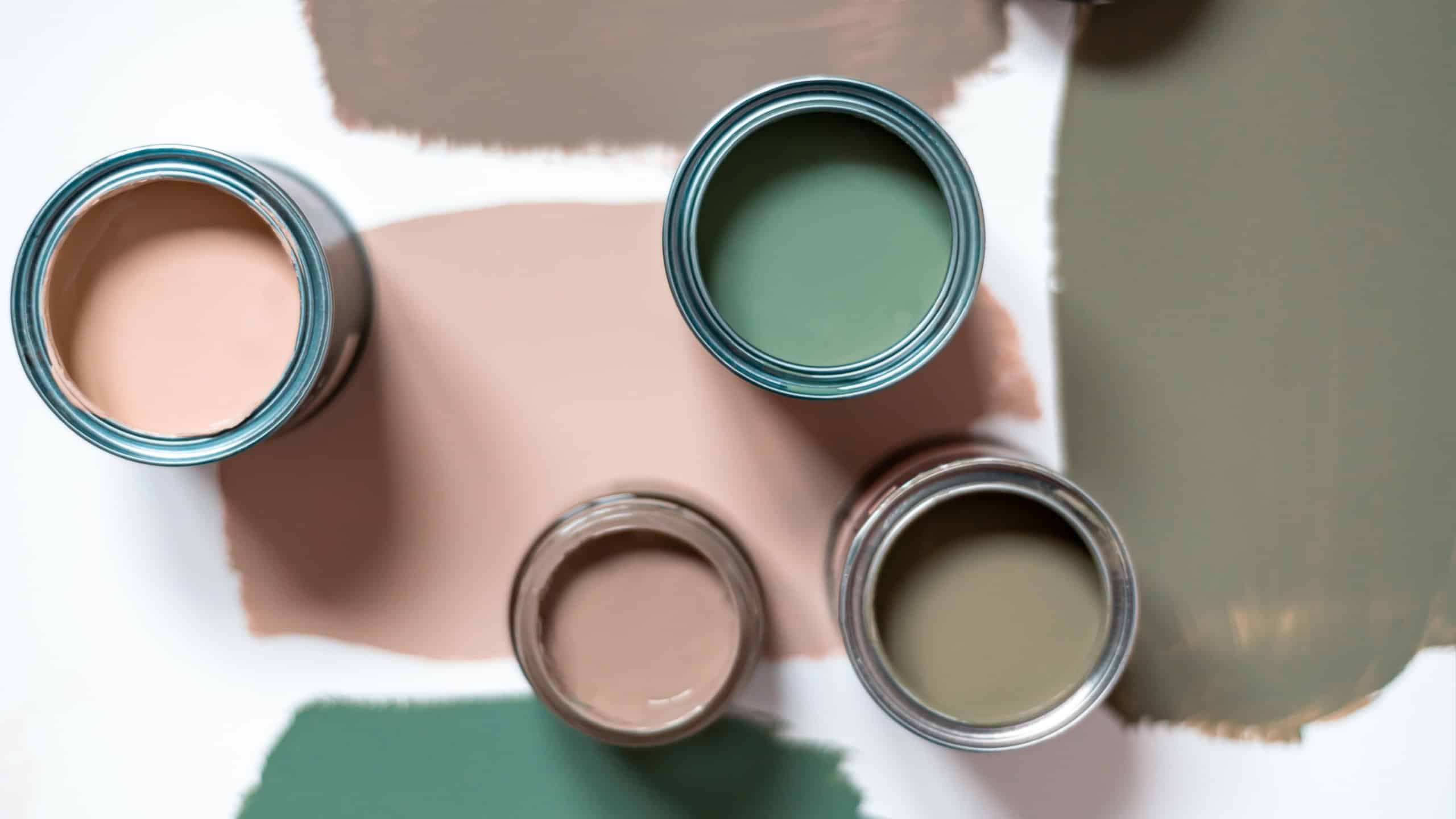
Latex and oil-based paints can solidify within your pipes, creating an obstruction that never goes away. Chemicals such as paint thinner, motor oil, and corrosive automotive fluids pollute your city’s water supply and adversely affect the safety of your local ecosystems, as they are not filtered out.
Allow excess paint to dry in the can with kitty litter or a paint hardener and dispose of it as household hazardous waste.
Sources: Please see here for a complete listing of all sources that were consulted in the preparation of this article.
Like our content? Be sure to follow us.