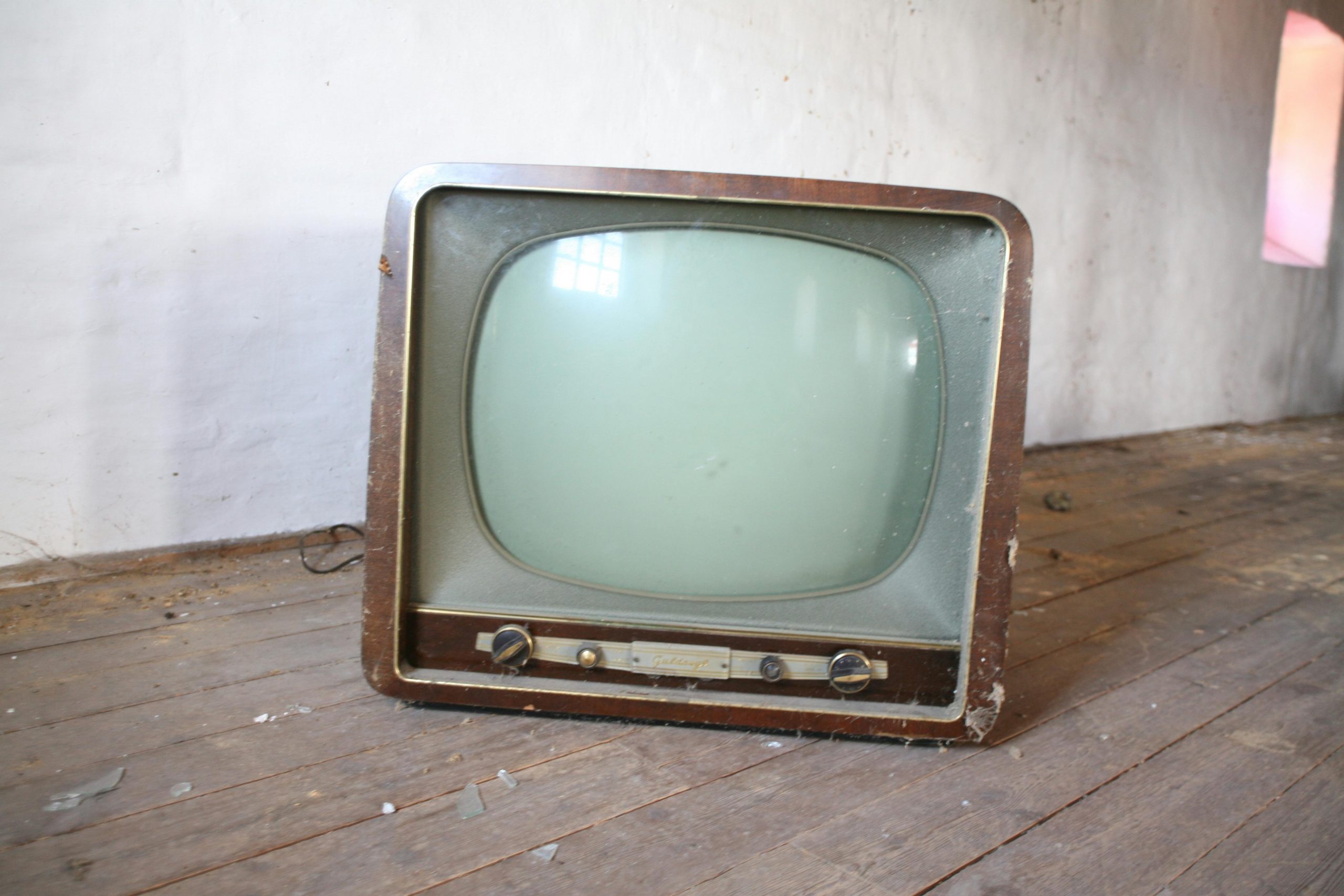
Take a trip down memory lane and explore the evolution of television through 14 key milestones! From the grainy images of mechanical television to the crystal-clear resolution of UHD and 4K displays, this journey highlights the incredible advancements that have shaped how we experience entertainment as we delve into these transformative moments, from the pioneering inventions of the early 1900s to the digital revolution of the 21st century.
Featured Image Credit: Pexels.
#1 Invention of Mechanical Television (early 20th century)
The early pioneers of television, like Nipkow, Rosing, and Baird, invented mechanical television systems in the early 1900s. These systems used spinning disks to capture and display images, laying the foundation for transmitting moving pictures over long distances. Though picture quality was low, these inventions were a significant breakthrough in communication technology, paving the way for further advancements in television.
#2 First Electronic Television (1927)
1927, Philo Farnsworth unveiled the world’s first fully electronic television system. This groundbreaking invention replaced clunky mechanical parts with cathode-ray tubes, resulting in a significant leap in picture quality. Farnsworth’s electronic approach paved the way for the modern television era, laying the foundation for the technology we enjoy today.
#3 First Public Demonstration of Electronic Television (1936)
The BBC broke ground in 1936 with the world’s first public high-definition television service. Utilizing the Marconi-EMI system, this achievement demonstrated the power of electronic television to captivate audiences with superior picture quality. This marked a significant leap forward for television technology, paving the way for its global adoption.
#4 Introduction of Cable Television (1940s-1950s)
Cable TV emerged in the 1940s and 1950s to solve spotty reception. It used cables to deliver signals, bringing more channels to viewers. This was a major leap in television, paving the way for subscription-based services and the cable industry as we know it.
#5 Introduction of Color Television (1950s)
RCA revolutionized television with the introduction of the first commercially successful color system in the 1950s. This transformed viewing by allowing broadcasters to deliver stunning, lifelike images. As color TVs became more affordable, they soared in popularity, paving the way for a world dominated by color broadcasting.
#6 Invention of Videocassette Recorder (VCR) (1950s-1960s)
While VCRs weren’t around in the 1950s and 1960s (they arrived later), their introduction revolutionized television. Viewers could finally record shows on tapes, letting them watch what they wanted whenever they wanted. This time-shifting power puts viewers in control, letting them choose their entertainment and paving the way for today’s on-demand culture.
#7 Launch of Satellite Television (1960s)
In the 1960s, communication satellites transformed television. These marvels of space tech beamed signals worldwide, creating satellite TV. This new service offered viewers a wider range of channels and programs everywhere. Satellite television’s global reach and diverse content helped shape the TV experience we know today.
#8 First Live Transatlantic Television Broadcast (1962)
In 1962, the Telstar satellite facilitated the first-ever live television broadcast across the Atlantic. This groundbreaking event proved that TV signals could travel vast distances. It showed the world the power of satellites for communication and sparked a revolution in global telecommunication.
#9 Rise of Broadcast Networks
The 1960s witnessed the explosive growth of television in the US. At the center of this surge were three major networks: ABC, CBS, and NBC. These networks weren’t just delivering entertainment; they were shaping American culture. They filled living rooms with news, sitcoms, dramas, and sporting events, becoming a powerful force that united and influenced the nation.
#10 Introduction of Cable News Networks (1980s)
Cable news networks, like CNN in the 1980s, completely changed how people got their news. With 24/7 coverage and deeper dives into current events, viewers were constantly informed. This shift to nonstop news reshaped the media entirely, impacting how news was presented and followed around the world.
#11 Digital Television Transition (late 20th century – early 21st century)
The late 20th and early 21st centuries saw a major leap in television with the switch from analog to digital broadcasting. Digital offered sharper pictures, clearer sound, and exciting new features like HD and UHD. This wasn’t just about better quality; it opened the door for interactive TV and on-demand viewing, forever changing how we watch.
#12 Introduction of Smart TVs (2010s)
Smart TVs, a product of the 2010s, brought the internet directly to our living rooms. Viewers gained access to a vast library of streaming content and apps, all on their TVs. This blend of traditional television and digital media transformed the living room into a hub for entertainment, forever changing how we watch.
#13 Emergence of Over-the-Top (OTT) Services (2010s)
In the 2010s, streaming services like Netflix revolutionized entertainment. They delivered content directly online, cutting out cable and satellite companies. This gave viewers more control, letting them choose what they watch and when without expensive bundles or long contracts. Streaming services made high-quality content more accessible and affordable, letting people customize their entertainment experience.
#14 Adoption of Ultra High Definition (UHD) and 4K Television (2010s)
The rise of UHD and 4K TVs in the 2010s revolutionized television viewing. Boasting four times the resolution of standard HD, these displays delivered unmatched clarity and detail. This advancement transformed how audiences experienced content, immersing them in lifelike visuals that brought entertainment to life.