
So many Canadians cross the border and expect the prices to seem familiar, with the only difference being the currency. But then the bills start showing up. These include extras that weren’t obvious at first, and beyond things being more expensive, the costs themselves can be quite a surprise for Canadians.
You might sign a lease in the United States, thinking you’ll know what to expect, only to see all kinds of add-ons that you didn’t budget for. You have no option but to pay.
Here are ten hidden costs that Canadians don’t think about until they move to the United States, whether because they’re easy to miss or simply because they don’t exist over here. Which of these do you think would surprise you the most?
Higher childcare add-ons

Many Canadian parents budget for weekly daycare when they arrive in America. However, the costs they don’t tend to notice are the separate registration or supply fees that come afterward.
The average daycare can be around $332 to $343 per week, depending on the year, and some centers have enrollment costs on top of that.
Quite a few government programs in Canada have pushed licensing fees down to around $22 per day. As such, the extra daycare add-ons that come with moving down south can be quite a shock.
Banking fees for basic account use

Anytime that you walk into a big American bank, you might be surprised to learn that a standard checking account comes with a monthly maintenance fee, unless you keep a certain balance in there. These are, on average, around $13.51 per month.
Yet federal law in Canada means that basic accounts charge $4 or less, and that makes the American number feel like a rather big difference. It’s not something every Canadian budgets for.
Credit score startup costs

While we might share the same border, credit history doesn’t transfer across it, meaning that you may have to buy a secured card as a newcomer to America. Lots of these require a deposit upfront. This deposit can be around $200 to $500.
Essentially, the deposit acts as collateral while the lenders get comfortable with you, and it can be rather strange for any Canadian who’s not used to paying to simply open a credit line.
Utility deposits
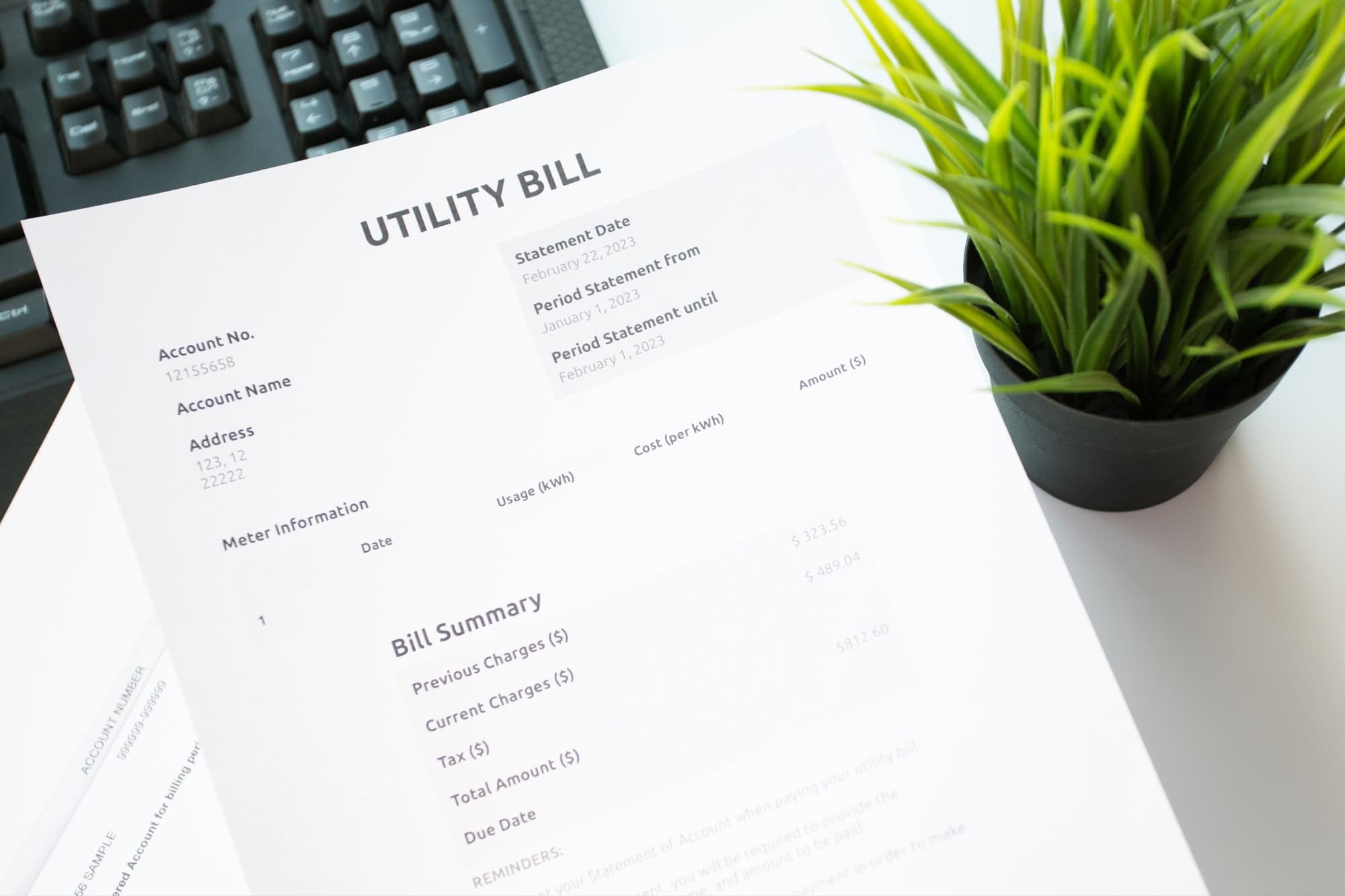
It’s a similar problem with utilities. Sometimes, setting up electricity or water in America involves paying a deposit first, and that’s especially true for anyone who doesn’t have a local credit record. These deposits are usually calculated at two months of estimated service.
Such charges can reach a few hundred dollars quite easily, and while some Canadian provinces do allow deposits, these are often capped at lower amounts. It makes the American approach feel less predictable.
Different income tax filing costs

Income tax exists on both sides of the border. However, the time to pay taxes works a little differently for each country, especially in America, where federal, state, and sometimes city tax returns work separately from each other. You have to pay for filing each of these.
In some cases, it can cost you $220 alone in filing fees, which is quite different from the standard, combined federal-provincial return in Canada. The extra costs can be rather unfamiliar for many Canadians.
Private garbage pickup fees

You might be surprised to know that trash collection isn’t always a part of property taxes in the United States. In fact, some neighborhoods hire haulers that locals have to pay for, which may run an extra $20 to $80 per month, depending on the kind of service they provide.
That’s not so common in most Canadian cities. Over here, the municipal government handles the waste, so seeing a separate invoice from a company they might’ve never heard of feels out of place for some Canadians.
Nonrefundable rental fees

There are also the extra costs of renting a home in America that many Canadians don’t know about. For example, application fees may be around $40 to $100 per person, and then there are sometimes also separate admin or move-in fees to pay in certain buildings.
Such fees aren’t allowed in provinces like Ontario. As such, it’s quite the shock to the system to find out that you have to pay several application processing charges before you’ve received the keys, or even paid rent.
HOA violation fines

Yes, many Canadians know they have to pay fees for being part of an HOA, but a lot of them don’t realize there are violation fines, too. HOAs can fine residents for even the smallest of rule breaches.
According to HOA management resources, the penalties can start at $25 and run as high as $100 per violation, although the policies do vary. Most Canadians aren’t expecting to violate any HOA rules because homeowner associations don’t really exist in Canada.
FEMA flood-zone compliance costs
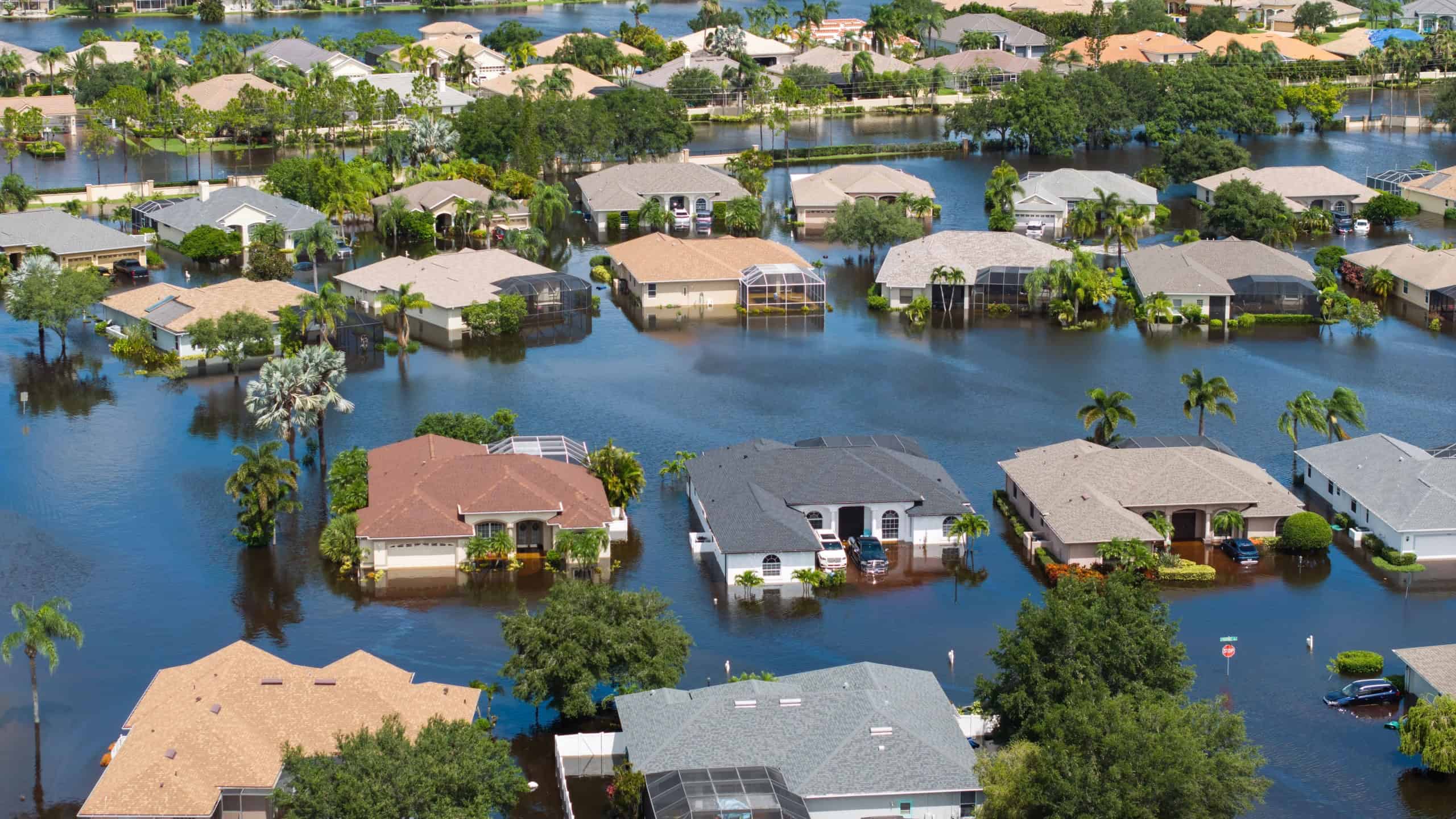
The fact that lots of American homes sit in designated flood zones is something that many Canadians aren’t aware of, and then there’s the cost of living in these areas, too. These can lead to extra paperwork and insurance. The average cost of an elevation certificate is around $600, while flood insurance premiums themselves can vary by risk and region.
National flood programs work rather differently in Canada, meaning that the cost of an extra inspection or certificate fee can be quite a surprise. They’re not used to seeing them at all.
Subscription-style car costs

Rather than getting a traditional lease, you have the option in America to get a car subscription, where the monthly rate looks relatively simple at first. The average cost of these can be between $649 to $1,300, along with enrollment or swap fees.
But such subscription programs aren’t as widespread in Canada. That makes the membership-style model of buying a car, as well as the associated charges, rather unexpected for a lot of Canadians.
Sources: Please see here for a complete listing of all sources that were consulted in the preparation of this article.
Like our content? Be sure to follow us.