
You probably don’t notice how different some of your habits and traits are. Sure, in Canada, the things we do seem so normal that nobody really questions them or, sometimes, even notices them. But these traits are distinctly Canadian.
Whether good or bad, some of the ways that we view the world are unique to our culture and society. They’re not necessarily stereotypes.
Here are some of the cultural traits that many Canadians don’t realize are uniquely ours. Which one do you think is the most Canadian?
Using humour to downplay personal success

Achievements don’t work the same way in many Canadian workplaces or classrooms, as most of us will joke about our own successes before anyone else can. Talking openly about what we’ve done well doesn’t really happen.
Instead, we value modesty and indirectness, and that’s why we tend to soften our big wins with humour, rather than hype. It’s simply a normal part of everyday conversation here.
Seasonal emotional shifts tied to long winters

Winter goes beyond being a simple season in Canada because it completely changes how our routines work. In fact, some mental-health organizations have linked reduced daylight to seasonal affective disorder, while other studies have noticed that people’s mood tends to change during the colder season.
A lot of us don’t realize how tied our hobbies and social plans are to daylight hours. It’s something that we treat as ordinary, yet such drastic changes in schedules don’t exist in the same way in other countries.
Going up to the cottage as a cultural routine

Saying that you’re going to the cottage is completely normal in Ontario and parts of Québec. Most people imagine lakes or docks when they hear it. After all, cottage country is a long-standing seasonal lifestyle over here that’s connected to Muskoka and other areas.
Yet the idea of doing so isn’t as common in other places. They don’t have the same connection to the outdoors that we do, so they lack the idea of going to a cottage as a normal seasonal routine.
Identity tied to vastness and the North
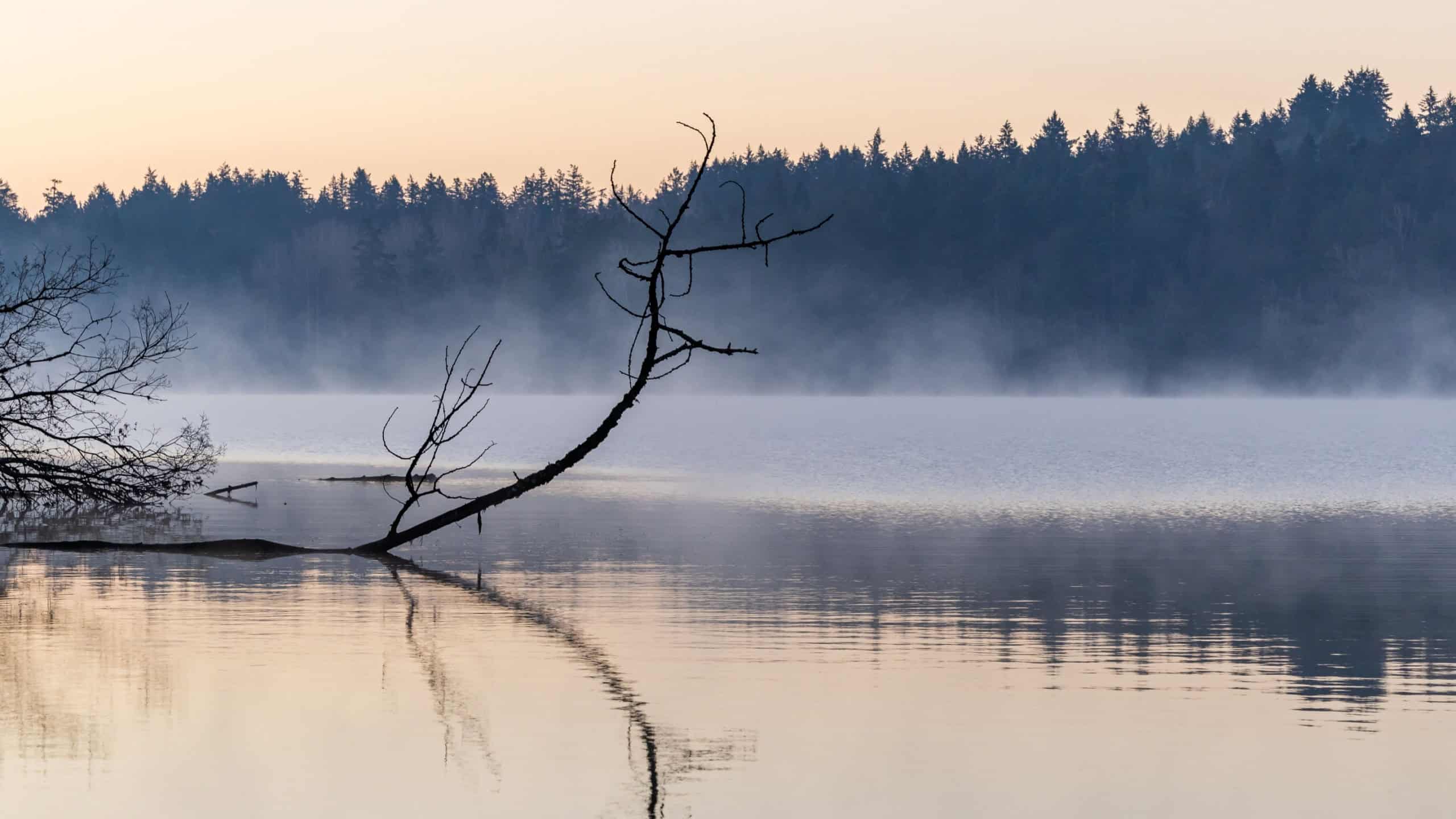
Likewise, even people who’ve never traveled north of their province will still talk about the country as being a northern and remote place. The North is a symbol in Canadian storytelling that doesn’t exist in other countries.
Such symbolism has become part of our national imagination far beyond being something geographical. Instead of maps, it’s a shared mental image that schools and the media teach, according to Canadian cultural studies.
A shared narrative of surviving climate
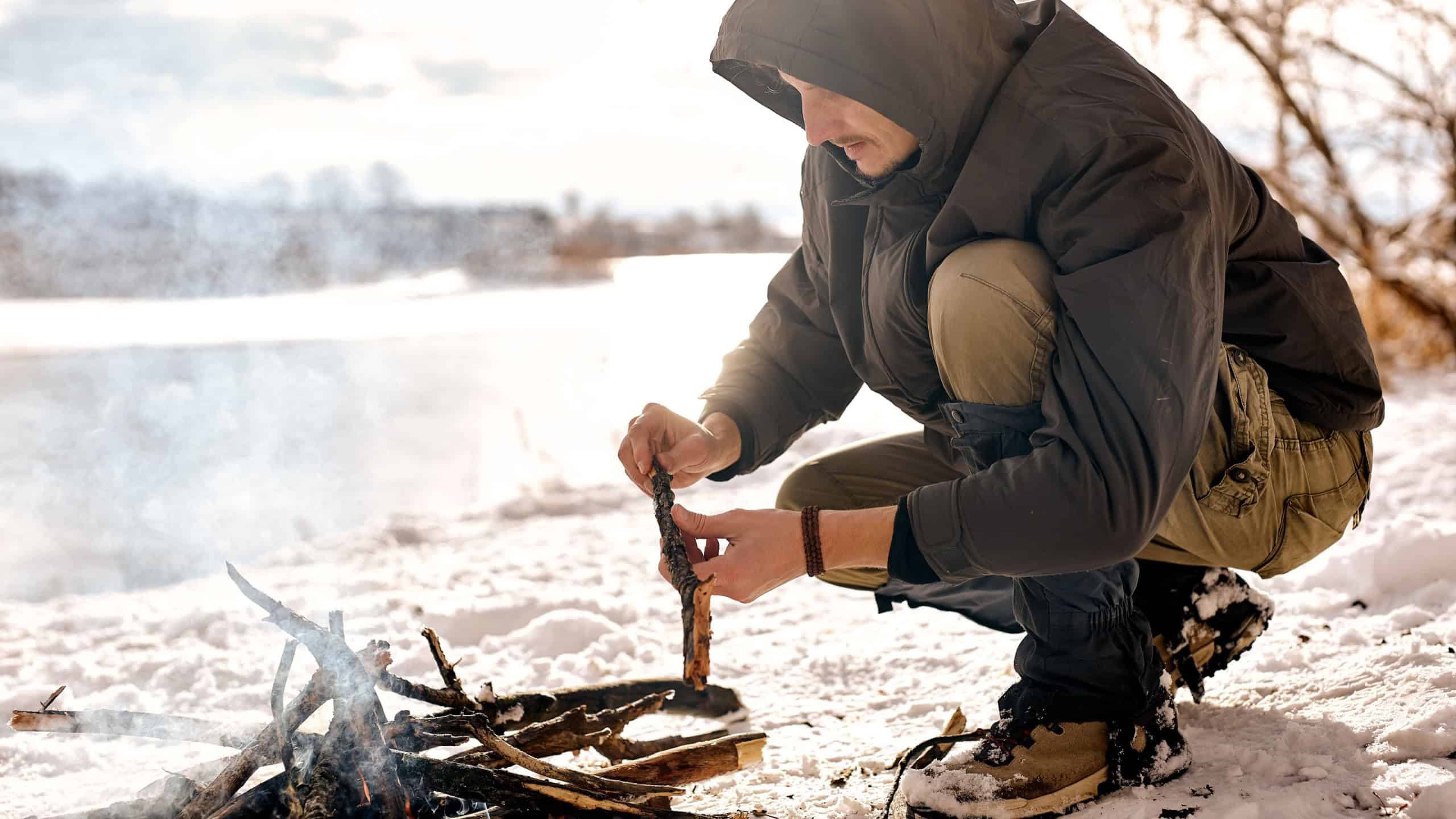
A similar idea to this involves how daily life works in northern and coastal Canadian communities. In these places, daily life centers around what the weather allows instead of strict schedules.
People have an idea of surviving climate, rather than conquering it, and it’s something that ties back to research from Inuit Nunatsiavut. We believe in adapting together to climate conditions. We’re not trying to beat them.
A built-in multicultural identity

Our approach to diversity is written into federal law, rather than being something solely cultural. It’s actually an important part of our national identity. Places like America encourage the idea of a melting pot, but here, we teach people to maintain their heritage while participating in Canadian society.
It gives us a completely different starting point from our southern neighbors and several other countries. Essentially, we make multiculturalism a rich part of being Canadian, without taking away from people’s original heritage.
A national self-image tied to peacekeeping and mediation

Lots of us heard about UN peacekeeping missions and people like Lester B. Pearson. Sure, we might not have been interested in foreign policy, but peacekeeping has been a rather important aspect of our national story for a long time.
It actually emerged during the Cold War era, according to military college research. We talk about cooperation and mediation in a way that many other countries never would.
A middle-power national self-image

There’s also the idea of being a middle power that many of us carry. It also appears in a lot of foreign-policy discussions and classrooms. The truth is, lots of us view our country as one that works through alliances, rather than sheer dominance.
This sort of thinking has had a huge impact on our diplomatic identity and how we view ourselves. We see ourselves as less of an aggressive force and more of a nation that works as a kind of ‘middle power’ that works alongside others.
Regional diversity as coexistence
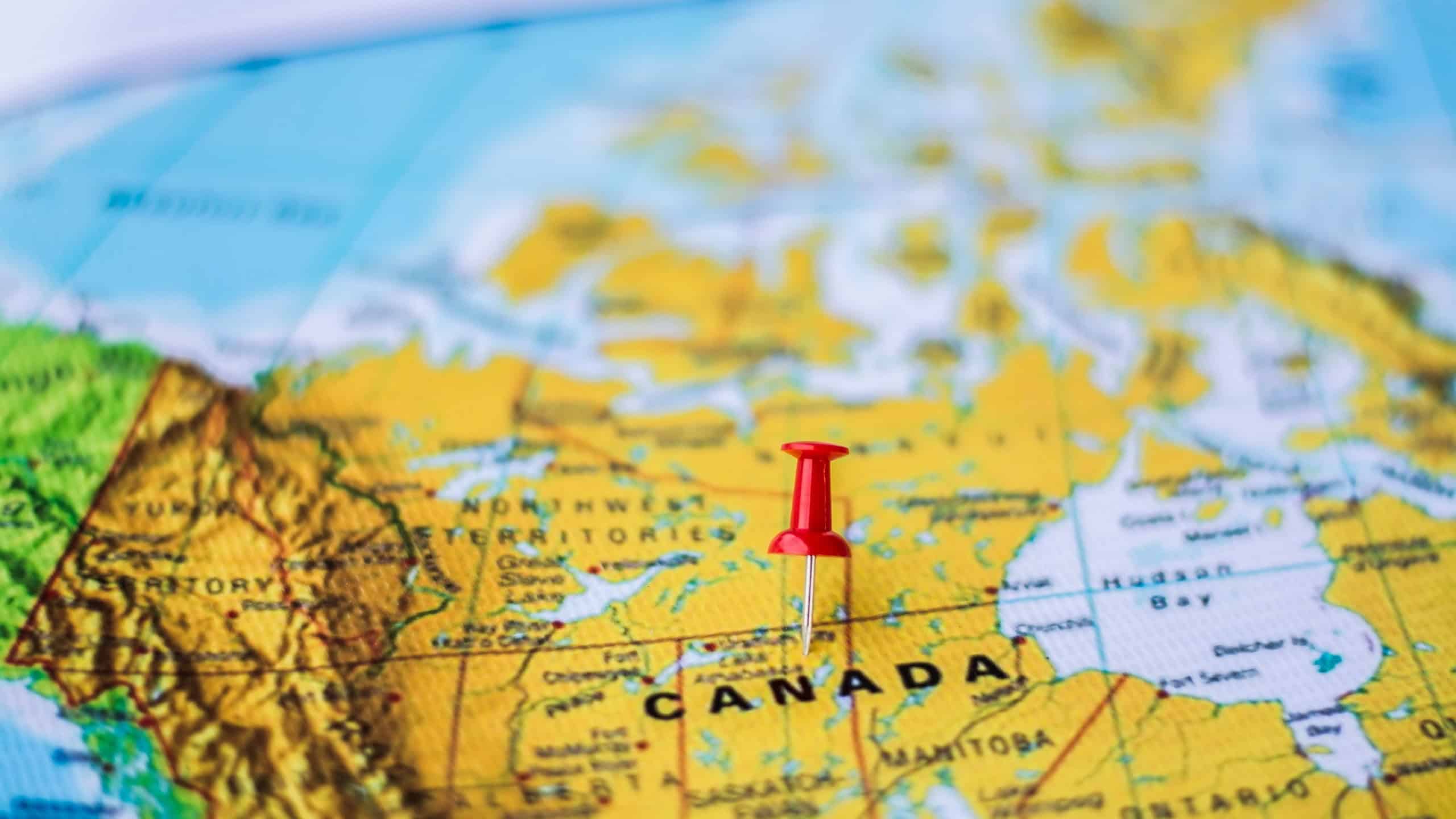
Try asking a Canadian about Alberta or Québec, perhaps also Atlantic Canada. It’s likely that the other person will describe the differences between the provinces as something matter-of-fact instead of some kind of competition.
Federal surveys have found that people generally feel a sense of fairness and influence between provinces, which is quite different from other countries. They tend to have far more open rivalry than the shared political structure that we do.
Cultural proximity anxiety toward the United States
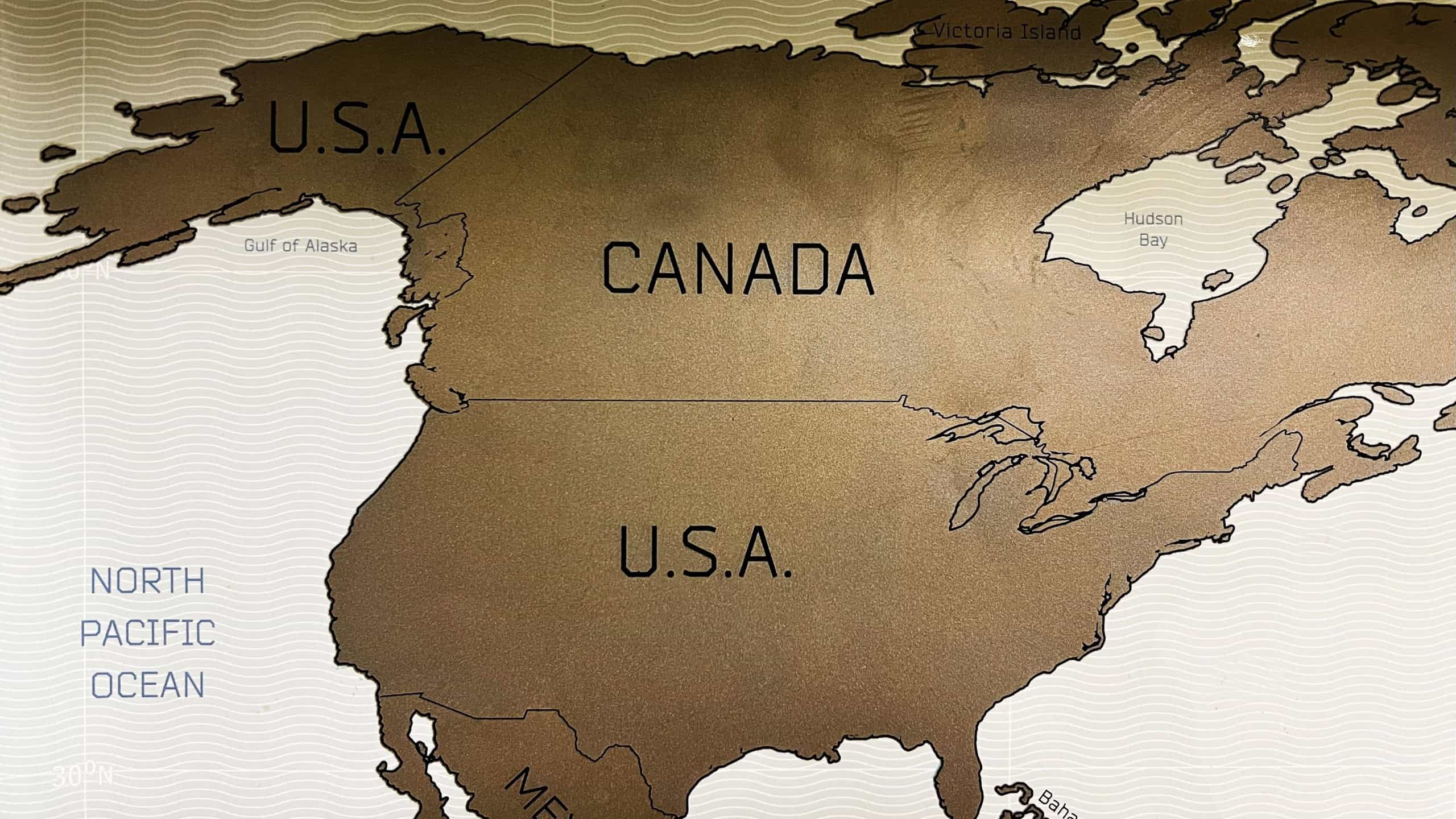
Living next to one of the biggest media producers in the world has meant that our culture tends to overlap with American content. However, that’s why we try hard to distinguish ourselves.
Academic research on the U.S.-Canadian relationship has found that Canadian creators try quite hard to have a distinct cultural voice, while also sharing markets and borders. We’re attempting to manage our relationship with America without losing our Canadian-ness.
Cultural protectionism through policy

You might be surprised to learn that the CRTC mandates a minimum percentage of Canadian content in Canadian media. Other nations often don’t have this kind of requirement. That has had an effect on the way we view the media, as lots of us understand the need for legal support in the media.
We recognize that the government can help our music, TV, and publishing survive against larger global media industries such as those in America. It’s normal for us.
A national narrative rooted in incremental change
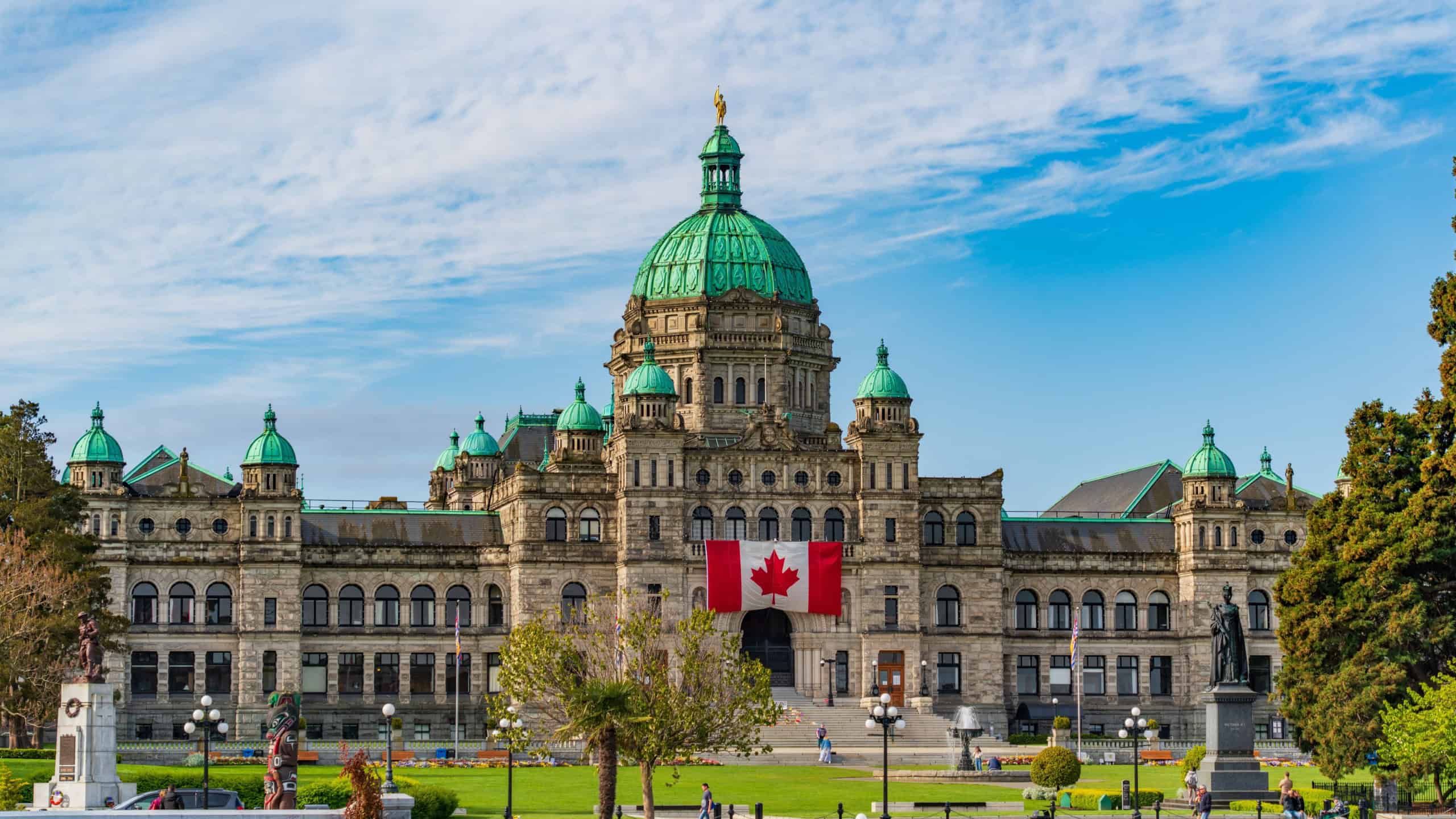
Our political history is one that’s often described through gradual constitutional steps. Unlike in American history, which tends to center on the importance of the American Revolution, we discuss the process of Confederation in 1867 to patriation in 1982 much more slowly.
It’s a kind of slow-change mindset that has influenced our political expectations in all sorts of ways. Even the way we view social progress isn’t the same, nor is our national storytelling.
Sources: Please see here for a complete listing of all sources that were consulted in the preparation of this article.
Things many Canadians grew up with that Americans didn’t

Canadian childhood had its own strange normal, including tiny hippos and shows Americans never saw. Which ones do you remember?