
Winter travel can be incredible; snow-filled streets, charming cafes, steaming hot chocolate, and twinkling lights. But it also requires smart packing. One little mistake can make you cold, wet, or miserable all trip long.
Before you seal your suitcase, here are the most common winter packing mistakes travelers make and how to avoid them.
Throwing in too much or too little clothing
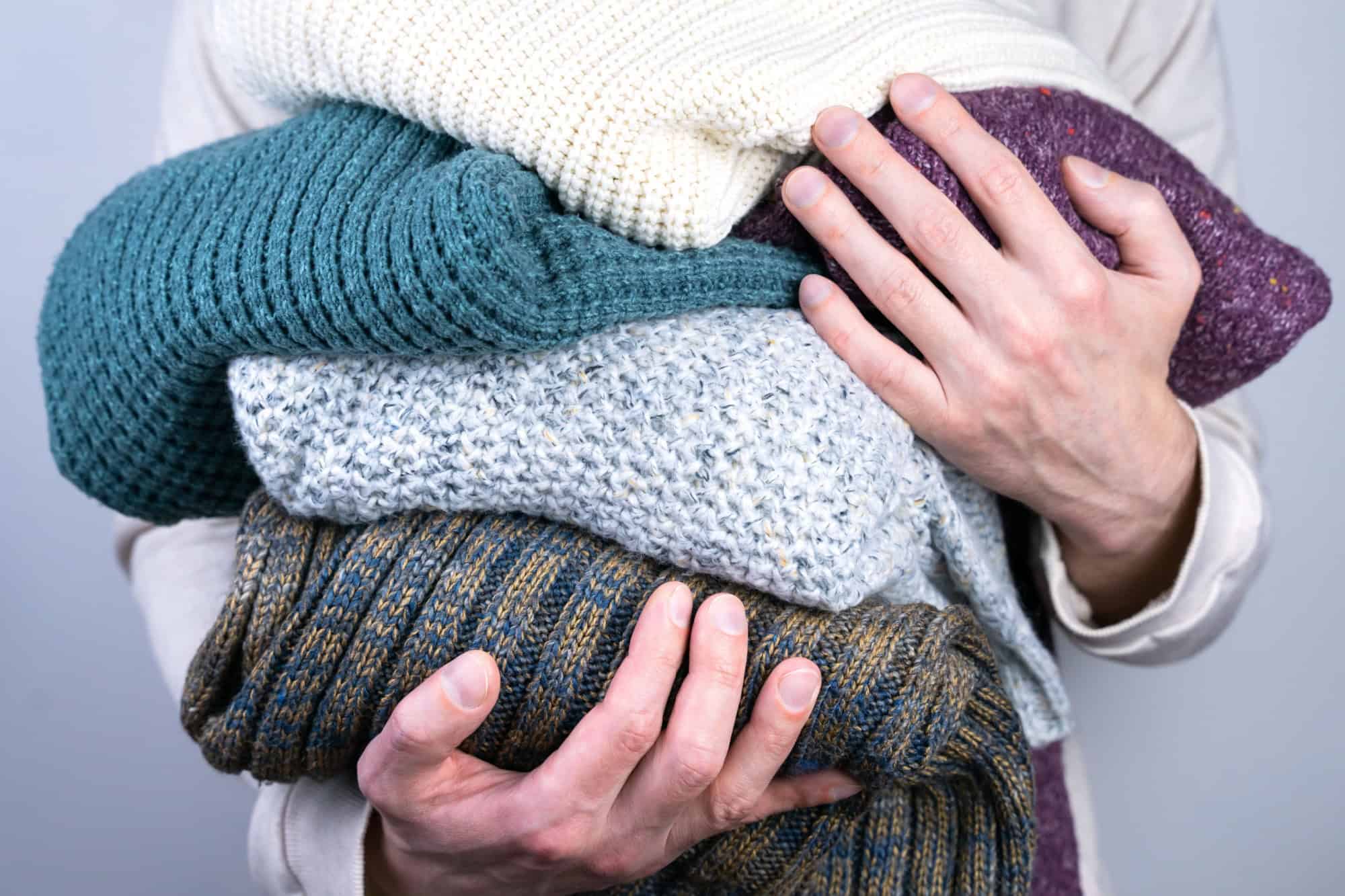
Cold-weather outfits are bulkier, and luggage gets filled up fast. Many travelers end up panic-packing, tossing in everything they could possibly need. The result? Skyrocketing overweight baggage fees and a sore back.
On the other hand, overzealous attempts to “travel light” often leave travelers shivering in the same cold outfit every day of the trip.
Find a middle ground between these extremes. Stick to 3-4 outfit combinations that you can mix and match. Stick to neutral colors so every layer pairs with the others.
Forgetting essential winter gear
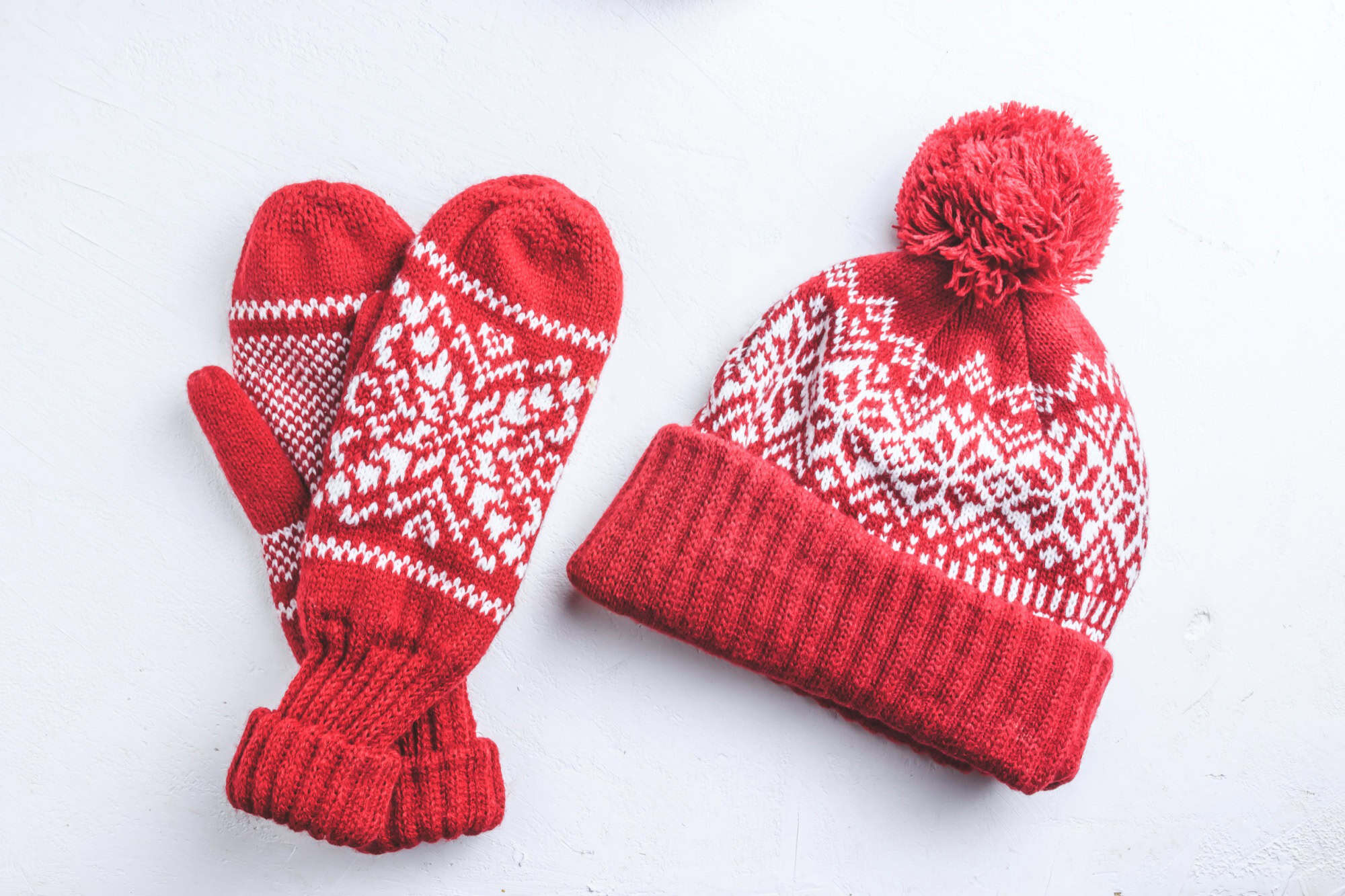
Winter hats, gloves, scarves, earmuffs, and thermal socks may seem small and trivial until you realize how much pain cold hands and ears can cause in below-freezing temperatures.
Even moderately cold destinations can drop rapidly at night due to wind chill. Thermals and breathable base layers trap body heat from escaping. So pack at least 2 pairs of gloves (one waterproof), thermal leggings & tops, a warm hat covering your ears, and a neck warmer or scarf.
Packing shoes that aren’t weather-appropriate
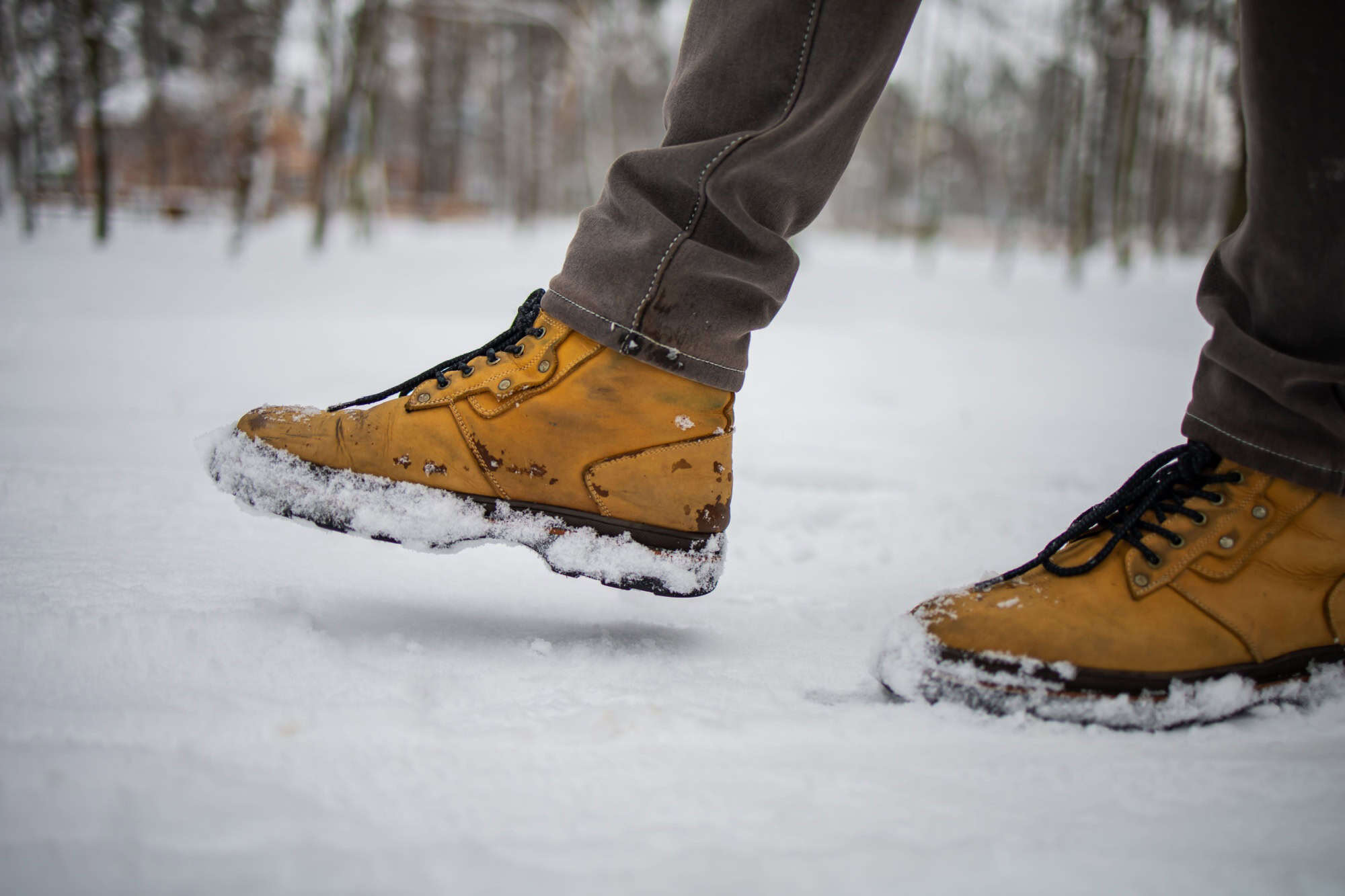
Fluffy sneakers or basic boots are cute, but not much help on ice. Shoes that aren’t waterproof will soak your socks within seconds. Wet feet dramatically increase the risk of frostbite in freezing temperatures.
So always pack waterproof, insulated shoes, anti-slip soles or attachable ice grips, and at least 2 warm pairs of socks for every day (wool is best).
Ignoring layering techniques
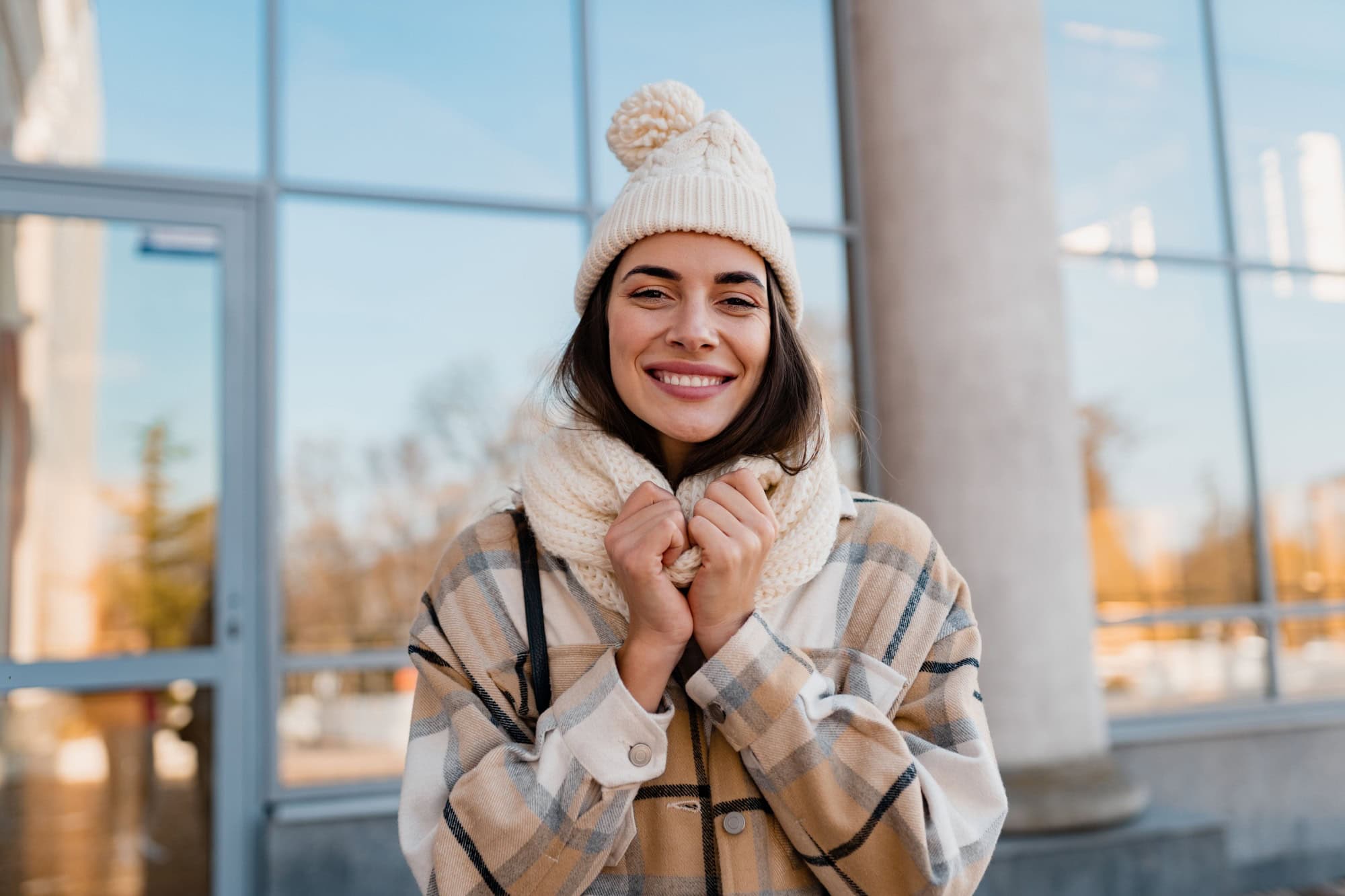
Layering is a necessity in cold temperatures. Indoors will be overheated, while outdoors may be unbearably cold. Without layers, you’ll feel like a popsicle outside or like you’re melting indoors.
The basic layering formula:
- Base layer (thermals: keeps body heat in)
- Mid layer (fleece or wool: provides extra warmth)
- Outer layer (coat: insulates against wind/rain/snow)
With the right strategy, you can withstand almost any temperature change.
Don’t forget a weatherproof backpack or bag that can strap across your chest to keep your hands free. Many great models have additional insulation or can convert to a coat or windbreaker.
Neglecting airline weight limits
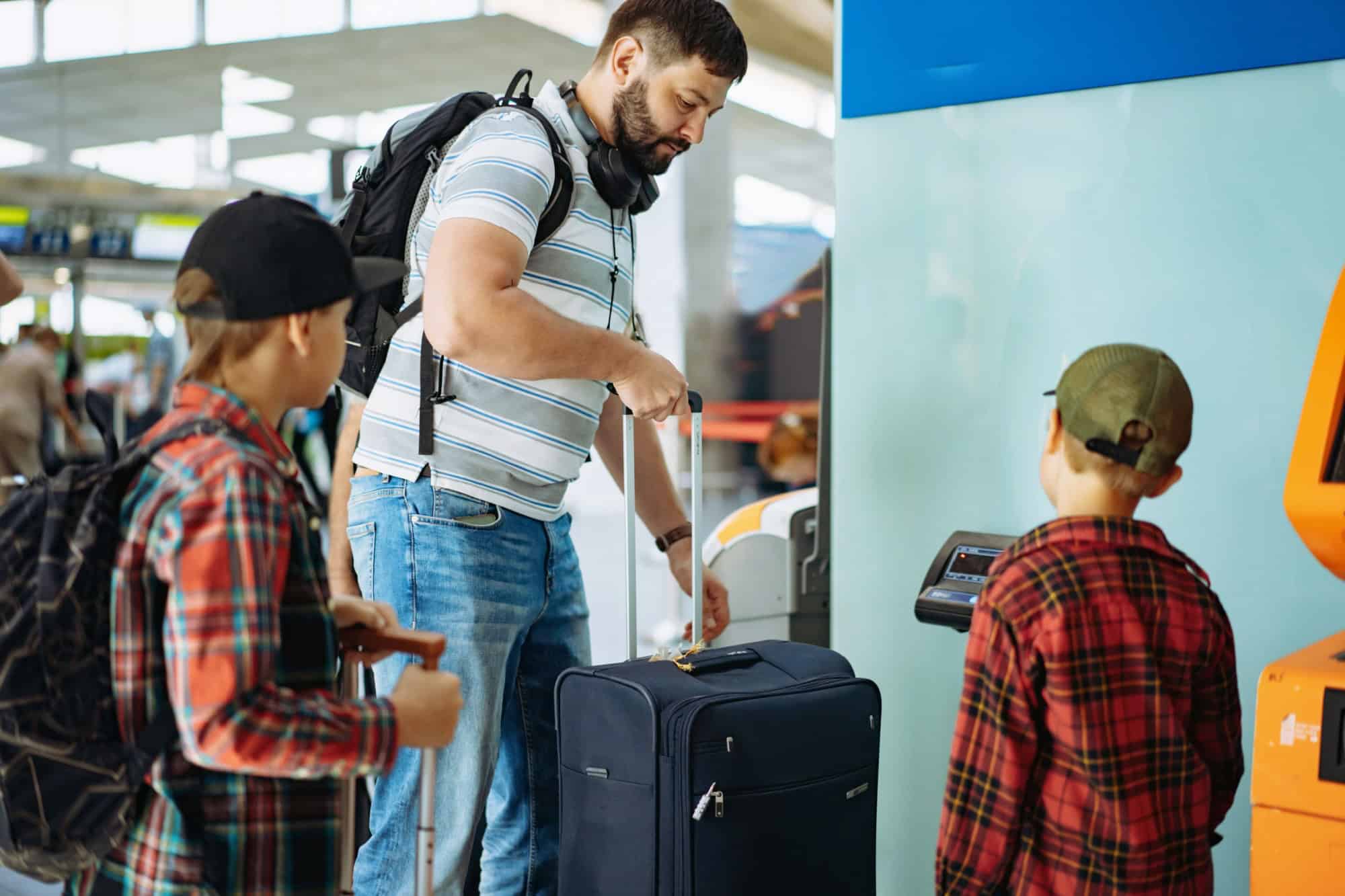
Winter jackets, sweaters, boots, and all the other essentials are heavy. Many airlines, especially low-cost budget airlines, have strict baggage weight and size limits. Surprise fees right before a flight can decimate your trip’s budget.
Travel tips:
- Wear your bulkiest items on the plane.
- Roll up clothes instead of folding them to save space.
- Double-check your airline’s baggage restrictions before packing.
- Use your coat as a comfy airplane blanket.
Neglecting to protect electronics from cold damage
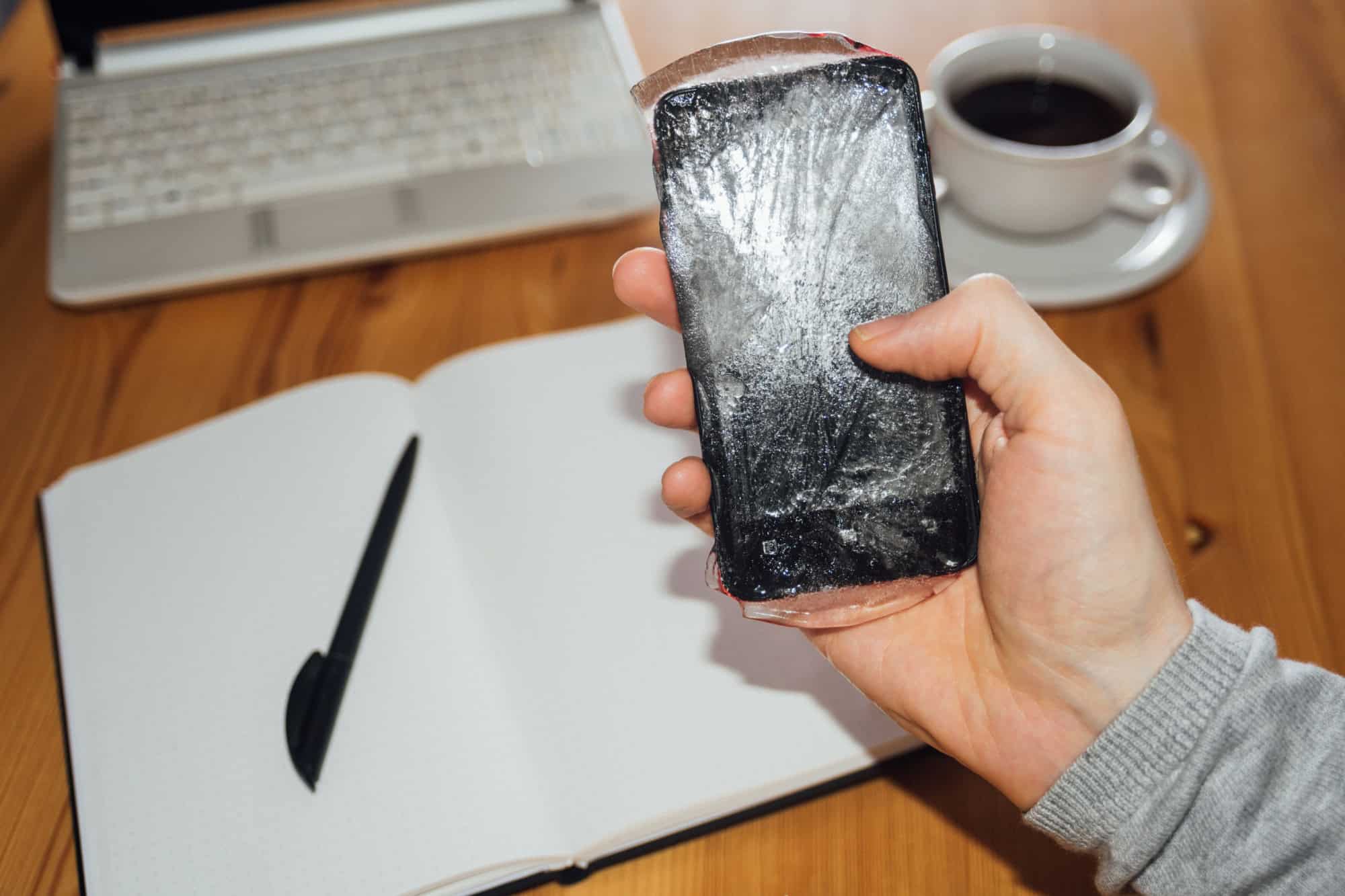
Cold temperatures zap battery life much faster, especially in phones, cameras, and power banks. Some camera lenses fog up or crack from drastic temperature changes.
Keep electronics in inner pockets against body heat. Make sure to store your camera in an insulated case. Carry a power bank (and keep that warm too). If you’re snapping snowy pictures, let your camera adjust to temperature slowly indoors to avoid condensation on the lens.
Forgetting toiletries or plug adapters
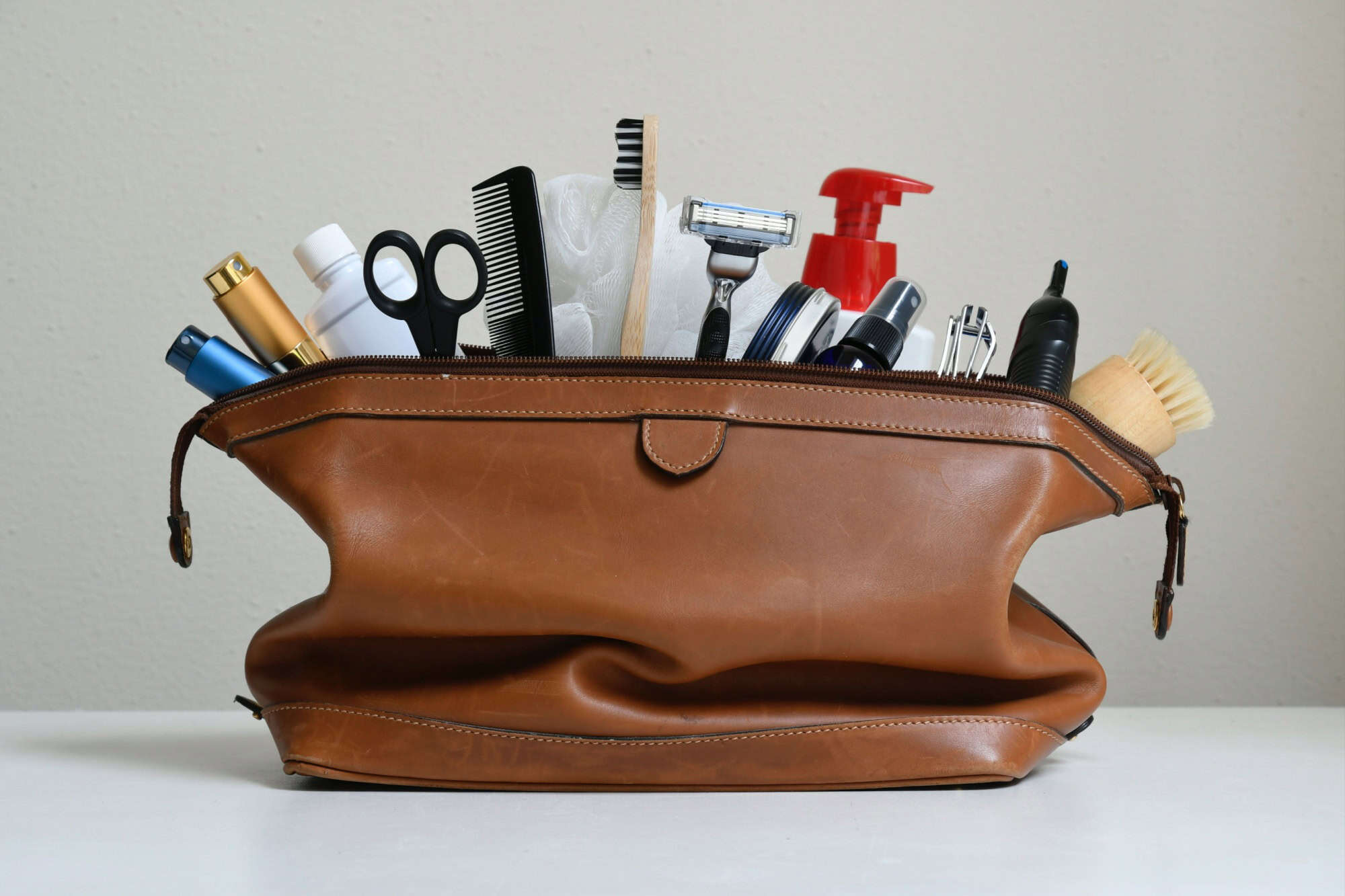
Cold weather dries out your skin fast. Chapped lips, cracked hands, and itchy skin can sour your mood. If you’re traveling abroad, not having a plug adapter will mean you can’t charge anything at all.
Don’t forget:
- Travel moisturizer & lip balm
- Hand cream
- Mini sunscreen (yes, you need sunscreen in the snow. Snow reflects UV rays)
- Plug adapter for your destination country
A small toiletry pouch can save a lot of headaches.
Overlooking important documents

Winter clothing involves multiple layers, which means more pockets and more opportunities to lose necessary documents. Gloves also make handling small papers a hassle.
Essentials checklist:
- Passport/ID
- Travel insurance
- Hotel confirmation
- Copies of reservations & emergency contacts
Keep all documents in a waterproof document holder.
Choosing unsuitable luggage for winter

Dragging your suitcase through slush or heavy snow is less than ideal. Canvas or soft fabric suitcases absorb water like a sponge. Broken wheels on ice? Forget about it.
Choose a bag with weatherproof qualities. Waterproof or water-resistant hard-shell luggage with sturdy double wheels is best. If you prefer a backpack, choose one with weatherproof fabric, extra back support, and a protective bottom panel.
Not planning for travel delays
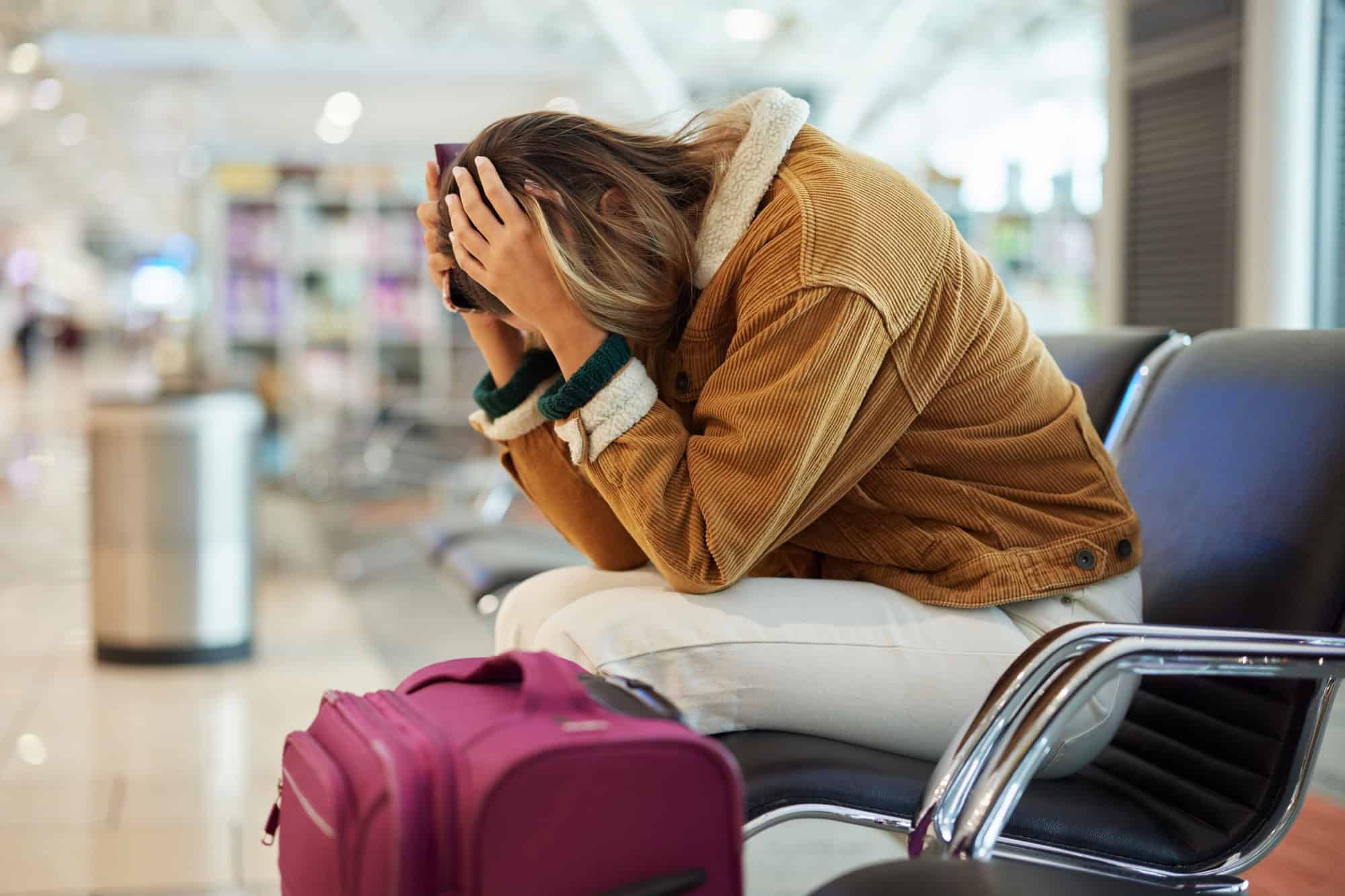
Winter storms can lead to airport closures and travel delays. Missing connections or being stuck at an airport with nothing warm to wear is no fun.
So don’t forget to pack your carry-on with a warm layer or spare sweater, a pair of socks, medication, phone charger, and snacks. If your main bag gets lost, you won’t be shivering while waiting for it.
Neglecting comfort + entertainment
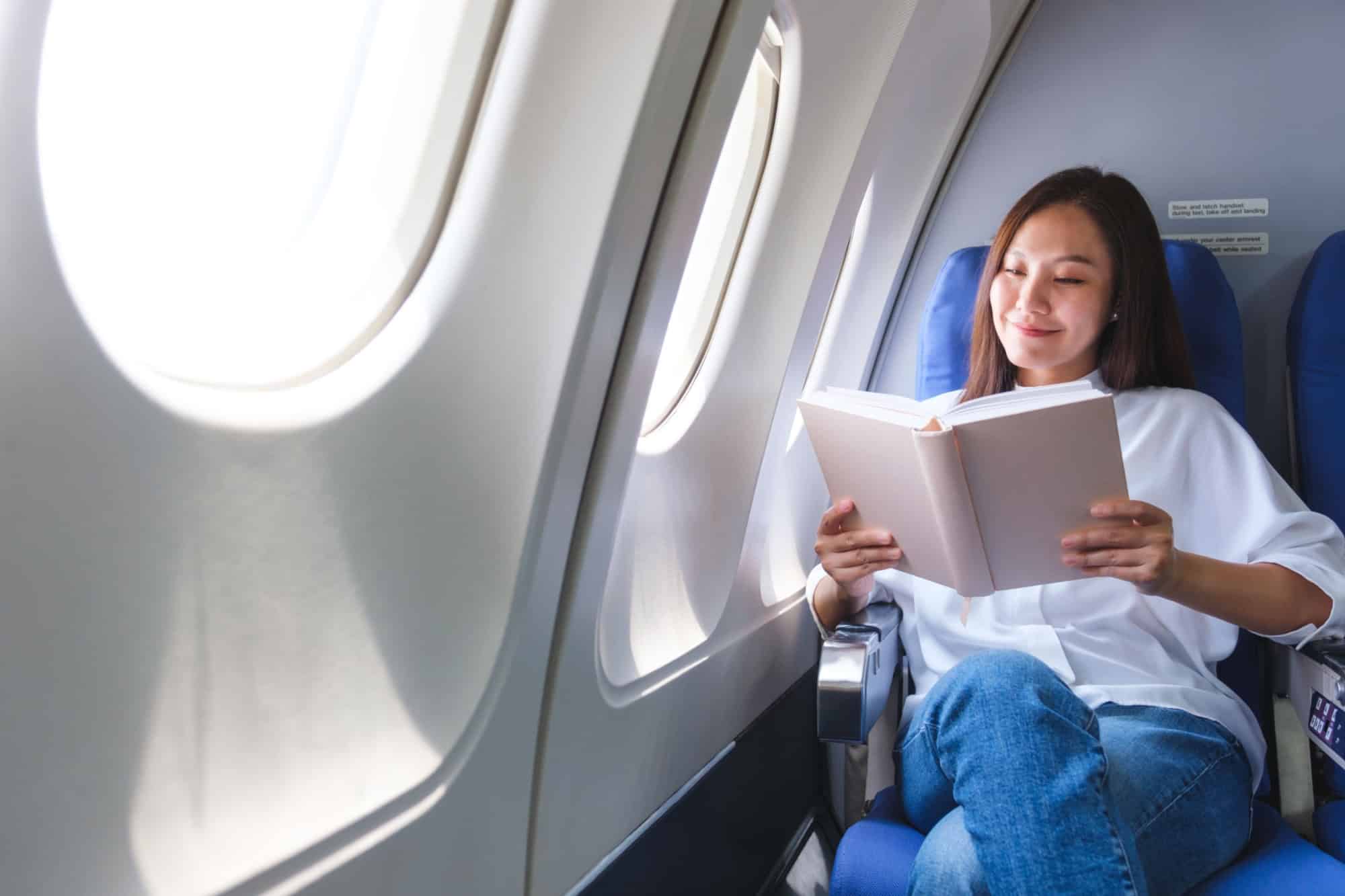
Cold weather equals longer waiting times: traffic jams, train delays, slow airport lines. A bored traveler is an unhappy traveler. Make sure you have entertainment like movies, Netflix episodes, music, podcasts, an audiobook or e-book. It’s best to download to your device before your trip. Also, toss in a travel pillow and warm socks.
Forgetting to pack emergency items
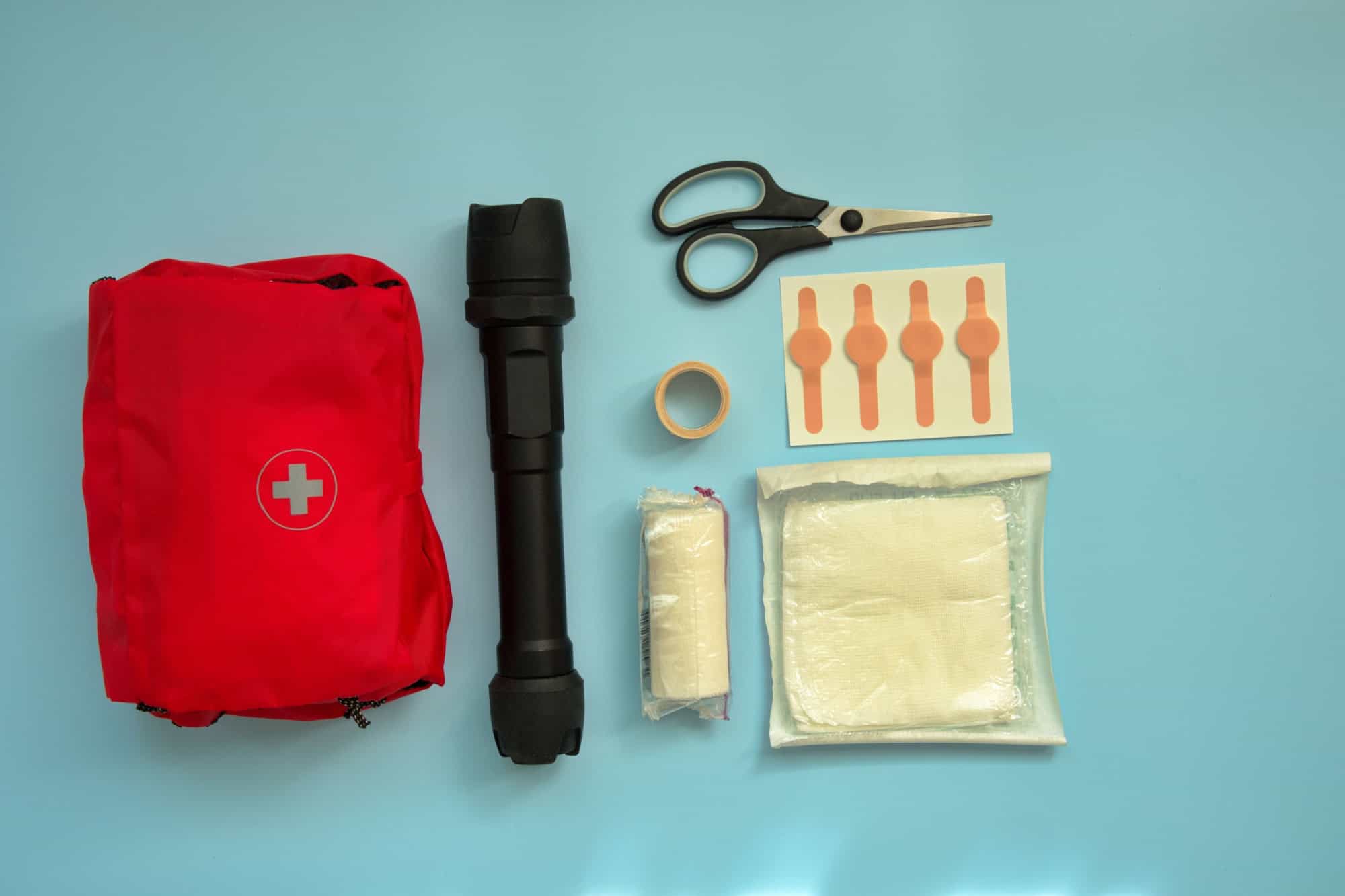
You arrive late, get caught in a storm, or hotels/shops are closed. Your own emergency mini-kit keeps you prepared. Pack basic first-aid items, prescription medication, energy bars or nuts, heat pads or pocket warmers. It doesn’t have to be large, just enough to be safe.
The following sources were consulted in the preparation of this article: