
Many everyday items and experiences have quietly slipped away over the past two decades, highlighting the shifts in technology, culture, and consumer habits that have reshaped our world.
#1 The Demise of Dumb TVs

Dumb TVs, or non-internet connected televisions, have become a rarity in the modern tech landscape. These simple devices allowed viewers to watch television without the distractions and complexities of apps, streaming services, and connectivity issues. Their absence is felt by those who long for the days when turning on the TV meant simply flipping through channels without being bombarded by ads, updates or software glitches.
#2 The Vanishing Cents Symbol

The cents symbol has all but disappeared from everyday use, reflecting a shift in how we handle small monetary values. Once a staple on typewriters and cash registers, the symbol has become obsolete in a world dominated by digital transactions and credit cards. As prices are increasingly rounded to the nearest dollar and coins become less relevant in daily transactions, the humble cents symbol slips further into obscurity, symbolizing a broader move towards cashless economies.
#3 The Loss of Impersonal Shopping

There was a time when shopping didn’t involve sharing personal information. Customers could purchase items without providing an email address, phone number, or joining a loyalty program. This anonymity in shopping has been eroded by the rise of digital marketing and data collection practices. Every transaction now seems to require an exchange of personal information, which feeds into targeted advertising and customer tracking, making the simple act of buying something an intrusive data-sharing event.
#4 Foil and Paper-Wrapped Candy Bars

Candy bars wrapped in foil and paper have become a nostalgic memory. This traditional packaging offered a unique tactile experience, from the satisfying crinkle of the foil to the smooth paper beneath. Today, most candy bars come in plastic wrappers designed for extended shelf life and convenience, which lack the charm and environmental friendliness of their predecessors. The shift to plastic signifies broader changes in packaging trends driven by cost and efficiency.
#5 Disappearing Newspaper Vending Machines
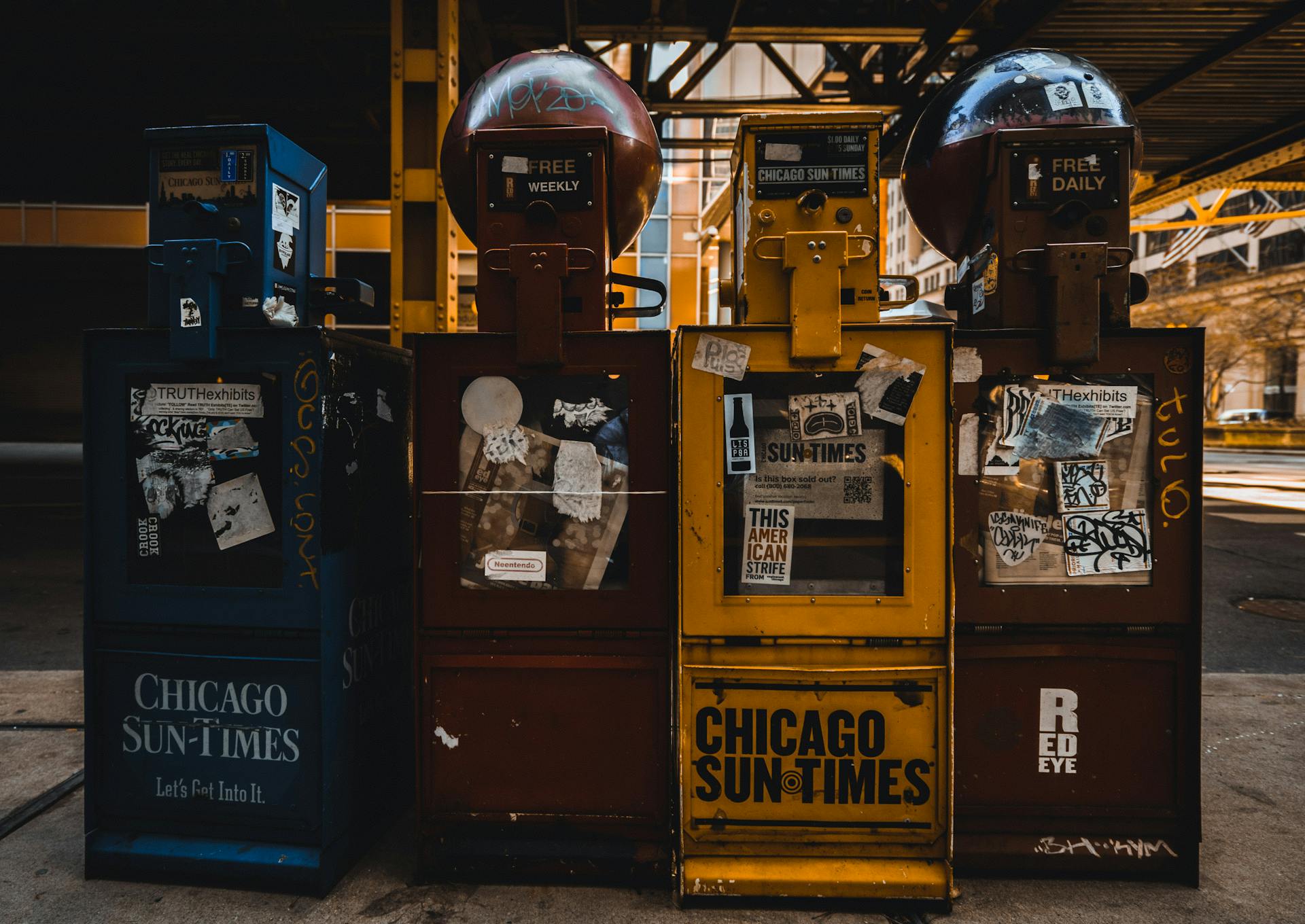
Newspaper vending machines were once a ubiquitous sight, providing easy access to the day’s news for commuters and pedestrians. Their gradual disappearance highlights the decline of print media as digital news consumption becomes the norm. The presence of these machines on street corners is now a rarity, serving as a poignant reminder of the shrinking role of physical newspapers in our daily lives.
#6 Reduced Ozone Layer Concerns

Public concern over the ozone layer, once a pressing environmental issue, has significantly decreased. While measures to address ozone depletion have been successful, leading to significant recovery, the urgency that once surrounded this topic has faded from the public consciousness. This shift reflects both the progress made in environmental protection and the changing focus towards other pressing ecological challenges like climate change and plastic pollution.
#7 The Decline of Toy Stores

Traditional toy stores, once magical destinations for children, are becoming rare. These stores provided a unique experience, allowing kids to explore and interact with a wide range of toys. The shift towards toy aisles in large retail chains like Target and Walmart, coupled with the rise of online shopping, has overshadowed the dedicated toy stores, diminishing the special excitement they once offered.