Some slang words become so popular that people eventually get tired of hearing them.
Slay

The term “slay” has roots in Black and queer culture and was later picked up widely by social media users. You might hear your friends say it when you’re looking sharp or when you’ve achieved something truly cool.
Nowadays, the term can feel excessive at times. Not every small victory in life needs a “slay” attached to it.
Delulu

“Delulu” first gained popularity on various fandoms, then grew in popularity on TikTok and beyond. It basically means delusional, in a playful or exaggerated sense.
People use it to describe having wildly unrealistic romantic ideas about a crush, or just being way too hopeful. If you believe that your favourite celebrity secretly has feelings for you, you might call yourself delulu.
Anyone over age 15 using it on a regular basis just comes off as childish and annoying.
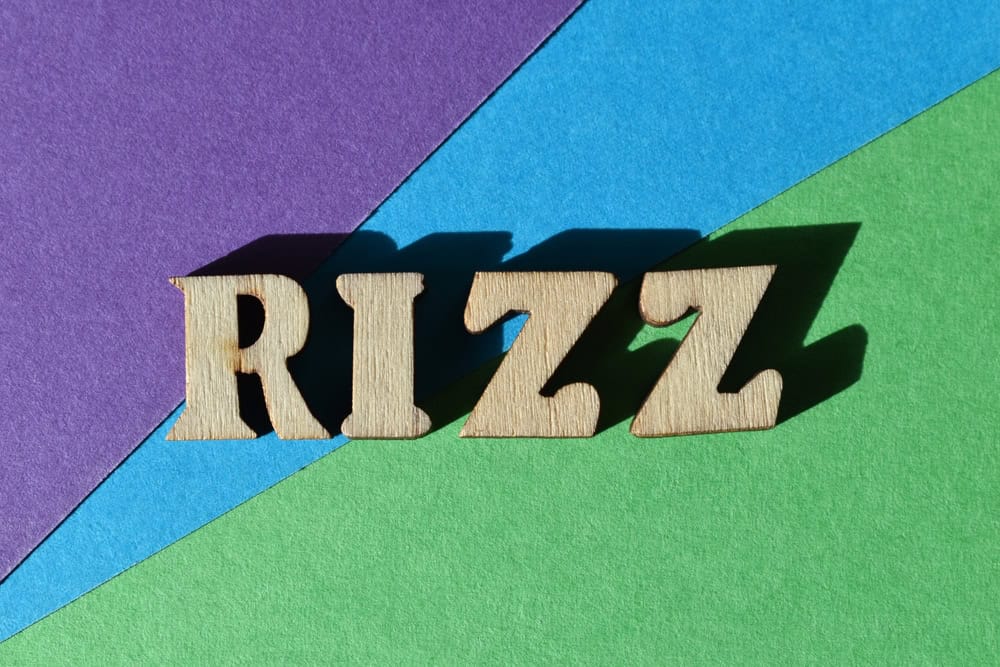
Rizz

“Rizz” is short for “charisma,” and it has mostly become popular through social media and in video games. If someone’s good at flirting, you might say they’ve got a lot of rizz.
The word can irritate people because it’s sometimes used to describe almost any attempt at flirting, no matter how awkward. And it’s more than a little cringe-inducing when adults start talking like this.
Sus

The term “sus” has been around longer than the internet, but the game Among Us is largely responsible for its rise. Players initially used it to call out suspicious behaviour from other players, but it soon made its way into everyday conversation to describe anything slightly out of the ordinary.
Unless you’re talking to a primary schooler, most people would prefer that others spell out the proper word in conversation. And there just aren’t that many suspicious things in real life.
Cringe

You can hear the term cringe applied to just about anything these days, from bad jokes to how others dress. The word itself isn’t new, but the way it is used to label behaviour, things or people has really gained popularity on social media over the past few years.
Some people aren’t happy about this, since anyone who isn’t keeping up with whatever’s trendy at the moment gets labelled cringe.
Ick

The phrase “getting the ick” tends to come up a lot when people talk about dating. It happens when a person does something that makes you lose interest in them. It could be as simple as laughing at something or how they walk.
Many dislike this phrase as it can lead to people nitpicking others for these minor quirks, while some enjoy using it to explain why their feelings towards another person have changed.
Skibidi

It was the popular YouTube series Skibidi Toilet that first brought “Skibidi” into the spotlight. It caught on fast with young people online, becoming a meaningless bit of flair for their jokes and everyday humour. Sometimes the term is used to suggest something odd or absurd.
This has caused frustration for many older members of society who don’t know what all the fuss is about.
Sigma

“Sigma” first became popular on the internet as a way to talk about various personality types and their position in society. It has now evolved to describe someone who follows their own rules for living.
A few young people mean it quite seriously, but many more use it ironically. There are also plenty of critics who dislike the term because, in their view, it treats being self-reliant as a special personality category. In some parts of the internet, the term is also used to create divisions based on physical features and strength.
Mid

Calling something “mid” is usually just a way of saying it’s not impressive. It could be directed at any number of things from movies to restaurants. The term took off on review sites and Twitter.
What bothers people is that it says so little; critics won’t spell out what they dislike about a film, a piece of art and so on; they just call it mid and move on.
“No cap”

When you say “no cap,” you’re basically saying you’re being honest about what you’re saying. For example: “This is the best pizza I’ve eaten, no cap”.
The phrase originated in Black slang and became more popular through TikTok and among rappers. But lots of people get annoyed when ‘no cap’ gets thrown onto remarks that don’t really need that kind of sincerity.
“Bussin’”

Most of the time, “bussin'” is used to describe food that tastes really good. Someone might use this word to describe their burger rather than simply calling it good.
It has its origins in African American English, but it became popular through TikTok. But now it gets overused in contexts where it doesn’t fit, or some people just get irritated by the way the word is deliberately stretched out.
“Ate”

The phrase “she ate” is an idiom that people use to compliment someone’s appearance, talent, or similar qualities. The expression developed from longer phrases like “ate that up” and has roots in the Black and Queer community before it spread widely across social media.
Its overuse tends to rub many people the wrong way, especially when what’s been “eaten” isn’t actually all that impressive.
“Bet”

“Bet” works as a quick way to agree with what someone else has said. It’s meant to say ‘you can bet on it.’
For example, if your friend tells you they will see you at 7 pm, you may just respond with “bet”. It’s been around in African-American English for many years and has recently caught on with other young Americans.
A simple ‘sure’ or ‘yeah, see you then’ is what most adults are expecting to hear instead.
“Pookie”
“Pookie” has been a pet name for ages, though social media has given it a whole new life. Now it’s worked its way into how we talk online, whether between partners, friends, or complete strangers. Some find it endearing, though plenty of people think ‘pookie’ has sunk to the level of baby talk.
“Gyatt”
“Gyatt” is slang for reacting with surprise or admiration, typically in reference to someone especially voluptuous or having a big backside.
It originated as an exaggerated version of “god d*mn” before spreading across streamers and other internet platforms. When they spot someone they think is good-looking, some young people will shout it out loud. Many criticize the phrase for narrowing a person down to appearance alone.
“Brainrot”

“Brainrot” is a term that often comes up when talking about over-consuming mindless online content. It also gets used for the silly memes, slang, or jokes that are everywhere on social media. If you catch yourself repeating every new TikTok catchphrase, people might start calling you out for consuming brainrot.
“It’s giving”

When you say “it’s giving,” you’re basically describing the impression or vibe that something puts out. Say you spotted someone dressed in seriously expensive clothes; you might say “It’s giving old money”.
It is not hard to see why this phrase gets annoying in everyday conversation. It seems like an awkward, incomplete sentence.
Like our content? Be sure to follow us.
Slang the baby boomers used daily that will now embarrass anyone born after 1975

Words that once made baby boomers sound cool might now make their children and grandchildren laugh.
Slang the baby boomers used daily that will now embarrass anyone born after 1975