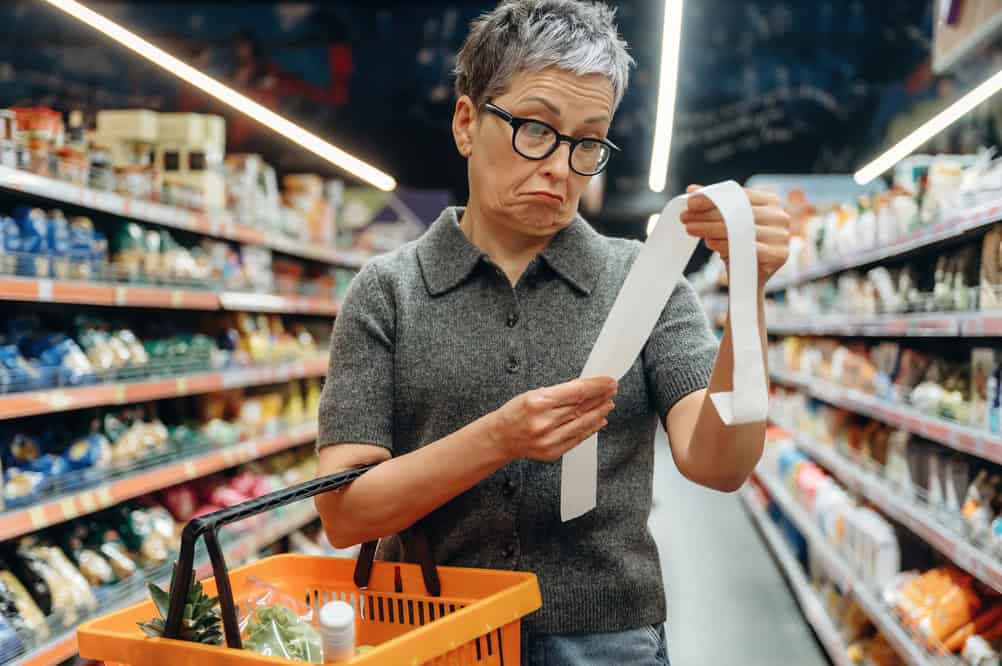
Grocery shopping isn’t always as straightforward as it seems, thanks to these clever marketing tricks.
Essential items at the back
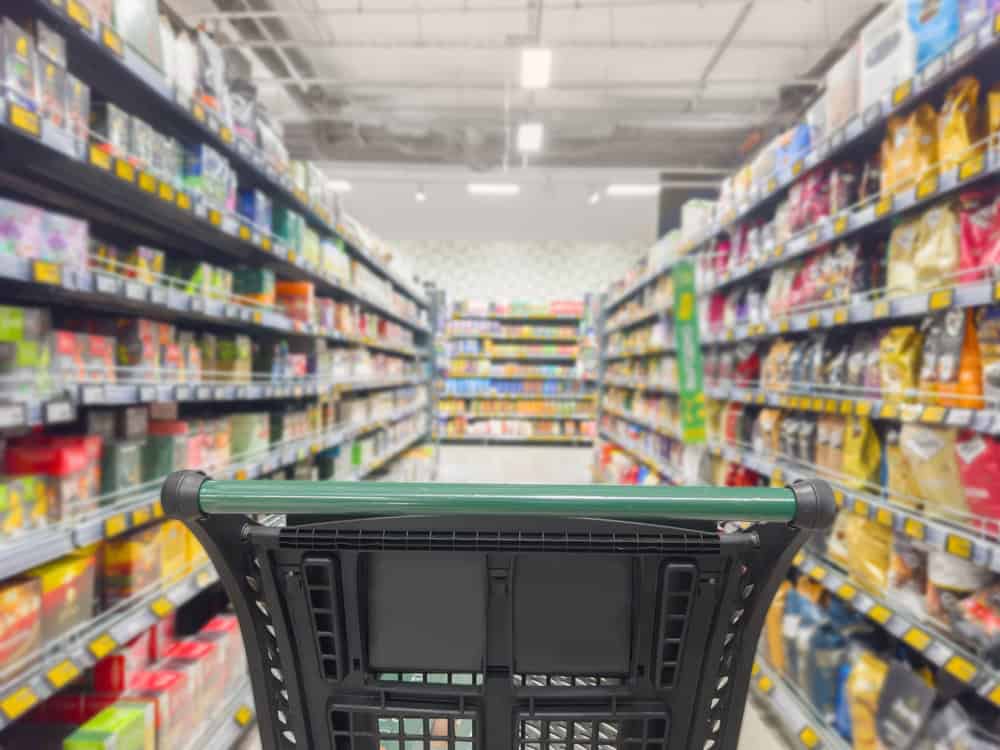
Ever wondered why milk, bread, detergent and the like are usually kept at the back of a grocery store? There’s a reason for that. Heading through the shop to pick those up, you’ll naturally go by lots of other items.
If you go into a supermarket simply to buy some milk, there is a good chance you will come out with a number of additional items. Needless to say, the trick works best when the product you’re looking for sits a good distance away.
Expensive products at eye level
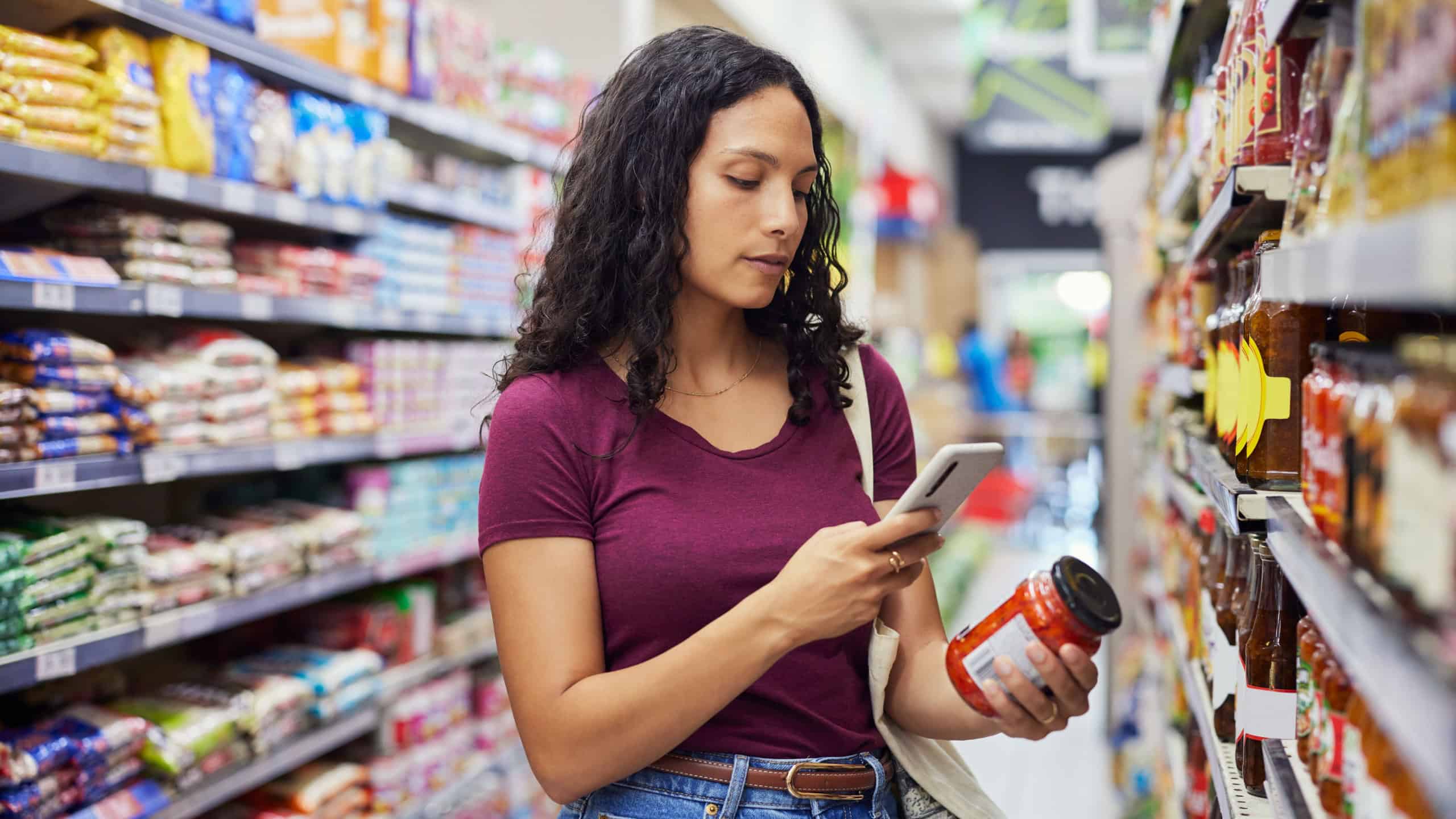
Supermarkets put a lot of thought into how their products are laid out. Items with higher price tags are generally set out at eye level to draw the attention of people walking past. Cheaper alternatives tend to end up on the bottom shelves.
Manufacturers can also buy display space for their products. If you simply grab the first item you see, you could well be paying more than you have to.
Bigger shopping carts
Many supermarkets now offer bigger trolleys than before. Because there’s more space, items sitting at the bottom of the trolley can make it look like it’s empty. This means people could end up picking up more than they really intended to buy.
Research suggests that trolleys, baskets and similar items can influence how much consumers spend, though this varies depending on the situation. If you know you’re only doing a quick shop, using a small basket may help.
Misleading sale signs
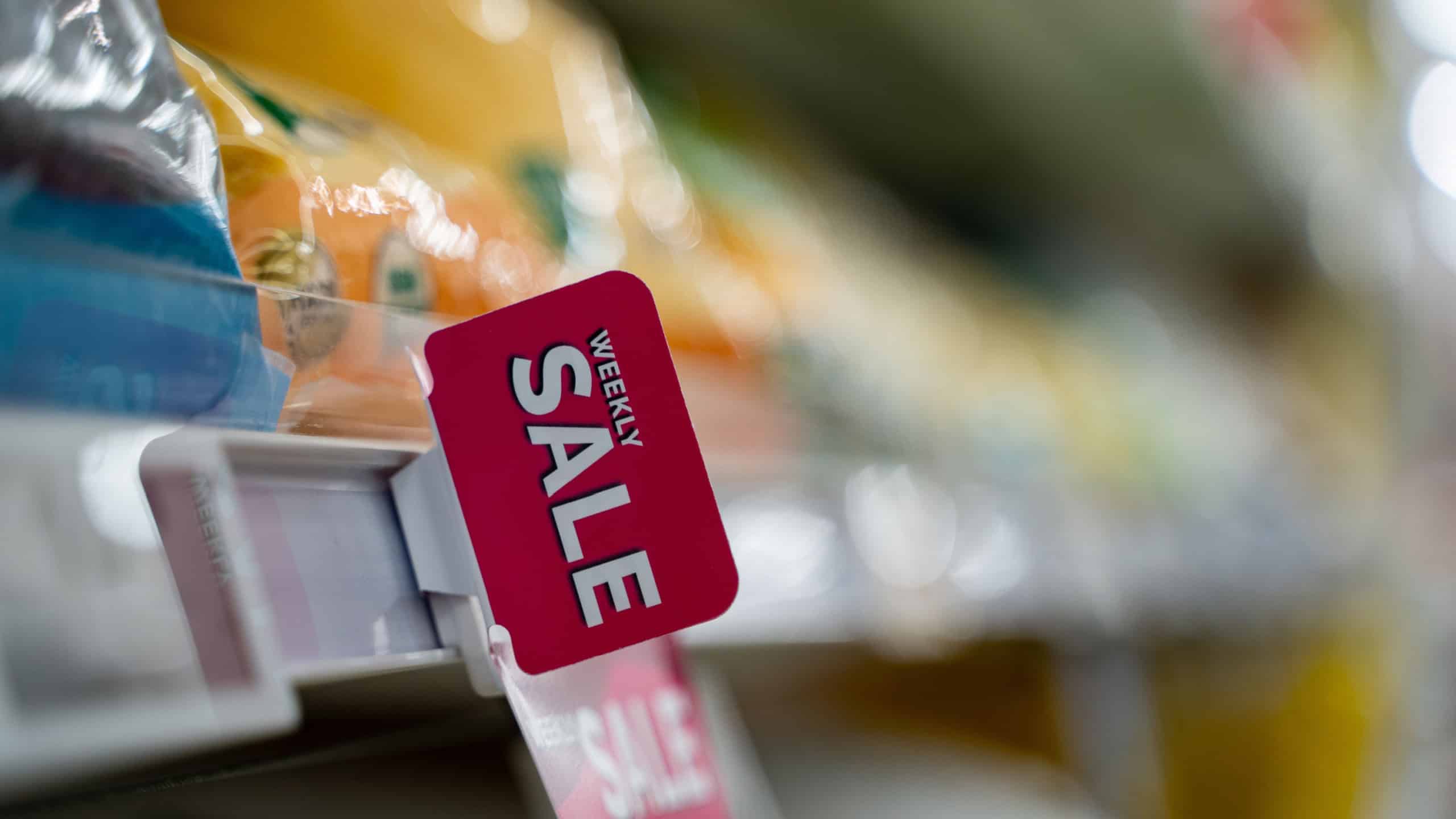
A large, attention-grabbing ‘sale’ banner will convince plenty of people that they’re buying at a much-reduced price. In truth, they might just be measured against an old regular price (one customers rarely paid) or pulled off through some clever wording of the deal.
Consumers can also become fixated on the % reduction without checking the final price. You’ll normally get a truer sense of value by comparing rival products.
Multi-buy offers
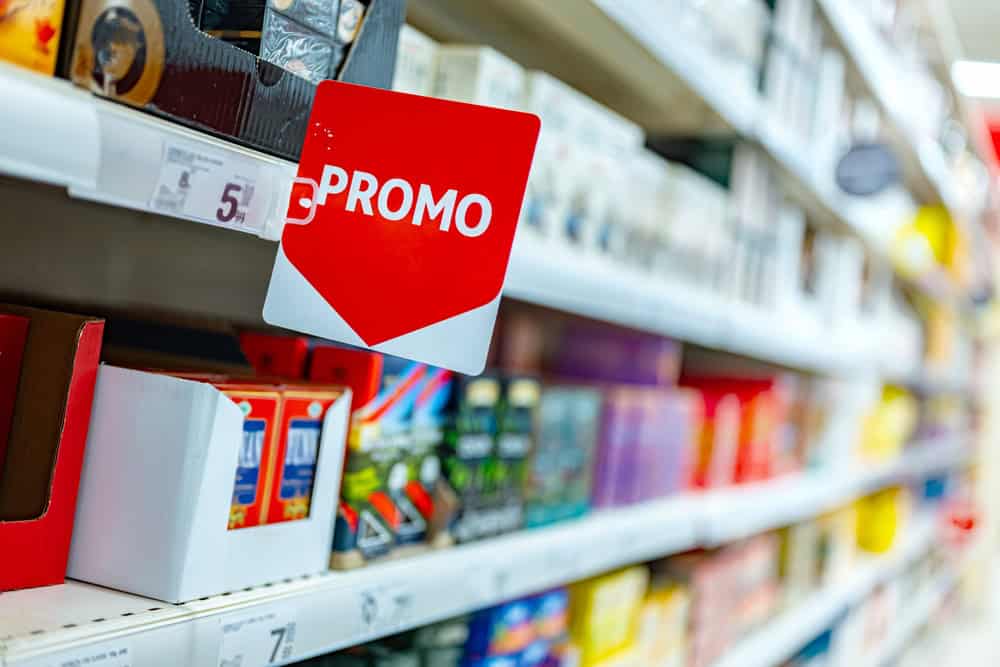
It’s common for people to look at an offer of 3 items for $10 and conclude that buying at least 3 saves them money. In some cases, you’ll find that the same discount applies even when buying just one item.
In some promotions, you genuinely have to buy multiple products, but you might only need one product. People often end up spending too much while trying to cash in on a promotion, so it’s a good idea to look at the individual item price first.
Temptations at the checkout
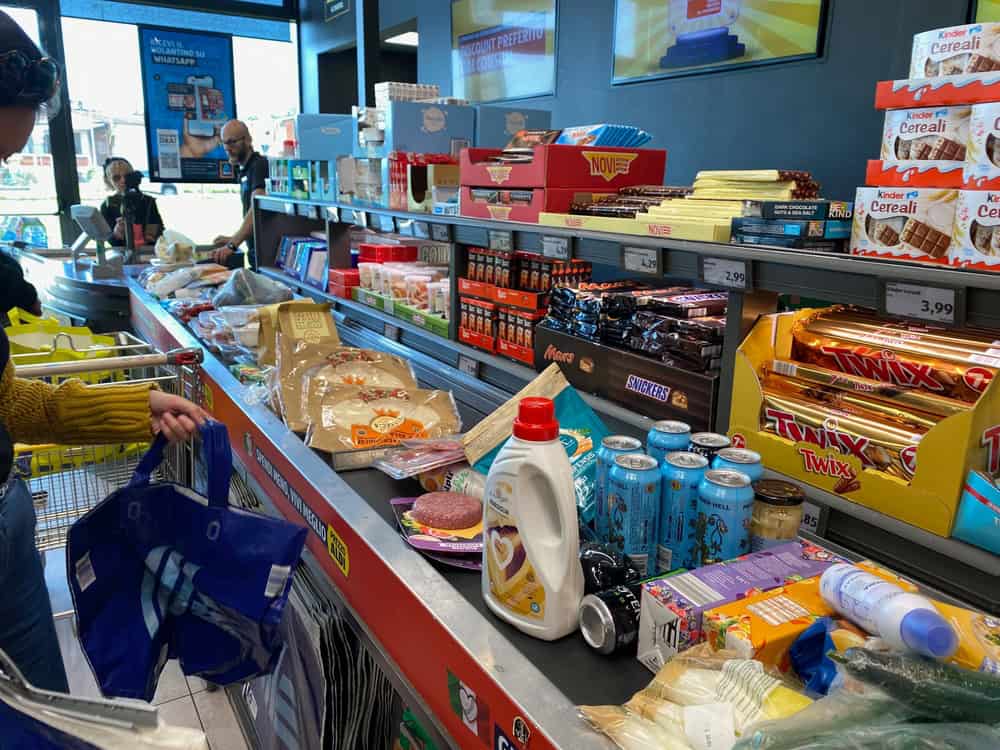
You’ll find plenty of chocolates and similar treats to browse at the checkout counter during the brief wait. Naturally, it gets irritating when the kids start pleading for them, since they know the shopping trip is nearly over.
Since these items tend to be fairly cheap, treating yourself to one or two feels like a sensible choice. All these will quickly add up, though.
Shrinking package sizes

You might not notice a price change, but the package could hold less than before. It is often called ‘shrinkflation’, that is, a decrease in weight or volume. Naturally, most people wouldn’t notice a change like this unless they bothered to check the weight or size of the product. Comparing prices by the gram or a similar measure is always a smart move.
Limited time offer
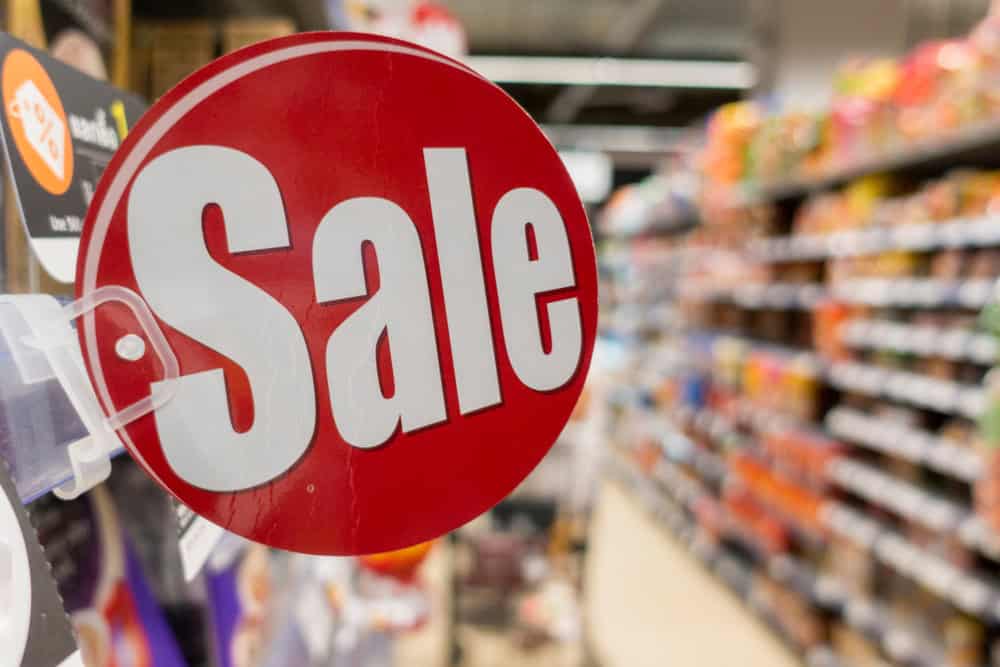
Messages such as “Today only!” or “While stocks last” all imply that if you don’t buy now, you will miss your opportunity. Naturally, this may lead to impulsive buying. Sure, there are moments when a specific product really is in short supply, but most supermarkets hold sales pretty often.
It always pays to stop and ask yourself whether you actually need the item, instead of just wanting to make the most of the lower price.
Free samples
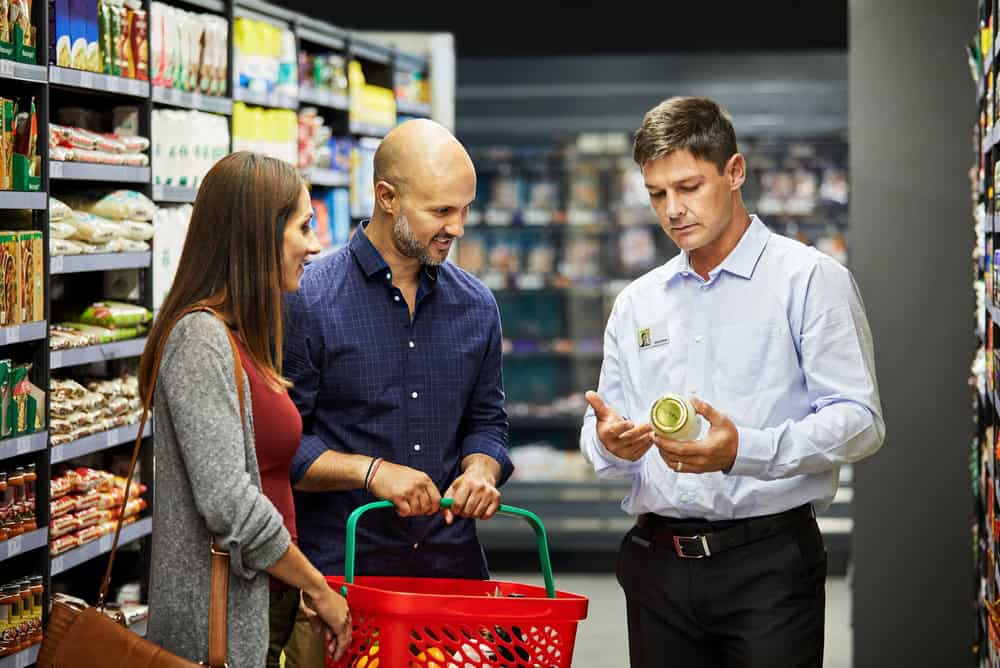
Free food samples seem like a generous gesture, but they’re also a marketing strategy. A lot of people also tend to feel they should pay for something after they’ve been given it for free and tasted it.
Sampling can be especially effective when introducing unfamiliar products. You’re perfectly welcome to try the samples being offered, but it doesn’t mean you should feel you have to buy.
Loyalty card discounts

Supermarket loyalty programs promise exclusive savings to customers who sign up. But some stores reserve some advertised discounts for loyalty members. This means other shoppers pay more for the same products. These programs can also collect information about your buying habits (this will mainly depend on their privacy policies). Customers may feel pressured to join simply to access competitive prices.
Like our content? Be sure to follow us.
9 hidden symptoms of anxiety that most people ignore

Most people don’t recognize they have these 9 subtle symptoms of hidden anxiety.