
Kids in the 60s and 70s often had to figure things out for themselves, and that taught them a lot about everyday life.
Finding their way

A lot of kids who grew up in the 60s and 70s would travel around their neighbourhood with no one there to watch them. They would walk to school and ride bikes to their friends’ house, learning to recognize what familiar streets and landmarks looked like.
If they went down a wrong street, they would have to figure it out by themselves. There was no GPS to guide them. This gave them many chances to learn their way around and to make small decisions independently. Some children knew their whole neighbourhood by the time they were old enough to drive.
Fixing things themselves
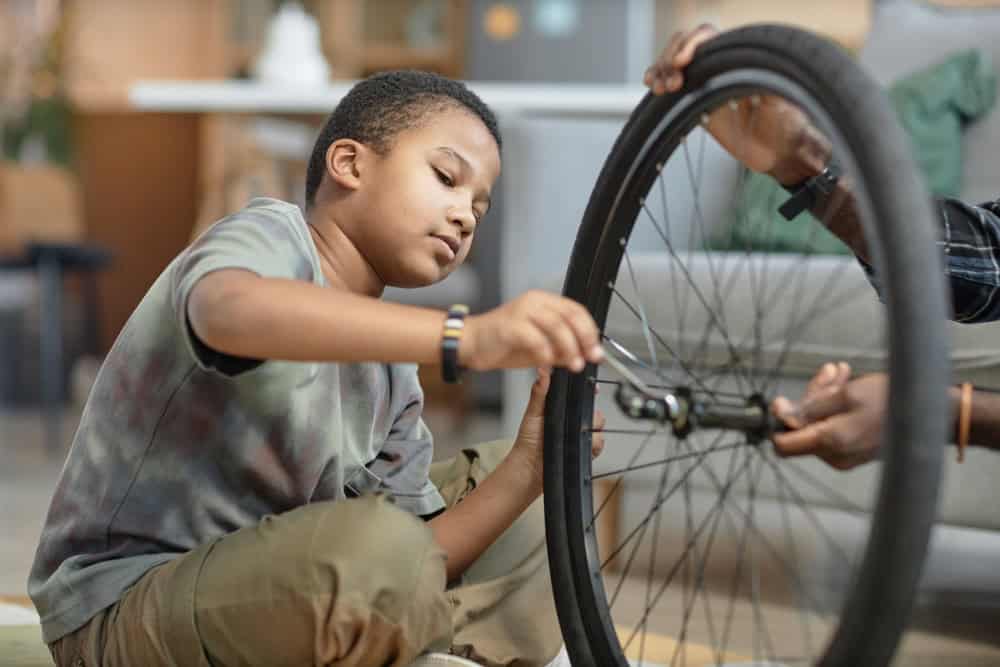
Back then, if something was broken, people didn’t automatically replace it with a new one. Kids would see their parents fixing things around the house. So, they learned how to do some things themselves as well.
If a bike chain fell off or a toy was broken, they would spend the day trying to fix it instead of taking it somewhere to get fixed. They may not have known how to fix everything but they at least tried, which in turn taught them how to use some tools and solve practical problems.
Handling boredom

They didn’t grow up with endless entertainment handed to them back in the day. When they didn’t have any friends around to play with or nothing on TV to watch, they had to entertain themselves, whether making a fort, coming up with a game to play, drawing, or just running around outside.
Nobody thought that being bored was something to worry about. A lot of kids learned how to have fun by themselves because they did it so often.
Remembering details

Before the era of cell phones, where all of your contacts are stored on them, children had to learn their home phone number and the phone numbers of family and friends. They also remembered people’s addresses, birthdays, and the times they were expected to be home.
If they wanted to go over to someone’s house, they couldn’t text and ask whether they were at home. They had to remember arrangements and pay attention when adults gave them instructions.
Making things last
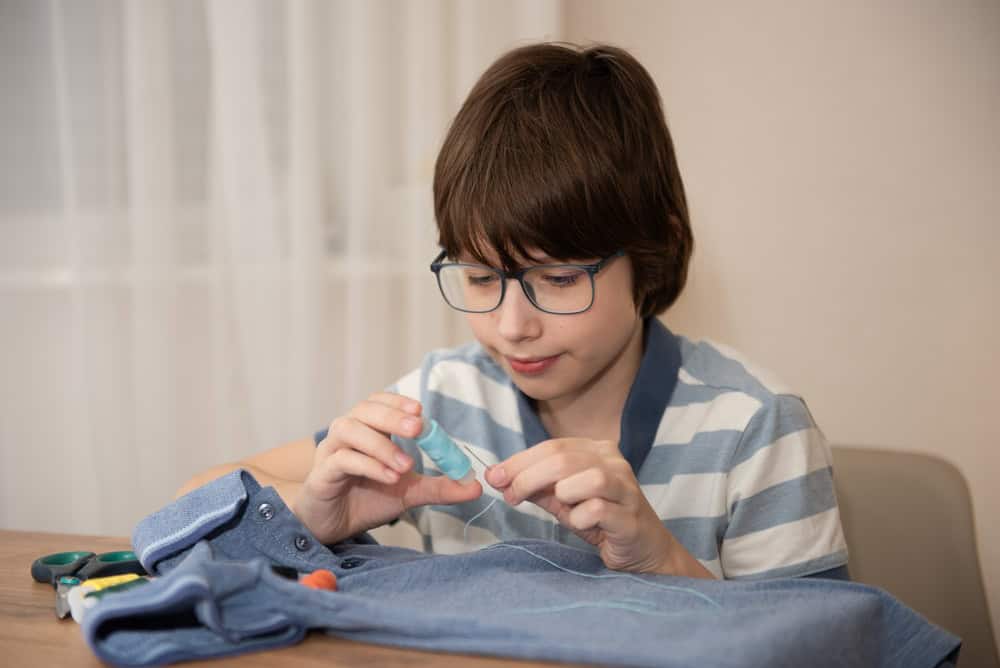
Kids back in the days of the 60s and 70s learned to take care of their belongings. Their schoolbag would last many years, toys might get passed to younger siblings, and clothes were mended and repaired.
Children learned to keep track of their belongings because if something got lost, they might not get a new one to replace it. This made them appreciate what they already had and stopped waste.
Talking to strangers

Back then, children were expected to speak politely to people outside their immediate family. They may have needed help from a shopkeeper or to explain a problem to the neighbour. So from a young age, they learned to communicate with people of different ages.
Most kids who grew up back then developed confidence through these interactions with adults. Although children today are taught to be more cautious, learning to communicate politely and effectively is an important skill.
Accepting disappointments

If a child wanted something and their parent said no, they did not always have another option. For example, birthday gifts were limited and TV programs were only broadcast at a fixed time. Kids learned that they couldn’t always have what they wanted. They had to either wait or find an alternative.
Of course, disappointments are no fun, but dealing with them gave children practice managing their expectations. They learned that wanting something didn’t guarantee getting it.
Keeping their words

When there were no phones, making plans required more effort and commitment. If a child said they would meet their friends at the park at 3, they were supposed to remember and show up on time. There was no easy way to pass the message to change plans.
The same goes for a child who promised to return a borrowed item or help someone with something. People were expected to keep their promises. This helped children understand that other people depended on their actions.
Knowing when to ask for help
There was a lot of room for children to figure out things on their own back in the 60s and 70s, but they also knew when to ask for help from an adult. If there was an argument with a friend, they could handle it themselves. However, if someone got hurt or something was life-threatening, they knew to get an adult.
As they didn’t have a phone to contact parents immediately, they had to judge what they could manage and when they needed help. This encouraged practical decision-making.
Like our content? Be sure to follow us.
The realities of parenting styles across different decades

From the 1950s to today, each decade brought its own flavour to parenting, so let’s look at how parenting has transformed over the years.