
Being a teenager in the 1960s meant following some surprisingly strict rules that would seem completely ridiculous today.
Long hair
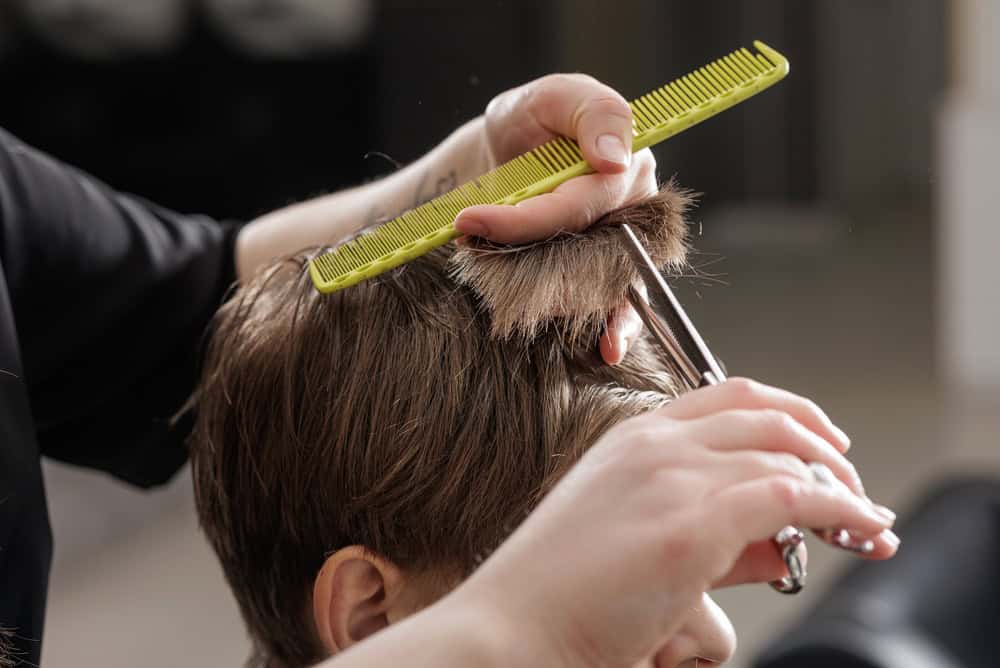
Teenage boys in the 60s had strict guidelines on how long they could wear their hair. Many schools insisted boys wear their hair trimmed above their collar and ears. Students were sometimes even sent home if their hair was considered too long.
Boys who wanted Beatles-style haircuts frequently argued with parents and teachers. Some parents even threatened to cut their sons’ hair themselves if they didn’t go to the barber.
No pants
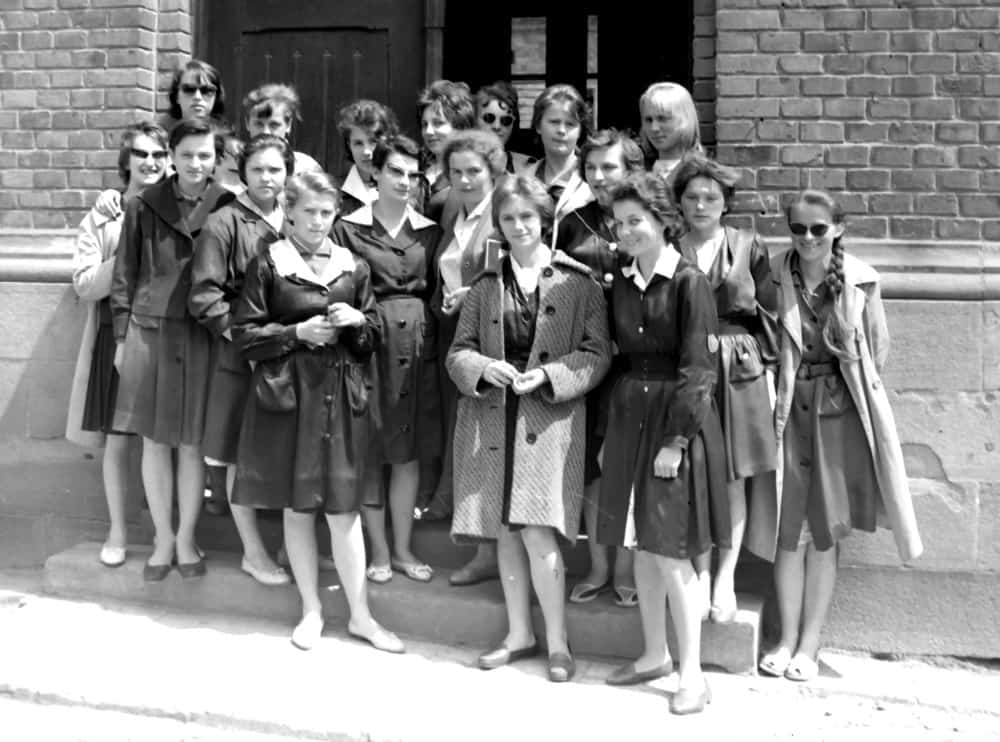
In many schools, girls were expected to wear skirts or dresses even in cold weather. Some schools denied girls the privilege of wearing pants to class during freezing winters. Students who violated the dress code were sent home to change, even if they had worn pants under their skirts for warmth.
Some students wore pants under their skirts to school and removed them before entering.
Gender specific classes

Home economics classes for girls and shop classes for boys were very common in schools throughout the 60s. Home economics taught girls how to cook, sew, clean and do other housewife-type skills. Shop classes taught boys woodworking, metalworking, and how to fix things.
Both of these classes stemmed from the belief that every girl was to grow up to be a housewife and every boy was to provide money and fix things.
No phone privacy

Most families shared one telephone. This phone was generally located in a common area where everyone could listen in on the conversation. Teens often had to speak to their friends or significant others while their parents sat right beside them.
Parents sometimes restricted calls to only a few minutes or insisted on knowing precisely who was on the other line. If a family member needed the phone, the teen got hung up on regardless of how deep in conversation they were.
Dressing for dinner

Teenagers in more formal households had to be dressed appropriately when sitting down to dinner. Appearing dirty, wearing a hat during dinner, and seeming unkempt could result in a lecture from parents.
Some families expected boys to wear collared shirts and girls to change out of their casual clothing before dinner. Dinner was made into a formal family affair and teenagers were expected to sit up straight, use proper manners, and not get up from the table until excused.
No talking back

Teenagers were supposed to obey their parents without question or debate. Phrases like “That’s not fair” or challenging a household rule could be seen as disrespectful.
In many households, talking back earned teenagers extra chores, revoked privileges or being grounded. Many teenagers grew up hearing phrases like “Because I said so” or “As long as you live under my roof,” which ended most arguments.
No short skirts

As the miniskirt came into fashion in the 1960s, many schools created regulations regarding how short a girl’s skirt could be. Some teachers enforced the dress codes by measuring hemlines or ensuring skirts came to a certain point above the knee. Girls caught wearing skirts deemed too short were often sent home or forced to change.
No school dancing

Some conservative schools and religious groups frowned upon or prohibited dancing of any kind. Certain rock and roll moves were deemed too provocative, and parents were concerned about listening to popular music.
School dances were supervised by teachers who made sure everyone kept an acceptable distance from their partner. Couples that held too tightly or behaved in a way teachers considered inappropriate were separated, reprimanded, or asked to leave the dance.
No makeup

Many teenage girls were forbidden to wear makeup until they were older. Schools banned lipstick, eyeliner and other cosmetics. Girls would sneak out and put their make-up on after leaving home, then take it off before returning.
Thick eyeliner, fake eyelashes and bright lipstick could get girls into trouble with teachers or parents who felt it wasn’t suitable for young ladies.
Mandatory church attendance
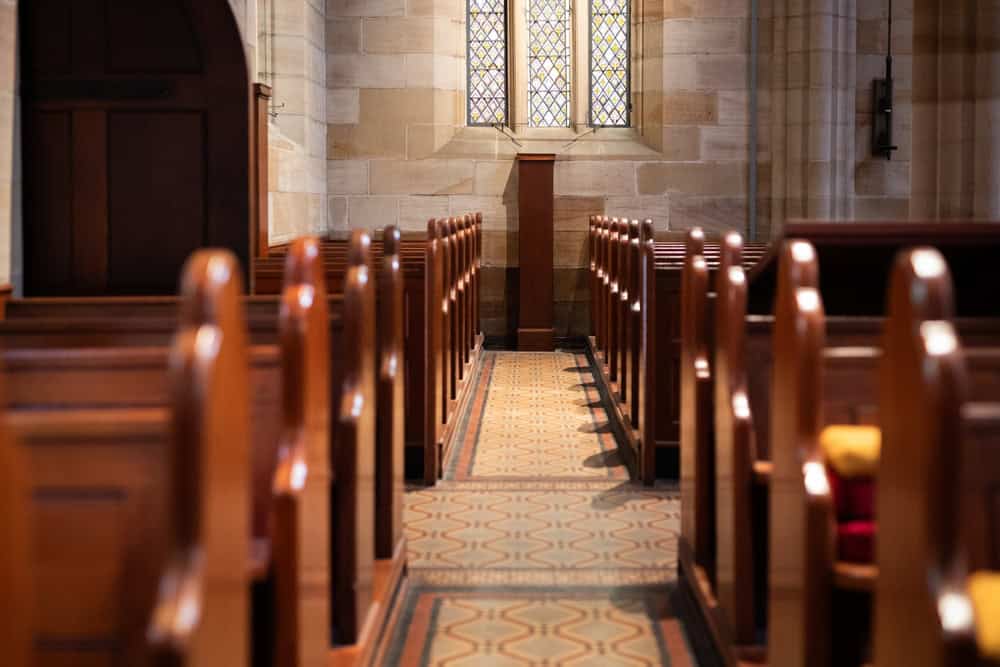
Going to church on Sunday morning was mandatory for teenagers growing up in religious households, whether they felt like it or not. Sleeping in, hanging out with friends, or watching TV was not seen as an excuse to miss church services. Some families even expected their children to go to Sunday school, youth meetings or other church-related activities during the week.
No bedroom guests
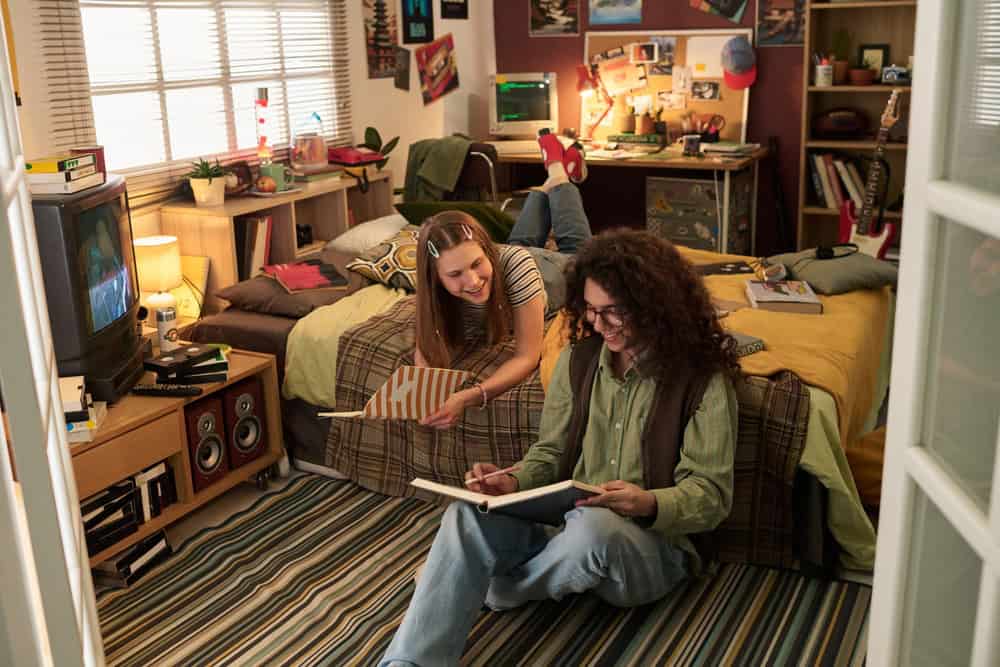
Just having a boyfriend or girlfriend in your bedroom was frequently strictly prohibited. Parents often demanded that teens visit each other in the living room where they could easily be monitored. Some insisted that the bedroom door be left open when members of the opposite sex were present.
No left-handed writing

Despite the changing attitudes by the 1960s, there were still some schools that forced left-handed children to write with their right hands.
Some teachers saw left-handed writing as improper and believed that children should be taught to write with their right hand. Students would get continually told off or asked to change hands when learning to write. To a naturally left-handed teenager, schoolwork could be made annoyingly difficult.
No unapproved music
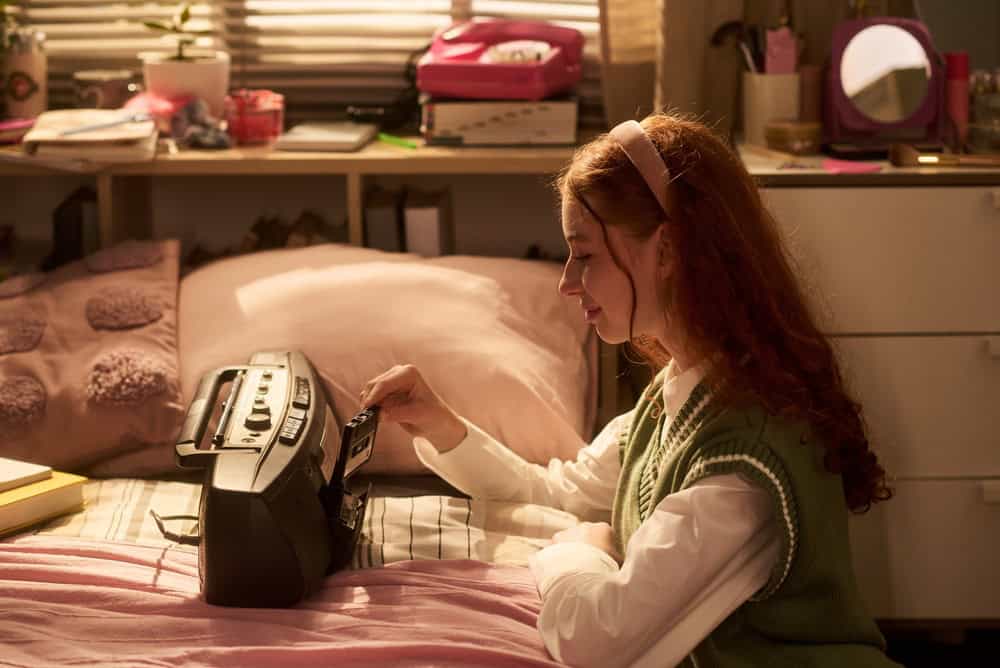
Some parents and schools often viewed rock and roll suspiciously in the 1960s. Songs by artists such as Elvis Presley and the Rolling Stones were viewed as scandalous because of dancing, lyrics, or a rebellious reputation. Teens who lived under strict rules were often prohibited from listening to certain albums or radio stations.
No public affection

Students could get in trouble for holding hands, hugging, or kissing in school during the 1960s. Most schools didn’t allow public displays of affection, and teachers would often break up couples if they saw them standing too close.
Students could get scolded or detention for sharing a kiss in the hallway. Even couples who were dating often had to be careful about showing affection anywhere adults might be watching.
Mental health taboo

Back in the sixties, mental illness and emotional struggles weren’t exactly common topics of conversation. Teens with anxiety, depression or other emotional issues were often told to buck up, quit whining or just deal with life.
Many parents also believed mental illness or emotional problems were private issues that were not discussed with others. Professional help was highly stigmatized, so some teenagers chose to quietly suffer.
No married students
Back in the 60s, some schools did not allow teenagers who got married to attend regular classes. Administrators felt that married teens, particularly girls, needed to concentrate on their new lives at home.
Pregnant teens were treated even more harshly and were sometimes expelled from school. Even if they were good students, they were forced to quit school just because they were pregnant or married.
Sources: Please see here for a complete listing of all sources that were consulted in the preparation of this article.
Like our content? Be sure to follow us.
15 everyday things from 100 years ago that would be unthinkable in America today

Life in 1920s America was full of ordinary habits and practices that modern Americans would find strange, uncomfortable, or even dangerous.
15 everyday things from 100 years ago that would be unthinkable in America today