
Christianity remains America’s largest religion, but these 12 barriers help explain why some people are turning away from it.
Religious hypocrisy

Christianity teaches compassion, honesty, forgiveness and humility. However, some Americans are disillusioned when they see religious leaders or fellow Christians preach love and kindness but then act completely opposite to these values, treating others harshly. The problem isn’t religion itself, but the people who claim to represent it.
Influence of politics

The growing relationship between some Christian groups and American politics is a barrier that keeps Americans away from Christianity. Some feel uncomfortable when churches enthusiastically back political candidates or treat certain political stances as a test of genuine faith.
They might feel they can’t truly belong if they don’t subscribe to a whole political platform. They worry that politics has overshadowed the spiritual heart of Christianity.
Scientific evidence

Some Americans find certain interpretations of religion challenge scientific knowledge. Interpretations surrounding evolution, the age of Earth, and the creation of man can pose problems for some who want everything to make sense scientifically.
This tends to be particularly prevalent in communities that believe the bible must be taken literally when it discusses the creation of Earth.
LGBTQ+ rights
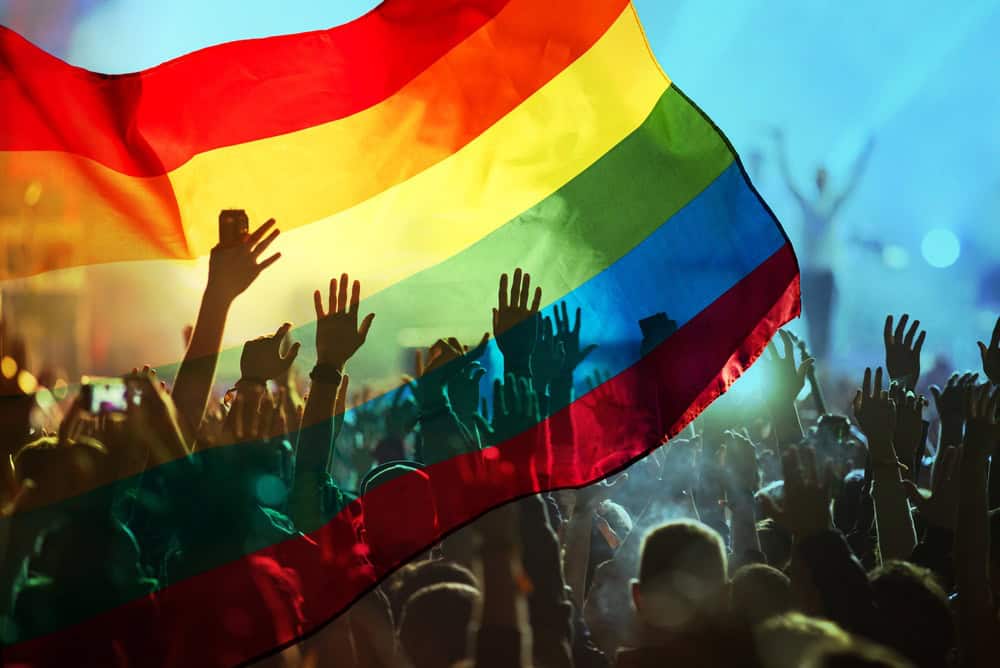
Teachings from some churches regarding same-sex relationships and gender identity may turn off Americans who hold equality-based beliefs about LGBTQ+ persons.
Some churches continue to uphold restrictions on same-sex marriage, relationships, or church leadership, whereas others offer full affirmation.
People who believe these teachings to be discriminatory cannot fully relate to those churches. This conflict can feel especially personal to LGBTQ+ people who have suffered rejection from family or church.
Evil and suffering
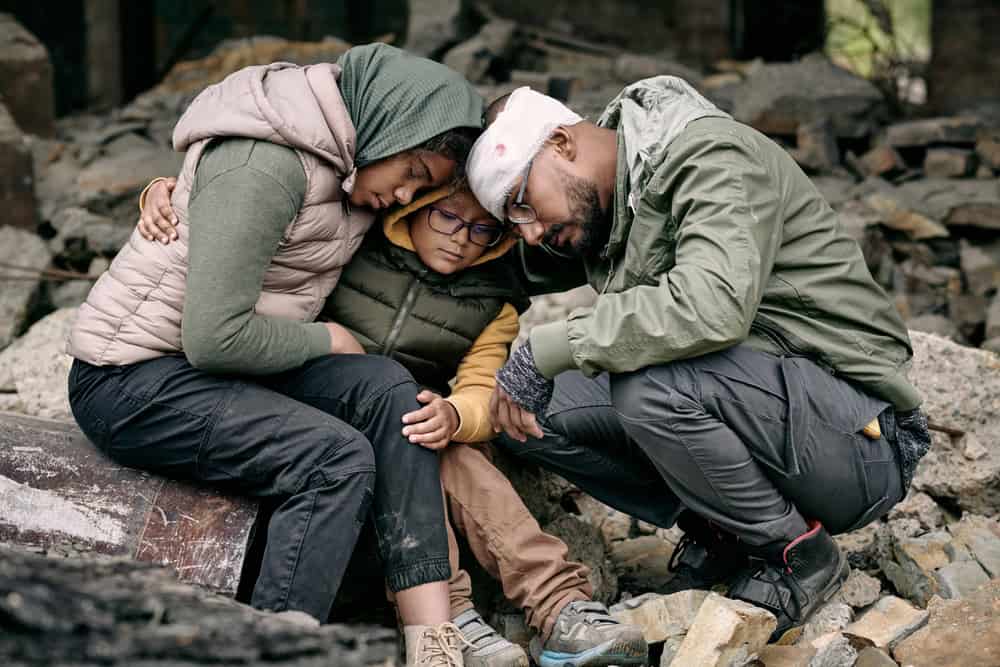
One challenge to Christianity’s belief about God is suffering. How can there be an all-powerful, loving God when children are harmed by disease or disaster, cities are destroyed by earthquakes, and innocent people die painful deaths?
Christians have responded that free will, the laws of nature, and God’s greater purposes can explain some suffering. But these reasons don’t convince everyone. Some Americans simply look at the suffering around them and find it hard to believe there is a God who cares.
Financial exploitation by religious leaders

Religious leaders who amass great wealth or strong-arm their congregants into donating their wealth can cause Americans to be wary of religious organizations. Similar suspicions can arise from prosperity gospel messages that tie faithfulness or tithing to financial gain.
They wonder why churches would pay for lavish items or buildings when there are poor people around who need help. While most churches handle donation funds appropriately, greed can turn the public against pastors.
Issues about personal freedom

Some Americans struggle to accept Christianity because they feel it limits their freedom to make choices in their life. Christianity has rules about living together before marriage, divorce, alcohol and more. Some people don’t want an outside source telling them how to live their life. It’s important to many to feel autonomous in their decision-making.
Lack of evidence

For some Americans, the largest barrier is the lack of conclusive evidence about the existence of god. They’re not convinced that miracles happened, that Jesus resurrected from the dead, or that God exists.
Spiritual experiences that others may view as meaningful may provide no evidentiary value to someone looking for objective evidence. They might call themselves atheists, agnostics, etc. because they don’t find Christianity’s main supernatural claims believable.
Abuse and institutional cover-ups

Accounts of abuse and cover-ups have harmed the reputations of some Christians organizations. Victims have reported cases where church officials did not intervene to protect victims, or intervened only to preserve the organization.
When abuse scandals occur, they can impact whole communities of people, including those not directly affected by the abuse. For some Americans, these scandals prompt deep concerns about whether institutions should be trusted at all, spiritually or otherwise.
Other spiritual paths

Christianity isn’t the only broadly visible religion or spirituality available to most Americans anymore. Americans can learn about Buddhism, Hinduism, Islam, meditation, secular humanism and more. Some find these options better suit their beliefs, or have practices they simply enjoy more.
Coming into contact with different perspectives can also make people wonder whether any single religion holds a monopoly on spiritual truth.
Disagreements between Christian denominations

Christianity is made up of many denominations that often differ over significant theological issues. Different branches understand baptism, salvation, scripture, authority and women’s leadership in varying ways.
To the outside observer, it can be hard to know what is genuinely Christian doctrine. Outsiders sometimes question how people who believe in the same Bible can interpret it so differently. While theological diversity promotes dialogue, it can lead to great confusion amongst those who want to join a church.
Growing up without religion

More and more Americans are being raised in homes where going to church, praying, and learning about religion aren’t normal family activities. Christianity was never part of their world, so it likely comes across as irrelevant rather than something they turned away from.
They can get community, moral standards, and meaning through their family, friends, school, or volunteer work instead.
Like our content? Be sure to follow us.
11 reasons historians say Jesus was real
Historians may debate who Jesus was, but most agree that he was a real person who walked the earth 2,000 years ago.