
Before strict school nutrition standards, cafeteria trays were filled with meals that might shock today’s health-conscious parents.
Raw milk
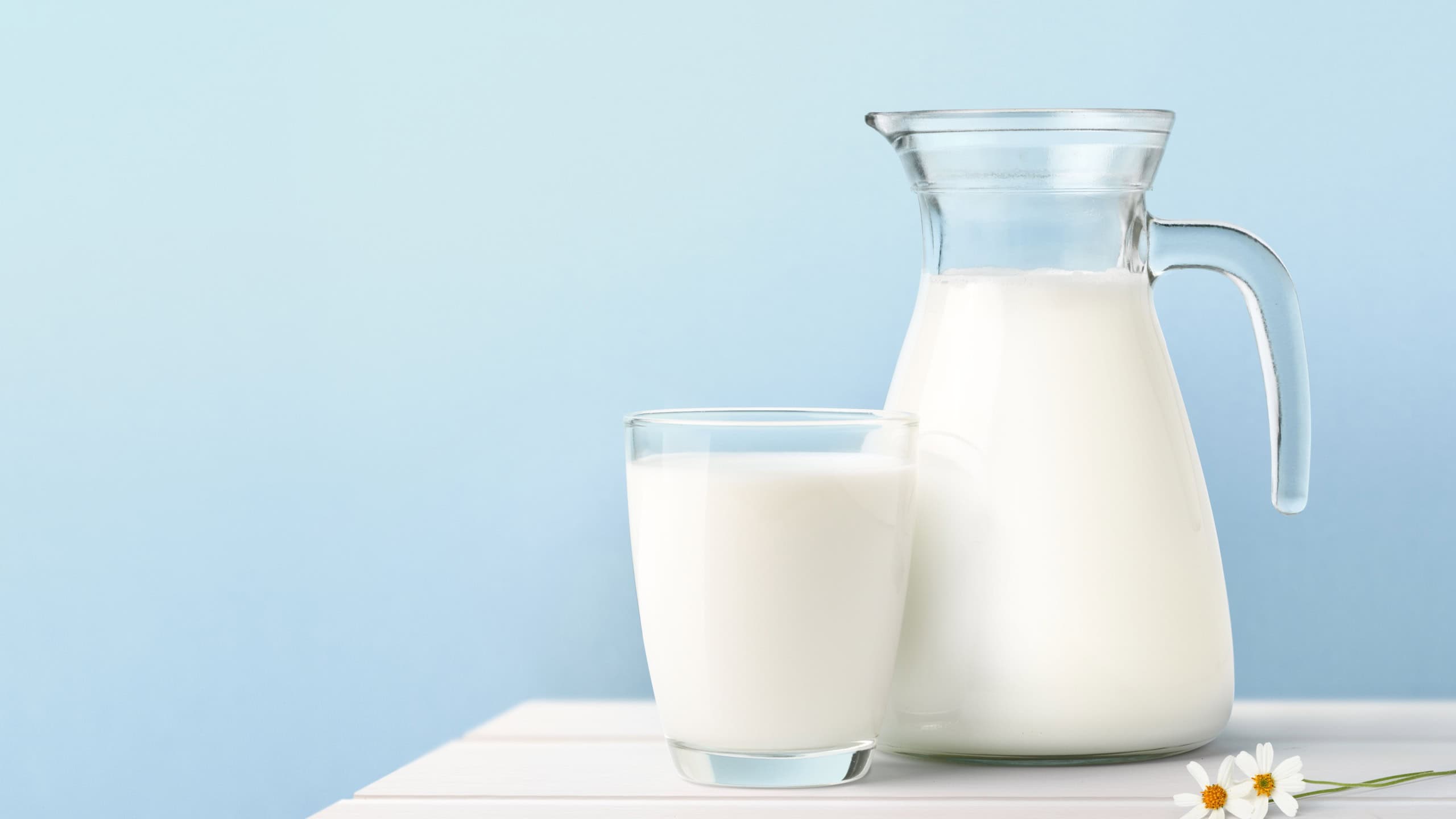
Back in the 1950s, school cafeterias may have received their milk deliveries daily from neighborhood dairies straight from the farm’s unpasteurized milk supply.
Raw milk can be hazardous due to high levels of harmful bacteria, such as E. coli, Listeria, and Salmonella. Thus today, federal guidelines do not allow raw milk to be served in schools, and all milk served to kids must be pasteurized.
Lard meals
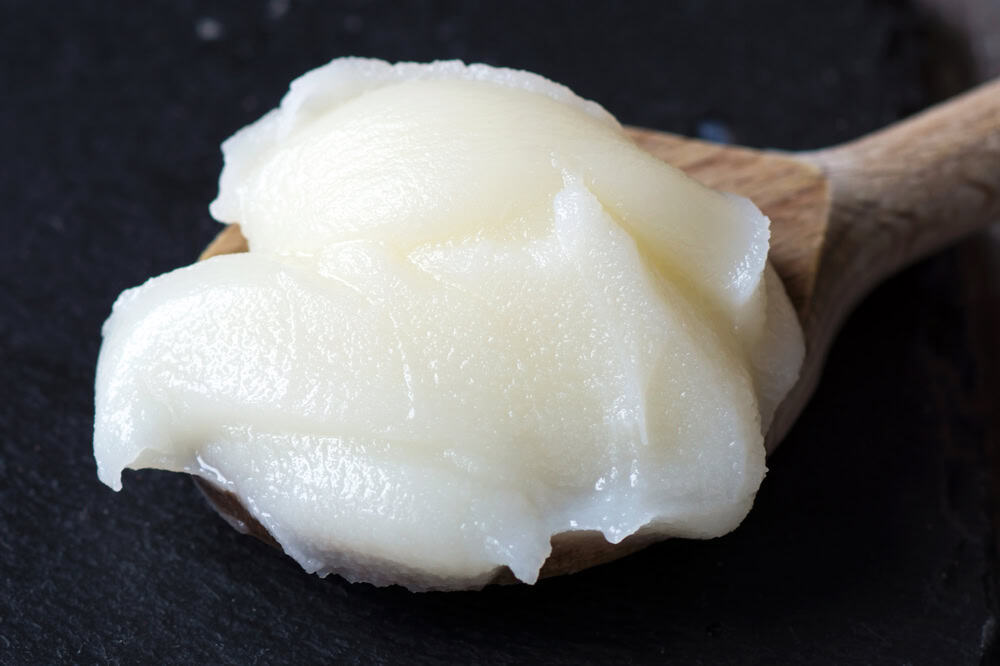
Mid-century cafeteria cooks made nearly every hot meal from scratch. Their default cooking fat for frying fish sticks, chicken, and corn dogs was rendered pork lard. Today USDA nutrition guidelines strictly limit saturated fats and prohibit artificial trans fats, calling for healthy vegetable oils or baking or air frying in their place.
Open sugar
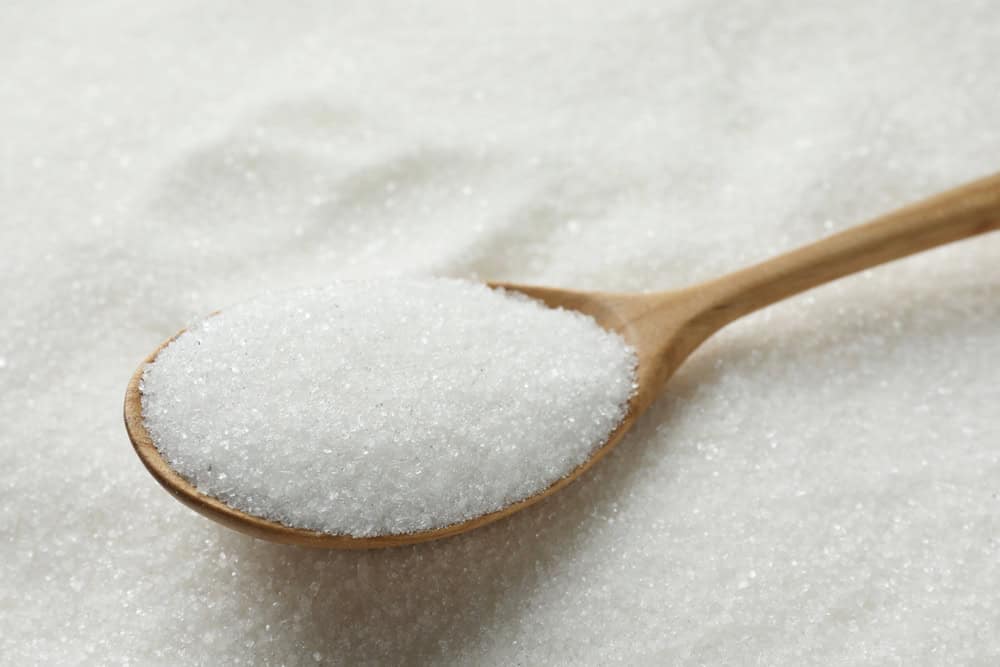
Communal sugar bowls or sugar shakers containing white granulated sugar were commonplace on school lunch tables in the 1950s, so that students could sweeten their porridge, grapefruit or drinks to their heart’s content.
Students could freely load teaspoons of the sugar onto their trays for their meals, as parents and dietary guidelines were far less strict at the time. Today, childhood dietary guidelines strictly limit the total amount of added sugars allowed across all school menus due to concerns over childhood obesity and dental cavities.
High sodium
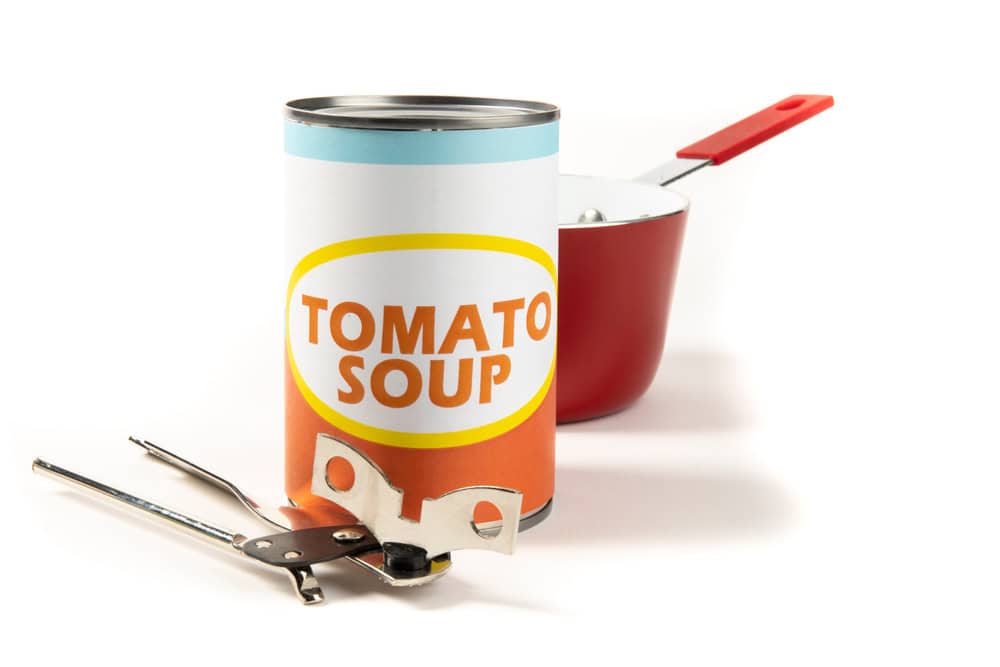
In the 1950s, many school cafeterias turned to commercially produced canned condensed soups as inexpensive shortcuts for making casseroles, gravies and stews. Processed canned foods have extremely high sodium contents.
Current federal guidelines for school lunches include phased sodium goals to improve students’ lifelong heart health by reducing hypertension risk.
Fried liver
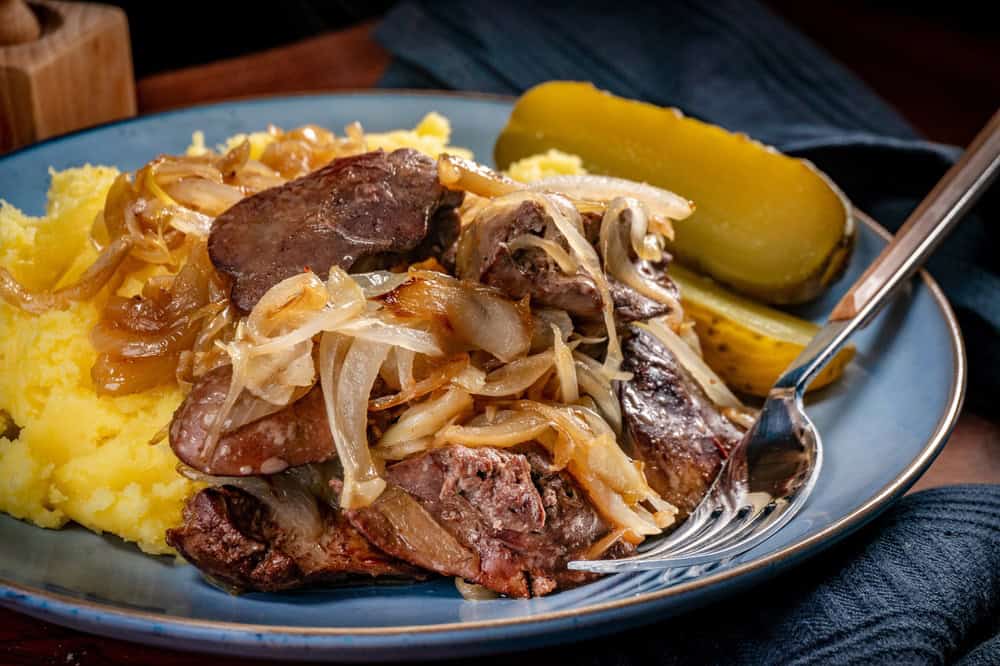
Pan-fried beef or pork liver with caramelized onions was commonly served on mid-century school lunch menus nationwide. School boards favored inexpensive cuts such as liver because they gave kids enough iron, protein, and key vitamins. Though it was nutritious, liver earned a notorious reputation with school kids across generations thanks to its intense flavor and gristly texture.
These days, organ meats have disappeared from school menus as kids’ tastes have changed and our eating habits now lean toward leaner whole proteins like turkey or chicken.
Meat spreads
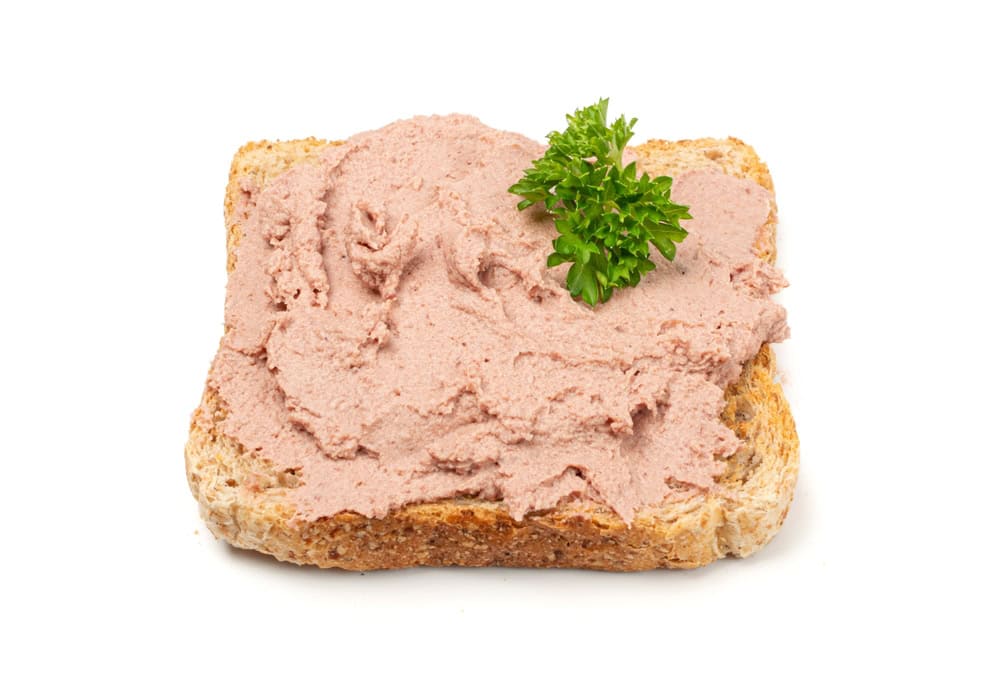
Sandwiches piled high with salt-laden, mystery meat potted pastes, liverwurst or canned deviled ham spreads were cafeteria staples well into the 1950s. Processed meat pastes were inexpensive, shelf-stable, and easy for cafeteria workers to shovel onto white bread during the lunchtime rush.
They also contained loads of chemical nitrate preservatives, artificial flavorings, and unhealthy fat. Today’s federal meal standards call for recognizable lean protein options, which limits the amount of heavily processed meat spreads allowed in public schools.
Heavy mayo

School lunchrooms of the 1950s regularly featured macaroni, potato or gelatin salads dressed with full-fat mayonnaise and sitting out on serving lines for hours during lengthy lunch periods.
Keeping thick mayonnaise made with eggs at room temperature gave bacteria plenty of time to multiply, raising the danger of foodborne illness. Today’s food safety regulations require strict cold storage for creamy dressings and condiments, and dietary regulations limit the use of high fat emulsions on side salads.
Sweet chocolate milk

Chocolate milk made from whole milk and chocolate syrup heavily sweetened with sugar used to be served daily in school lunch programs throughout the mid-1900s. At that time, whole milk was thought to be most nutritious due to its high calorie content.
But over time, nutritionists became worried about children drinking whole milk chocolate milk every day. Today’s Federal Guidelines allow fat free or 1% flavored milk in school lunches to control for total calories and saturated fat consumed each day.
Peanut butter sandwiches
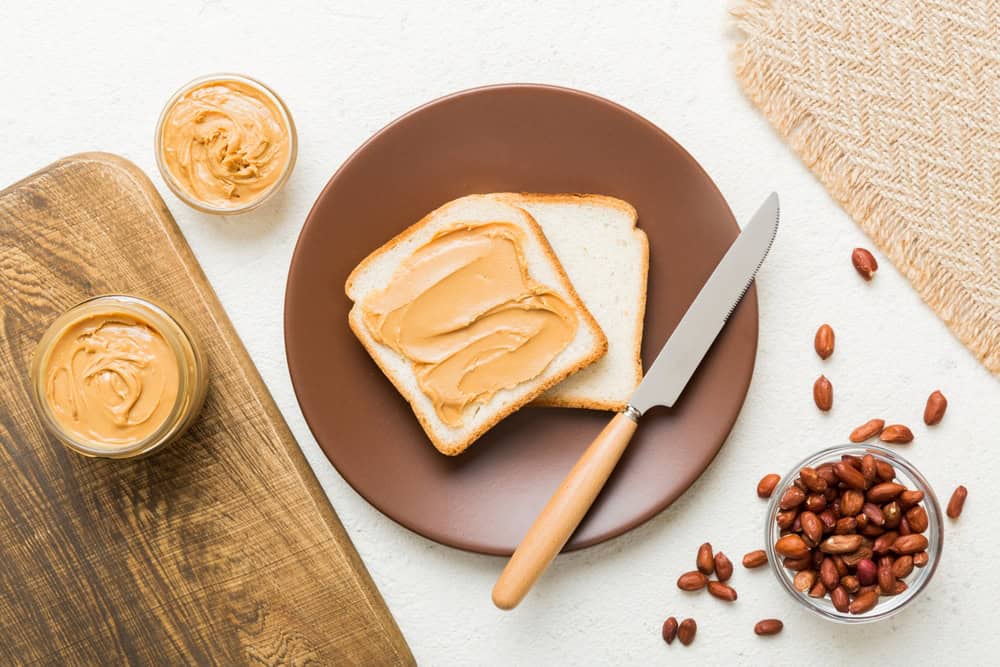
PB&Js were made and eaten with zero restriction throughout school cafeterias of the 1950s. Peanut butter was spread on a grand scale in cafeterias because it was cheap, high in protein, and kids liked it.
Back then, life-threatening peanut allergies were incredibly rare, if documented at all, in the general population. Because of the alarming increase in severe anaphylactic peanut allergies in children, peanuts are strictly limited, isolated, or banned in schools today.
Deep donuts

Fried yeast or cake doughnuts, liberally dusted with granulated sugar, were a staple breakfast entree or lunch dessert in many school systems throughout the mid-century. Although universally popular among students, these pastries hardly provided any nutritional value and were made mainly of empty calories, simple carbohydrates, and saturated fat.
Today, sugary bakery goods that are deep fried are highly regulated by federal standards, which require grain products to meet certain whole-grain-rich criteria.
White bread

White bread was standard issue for every sandwich made in school cafeterias in the 1950’s. Soft and refined, processed white flour was desired during the middle of the 20th century because it didn’t spoil easily, had a very smooth texture and had a bright white color that became associated with advanced industrialized food technology.
But the refining process removes natural fiber and essential nutrients found in the original grain. Today, school lunches must include 80% whole-grain-rich foods every week, as determined by federal meal requirements.
Like our content? Be sure to follow us.
10 classic foods you’ll remember if you grew up in Canada

It’s amazing how certain Canadian foods can immediately transport you back to childhood nostalgia, from lunches at school to family road trips and Sunday night snacks.