Life in 1920s America was full of ordinary habits and practices that modern Americans would find strange, uncomfortable, or even dangerous.
Radium products
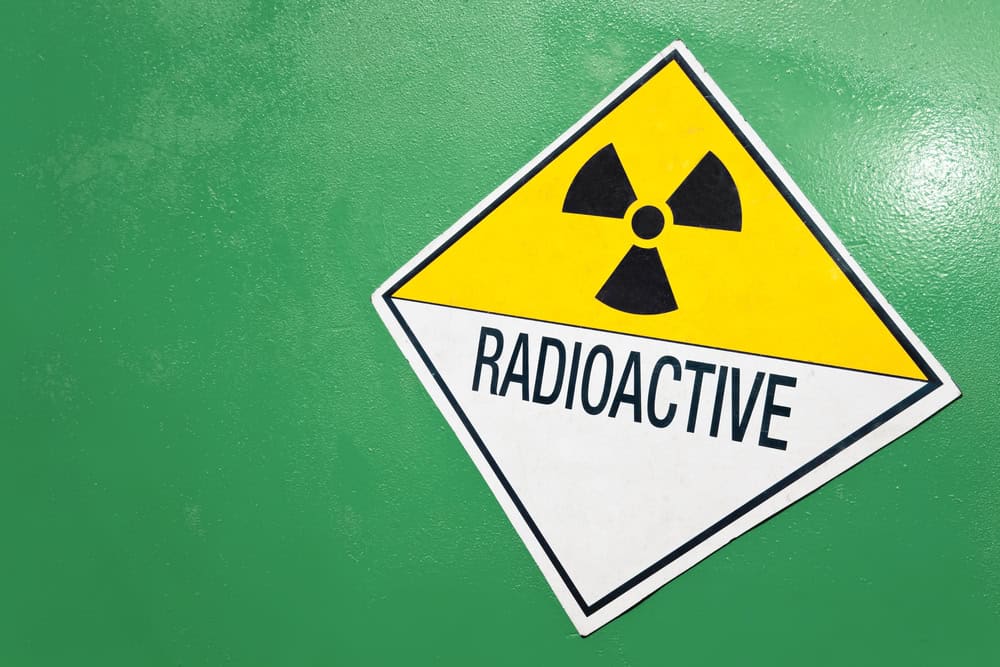
During the 1920s, radium was considered miraculous and was commonly used in consumer products like water coolers, facial creams, toothpaste, and even watches. Consumers were told it would give them energy and restore their youthful spirit.
No one knew at this time about the extreme toxicity that came from its radioactivity. It’s now unthinkable and outright illegal to let people consume or absorb radioactive materials.
Over-the-counter narcotics
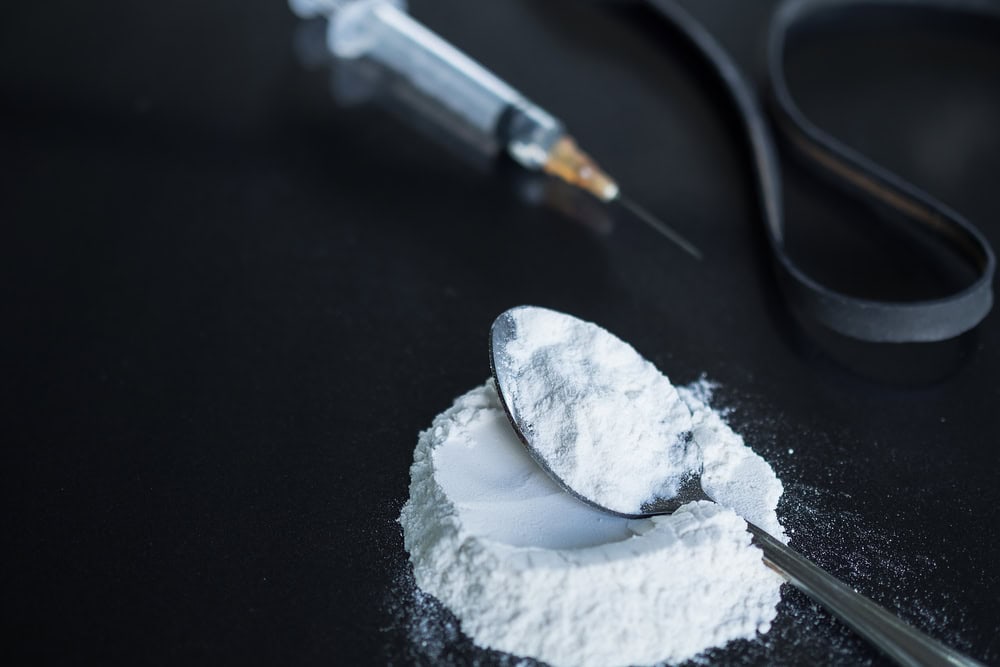
Her**n, morphine and coc***e were common ingredients in cough syrup, pain relievers and sedative drops you could buy without a prescription 100 years ago. Mothers ran to the corner drug store to buy formulas to soothe their teething children or ward off common headaches.
Legal restrictions, prescription standards and public awareness now strictly prohibit hard narcotics from being sold on drug store shelves.
Child labor
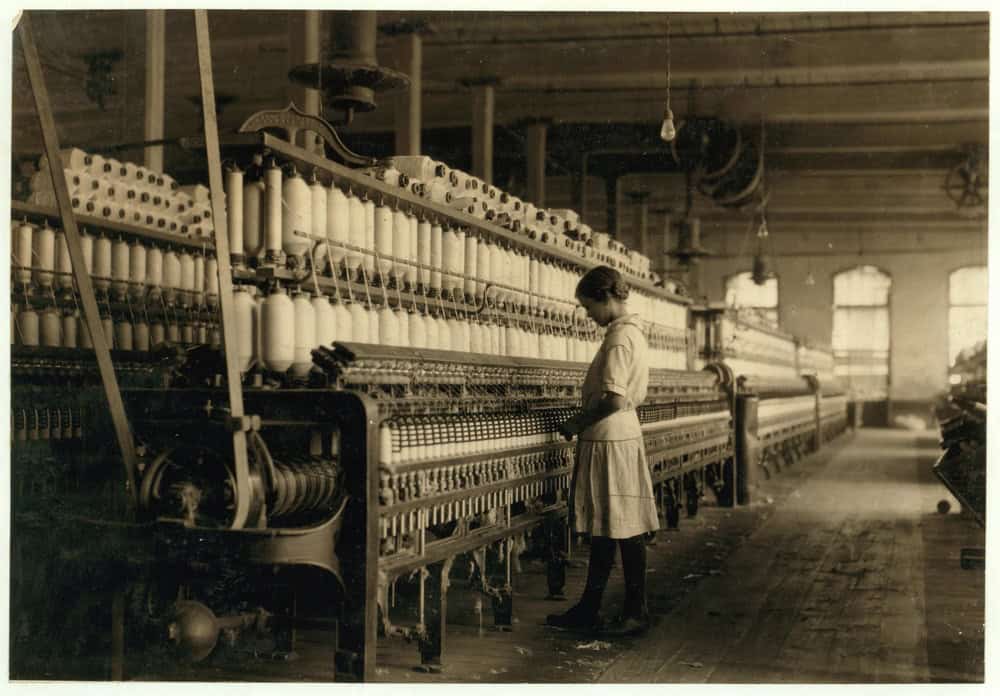
Child labor was still an issue in some American areas during the 1920s, especially in fields, factories, and textile mills. Some would work long days in place of attending school to help support their family.
Some states had limited child labor laws but restrictions were inconsistent. It wasn’t until 1938 that the federal Fair Labor Standards Act brought about significant child labor protections across America.
Open air dumping

Municipal sewage, chemical pollutants, and raw garbage were dumped untreated into nearby rivers, lakes, and oceanfront waters throughout America during the 1920s. There were no environmental laws, and people saw waterways as outdoor dumps.
Dumping garbage in the open air is now a federal crime, due to environmental laws, water treatment plants, and protective policies.
Smoking anywhere

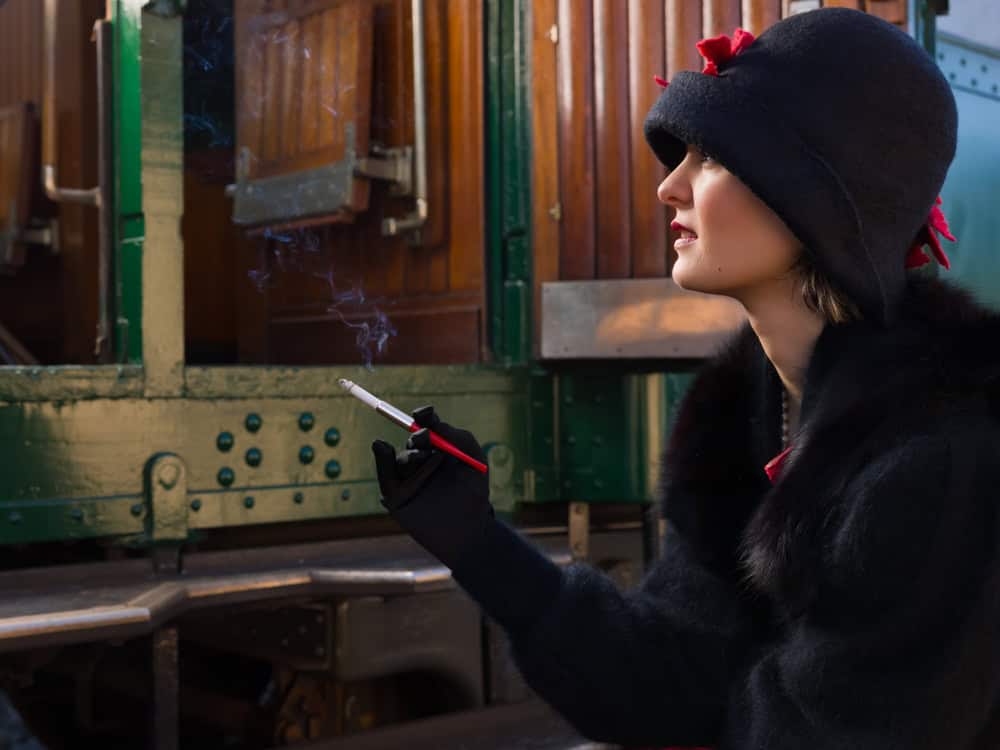
In the 1920s, smoking was acceptable in many public and private places, though social etiquette varied from place to place and between men and women. You’d find cigarettes and cigars being smoked in places like restaurants, offices, trains, and houses, with way less fuss than people have to put up with now.
Health risks associated with tobacco had yet to become public knowledge as they are known today. Even if you were a nonsmoker, you often had little control over exposure.
Racial segregation
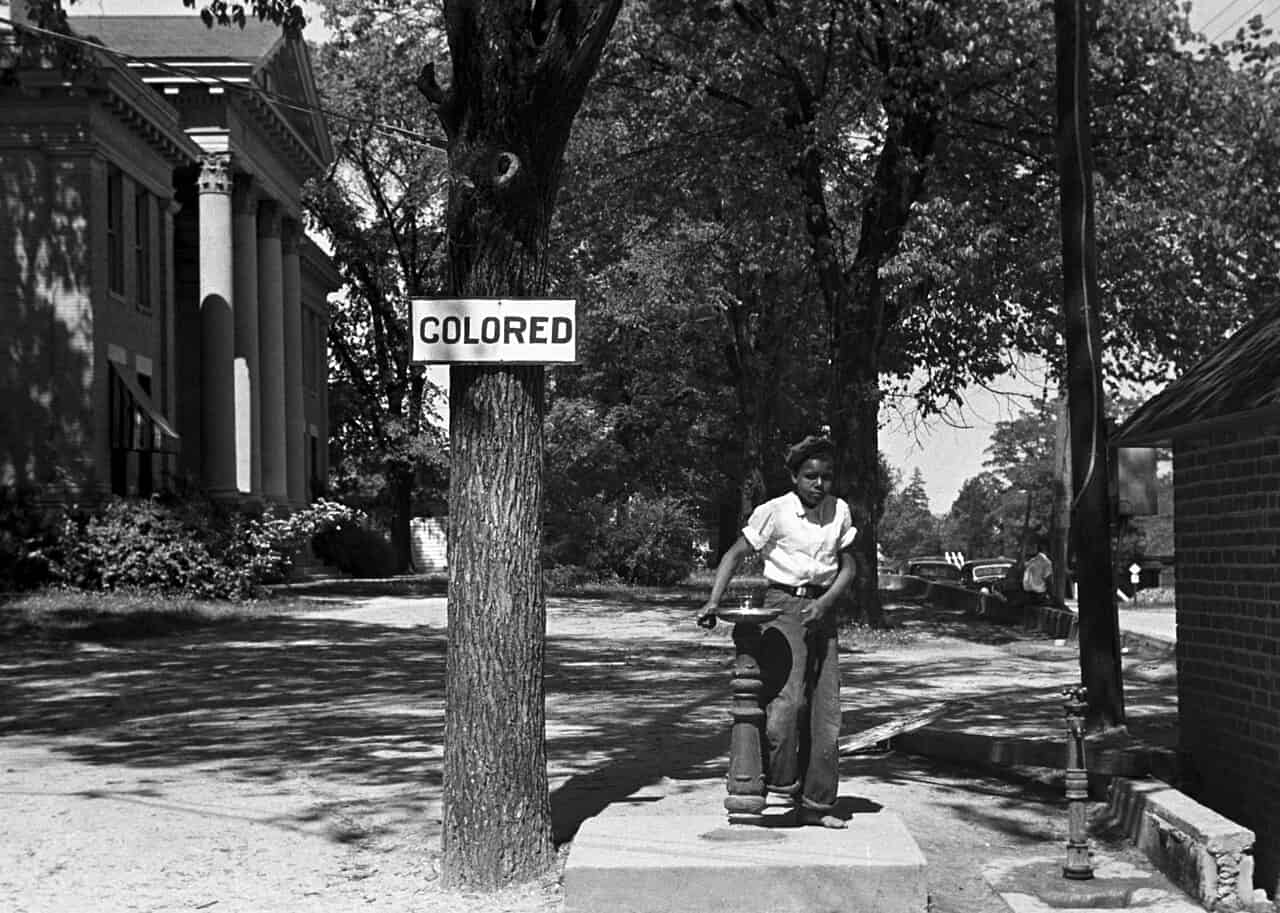
In the 1920s, legal segregation existed in much of the American South. African Americans attended separate schools and rode in separate sections on trains and buses. They also used different public facilities. Black people faced discrimination when voting or renting an apartment. Many customs and traditions kept minorities apart from white society.
Yet these rules were supported by government power, too. These laws later became known as Jim Crow laws. The civil rights movement dismantled much of this legislation, beginning with court rulings and federal law in the 1950s and 1960s.
Asbestos insulation
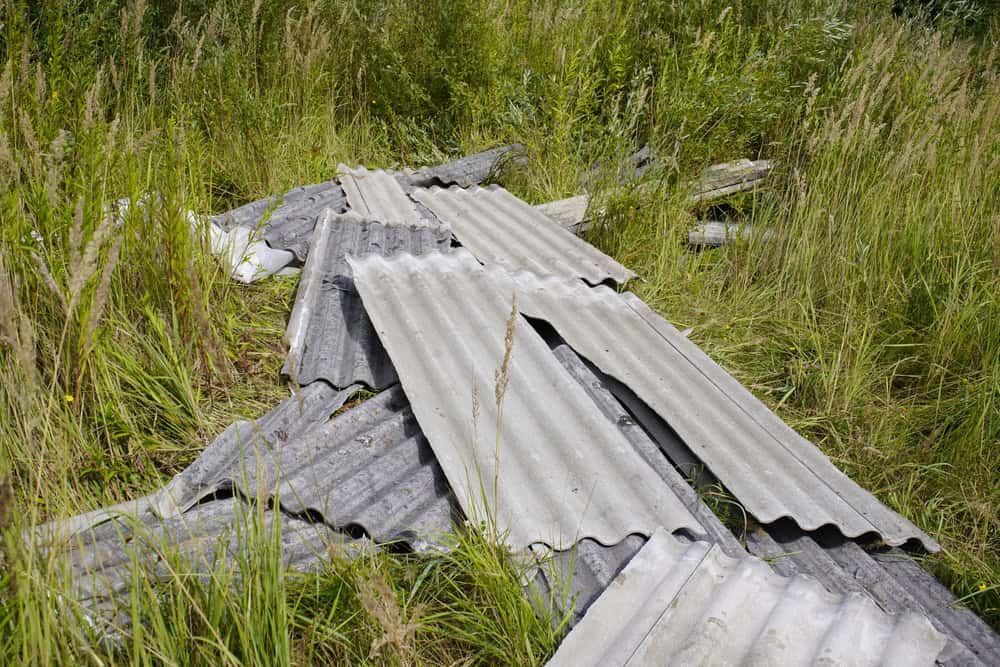
In the 1920s, people thought of asbestos as an amazing, inexpensive material for making things fire-resistant and insulated, fitting it into houses, schools, and public buildings.
Contractors would use it generously near heating ducts, within drywall and on ceilings without protective gear. Learning that it caused deadly lung illnesses such as mesothelioma has prompted rigorous removal guidelines and harsh manufacturing restrictions.
Outhouses at home
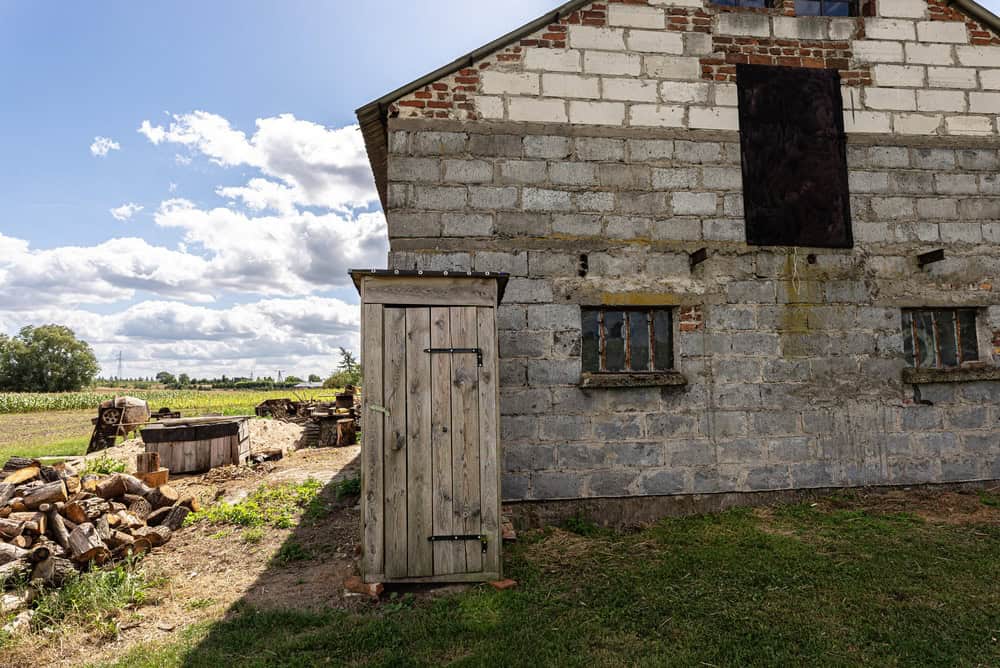
Indoor plumbing wasn’t something every American household could count on in the 1920s. In rural settings and poorer urban neighborhoods, many families made do with an outdoor privy located close to the house. Whenever you needed to go to the bathroom, you had to go outside, even if it was dark or raining or snowing.
Households were also in charge of keeping the toilets sanitary. Today, outdoor toilets still exist, but few Americans could imagine using one as their family’s primary bathroom.
Leaded gasoline fumes
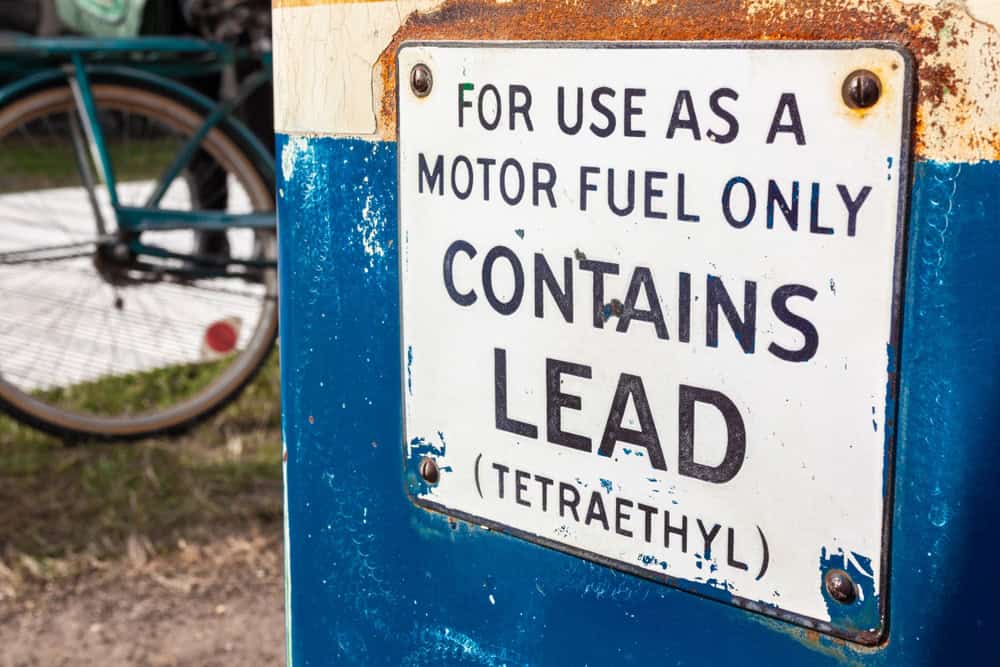
Gasoline containing lead additives was developed in the early 1920s as an anti-knock additive to increase engine performance despite the lead additives being known to be toxic.
Millions of cars belched toxic lead pollutants into busy streets every day for decades. It caused untold pollution and neurological health problems. Use of leaded gasoline for passenger vehicles is now banned worldwide.
Unregulated milk processing

Raw milk sold 100 years ago was virtually unregulated and responsible for rampant bovine tuberculosis, typhoid fever, and horrific bacterial infections.
Dairy cows were often kept in filthy urban swill dairies, and their milk was uncommonly pasteurized or refrigerated in transit. Intense food safety codes, pasteurization laws, and required cold-chain refrigeration make selling contaminated raw dairy products unthinkable these days.
Shared baths

Private bathrooms with running hot water were becoming more frequent in the 1920s, but many homes (especially rural homes) did not have one. Families would heat up water on the stove and fill a portable bathtub or washbasin.
Since heating enough water for everyone to bathe took a lot of work, it was common for several people to take a bath in the same water. Most Americans today can’t imagine life without the luxury of stepping into their own private shower for a hot rinse.
Public spittoons
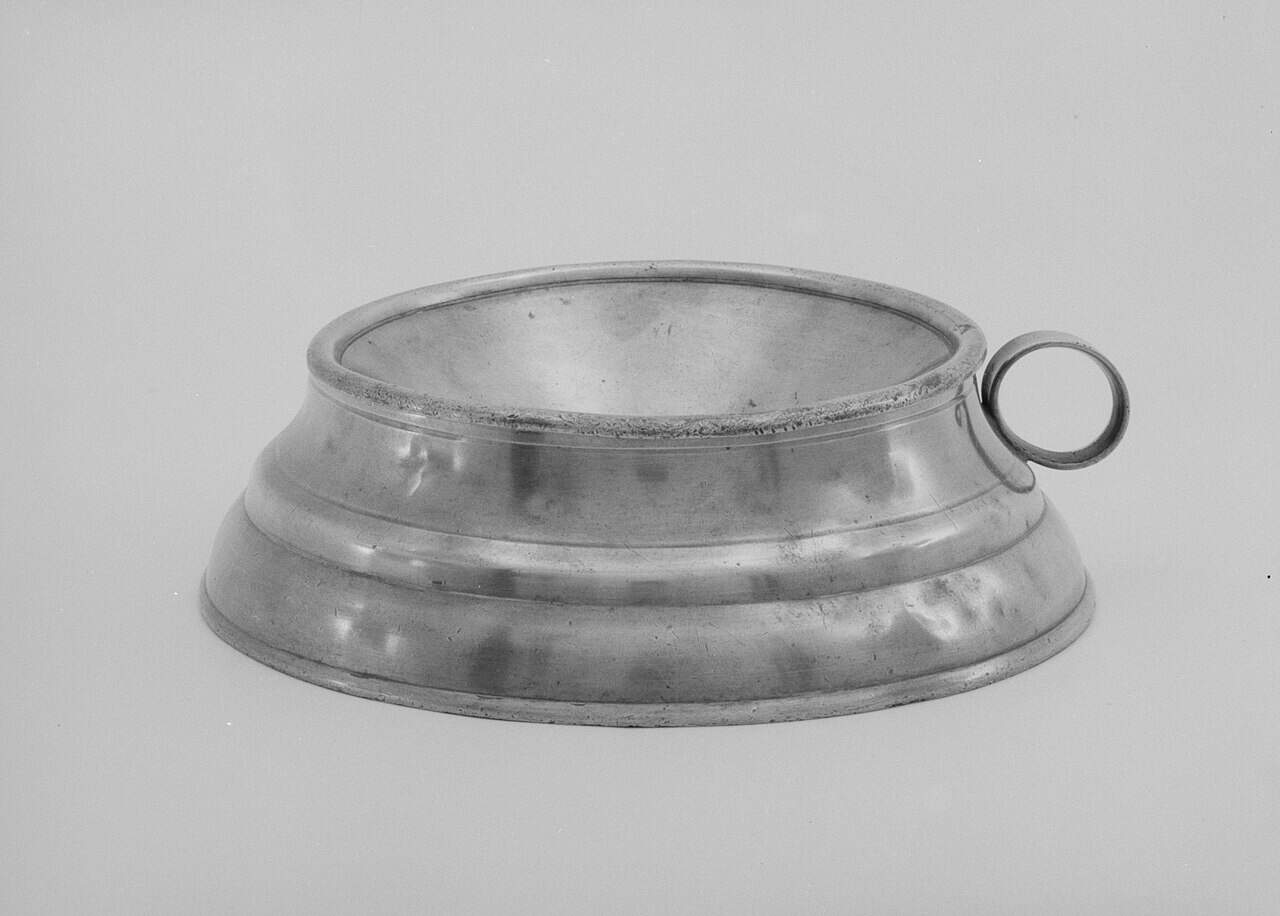
If you traveled through American cities 100 years ago, you would find brass spittoons permanently stationed inside banks, hotel lobbies, saloons, and government offices.
People, particularly men, would chew tobacco throughout the day and spit the black gob onto the floor into communal spittoons. Diseases such as tuberculosis caused people to become more aware of public health dangers, and public spittoons became seen as disgusting health risks.
Unsafe cars

Cars of the 1920s were capable of reaching high speeds but they had no seat belts, turn signals, padded dashboards or hydraulic brakes.
Drivers manually controlled open metal boxes on roads that were often dirt. Many states had no driver’s license mandates. Driving would be illegal today without safety equipment on modern highways due to regulations such as compulsory seat belt laws and licensing requirements.
Ice box deliveries
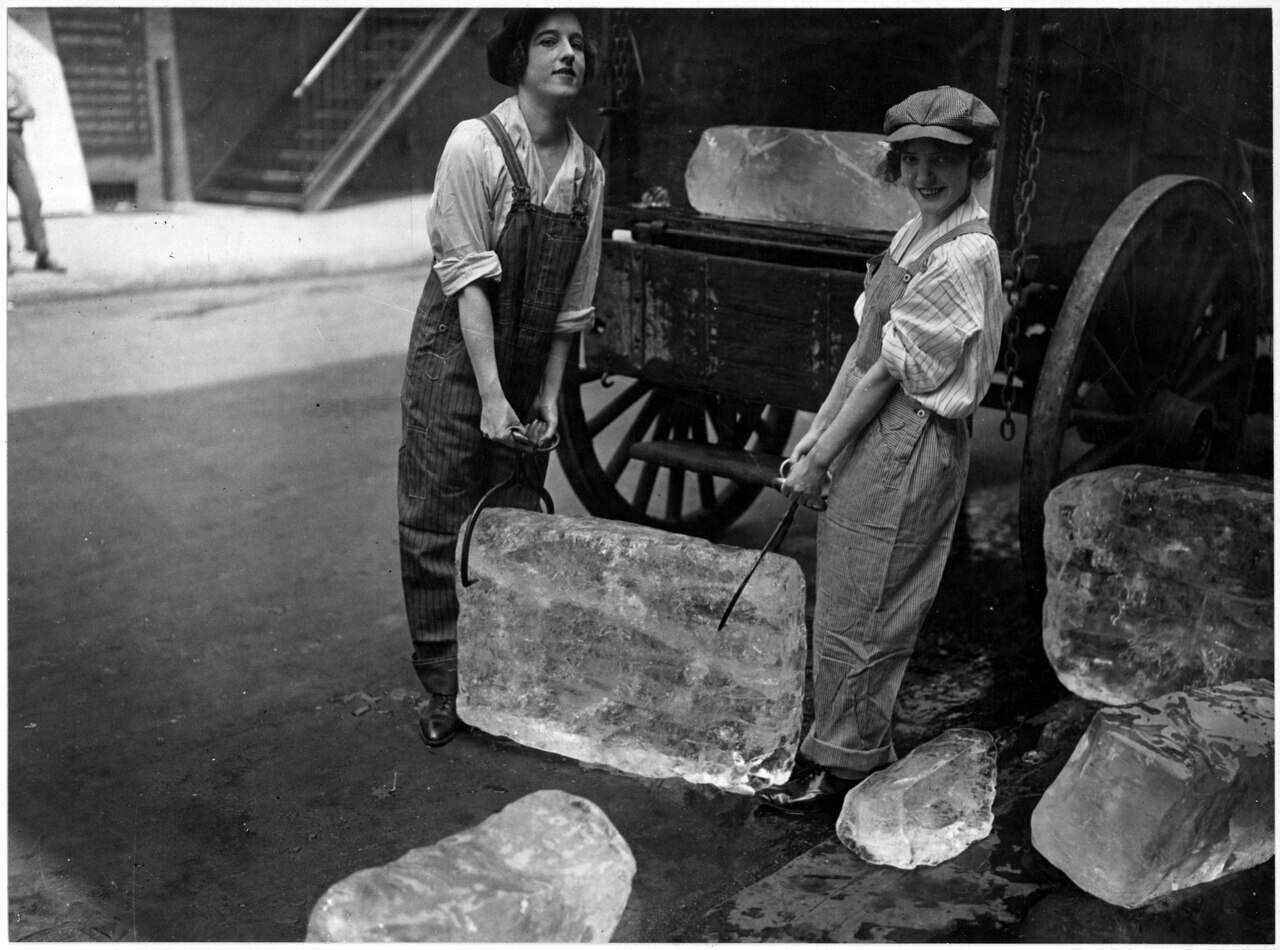
Before inexpensive electric refrigerators were available, kitchens were cooled by insulated wooden cabinets known as iceboxes.
A family put a card in their front window displaying how many pounds of ice to deliver. The local iceman would lug giant blocks of dripping ice into the kitchen with metal tongs. Manual ice deliveries are now completely obsolete with digital refrigerators.
Married women leaving work

In workplaces throughout the 1920s, there was a strong expectation that married women should stay at home instead of working for pay. Some employers enforced formal or informal marriage bars, either refusing to hire married women or requiring female employees to resign upon marriage.
These policies were particularly associated with some teaching, clerical, and public-sector jobs but varied widely from case to case. Despite such policies, some married women continued to work, especially working-class women and women of color who often could not afford not to.
Like our content? Be sure to follow us.