
Americans visiting Europe for the first time may be surprised by just how differently some of the simplest parts of daily life work.
Paid restroom actions
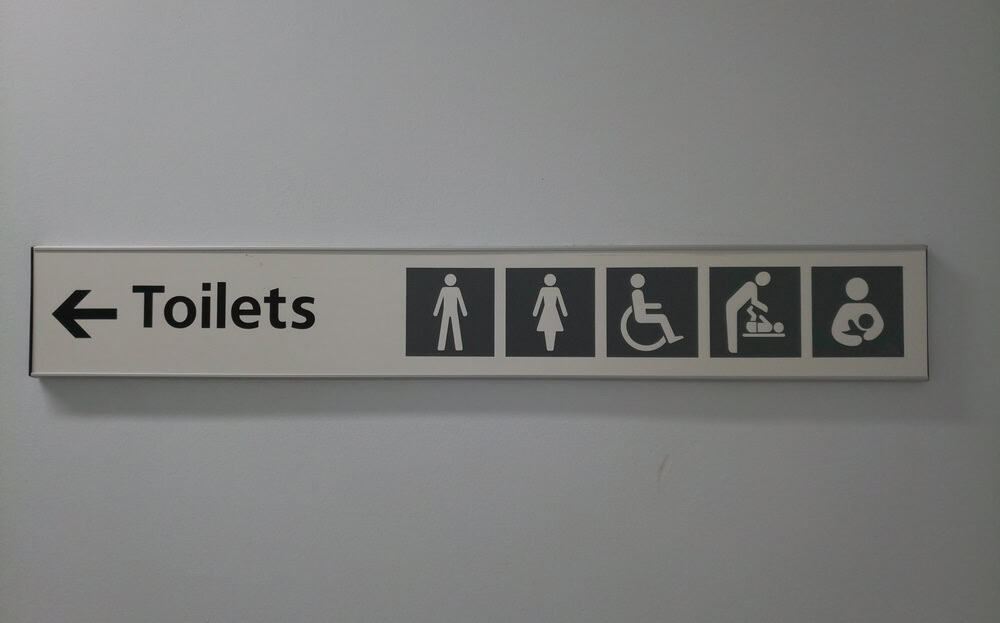
Americans expect to find bathrooms in malls, restaurants, and other places open to the public free of charge. In some areas of Europe, however, paying a small fee at the bathroom in a train station, highway rest stop, shopping center, or other public venue is not uncommon. Some have turnstiles while others have an attendant or payment machine.
Even though some of that charge might go towards keeping the facilities tidy and in good repair, the idea of paying to use the restroom can really confuse an American traveler.
No free water

When you sit down at an American restaurant, tap water is typically set before you without asking. Water doesn’t always flow that way in European restaurants.
You may be asked if you want still or sparkling bottled water. Water might even show up as a charge on your bill. Tap water is free in some countries and required in restaurants in others. Americans shouldn’t expect foreign restaurants to abide by their home water customs.
Tiny refrigerators
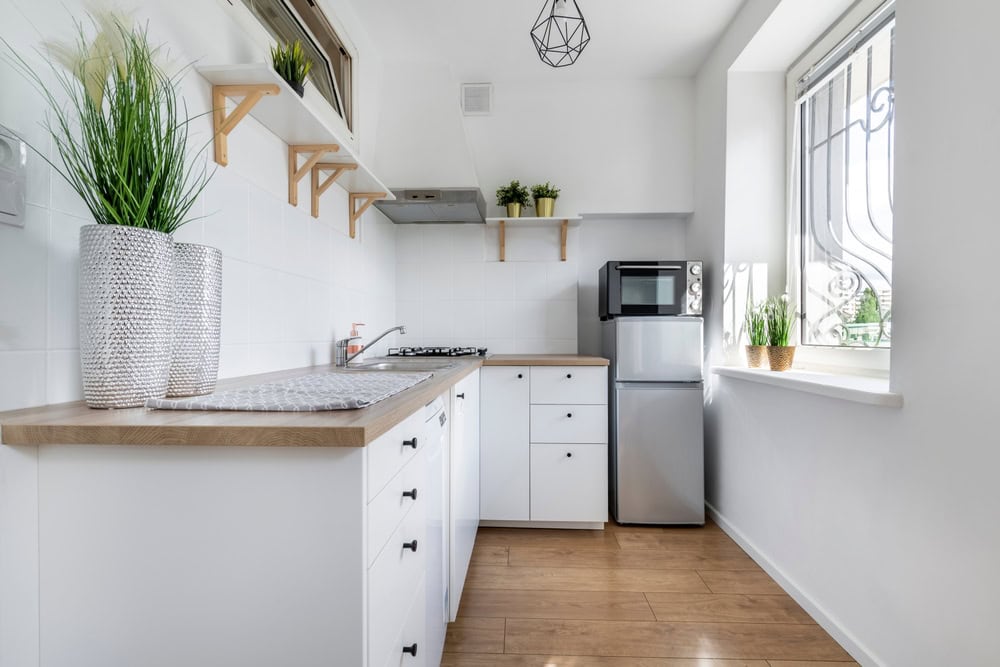
The massive refrigerator-freezer prevalent throughout American suburbia can seem excessive in other places. Smaller refrigerators are common throughout European households, especially older apartments and urban areas where kitchens are smaller.
Plus, when people shop more often, they don’t really need all that space for a week’s worth of food. It’s no wonder that retailers in Britain and elsewhere label particularly large side-by-side models as American-style refrigerators.
Washing machines in kitchens
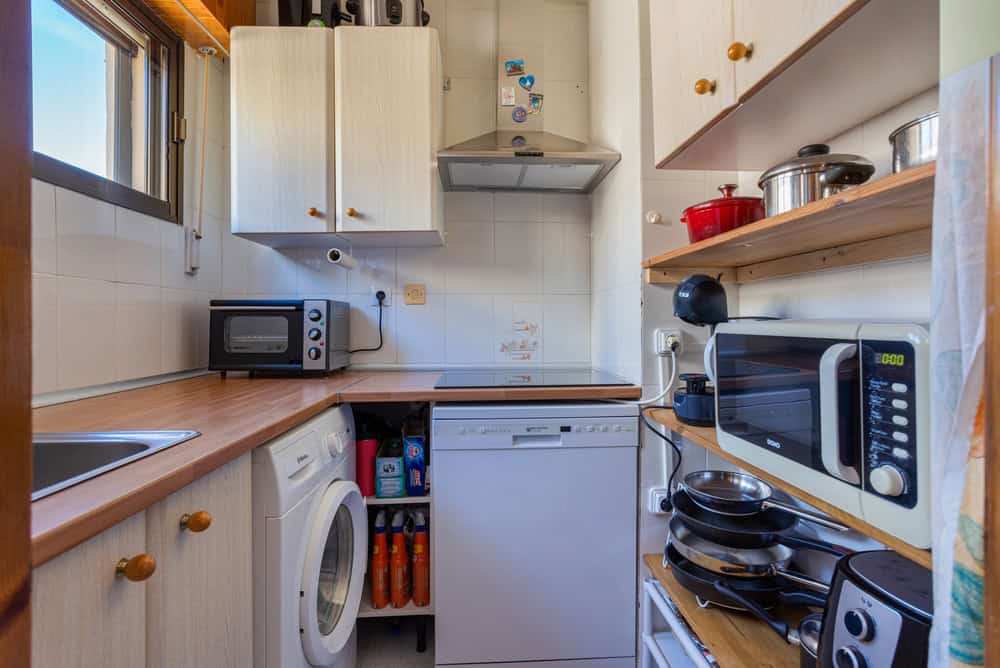
Open a kitchen cabinet in Europe and you may find an unexpected appliance next to the oven: the washing machine. Common in the UK and Ireland, it can also be found throughout Europe in homes not built with dedicated laundry rooms.
Plumbing access and often a lack of space make the kitchen an ideal spot. For Americans used to having laundry rooms, basements or utility closets to hide their washers and dryers, washing socks next to the dishwasher may feel a little odd at first.
No clothes dryer

Throwing every load into a tumble dryer is something many Americans are used to doing. In many areas of Europe, drying clothes on an indoor rack, balcony, line or indoor drying frame is far more common.
Small houses, energy prices, eco concerns and old habits are just some of the reasons why. Europe does have dryers, but they aren’t thought to be necessary in every home.
Shopping more often

Groceries don’t necessarily need to be all done at once with one giant trip to the store. Many people in walkable European cities do shorter trips to the supermarket or bakery or produce store or neighborhood shop a few times a week.
Smaller kitchens and smaller refrigerators help make that practical, and having stores within walking distance cuts down on having to pack your entire week of groceries into your car.
Ground floor isn’t one
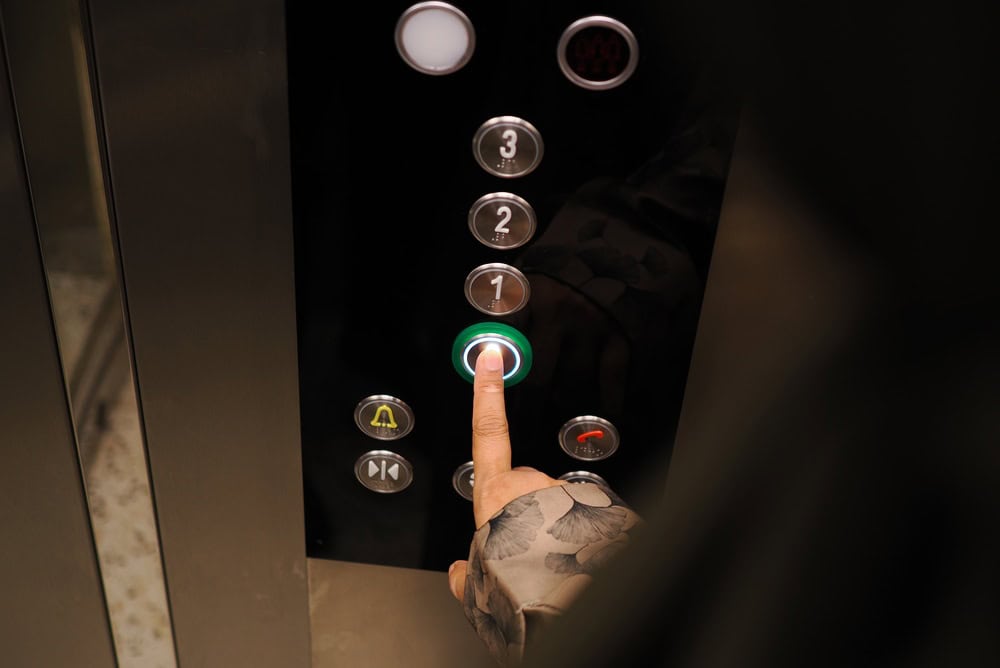
When an American walks into an elevator and presses “1,” he or she expects to end up at street level. In many European countries, the floor at street level is known as the ground floor. The first floor is one floor above ground.
That small distinction has led millions of hotel patrons astray while looking for their rooms.
Smaller cars
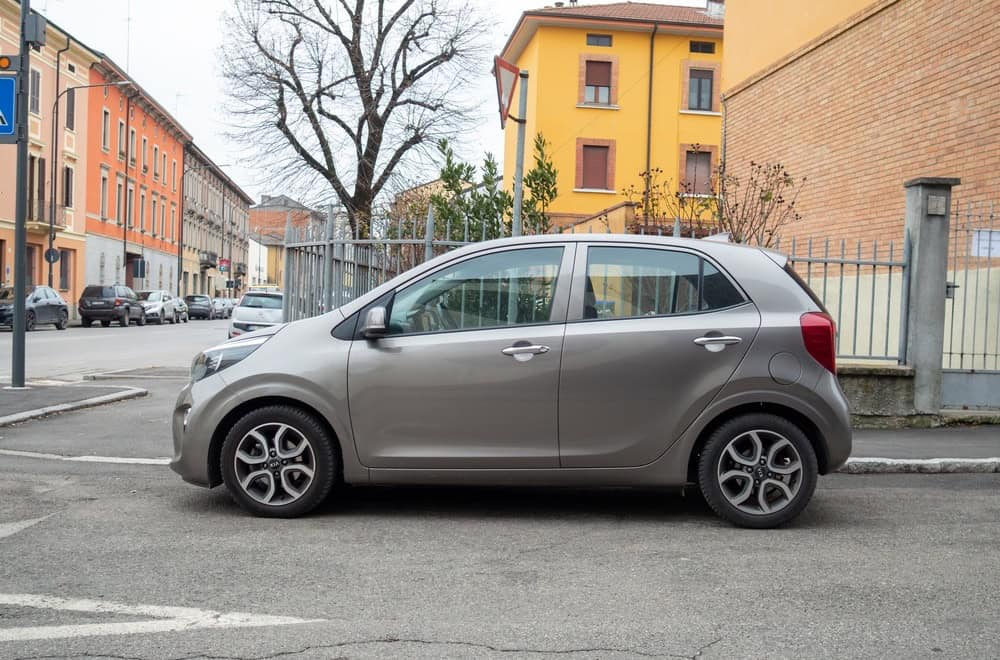
Pickup trucks and oversized SUVs are nothing new on American streets. However, many European cities were established long before the invention of the automobile.
Narrow streets, cramped parking spots, high fuel prices and compact cities make small cars incredibly convenient. Small hatchbacks that may seem oddly tiny in some regions of the U.S. are completely normal in Europe.
Vacation means vacation

Paid annual holidays lasting several weeks are the norm in Europe. Under European Union rules, all workers covered by the EU Working Time Directive are entitled to at least four weeks of paid annual leave.
Often member states provide additional paid vacation under national law or agreements. The United States has no federal minimum paid vacation law for private-sector employees.
Windows

Oddly enough, one of the coolest features for Americans is the European window that turns and tilts, as you see commonly throughout Germany and other parts of Europe.
You turn the handle one way and the whole window opens like a door. Flip it the other way and just the top swings inward for ventilation, leaving most of the window closed. Most Europeans think nothing of this window design and aren’t impressed by it.
Inclusive price tags

If you see an item in a store or on a menu in Europe, the price tag on the shelf is the amount you will pay at the cash register. VAT is added to the displayed price by law throughout the EU and UK. Americans aren’t used to this since sales tax is added at the register and includes state and sometimes local taxes.
Car free city centers
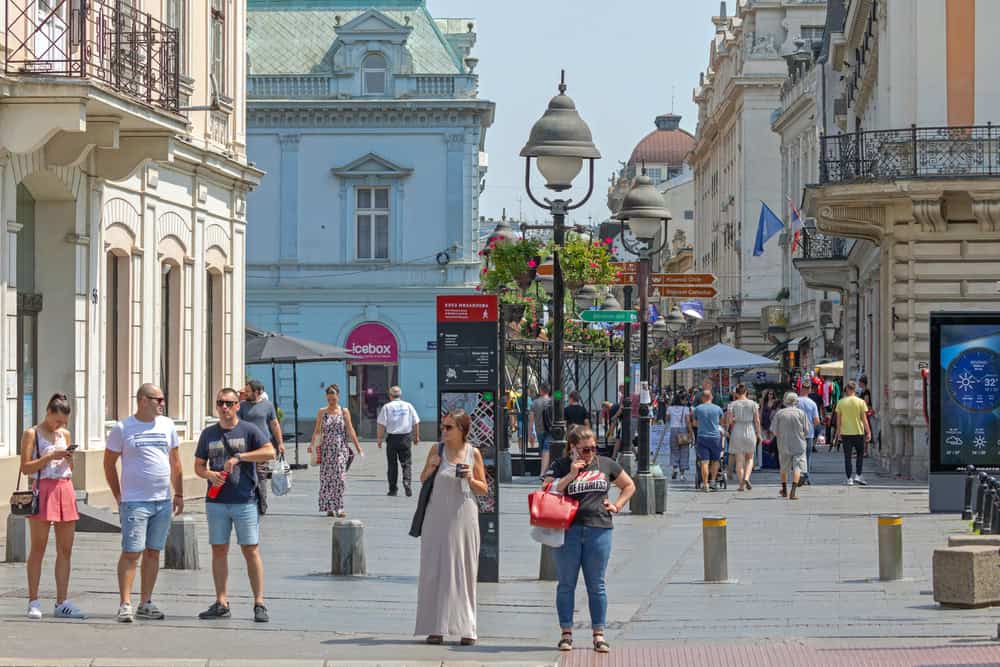
Some European cities have huge car-free downtown areas, where streets and parking spaces have been converted into sidewalks, cobblestone squares and café tables. Buses, trams, metros and suburban rails are well-connected so you don’t need a car to get around.
If you grew up in one of America’s car-dependent, sprawling suburbs where it’s literally impossible to walk to the grocery store, a city designed for pedestrians will seem totally foreign.
Like our content? Be sure to follow us.