
Many everyday features of a 1960s home seemed harmless at the time, even though we now know they carried serious risks.
Heavy indoor smoke
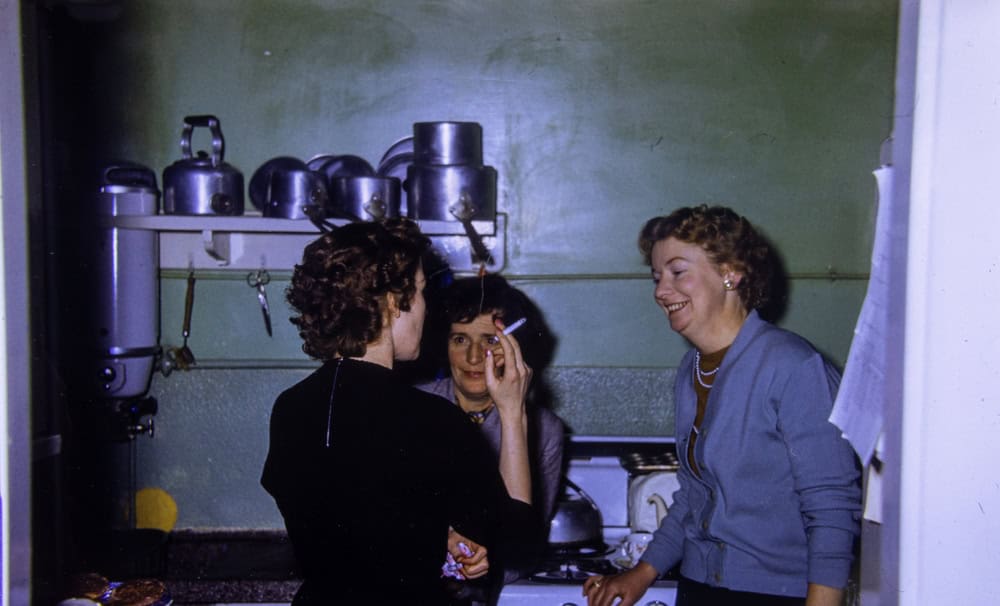
Cigarette smoking indoors in living rooms, dining rooms and bedrooms was considered completely socially acceptable and normal rather than something harmful to one’s health. Kids were commonly raised in clouds of second-hand smoke. Burning embers falling on vinyl furniture or shag rugs were one of the top reasons for deadly house fires.
Dangerous paint

Lead paint remained prevalent in residential properties in the 1960s. Lead commonly accumulated in older housing where several layers of paint had been applied over the years. Chipping paint and household dust can become contaminated with lead.
Children are particularly vulnerable to exposure, which can harm the development of the brain and nervous system. Lead paint was banned from residential use by consumers in the United States in 1978. But it still exists in older housing underneath layers of paint.
A hidden building hazard
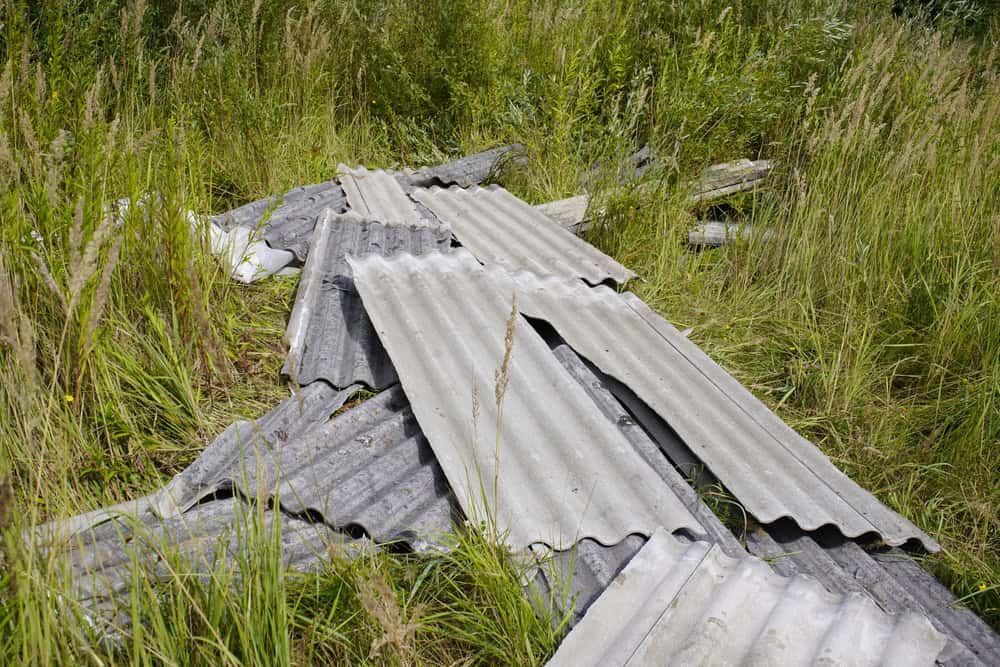
Asbestos was commonly used in insulation, floor tiles, roofing, textured coatings, pipe coatings, and other construction materials found in mid-century houses. Its heat-resistant qualities made it appear almost miraculous.
But the risk of asbestos became more apparent when studies revealed asbestos fibers that were breathed in could cause mesothelioma, lung cancer, and asbestosis. Asbestos-containing building materials may still be present in older homes today, which is why suspected asbestos should be professionally evaluated when disrupted during remodeling.
Gas space heaters
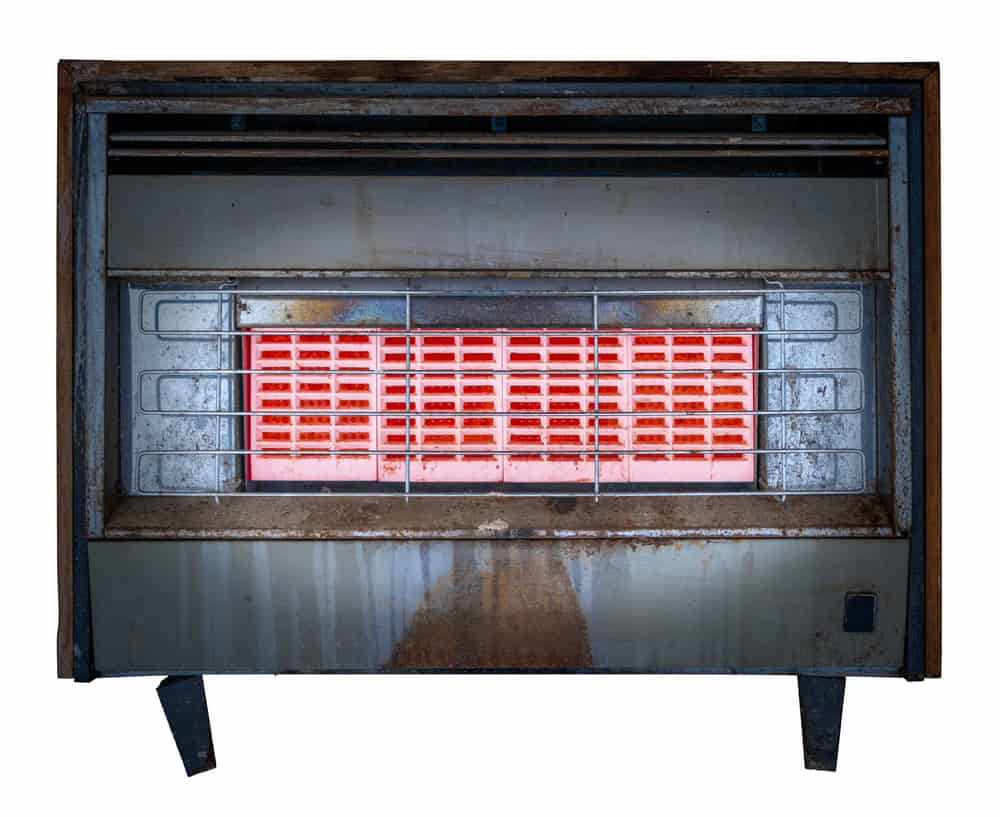
Gas space heaters without a chimney or flue were sometimes installed in mid-century homes to provide supplemental heat in bedrooms, living rooms and other areas. Combustion products such as carbon monoxide and nitrogen dioxide can build up indoors if they are not adequately vented to the outside, especially if the heater is poorly maintained or the room is not well ventilated.
Carbon monoxide poisoning can occur without warning because it is odorless and colorless, making people unaware there is a problem until they experience symptoms.
Non-safety glass patio doors
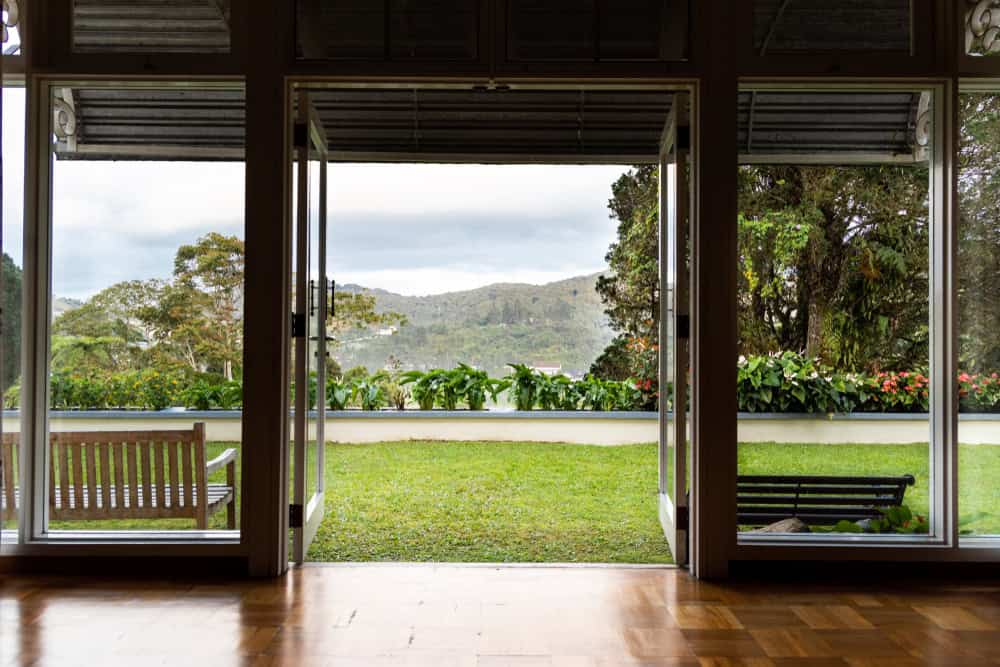
Massive floor-to-ceiling glass patio doors made from ordinary annealed plate glass became quite trendy in suburban homes. Children and adults alike would accidentally walk through the clear un-signalled doors.
When this happened, the glass broke into large, razor-sharp pieces that fell like giant guillotines, severely slicing people open and causing life-threatening bleeding.
Ungrounded two-prong outlets
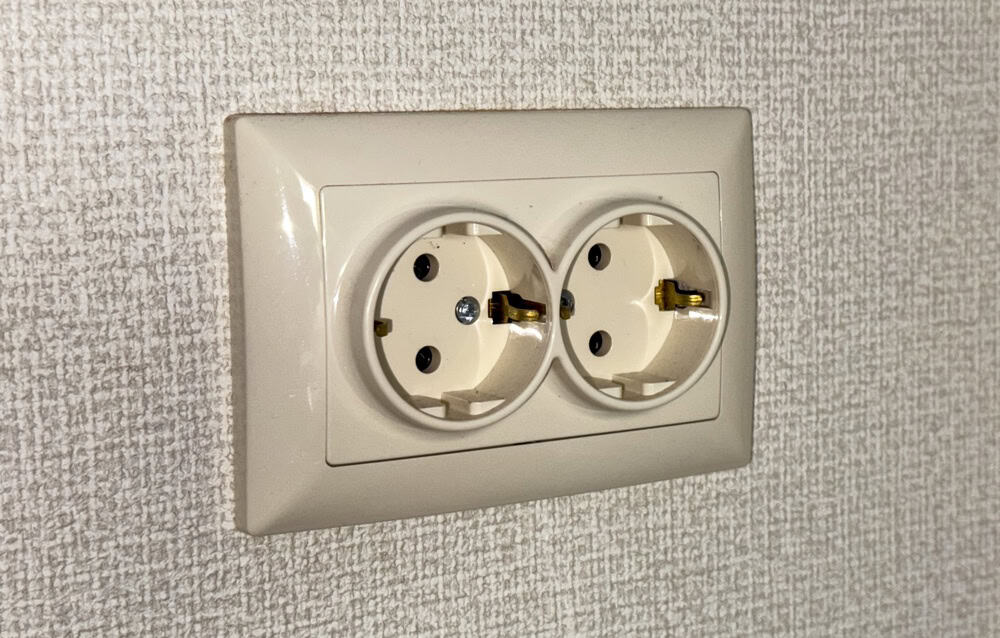
Electrical wiring would commonly supply power to two-prong ungrounded electrical outlets without an equipment grounding conductor or GFCI (Ground Fault Circuit Interrupter) protection.
When someone would plug in a high-draw metal appliance such as a hair dryer, toaster oven, or power tool, any internal wiring short would energize the appliance’s outer case, resulting in catastrophic electric shocks or house fires.
Flammable synthetic fabrics
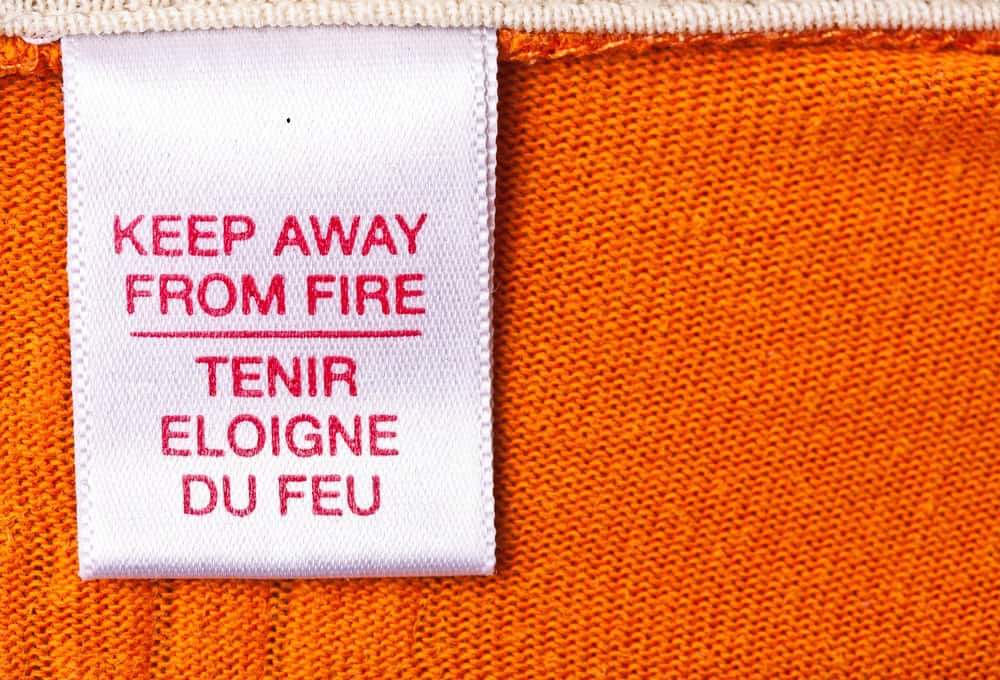
Synthetic fabrics made from untreated polyester, rayon, and early forms of nylon blends were commonly worn by adults and children alike during the mid-century period. Since these original synthetics burned at extremely high temperatures, they melted onto skin when it came in contact with stove tops, fireplaces or random ashes from cigarettes. Victims suffered serious third degree burns.
Toxic cleaning solutions

Storage of powerful chemical solutions such as neat carbon tetrachloride, unleaded lye, and undiluted ammonia beneath the sink was common practice without the use of safety caps.
Entire families commonly utilized open containers of these aggressive solvents to spot clean and strip floors indoors. They breathed in chemical fumes without venting to the outdoors and even suffered the risk of life-threatening chemical burns by not wearing gloves.
Sharp appliances
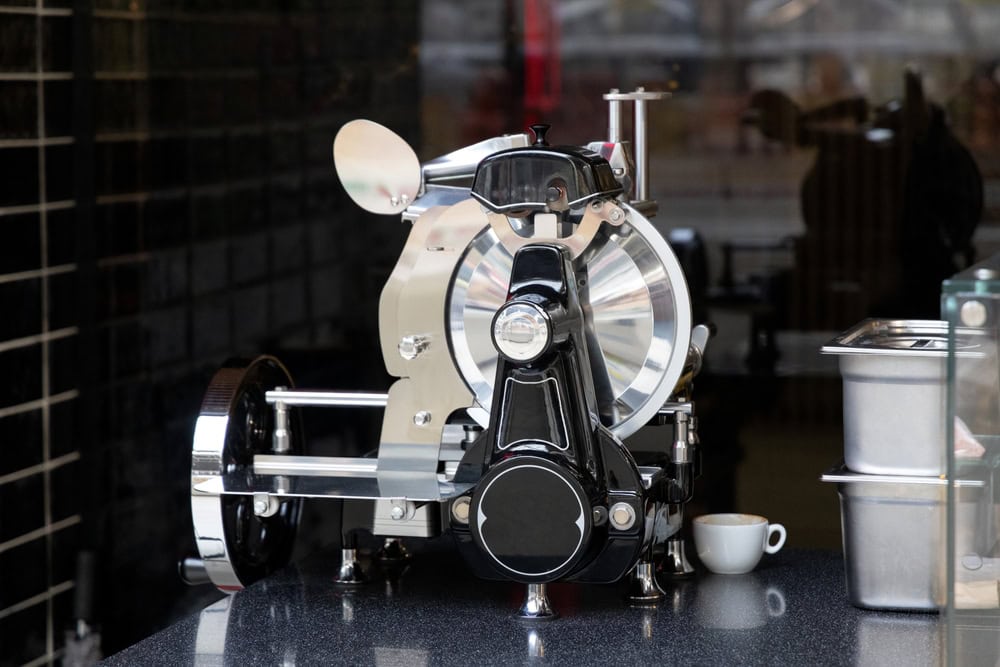
Kitchen cabinets often had dangerous appliances with exposed, high-speed sharp blades and very little guarding, such as early electric meat grinders, slicers with exposed blades, and garbage disposal units without automatic safety interlocks.
Many did not have the automatic shut-off switches or substantial guards that are commonplace now, resulting in many visits to emergency rooms with deep cuts on hands.
Bare unprotected balconies
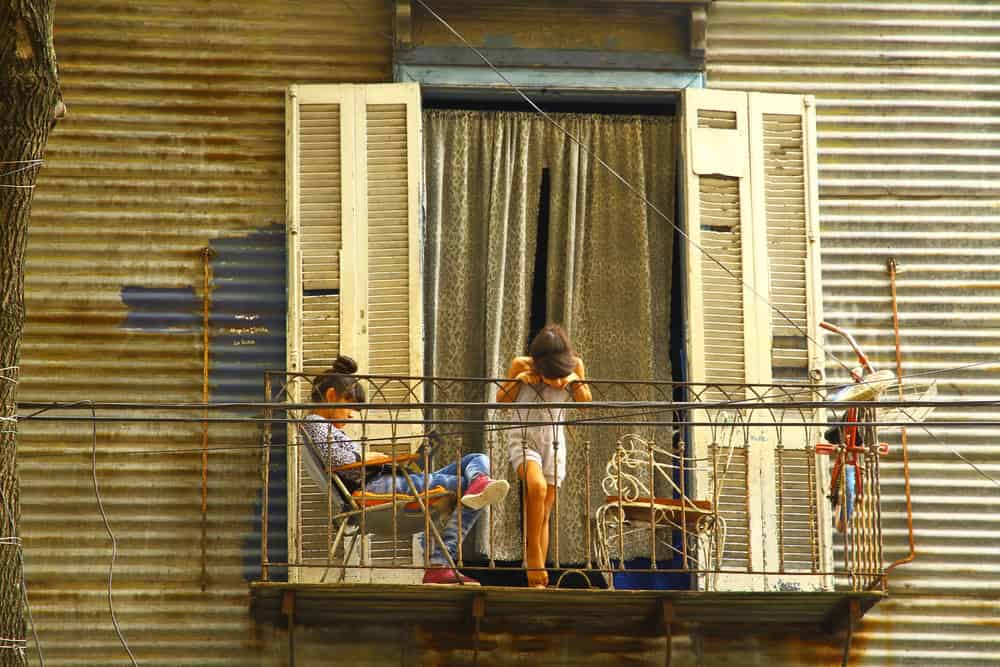
Mid-century modern homes were designed with open-concept stairways and outdoor balconies featuring wide railing gaps and short railings. This stylistic architectural decision posed major fall hazards for toddlers and young children who could fall through large gaps between vertical balusters or crawl/scramble over horizontal guardrails.
Mercury wall thermostats
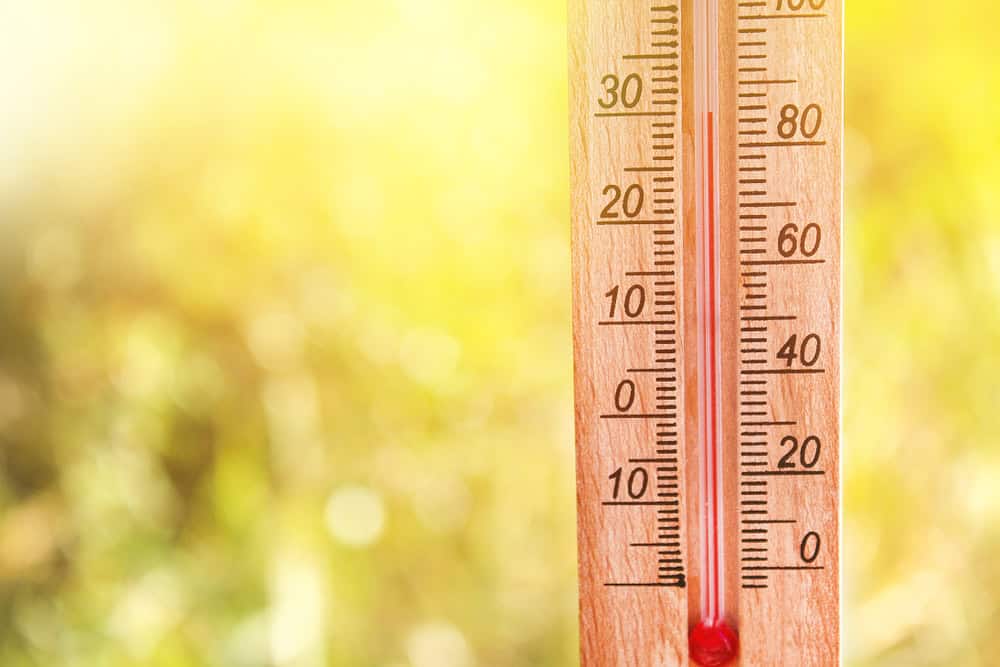
Some homes had mechanical thermostats that use small glass switches filled with elemental mercury. During normal operation, the mercury allows for faster response to temperature fluctuations and remains safely contained within the unit, so intact units present minimal risk.
But when these thermostats break or are thrown away incorrectly, mercury can escape and vapor can be breathed in.
Unanchored heavy furniture
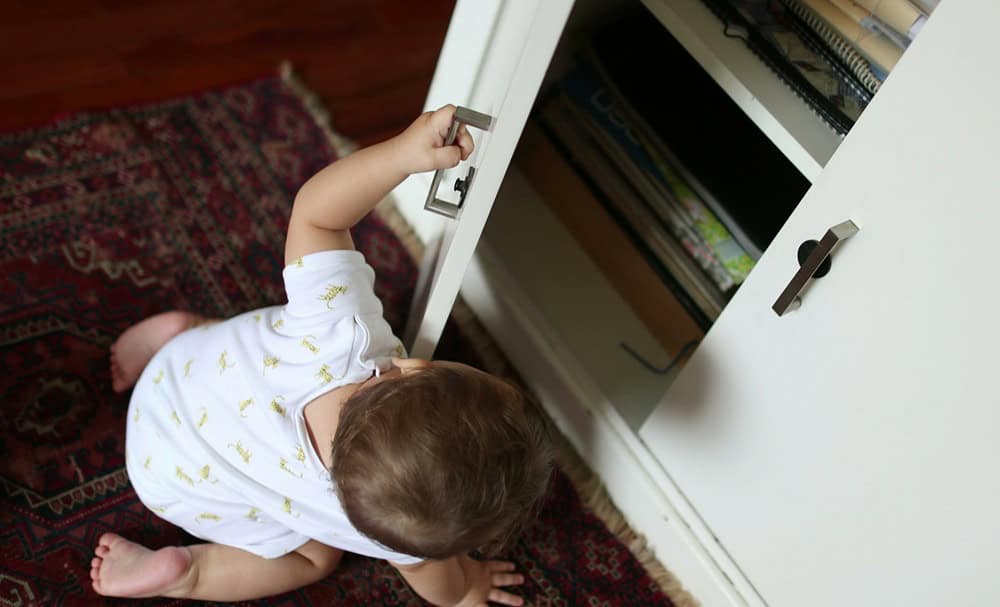
Heavy dressers, bookcases, cabinets and large TVs were not anchored to walls in houses built in the 1960s. Most parents did not realize the common dangers that furniture posed. Tall or top-heavy furniture could tip over if a child climbed on it or pulled out too many drawers.
Today, we are advised to anchor furniture and TVs that present a tipping hazard to the wall with proper anchors or anti-tip devices, especially if you have young children in your home. This was common sense that was missing from most mid-century homes.
Like our content? Be sure to follow us.