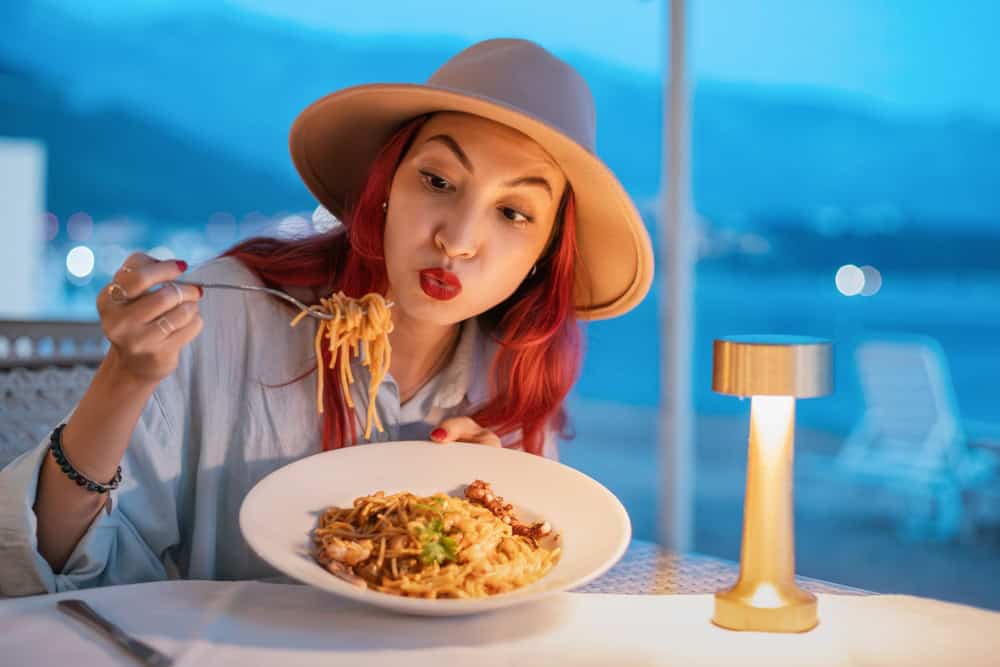
Eating out is often among the highlights of any foreign trip, but some habits Americans take for granted at restaurants at home can become bothersome or even frowned upon.
Dish modifications
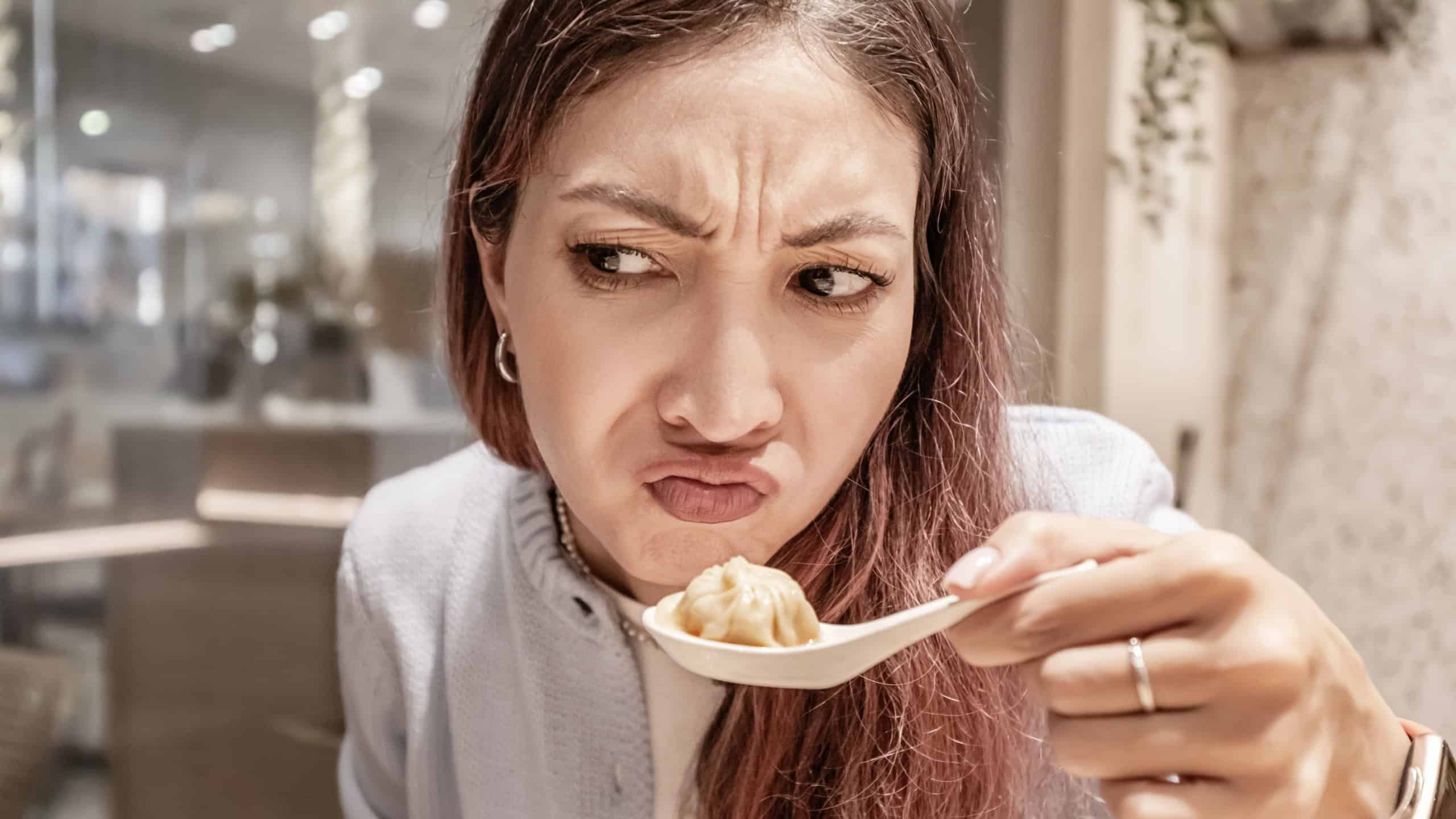
In the United States, asking for substitutions, sides instead of mains, and swapping toppings are quite common at restaurants.
In many countries outside of the US, menu modifications are seen as disrespectful to the chef. Asking a traditional bistro or trattoria to change their recipe to accommodate American tastes will only cause unnecessary tension with both the kitchen staff and waiters.
Free table expectations

Things like bottled water, bread in baskets, and cover charges are not free in many countries (especially those in continental Europe). Asking for automatic pitchers of tap water, free refills, bread baskets, etc. will cause embarrassing situations after seeing the final bill.
It’s always best to learn what’s expected of customers before a visit; this way, Americans can avoid hassles over nominal cover charges and will have a much more pleasant experience with their servers.
Excessive tipping
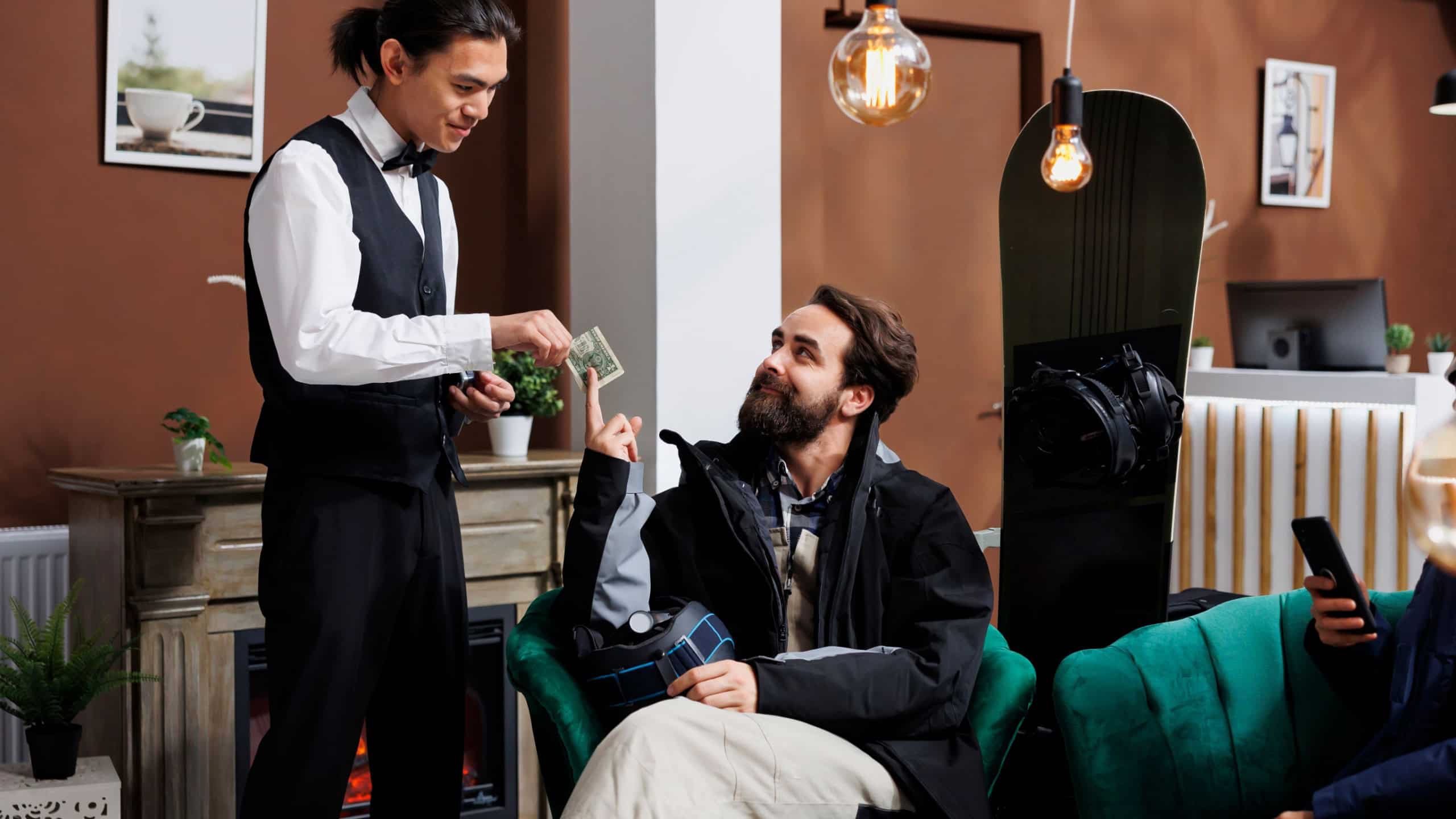
Although tipping between 15% and 20% is customary in North America, leaving huge tips in cash where there is already a service charge added onto the bill (or in countries where tipping just isn’t done, such as Japan) may actually cause awkward situations.
This can also ruin price points for locals and embarrass your server. Moreover, it shows that the customers haven’t taken the time to learn about local culture.
Freezing drink demands
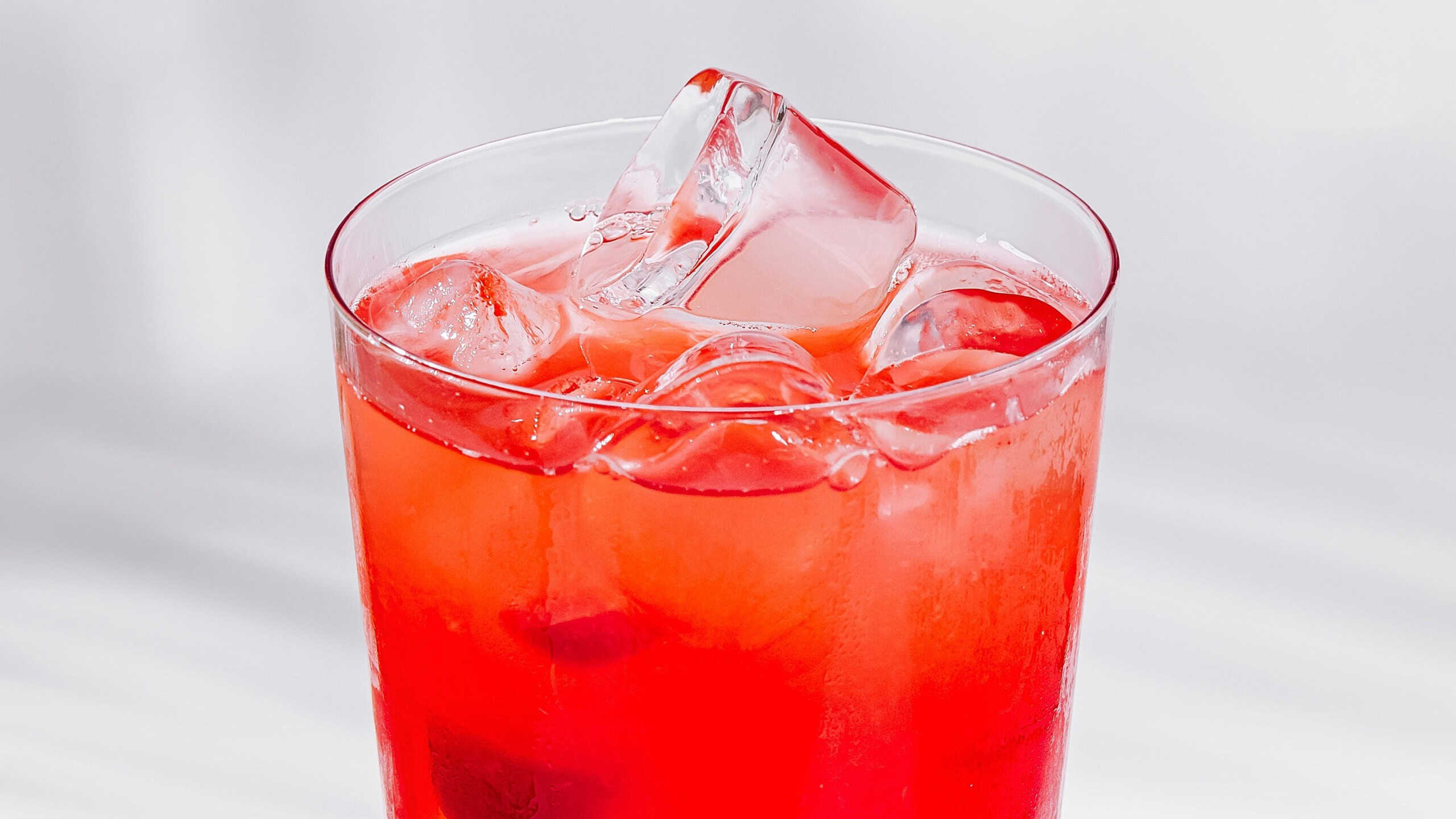
Ordering glasses full of ice with unlimited free refills of sodas or iced tea goes against international restaurant culture. In most of Europe, Asia and South America, they serve their drinks at room temperature or only slightly chilled in small glasses.
The expectation is that customers will sip it slowly with their meal, not chug it down in great gulps.
Rushed cheque demands

Restaurants in other cultures treat dining as a leisurely affair. Patrons are expected to dawdle, and servers aren’t expected to rush the check unless the customer requests it.
Perceiving slow service as inefficient or slow may offend locals who view dining as a leisurely activity. Hastily asking a server for the bill right after eating can come across as disrespectful of local traditions.
High conversational volume

Compared to the usual conversational volume in countries like Japan, the United Kingdom, or Scandinavia, Americans tend to speak and laugh more loudly.
Allowing a table’s discussion to be heard by the entire room in a quiet restaurant is rather impolite. This disrupts the peaceful atmosphere other diners are trying to savor. One of the simplest ways to fit in is to moderate one’s voice to the level of background noise in the restaurant.
Familiar comforts

Searching out familiar brand-name American fast-food chains or ordering imported beer from a local tavern menu after traveling miles seems pretty close-minded to hosts.
Skipping local delicacies, house wines, and local draft options to dine on safe, predictable meals defeats the purpose of traveling for food. Experimenting with local ingredients and new menu options can lead to incredible experiences.
Defensive service expectations
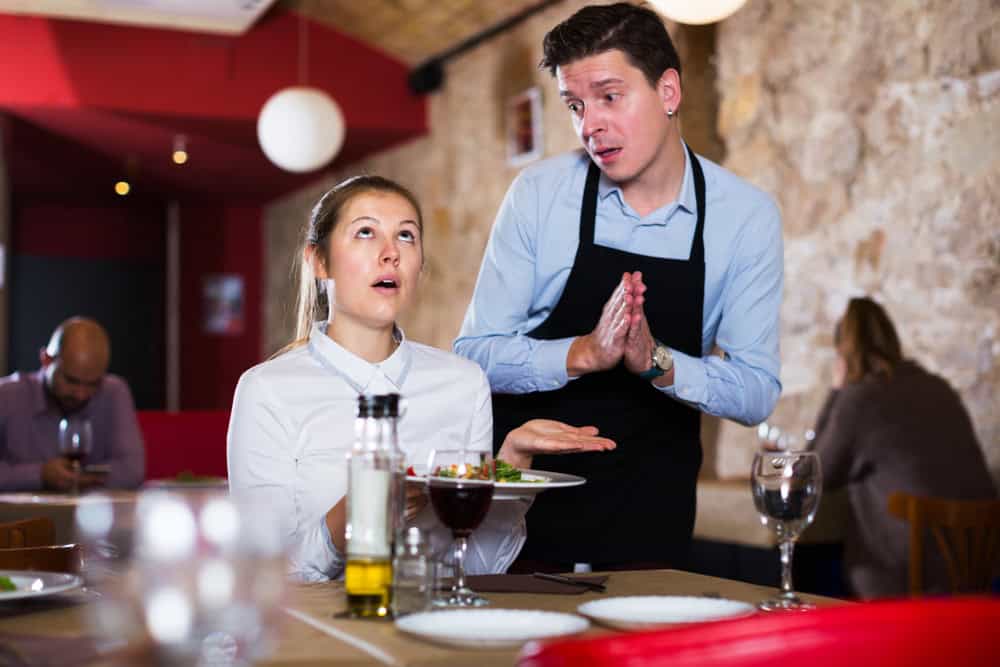
Demanding manager interventions or bill deductions due to minor service delays or temperature preferences is a skewed version of the customer is always right, which doesn’t always apply abroad.
Many countries have service cultures based on reciprocity, respect, patience, and manners, not pounding your entitlement fist. It’s better to handle minor service disappointments with kindness and patience instead of expecting American-style service concessions.
Complex bill splitting

Requesting eight separate credit cards charged itemized from one party forces unnecessary strain on servers at small businesses abroad. The majority of restaurants worldwide send one bill per table for customers to divvy out among themselves later with cash or mobile transactions.
Handling math privately allows for an efficient and less stressful transaction.
Like our content? Be sure to follow us.