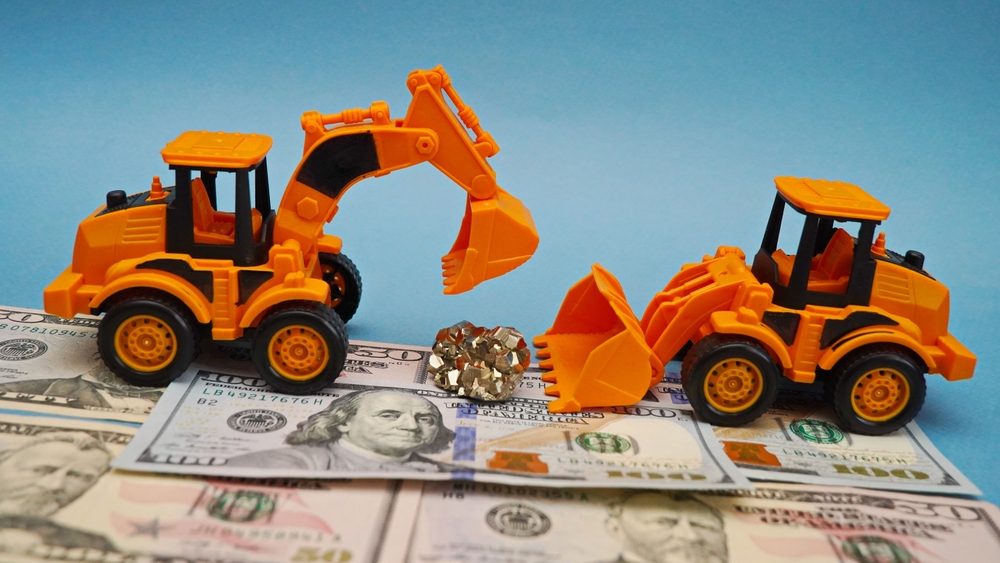
Rare earths sound like something obscure, but they are behind everything from magnets to smartphones to electric motors and much more advanced tech.
The Asian mineral giant
China
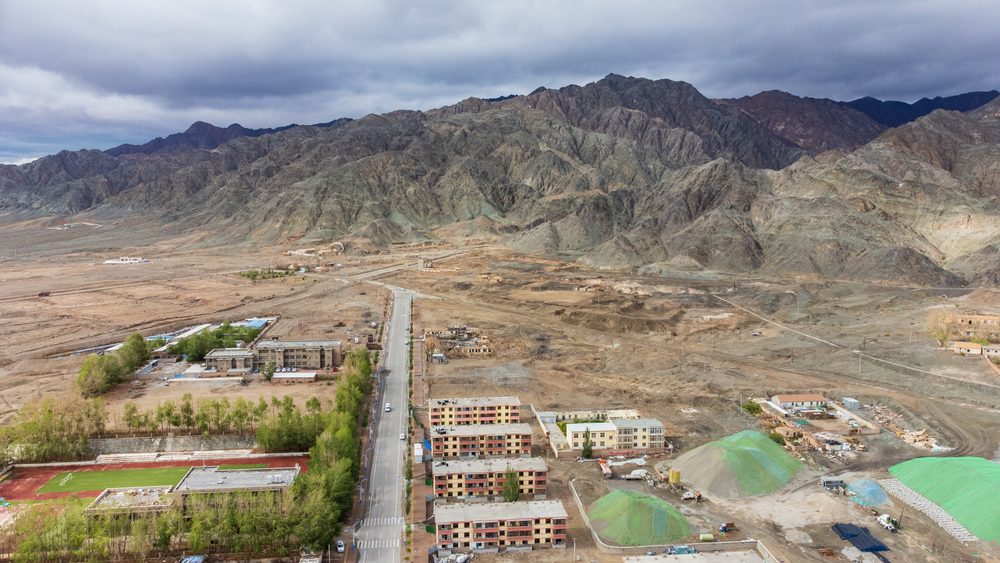
Rare-earth supply is dominated by China, which is estimated to have rare-earth reserves of 44 million metric tons. China’s dominance extends beyond proven reserves, though. China is also far and away the largest producer of rare earths, accounting for roughly 270,000 tons produced in 2025, per USGS estimates.
China has invested heavily in mining, separation, refining, and production for decades, giving it unmatched strength along the rare-earth supply chain.
South America’s hidden heavyweight
Brazil
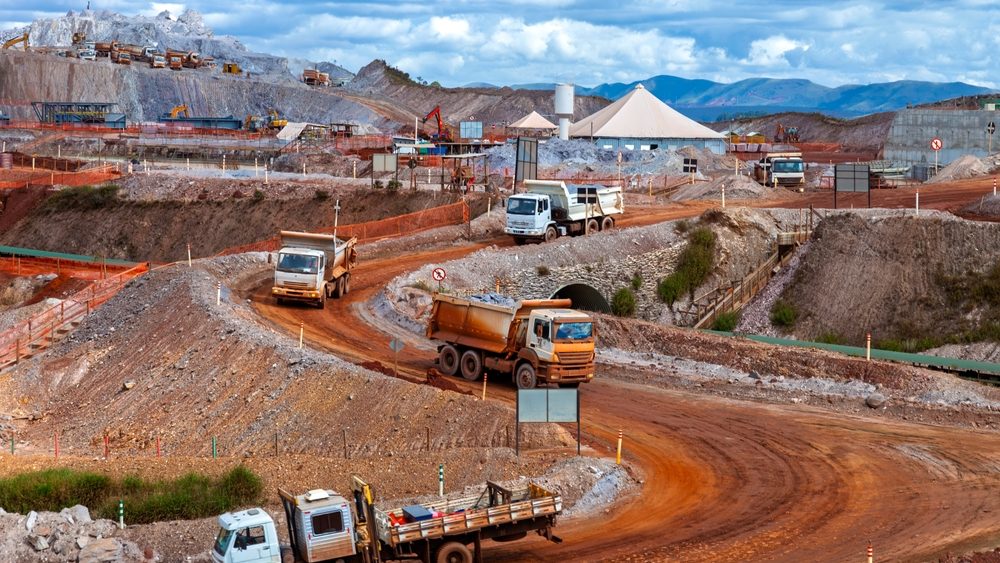
Brazil is reported to have the second-largest reserves in the world, at approximately 21 million metric tons. This is close to half of China’s reserves. However, its actual production is minuscule in comparison. The USGS estimated Brazil produced only about 2,000 tons in 2025.
That stark contrast between reserves and production gives Brazil plenty of growth potential. Should Brazil be able to expand new projects and build processing capacity, it could very well become a key supplier, as many countries are seeking alternatives to China.
Down Under’s buried advantage
Australia
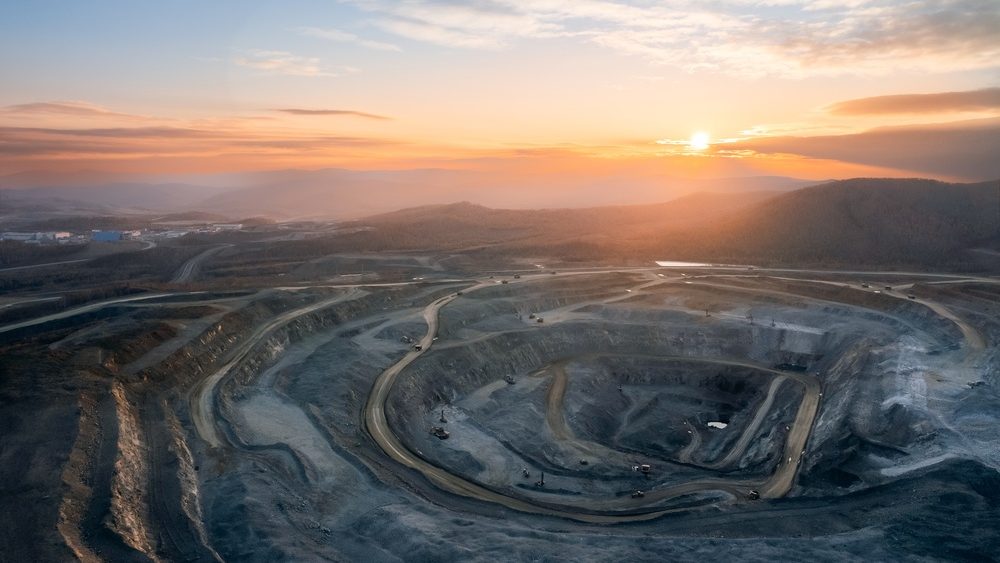
At an estimated 6.3 million metric tons of reserves, Australia ranked third. However, Australia stands out from many other countries that sit high on the rare-earth reserves list but produce little or nothing.
Australia has an established rare-earth mining industry, which USGS estimates produced about 29,000 tons in 2025. It matters not only because Australia has these resources underground, but because the country is already one of the few largest producers outside China today.
The Eurasian treasure chest
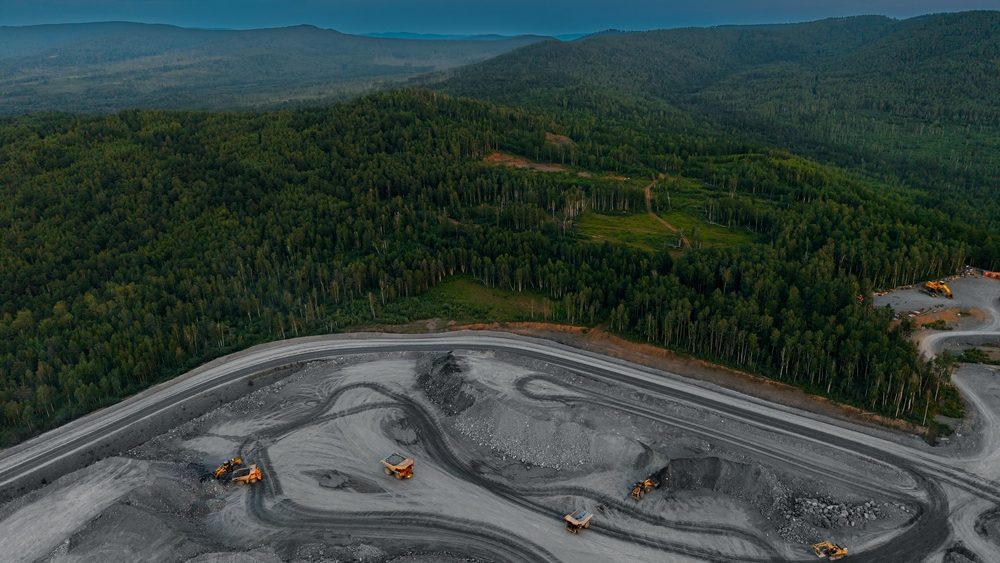
Russia
Russia rounds out the top four, with USGS estimating the country has 3.8 million metric tons of rare-earth reserves. However, its 2025 Russian mine production was only about 2,600 tons. Compared with amounts produced by giants like China or Australia, this is a paltry amount. Russia’s example highlights that having lots of reserves isn’t everything. Economically developing mineral deposits also need infrastructure to mine the materials, technology to process the ore, investment capital, and customers for your finished product.
Southeast Asia’s underground fortune
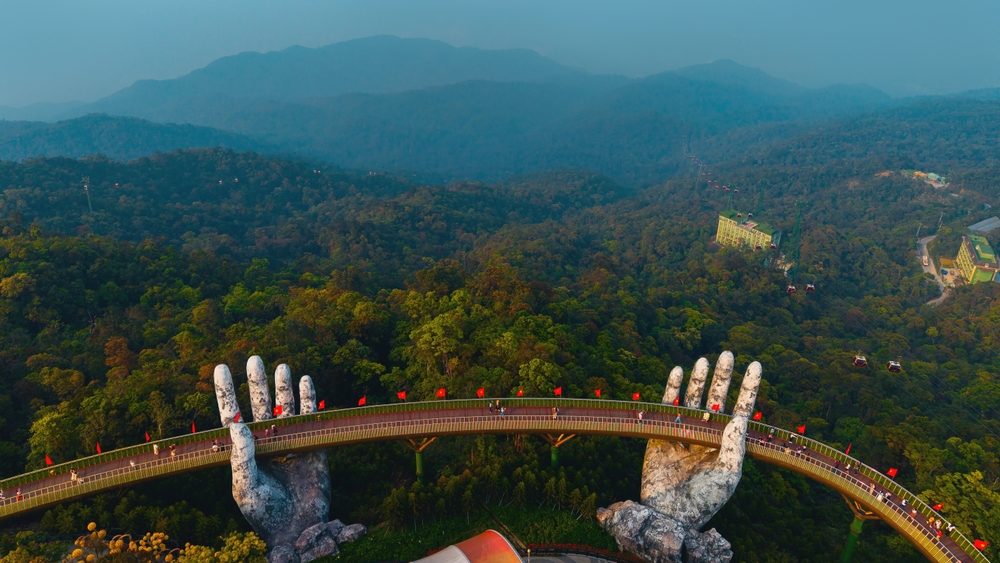
Vietnam
Vietnam has roughly 3.5 million metric tons of reported reserves, giving the Southeast Asian country one of the world’s largest rare-earth endowments. However, USGS only estimates Vietnam to produce about 150 tons in 2025. Vietnam’s reserves have garnered global interest.
Developing new production outside of the industry’s top suppliers could diversify the supply chain. However, it can take years and significant investment to develop commercial production from mere geological resources.
The strategic stockpile
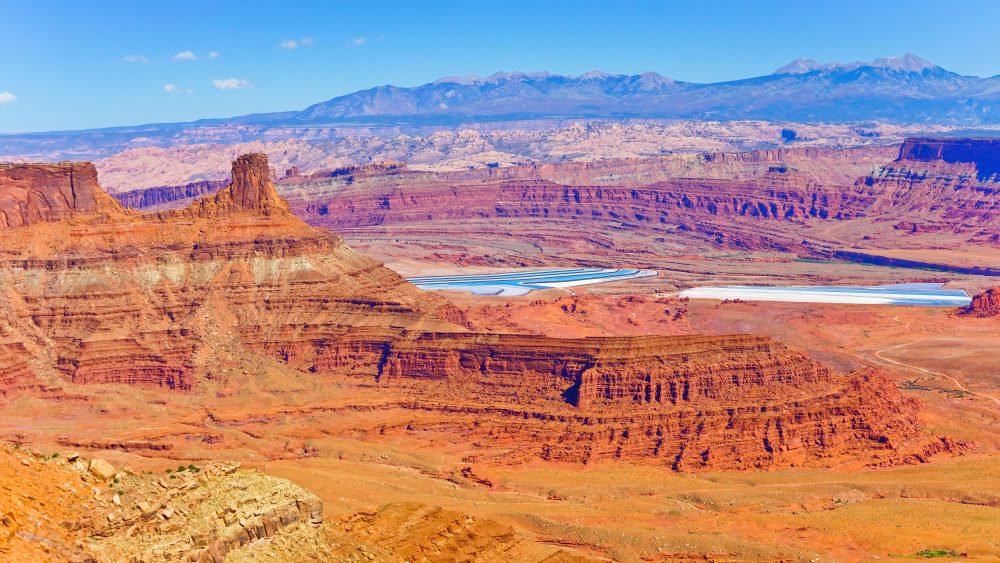
The United States
The United States has roughly 1.9 million metric tons of rare-earth reserves and currently mines a significant portion. According to USGS data, there were about 51,000 tons of mine production in 2025.
The difference between U.S. reserves and current mining production is much lower than many countries above it on this list. Rare earths have particular strategic importance to the U. S. due to their use in electronics, advanced manufacturing, and more.
Riches beneath Arctic ice
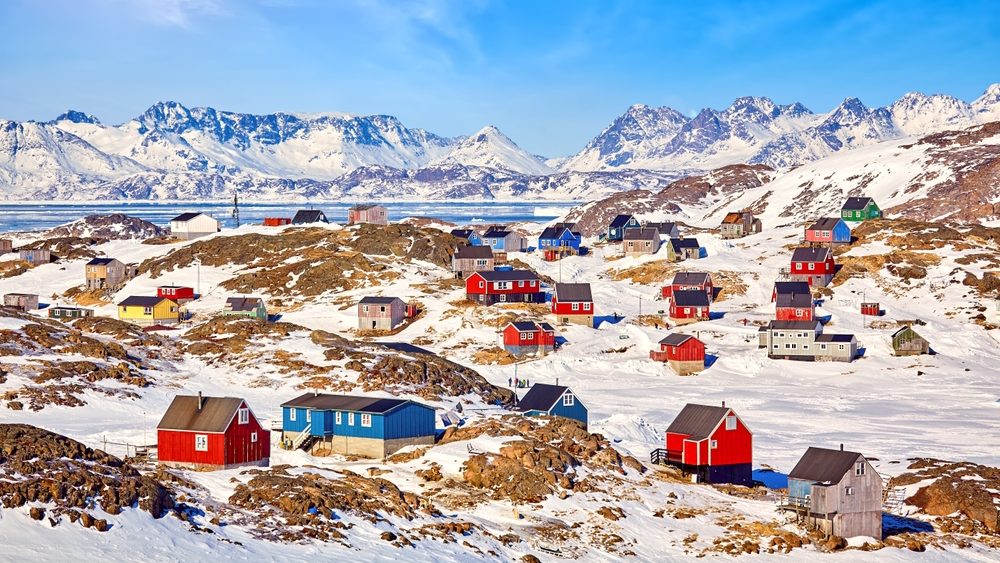
Greenland
Greenland, with 1.5 million metric tons in estimated reserves, looms large in the reserves table for its tiny population. Greenland is not actually an independent country and is a self-governing territory of Denmark, but is listed here because of its potential.
There is no production from Greenland in 2025, according to the USGS. However, Greenland’s deposits are part of the reason why Greenland’s mineral wealth has come under increasing foreign interest as nations seek new sources of strategic minerals.
East Africa’s mineral surprise
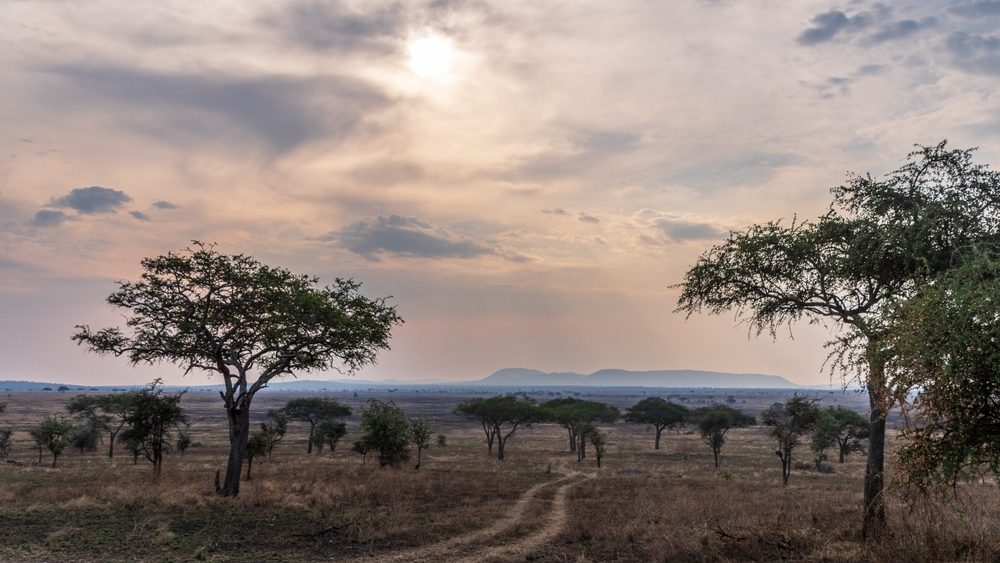
Tanzania
Hosting estimated reserves of 890,000 metric tons, Tanzania is one of the largest potential holders of rare earths in Africa. However, the USGS’ 2025 rare-earth table lists zero mine production for Tanzania.
Tanzania is another case of a country with the resource sitting waiting to be tapped for major commercial supply. Development of these deposits may one day lead to East Africa playing a bigger role in the critical minerals space.
Africa’s mining powerhouse
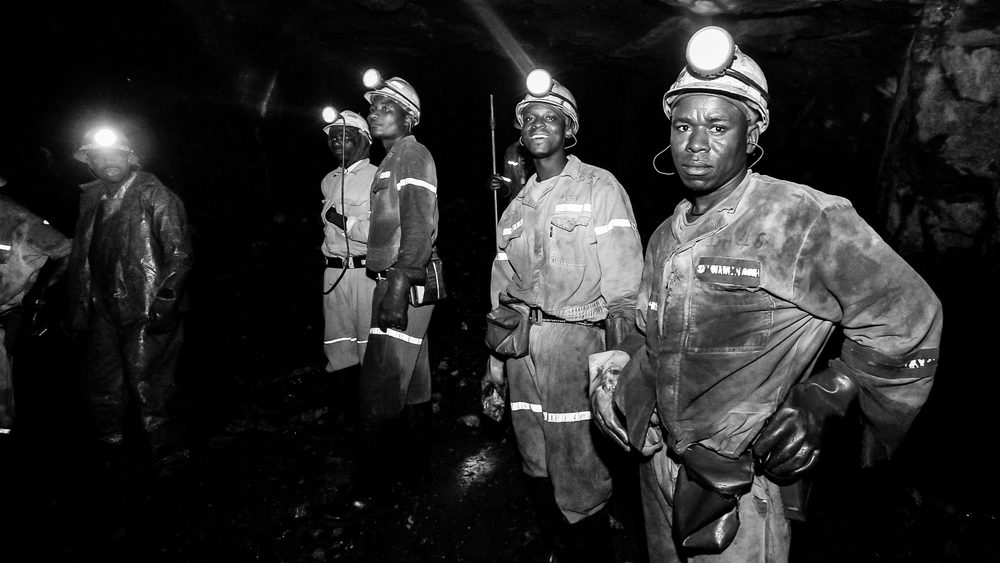
South Africa
South Africa follows closely with about 860,000 metric tons. South Africa has been one of the world’s leading mining economies for many decades, though rare earths are not produced on a commercially significant scale there at present; there is no 2025 mine production from USGS data.
Nevertheless, the scale of the reserves gives South Africa potential significance as the demand for minerals to support high-tech applications expands. As with Tanzania, the hard part will be developing these deposits economically and creating a processing chain.
Much more underground
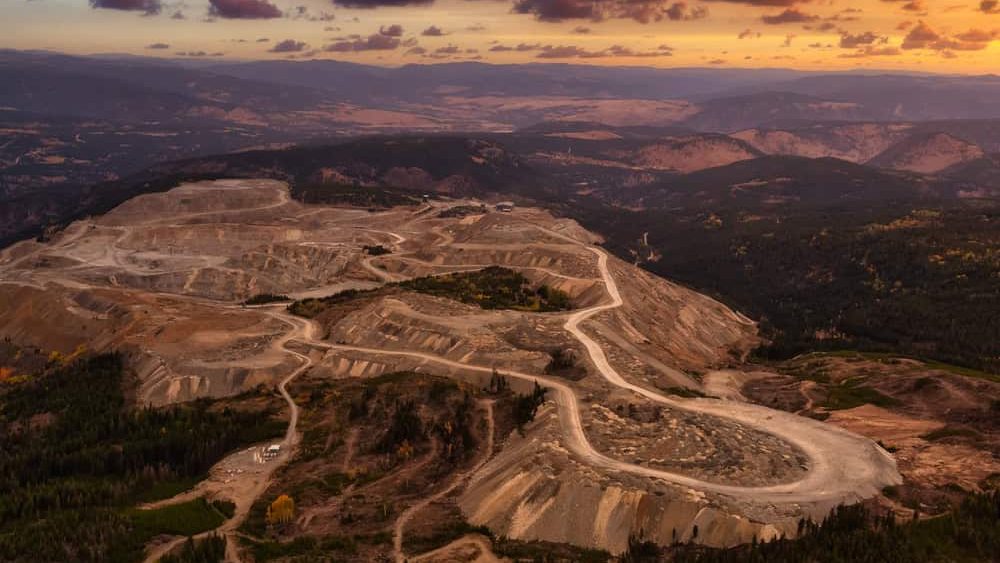
Canada
Canada brings up the rear with reported reserves totaling 830,000 metric tons, but its overall rare-earth resource potential is significantly higher. According to USGS, Canada has over 14 million tons of measured and indicated rare-earth resources.
USGS lists no rare-earth production from Canadian mines in 2025. However, Canada has a massive mining industry and significant known resources, so it is still a country to watch if more resources can transition to being economically feasible.
Sources: Please see here for a complete listing of all sources that were consulted in the preparation of this article.
Like our content? Be sure to follow us.