
Once-booming pizza chains are now closing locations and watching revenue fall as diners become savvier shoppers.
Pizza Hut
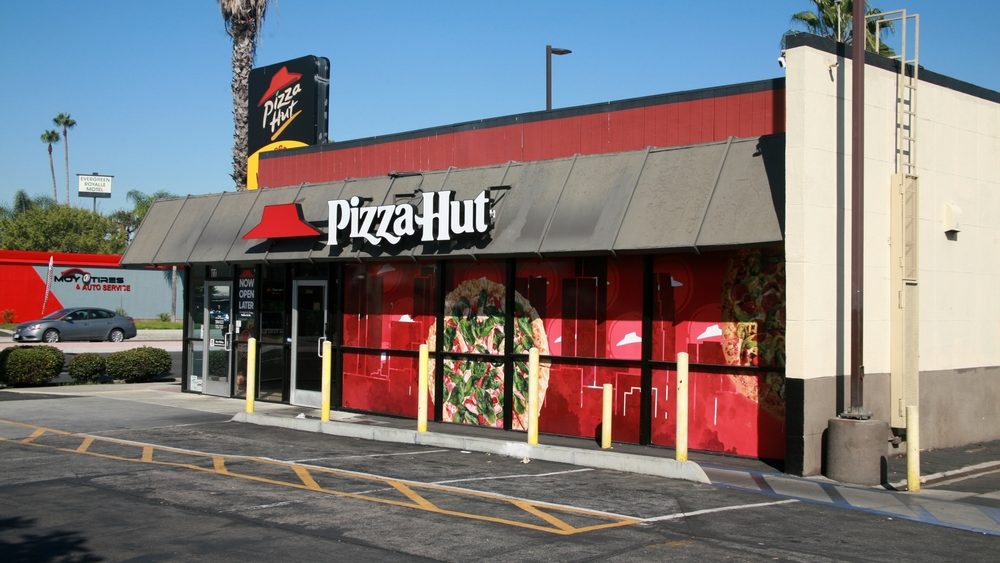
Pizza Hut once comfortably sat between fast-food prices and a casual dining experience. When you pay full price on the regular menu, that value can be hard to find these days, especially when there are fast-casual or carryout alternatives that undercut Pizza Hut’s prices
The real red flag is sales. Pizza Hut’s U. S. comparable-store sales have fallen for 10 straight quarters. In the first half of 2026 alone, roughly 250 poor-performing U. S. locations were shut down. That’s far beyond anecdotal complaints about pricey pepperoni.
Papa Johns
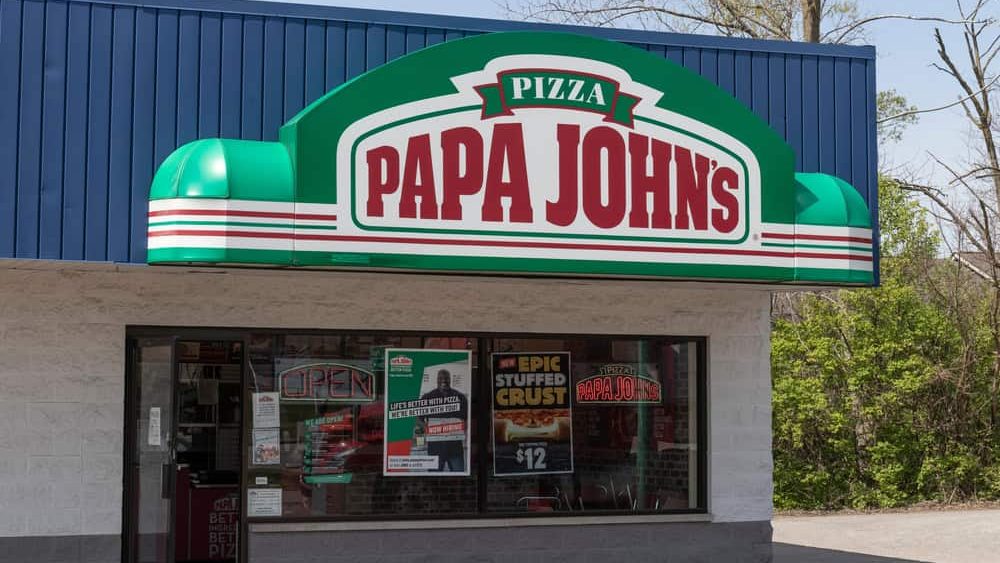
Papa Johns has long tried to set itself apart from discount pizza, focusing on ingredients and quality. It’s tough to do that when people need to stretch their dollar menu. Comparable sales in North America fell 6.4% in the first quarter of 2026 as inflation-fatigued customers traded down to smaller pizzas and skipped add-ons like sides and desserts.
Improving value perception was part of management’s plan to turn things around. Basically, customers still want pizza; they’re just less interested in ordering a pricey meal around it.
MOD Pizza
MOD Pizza elevated personalized pizzas to something that felt like an inexpensive substitution for dining out. However, fast-casual chains have experienced the same swelling labor costs and food and operating expenses as everyone else.
Consumers have also grown savvier about what they pay for. MOD’s troubles started turning heads: 70 locations shuttered throughout 2024, leaving the brand with 482 stores in the U.S. at the end of last year.
Blaze Pizza
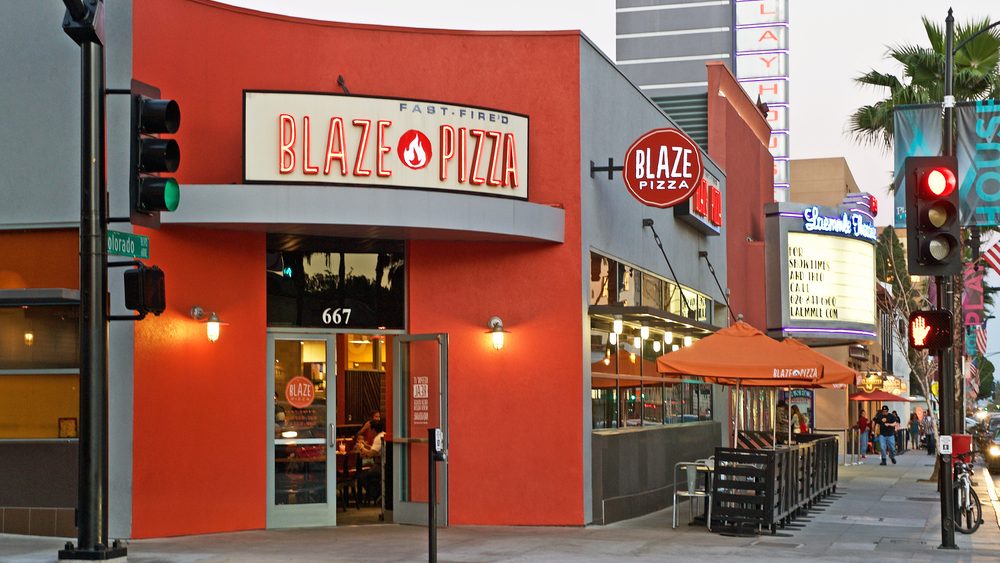
Blaze Pizza has encountered very similar problems as MOD. The chain has built its business on made- to-order pizzas with highly customized toppings. But customers now have to determine if that’s worth spending more than a traditional carryout pizza price. Blaze Pizza’s revenue dropped 9.6% last year. The chain closed down 43 restaurants in 2024 and had almost 60 fewer locations lesser than it had at the end of 2020.
Papa Murphy
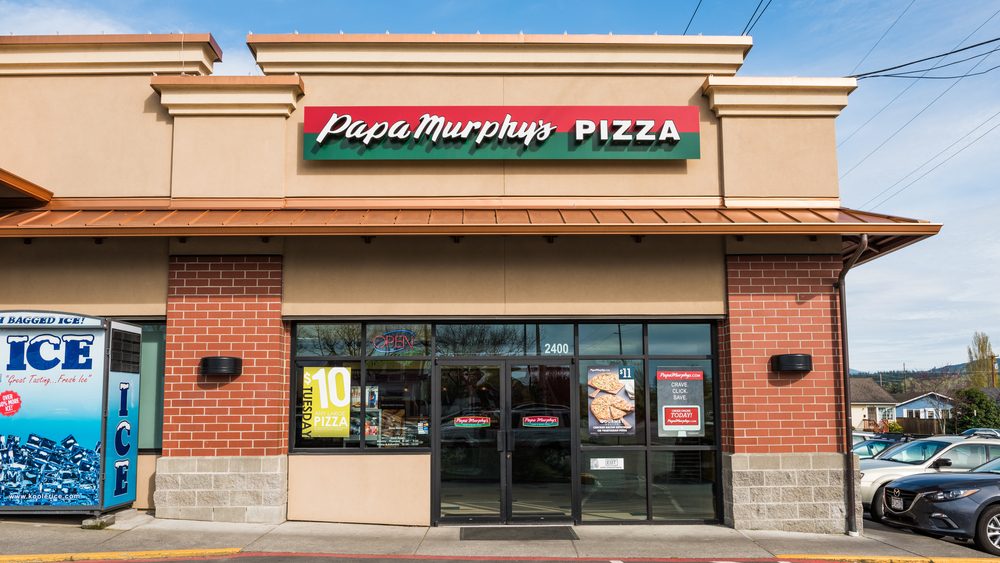
While Papa Murphy’s is different in that it sells uncooked pizzas for customers to bake at home, that uniqueness hasn’t shielded it from the pizza slowdown. Sales at Papa Murphy’s U.S. locations fell 3% in 2025.
It was one of six of the nation’s 10 largest fast-casual pizza brands to report a sales decline in 2025. The issue is glaring when diners can compare the price of a carry-out pizza to what they can get at the grocery store or a discounted hot pizza at another chain.
Pieology
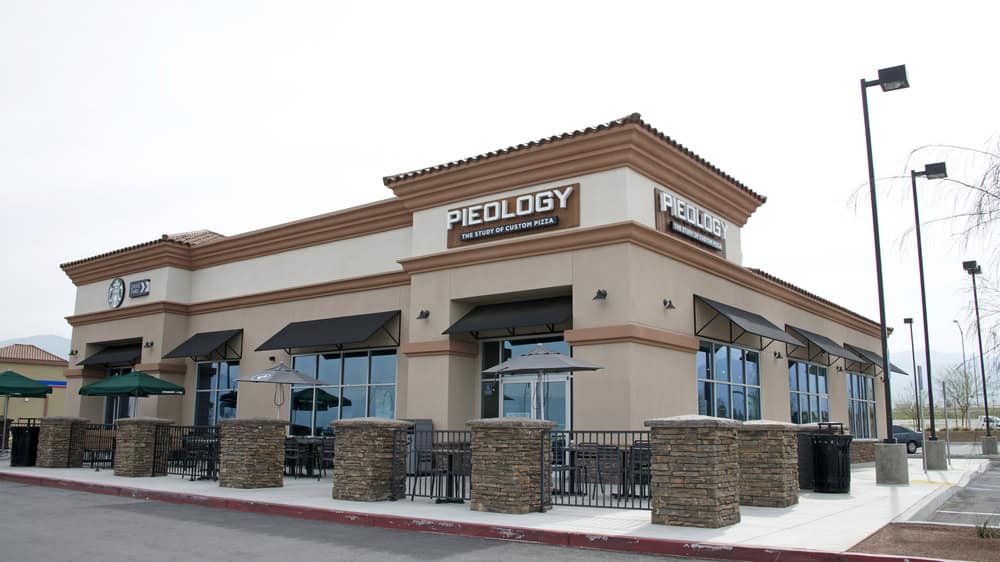
Pieology has suffered even worse. The build-your-own pizza chain finds itself in direct competition with MOD and Blaze in the overcrowded fast-casual restaurant segment, where diners are spending money on customization and convenience instead of just trying to get the biggest slice of pizza for their dollar. Pieology’s sales have plunged by a massive 26.5% in 2025.
Chuck E. Cheese

Chuck E. Cheese was struggling before the pandemic hit, but closures during COVID-19 forced its parent company into Chapter 11 bankruptcy in 2020.
It emerged from bankruptcy later that year after shedding about $705 million in debt and has pumped money into remodeling its restaurants since. The chain can also still be an expensive pizza option because you’re also paying for an entertainment experience.
Marco’s Pizza
Marco’s Pizza has grown quickly in recent years, but it hasn’t been completely immune to the slowdown plaguing the industry. Sales at Marco’s slipped 2.4% in 2025. This isn’t necessarily due to customers suddenly developing distaste for the chain’s pizza. Americans have just become more savvy shoppers when it comes to judging what they perceive as a worthwhile deal.
When Domino’s is consistently bombarding customers with heavily discounted pizza offers and other competitors are offering value bundles left and right, there’s no reason to buy something at full menu price when there’s likely a nice coupon just a few mouse clicks away.
California Pizza Kitchen
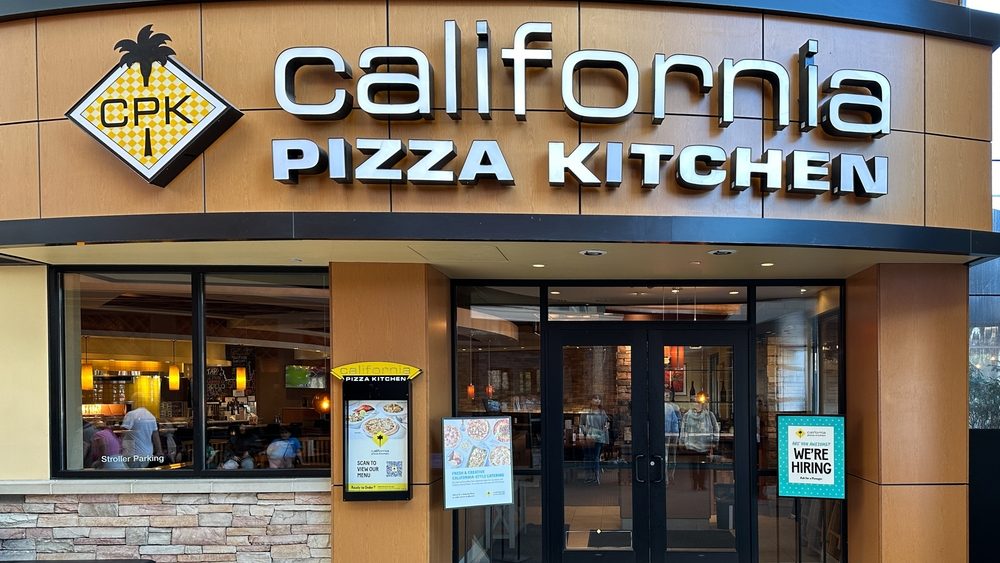
California Pizza Kitchen doesn’t compete with a $7 carryout pizza. It sells a dining-room experience and pricier food. However, it also leaves the chain susceptible should consumers become convinced restaurant pizza isn’t worth restaurant prices.
CPK has been through its share of drama lately, including its 2020 bankruptcy, closed locations, and a new owner announced in 2025. Its next challenge is persuading customers that a higher-end pizza experience is worth paying extra for when independent restaurants, fast casual, and inexpensive carryout are also vying for share of the dinner budget.
Sources: Please see here for a complete listing of all sources that were consulted in the preparation of this article.
Like our content? Be sure to follow us.