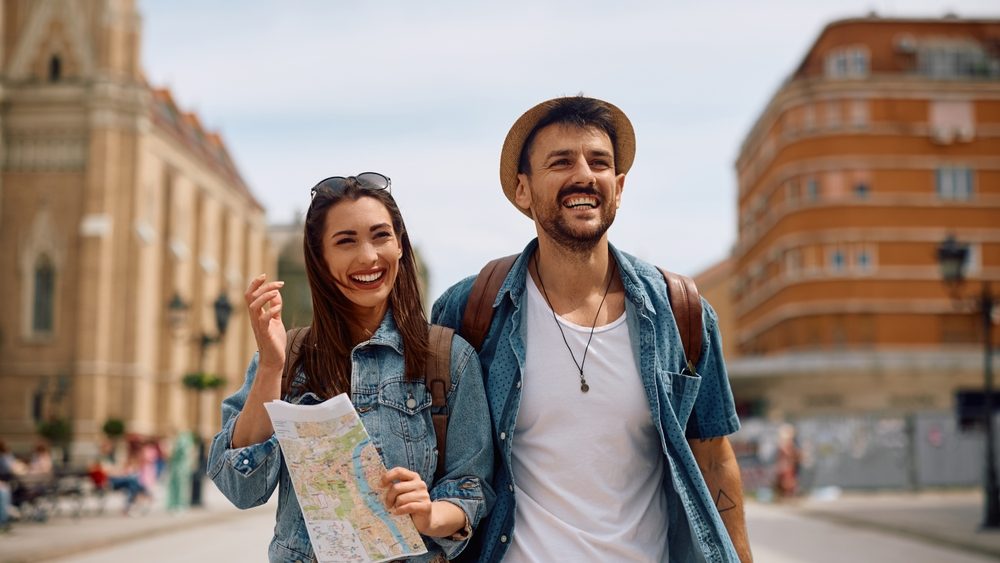
Crossing the globe gets a lot easier when you land in a country that treats strangers like family.
Where strangers feel like friends

Costa Rica
Costa Rica consistently scores one of the highest marks on expat reviews when asked about the friendliness of the local population. The relaxed “pura vida” attitude is more than a catchphrase for tourists. Locals focus on enjoying life and valuing friendships and courtesy during their daily lives.
Costa Rican locals have often been described as open and easy to talk to. While this may seem like a small thing, it’s important. When you’re living in a foreign country, friendliness isn’t just having someone smile and say hello. It’s about whether or not you feel like you can belong there.
Hospitality comes naturally
Mexico
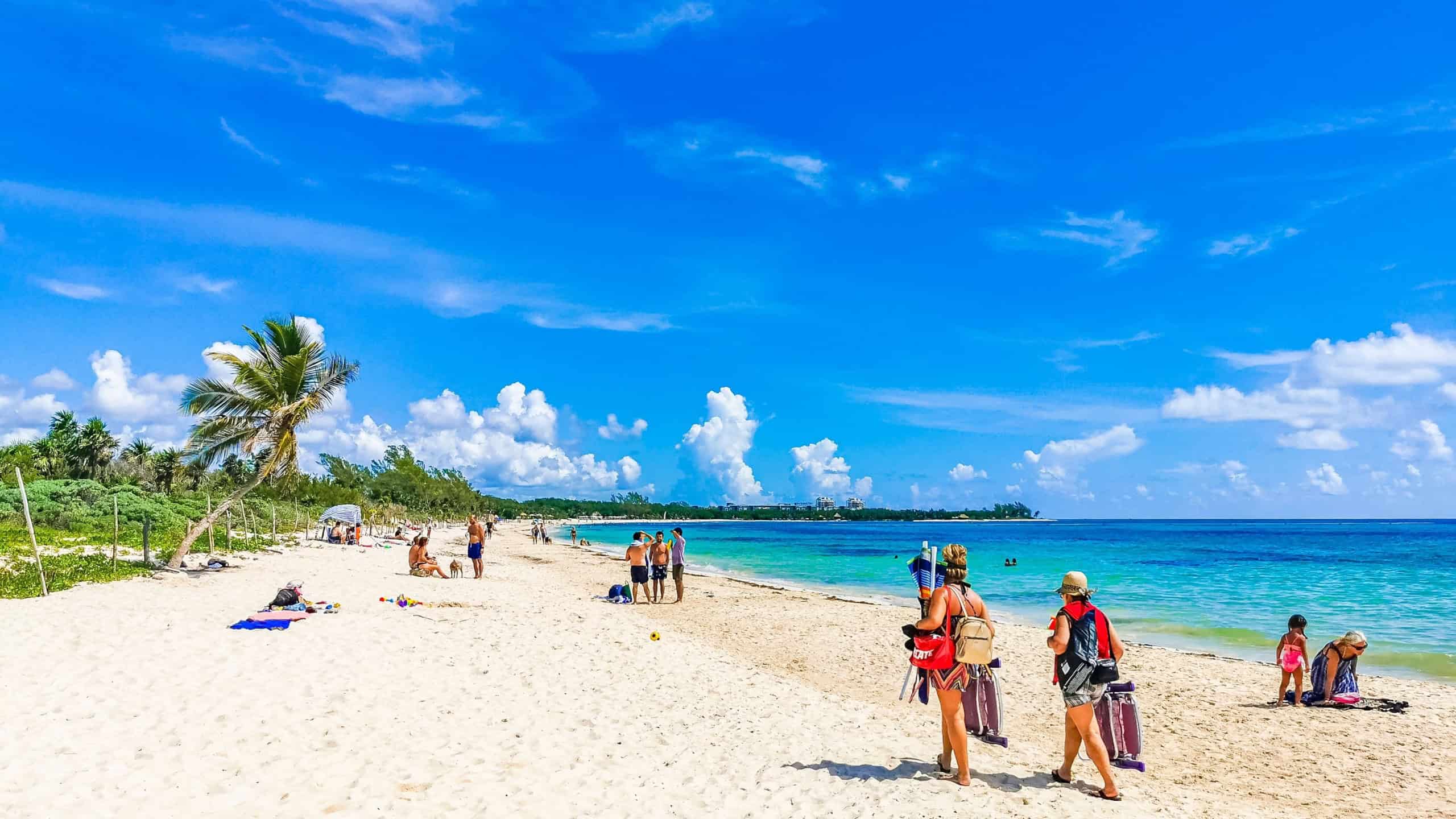
Mexico’s high ranking on worldwide hospitality lists is largely due to Mexicans having hospitality as a strong point of pride. Simple courtesies are expressed emphatically; there are offers to help, and a friendliness that greets many who visit the country, helping them feel at home right away.
From Mexico City’s vibrant central market to small plazas in a pueblo, people will bend over backwards to help you find your way, feed you, and show you around.
The welcome feels personal
Philippines
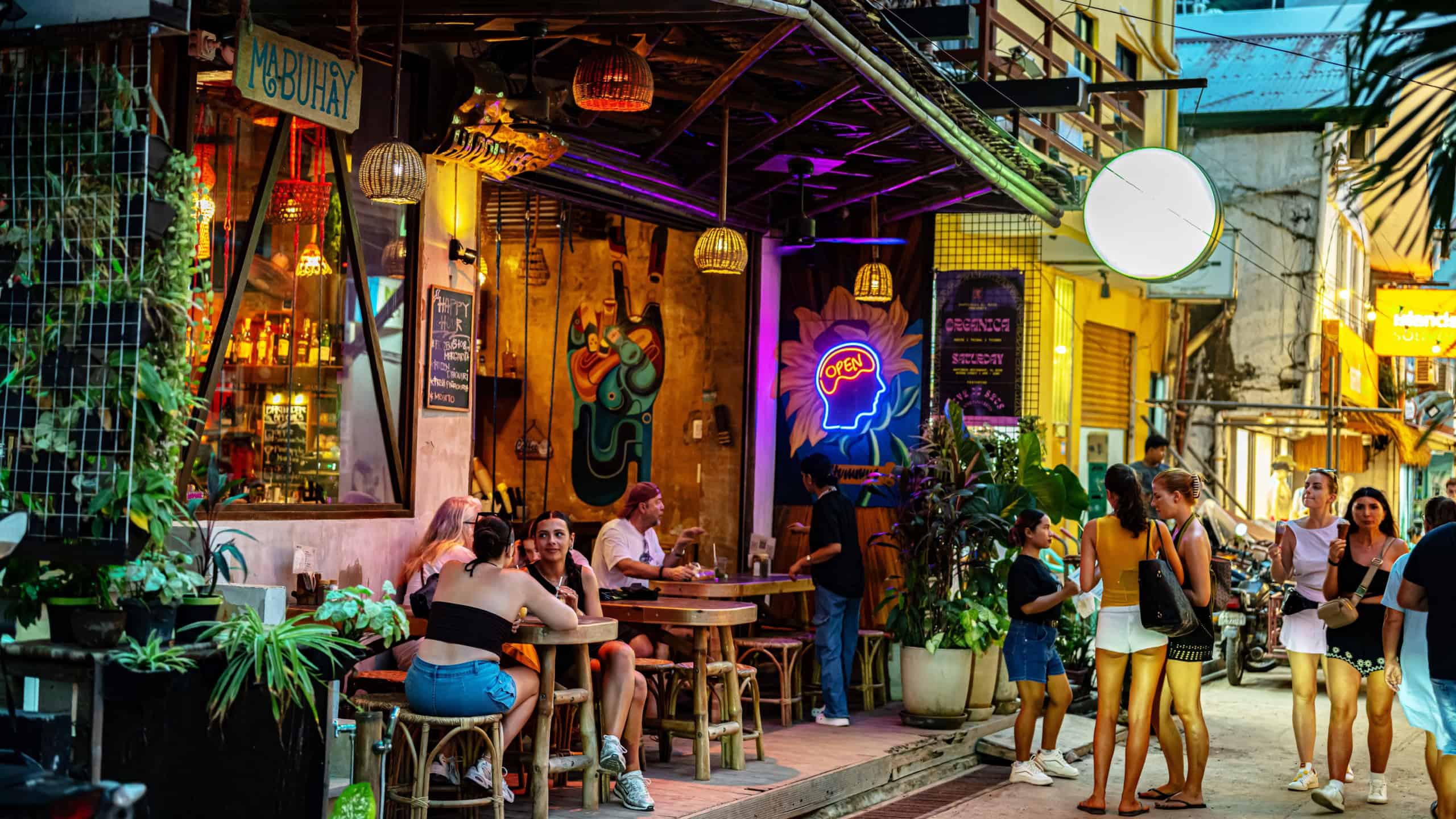
Philippines has always enjoyed having a positive global image when it comes to hospitality. English is commonly used, and that can already be a big factor for some foreigners visiting or living here. Social skills also focus on being gracious and generous to guests.
Familial ties also play a strong role in Filipino Society. Tourists often receive invitations to eat or to hang out or even be given assistance from people they just met. Making foreigners feel at home is one reason why the Philippines is often ranked among the friendliest countries in the world.
An island with a big welcome
Indonesia
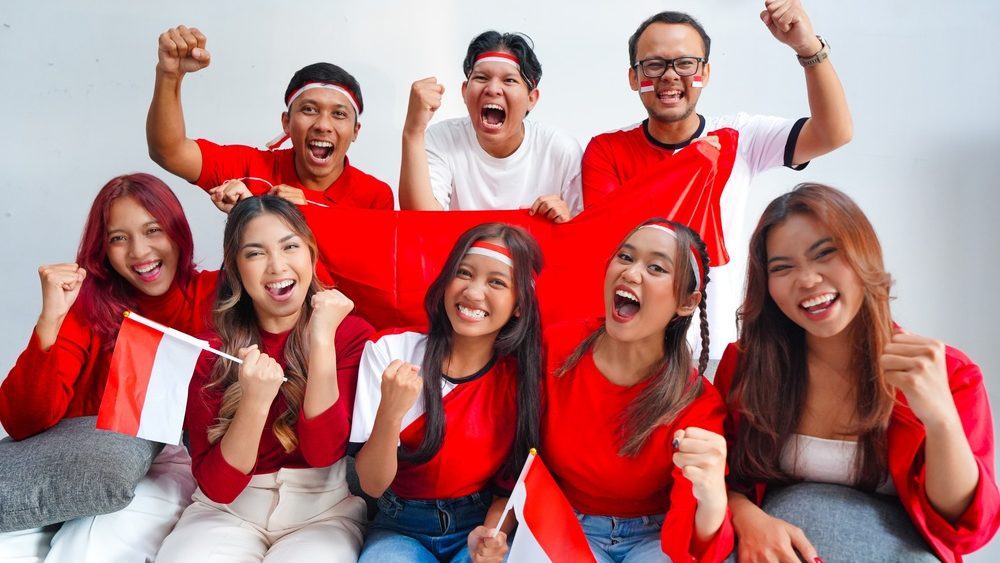
Indonesia has a culture of gotong royong, which loosely translates into shared responsibility. With over 17,000 islands, people in Indonesia have been brought up with a strong belief in working together and helping each other.
Tourists will find themselves welcomed with wide smiling faces and eager curiosity. Indonesians regard interacting with different cultures as a pleasurable experience, not a hassle. Whether you find yourself in a small village on Bali or a crowded suburb of Java, you will feel welcomed by the amount of care from others.
Smiles aren’t just for tourists
Thailand
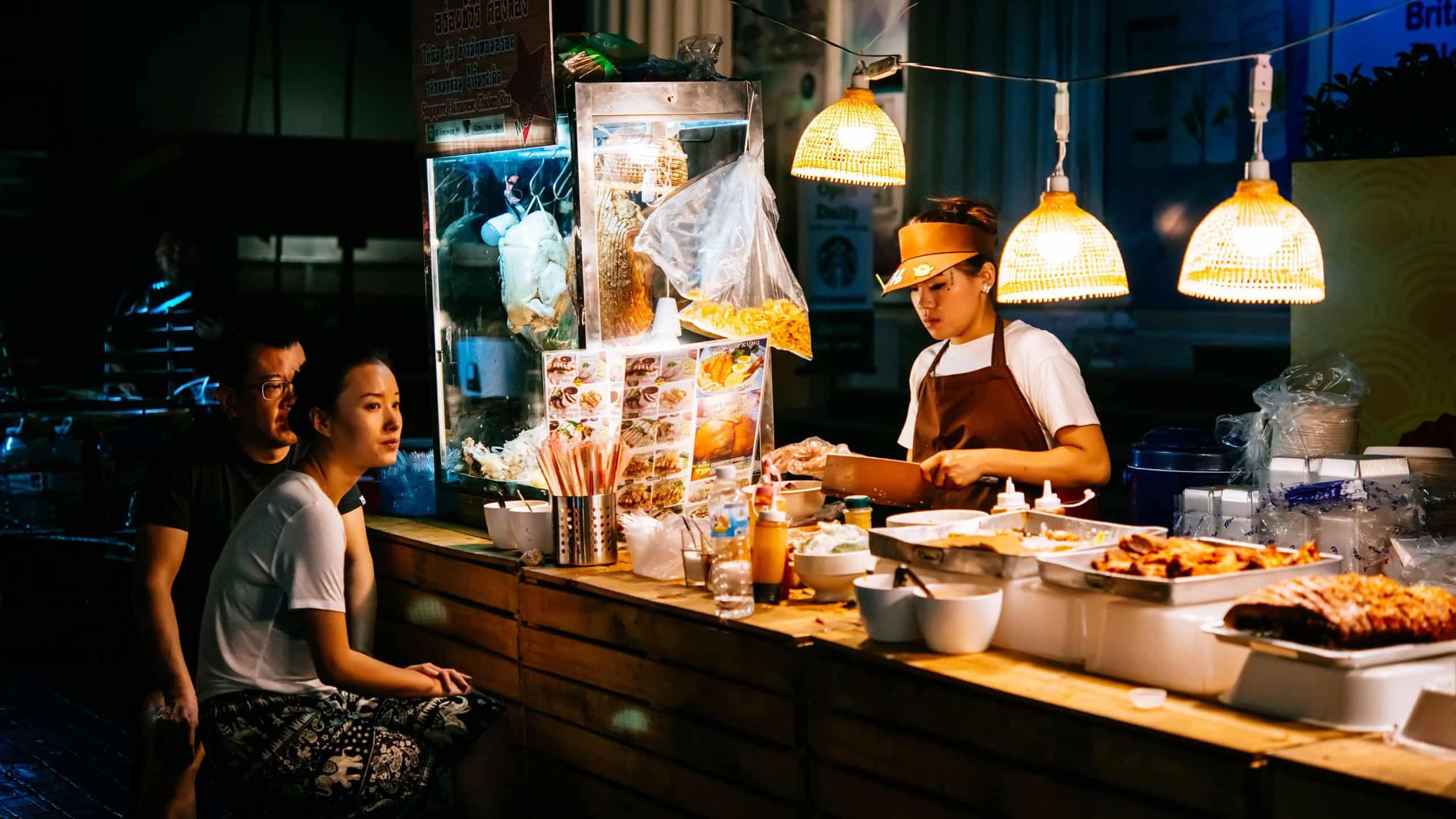
Although it may seem like something from a travel brochure, hospitality is one of the things travelers most commonly hear about when visiting Thailand. Often referred to as the “Land of Smiles,” friendliness and avoiding conflict are values that typically extend to everyday social conduct.
Many travelers also find that in smaller towns and cities, there can be significant interest and kindness from locals. Cultural and language barriers can prevent some foreigners from making close friends, but Thailand’s friendly atmosphere is still one reason so many expats choose to return.
Warmth beyond the beaches

Brazil
One thing that strikes visitors from more closed societies is how open Brazilian social culture can be. Talk, jokes, physical contact, and social events are often key elements of personal relations. Visitors will discover people are often willing to converse with, help, or invite someone new into their group without getting to know that person for months, as in some societies.
Brazil is a vast country with great diversity, so this isn’t true for everyone. But exchanging pleasantries with friendly people around the country is something many tourists from abroad fondly recall.
Easy conversations everywhere
Colombia
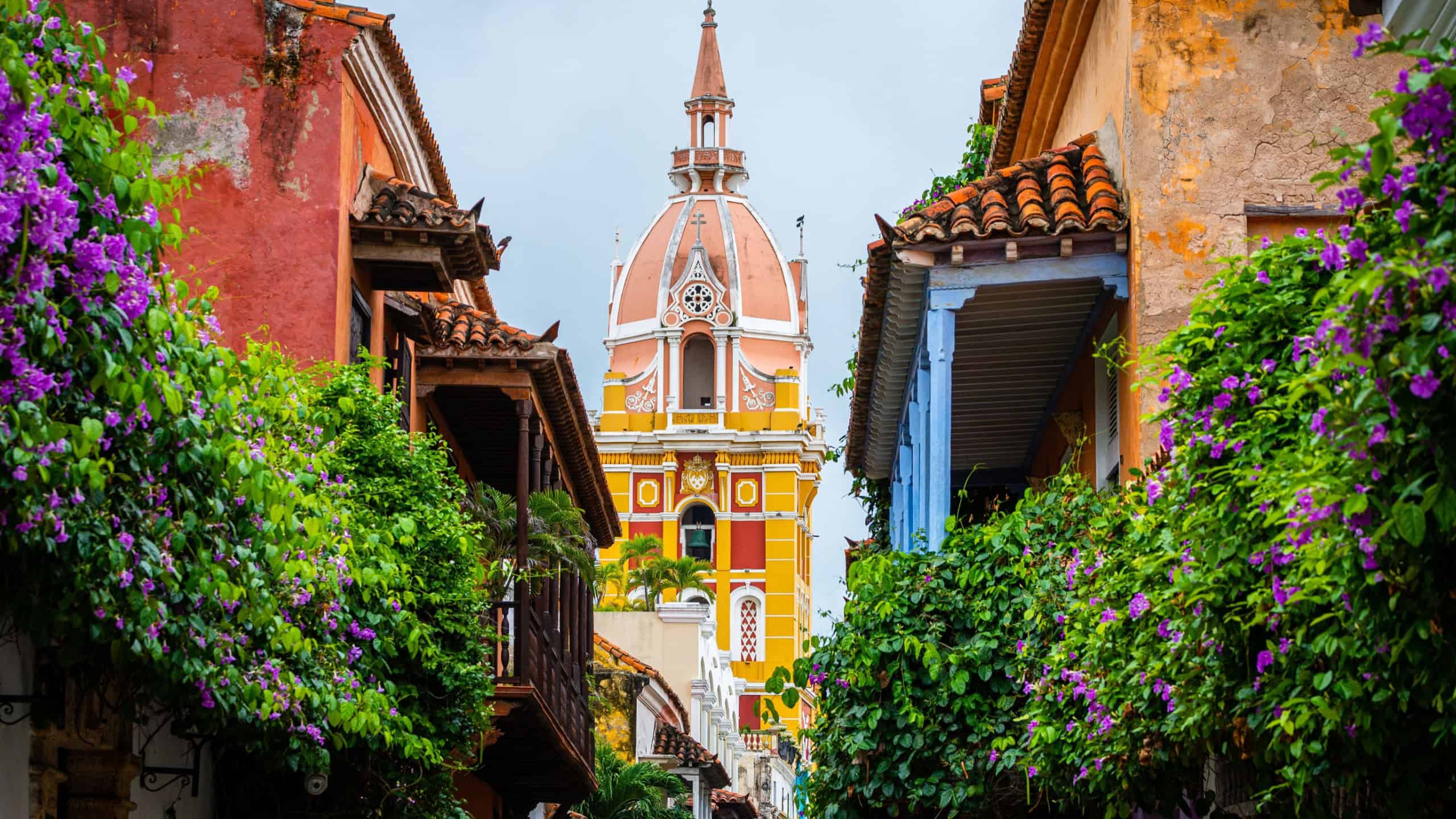
Colombia’s reputation has shifted drastically in the past few decades. Friendliness has turned into one of Colombia’s greatest tourism draws. Whether in Medellín or more rural towns, travelers often comment on how people are friendly and helpful. Colombians can also be quite passionate about showing visitors Colombia’s cuisine, music, and heritage.
This doesn’t guarantee you’ll have nothing but wonderful experiences, but if you’re new to the country and trying to find friends, general day-to-day friendliness can help you feel at home in a foreign place.
A Mediterranean kind of welcome
Greece
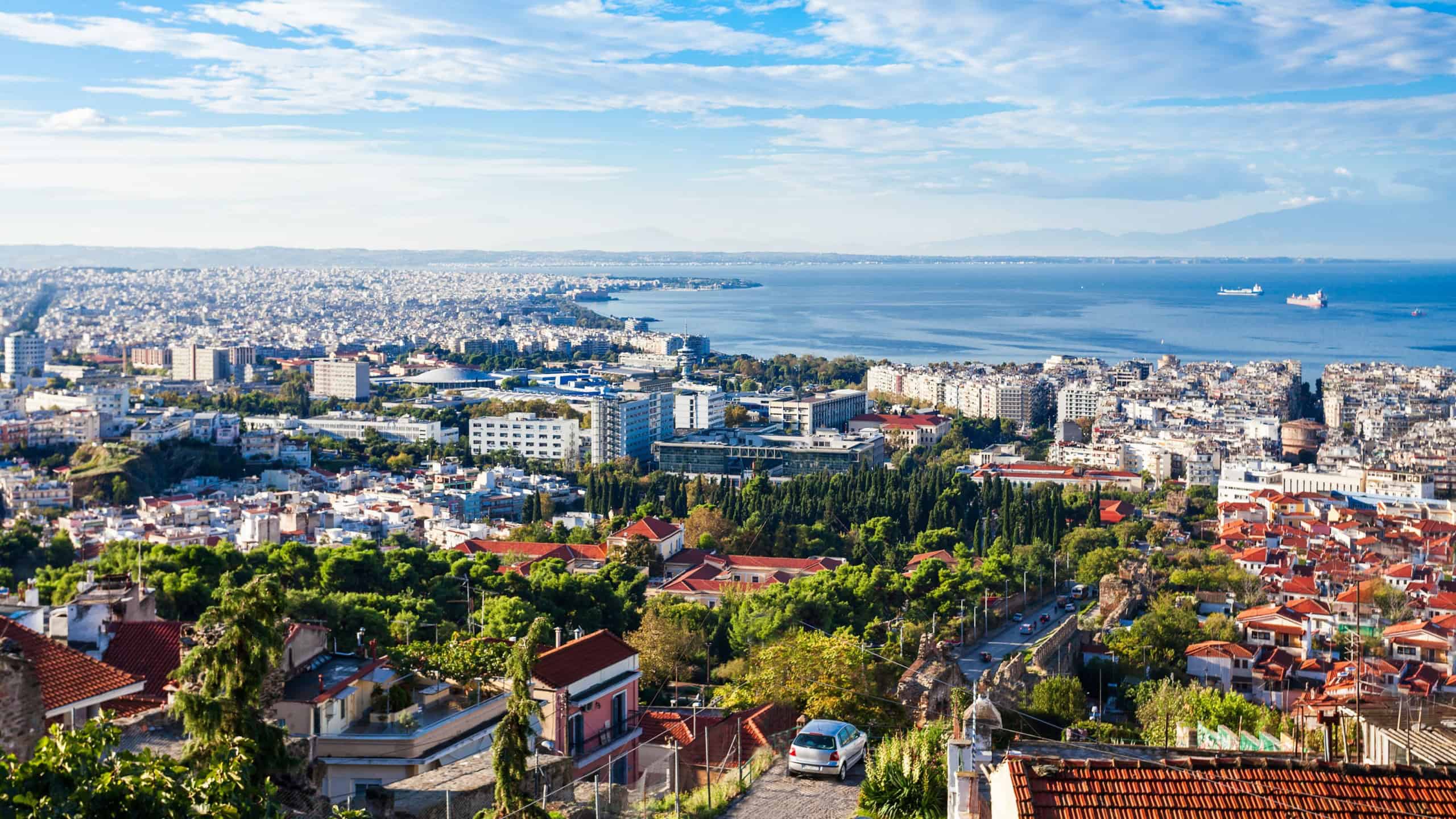
Hospitality in Greece dates back thousands of years, and it remains important to Greeks to be hospitable to visitors. Away from main tourist areas, visitors may meet restaurant owners, neighbors, or those who host you when you arrive, who go out of their way to ensure you feel welcome. Food also has a central role in Greeks’ social lives, so offering food will often transform strangers into friends.
Small country, warm reception
Portugal
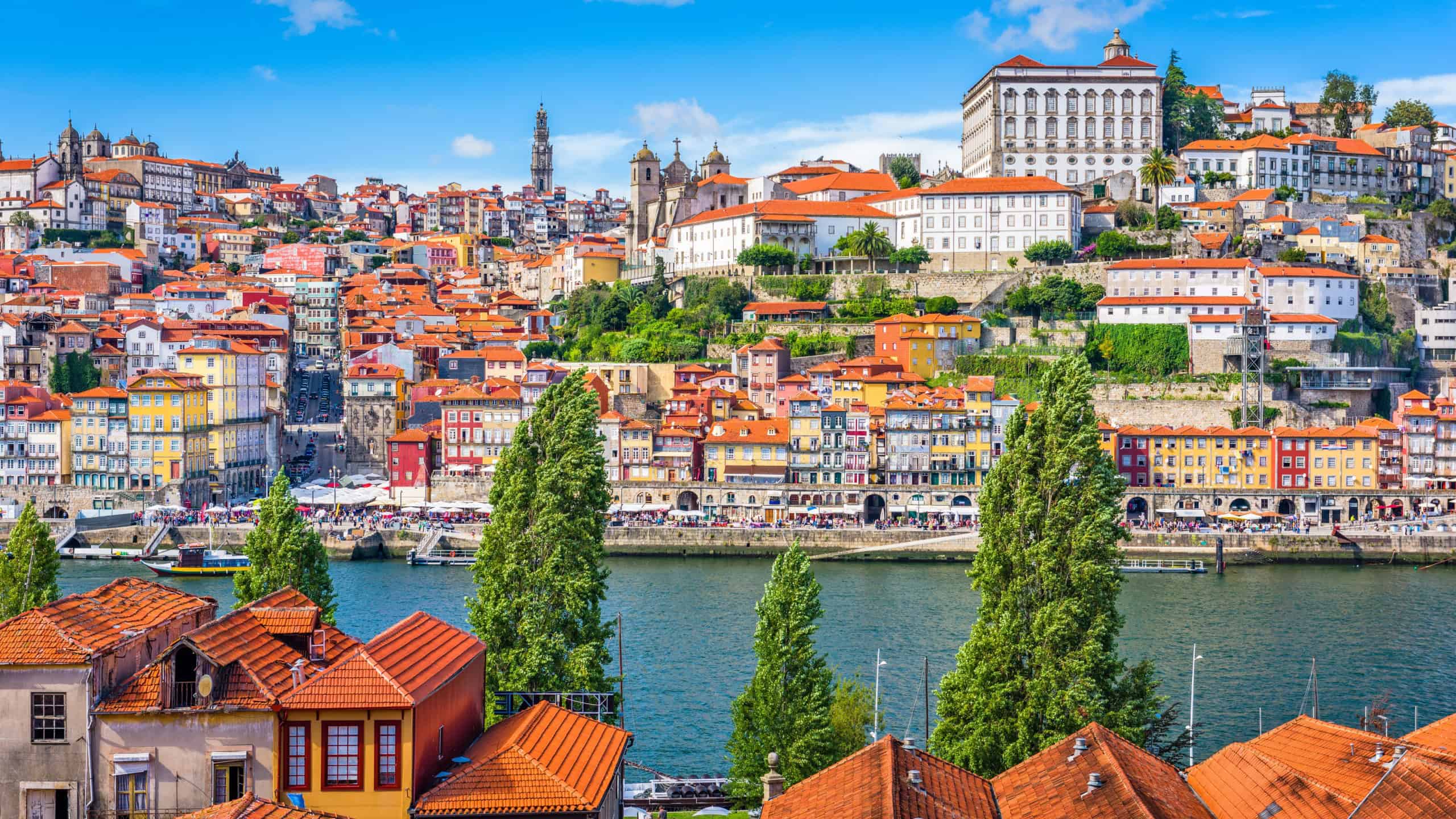
Thanks to its relatively cheap cost of living, gorgeous weather and friendly locals, Portugal has grown massively popular with tourists, expats and retirees in recent years. People in Portugal will often go about their day with friendly interactions that are polite but not too formal.
Expats often say they feel at home and safe while they get accustomed to life there. Though Portuguese citizens may not always be outwardly warm or affectionate like people are in some other countries on this list, you’ll feel their kindness through their patience and helpfulness.
Kindness without the fuss

Canada
Canada has achieved something of an international reputation as a land of politeness. This reputation isn’t entirely undeserved. Travelers to Canada quickly become aware of the common courtesies: holding doors for people, apologizing after slight bumps, and offering directions.
Canada’s diversity can also leave visitors from a wide variety of backgrounds feeling quite at home in many of its large cities. Canadians won’t necessarily take you home for dinner if you’re a stranger, but they will make you feel at home after the briefest encounter thanks to politeness in their everyday interactions.
Where conversation comes easily

Ireland
Ireland has gained a reputation as one of the friendliest places on earth, almost as well-known as its pubs are. In Ireland, pubs are usually places of socialisation first and foremost rather than just places to drink. As such, striking up a conversation with someone you don’t know isn’t too unusual. Friendly banter and a good story can easily disarm the local Irishman.
The welcome is part of the culture

New Zealand
New Zealanders, or Kiwis, have gained a reputation for being easy-going, friendly and relatively informal. As a result, you may feel as though interactions with strangers are more casual than what you may be used to in a more formal society.
Hospitality is another important part of Kiwi culture, though it’s often linked to the Māori value of manaakitanga, which encompasses hospitality, care, and respect towards others.
Swahili hospitality
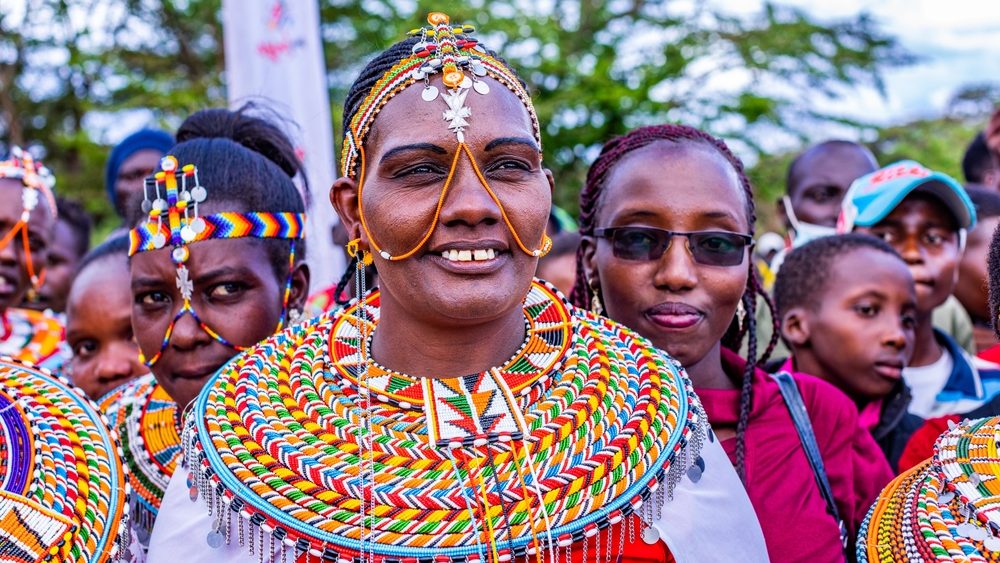
Kenya
Kenya is known for safaris and awe-inspiring scenery, but visitors often recall the friendliness of its people as well. Hospitality and a sense of community are values many Kenyan cultures hold dear. Visitors may be greeted with conversation, food, or honest interest in their homeland.
“Karibu,” Swahili for “welcome,” is a phrase tourists hear often and embodies the easy feeling many encounter. With English and Swahili being commonly spoken, communication can also be seamless for travelers.
A welcome worth traveling for
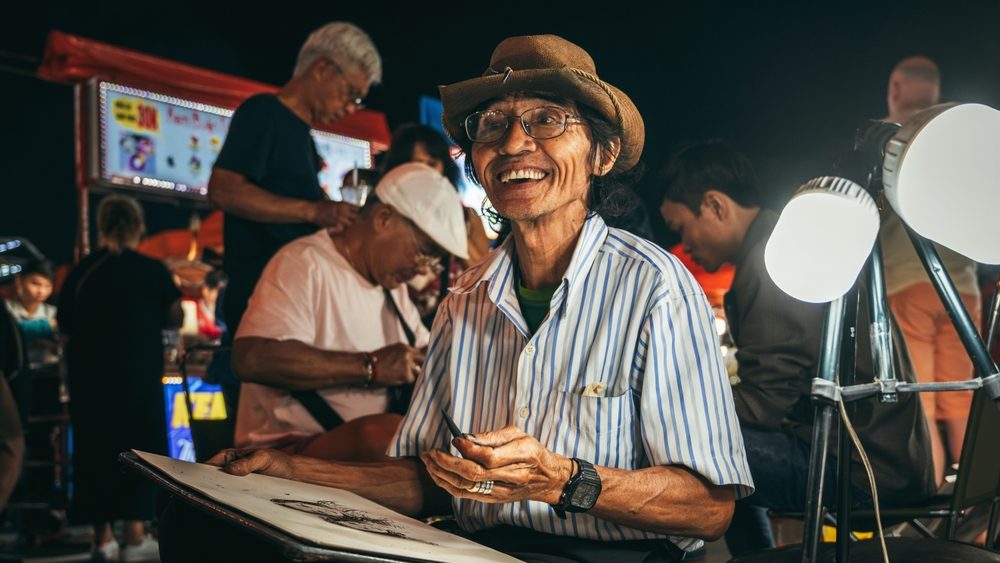
Vietnam
Millions of visitors have had an opportunity to experience Vietnam’s everyday hospitality as its popularity as an international tourist destination booms. Visitors will often find curiosity, helpfulness, and generosity outside of crowded tourist traps.
Food sharing is common as part of social etiquette, and sharing a meal can make for easy camaraderie even if you don’t speak each other’s language. Vietnam’s youth are also increasingly more likely to know at least some English.
Hospitality with deep roots

Oman
One of the more subtle reasons people grow fond of Oman is its hospitality. Inviting guests for coffee, dates, and cool drinks is a serious tradition here, and many travelers experience gracious treatment away from tourist-centric areas as well.
Oman’s social culture is more conservative than Latin American countries. However, friendliness doesn’t always have to include boisterous conversation. Kindness, generosity, and making sure guests are comfortable can say just as much.
Sources: Please see here for a complete listing of all sources that were consulted in the preparation of this article.
Like our content? Be sure to follow us.