
Women over 50 don’t need a complicated nighttime routine, but a few smart nutrition habits can support the body as it changes with age.
Timing matters

Consuming a heavy meal just before lying down can cause sleep discomfort, especially if you’re susceptible to heartburn or reflux. When possible, eat your largest meal about 2–3 hours before bed. This allows time for digestion to occur while you’re still upright.
The strength saver
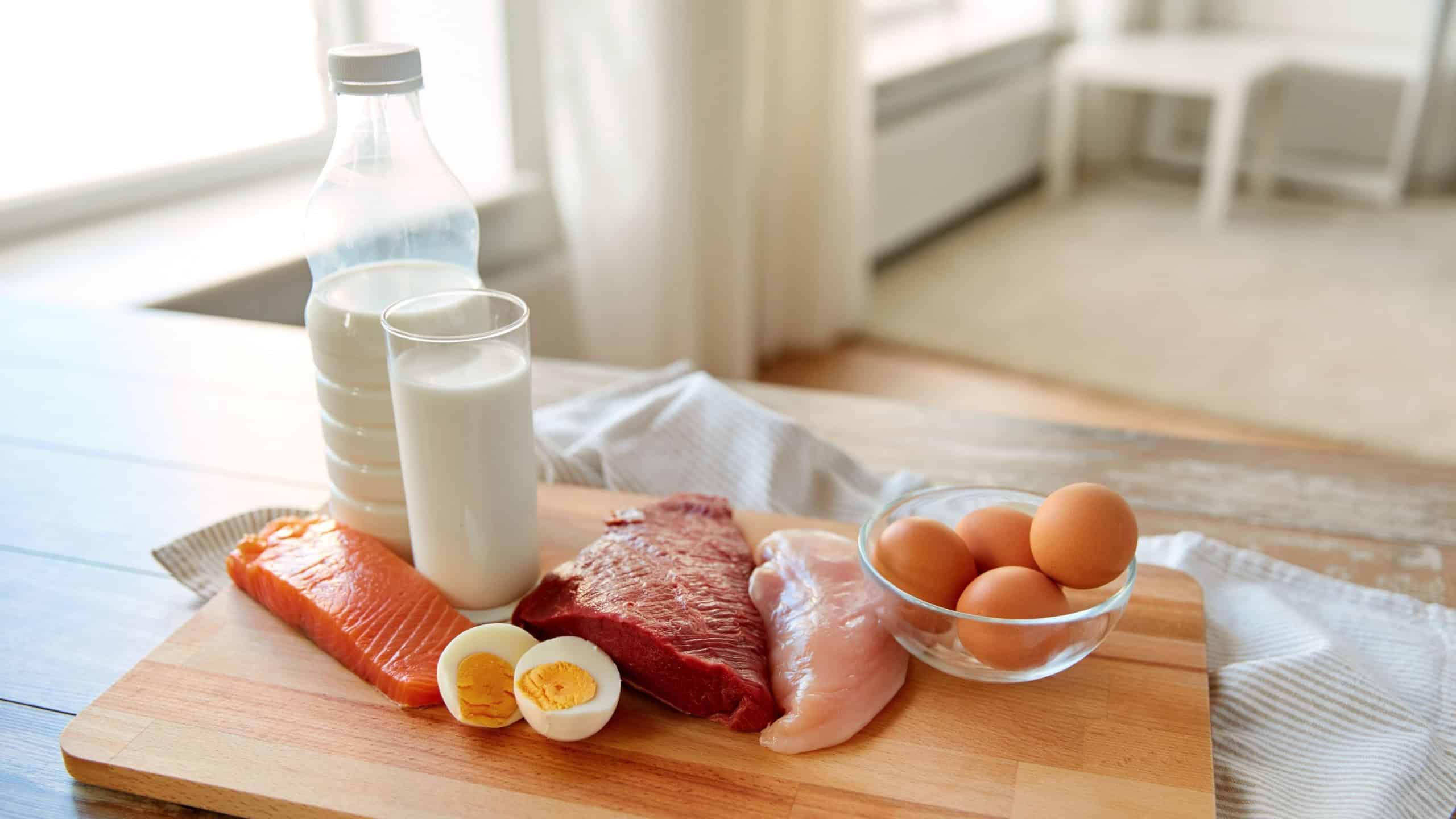
Muscle maintenance is something to pay attention to as you age because we start to lose muscle mass throughout adulthood. Instead of trying to eat most of your protein in one meal, try spacing foods that contain protein throughout the day.
Fish, eggs, Greek yogurt, tofu, beans and lentils, or some other source of protein can be great for dinner. If you’ve kept your meals light throughout the day, consider a protein-packed night snack as well.
A nightly investment
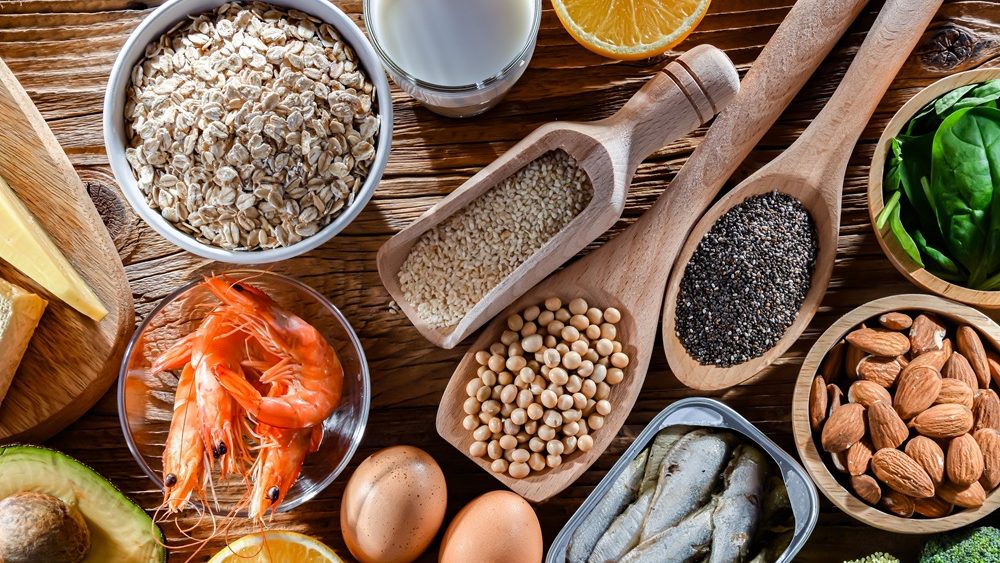
Calcium needs may become even more critical after menopause for women as estrogen levels decrease and bone loss may increase. Dinner is also another chance to fit in calcium-rich foods like yogurt or milk and calcium-set tofu or a calcium-fortified version.
Remember, you don’t have to eat calcium at night per se. It’s a good habit before bedtime to see if you remembered to eat healthy foods with calcium throughout the day instead of always neglecting them.
Hunger has a better answer

Having a bedtime snack doesn’t always spell disaster. Instead, it’s problematic when your little something becomes a nightly feast of chips, cookies, or oversized portions consumed in front of the television. If you find yourself legitimately hungry, reach for something small that offers beneficial nutrition.
Try plain yogurt with fruit, a banana with nut butter, or whole-grain crackers with cheese. Adding protein or healthy fat to a carbohydrate source that includes fiber can also help make a snack more filling than sweets by themselves.
The hidden sleep thief
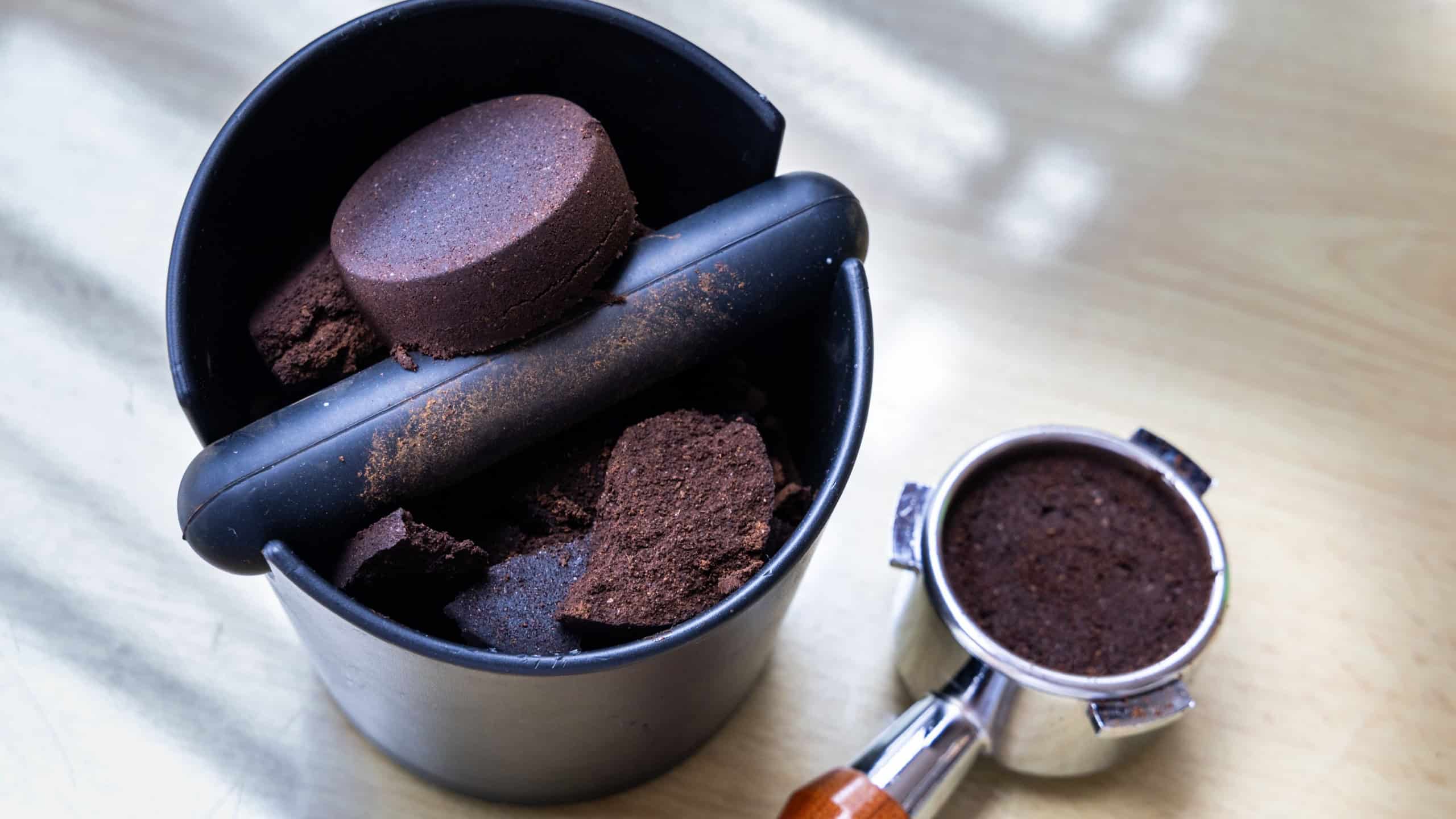
Caffeine can stay in your system for hours. Coffee is not the only source of caffeine. Tea, cola, energy drinks, and chocolate can also be sources. Humans vary dramatically in sensitivity.
The afternoon coffee that has no effect on one woman can drive another to delirium late at night. If you find yourself unable to fall asleep lately, try pushing back the time of your last caffeinated beverage earlier in the day.
There’s a sweet spot

Fluid intake is important throughout life, and thirst sometimes diminishes with aging. On the other hand, trying to drink all the fluid you missed during the day just before going to bed is probably not wise, either.
Drinking many big glasses right before trying to sleep can leave you frequently waking up to use the bathroom. It’s better to drink throughout the day, and have a small amount if you’re thirsty at night.
The nightcap problem

Even though a glass of wine may help you fall asleep, alcohol does not guarantee improved sleep. Alcohol can disrupt sleep later in the night, and it can exacerbate snoring or sleep apnea in some people.
It also packs extra calories and offers little nutritional value. Alcohol can interact with medications as well. If you’re a woman who drinks, there’s no reason to hold off drinking until nightfall just because you think it will help you sleep.
One thing your plate needs
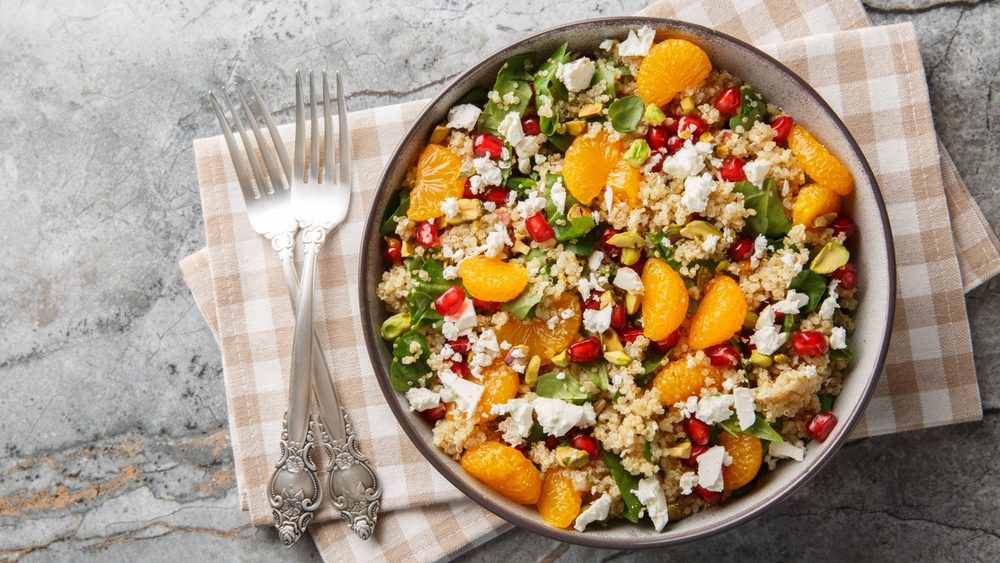
Dinner is one meal where it’s easy to observe if vegetables, fruit, beans, or whole grains have been neglected throughout the day. Fiber-rich foods like these provide fiber as well as vitamins, minerals, and beneficial plant compounds. Fiber becomes even more important because digestion may change as you age, and fiber-rich eating patterns are linked with heart and metabolic health.
Don’t feel like you need to eat a special detox food before bed. Regular dinner with veggies or a serving of fruit and your evening snack will do much more good.
The couch trap

Watching TV and munching straight out of a huge bag or box is a great way to lose count of how much you’re eating. Serve yourself a sensible portion on a plate or in a bowl if you’re going to treat yourself in the evening and enjoy it.
This isn’t about depriving yourself of dessert after the age of 50. It’s about recognizing the difference between true hunger (or a mindful indulgence) and eating just because there’s food available.
Tomorrow starts tonight

One of the most helpful nutrition habits takes place before tomorrow even starts. Take a minute to plan for breakfast if your mornings are rushed. Setting oatmeal soaking out, washing fruit, boiling eggs, or just deciding what you’ll eat keeps breakfast from defaulting to whatever is fastest.
After 50, making sure you regularly get enough protein, fiber, and nutrient-dense foods is important FAR beyond obsessing about individual superfoods. Nighttime prep lets you easily eat those healthy foods tomorrow.
Sources: Please see here for a complete listing of all sources that were consulted in the preparation of this article.
Like our content? Be sure to follow us.