Food regulations aren’t always standardized between the U.S. and other countries, so this means some everyday American products are banned abroad.
Mountain Dew and citrus soft drinks
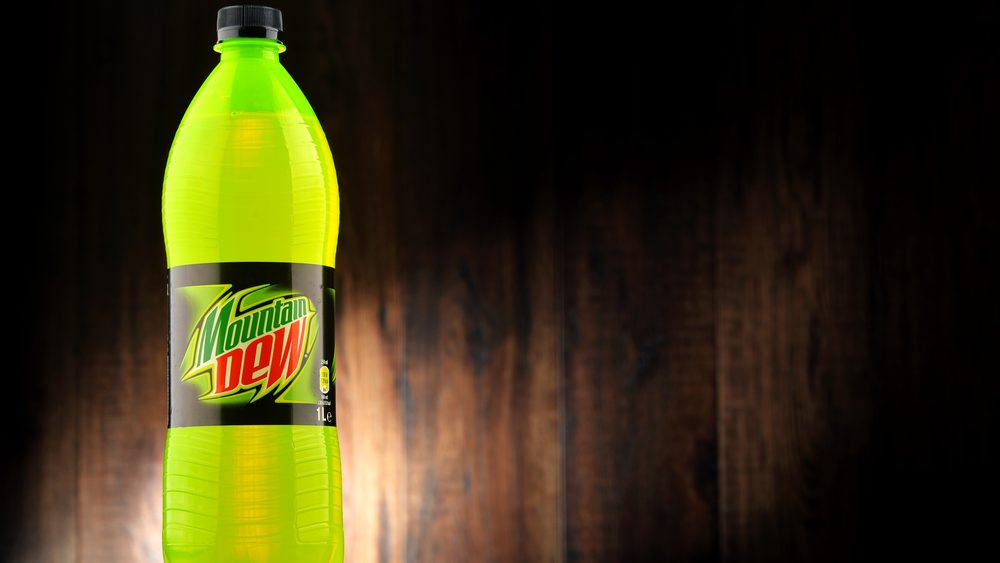
Several well-known American citrus sodas have historically used brominated vegetable oil. Used as an additive to maintain even distribution of fruit flavorings in liquid products, BVO includes bromine, which is used in chemical flame retardants and accumulates in the body over time.
Because of concerns with memory loss, nerve disorders, and skin lesions, the European Union, Japan, and many other countries have banned its use outright. Soft drink manufacturers must completely change the formulas of these drinks if they want to sell abroad.
American chlorinated chicken
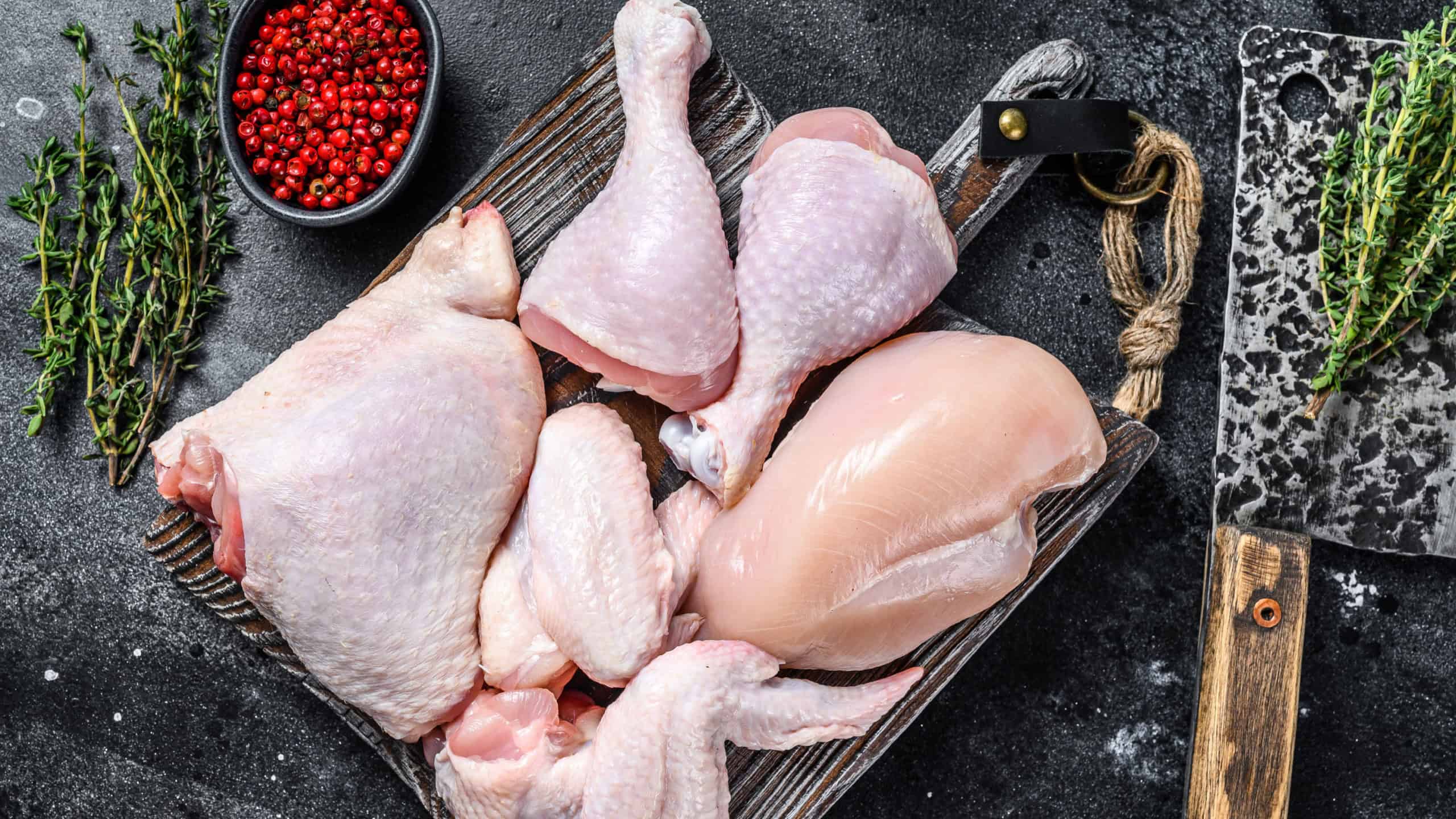
In commercial poultry slaughterhouses in the United States, processed birds are sometimes subjected to Pathogen Reduction Treatments, involving submerging chickens in weak chlorine baths immediately after slaughter to kill bacteria such as Salmonella and Campylobacter bacteria which live on the surface of the carcass. Imports of chlorine-washed chicken were banned by the EU as far back as 1997.
The ban is not necessarily due to the toxicity of chlorine at residual levels, but rather because chlorine baths are said by regulators in Europe to promote unsanitary practices and low welfare conditions on industrial farms while the bird is alive.
Ractopamine-treated American pork
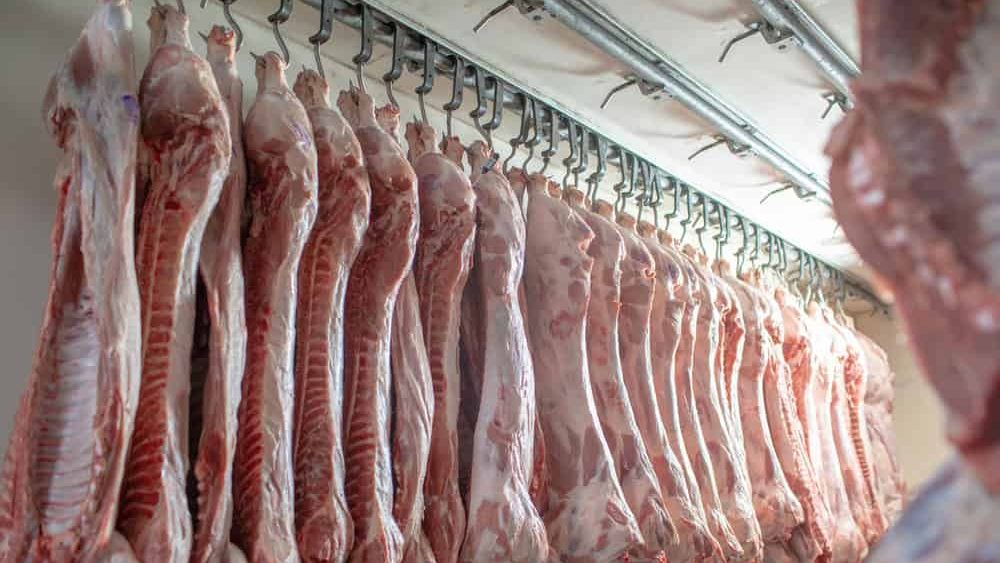
Used commonly in animal feed additives throughout the American livestock industry, ractopamine increases lean muscle development in pigs immediately before slaughter. Although approved by the U. S. Food and Drug Administration, pork treated with the drug has been banned by the health regulators of over 160 countries, such as the European Union, China, and Russia.
Research indicates residues of ractopamine remain in meat and can cause cardiovascular problems, increased heart rate, and agitation in people who eat the meat.
Skittles and artificial color additives
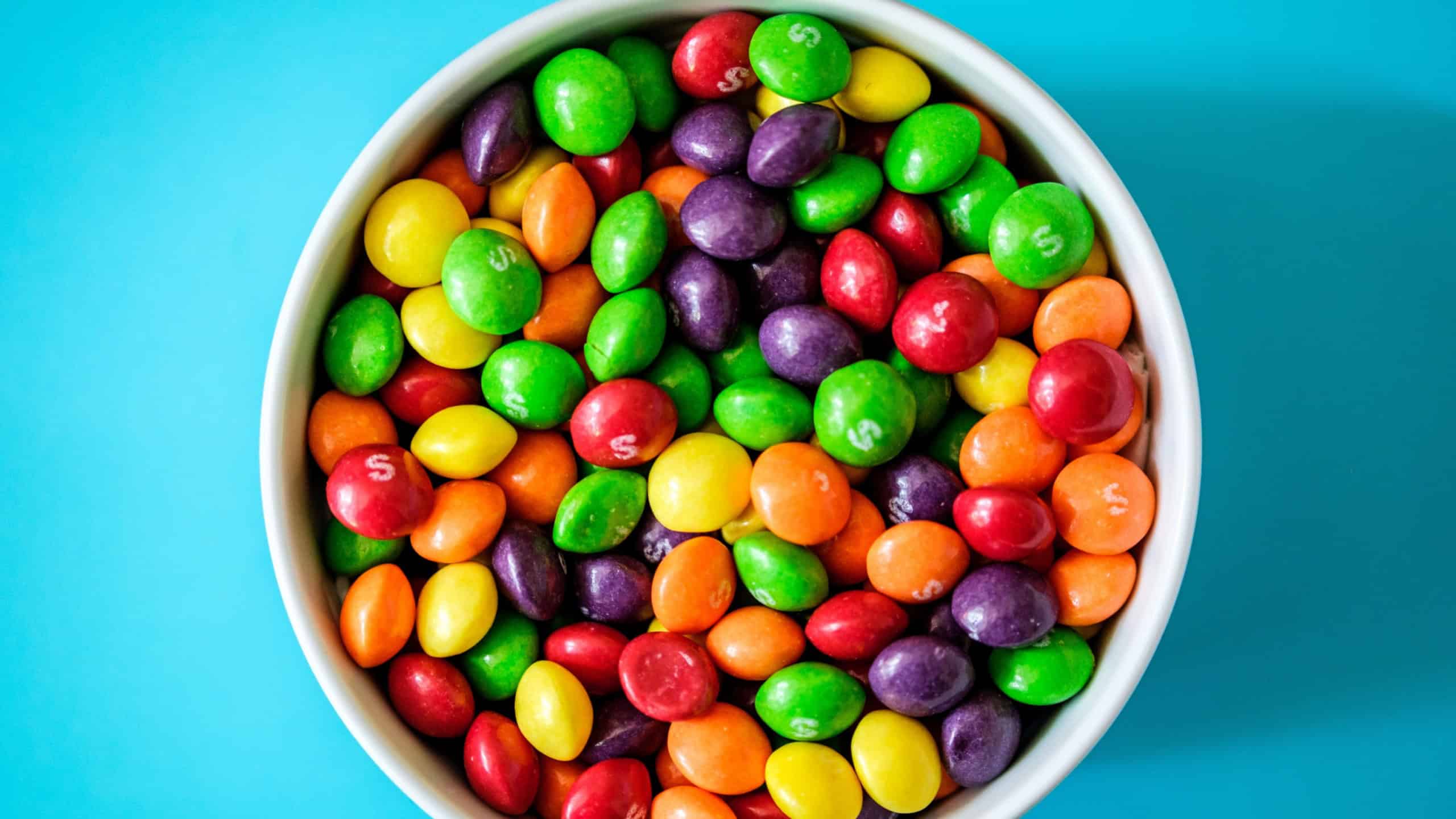
Original American Skittles are colored using artificial dyes, such as Red 40, Yellow 5, Yellow 6 and titanium dioxide. Titanium dioxide is used as a whitening agent to lighten food colors and was banned by the European Food Safety Authority because it is genotoxic.
Foods with synthetic food dyes such as Red 40 are required by the EU to carry strict warning labels. Food manufacturers therefore create Skittles with natural fruit and vegetable juices for the European market.
Farm-raised salmon with synthetic Astaxanthin
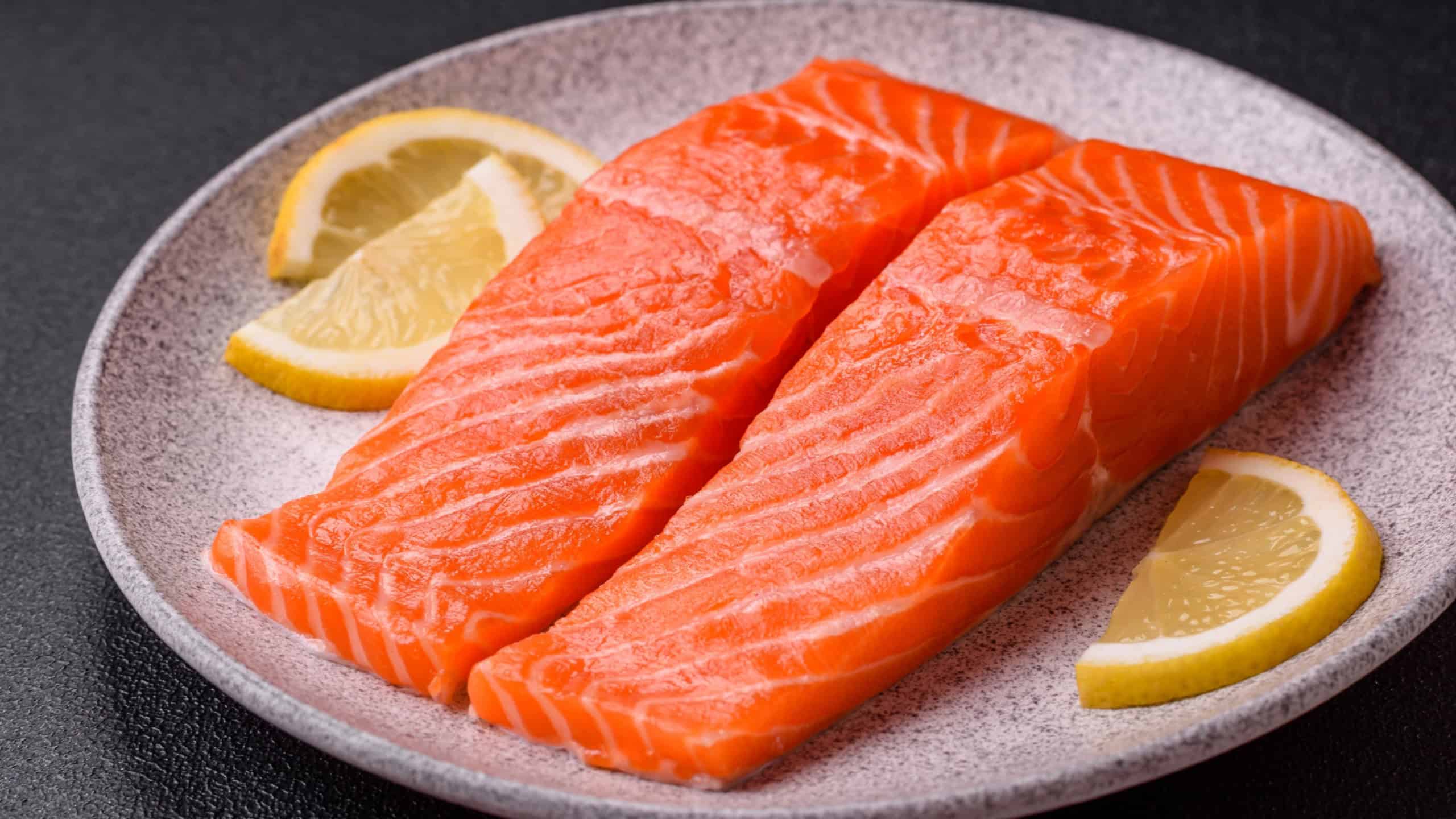
Most farm-raised salmon sold in American supermarkets are fed synthetic astaxanthin to produce far deeper, unnaturally tinted pink-orange flesh. Wild salmon become pink by consuming krill and tiny crustaceans; however, salmon raised on farms will remain a pale gray without being given artificial coloring in their feed.
Salmon raised on synthetic petrochemical-derived dye are heavily restricted or banned in countries like Australia and New Zealand because these artificial colorants haven’t proven long-term safety for human health.
US dairy products with rBGH growth hormones
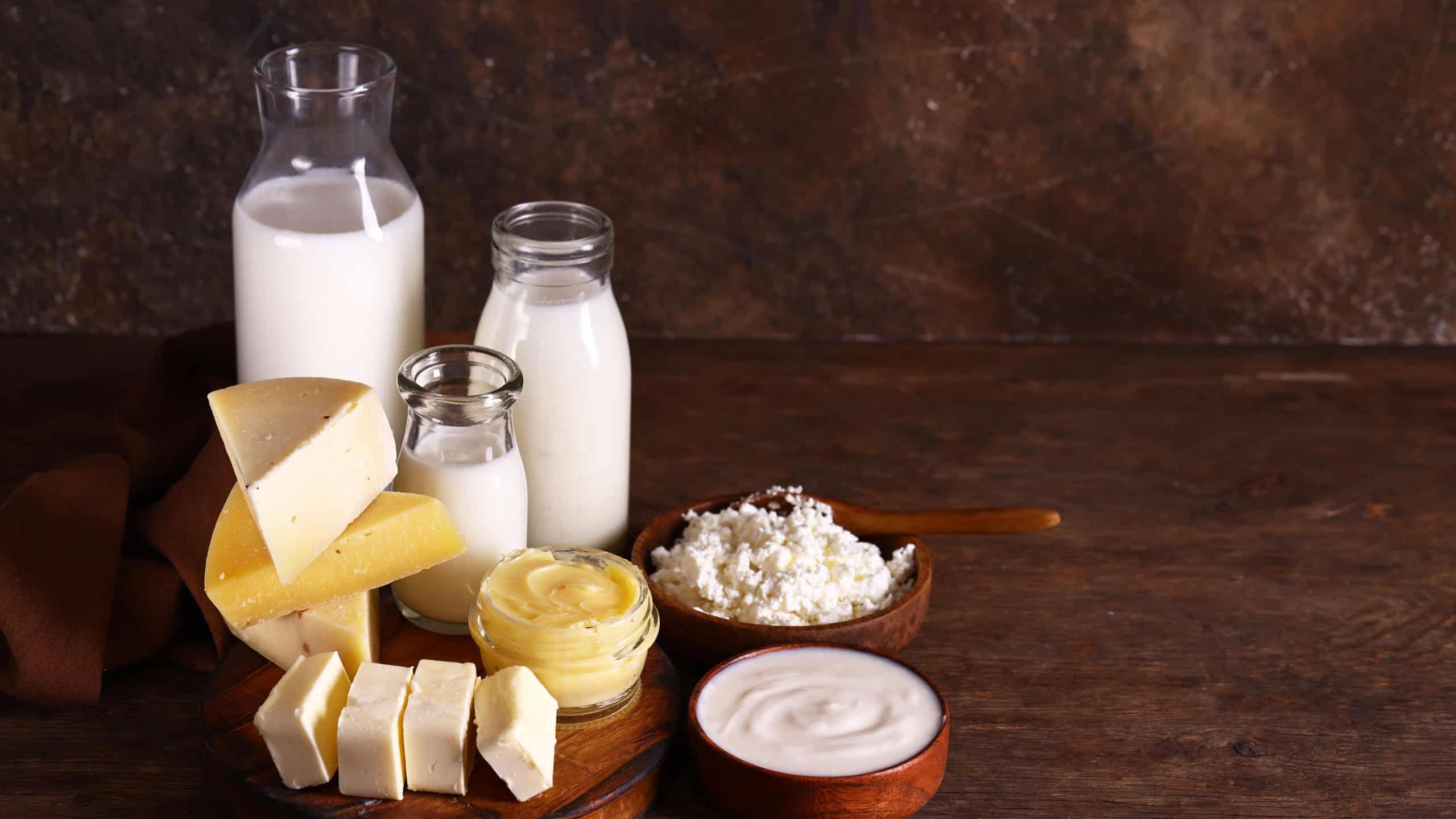
Recombinant bovine growth hormone (rBGH) is a synthetic hormone that is used to increase milk production in dairy cows. It is prevalent in the North American dairy supply, but banned in Canada, the European Union, Japan, Australia, and New Zealand.
The hormone was banned by regulators in these countries primarily because of concerns over animal welfare. Cows treated with the hormone experience higher rates of painful udder infections, leading to increased antibiotic use leaking into milk supplies.
Olestra-based fat-free potato chips
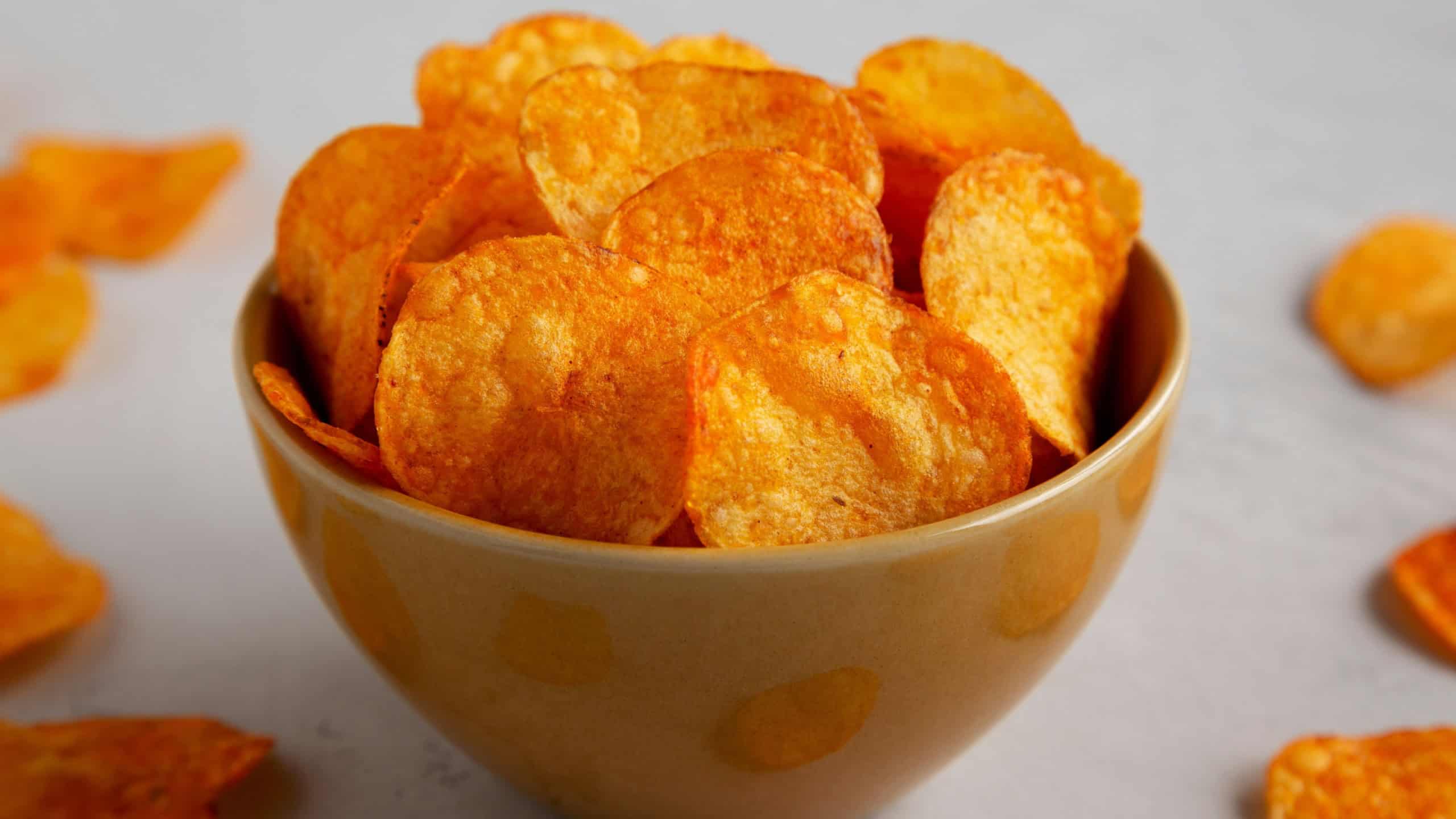
The 1990s saw the advent of Olestra (brand name Olean), a fat substitute popularized for zero-fat potato chips in American supermarkets.
Because Olestra molecules are too large for human digestion or absorption, they pass through the body unchanged, adding no calories to the food they are added to.
Due to severe gastrointestinal problems, abdominal cramping, and vitamin depletion it causes, Olestra is banned from use in any food in Canada and the European Union.
Grain-fed American beef with synthetic hormones
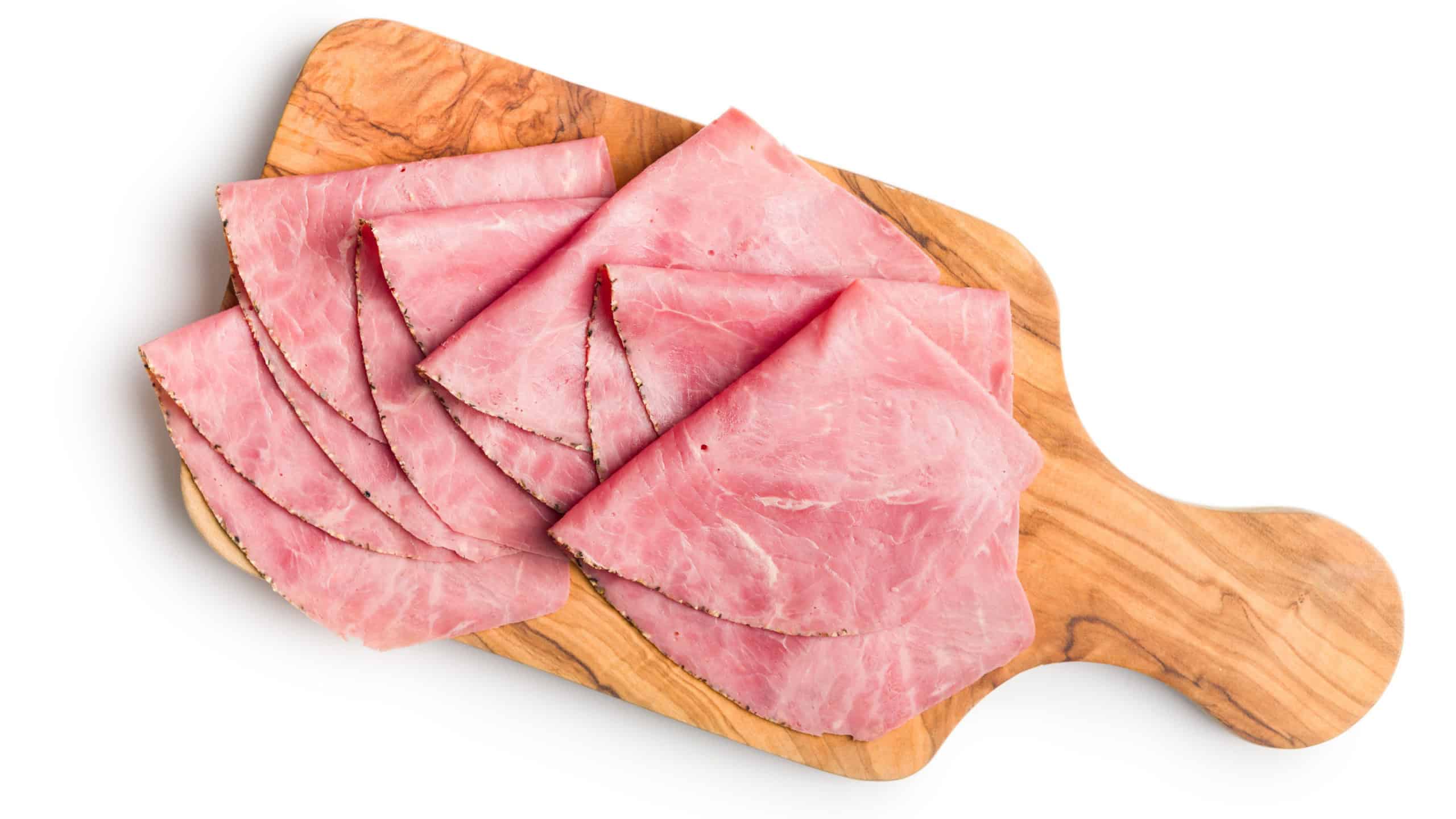
Most beef cattle in America receive implants of both natural and artificial hormones like estrogen, progesterone, and testosterone to help them grow bigger and faster before being slaughtered.
Growth hormones have been banned in the EU for years now due to EU scientific committees cautioning potential cancer risk with residue. Growth hormones are the source of trade conflicts between American and European cattle markets that have been going on for years.
Bleached white bread flour

Industrial bakeries in America frequently use chemical bleaching agents, potassium bromate and azodicarbonamide (ADA), to bleach flour and strengthen dough to facilitate mechanical mass-production.
Potassium bromate causes kidney tumors and thyroid problems in lab animals; azodicarbonamide is used in the manufacture of yoga mats and foam plastic, and degrades into industrial chemicals known to cause cancer when baked. They are both banned for use as flour additives in the European Union, United Kingdom, Canada, Brazil, and China.
American stovetop stuffing and BHA/BHT preservatives

Boxed stuffing mixes, instant mashed potatoes, breakfast cereals and other processed foods sold in the U. S. tend to contain chemical preservatives such as BHA and BHT to keep them fresh longer.
Used as artificial antioxidants to prevent oils from becoming rancid, a number of studies conducted overseas have found that BHA and BHT are possible human carcinogens as well as endocrine disruptors. Japan, the United Kingdom, and European Union countries have banned or strictly limited these additives in foods.
Sources: Please see here for a complete listing of all sources that were consulted in the preparation of this article.
Like our content? Be sure to follow us.