
You can’t predict exactly how you’ll age, but certain habits can offer clues about the direction you’re heading.
Aging well: You stay physically active
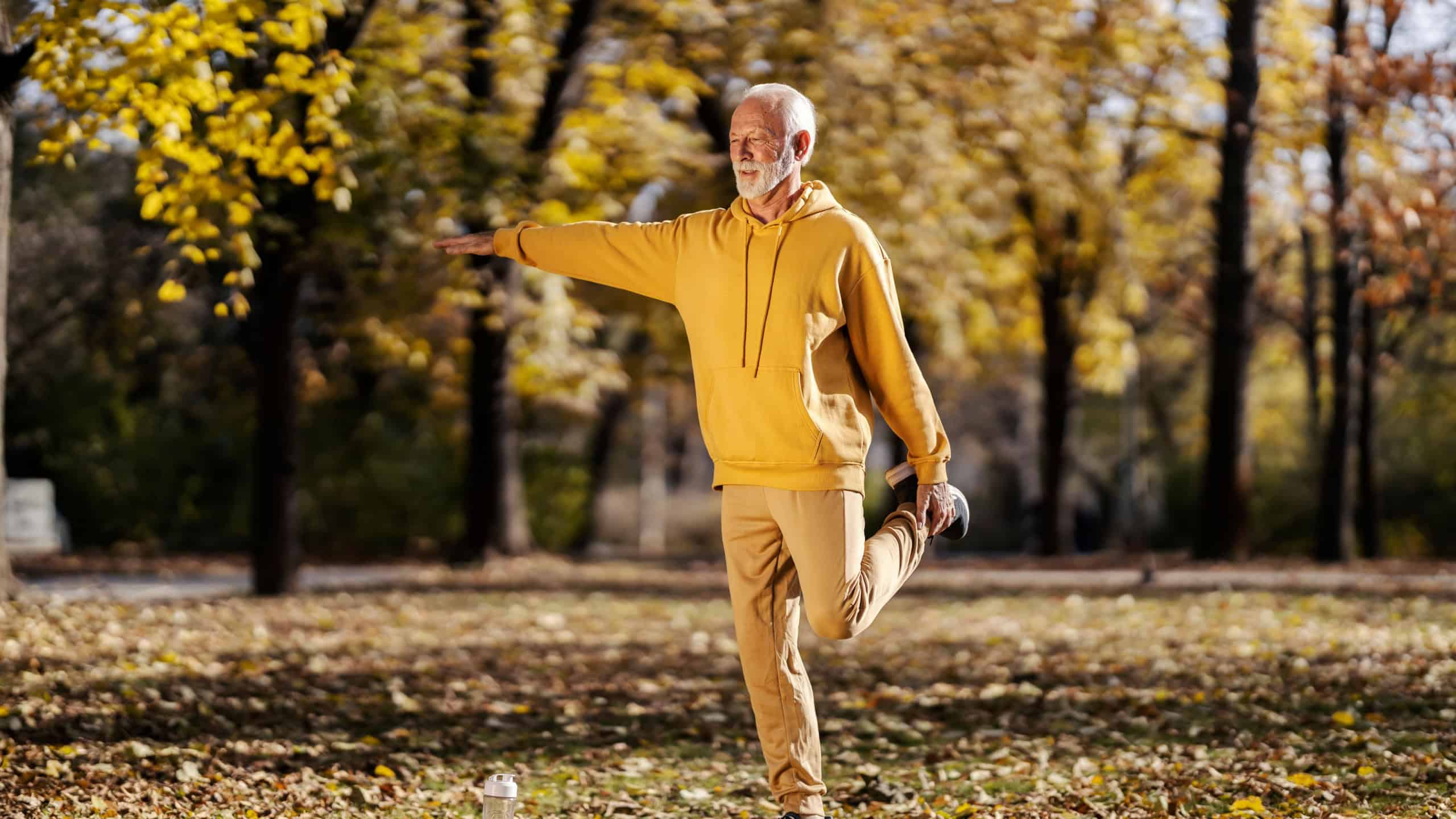
You don’t have to marathon-train. Regular movement, like walking, lifting weights, gardening, cycling, swimming, or anything similar, can help you maintain muscle, balance, bone strength, cardiovascular health, and independence later in life.
Strength is especially important to focus on as you age because adults tend to lose muscle mass over time. If you’re active as part of your daily life, you’re giving your future self some tools they’ll rely on.
You maintain close relationships
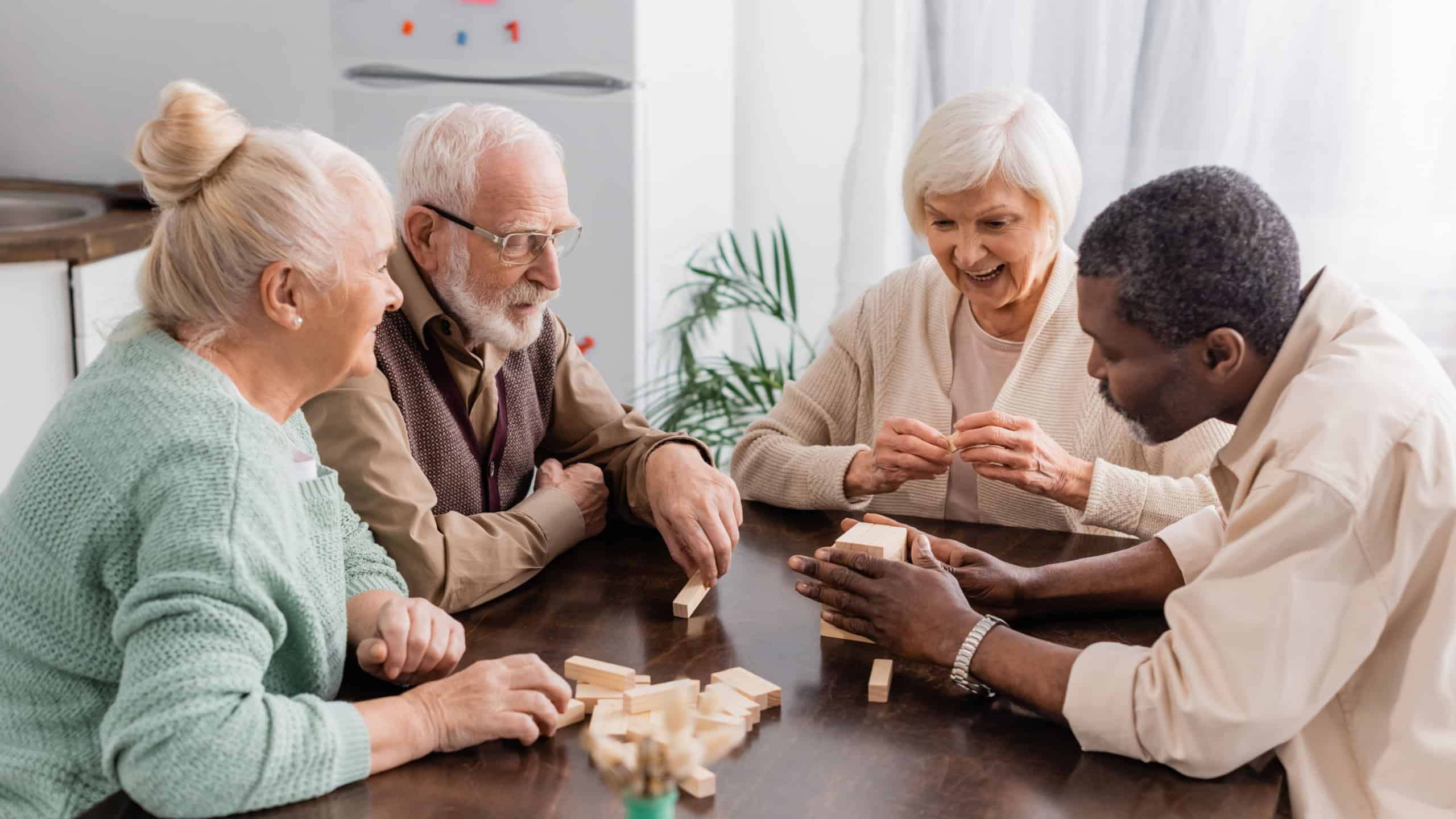
It’s important to have people you interact with regularly. Socialization can contribute to better physical and cognitive health in later life, while chronic loneliness and isolation can lead to worse health.
You don’t need to have hundreds of friends. Just a few close connections will do if you speak to them frequently.
You’re still curious and learning

Whether it’s reading, learning skills, hobbies, puzzles, or trying new activities we’ve never done before, continuing to challenge our brains by giving them something to do is important.
While there’s no magic puzzle or hobby that will stave off mental decline, continuing to exercise your mind is one piece of the brain-healthy lifestyle puzzle. It also makes dealing with the changes that come with aging a lot easier when you’re open to learning new things.
You take sleep seriously
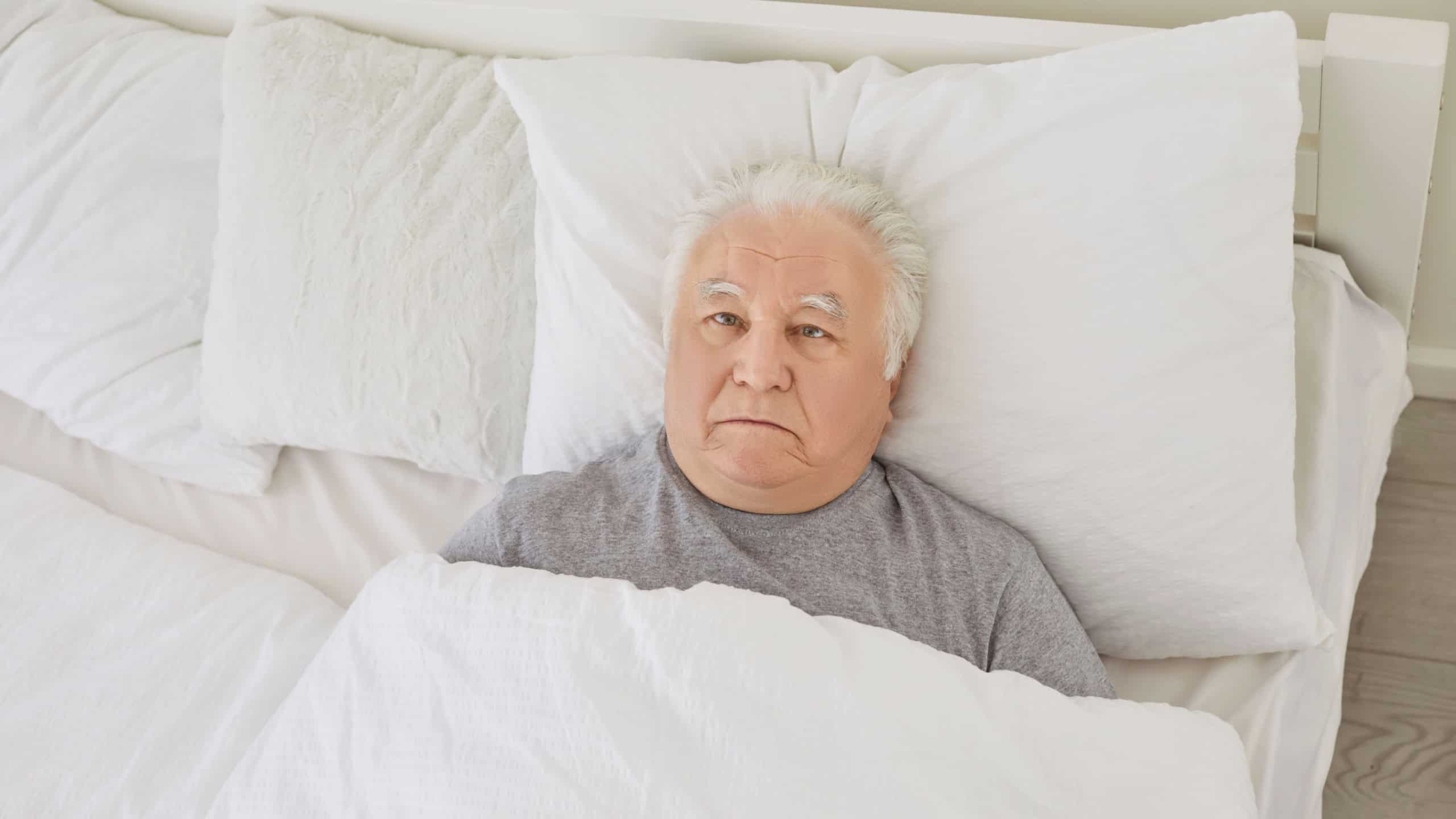
Getting a decent amount of good-quality sleep night after night can help with memory, mood, immune health, and cardiovascular and metabolic health. If you already happen to sleep relatively well and have a reasonable sleep schedule and don’t view chronic tiredness as acceptable, then great, you can continue that into your older years.
Chronic sleep issues, loud snoring, or constantly feeling tired during the day is not normal and shouldn’t be accepted as just aging.
You can adapt when life changes

Growing old means facing change: retirement, changed family dynamics, physical restrictions, loss of loved ones, and sometimes giving up long-practiced routines that used to serve you so well.
Those who can adjust their expectations, cultivate new passions, reach out for help when they need it, and find a different way to do things may have an advantage. Successful aging isn’t about staying the same; flexibility counts as well.
Aging Poorly: You spend most of the day sitting

Sitting for many hours each day can slowly decrease strength, mobility, cardiovascular fitness, and metabolic fitness. It becomes especially noticeable as we age and our natural muscle loss combines with years of inactivity.
Interruptions of long periods of sitting with aerobic activity and strength training can help, even if you’ve been sedentary for years.
You smoke
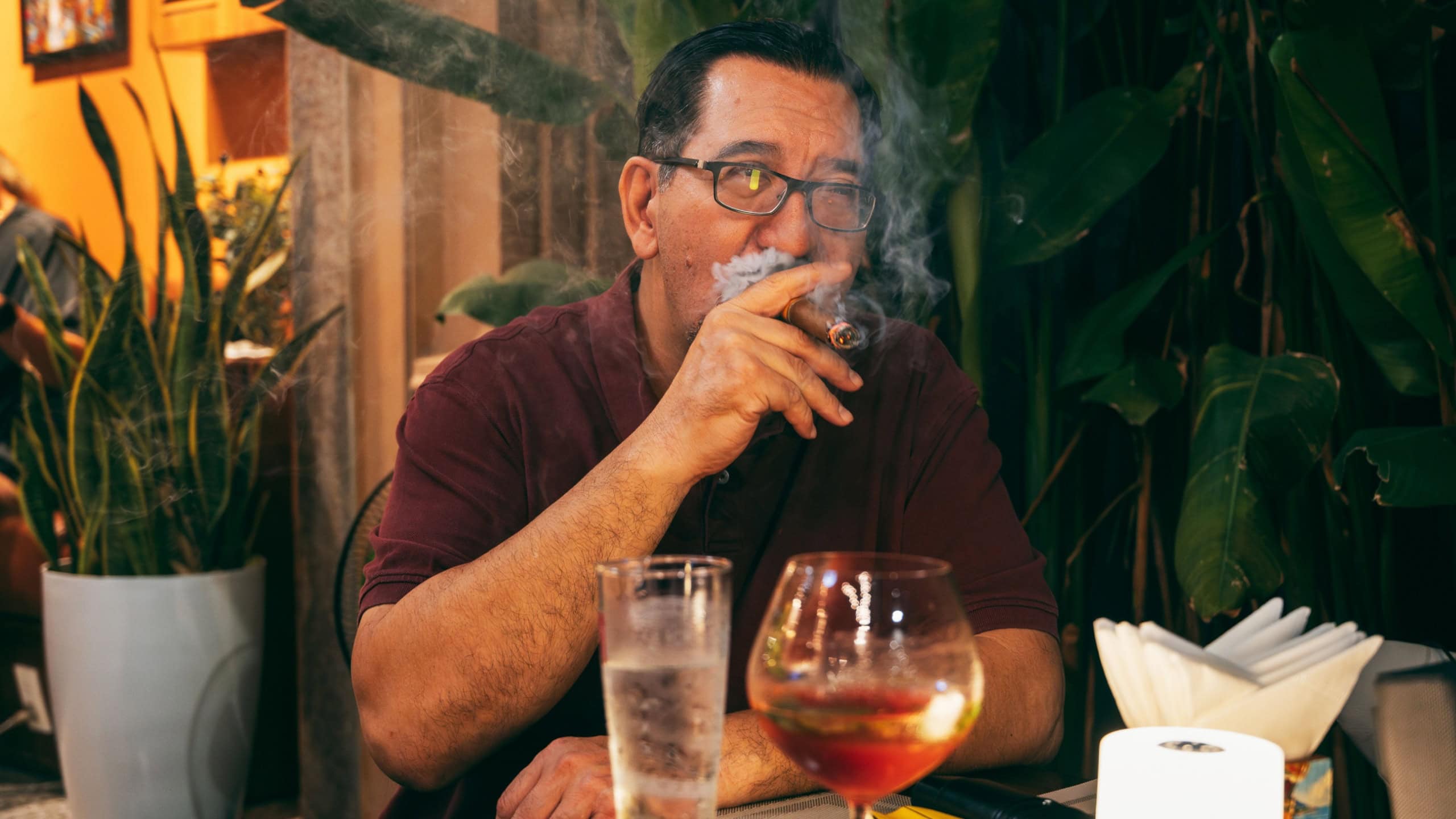
Smoking is one of the most obvious modifiable risks to healthy aging. It contributes to cardiovascular disease, stroke, cancer, chronic lung disease, and many other health issues. It also damages your skin, teeth, and overall stamina.
The good news is that it pays off to quit at almost any age. Just because you’ve smoked for 30 or 40 years doesn’t mean that it’s too late to benefit by quitting.
You’re becoming increasingly socially isolated
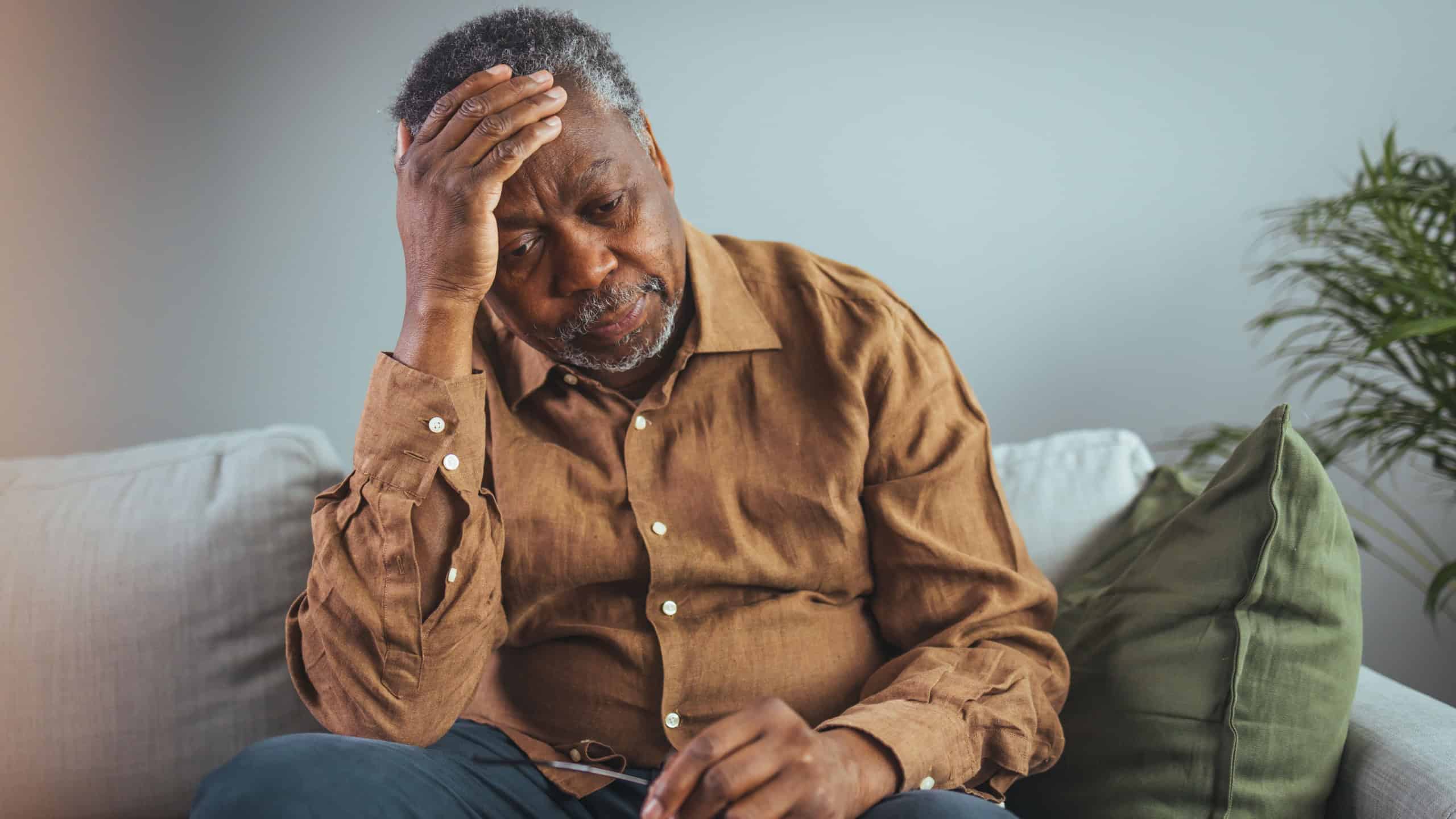
Preferring solitude is different from experiencing minimal meaningful interaction with others. Slowly pulling away from friends, family, community groups, or hobbies can cause someone to become more isolated as they grow older. Social isolation correlates with many negative health effects. Maintaining relationships should be as much of a priority as exercise and diet.
You ignore preventive healthcare
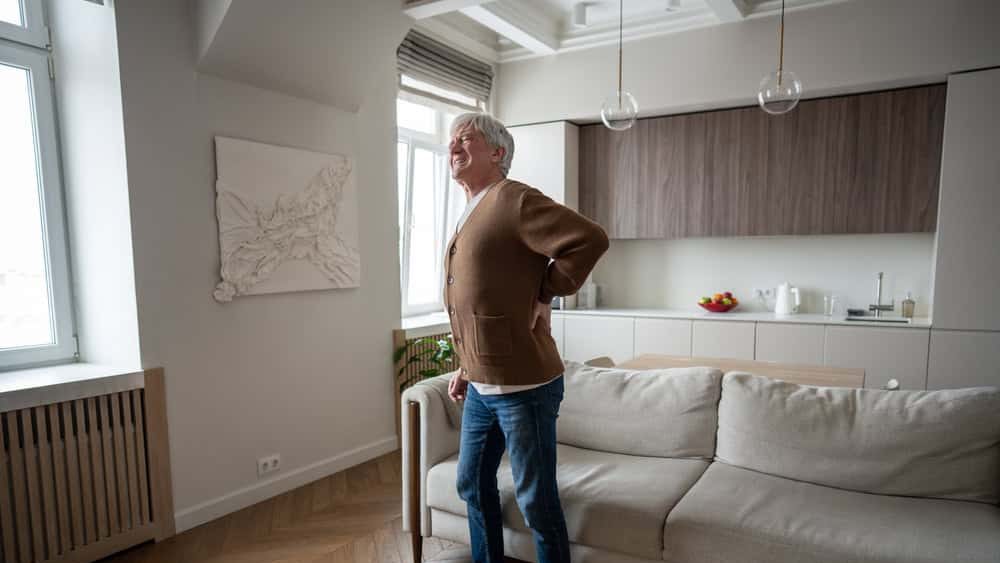
Skipping checkups, recommended vaccines, dental visits, blood-pressure checks, or age-related screening can mean treatable issues become more complicated. Many conditions that come with advancing years creep up silently until symptoms are noticeable.
Healthy aging isn’t about living in fear of disease, but making sure it’s advanced enough that something can be done about it.
You define yourself strictly by your past

When people lose their reason to live, fall into a place devoid of personal objectives, or only discuss their life in past tense, their physical health and mental well-being will swiftly decline. Nothing to look forward to drives them into a psychological and biological shutdown well before they reach elderly status.
Like our content? Be sure to follow us.