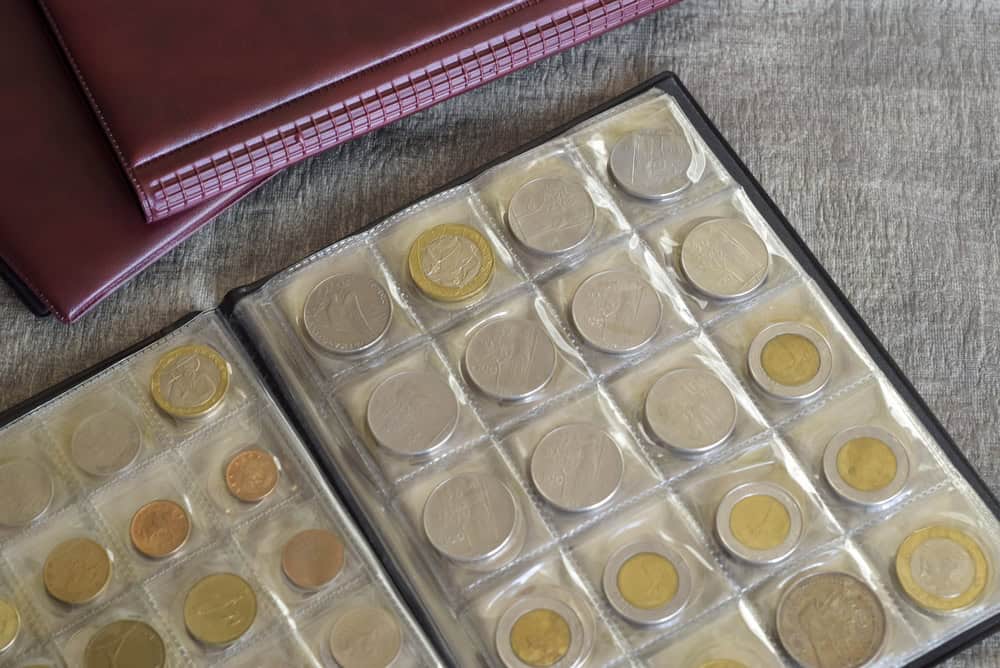
Collecting things with the intention that they’ll somehow cover your mortgage someday is easy to do, but most nostalgia collector markets for mass-produced items have crashed and burned.
Beanie Babies
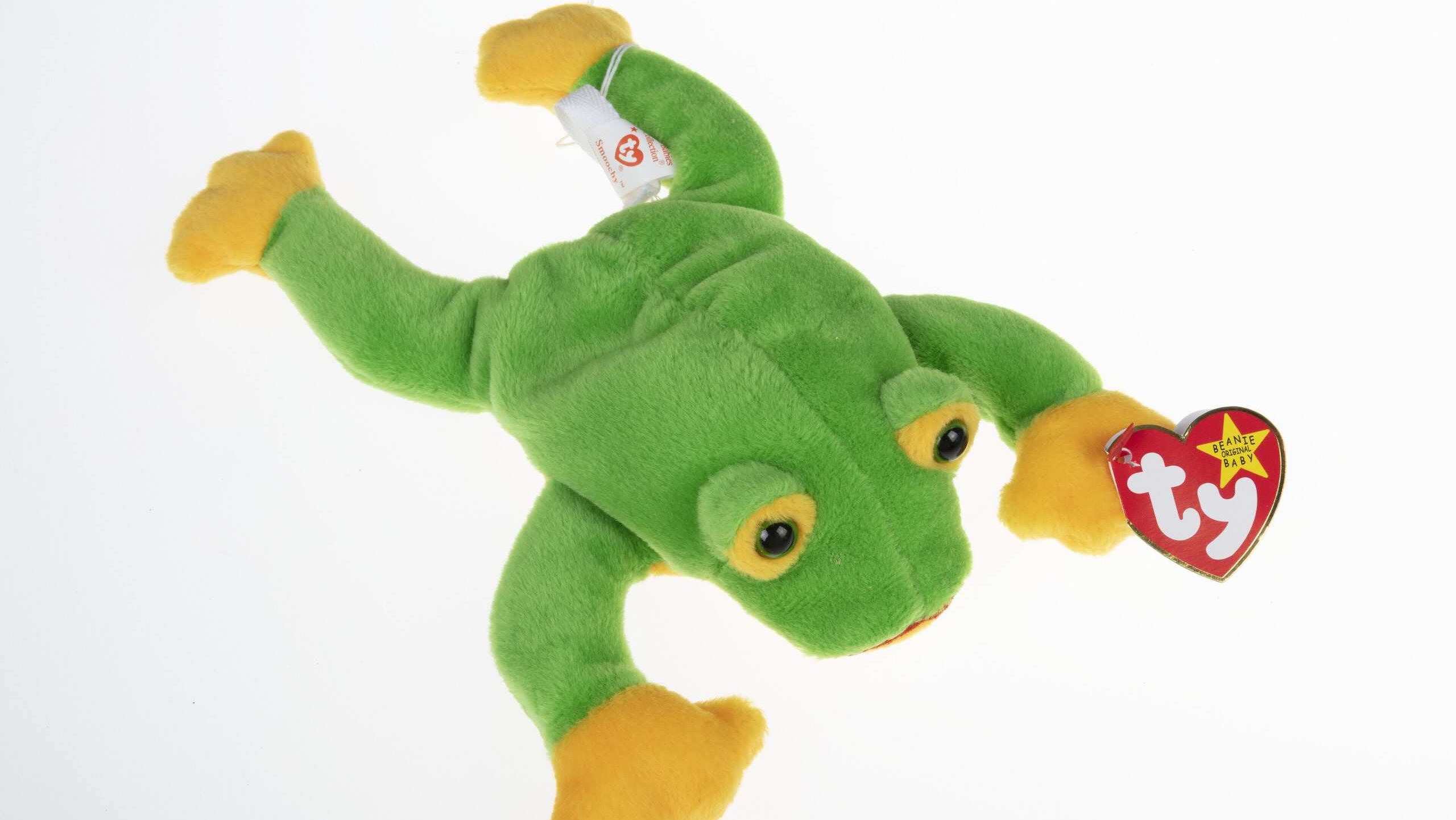
Many investors in the 1990s believed Beanie Babies would fund their retirement. Millions of people saved them in mint condition with tag protectors, dreaming of riches. Now the secondary market is saturated, and almost all of them are only worth a few dollars.
90s comic books
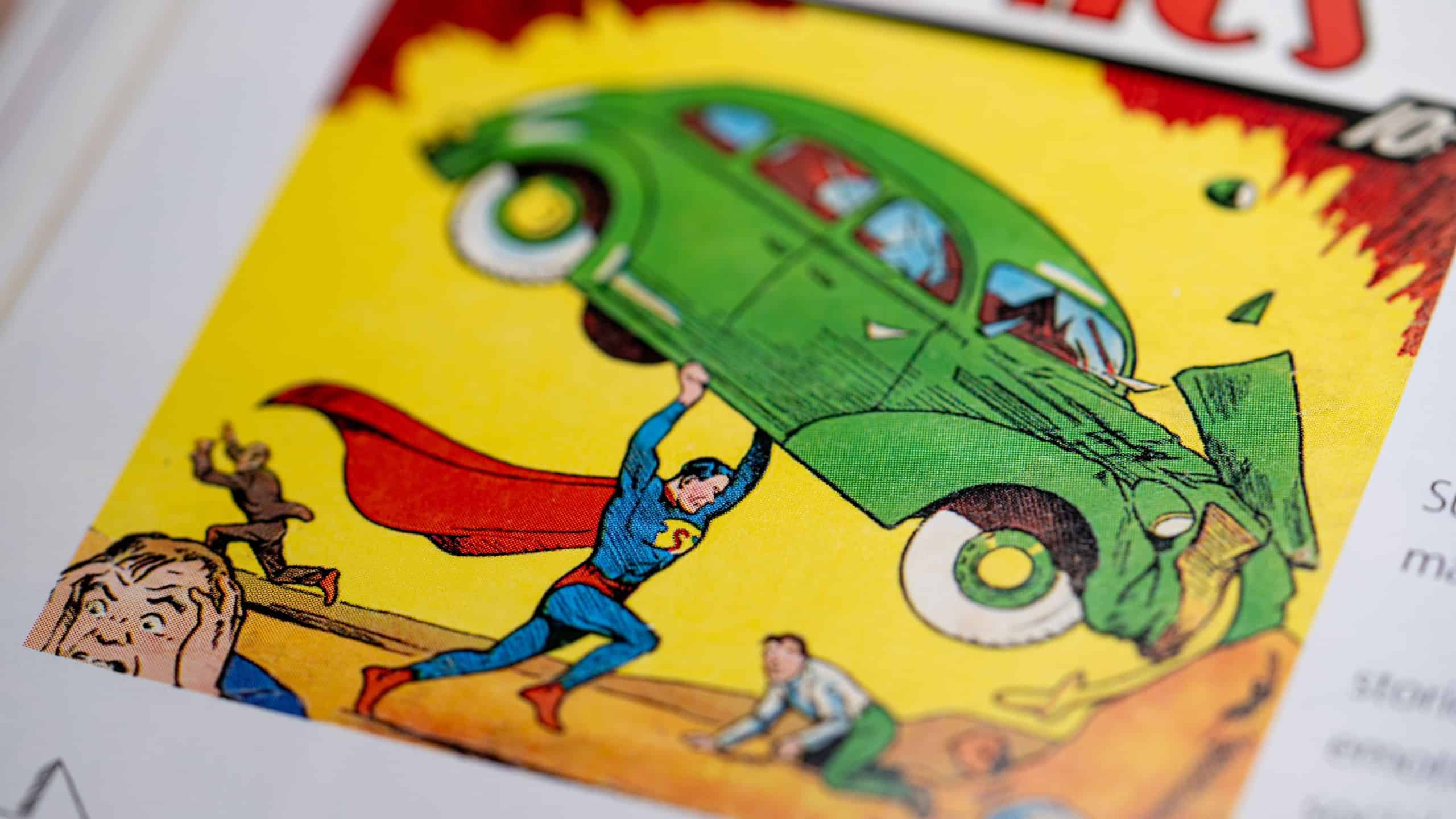
In the 1990s comic boom, publishers churned out millions of copies of their titles designated “special collector’s editions” with foil, hologram, and embossed covers. Everybody bought extra copies, one to read and one to keep in a plastic sleeve. Supply FAR exceeds demand now, so most of them are worthless.
Commemorative plates
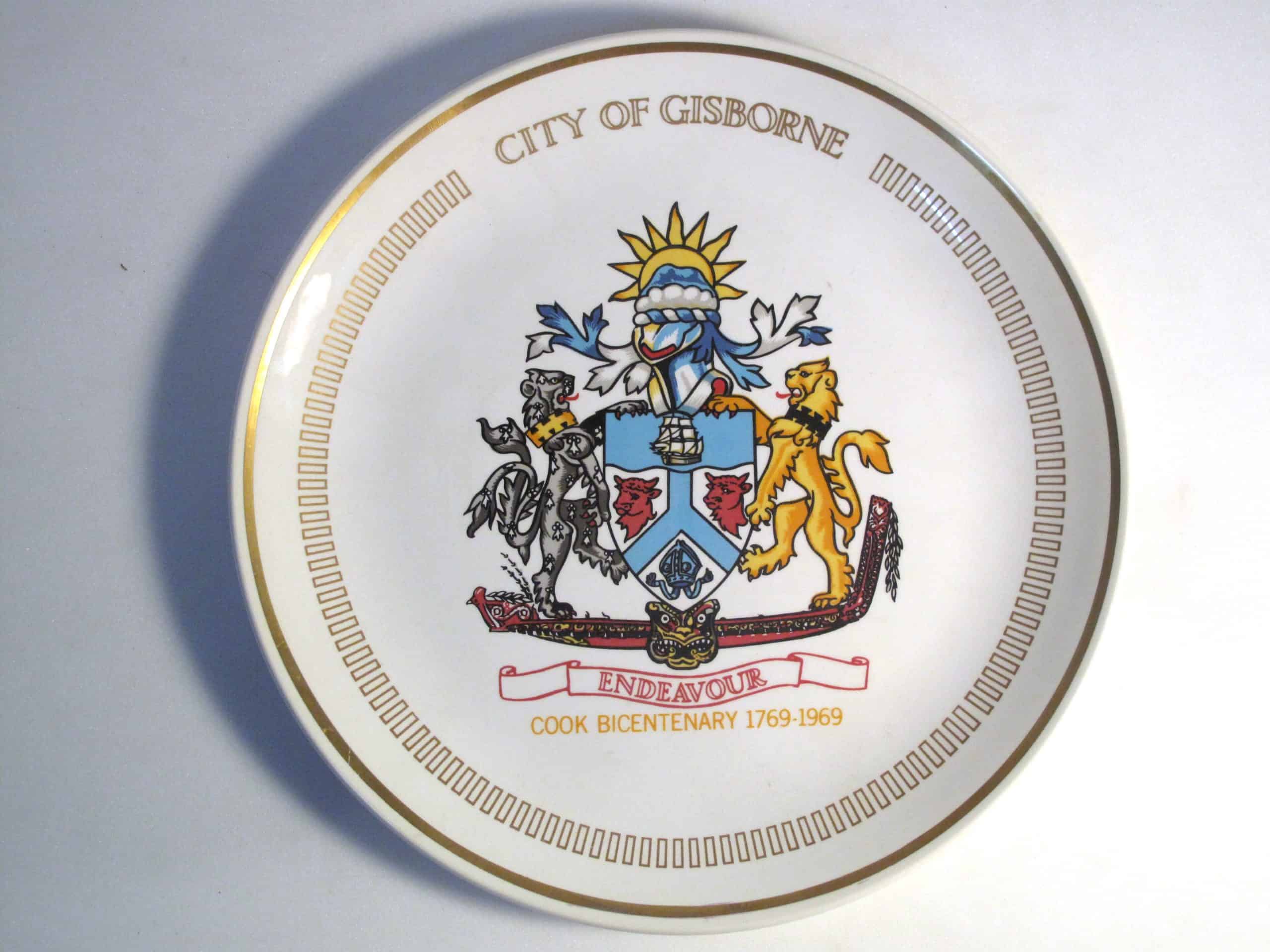
Sold via magazines and television commercials boasting limited-edition runs, porcelain commemorative plates were created solely for the purpose of collecting and not using. As younger generations don’t collect china or display plates, thrift stores are filled with countless thousands of dollars worth of un-saleable plates that once sold for hundreds of dollars.
Mass-produced vinyl records

Rare vintage recordings and limited printings can sell for thousands of dollars, but common pop and rock records from the 1970s and 80s were pressed by tens of millions of copies. Regular editions of classic albums by huge artists that have been worn with frequent playback typically have little resale value.
VHS Tapes
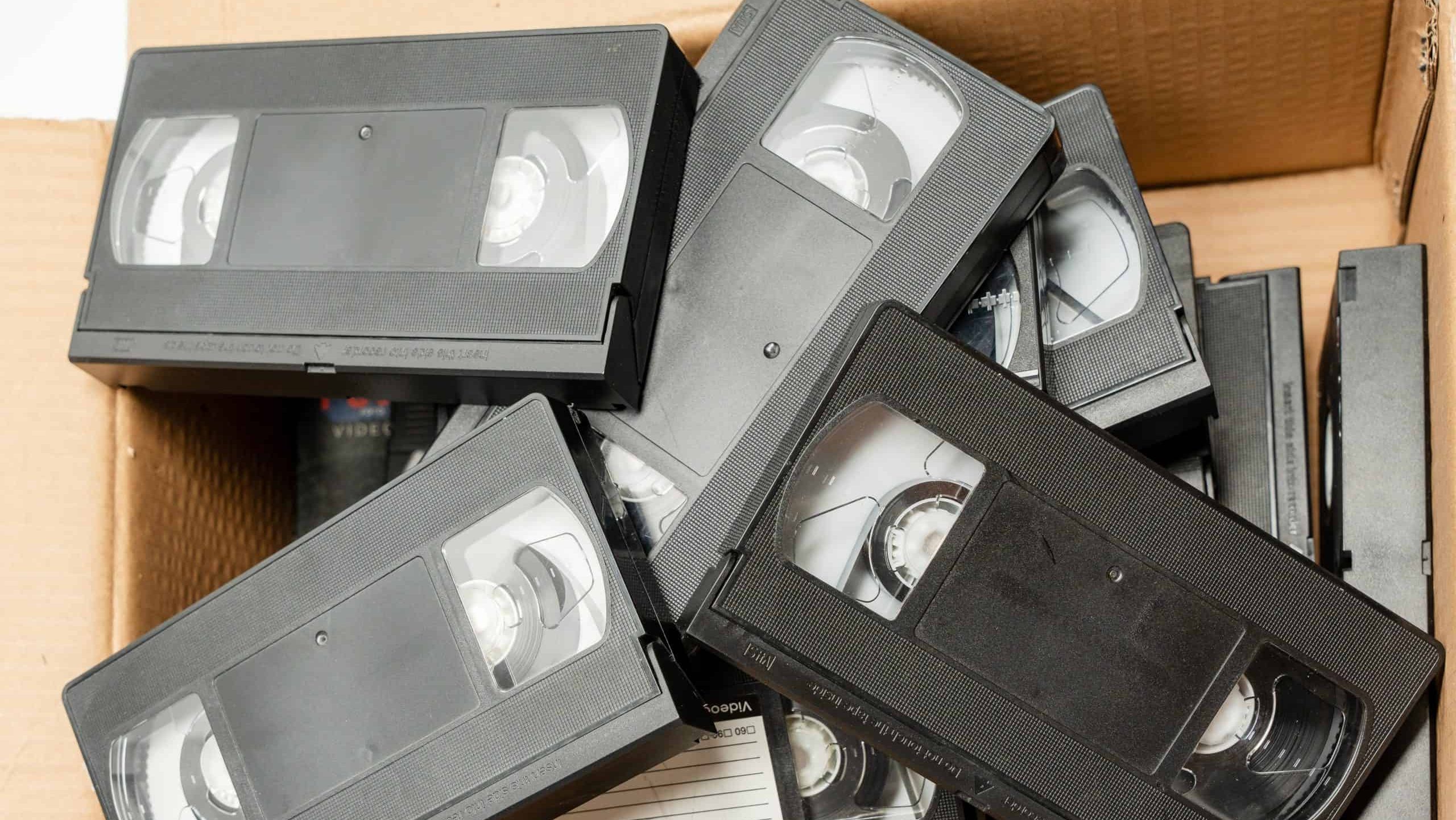
Unless you’re talking about a few esoteric cult horror movies or unopened original pressings of iconic movies, Disney black-diamond tapes and your everyday Blockbuster tapes don’t hold any resale value. It’s an outdated technology with magnetic media that deteriorates with age and pretty much every major motion picture can be streamed digitally now.
Holiday village sets
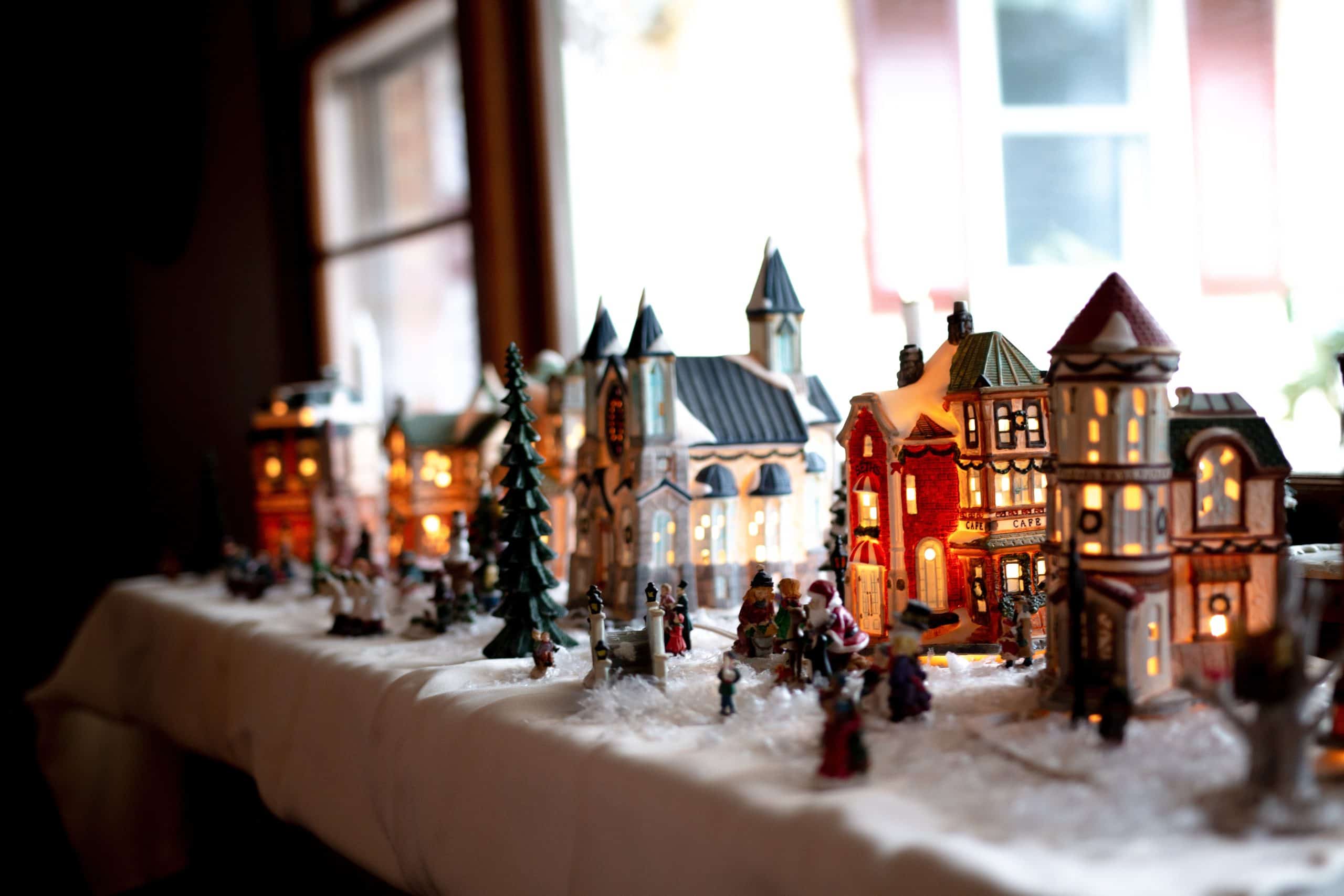
Produced widely in the late 20th century, ceramic Christmas and holiday village houses were sold en masse as seasonal collectibles to be passed down through generations. Today’s consumers usually don’t have room for extensive seasonal decorations, so the resale value of these bulky sets has gone way down from their initial market value.
Porcelain dolls
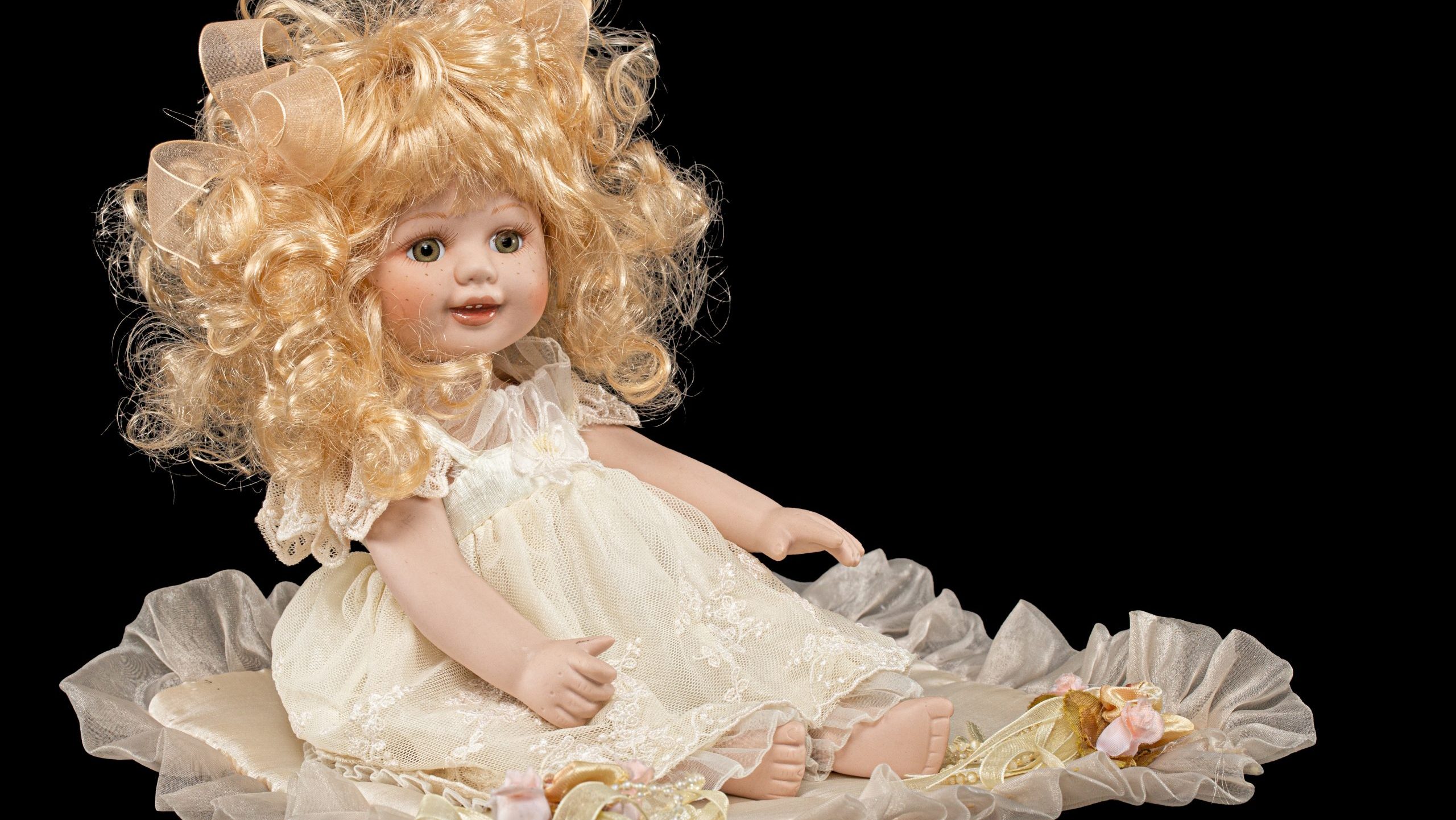
Late Victorian-style porcelain dolls were heavily marketed to the public in the late 1900s as valuable collectible keepsakes. Since they were factory-made overseas and sat idle on shelves, they are readily available with very little true rarity or demand as near-mint examples are everywhere.
Printed Encyclopedias
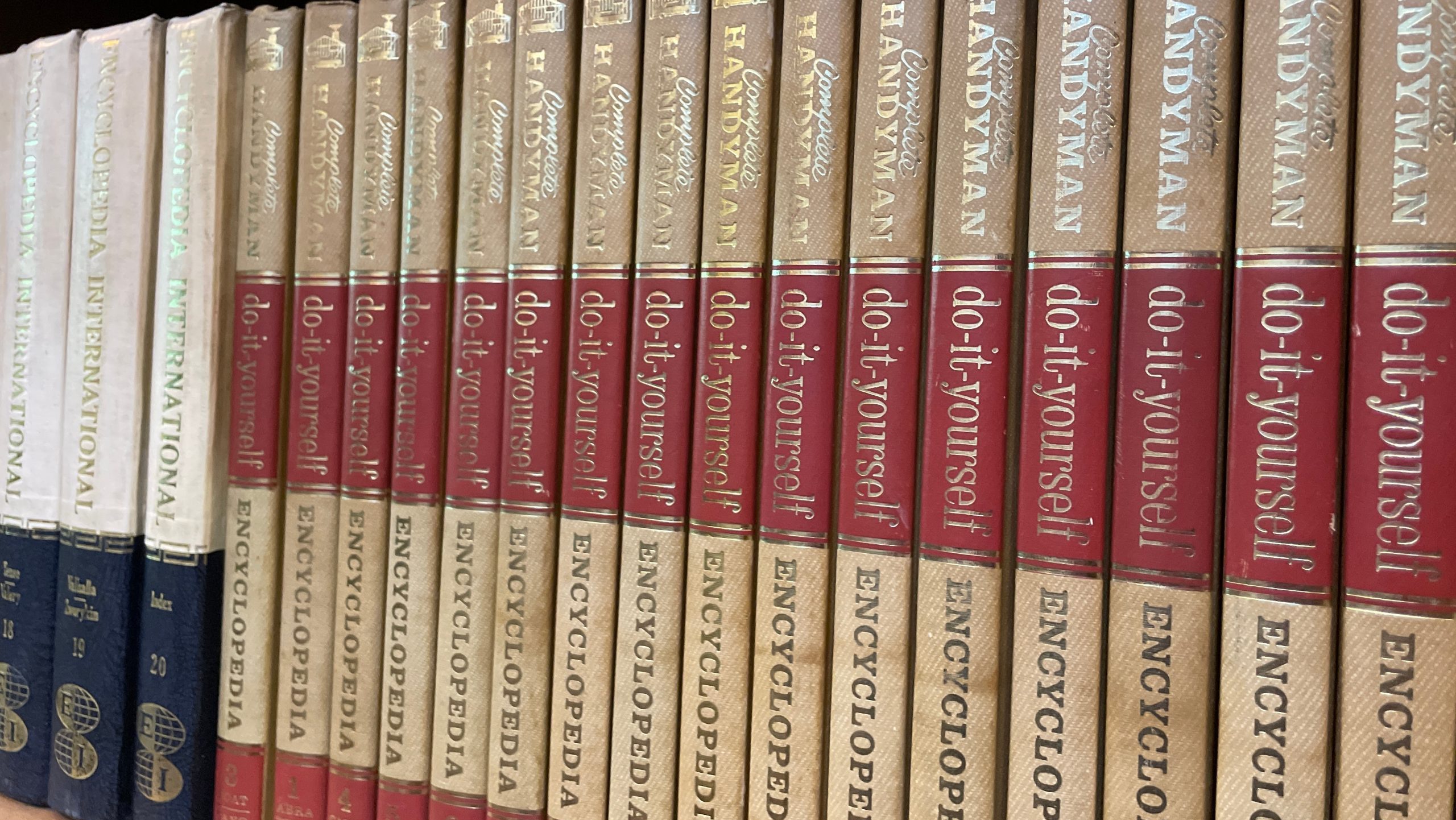
Sets of encyclopedias were once the pride of every family’s bookshelf. But with encyclopedias now online and searchable instantly, hard copy volumes have become obsolete. Bulk sets are too heavy, information is out-of-date, and there are too many to sell or even give away.
First-generation tech gadgets
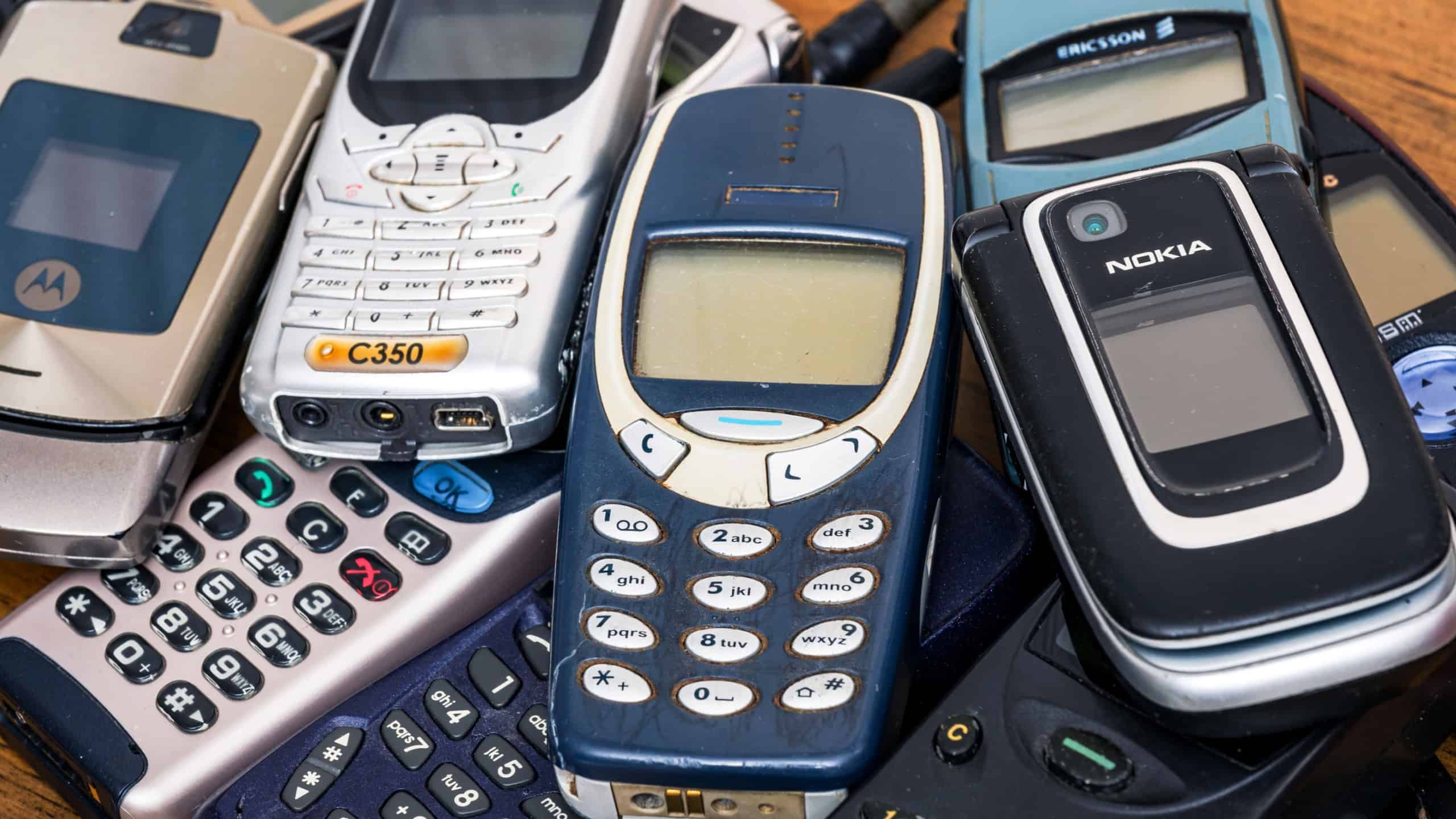
Unless your gadget happens to be an uncommon prototype or brand-new, unopened game-changing piece of technology (like a sealed original iPhone), your old digital cameras, mid-2000’s flip phones, and early e-readers are simply electronics waste. Batteries corrode, software becomes obsolete, and the sheer volume in which they’re made prevents them from being high-value.
Sports cards from the Junk Wax era
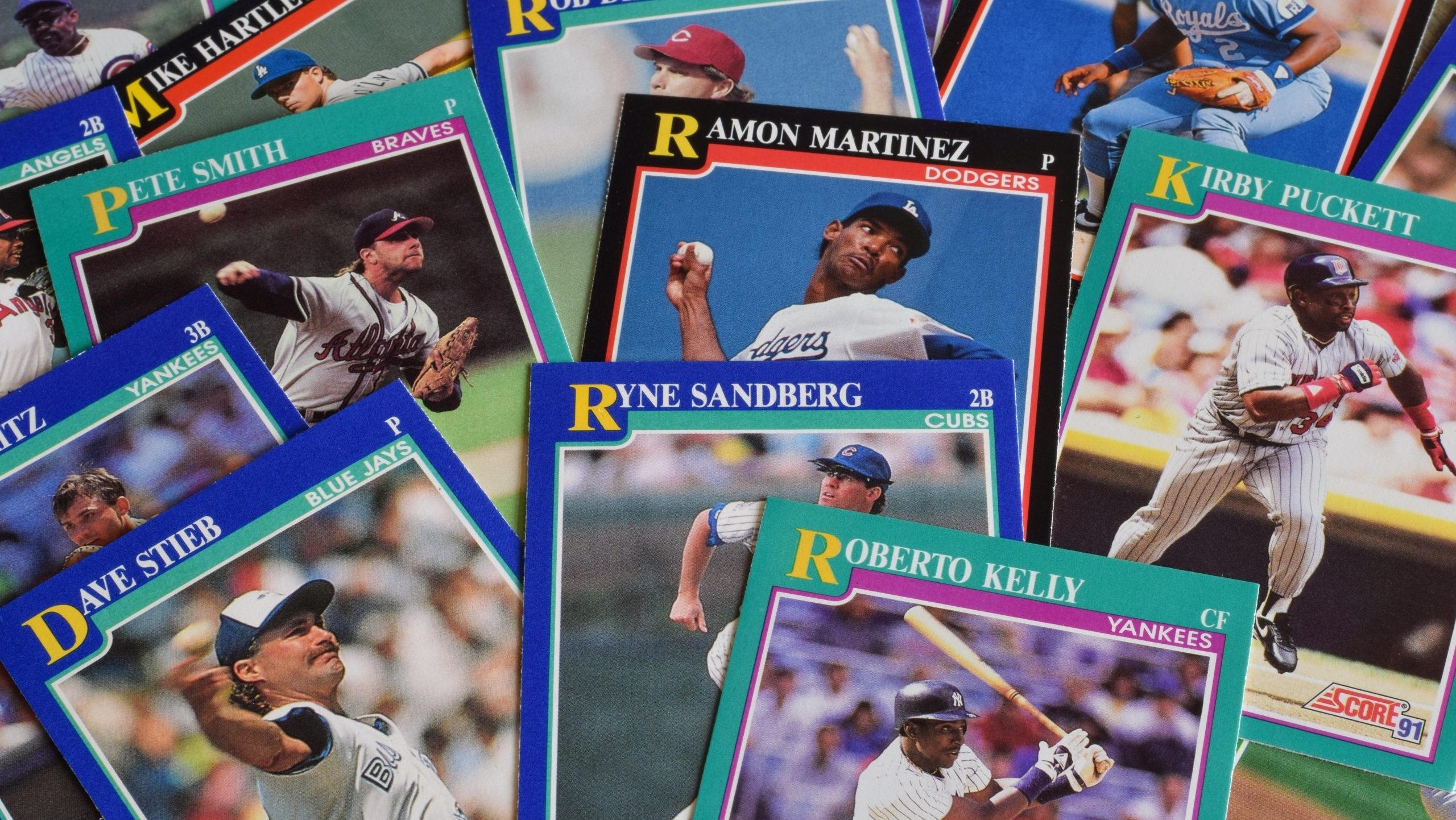
From approximately 1986 to 1993, billions of cards were produced each year to meet increasing demand. Millions of children and collectors stored these cards in binder sleeves, so sets from this time period are typically extremely common and worth very little money.
Collector edition fast-food toys
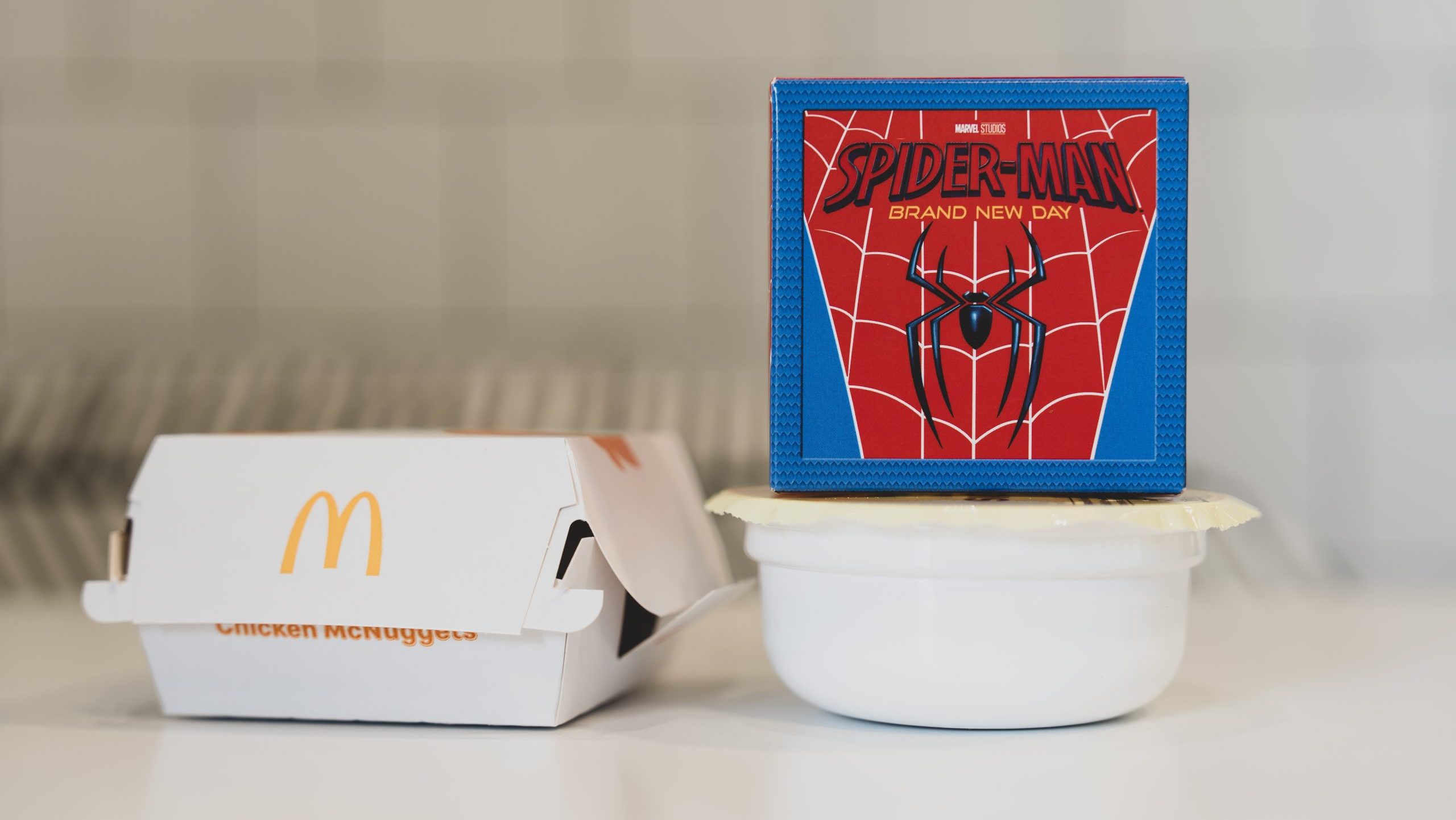
Promotional meals based around movie-licensed toys or anniversary premiums have encouraged generations to squirrel away bags of unopened plastic in their closets. Seeing as restaurants handed out toys in the tens of millions, there isn’t much of a secondary market that’ll pay collectors more than a few cents on the dollar.
Fine China and crystal services
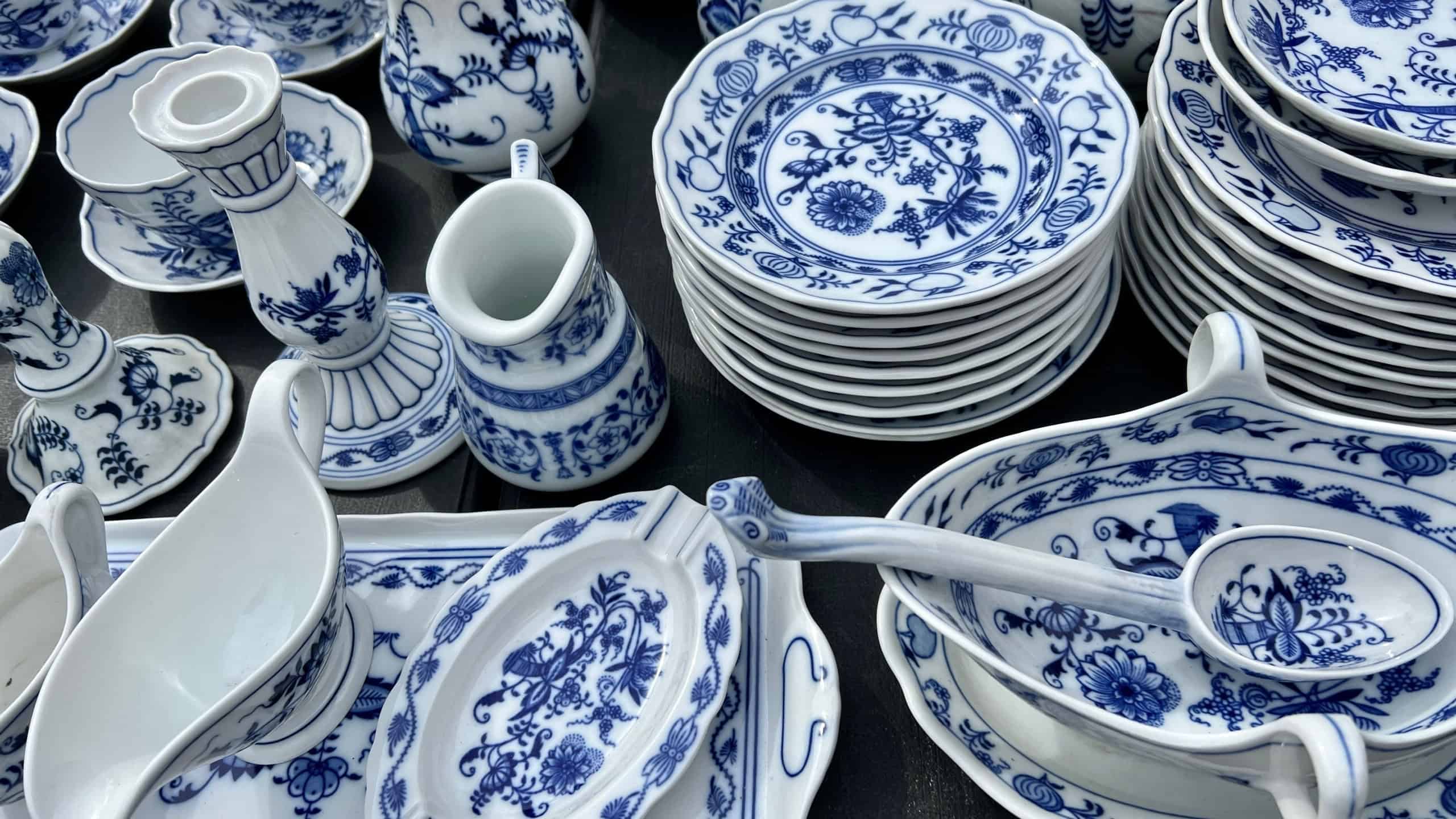
Casual, dishwasher-safe dinnerware has almost entirely replaced formal dining etiquette, plummeting sales of 12-piece china and crystal. Unless it’s from your grandmother’s high-end designer label, you won’t likely make back any of your investment in formal place settings.
Newspaper event editions
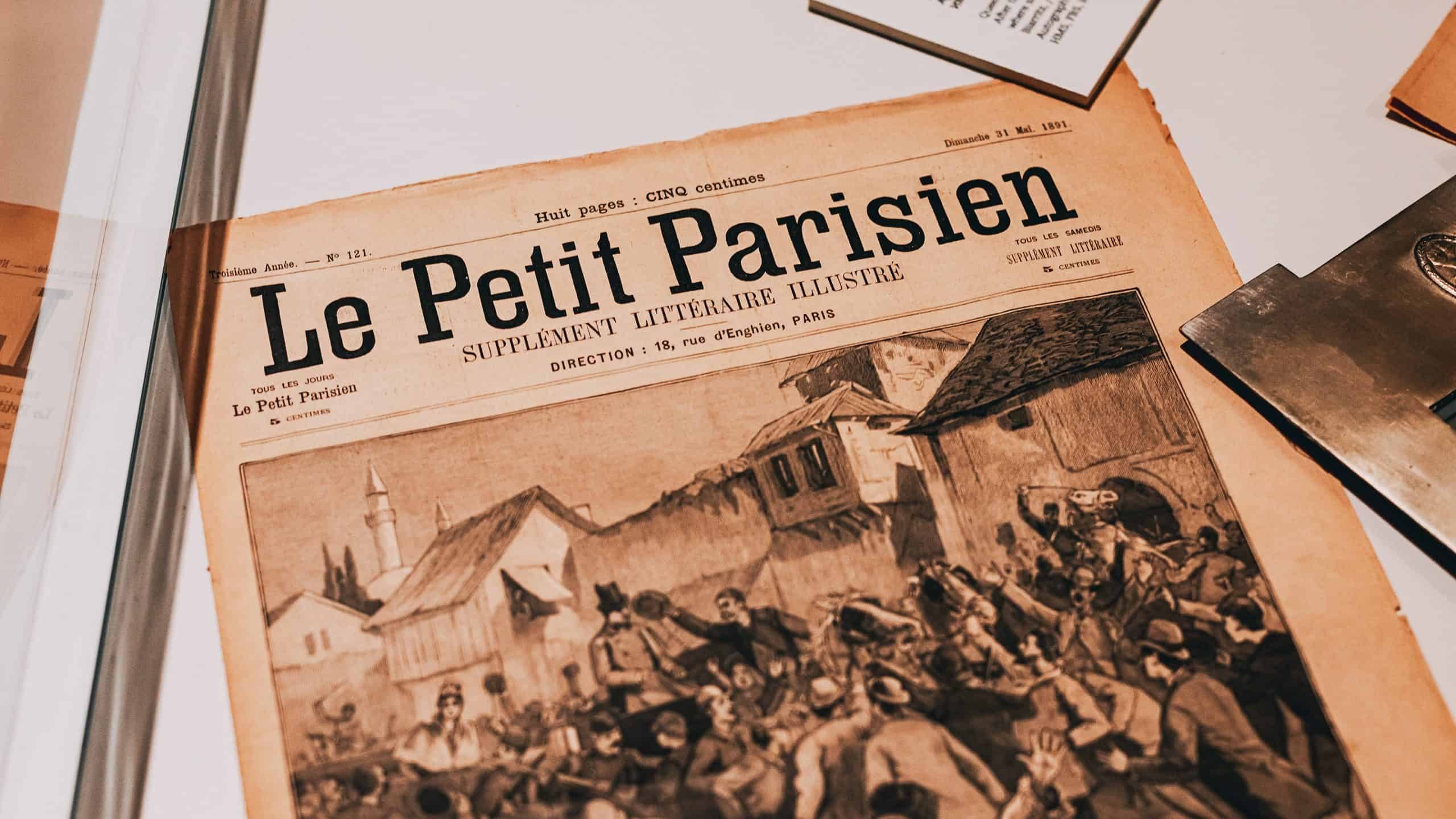
Saving a newspaper printed on a day of significant historic relevance feels revolutionary. But millions of other people thought so too. As thousands of copies were stored in attics, newspaper pages turn yellow and brittle, and online archives have made printed headlines common, rather than collectible.
Like our content? Be sure to follow us.