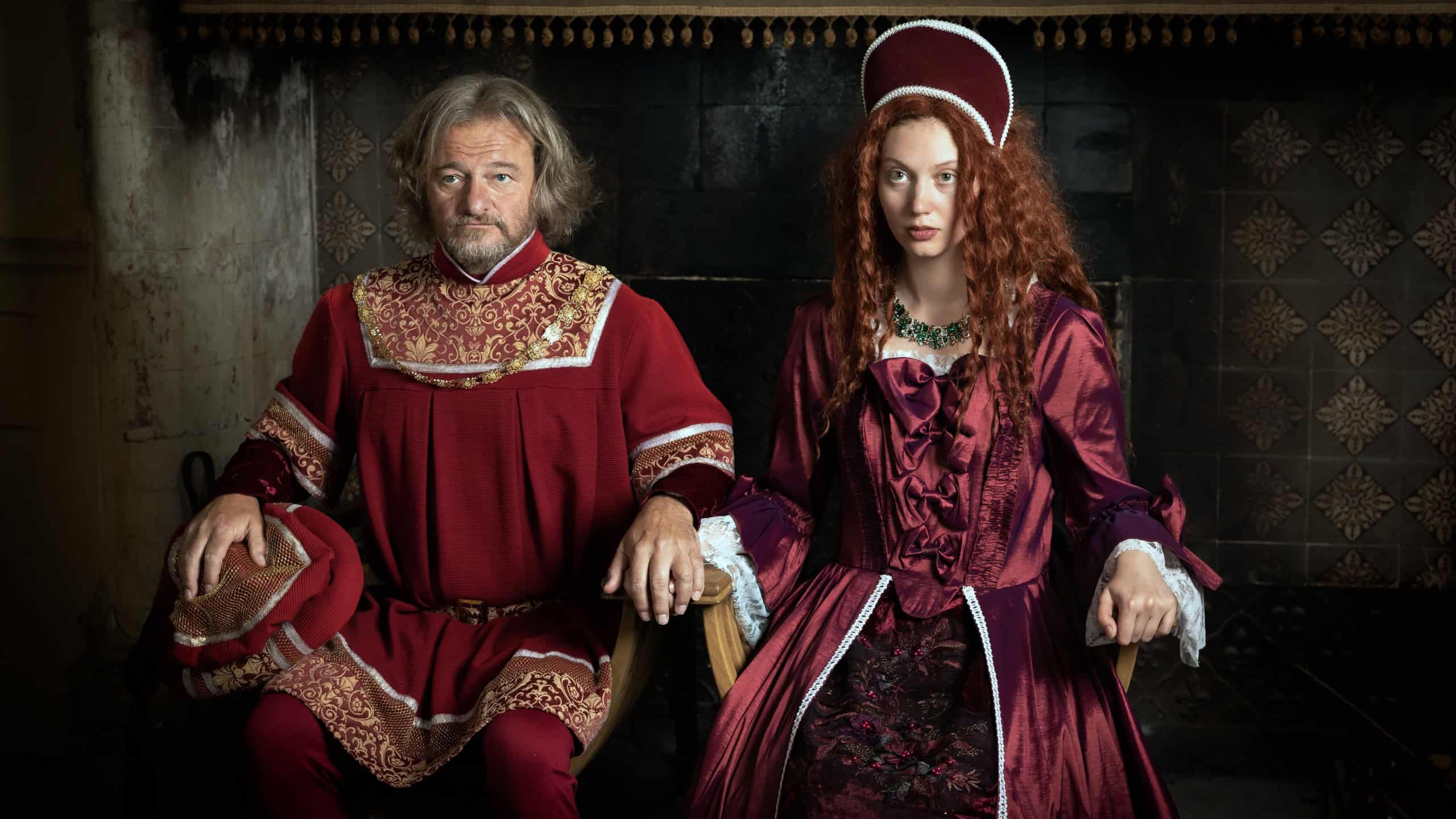
Arranged marriages have sealed the fates of kingdoms, created alliances, toppled dynasties, and built empires throughout history, and although some of these ended in disaster, others blossomed into beautiful relationships.
Worst: Catherine the Great & Peter III of Russia
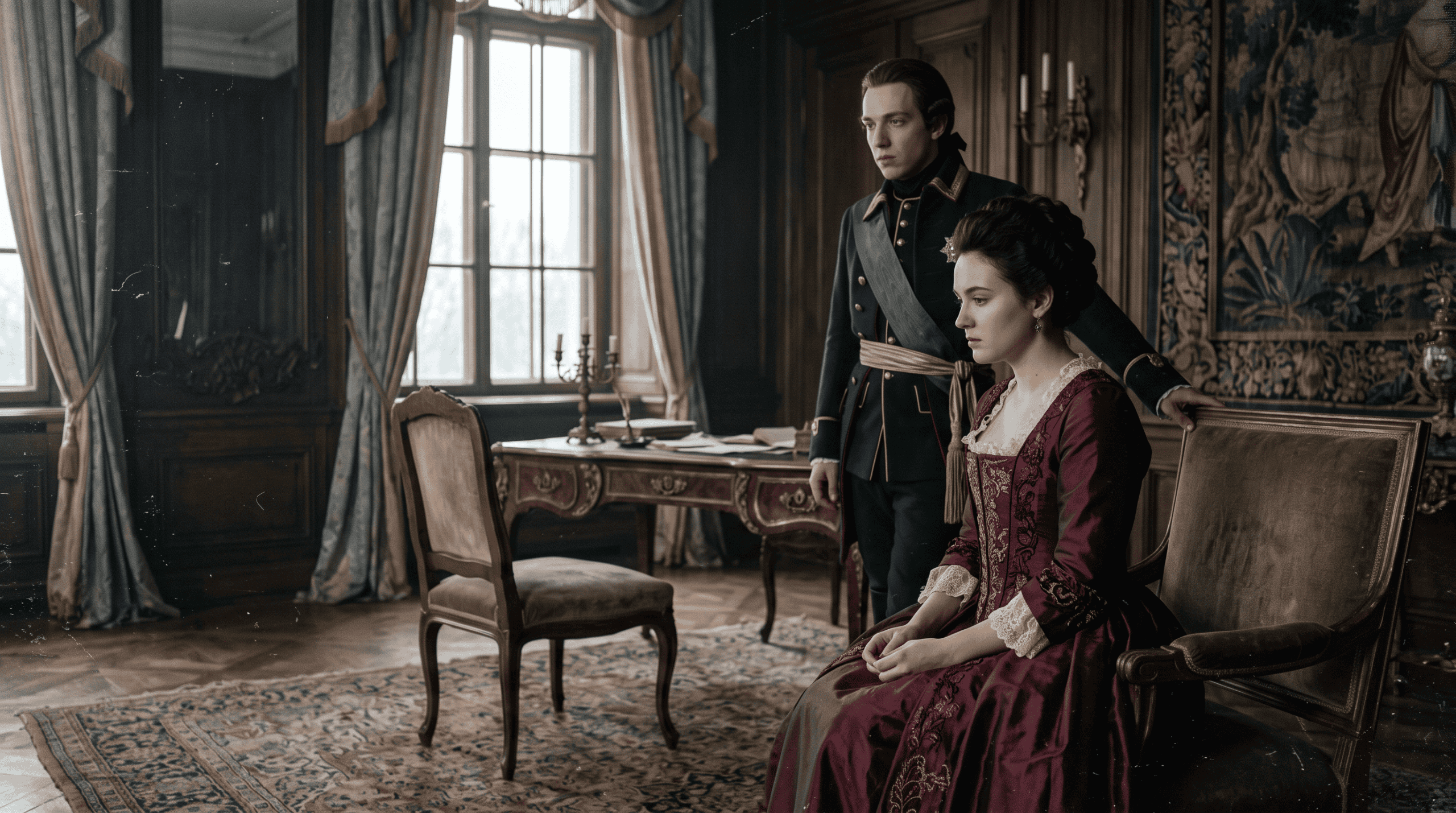
Brokered in 1745 to cement the Russian succession, the relationship between German princess Sophie (aka Catherine) and Grand Duke Peter was doomed from the start. Peter emotionally neglected Catherine and liked playing with toy soldiers more than consummating the marriage.
Six months into her miserable reign in 1762, Catherine staged a coup d’etat with the military, imprisoned Peter, took the throne for herself as Empress Catherine, and Peter was quietly assassinated.
Sigismund of Luxembourg & Barbara of Cilli
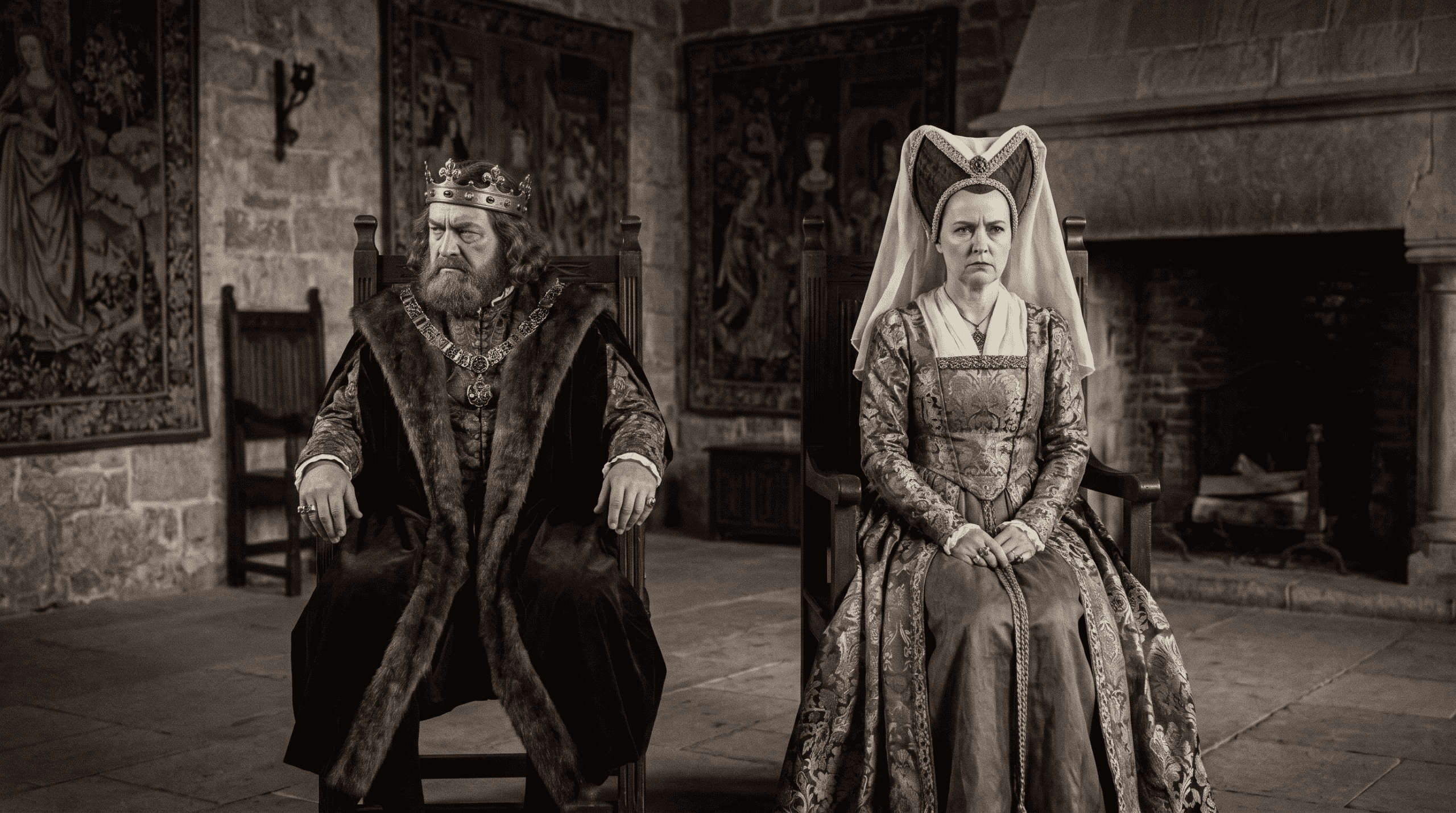
Contracted when Barbara was still a teenager in 1405 to strengthen Sigismund’s claim to Hungary, the couple loathed each other almost instantly. Sigismund was constantly penniless, absent, and adulterous.
Barbara formed her own merciless political alliances and had openly known lovers. Towards the end of his life, Sigismund became so certain she was staging a coup against him that he had her imprisoned.
George I & Sophia Dorothea of Celle
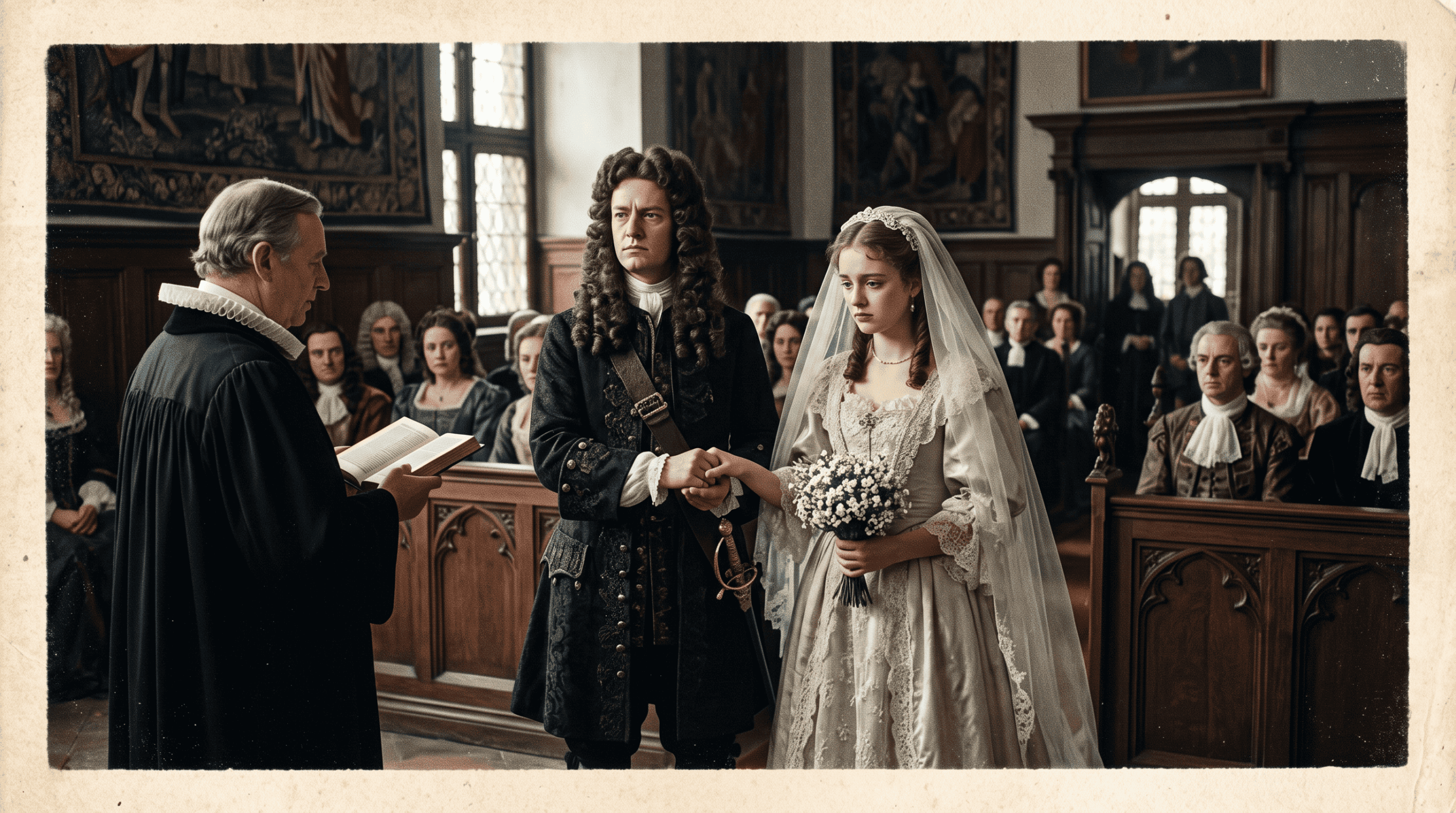
George I & Sophia Dorothea of Celle Married in 1682 to bring together German lands, but theirs was a marriage fueled by hatred. George took mistresses publicly, leaving Sophia Dorothea alone and depressed enough to start an affair with a Swedish count.
After discovering the affair in 1694, her lover vanished (likely George had him killed). George then had Sophia Dorothea imprisoned in a remote castle for the next 32 years until her death.
Eleanor of Aquitaine & Louis VII of France
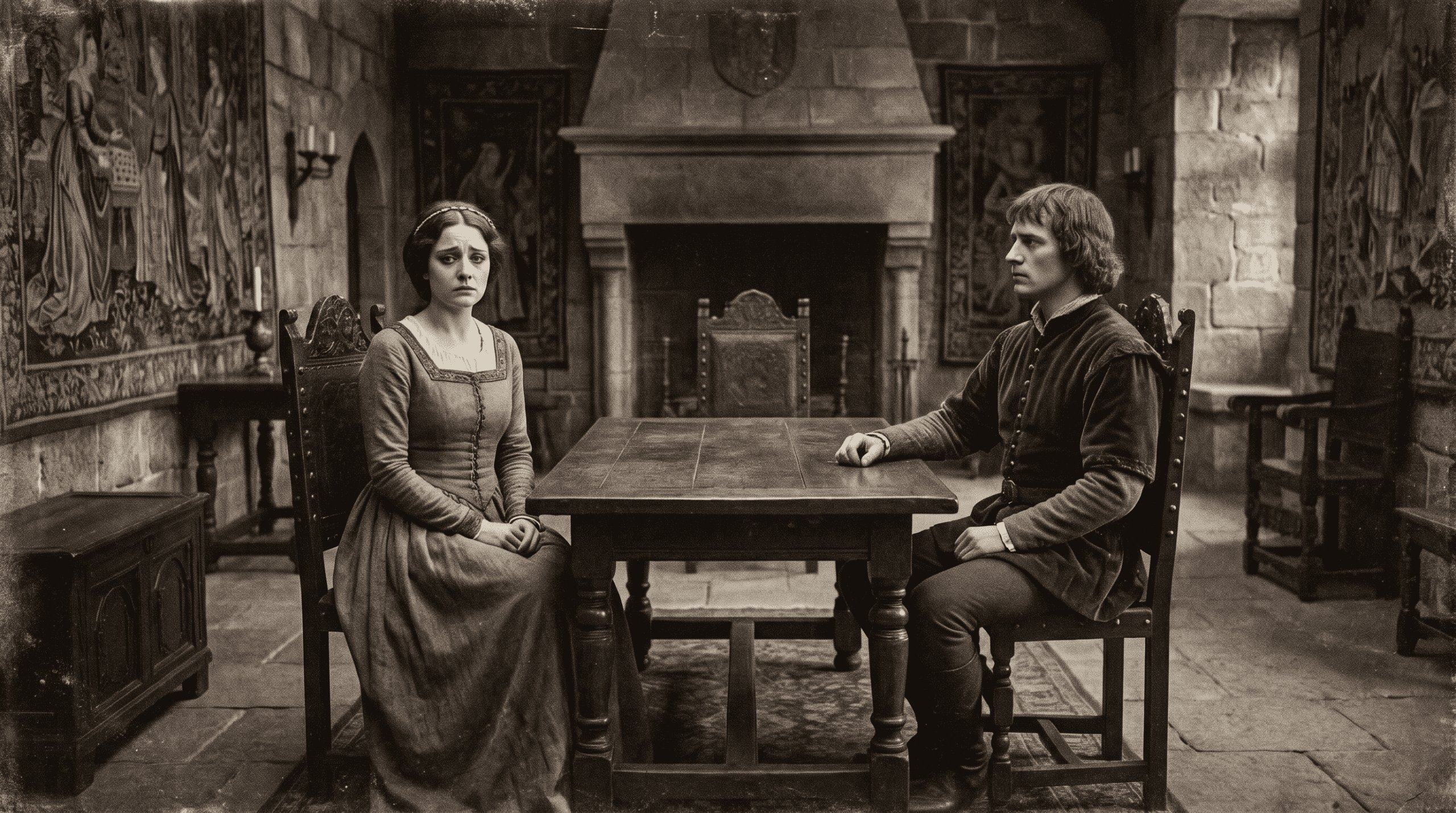
The high-spirited Eleanor was married to Louis VII of France in 1137 to bring rich Aquitaine under the French crown. Eleanor despised her exceedingly pious and monk-like husband. They fell apart as spouses during the Second Crusade due to constant bickering over differences in military strategy and alleged adultery.
Ultimately realizing that they would have no son, the couple annulled their marriage in 1152, after which Eleanor married Louis’ archrival, Henry II of England.
Philip the Handsome & Juana of Castile
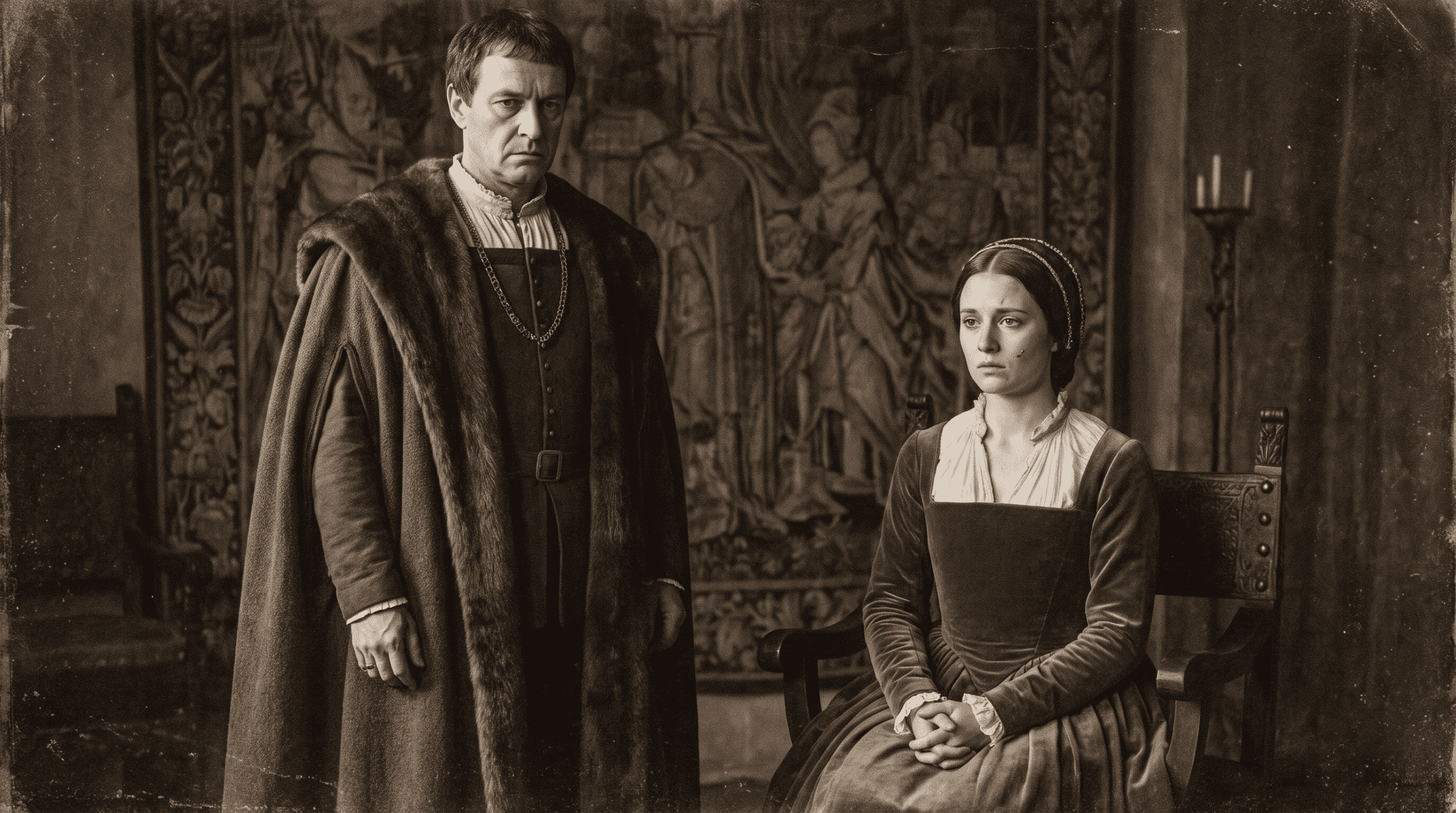
Meant to unite Spain and the Habsburg lands when it was arranged in 1496, love turned sour between Philip and Juana due to his rampant infidelity and her resultant jealous temperament.
Upon Juana’s ascension to Castile, Philip declared her insane in order to claim her throne. When he died in 1506, her father and son imprisoned her in a convent where she stayed for the next 50 years.
Caroline of Brunswick & George IV
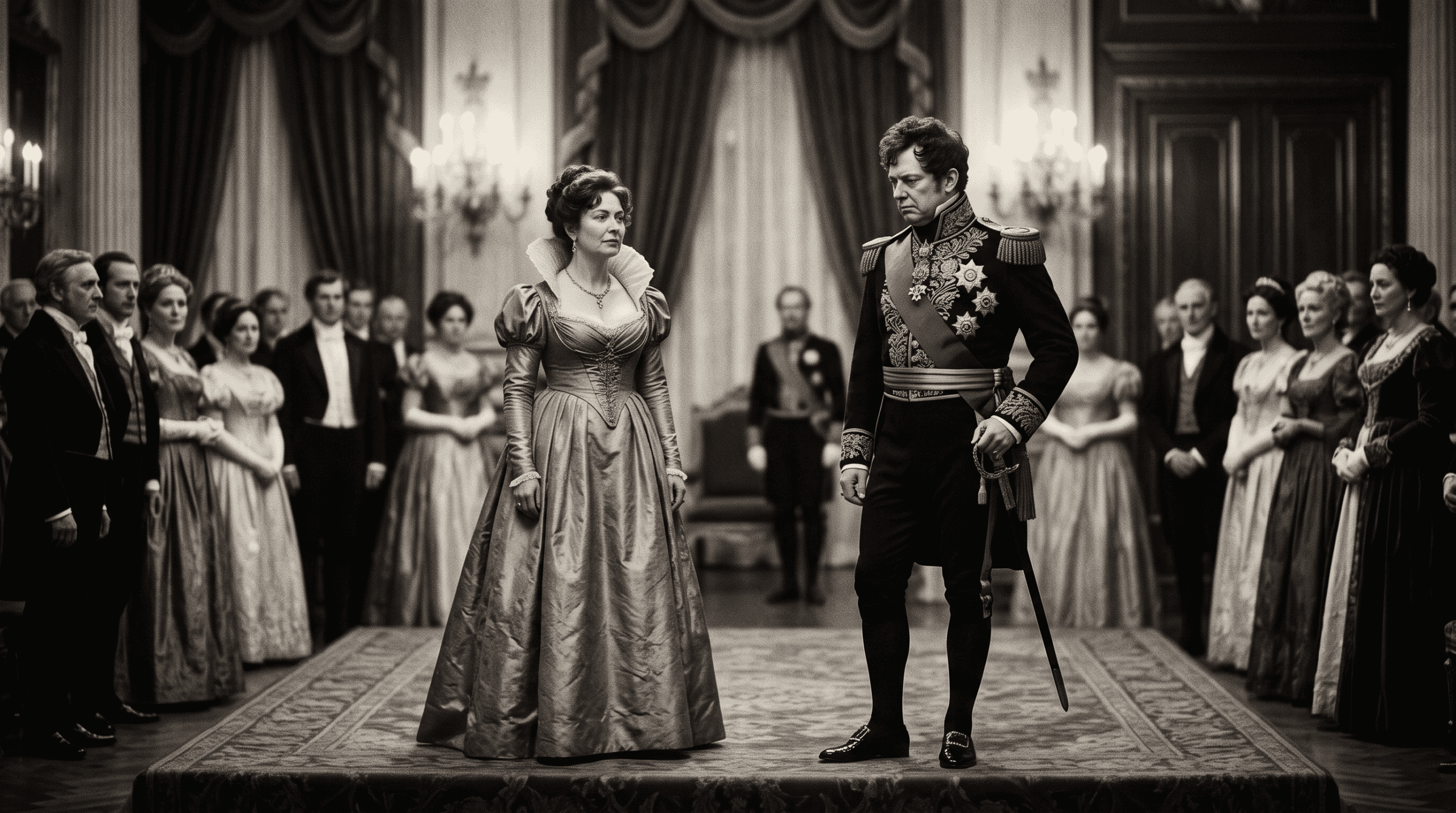
Contracted in 1795 to settle George IV’s debts, the couple loathed each other upon meeting and lived apart after having one child. Upon ascending to the throne in 1820, Caroline returned to London demanding her place as queen.
George put her on public trial in Parliament for adultery. The trial scandalized Britain by airing its dirtiest laundry in public via the press and ended with Caroline physically barred from entering his coronation.
Ingeborg of Denmark & Philip II of France
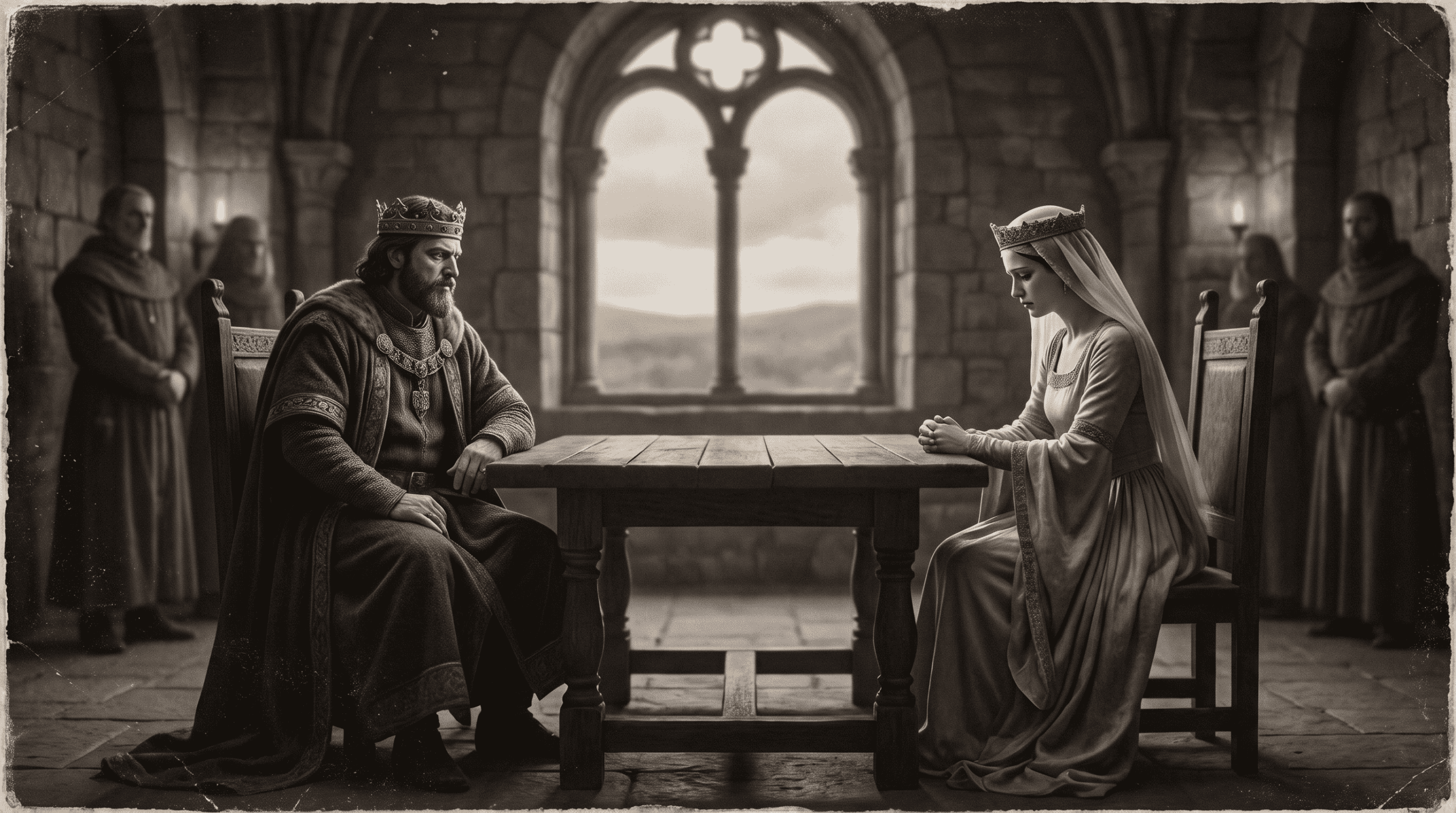
Married in 1193 to provide naval support against England, the alliance disappeared the day after the ceremony when Philip II took an immediate dislike to his eighteen-year-old bride, Ingeborg.
When she denied his request for an immediate annulment, he became enraged and imprisoned her in remote castles for close to two decades. Ingeborg repeatedly appealed to the Vatican, living in captivity until finally the Pope convinced Philip to recognize her as Queen once again in 1213.
King John & Isabella of Gloucester
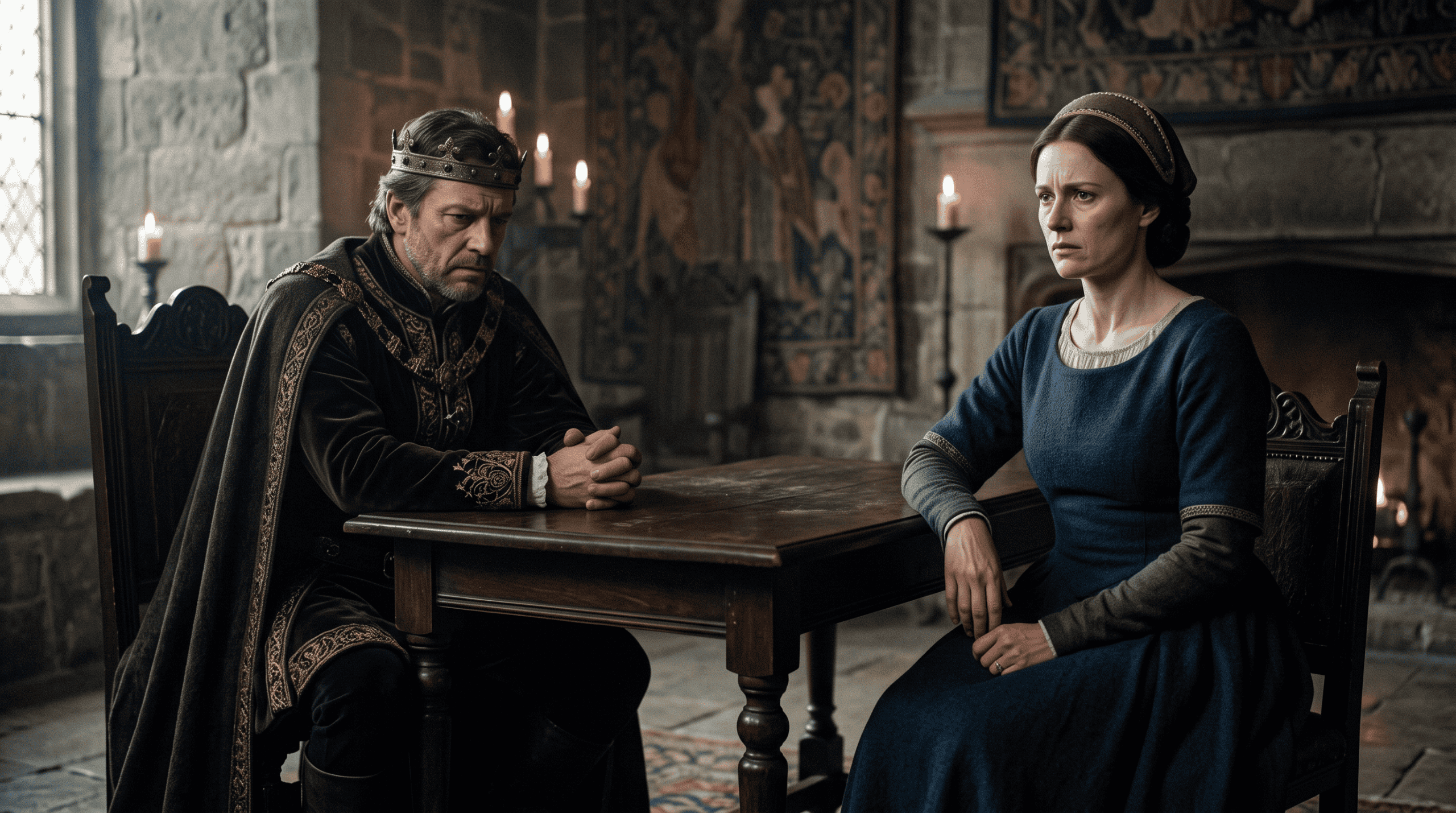
Prince John married his cousin Isabella because she was extremely wealthy and owned much land. When John ascended to the throne of England in 1199, however, he no longer needed her land and desired a new political alliance with a foreign country.
He immediately cast her aside and had their marriage annulled, saying they were second cousins (something he conveniently overlooked at the time of marriage). He imprisoned her in the Tower of London for years and later sold her to the highest bidder.
The Best: Shah Jahan & Mumtaz Mahal
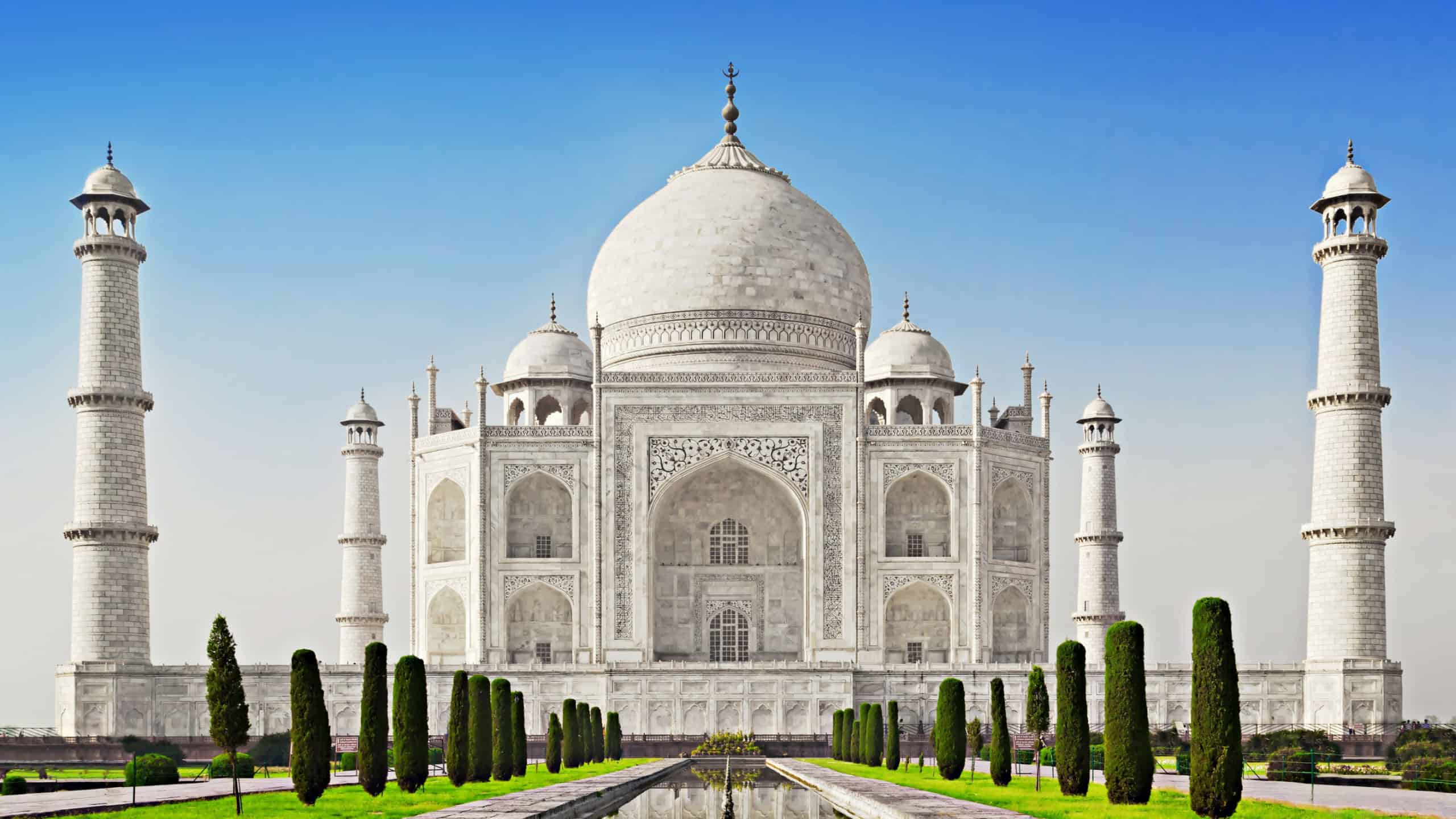
Made to marry for political purposes when they were teenagers, their marriage blossomed into one of history’s great love stories. Mumtaz Mahal was Shah Jahan’s most trusted political advisor, traveling with him during his military expeditions and keeper of the imperial seal.
Upon her death in 1631 while giving birth to their 14th child, Shah Jahan had the Taj Mahal constructed as her mausoleum and spent the next 20 years creating a testament to his sorrow.
Queen Victoria & Prince Albert of Saxe-Coburg and Gotha
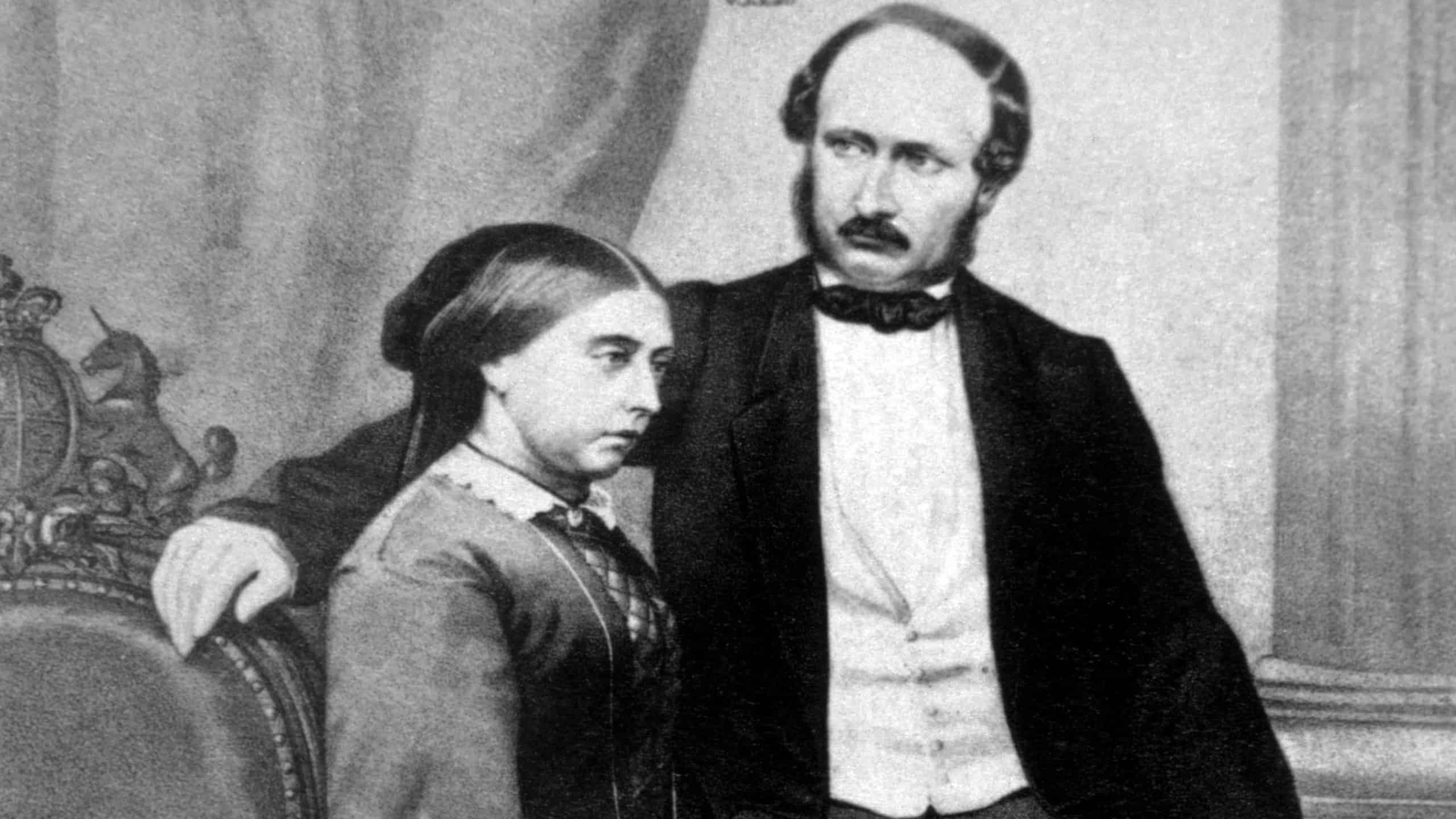
Despite being organized by their mutual uncle, Leopold of Belgium, to benefit the Coburg family’s power, their 1840 marriage became a close personal and political union.
Albert became Victoria’s principal private secretary and political advisor, changing the course of the British monarchy’s involvement in social spheres. Victoria adored him, and after his death in 1861 she continued to wear black mourning clothes for the next 40 years of her life.
Queen Isabella I of Castile & King Ferdinand II of Aragon
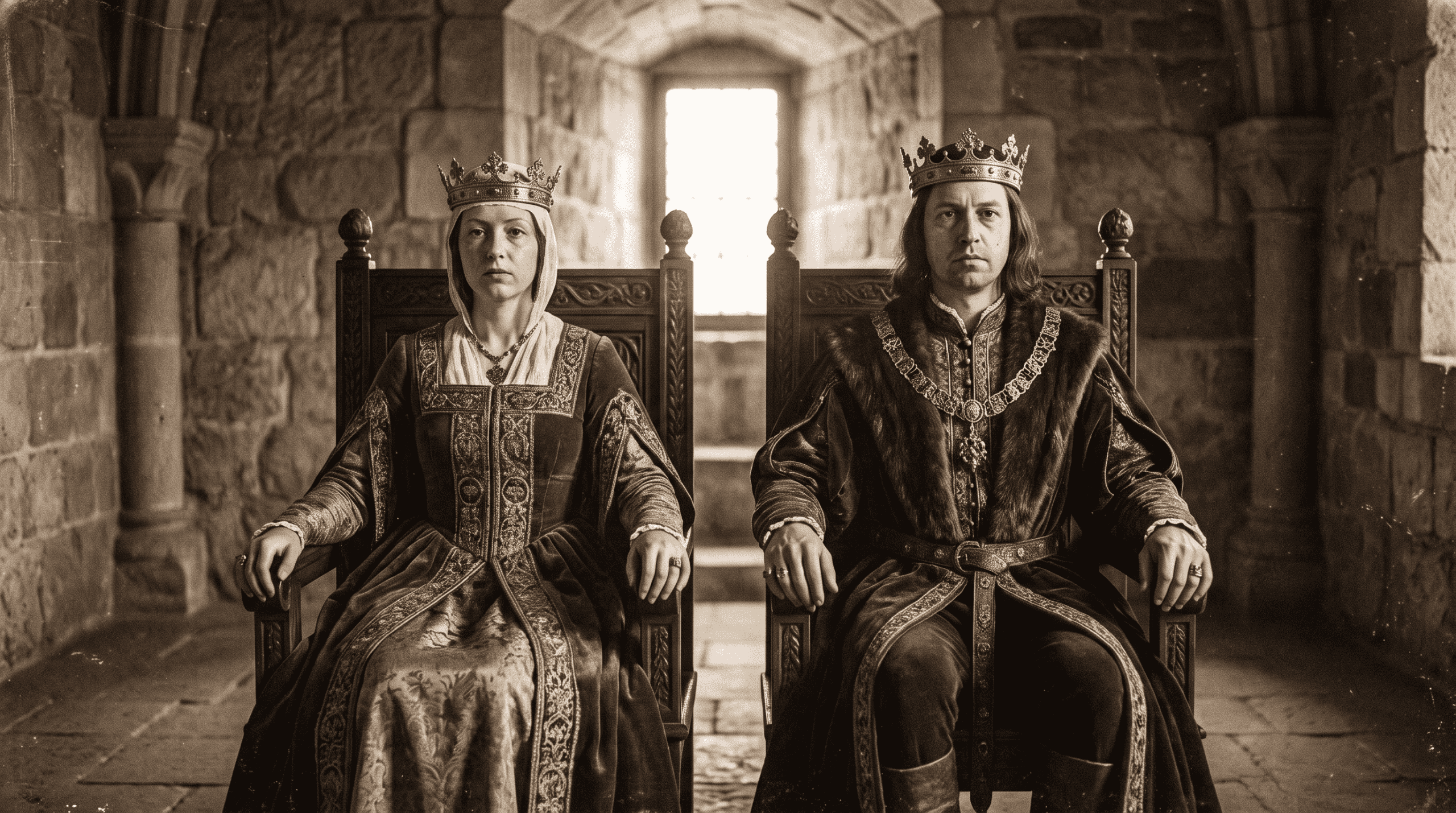
Betrothed in secrecy in 1469, this union of rivals began the formation of modern-day Spain. Under constant political pressure and threats from rivalry, Isabella and Ferdinand became power-sharing equals who respected and depended on each other.
Together they finished the Reconquista, financed Columbus’ 1492 expedition, and established Spain as a world power.
Mary of Guelders & King James II of Scotland
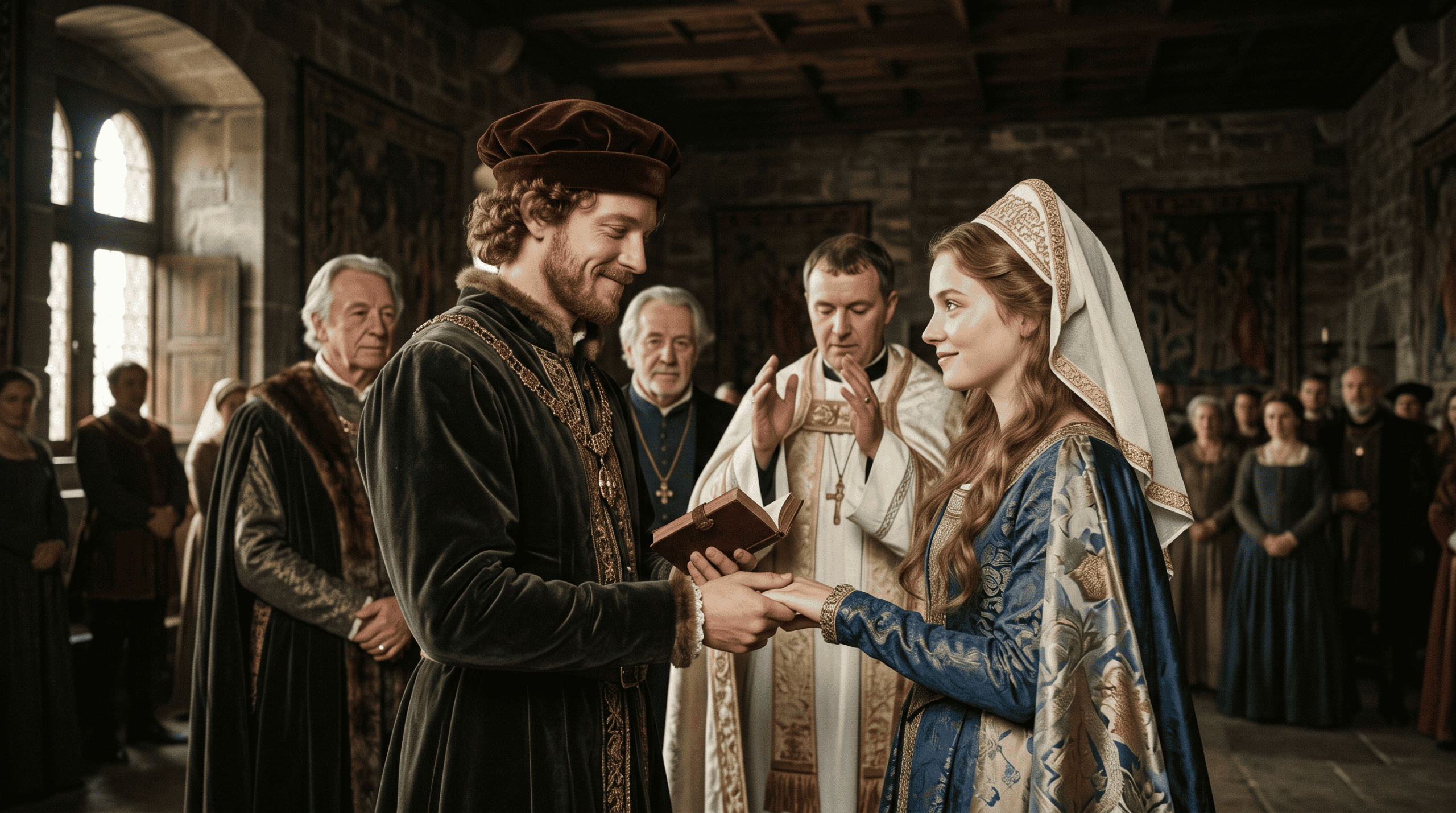
Married in 1449 to secure an important trade and military alliance between Scotland and the Duchy of Burgundy, the match was particularly successful. Mary became adept at navigating Scottish politics and won the intense love and respect of James.
Upon his death by a freak accident from an exploding cannon while besieging a fortress in 1460, Mary became regent to her infant son and continued her husband’s military endeavours whilst steadying the kingdom.
Emperor Qianlong & Empress Xiaoxianchun
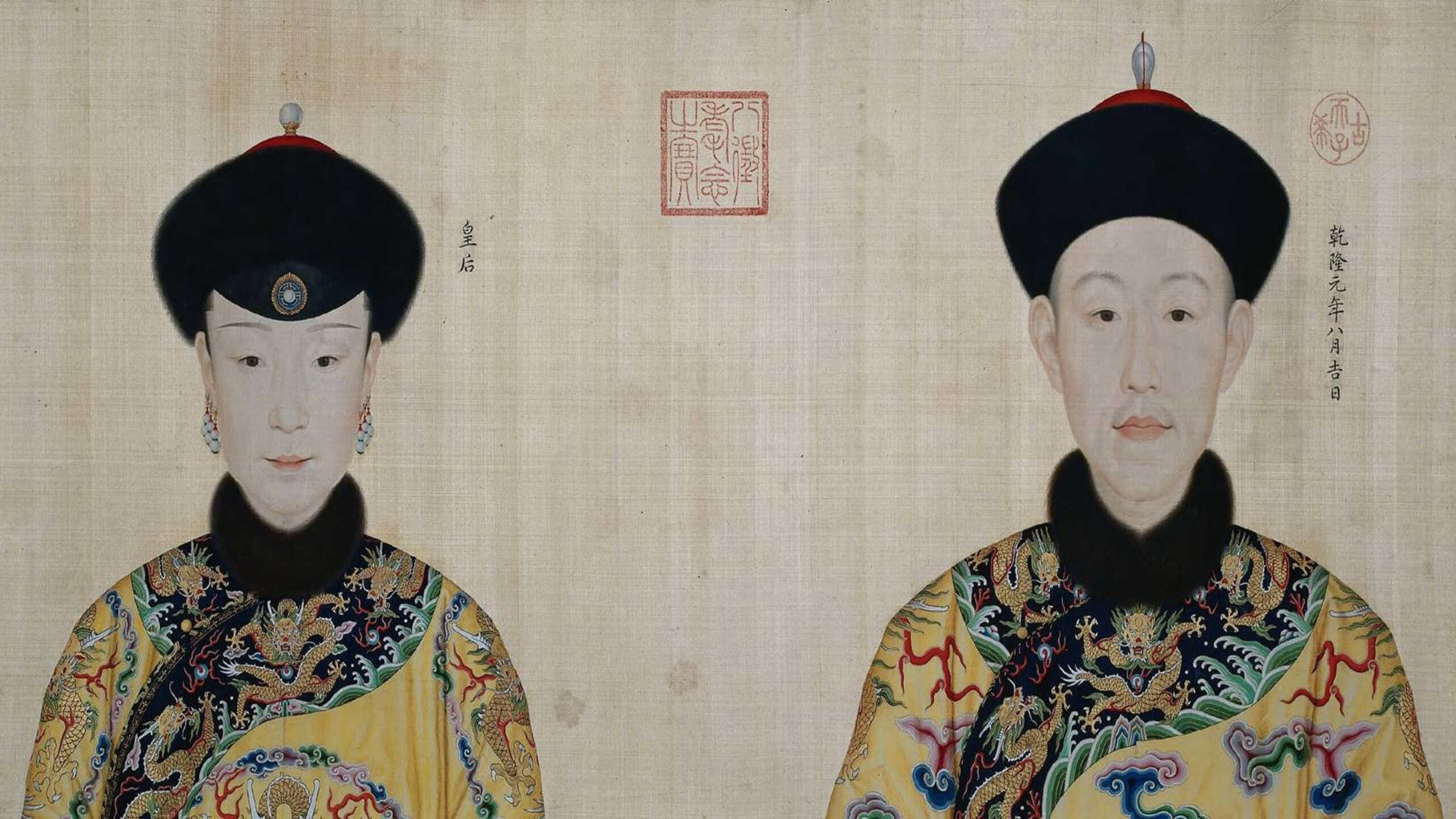
Married when he was a prince and she was a member of the Fuca clan in 1727, she brought stability to the Qing dynasty. The Empress was remembered as modest, wise and soft-spoken, which allowed her to maintain control of the royal household.
Her death in 1748 at age 36 from sudden illness threw the Emperor into a depression and he wrote mournful poems for her for the remainder of his reign.
George V & Mary of Teck
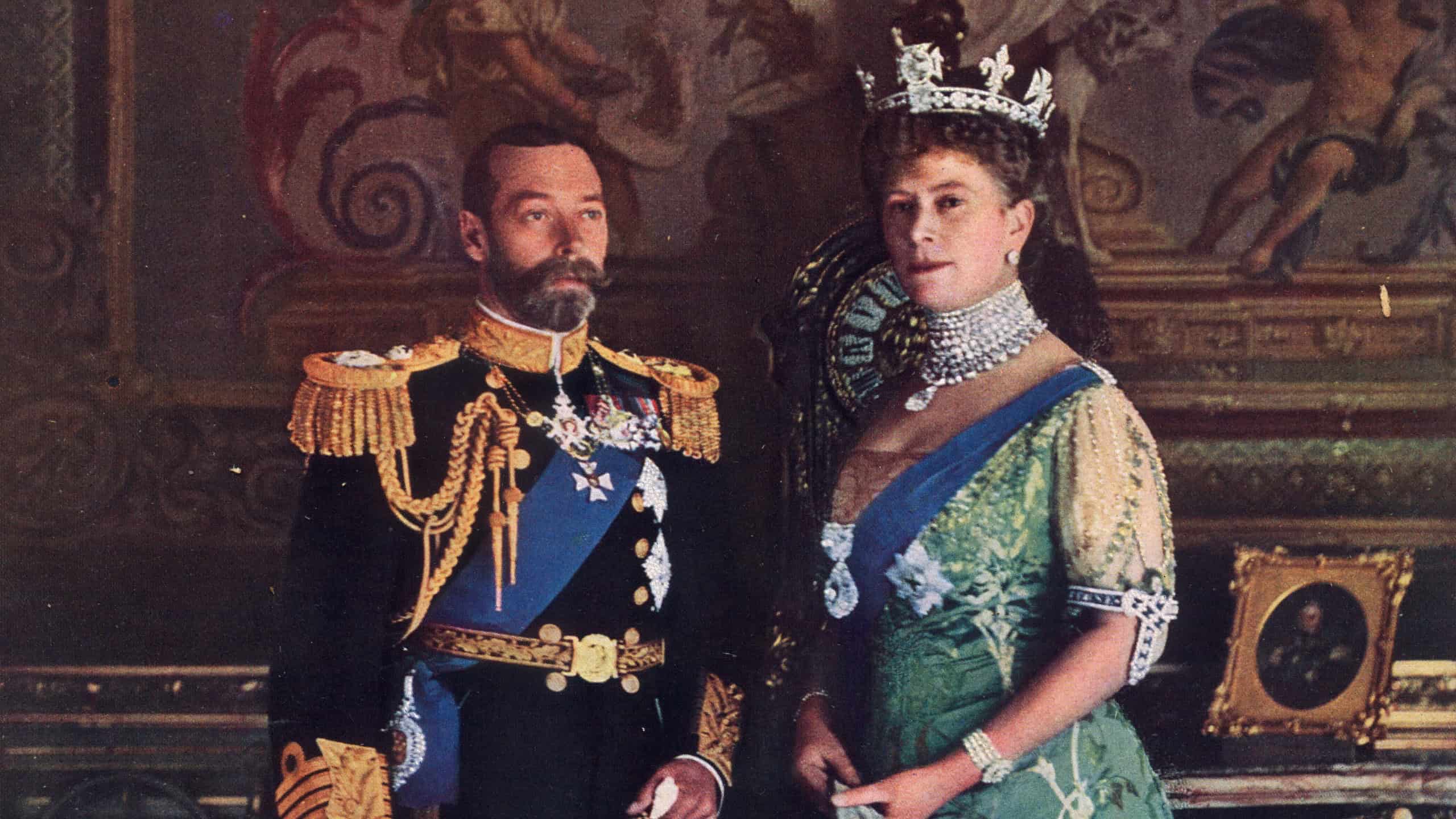
Mary was initially engaged to George’s older brother, Prince Albert Victor. When he died of influenza in 1892, Queen Victoria insisted that George marry Mary to maintain the line of succession.
Married in 1893, they cultivated a strong, intensely loyal love for one another that lasted the rest of their lives. George had 42 years with Mary, and she became his most trusted confidante. She supported him through both the fall of European monarchies during World War I and the modernization of the British Crown.
King Edward I & Eleanor of Castile
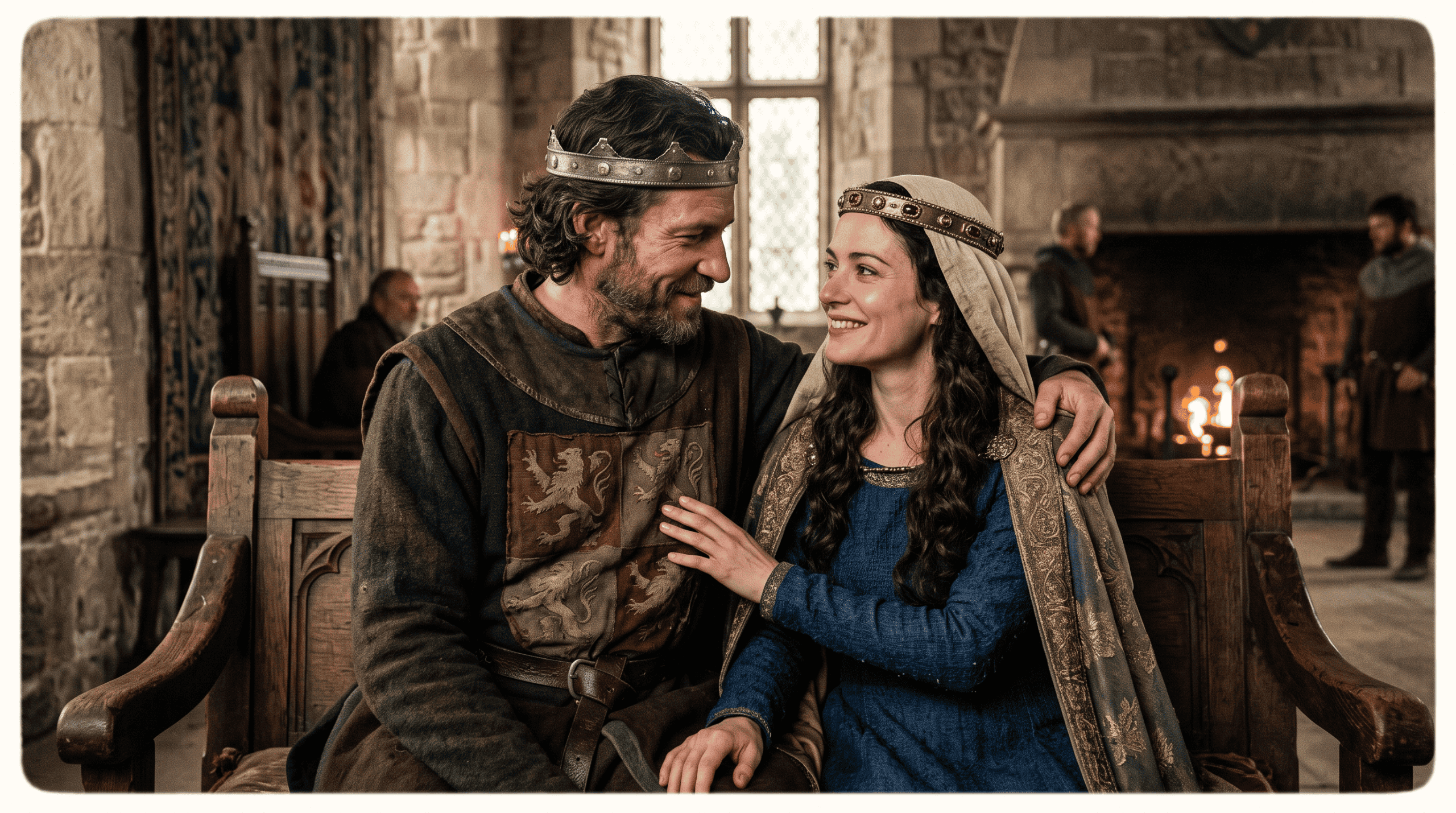
Arranged in 1254 as part of a land dispute settlement between England and Spain, theirs became one of history’s most romantic medieval love stories. Eleanor accompanied Edward everywhere, including on a crusade to the Holy Land.
Upon Eleanor’s death in 1290, a heartbroken Edward commissioned twelve lavish stone monuments (known as the “Eleanor Crosses”) at every location where Eleanor’s funeral procession paused on its way to London.
Henry VII & Elizabeth of York
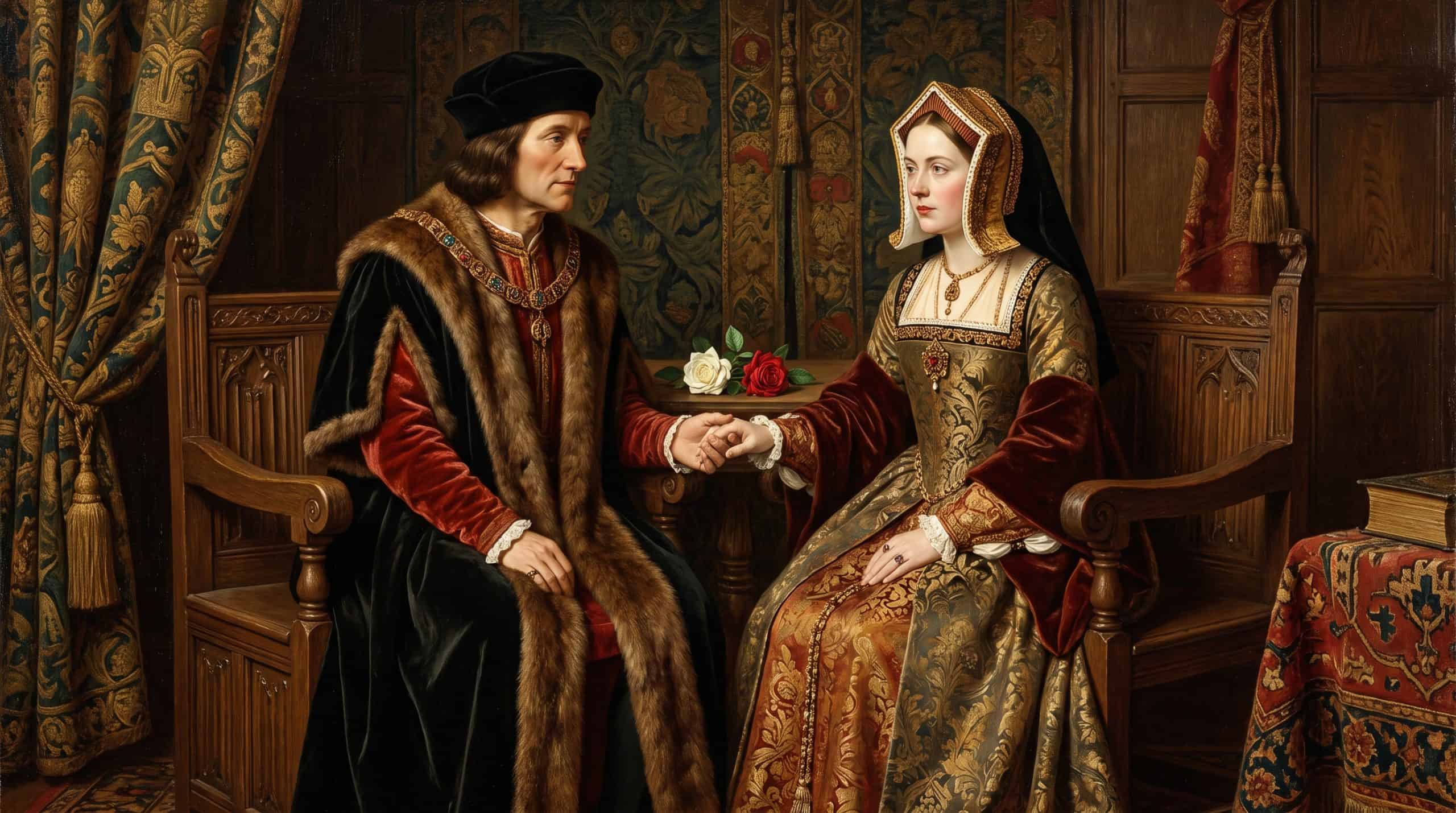
Negotiated in 1586 as a means to bring the feuding houses of Lancaster and York to peace, this dynastic marriage brought an end to the Wars of the Roses.
Initially arranged solely to strengthen Henry’s claim as king, theirs became a loving and truly devoted relationship. Henry broke with precedent and kept no royal mistress. Grief-stricken when Elizabeth died in 1503, Henry fell seriously ill, retired from public life, and remained a widower.
Sources: Please see here for a complete listing of all sources that were consulted in the preparation of this article.
Like our content? Be sure to follow us.