
Modifying your vehicle can be done legally in Canada, but there are modifications that break provincial laws, which could get you fined, inspected or pulled over.
Window tinting
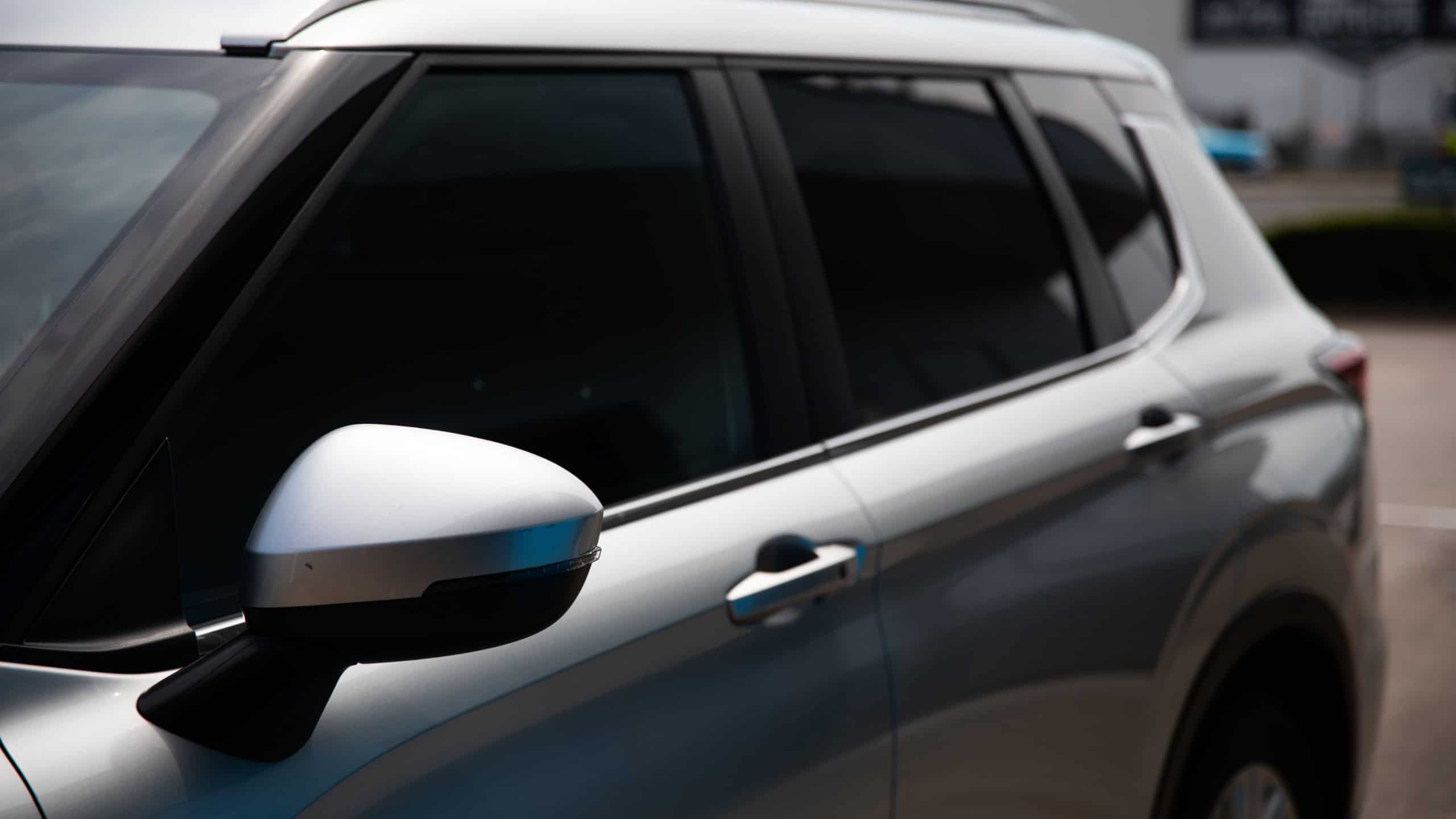
You can technically tint your rear side windows and back windshield as dark as you’d like. Front-side windows (driver and passenger side), however, are extremely regulated.
Aftermarket window films of any kind are illegal on the front-side windows in provinces like BC and Ontario. In Quebec, you must allow 70%+ of light to pass through. This law was put into effect so police officers have a clear view of the driver and the driver can see clearly during dark, rainy nights.
Straight-piped exhausts
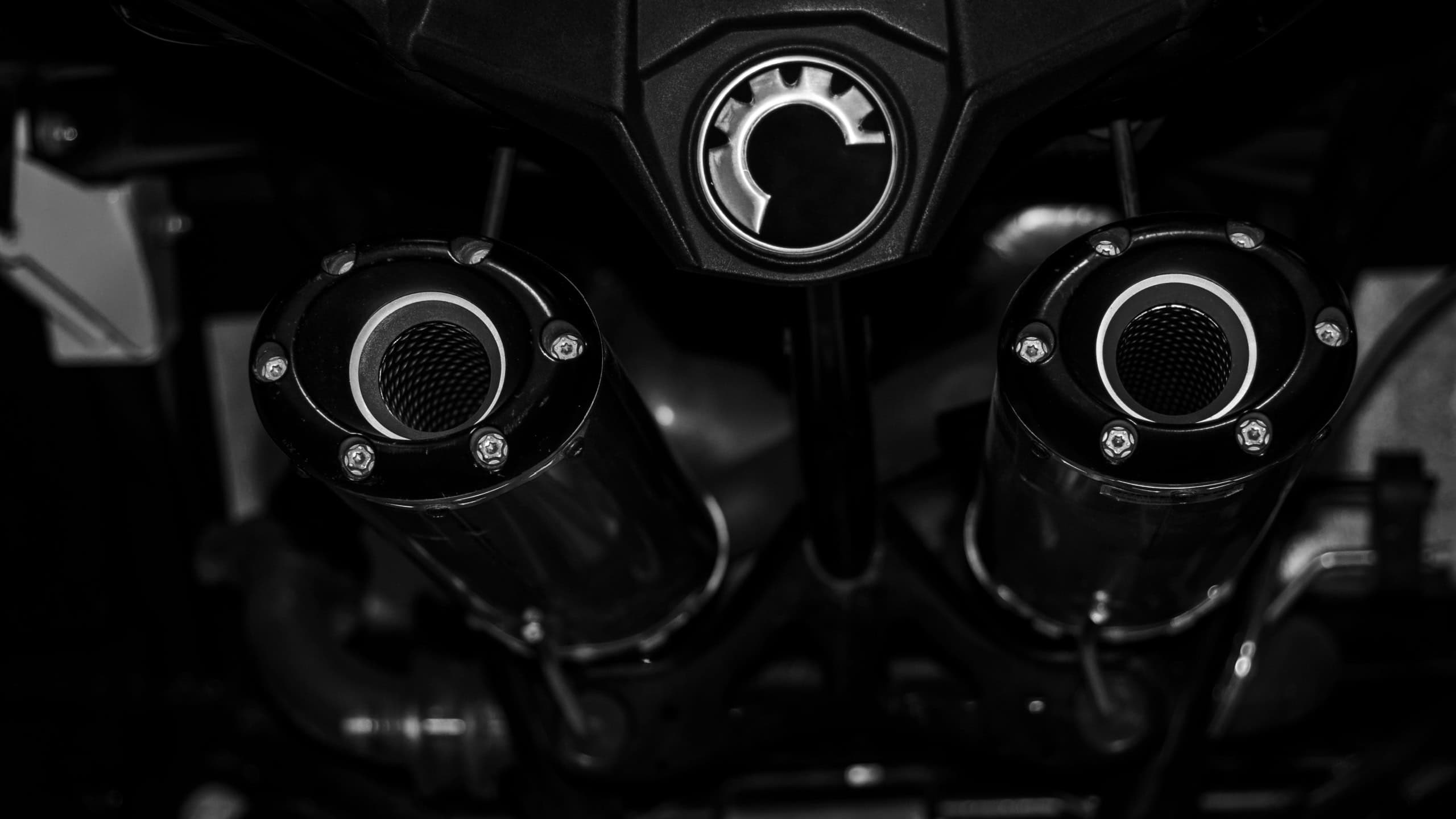
Swapping your muffler for either a straight pipe or any system that amplifies the sound your vehicle produces is an easy way to get pulled over. Provincial laws state that your exhaust must be securely mounted to your vehicle, free of leaks, and no louder than the original stock muffler your vehicle came with.
If your vehicle sounds like a jet taking off while driving down your residential street, you’re breaking local noise bylaws and provincial health/safety acts.
Plate covers
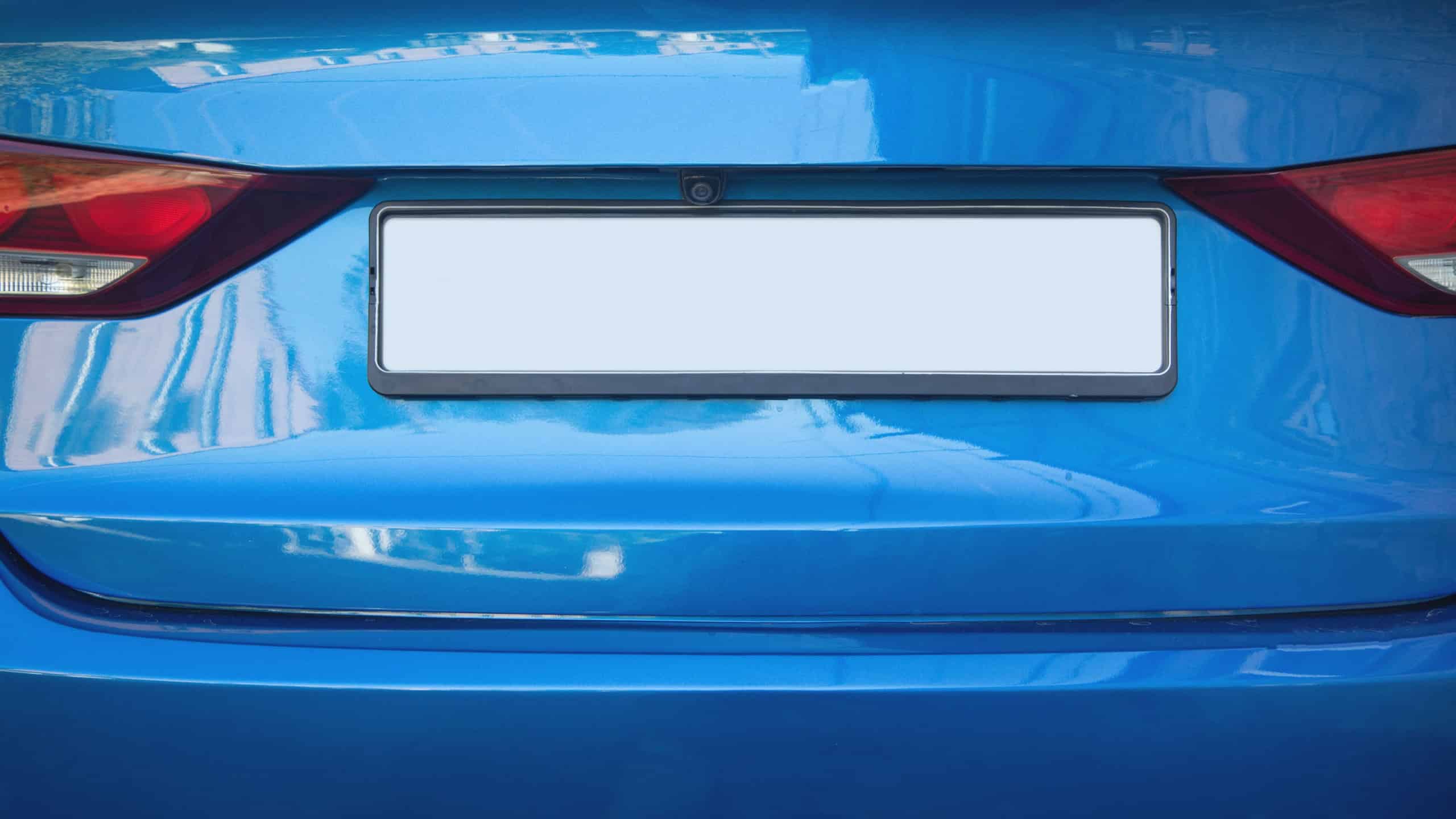
Those smoked, cloudy, or heavily tinted plastic license plate frames look sleek, but you can’t drive with them. According to Canadian legislation, both your front and back plates need to be visible from all angles and easily readable. A reflective cover, deliberate obstruction of the numbers or tinting on the plate will get you a quick ticket.
Suspension lifts
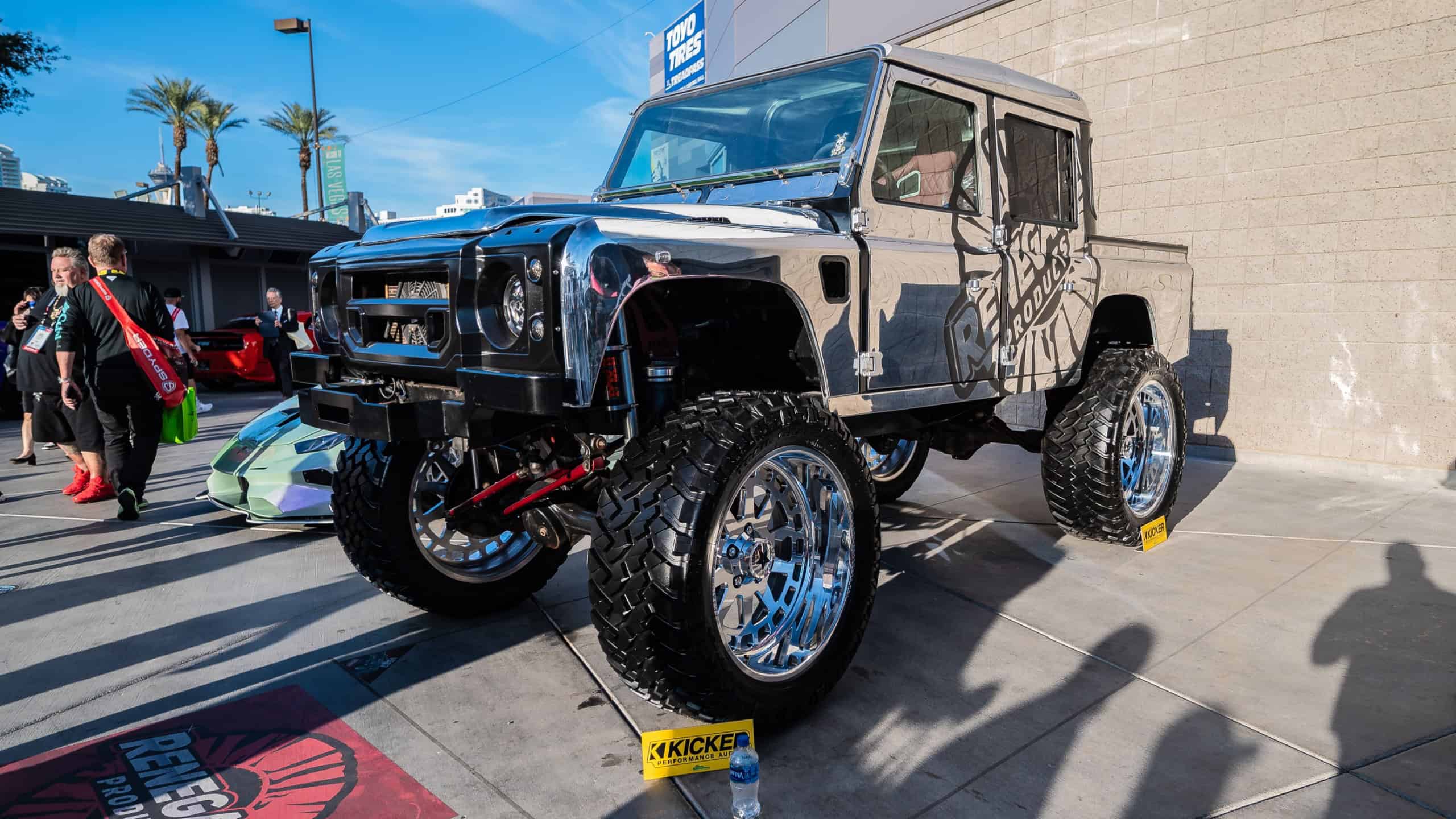
Every province has strict laws regarding how high you can ride. A vehicle’s suspension cannot be raised or lowered more than 10cm (4 in) from how the manufacturer originally intended it to sit. Lift kits that exceed this limit create unsafe driving conditions by drastically changing your vehicle’s centre of gravity, compromising its stability and creating gigantic blind spots where pedestrians disappear.
Excessive lowering
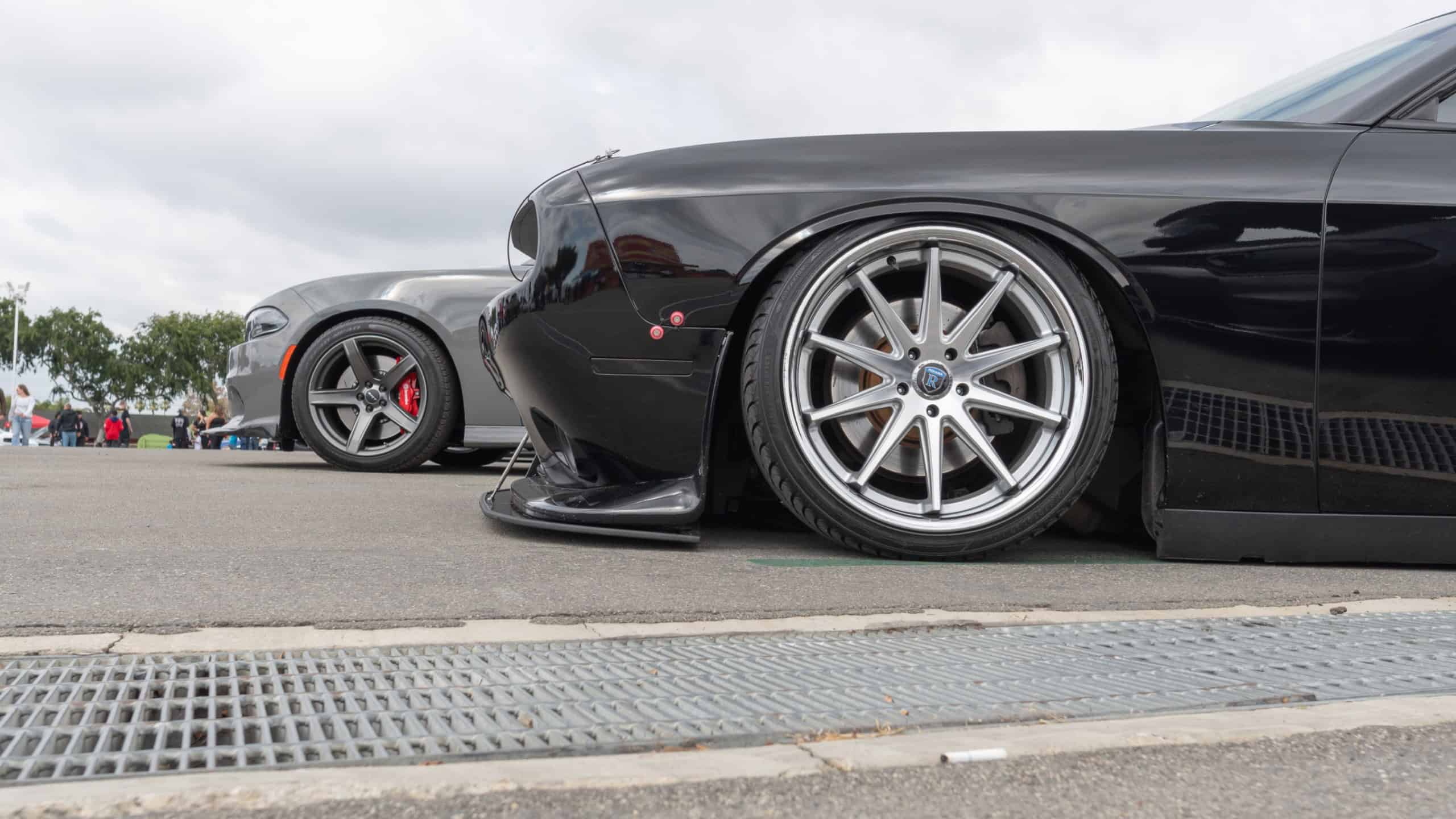
Lowering your vehicle too close to the asphalt is just as illegal as lifting it beyond allowable limits. In order for a dropped vehicle to be considered street legal, it must have enough ground clearance (typically around 10cm) to prevent any part of the vehicle’s body or undercarriage from dragging on the road during normal operation.
Additionally, it’s illegal to cut or heat your factory springs in order to achieve the drop.
Protruding tires
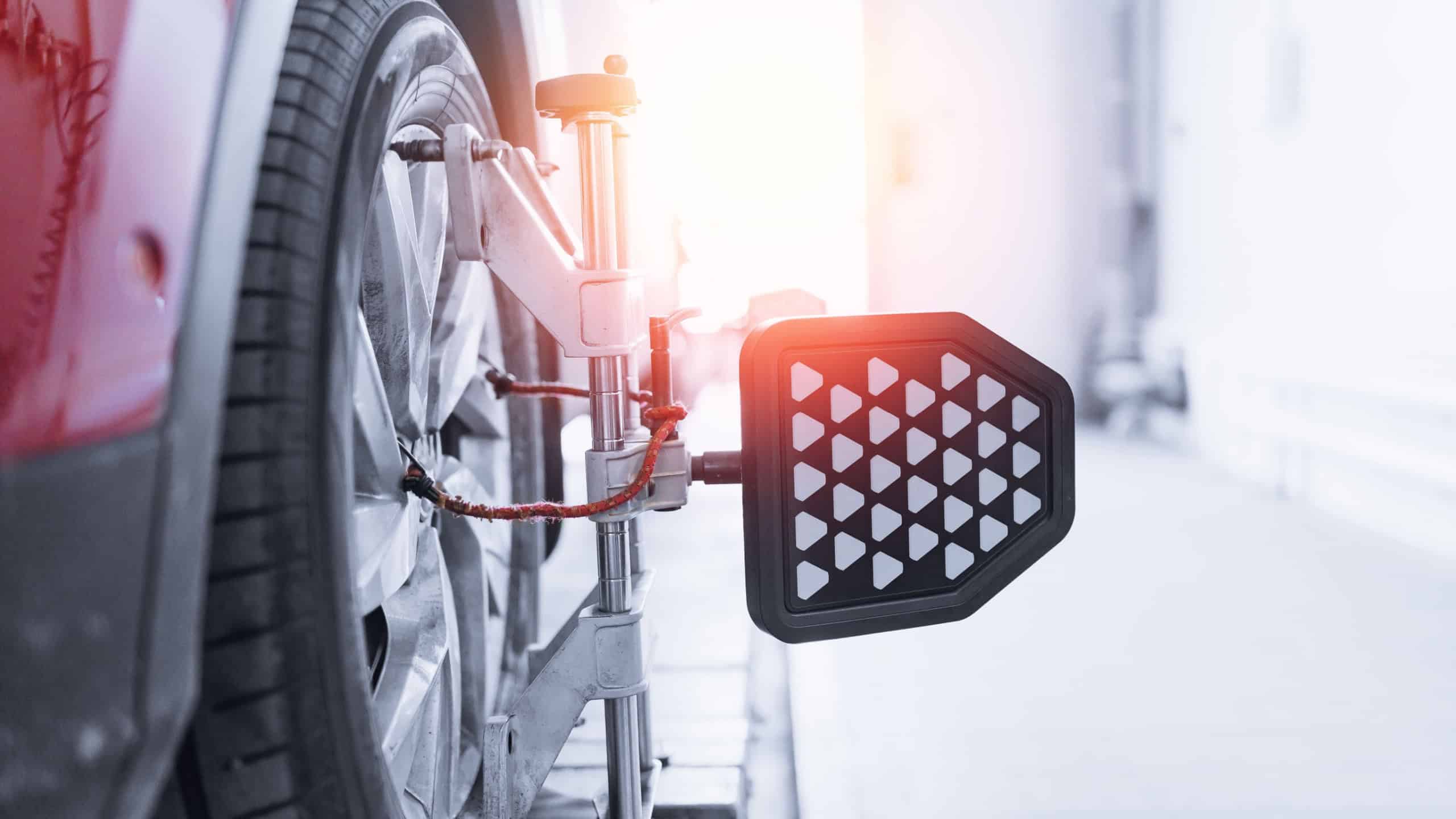
Installing huge, wide wheels looks tough, but running tires that extend beyond the width of your car’s bodywork is illegal.
Tires that extend outside of your wheel wells kick up stones, mud, and debris into the faces of motorists behind you. Should you choose to run wide tires, you must also purchase and install corresponding fender flares to fully enclose them.
Nitrous oxide
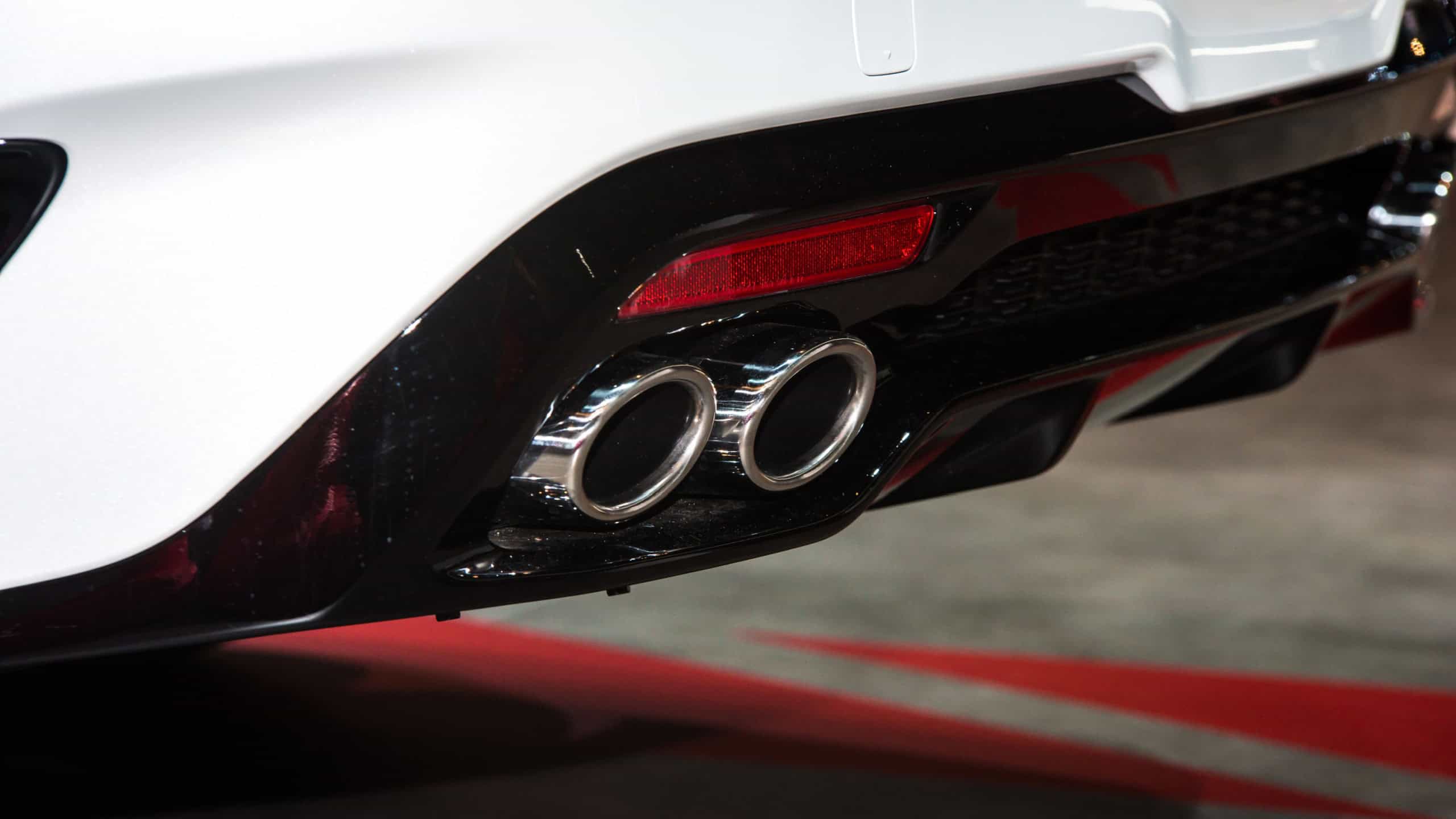
Pushing your Fast & Furious fantasies should be strictly a track-only endeavor. You can not legally drive any vehicle on Canadian public highways if it has an enabled nitrous oxide system.
Not only do the high-pressure canisters present an incredible risk of explosion to first responders if there’s a crash, but unintended acceleration makes your car wildly unsafe to operate on public roads.
Colored lights
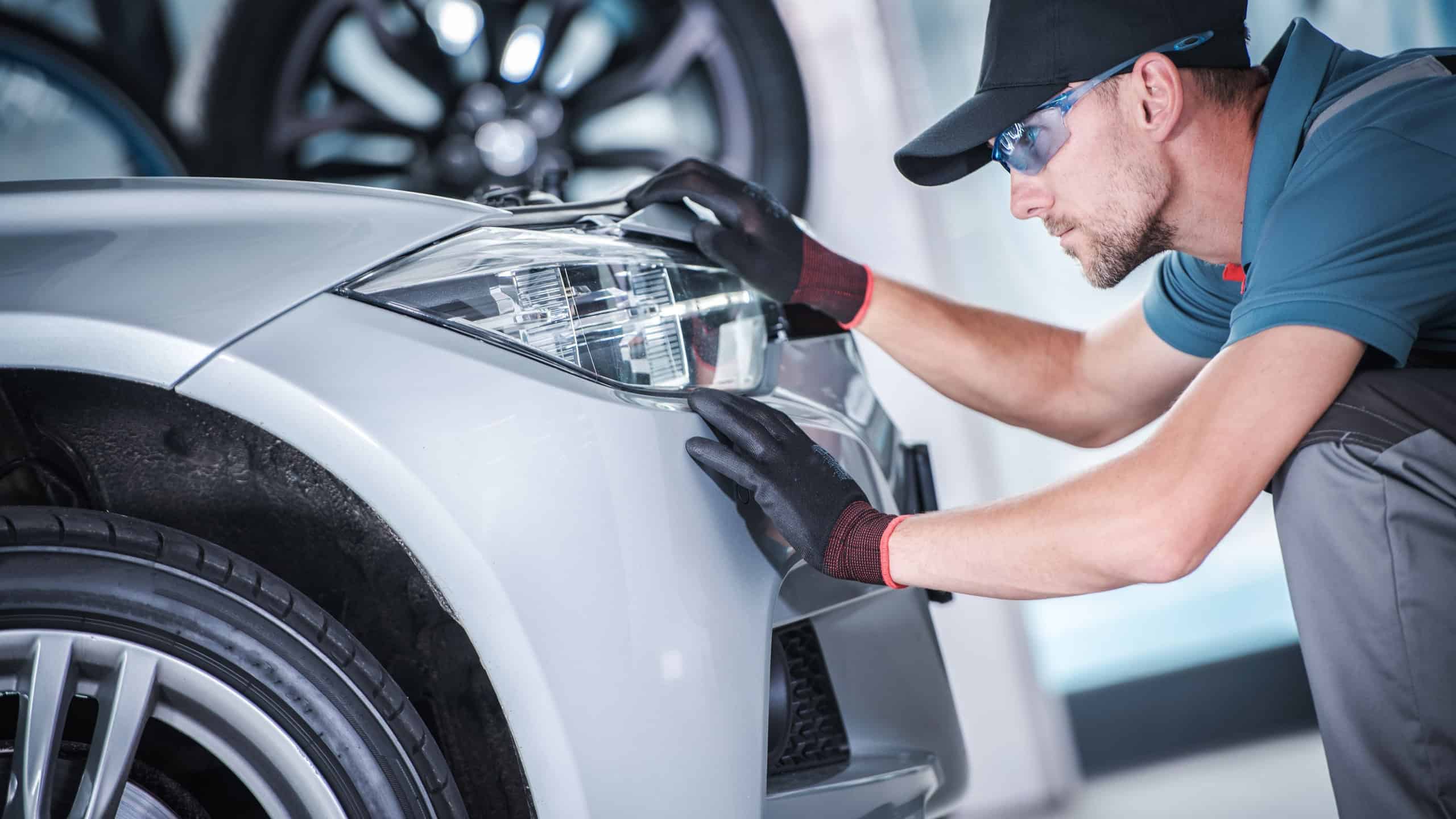
Custom lighting is another huge legal grey area that will almost always result in a ticket. Underglow kits are legal, but you must have them turned off while the vehicle is being operated on public streets.
You can also not drive around with your headlights, daytime running lights, or accent lights switched to blue, red, or green. Those colours are reserved for emergency vehicles only.
Airbag removal
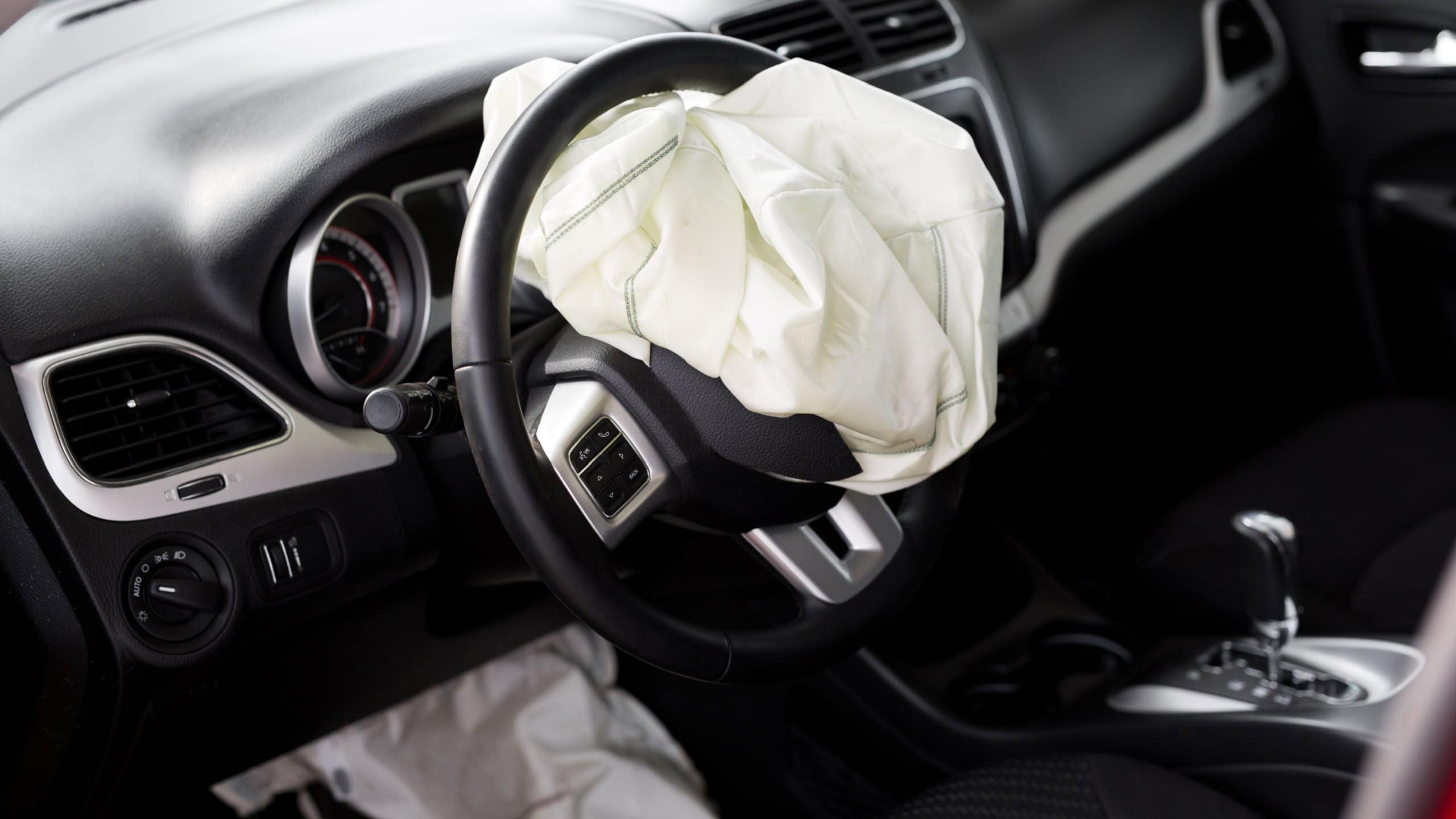
Replacing your factory steering wheel with an ultra-sleek aftermarket racing wheel might seem awesome, but if you have to deactivate or remove your factory airbag to do it, it’s completely illegal to use on public streets.
Under the Motor Vehicle Safety Act, vehicles with deactivated or removed mandatory OEM safety equipment (airbags, seatbelts) are considered not roadworthy and subject to some of the highest penalties ($300-$600 in some provinces).
Light bars
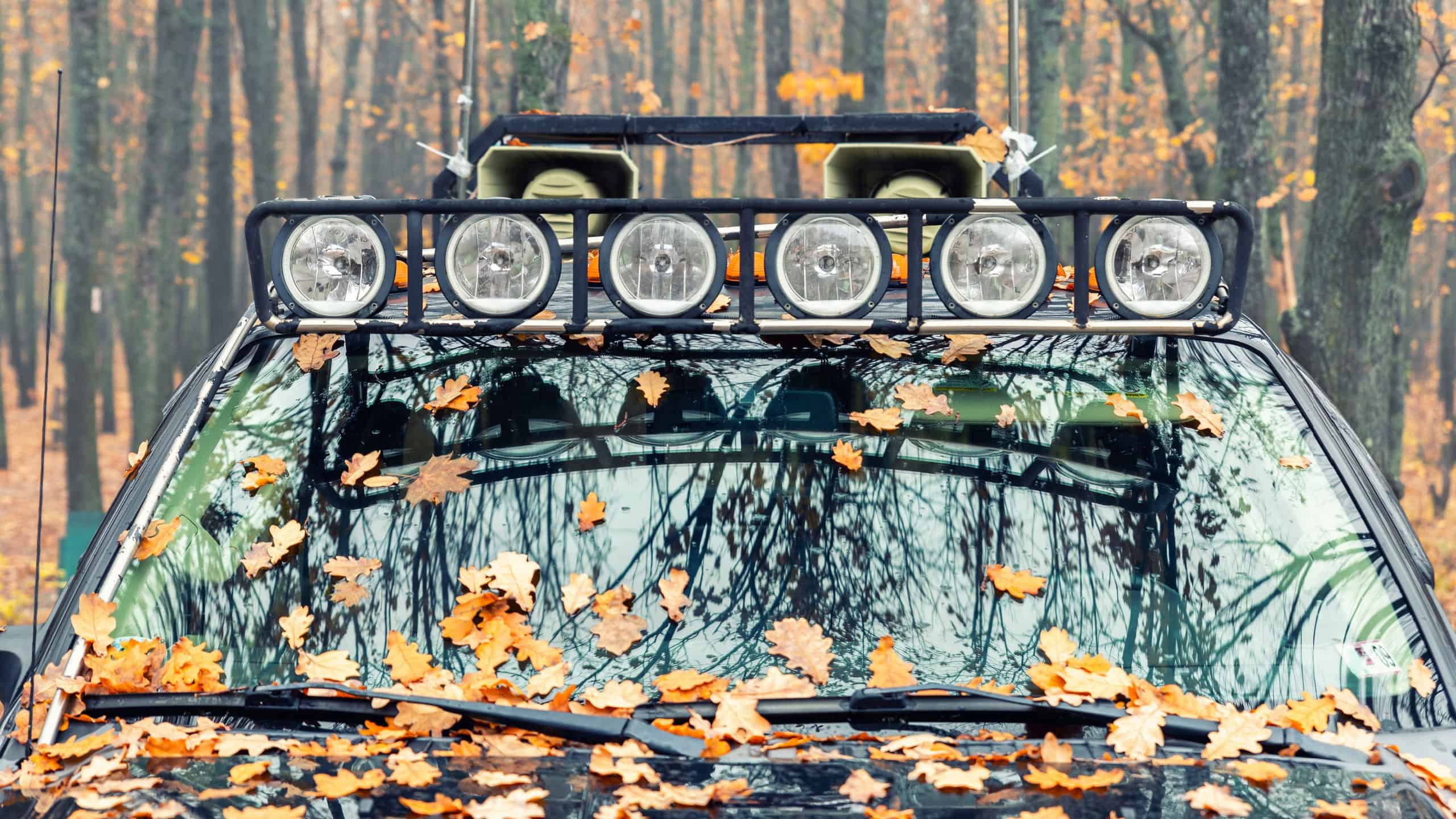
A high-intensity LED light bar might be okay for off-roading in the woods, but it’s illegal because they blind drivers on public roadways.
If you happen to have auxiliary off-road lights mounted to your bumper or roof rack, you must use an opaque solid cover on them at all times when on public roads in Canada.
Converter deletes
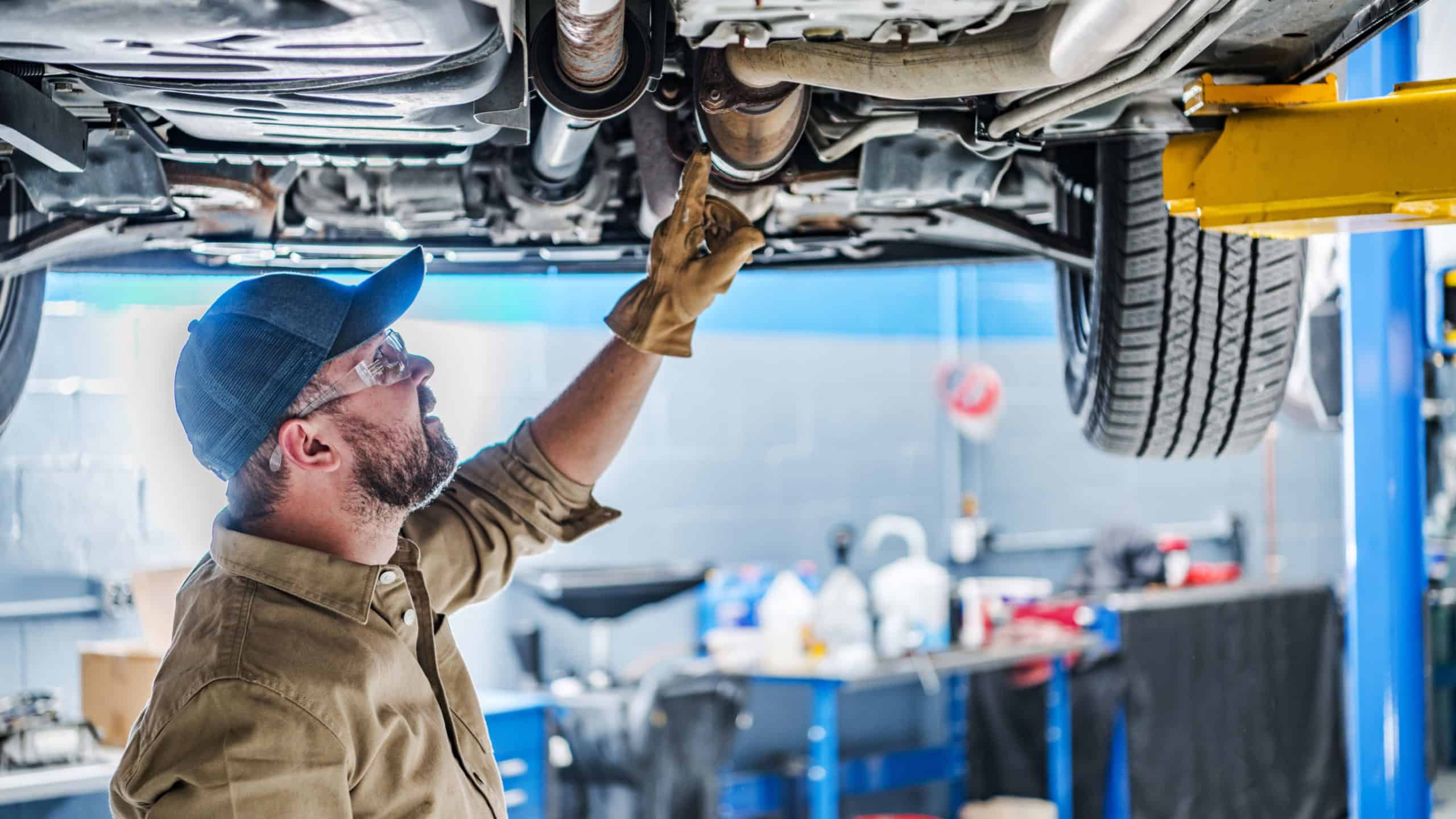
Tampering with or removing your catalytic converter to gain a few extra horsepower or a louder exhaust note is illegal under provincial safety statutes as well as federal environmental regulations.
Tampering with emissions-control equipment means your vehicle is emitting unchecked pollutants into the atmosphere, and any police officer or vehicle inspector who detects the scent of unburnt fuel will have your vehicle towed immediately.
Sources: Please see here for a complete listing of all sources that were consulted in the preparation of this article.
Like our content? Be sure to follow us.