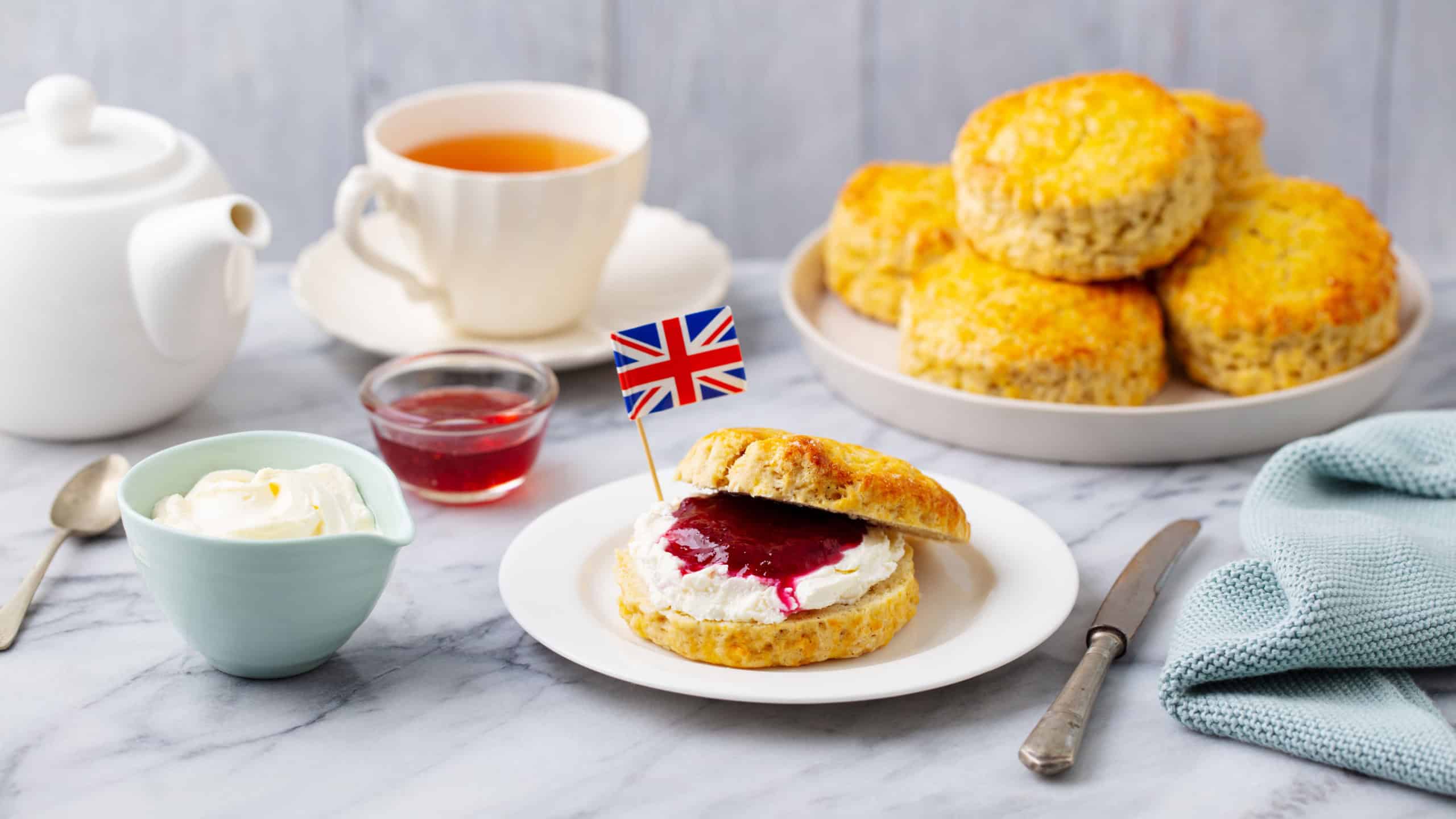
The British royal family enjoys plenty of great food, but some everyday favourites are rarely, if ever, found on the royal menu.
Shellfish
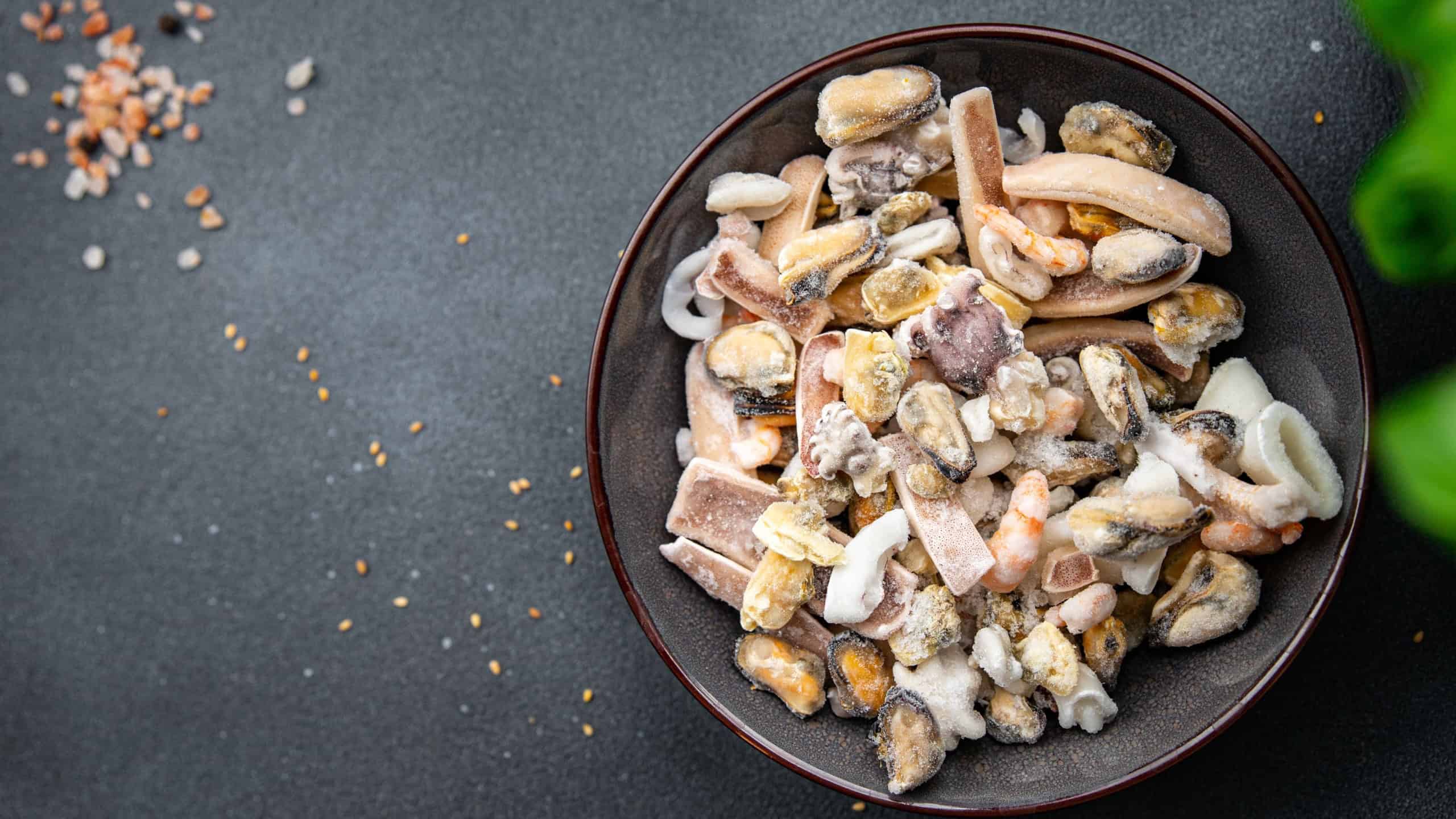
Shellfish of any kind (oysters, clams, mussels, crab, etc.) are number one on the don’t-eat list. Members of the royal family won’t consume them while traveling or at official public events. There’s an extremely high chance of food poisoning when it comes to shellfish, and a sudden bout of illness from some bad oysters can quickly ruin a very planned-out royal international tour or big state dinner.
Foie gras
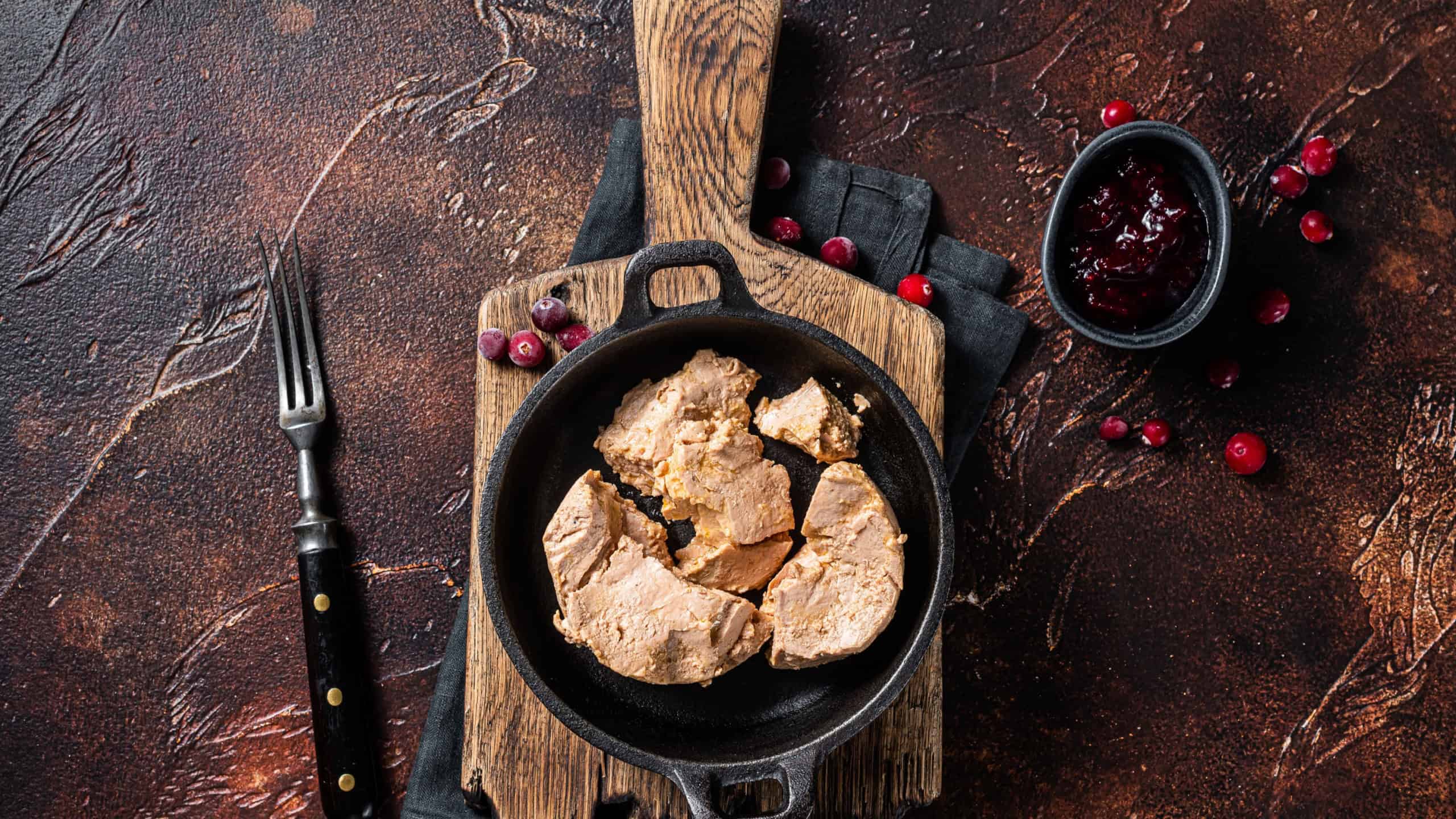
This controversial French dish is banned from all royal households due to concerns over animal welfare. King Charles III is a well-known conservationist and ethical farming advocate and officially banned foie gras from all royal households years ago.
The Royal kitchens are not allowed to buy or serve the force-fed liver of ducks or geese under any circumstances.
Garlic
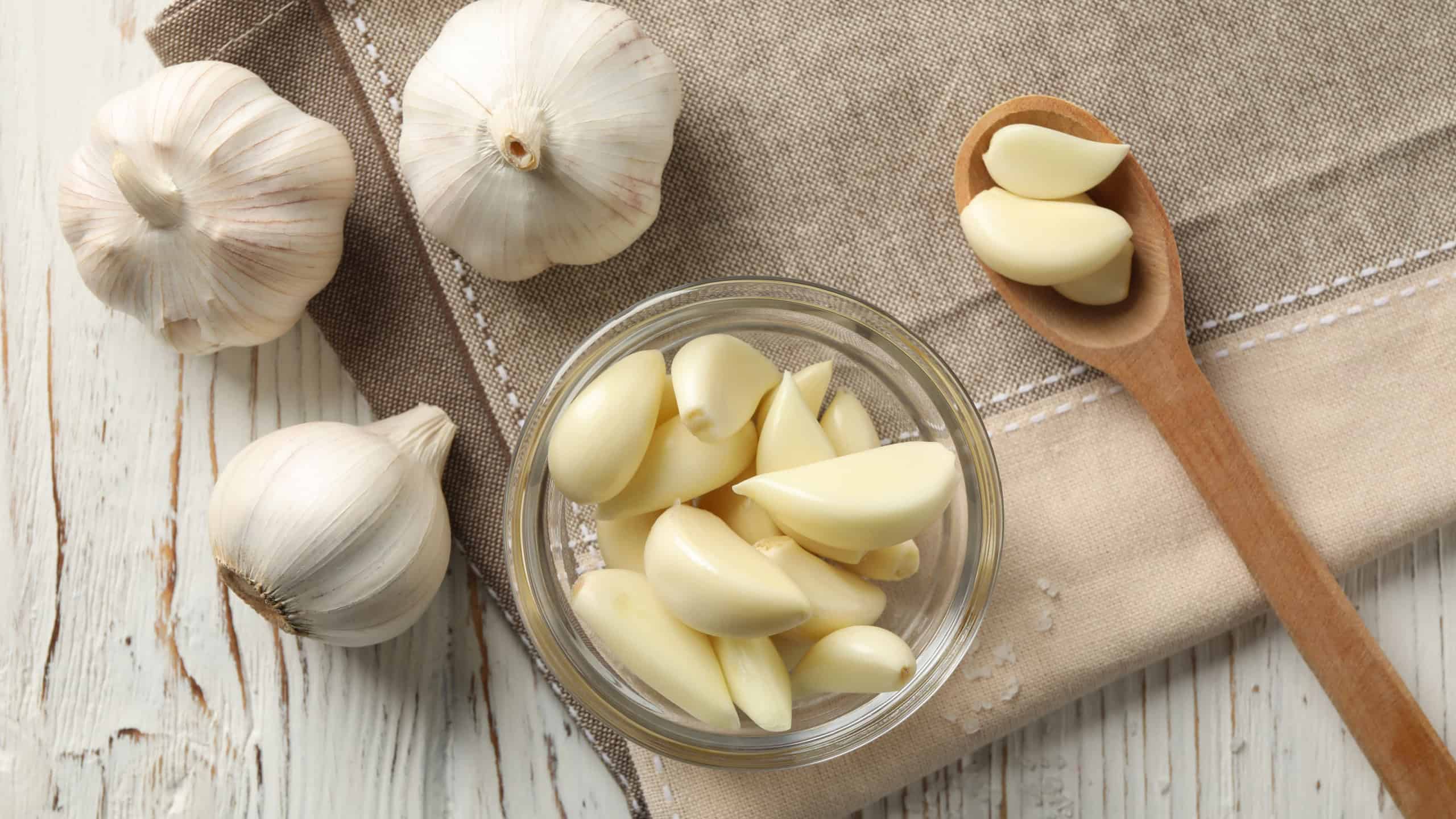
You will never see a garlic-heavy dish at a royal dinner or family meal. As members of the royal family routinely interact with hundreds of visiting dignitaries, world leaders, and citizens face-to-face for hours on end, bad breath is a breach of etiquette.
Former royal chefs have stated that garlic is banned in cooking to ensure all interactions are pleasant.
Onions
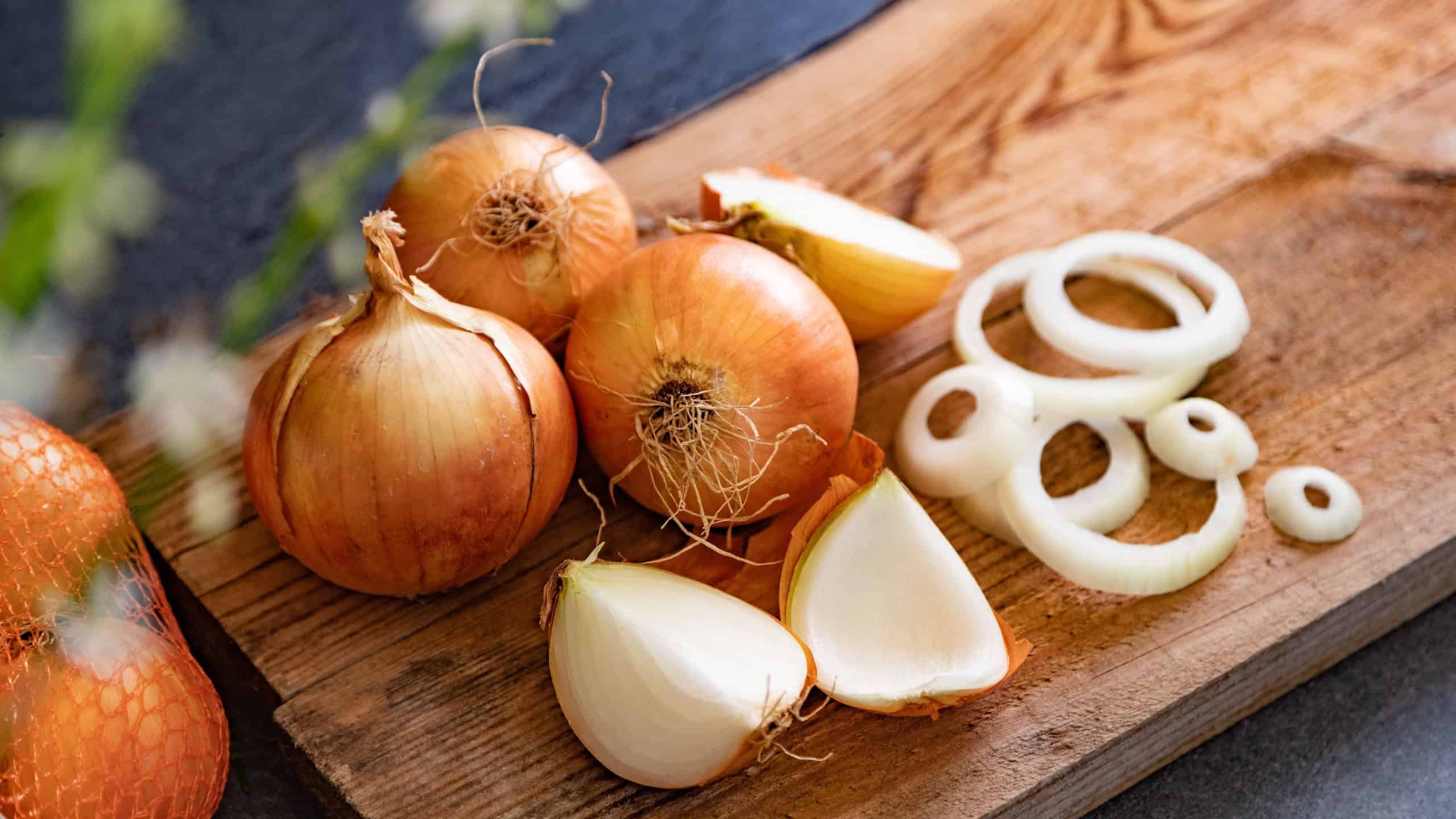
Similar to garlic, raw onions and dishes with heavy-handed onion flavors are absolutely forbidden in the palace kitchen for the same olfactory reasons.
A small amount of cooked onion can be added to build background flavor in a soup or stock, but you will never find raw onion rings, onion gravy, or visible pieces of onion served on a royal plate.
Rare meat
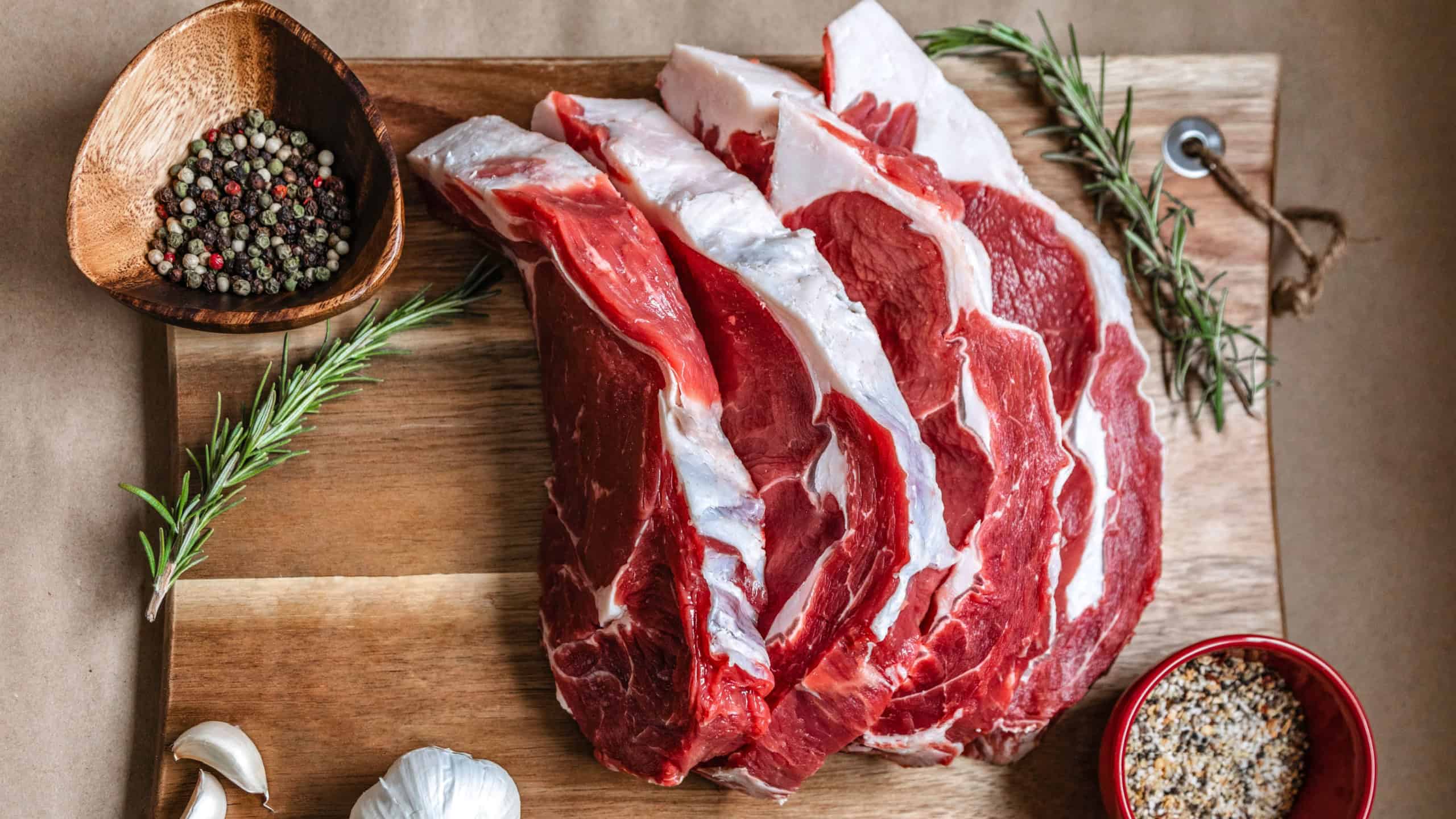
While most of us enjoy a good, thick steak cooked rare or medium-rare, the royal family requires that all of their meat be cooked to a safe, medium- well done temperature.
This is another rule to prevent the consumption of harmful bacteria or potential food poisoning during a public event.
Raw fish
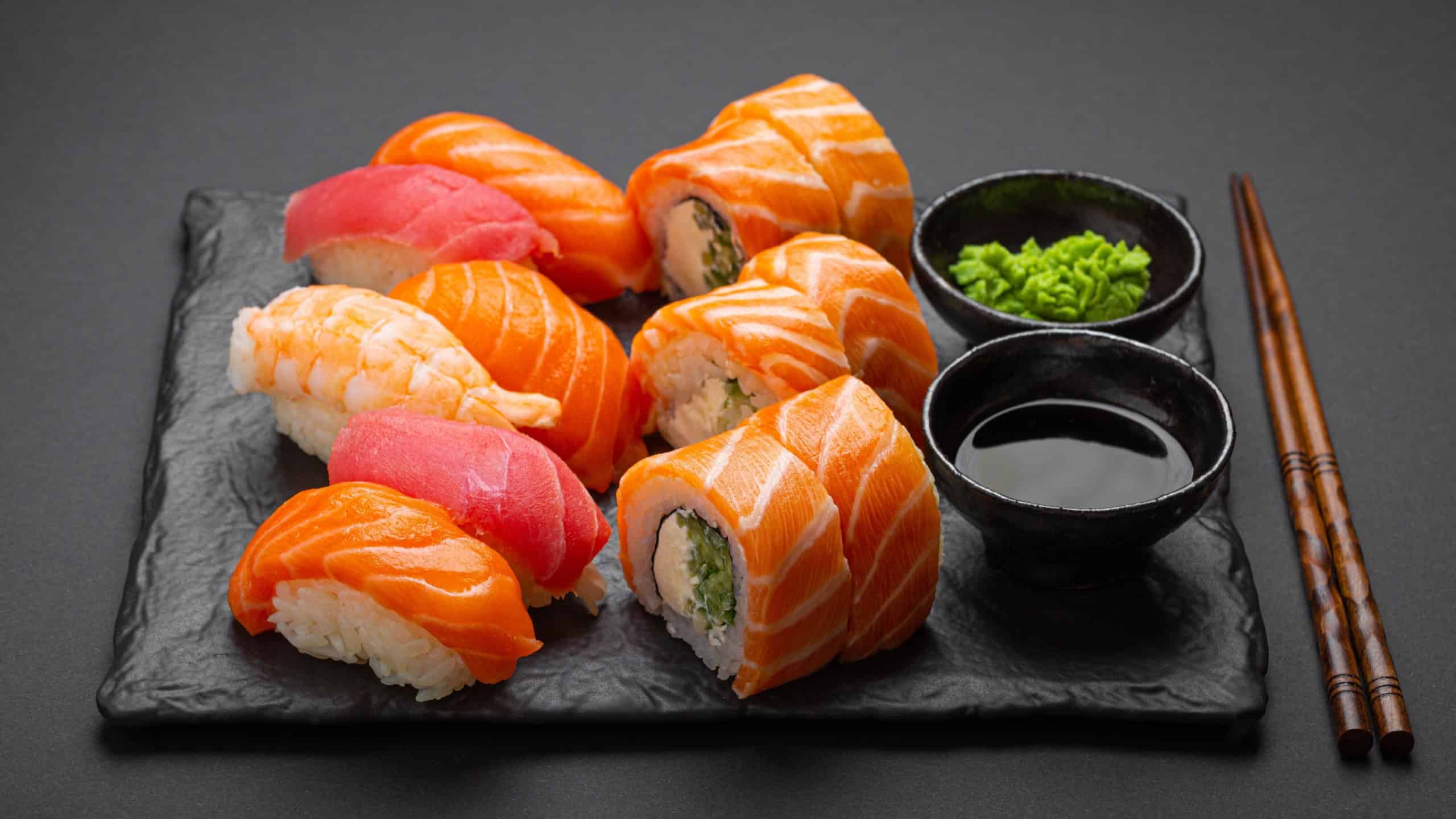
Sushi, sashimi, or raw ceviche are also kept away from the royal table. Because of the uncertainties that surround raw fish, there is too much risk of sickness that could interrupt their tight schedules.
The royal kitchen only uses cooked seafood, such as poached salmon and baked sea bass.
Foreign tap water

Members of the royal family never drink local tap water when they’re abroad on official state duty. They stick to packaged, sealed bottles of mineral water at all times.
This is so they don’t ingest any foreign bacteria that could cause traveler’s diarrhea/stomach bugs. That means they won’t even order drinks with ice cubes made from foreign tap water.
Messy pasta
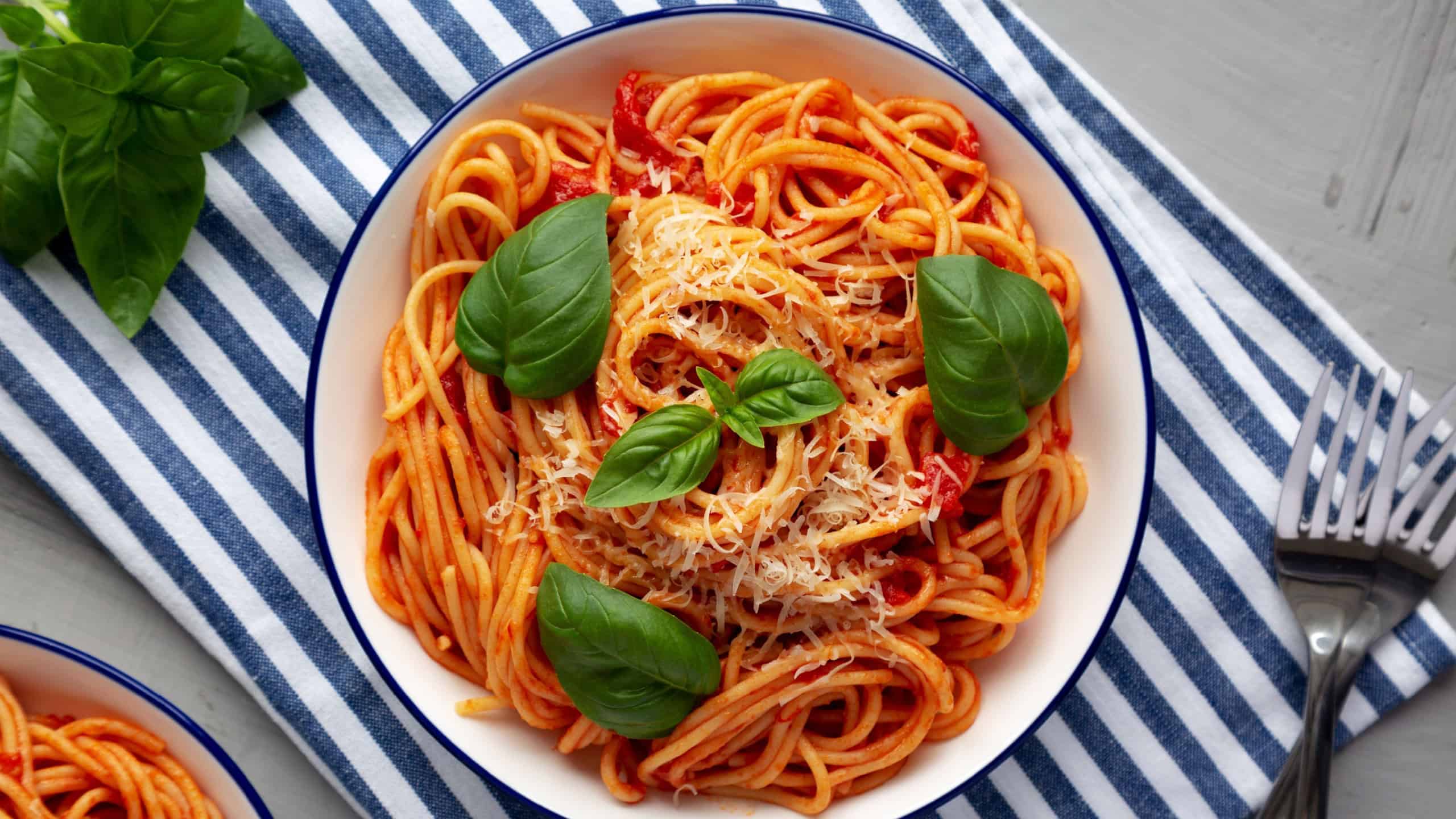
Pasta dishes with long noodles like spaghetti, fettuccine, or linguine are avoided at all formal functions. Twirling long pasta near cameras comes with too great a risk for sticky noodle droplets, sauce stains, and awkward meal snapshots. When pasta is on the menu, it will always be a small, bite-sized shape.
Square sandwiches
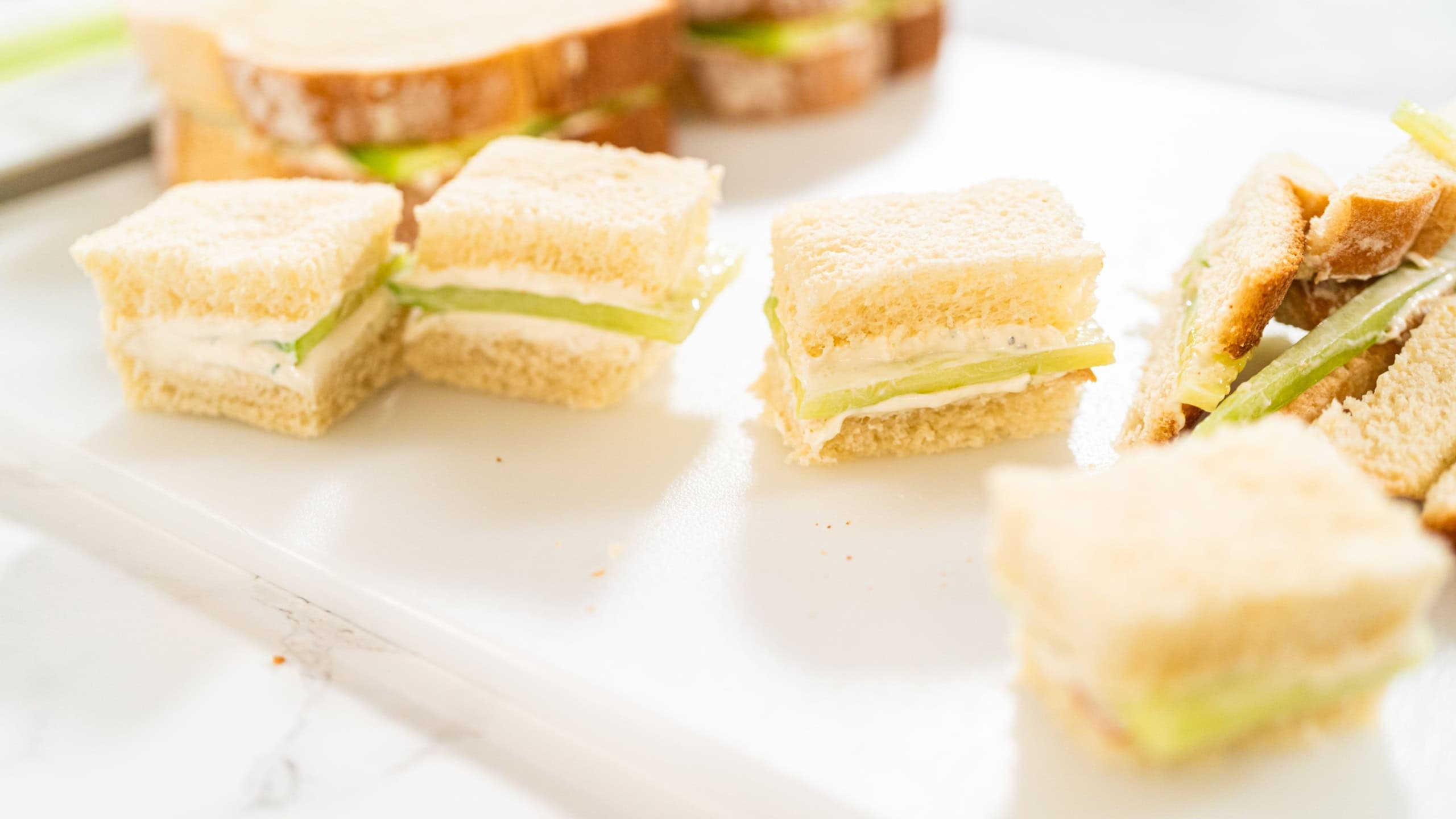
Under a quirky, old royal rule from Queen Victoria’s time, sandwiches eaten with afternoon tea should never be cut into squares or rectangles.
It’s considered bad luck; anyone serving food with sharp edges is wishing ill fortune upon the monarchy. Palace tea sandwiches are always cut into neat circles or oblong finger shapes.
Bread crusts
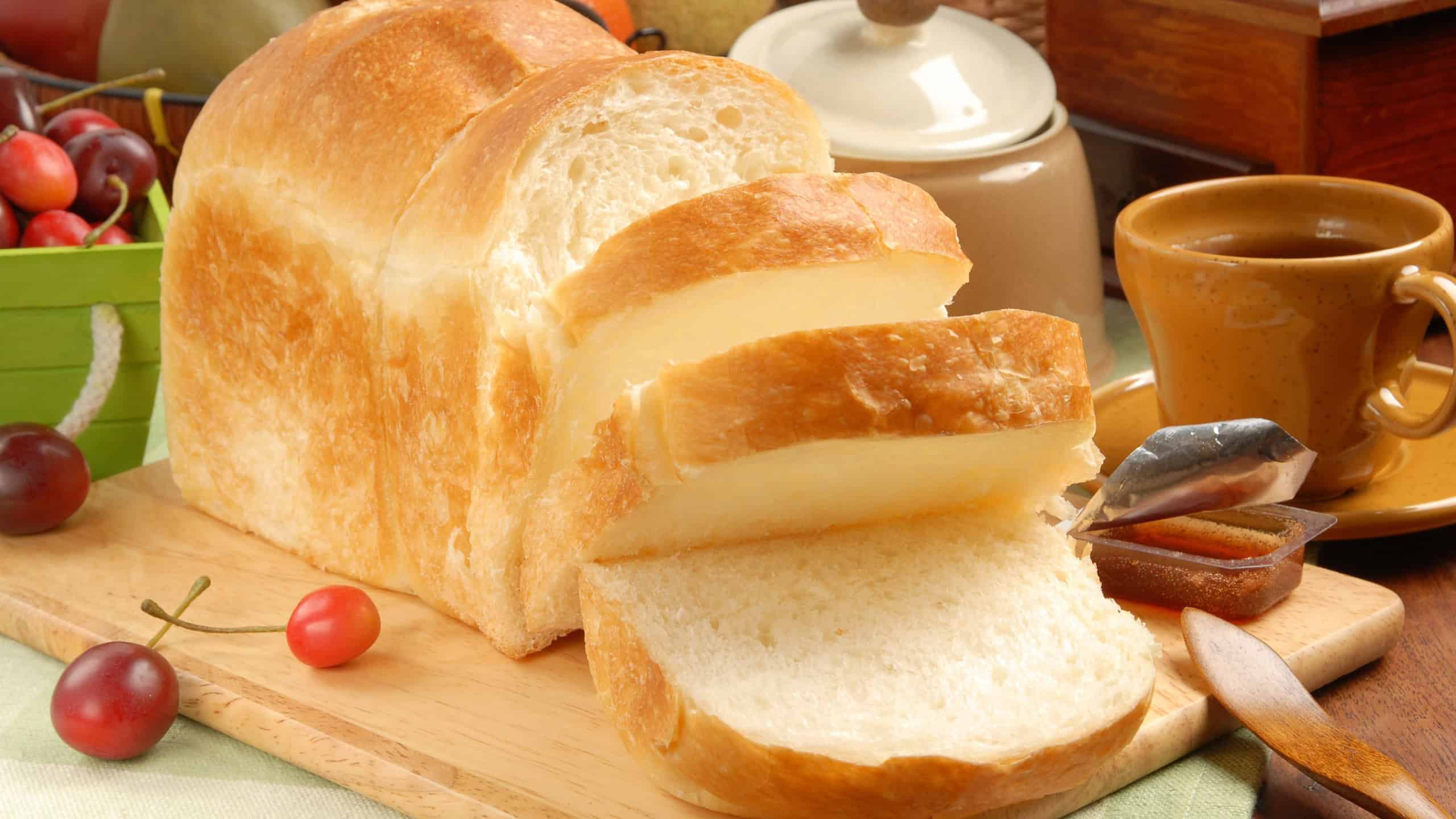
Sandwiches served at Buckingham Palace and Windsor Castle are served 100% crustless.
Chefs trim every last millimeter of crust off of the bread before sandwich construction, ensuring each tea sandwich is uniform, ultra soft, and easy to eat in two proper bites with no tough chewing.
Off-season fruit
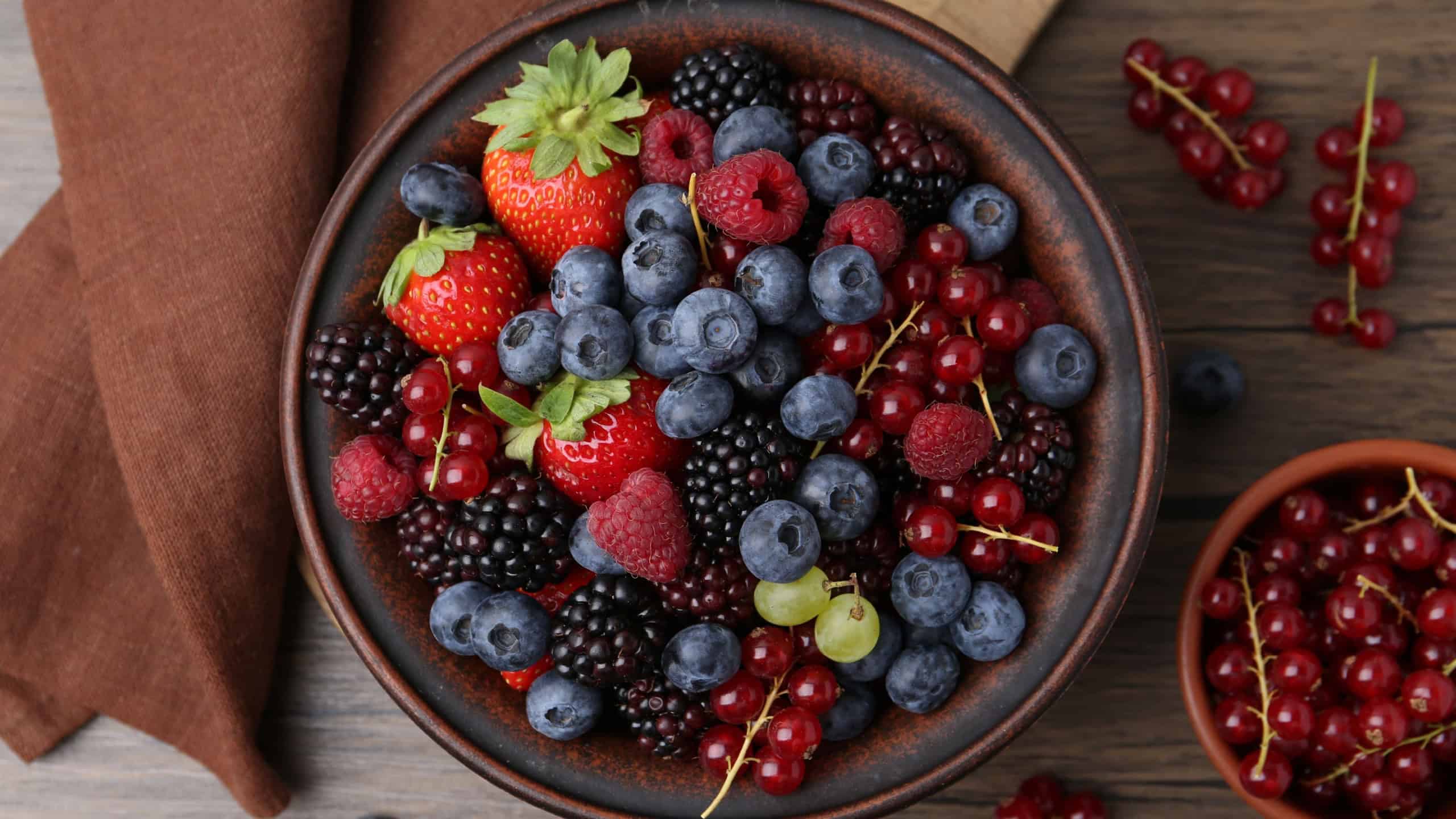
King Charles III is a firm believer in eating seasonal foods and organic farming. You will never find berries in the winter if they are out of season.
If the chef receives an order for strawberries or raspberries in December, they will flat out refuse. Fruit is only served during the very month it grows and becomes naturally ripe in Britain.
GM foods
There are absolutely no genetically modified products served in the royal palace. King Charles has been vocal about his disdain for farms genetically modifying their crops and has always used more sustainable farming methods. The palace only buys from organic estates that can assure them that all farming is 100% natural.
Extreme spice
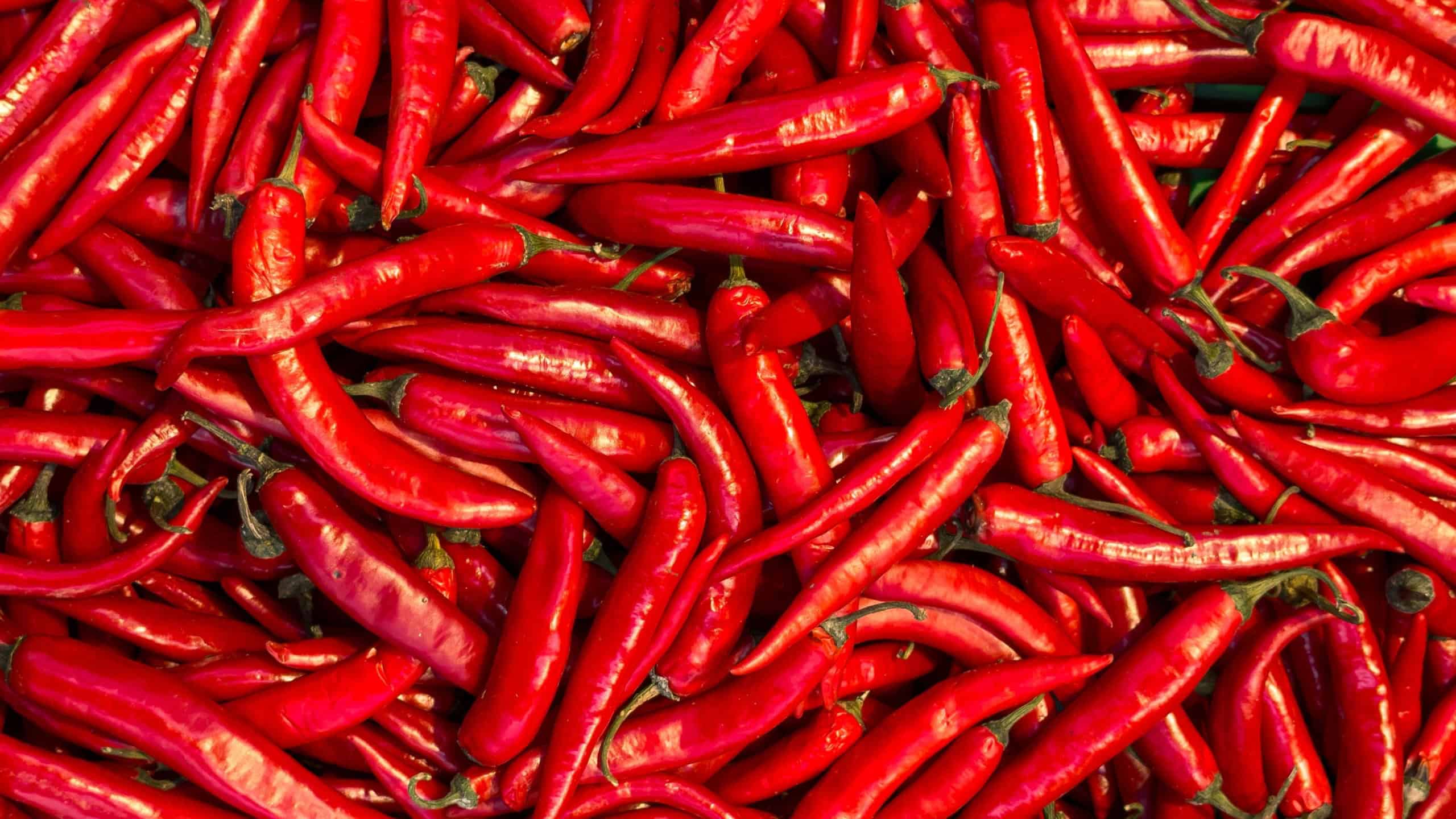
The royal family likes flavor, but bone-numbingly spicy chili peppers, mouth-searing curry, and eye-watering hot sauce are not served at functions. Having someone start coughing wildly or sweating profusely from eating capsaicin looks terrible on cameras, so the palace will use mild seasoning with more European herbs.
Fast food
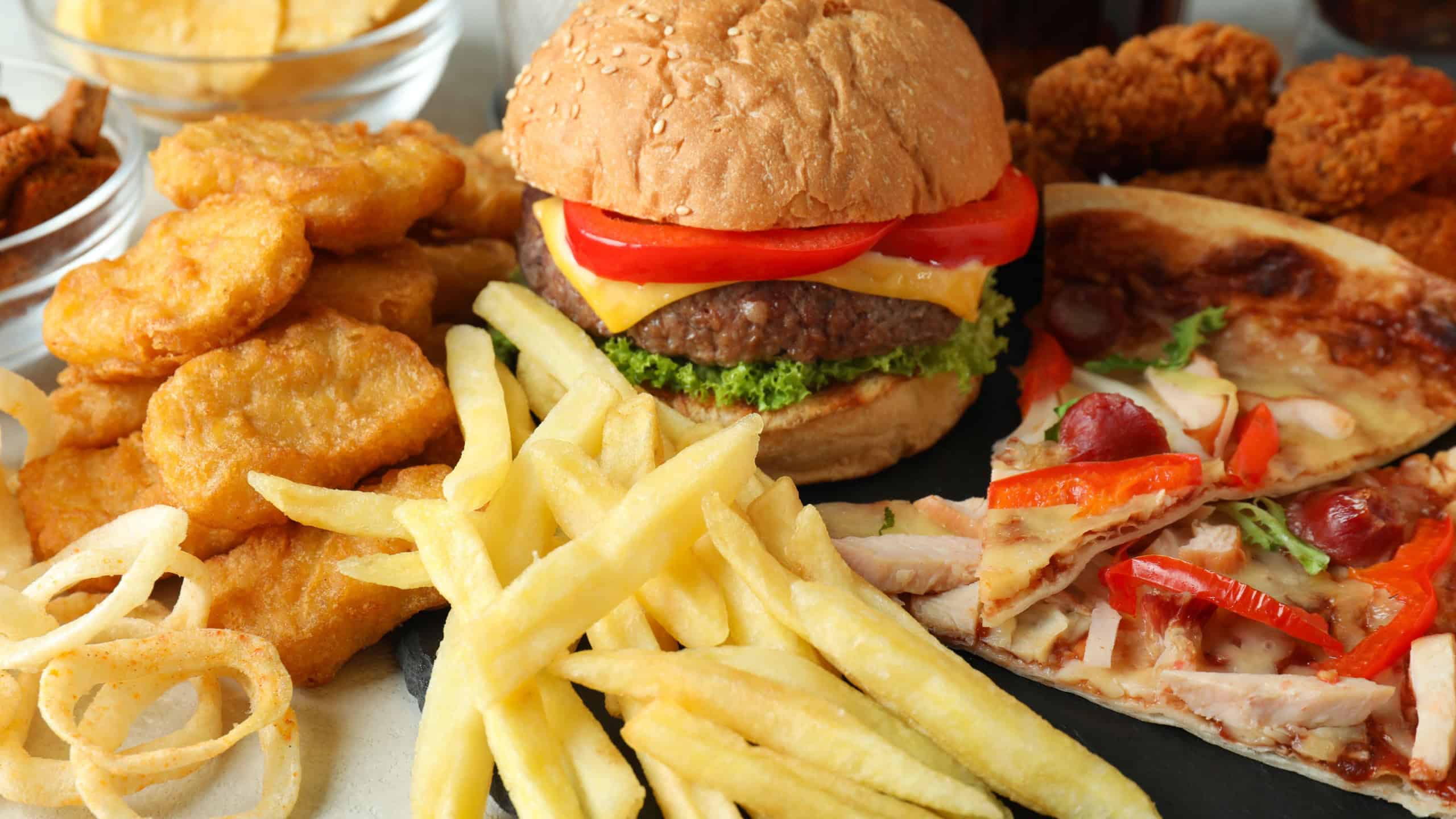
Frozen TV dinners, pre-prepared convenience meals, and franchised corporate fast food are unheard of in the palace. Every last morsel of food that passes King’s lips is prepared entirely from scratch by an army of top-flight classical chefs.
If something can be churned or whipped by hand, that’s how it’s made in the royal kitchens, even simple things like tomato ketchup, mayonnaise, and ice cream.
Non-organic dairy
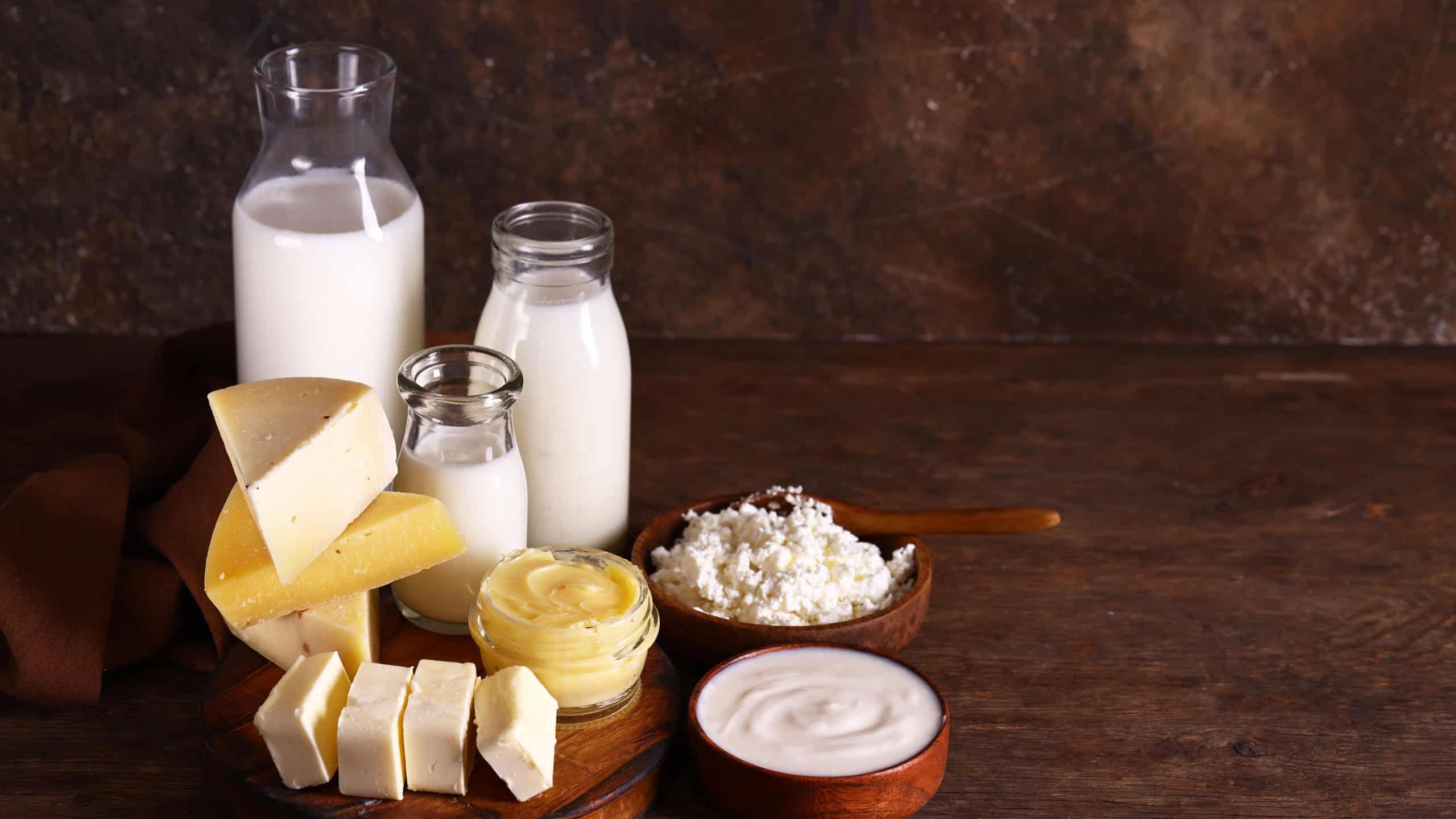
In keeping with the king’s decades-long green initiatives, nonorganic commercially packaged dairy products are not permitted in the royal kitchens.
All cream, milk, and butter served on the estates are sourced from certified organic stocks or from their own herd of pedigree dairy cows at Windsor.
Sources: Please see here for a complete listing of all sources that were consulted in the preparation of this article.
Like our content? Be sure to follow us.