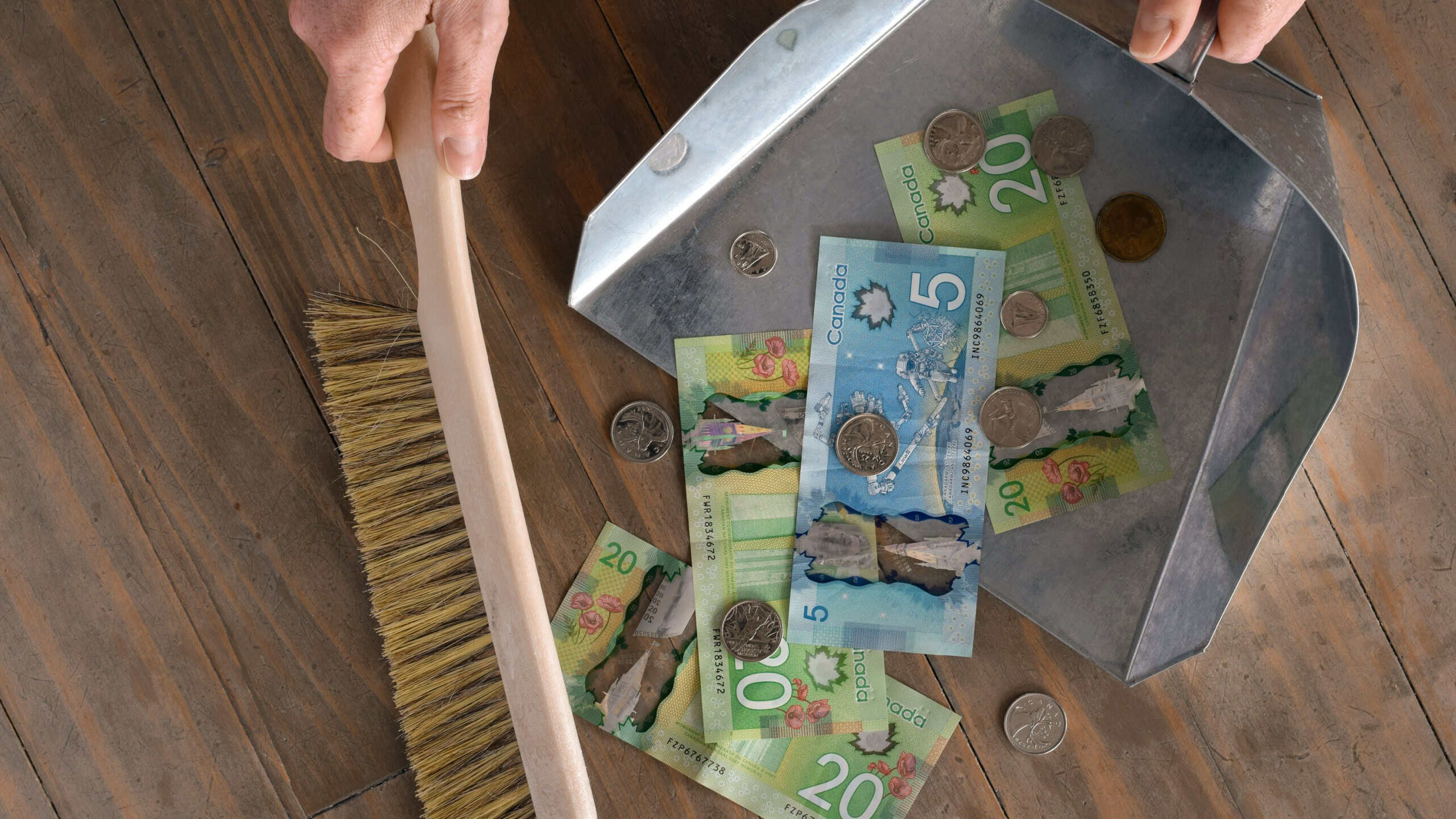
Many Canadians lose money in small, everyday ways without noticing, but these habits can quietly add up over time.
Loyalty blindness
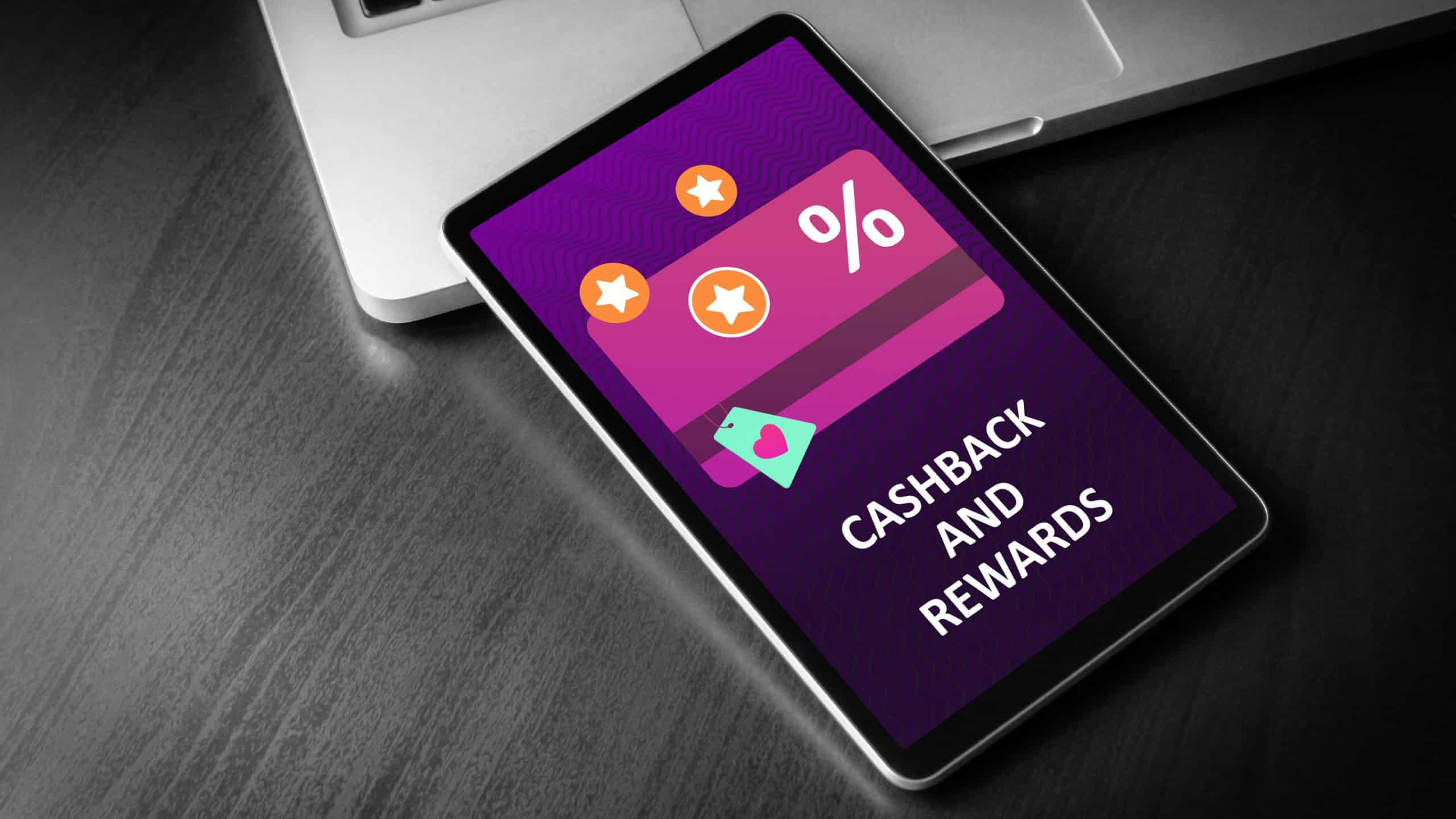
We Canadians love our points programs so much that we sometimes change our everyday spending behaviours just to try and accumulate rewards. Buying costlier groceries at one store or buying premium gas just to rack up Optimum points, Air Miles or Scene+ data often means we pay way more out of pocket than the actual cash value of whatever we redeem.
Banking inertia
It’s completely pointless to pay monthly account fees at your standard, old-school Big Five brick-and-mortar bank. In this day and age, with no-fee banks like Tangerine or Simplii Financial popping up, paying anywhere from $10-$30 a month to access your own hard-earned money is costing you hundreds of dollars a year.
Subscription creep

Signing up for a random podcast service, online newspaper, or boutique fitness class is easy to do and just as easy to forget about. Since they charge you small amounts automatically on your credit card every month, it’s easy to lose track and spend $50 per month on subscriptions you haven’t opened in six months.
Idling engines
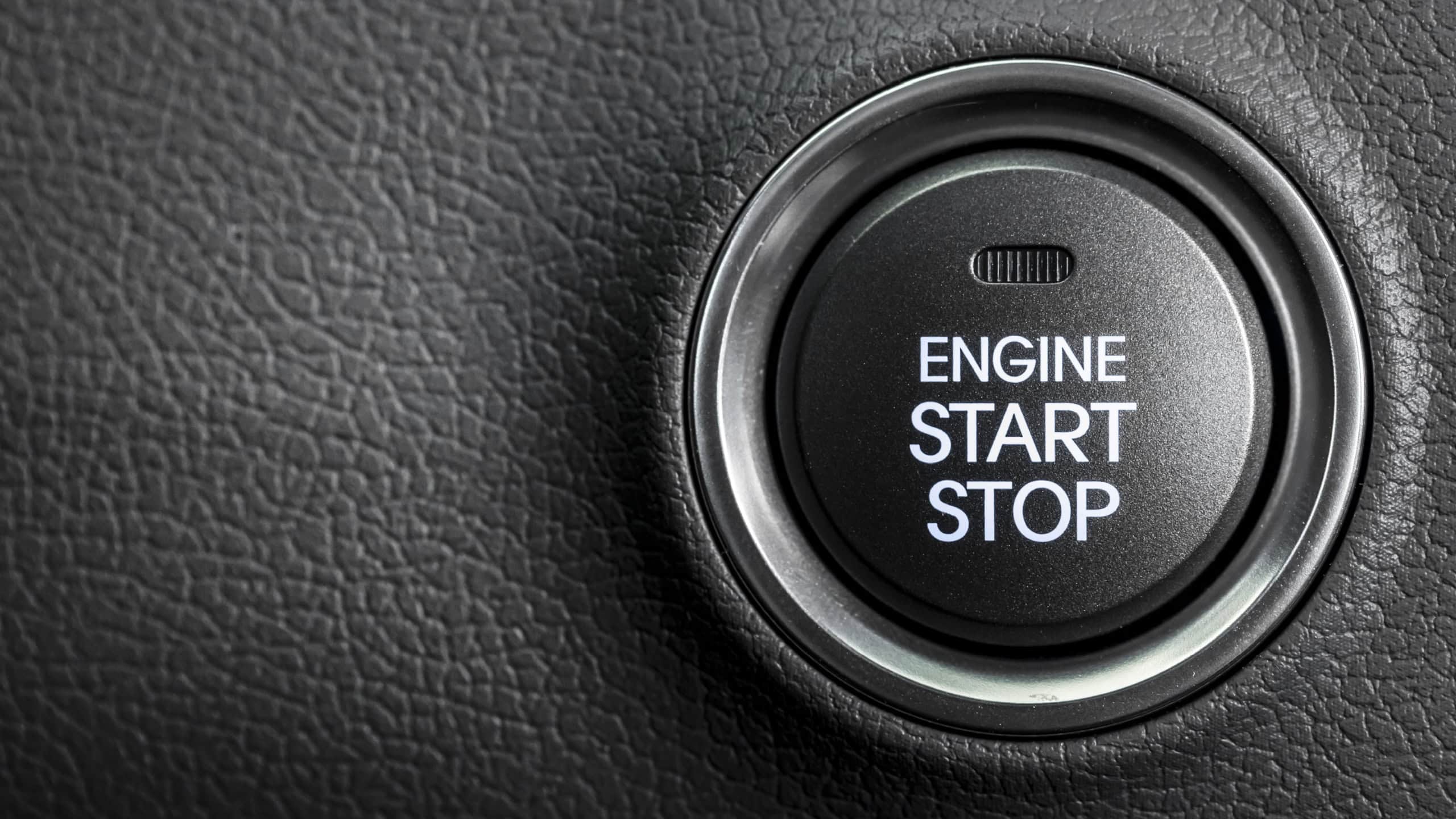
Cold Canadian winters have trained drivers to idle their cars in their driveway for 15-20 minutes to “warm up” before driving. Most fuel-injected vehicles only require thirty seconds of idling to properly warm up the oil for safe driving. Idling for longer than that is wasting money, throwing expensive gas into the air.
Phone contracts

Signing up for a new flagship phone from your carrier means committing to an enormously overpriced monthly plan for two years. Buying a slightly older or refurbished phone outright and switching to a low-priced BYOD carrier such as Fido, Koodo, or Public Mobile will cut your monthly wireless bill in half right away.
Power phantom
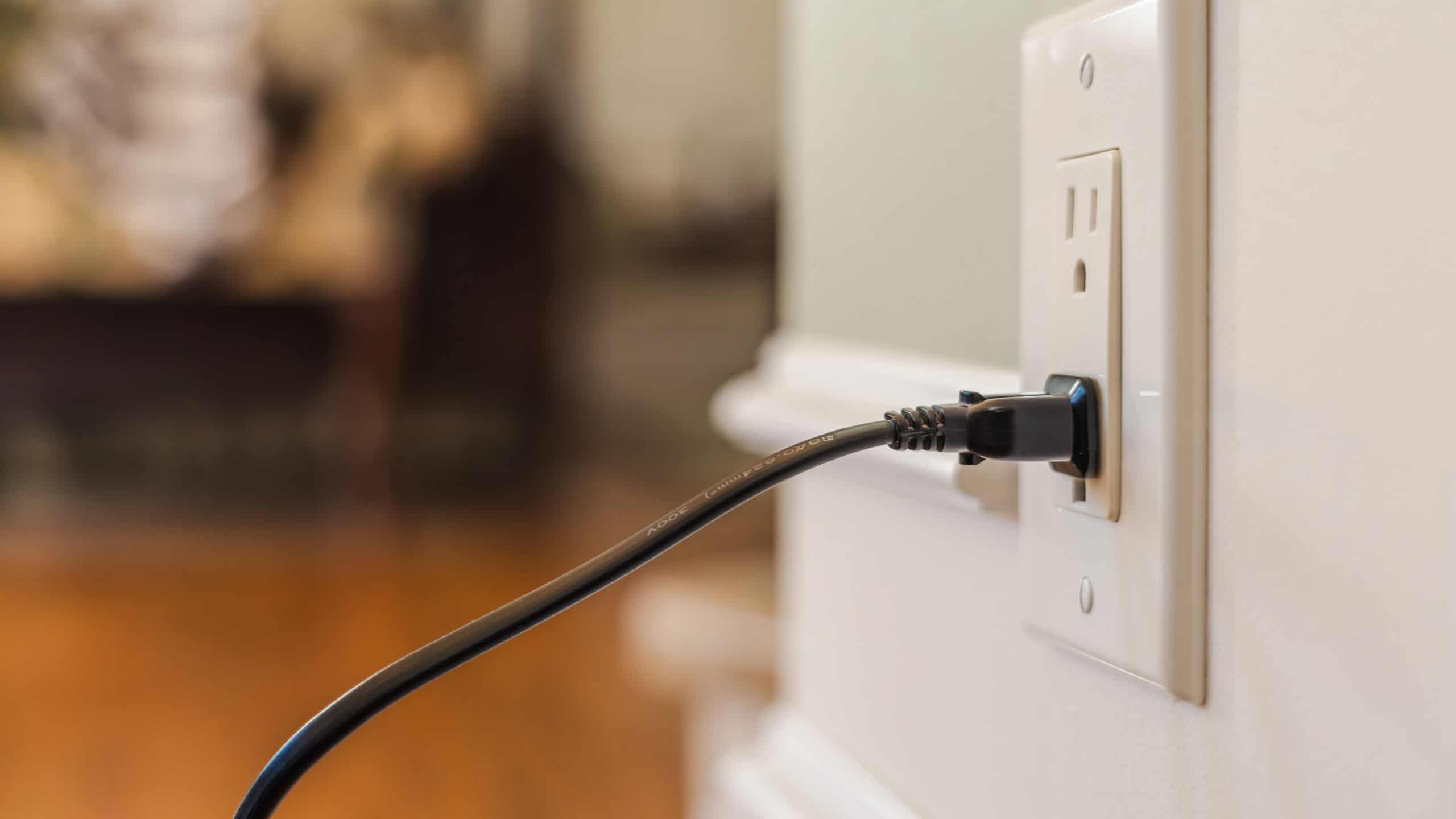
If you leave electronics, video game consoles, and kitchen gadgets plugged into the wall when they are idle or not being used, they will suck down a steady supply of standby power. Also called “phantom load,” this hidden energy use can account for up to 10% of your annual provincial hydro bill for no practical return.
Unclaimed benefits

Tax credits, climate action rebate payments, and local energy-efficiency incentives worth millions of dollars are unclaimed every year by Canadians who don’t file tax returns on time or simply forget to. Not taking the time to see if you qualify for provincial green-energy free home improvements is the same as leaving money on the table.
Convenience food
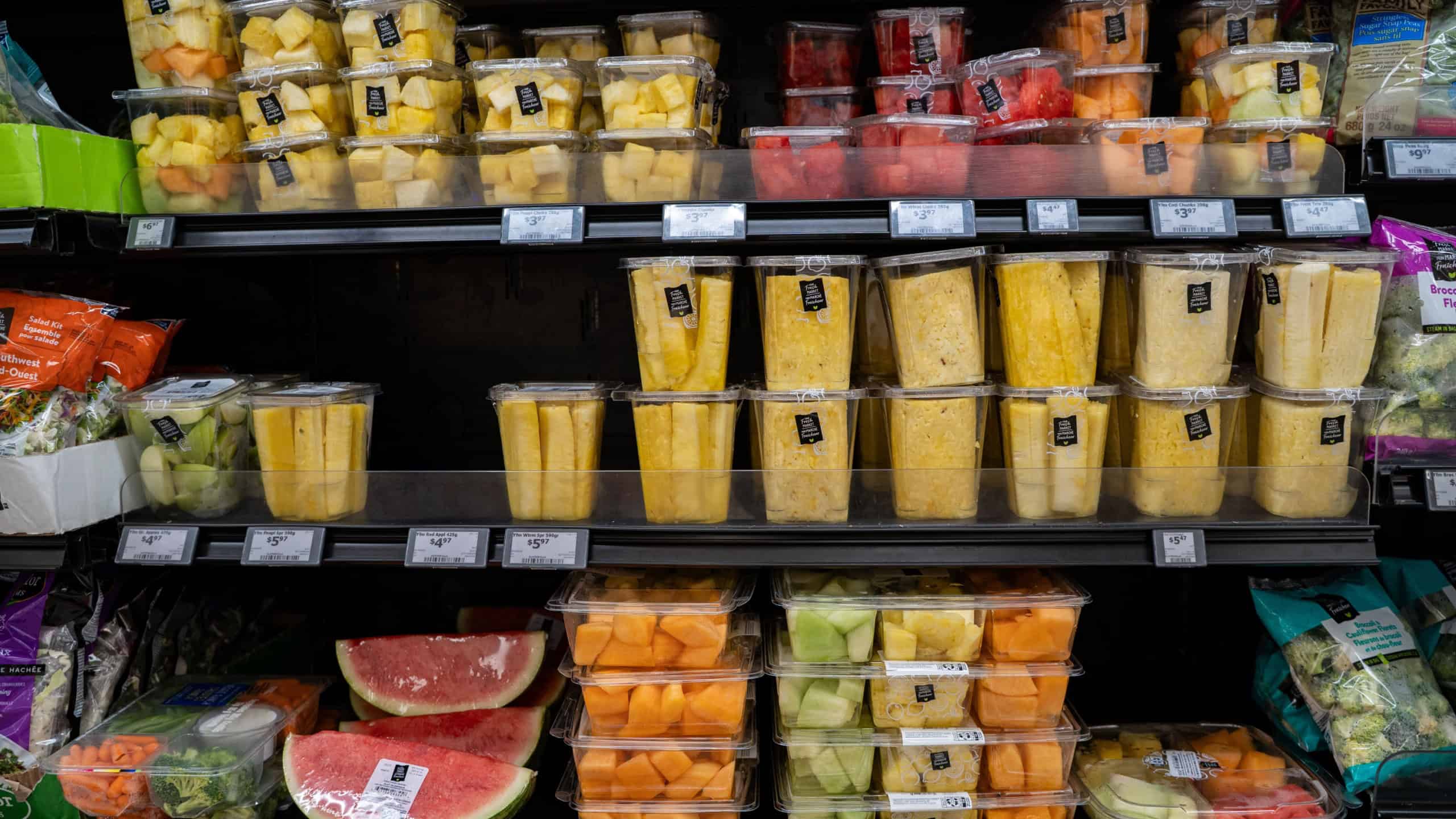
Purchasing pre-chopped vegetables, bagged salads, and single-serving snack packs at the supermarket is tremendously overpriced once you factor in the absurd markup. Spending extra money for someone to slice your onions or cube your cheese at the grocery store can quickly double your weekly food budget compared to buying whole ingredients instead of pre-packaged goods and just chopping things up yourself for ten minutes.
Delivery markups

Ordering restaurant food through third-party delivery apps like SkipTheDishes or UberEats is about as extravagant as it gets, masquerading as an essential convenience. Menu price markups, service fees, delivery charges, and tipping can send the cost of one restaurant meal 30% to 50% higher than it would be if you just got out of your house to grab it yourself.
Gym inertia

Signing up for an expensive commercial gym membership in January out of pure guilt often results in a massive waste of cash by April. If you’re only going once or twice per month, you’re pouring dollars into the hands of the gym owner every month while neglecting the fact that outdoor urban fitness trails and bodyweight programs are free.
Over-insuring cars

Carrying full coverage auto insurance with a small, $250 deductible on an older car that’s losing value and worth less than a couple of thousand isn’t very mathematically sound. Increase your deductible to $1,000 and drop unwanted coverage riders, and you can decrease your monthly insurance payments and save yourself some money.
Unused insurance

Sometimes, Canadians spend money out-of-pocket on things like teeth cleaning services, prescription eyewear or even massages without realizing they have workplace extended health benefits. Forgetting that you have optional work healthcare benefits and watching your yearly flexible spending health dollars or wellness perks roll over into oblivion is basically returning free money to your company.
Brand snobbery

Mindlessly grabbing the name-brand prescriptions, cleaning products, or pantry items instead of the store brand alternative is just throwing your money away. Brand names such as President’s Choice, Great Value, or Kirkland Signature often have identical ingredients or are produced at the same facilities as the costly brand names.
Credit interest
Having a balance on your rewards-oriented credit card defeats the entire purpose of earning points or cash back. When average credit card interest rates are around 20%, earning just 1% to 2% back in the form of points by paying interest on your balance is a horrible financial decision.
Single bottling

Purchasing bottles of single-use plastic water bottles to drink at home is not only terrible for the environment, but it’s a huge money leak. Tap water in Canada is some of the cleanest, safest, and most regulated municipal water in the world, so by spending a little money on one good quality reusable flask and a basic fridge filter, you’ll save yourself hundreds of dollars a year.
Like our content? Be sure to follow us.