
Growing up with very little often leaves behind lifelong habits that have nothing to do with how much money someone has today.
Finishing plates

If you were taught to fear food scarcity as a child, it’s hardwired to you that you better not waste anything. Eating until you’re uncomfortably stuffed doesn’t seem like overdoing it because what’s on your plate should be eaten. If you’re out at a restaurant, you’ll scrape your plate clean or ask for a doggy bag for the sliver of food left on your plate.
Tracking prices

Living paycheck to paycheck teaches you to know the price of everything, down to the penny. Adults who grew up with a low income often memorize unit prices, know what their grocery bill will be before they swipe at the register, and notice price increases the second they happen. They still get anxious flipping through menus without prices listed.
Rejecting gifts

Accepting a gift or generous favor often elicits waves of discomfort and guilt instead of gratitude. Growing up poor, a gift likely meant a parent had to give up something necessary to purchase it. As adults, when someone does something nice for them, they feel the overpowering urge to pay them back immediately.
Over-repairing items

Rather than tossing something broken and ordering a new one, those who grew up poor try every avenue possible to fix it themselves. They’ll glue, tape, and sew old shoes, appliances or clothing until they are beyond repair. Buying new is automatically out of the question; it’s considered a luxury.
Hoarding essentials

Children who grow up with empty cupboards often develop obsessive tendencies to hoard pantry items when they get older. You may find their house littered with excessive amounts of toilet paper, canned goods, or soap. An overstocked pantry is their safety net, guaranteeing they will never face scarcity again.
Avoiding luxuries

When you are raised hearing that going to the dentist, buying new clothes or eating out are “too expensive,” your brain literally maps those activities as off limits. These people may go decades avoiding medical care, wearing worn out clothes, or feeling tremendous guilt when they plan even a modest vacation.
Shrinking physicality

Kids from low-income families often grow up in cramped spaces with no privacy. As adults, they may physically find themselves shrinking down to take up as little space as possible. They may cross their legs tightly at the ankles under chairs or feel like they’re intruding just by standing in a room.
Fearing bureaucracy

Receiving an unexpected letter from the government, a utility bill, or bank fees can send them into panic mode. For kids from low-income families, these seemingly small matters used to mean eviction or some other disaster was looming. There’s always an expectation that it’ll be bad news.
Working sick

When someone has never had the luxury of taking a paid sick day because missing one shift means they can’t pay rent, adulthood doesn’t change that mentality. They develop a stiff work ethic that has them trudging into the office with serious colds because resting means exposing themselves to vulnerability.
Car anxiety
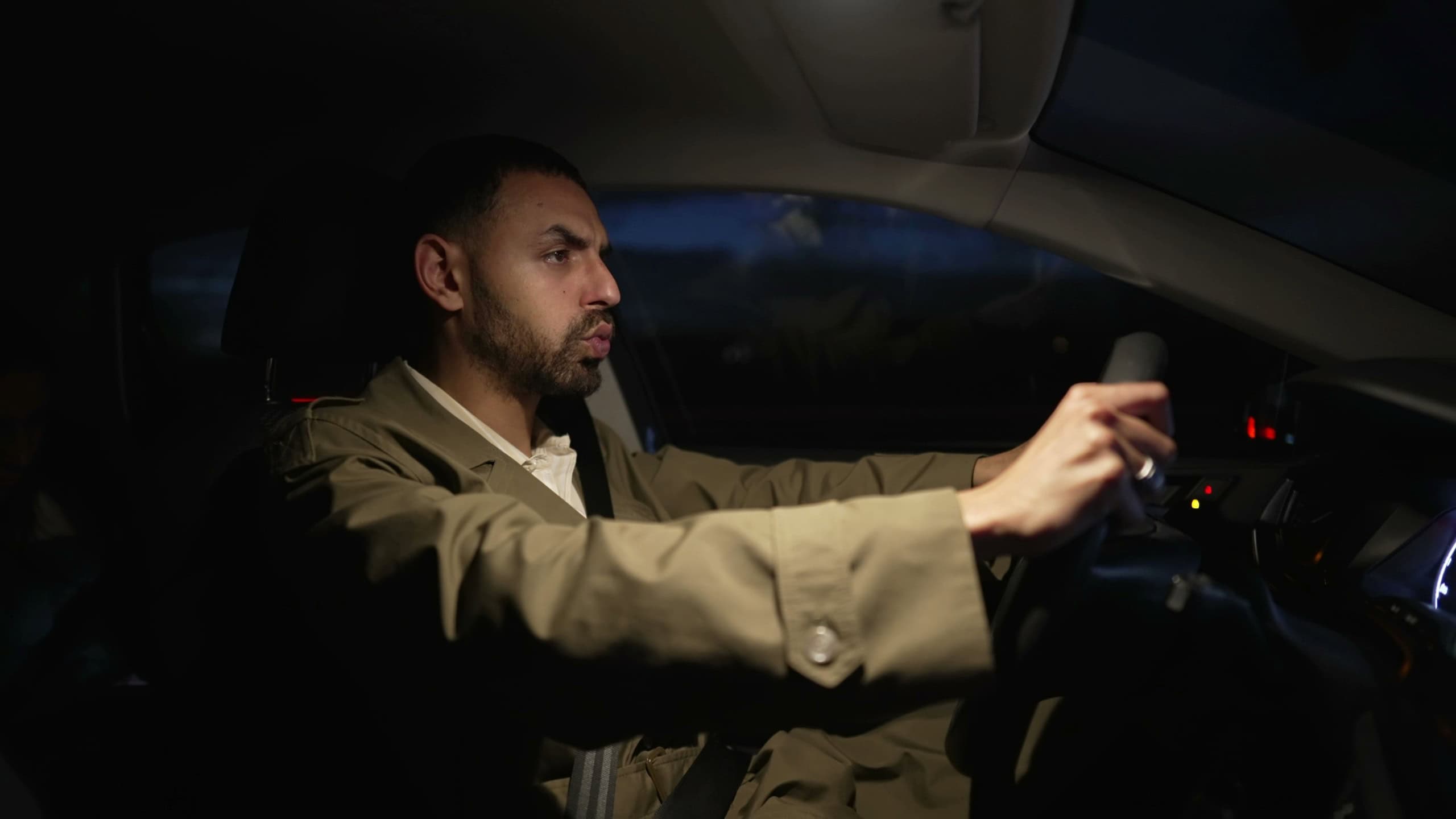
They may end up buying themselves a new, reliable car once they’re older. But they’ll still have driving habits leftover from when their old car was falling apart. They might keep their radio off to hear if there are any abnormal engine noises, or they’ll peek at their dashboard compulsively, waiting for lights to come on. They’ll always think their car will break down because that’s the standard they’re used to.
Sources: Please see here for a complete listing of all sources that were consulted in the preparation of this article.
Like our content? Be sure to follow us.